
- Atomic number
- 3
- Atomic mass
- 6.94
- Shells
- 2, 1
- Configuration
- 1s² 2s¹
- In the table
- period 2, group 1 (IA), s-block
- Kind
- Alkali metal
- Valency
- 1 (Li⁺)
- State at 25 °C
- solid
- Melts · boils
- 180 °C · 1,342 °C
- Density
- floats on water
- Known since
- 1817
Your phone, a laptop, a power bank, the electric scooters and cars on Nepal’s roads: almost every rechargeable battery around you today is a lithium-ion battery. Inside each one, the atoms of a soft, silvery metal shuttle back and forth every time you charge it and use it.
That metal, lithium, is the third element and the lightest metal of all, light enough to float on water, and even on oil. Here is its story.
The lithium atom
A lithium atom has 3 protons, so its atomic number is 3, and 3 electrons. Most lithium atoms have 4 neutrons, so their mass number is 3 + 4 = 7.
By the 2n² rule the K shell takes two electrons, and the third goes into the L shell: 2, 1 Grade 8: Bohr and Bury’s rule. In subshells it is 1s² 2s¹ Grade 10: The Aufbau principle.
That lone outer electron is the key to lithium. If the atom gives it away, what is left has a full K shell, a duplet, like helium. So lithium readily loses it to become the lithium ion, Li⁺ Grade 9: Cations, and its valency is 1.
Its place in the periodic table
- Period 2, because its electrons are in two shells.
- Group 1 (IA), because it has one outer electron.
- s-block, because that electron is in an s subshell.
Lithium is the first of the alkali metals, the metals of group 1: lithium, sodium, potassium, rubidium, cesium and francium (hydrogen sits above them, but is not one of them). Their name comes from the alkalis they make with water. All are soft, shiny, light metals that react quickly with air and water. Going down the group, each has one more shell, so its outer electron is further from the nucleus, held less tightly, and lost more easily: the metals get more reactive Grade 10: Chemical reactivity.
Which of these is the most reactive metal?
Pick an answer to see why.
How lithium was found and named
In the 1790s the Brazilian scientist José Bonifácio de Andrada e Silva, visiting the Swedish island of Utö, described a new mineral, petalite. Thrown on a fire, it gave a strange crimson flame.
In 1817 a young Swedish chemist, Johan August Arfwedson, working in the Stockholm laboratory of the famous Jöns Jacob Berzelius, analyzed petalite and found in it the compound of an unknown metal. It behaved like sodium and potassium, but lighter. It was named lithium, from the Greek lithos, stone, because it was found in a mineral, while sodium and potassium had first been found in the ashes of plants. Its symbol is Li. Nepali writes it लिथियम; it has no older Nepali name.
Arfwedson could not get the metal out. The English chemist William Brande separated a tiny speck by electrolysis in 1821, and in 1855 the German chemist Robert Bunsen and the Englishman Augustus Matthiessen made it in quantity by passing electricity through melted lithium chloride. That is still how lithium metal is made.
Where lithium is found
In the universe. Lithium is one of only three elements made in the Big Bang, with hydrogen and helium, but only a trace of it (Hydrogen and helium: the first minutes). Stars don’t make much more: their hot insides destroy it. Most of the rest is made by cosmic rays, fast particles from space, chipping pieces off heavier atoms (Getting the atoms out). So lithium is rare in the universe, much rarer than its neighbors in the table.
In the Earth’s crust there are only about 20 grams of lithium in every tonne of rock. It is never found as the metal, which is far too reactive. It is mined in two ways:
- from hard rock containing the mineral spodumene (LiAlSi₂O₆), crushed, heated and treated with acid, mainly in Australia;
- from brine, very salty water under the dry salt flats of the Andes mountains in Chile and Argentina. The brine is pumped into huge shallow ponds, where the desert Sun evaporates the water over many months until the lithium salts are concentrated enough to collect.
In 2024 the world mined about 240,000 tonnes of lithium, not counting the USA. Australia produced about 88,000 tonnes, Chile 49,000 and China 41,000, then Zimbabwe and Argentina (USGS, 2025). About 87% of it went into batteries.
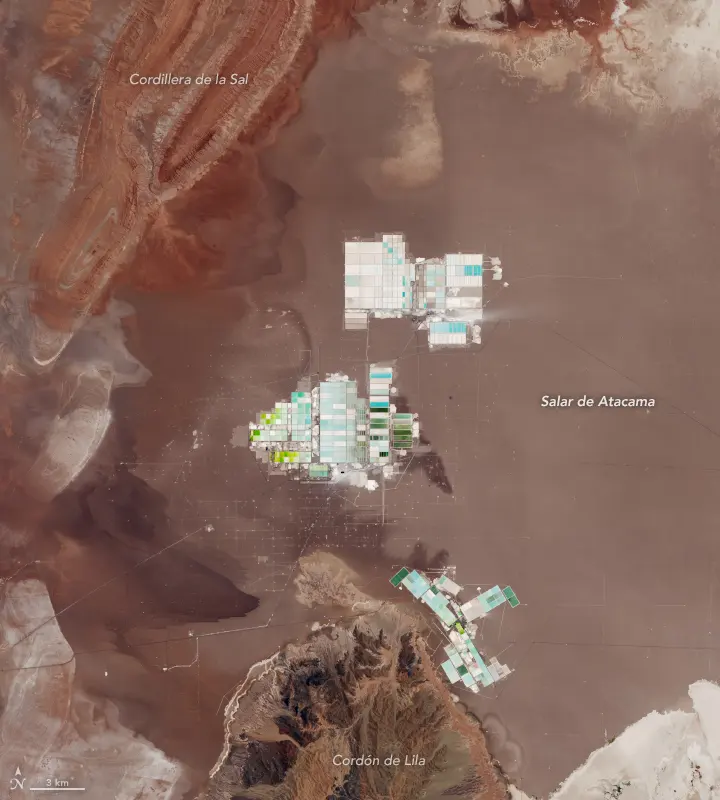
In Nepal, no lithium is mined. Nearly all the lithium in the country arrives inside imported batteries.
In your body there is only a trace of lithium, from water and food. It has no known job there.
What lithium is like
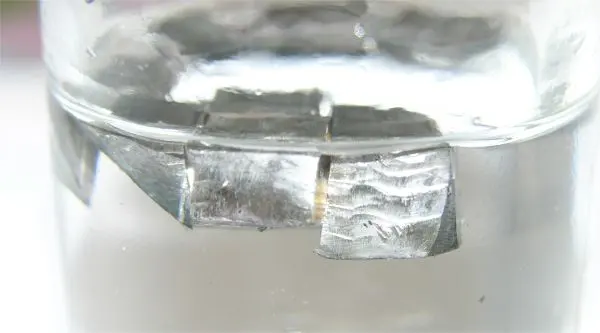
- A soft, silvery-white metal, soft enough to cut with a knife. A fresh cut shines, then quickly goes dull in moist air.
- The lightest metal, and the lightest of all solid elements: its density is 0.53 g/cm³, about half that of water. It floats on water, and even on the paraffin oil that sodium and potassium are kept in.
- Melts at 181 °C, the highest melting point of the alkali metals (sodium melts at 98 °C, potassium at 63 °C), and boils at 1,342 °C.
- Conducts heat and electricity, like every metal Grade 9: General properties of metals.
- Holds heat well: it takes more heat to warm a kilogram of lithium by one degree than a kilogram of any other solid element.
Why is lithium so light? Each atom weighs only about 7 times as much as a hydrogen atom, yet takes up a lot of room, because its outer electron is out in the second shell. Few, light atoms in a big space make a low density.
How lithium reacts
Lithium is a very reactive metal, though the gentlest of the alkali metals.
With water it floats, fizzes steadily and slowly disappears, giving off hydrogen and leaving lithium hydroxide, an alkali that turns red litmus blue Grade 9: Very reactive metals react with water:
2Li + 2H₂O → 2LiOH + H₂
Unlike sodium, it doesn’t melt, because the reaction doesn’t make it hot enough to reach 181 °C; unlike potassium, its hydrogen doesn’t catch fire.
With oxygen, lithium burns with a bright flame, leaving white lithium oxide:
4Li + O₂ → 2Li₂O
With nitrogen: lithium is the only alkali metal that reacts with the nitrogen of the air, even at room temperature, slowly forming dark lithium nitride (Li₃N). So lithium can’t simply be stored in oil like sodium (it floats to the top); it is kept in sealed tins under the unreactive gas argon, or coated in petroleum jelly.
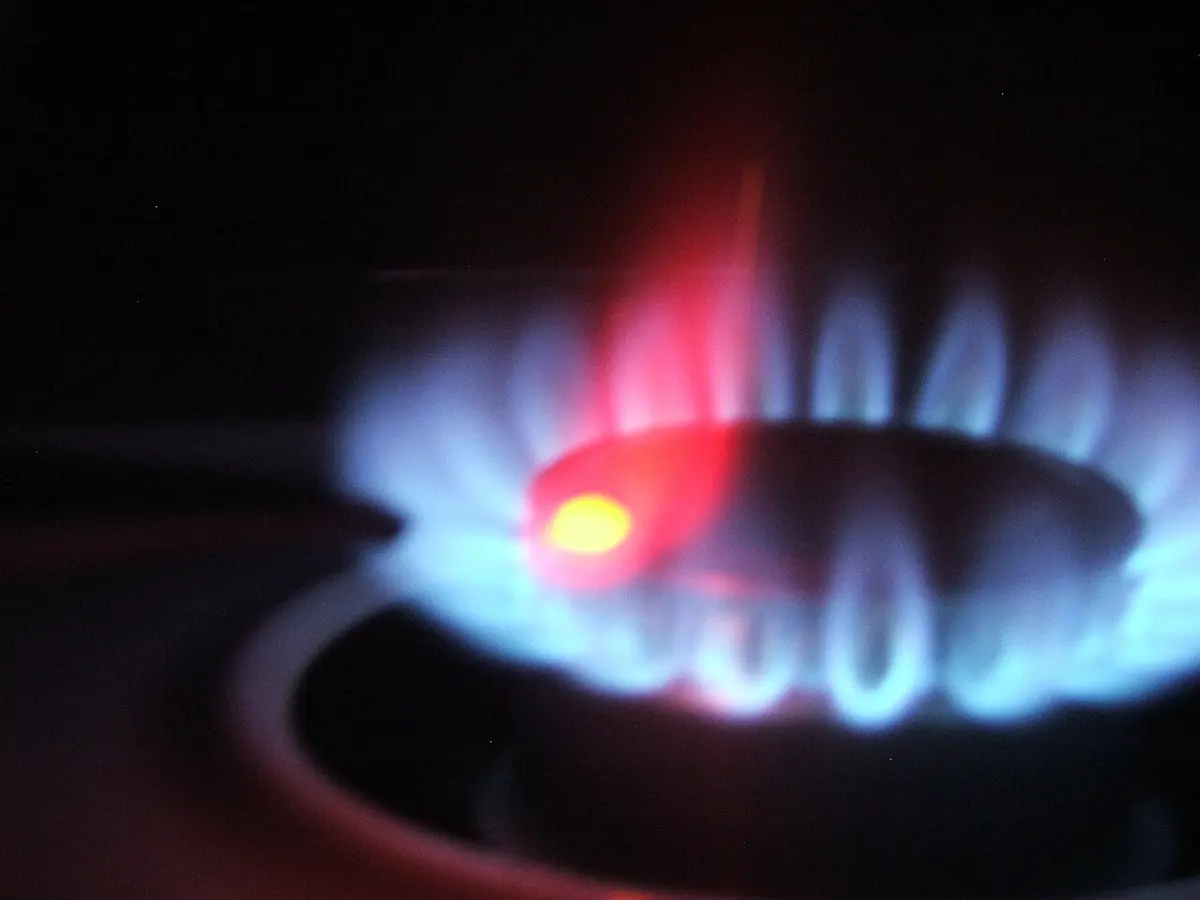
Its flame color: lithium compounds color a flame a deep crimson red, the flame test that first caught Andrada e Silva’s eye, and one way fireworks are colored red.
A small piece of lithium is dropped into water with a few drops of red litmus solution. What do you see?
Pick an answer to see why.
Lithium in daily life
The lithium-ion battery
Why lithium for batteries? It is the lightest metal, and it gives up its electron more eagerly than almost any other element. So a battery that moves lithium can store a lot of energy for its weight: just what a phone or a car needs.
In a lithium-ion battery, lithium is never a bare metal. When the battery is charged, lithium is stored between the layers of graphite (a form of carbon) in the negative electrode. When you use the phone, each lithium atom gives its electron to the wire and moves, as an ion, through the liquid inside the cell to the positive electrode, a metal oxide. The electrons flow the other way round, through the phone: that is the current. Charging pushes them all back.
The battery was the work of three scientists who shared the Nobel Prize in Chemistry in 2019: Stanley Whittingham made the first lithium battery that could be recharged in the 1970s; John Goodenough found a cobalt oxide electrode in 1980 that nearly doubled its voltage; and Akira Yoshino replaced dangerous lithium metal with carbon in 1985. The first lithium-ion batteries went on sale in 1991.
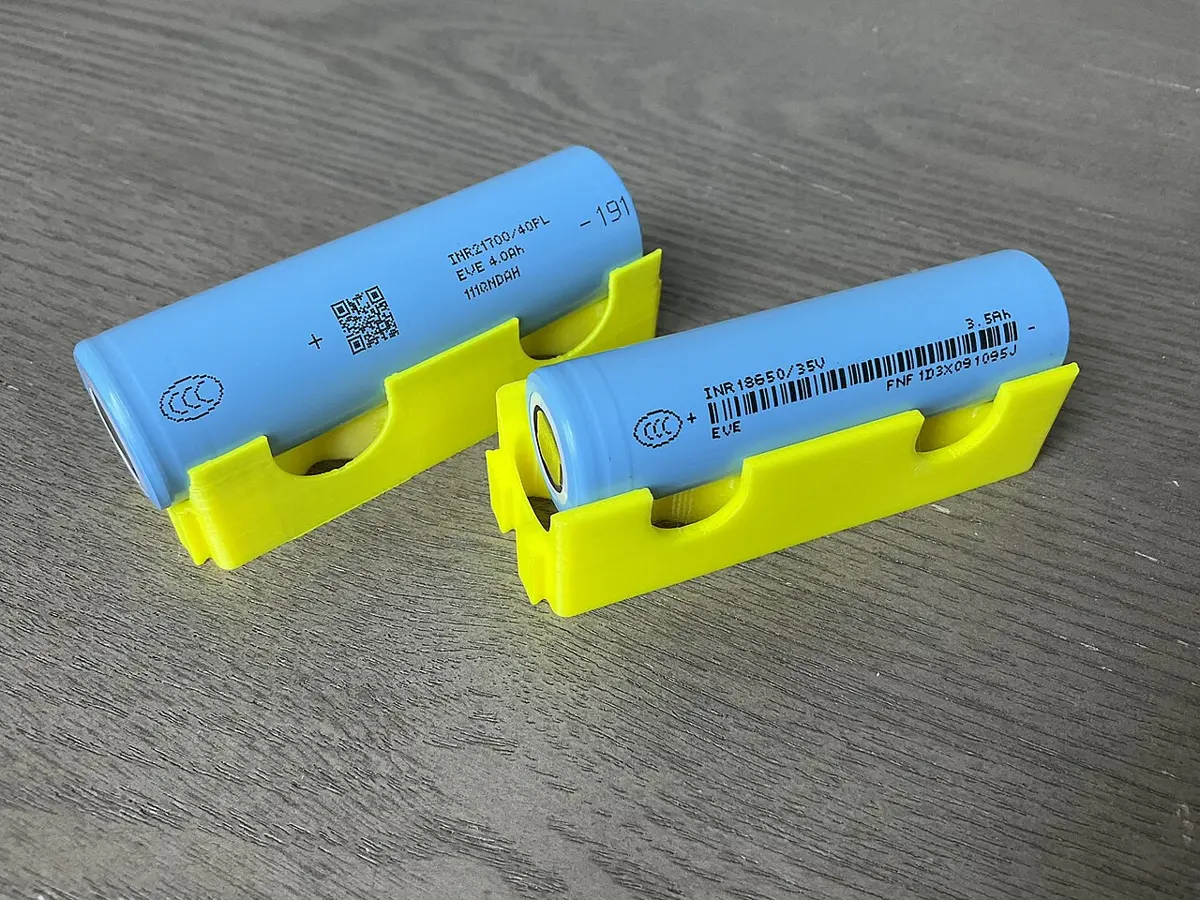
A phone battery holds only a few grams of lithium; an electric car’s holds several kilograms. Electric cars, buses and scooters have spread fast in Nepal in the last few years, charged by its hydropower, and most of them run on lithium-ion batteries.
Other uses
- Small button batteries (lithium metal, not rechargeable), in watches, calculators, car keys and heart pacemakers.
- Heat-proof glass and ceramics: a little lithium oxide makes glass-ceramic cooktops and ovenware that don’t crack when heated quickly.
- Grease: lithium soaps make the thick grease in the wheels and joints of vehicles and machines.
- Clean air in space: lithium hydroxide absorbs carbon dioxide, so it cleans the air in spacecraft and submarines: 2LiOH + CO₂ → Li₂CO₃ + H₂O.
- Light alloys: a little lithium makes aluminium lighter and stiffer, for aircraft.
Isotopes of lithium
Natural lithium is a mixture of two isotopes, neither radioactive: about 92.4% lithium-7 (4 neutrons) and 7.6% lithium-6 (3 neutrons).
Lithium and your health
Lithium is not something your body needs. But a lithium compound, lithium carbonate, has been a medicine since 1949, when the Australian doctor John Cade found that it calms the extreme highs of bipolar disorder, an illness of mood. It still helps millions of people. The right dose is close to a harmful one, so patients taking it have regular blood tests.
Surprising facts and records
- The lightest metal: a lump of lithium the size of a brick (about 2 liters) would weigh only about 1 kg.
- Older than the Sun: some of the lithium in your phone’s battery was made in the first minutes of the universe.
- A puzzle about the Big Bang: the oldest stars have about three times less lithium than calculations of the Big Bang predict, and nobody yet knows why (Checking the recipe).
In your science books
- Grade 8: the first 20 elements, the 2n² rule and characteristics of groups (lithium, sodium and potassium).
- Grade 9: cations, properties of metals and very reactive metals and water.
- Grade 10: the Aufbau principle, metals in the periodic table and reactivity down a group.
- Going further: where lithium was made, the lithium puzzle and flame colors.
More to explore
- Nobel Prize: the lithium-ion battery (2019).
- Play: find lithium in Guess the Element, the Periodic Table Jigsaw and Higher or Lower.
- Read more: lithium at the Royal Society of Chemistry and at PubChem.