
Science you can touch.
150+ exhibits and a living science garden, where children stop memorizing how the world works and start discovering it for themselves.
Visits by appointment only · Open every day, 9 AM – 7 PM
Why hands-on science
Science isn’t a subject to memorize. It’s a way of looking at the world.
The world’s great science centers are built on one simple idea: people understand science best when they experience it for themselves. Science Playground is built on that idea too.
01
Questions before answers
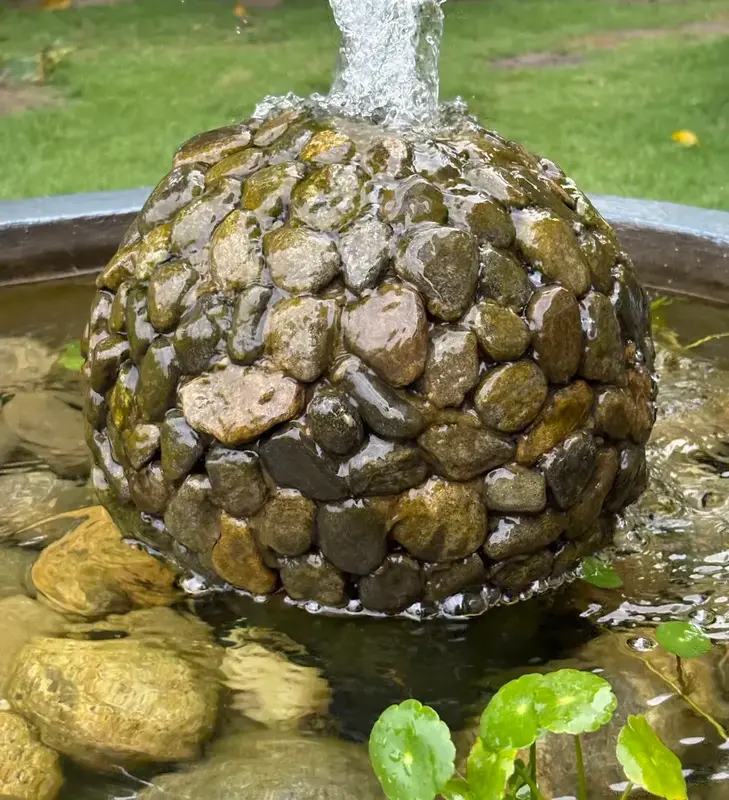
Every exhibit starts with a surprise: a globe floating in midair, a whisper that crosses the garden. Surprise sparks the question, and exploring finds the answer.
02
Understanding you can feel
A law of physics read in a textbook is easily forgotten. The same law felt in your own hands, spinning, balancing, pushing back, is understood for life.
03
The classroom, completed
We don’t replace the science lesson. We bring it to life, so students return to class having seen what the textbook describes, and teachers have a place where abstract ideas become real.
A look inside
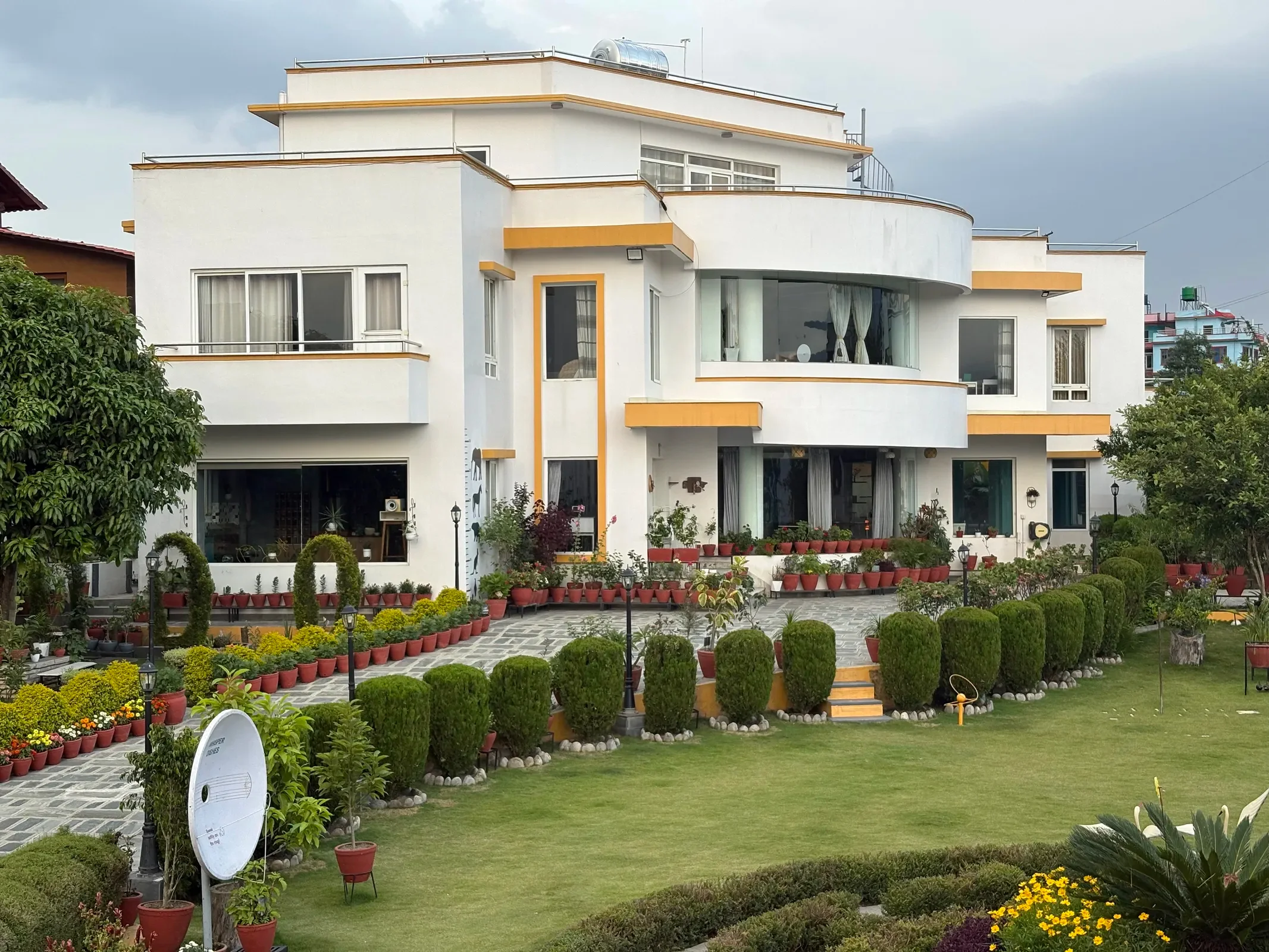
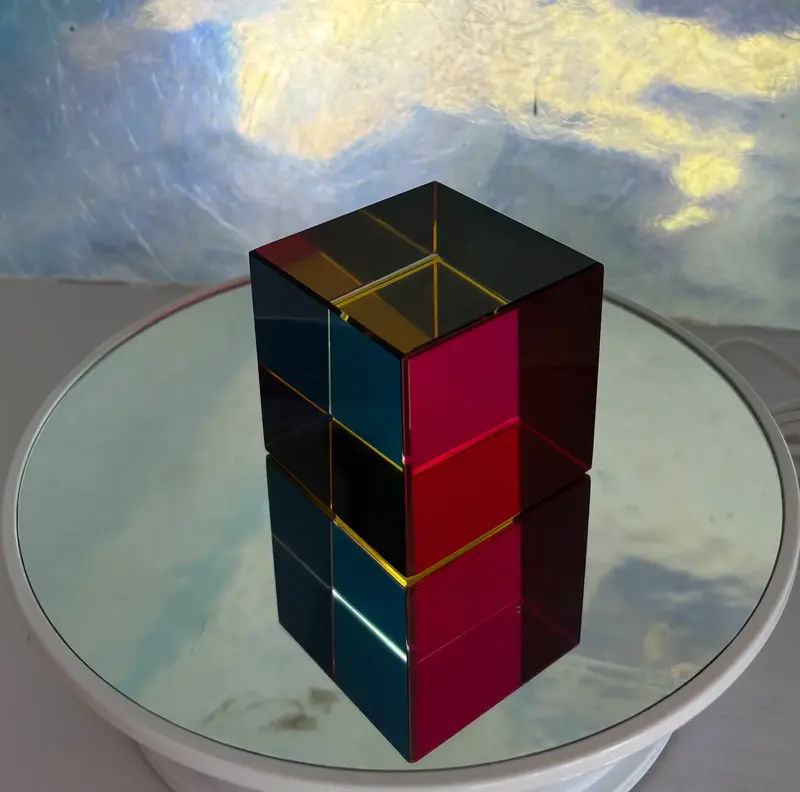
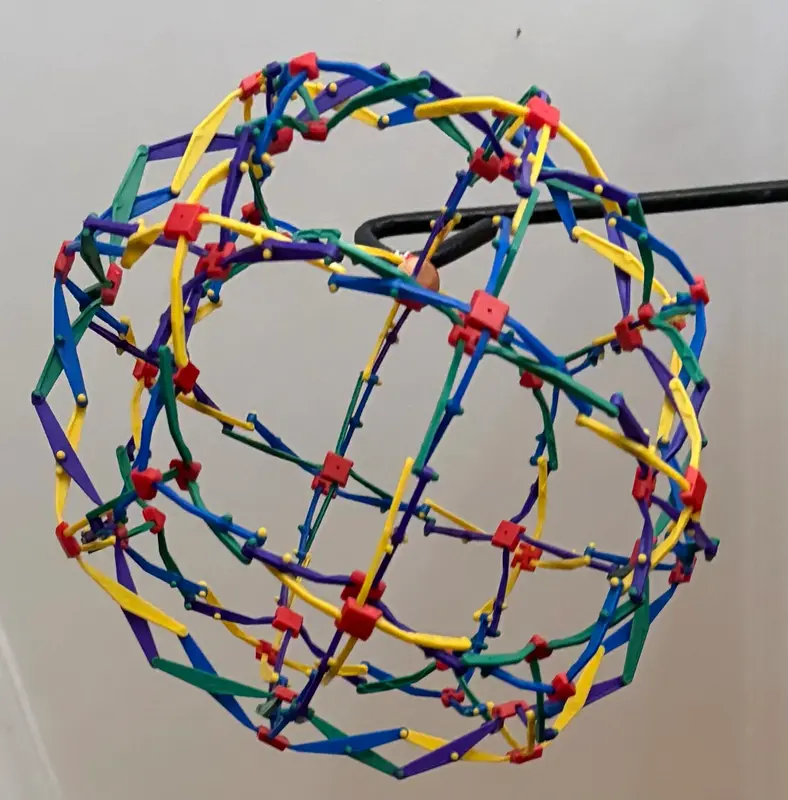
A garden campus in Katunje, Bhaktapur, with a surprise around every corner.




What educators say
It was wonderful to see our students apply what they have learned in the classroom at Science Playground, Bhaktapur. They were not just observing the physics and engineering projects — they were connecting concepts, testing ideas, asking questions, and seeing how the science they study works in real life.
Naresh Raj Paudyal
Vice Principal
Rajarshi Gurukul
As a school principal, I firmly believe that even a single visit can inspire teachers to plan months of meaningful classroom learning through real-life examples, practical activities, observation, and research.
Pusparaj Simkhada
Principal
Sagarmatha Educational Academy
By bringing science beyond textbooks and into the world of practical learning, experimentation, observation, and exploration, this initiative will play a significant role in nurturing scientific curiosity, creativity, critical thinking, and innovation among students.
Rajendra Prasad Acharya
Chairman
SAGE Academy
For schools
Bring your class for a two-hour guided visit.
Curriculum-linked exhibits, live demonstrations, and hands-on activities. Teachers visit free, and are welcome to come beforehand to plan their students’ visit.
Ready to explore?
Visits are by appointment. Book a school or family visit and we’ll call you to confirm.