
Grade 6 Science and Math: A Teacher’s Guide
How the exhibits and the garden link to what you teach, unit by unit.
This guide links what your Grade 6 class sees at Science Playground to the units you teach from the Science and Technology textbook, unit by unit, in the book’s order. For each unit you’ll find the CDC learning outcomes the visit supports, the exhibits and garden plants that show them, what students do at each one, a question to ask there, and an activity for before and after the visit.
You don’t need to wait until you’ve taught everything. A visit works well in the middle of a unit, when students have met the idea but not yet seen it work, and the questions here are written so students who haven’t reached a unit can still answer them by looking.
Three stops also serve the Mathematics textbook, where an exhibit shows this year’s maths: the wood blocks for volume, the compass rose for kinds of angle, and the Galton board’s piles as a bar diagram. They are marked Math and come after the science units.
Every stop links to its section in Grade 6 Science, Explained, our free online edition of the textbook, where students can read the idea again after the visit.
Visit sheets for the day
Pages to print for you, for before, during and after the visit, and a two-page explorer sheet to copy for your students.
At a glance
49 exhibits and plants for 14 of the books’ units. Tap a unit to go to it.
- Unit 1: Scientific Learning 3 stops
- Unit 2: Information and Communication Technology 2 stops
- Unit 3: Organisms and their Structure 6 stops
- Unit 4: Biodiversity and Environment 6 stops
- Unit 5: Life Process 4 stops
- Unit 6: Force and Motion 8 stops
- Unit 7: Energy in Daily Life 9 stops
- Unit 8: Electricity and Magnetism 4 stops
- Unit 9: Matter 3 stops
- Unit 10: Materials Used in Daily Life 3 stops
- Unit 11: The Earth and Space 3 stops
- Math, Unit 10: Perimeter, Area and Volume 1 stop
- Math, Unit 14: Lines and Angles 1 stop
- Math, Unit 20: Statistics 1 stop
A two-hour visit
Four rounds that cover every stop in this guide. With a large class, split into four groups that take the rounds in turn; with less time, choose the units you’re teaching now.
Each round is a line, its stops in walking order; the columns are the floors, from outside up to the Second Floor, so the line steps across where the group takes the stairs.
Round 1 · 30 min · Outdoors
Living things in the garden
Best in the morning, before the midday sun.
- 1
- 2
Also in this round, not on the map yet: Barrel Cactus, Water Lily, Lady Fern, Peat Moss, Fringed Iris, Rhododendron, Blue Salvia, Silver Yucca, Foxtail Orchid, Gold Dust Croton
Round 2 · 25 min · Indoors
Life, soil and matter
- 1
- 2In through the Entrance Himalayan Pink Salt
- 3
- 4
- 5Woods of Nepal (Math)
- 6
- 7
- 8
- 9
Round 3 · 30 min · Indoors
Light, sound, magnets and electricity
- 1The Compass Rose (Math)
- 2In through the Entrance The Single Lens Camera
- 3
- 4
- 5Up the stairs to the First Floor Magnetic Lines of Force
- 6
- 7
- 8
- 9
- 10
- 11
- 12Up the stairs to the Second Floor Glow-in-the-Dark Planets
Round 4 · 25 min · Indoors and outdoors
Force, energy and machines
- 1
- 2
- 3In through the Entrance Solar House Model
- 4
- 5
- 6Up the stairs to the First Floor Which Feels Cooler?
- 7
- 8
- 9
- 10
- 11
- 12
- 13Galton Board (Math)
- 14
- 15
- 16
Unit 1
Scientific Learning
Everything at the center is a chance to practice the steps of scientific learning on real things: notice something, ask a question, guess, test, and say what you found. The height chart also gives students something to measure in standard units.
CDC learning outcomes this visit supports
- 1.1Introduce the process of scientific learning and follow it.
- 1.2Say why units matter in measurement, and use them.
- 1.4Name and use the multiple and submultiple units of physical quantities.
At the center
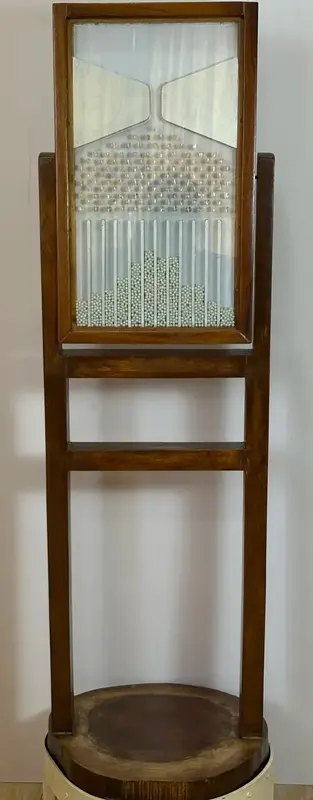
- Galton Board · 1.1 Introduction to scientific learning
Do: Guess where most balls will pile up, then turn the frame over and watch them fall: a guess tested by what really happens.
Ask: Where did most of the balls land? Why do so few reach the edges?
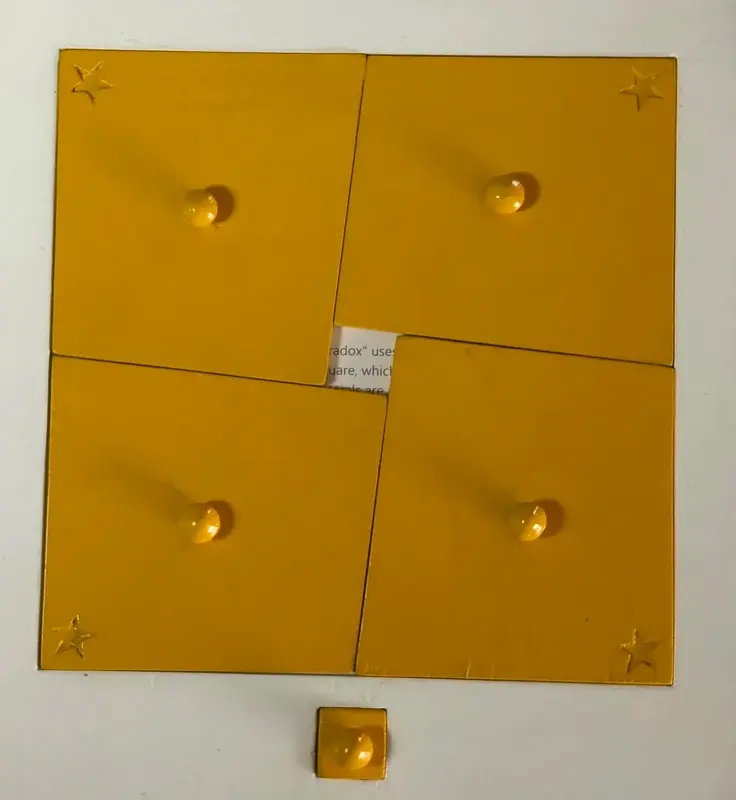
First Floor - The Area Illusion · 1.1 Introduction to scientific learning
Do: Make the square with the hole, then the one without: they look the same size. The same four pieces cover both, and one has a hole too, so which must be bigger? Reasoning catches what the eye can’t.
Ask: The same four pieces make both squares, but one also has a hole. So which square must be bigger? Can your eye see the difference?
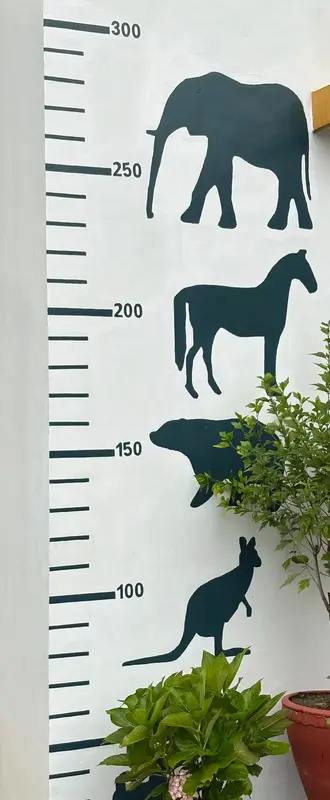
First Floor - How Tall Are You? · 1.4 Multiple and submultiple units
Do: Read your height in centimeters, then say it in meters: 100 centimeters make 1 meter.
Ask: The scale is in centimeters. How much is its 150 mark in meters? And its top mark, 300?
Grounds
Watch for
- Students trust what they see. The two squares look the same size, yet the one with the hole must be bigger, since the same four pieces cover it and the hole too. Reasoning and measuring catch what the eye misses.
Before the visit
Do Activity 1.2 (will it sink or float?), where students guess, test and record. They arrive knowing the steps and can use them at every stop.
After the visit
Each group writes up one test they did at the center in the steps of scientific learning: the question, their guess, what they did, what they saw, and what they concluded.
Unit 2
Information and Communication Technology
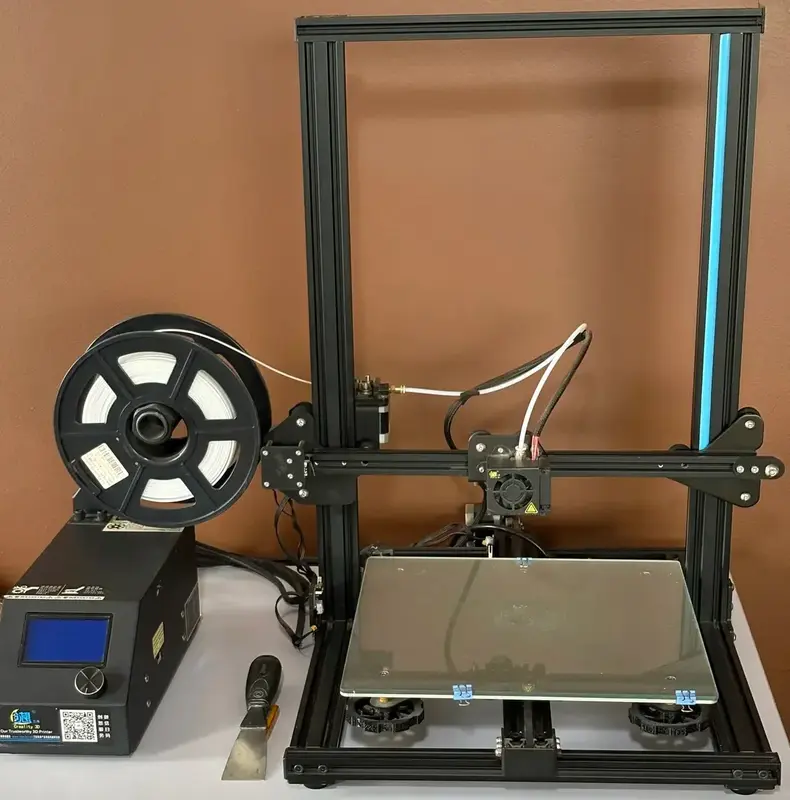
Two machines show the unit’s main idea side by side: a bead abacus, one of the oldest calculating tools, and a 3D printer that makes real objects from a design on a computer.
CDC learning outcomes this visit supports
- 2.1Introduce simple (local) and modern technology, with examples.
At the center
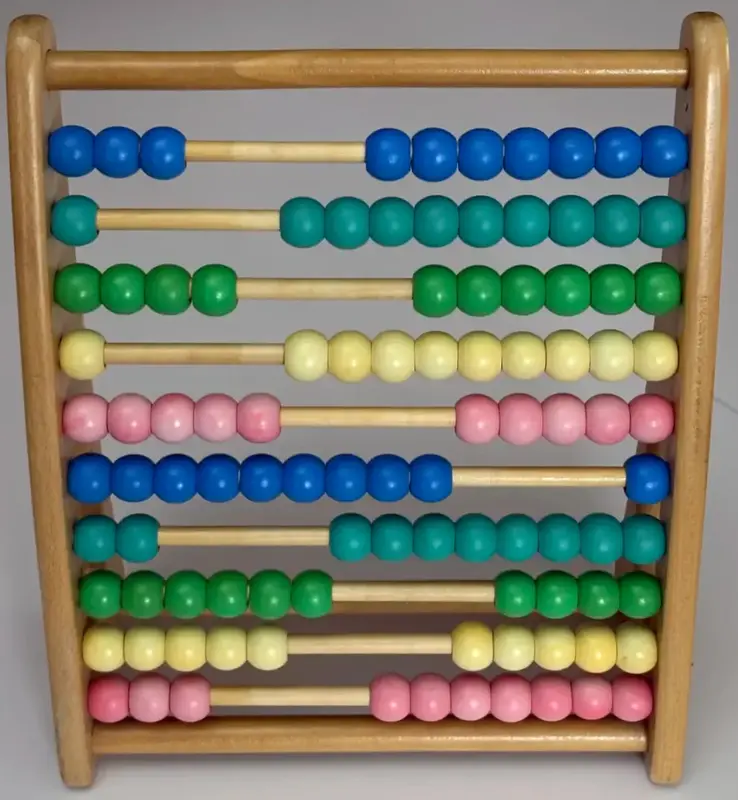
- Classic Bead Abacus · 2.1 Technology
Do: One of the oldest tools for calculating: show 25 on its beads, then compare it with a calculator.
Ask: How do you show 25 on it? How is it like a calculator, and how is it different?
First Floor - 3D Printer · 2.1 Technology
Do: Modern technology: a design made on a computer becomes a real object, one thin layer at a time.
Ask: What does the printer need from a computer before it can start? Which machines at home follow instructions from a computer?
First Floor
Watch for
- Students may think local technology means old and useless. It is technology made from traditional knowledge and skill; modern technology adds new scientific knowledge, and often does the same job, as the flour mill does the janto’s.
Before the visit
Do Activity 2.1 (local tools and their uses), so students arrive with a list of local tools from home.
After the visit
Add the 3D printer to the presentation in Activity 2.13 (present local and modern technology), beside a local way of making things, such as carving.
Unit 3
Organisms and their Structure
The garden shows adaptation better than a picture can: a cactus that stores water, a water lily rooted in mud under water, and ferns and mosses growing beside flowering plants.
CDC learning outcomes this visit supports
- 3.1Identify and describe the special adaptive features of animals and plants, and the organs adapted for them.
- 3.3Classify vertebrates and give the general features of each group.
- 3.4Tell the similarities and differences between flowering and non-flowering plants.
At the center
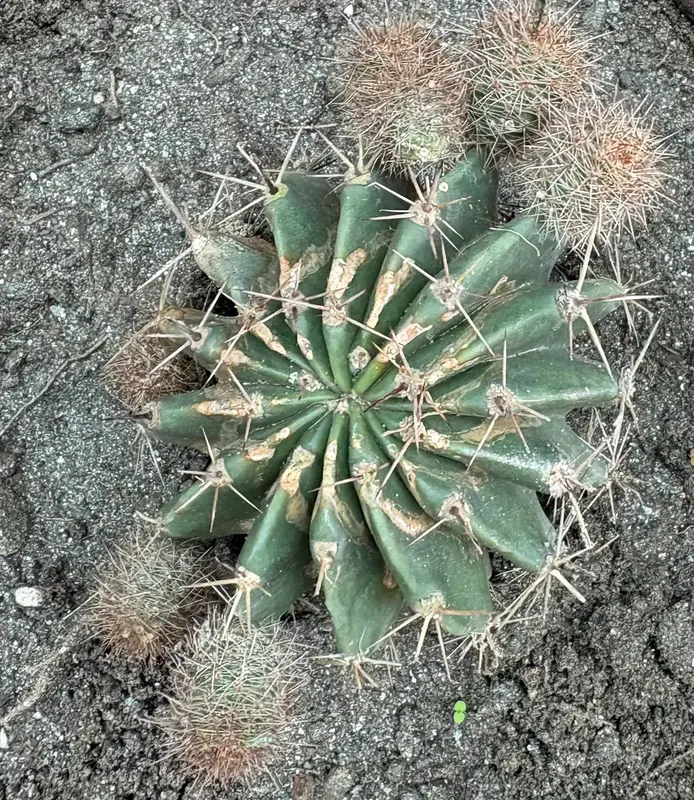
- Barrel Cactus · 3.1 Adaptation of organisms
Do: A thick, ribbed stem that stores water, and spines in place of leaves: a plant adapted to dry land.
Ask: Where does this cactus keep its water? Why does it have spines instead of leaves?
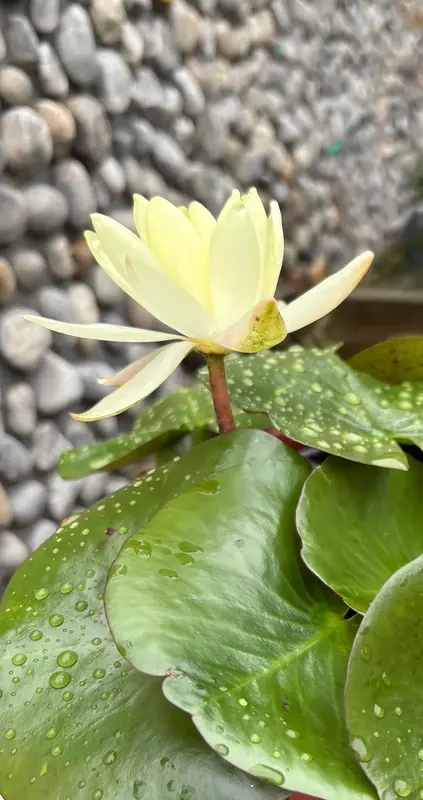
- Water Lily · 3.1 Adaptation of organisms
Do: Roots in the mud, and leaves held up on the water by air-filled tissue: an aquatic plant.
Ask: Compare its leaves with the cactus’s. Which plant is built for plenty of water, and which for very little?
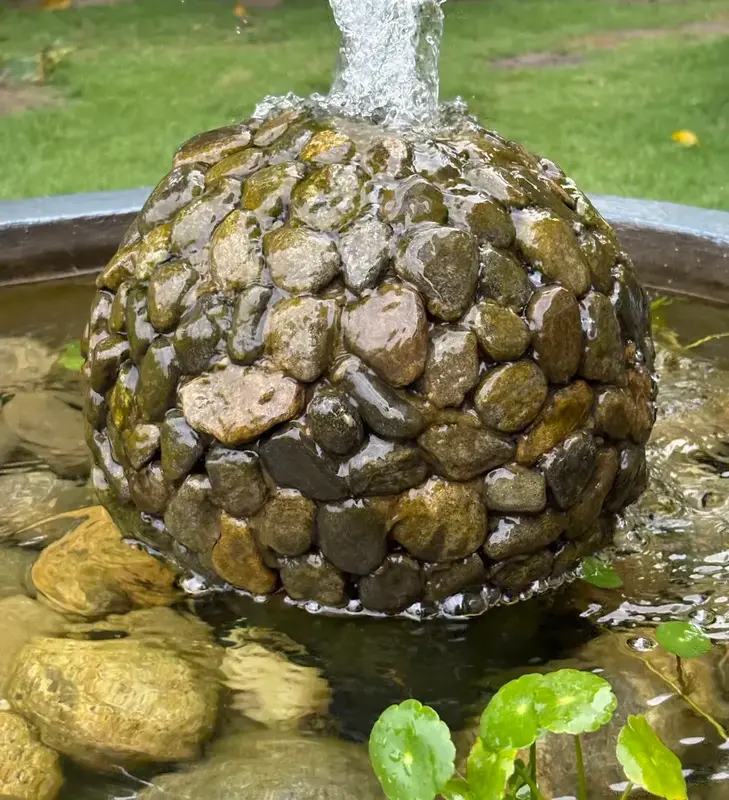
- The Ecosystem Pond · 3.3 Vertebrates
Do: The guppies here are fish, a class of vertebrates, yet they give birth to live young instead of laying eggs.
Ask: How do you know a guppy is a vertebrate? Do all fish lay eggs?
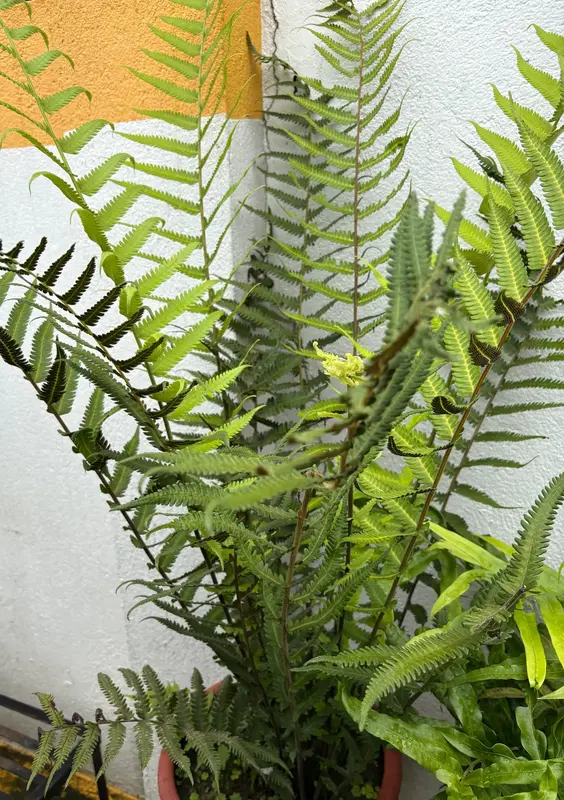
Grounds - Lady Fern · 3.4 Flowering and non-flowering plants
Do: Look under a frond for brown dots: that is where a fern makes its spores. It never flowers.
Ask: Where does a fern make its spores? Can you find any flowers on it?
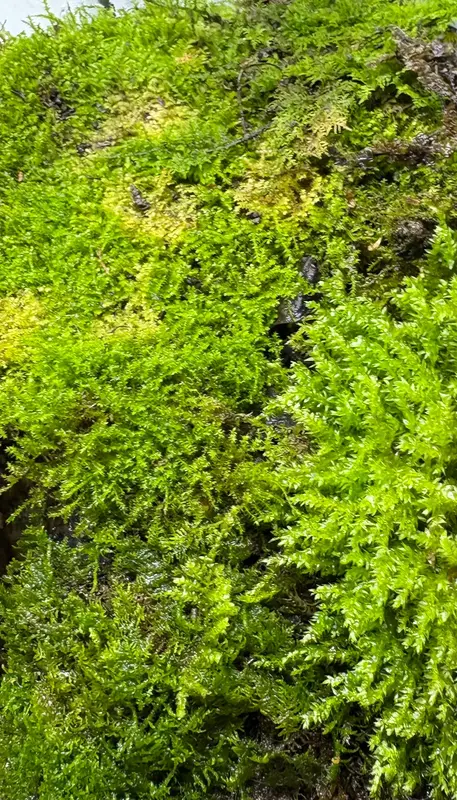
- Peat Moss · 3.4 Flowering and non-flowering plants
Do: A moss: no flowers, no seeds and no true roots, only soft green mats that soak up water.
Ask: Can you see roots, a stem and leaves on the moss, as on the fern?
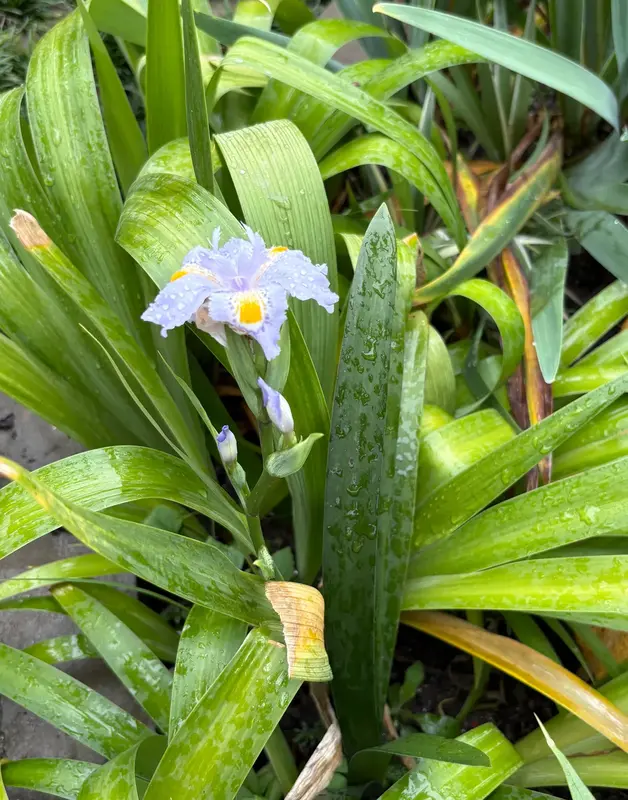
- Fringed Iris · 3.4 Flowering and non-flowering plants
Do: For contrast, a flowering plant: when it flowers, count its petals and sepals. They come in threes.
Ask: What does this plant make that the fern and the moss never do? If it is in flower, count its parts: they come in threes.
Watch for
- A cactus’s spines are its leaves, changed so the plant loses very little water. Students often think the cactus simply has no leaves.
- “All fish lay eggs.” Guppies give birth to live young; what makes them fish is the backbone, the gills, the fins and the scales.
Before the visit
Do Activity 3.6 (plants around you): students note where each plant grows and guess what helps it live there.
After the visit
Do Activity 3.16 (flowering or not?) with the plants students saw in the garden.
Unit 4
Biodiversity and Environment
The pond and the glass terrarium are ecosystems small enough to see whole, and the garden shows plants and animals depending on each other.
CDC learning outcomes this visit supports
- 4.1Introduce the environment and practice environment-friendly behavior.
- 4.2Introduce the ecosystem and describe the parts of a forest ecosystem.
At the center
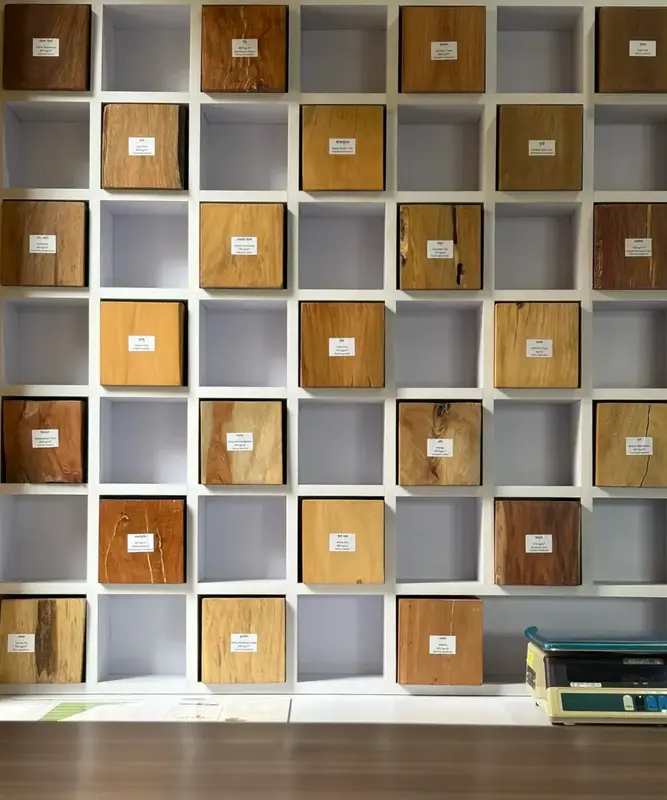
- Woods of Nepal · 4.1 Environment
Do: Woods from Nepal’s own trees, each with its own grain, color and weight: biodiversity you can touch.
Ask: How do the woods differ in color and grain? Why does it matter that Nepal has so many kinds of trees?
Ground Floor - Rhododendron · 4.1 Environment
Do: A rhododendron, like lali gurans, Nepal’s national flower: Nepal has about 32 kinds.
Ask: Rhododendrons grow wild in Nepal’s hill forests. What else would live on and around one there?
- The Ecosystem Pond · 4.3 Ecosystem
Do: Find the producers (the water plants) and consumers (the guppies); decomposers too small to see break down waste: a whole ecosystem in one pond.
Ask: Name a producer and a consumer in this pond. Where are its decomposers, and why can’t we see them?
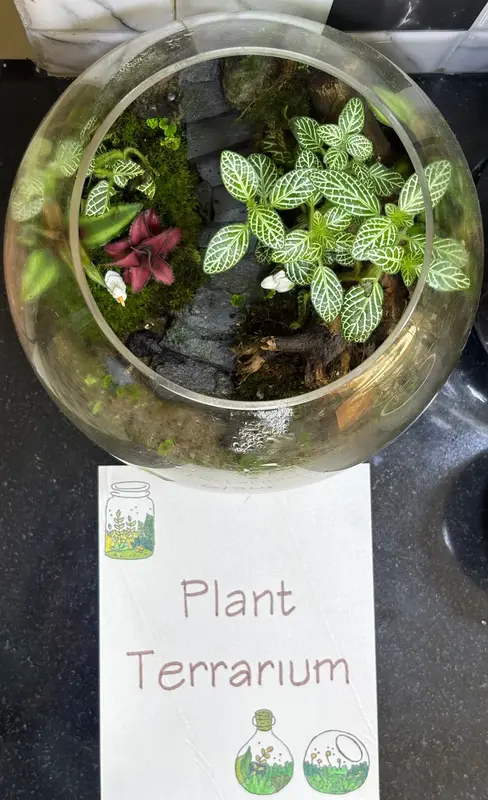
Grounds - Plant Terrarium · 4.3 Ecosystem
Do: Plants, soil, air, water and light in one glass bowl: biotic and abiotic parts working together, water trickling from the glass back to the soil.
Ask: Where does the water these plants use come from, and where does it go?
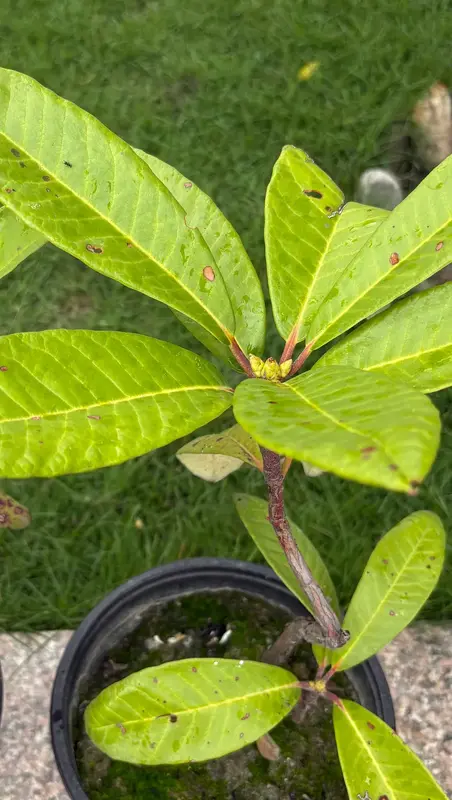
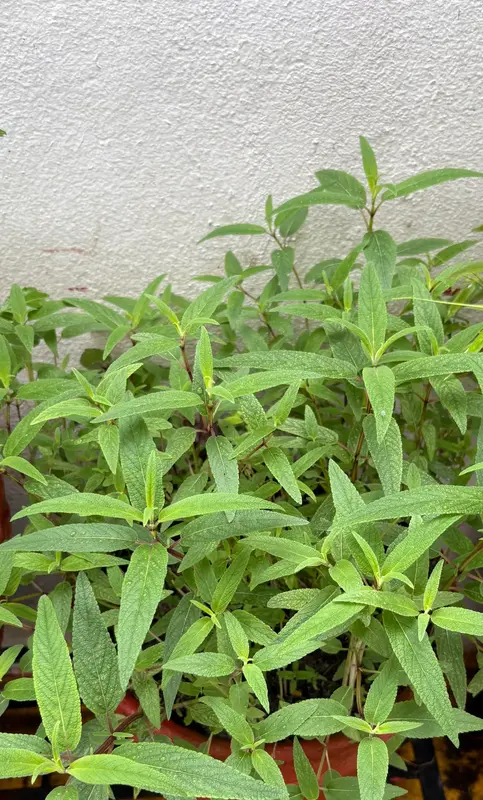
Ground Floor - Blue Salvia · 4.4 Interrelationship among plants, animals and microorganisms
Do: A bee pushing in for nectar gets tapped with pollen: the plant feeds the bee, the bee carries its pollen.
Ask: What does the plant give the bee, and what does the bee do for the plant?
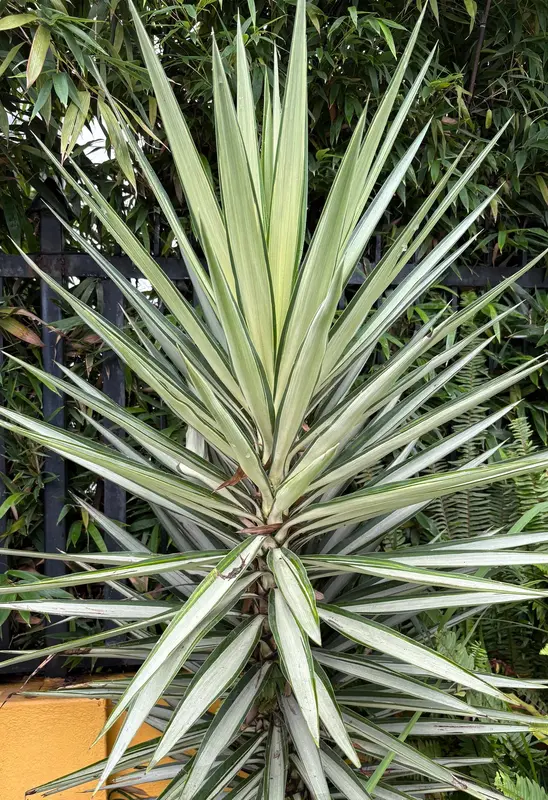
- Silver Yucca · 4.4 Interrelationship among plants, animals and microorganisms
Do: Each kind of yucca depends on one tiny moth to carry its pollen, and the moth’s young depend on its seeds.
Ask: What would happen to the yucca if its moth disappeared?
Watch for
- Students often leave out decomposers, because they can’t see them. Ask where the dead leaves in the pond go.
Before the visit
Do Activity 4.3 (who lives in your pond?) at a pond or ditch near school, so students can compare it with ours.
After the visit
Do Activity 4.4 (draw the links): a food chain or web from the pond they saw.
Unit 5
Life Process
The garden settles a common mix-up, that every plant living on a tree is a parasite, and the models show where food is made in a plant and digested in a person.
CDC learning outcomes this visit supports
- 5.1Describe the modes of nutrition of living things.
- 5.2Describe photosynthesis simply and say why it matters.
- 5.3Explain the human digestive system and digestion.
At the center
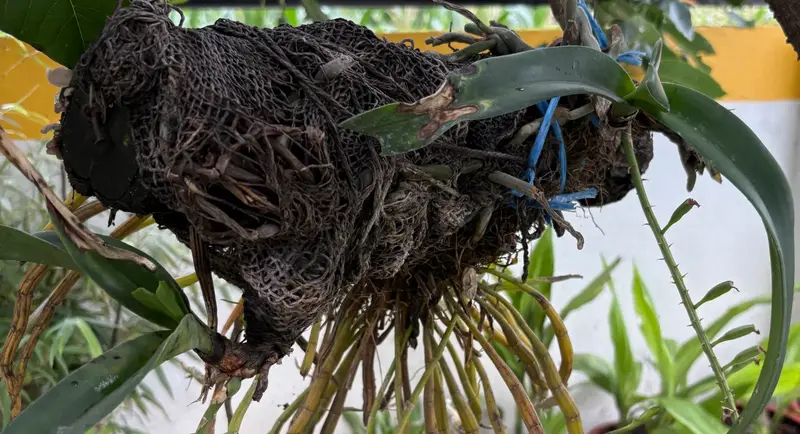
- Foxtail Orchid · 5.1 Modes of nutrition
Do: It lives on trees but is no parasite: its green leaves make its own food, and the tree only holds it up.
Ask: Is this orchid a parasite? What do its leaves tell you?
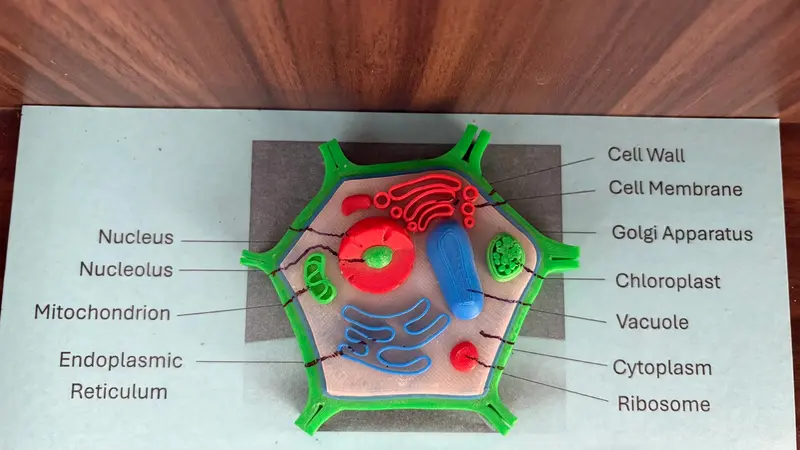
- Plant Cell Model · 5.2 Photosynthesis
Do: Find the part labeled chloroplast: it holds the green chlorophyll that catches sunlight, so a leaf’s cells can make food.
Ask: Which part of a plant cell makes food? What does it need?
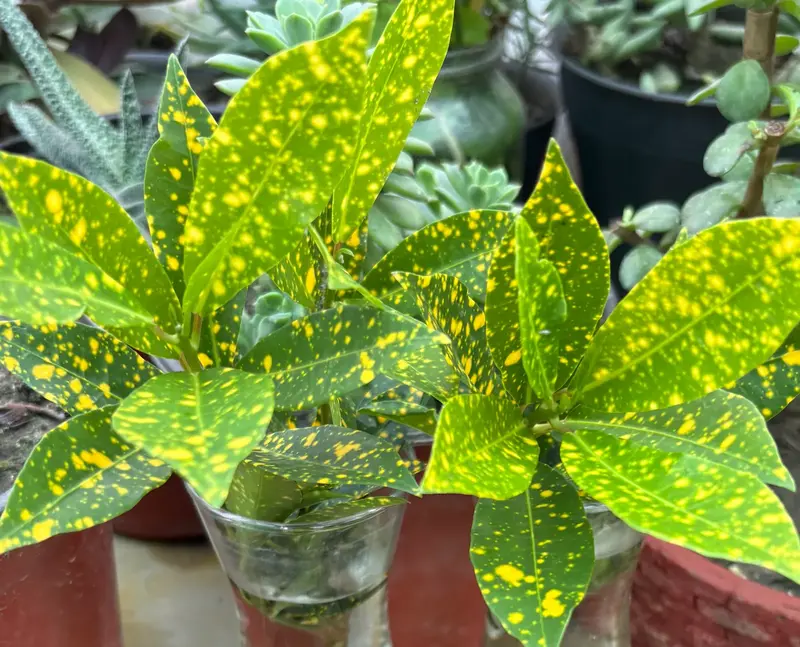
Ground Floor - Gold Dust Croton · 5.2 Photosynthesis
Do: Its gold spots have little chlorophyll, so the green parts of each leaf make most of its food.
Ask: If we tested this leaf with iodine, which parts would turn blue-black? Why?
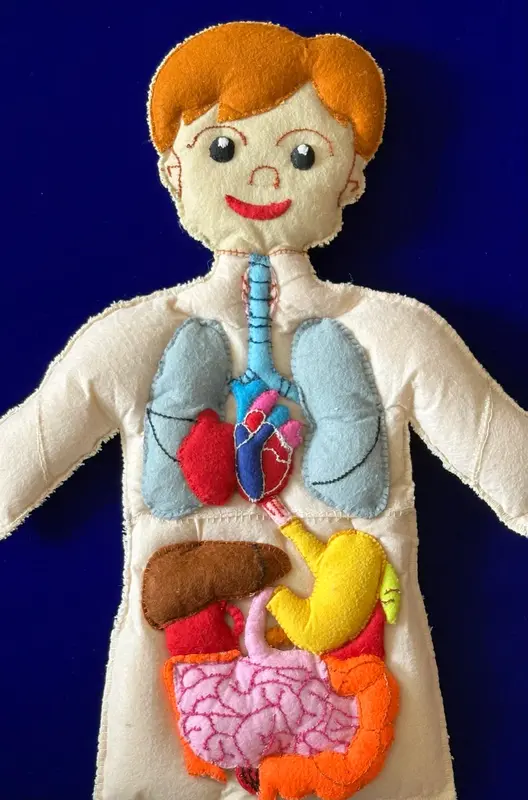
- Inside the Body · Human digestive system
Do: Follow food from the stomach through the intestines, and find the liver, a digestive gland, beside them.
Ask: Where does food go after the stomach? Which organ here is a digestive gland?
Ground Floor
Watch for
- Students call any plant on a tree a parasite. An orchid has green leaves and makes its own food; the tree only holds it up. A parasite such as dodder (akash beli) takes its food from its host.
Before the visit
Do Activity 5.4 (testing a leaf for starch), which needs iodine and so is best done in class.
After the visit
Do Activity 5.6 (the digestive system): its chart of the parts, with the organs students found on the model.
Unit 6
Force and Motion
Students can feel forces at work: pressing the pin board, swinging the owl, lifting with pulleys and walking along a lever.
CDC learning outcomes this visit supports
- 6.1Introduce rest and motion, and tell linear from curvilinear motion.
- 6.3State and demonstrate the effects of force.
- 6.5Introduce simple machines, with examples used in daily life.
At the center
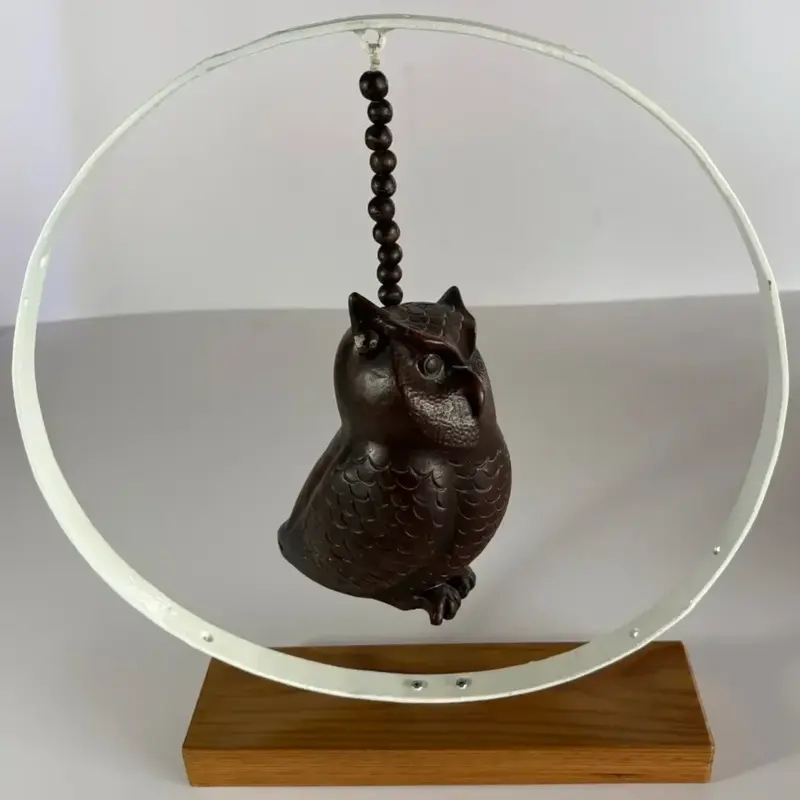
- The Clay Owl · 6.1 Motion and its types
Do: Give the owl a gentle push: it swings back and forth along an arc, a curvilinear motion.
Ask: Is the owl’s motion linear or curvilinear? What about a stone dropped from your hand?
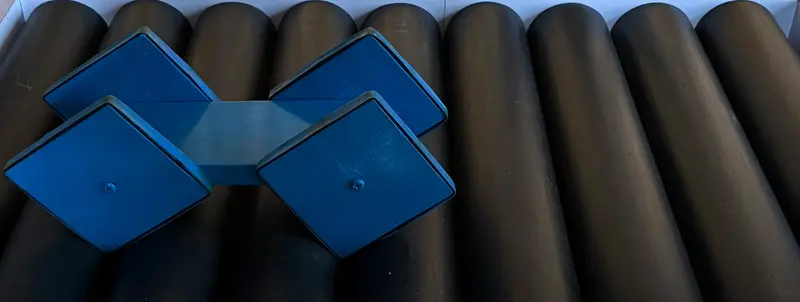
First Floor - Square Wheels · 6.1 Motion and its types
Do: Roll it along the road: the whole thing goes in a straight line while each wheel turns round.
Ask: Which part moves in a straight line, and which goes round?
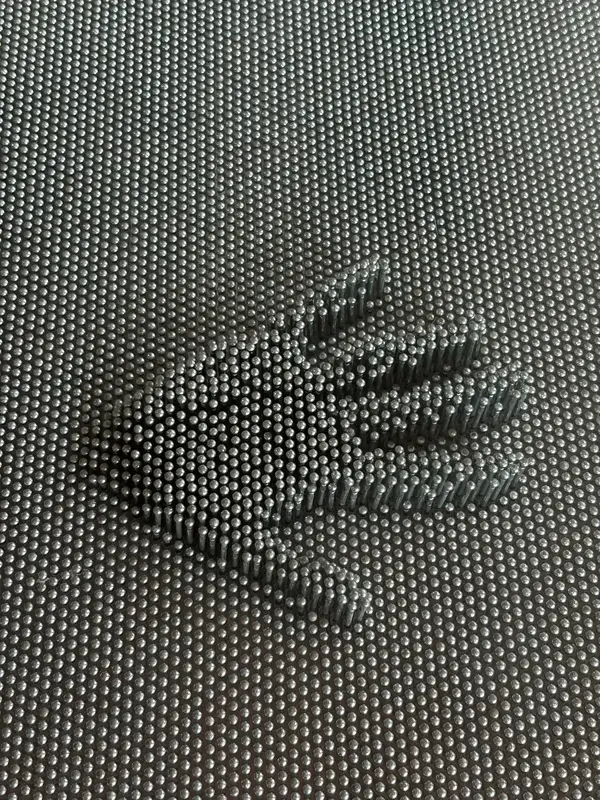
First Floor - Pin Impression Board · 6.2 Force
Do: Press your hand into the pins: your push moves thousands of them and changes the board’s shape.
Ask: What did your push change: where the pins are, the board’s shape, or both?
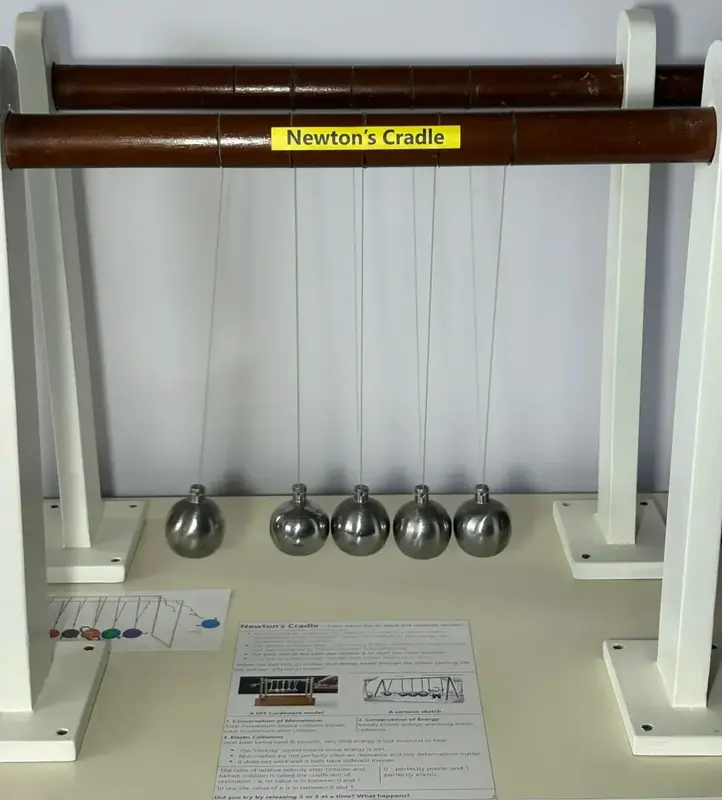
Ground Floor - Newton’s Cradle · 6.2 Force
Do: Lift one ball and let go: the force of the hit stops it and sets the ball at the far end moving.
Ask: What made the last ball move? Why did the first one stop?
First Floor - How Far Can a Magnet Pull? · 6.2 Force
Do: A magnet pulls without touching: a force that works across a gap of air.
Ask: Does a force always need things to touch?
First Floor - Simple Machines Around Us · 6.3 Simple machine
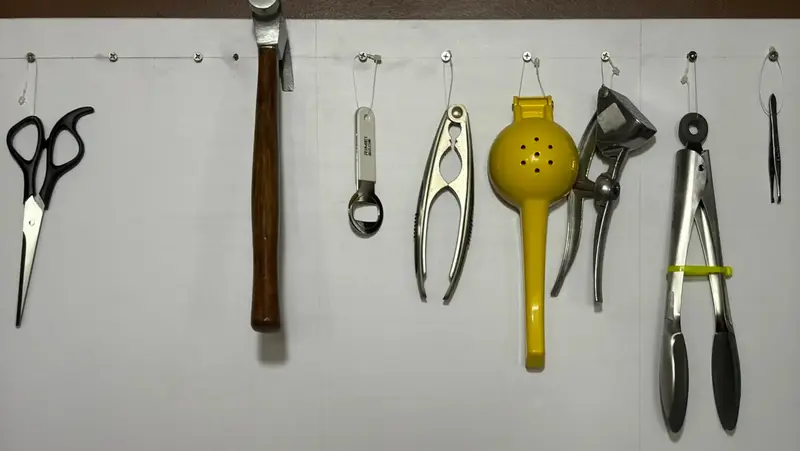
Do: Find a lever and a wedge in everyday tools, and the two of them together in a pair of scissors.
Ask: Which simple machines are in a pair of scissors?
First Floor - Pulley Systems · 6.3 Simple machine
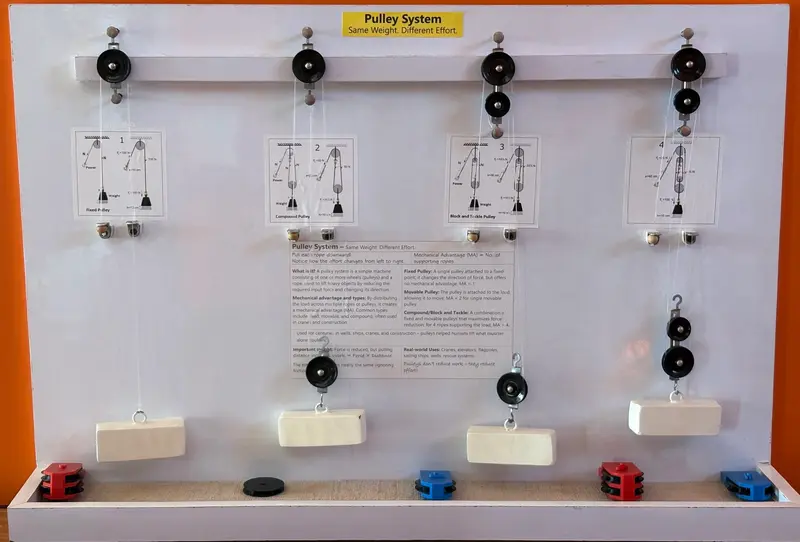
Do: Pull the rope of each arrangement, from one pulley to several: which one needs the least effort to lift the same load?
Ask: Did more pulleys make the load lighter, or easier to lift? What did you have to pull more of?
First Floor - Walk Your Weight · 6.3 Simple machine
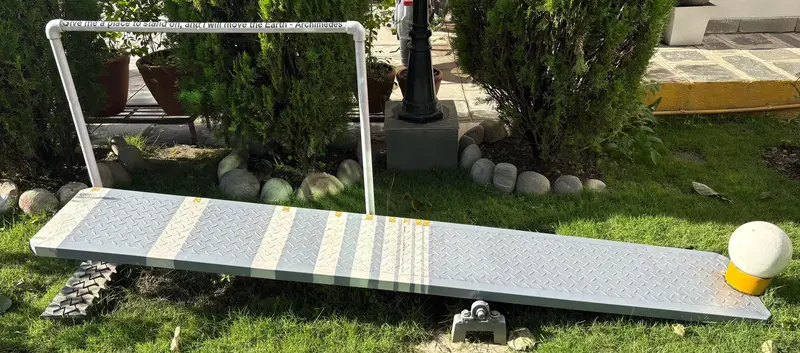
Do: Walk along a lever: a heavier person tips the plank nearer the pivot, a lighter one must walk farther.
Ask: Why does a lighter person have to walk farther from the pivot?
Grounds
Watch for
- Students think a machine reduces the work. A pulley or lever makes the force smaller but you pull or push through a longer distance: more pulleys, more rope to pull.
Before the visit
Do Activity 6.8 (a spring balance), so students know force can be measured.
After the visit
Do Activity 6.14 (name the simple machines), then add to its table the machines students used at the center.
Unit 7
Energy in Daily Life
The unit with the most to see: energy changing form, light going in straight lines, a camera that turns the world upside down, a sundial students stand in, and sound through air and through a solid.
CDC learning outcomes this visit supports
- 7.1Introduce potential and kinetic energy, with examples.
- 7.4Give examples of energy changing form, including potential and kinetic energy.
- 7.7Show that how much heat a body absorbs depends on its color, and its use in daily life.
- 7.8Show by experiment that light travels in straight lines.
- 7.10Make and use a pinhole camera, and describe how it works.
- 7.13Explain and make a sundial.
- 7.14Show that sound is made by vibrating objects.
- 7.15Show that sound needs a medium and travels through solids, liquids and gases.
At the center
- Growing Dominoes · 7.1 Forms of energy
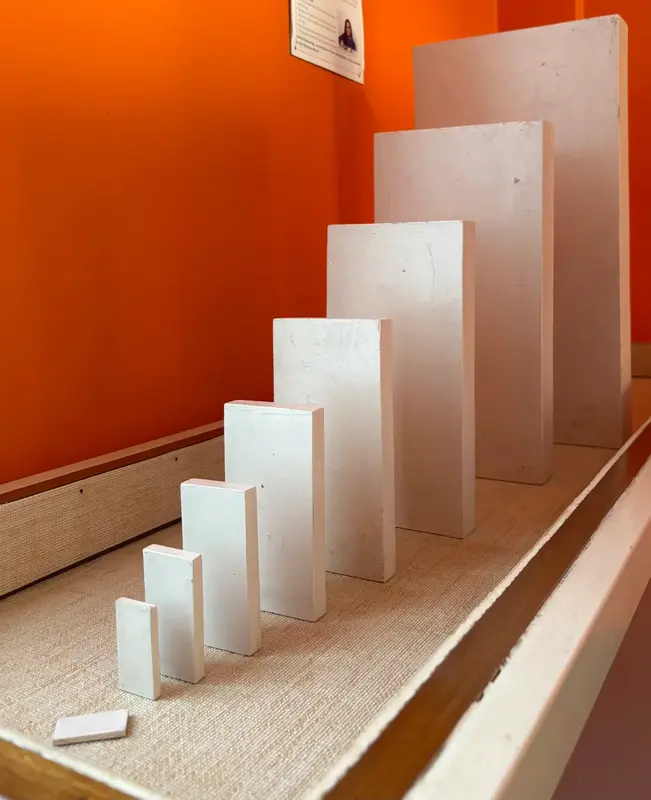
Do: Each standing domino stores potential energy; a push on the smallest turns it into kinetic energy, fall after fall.
Ask: Where is the energy before the push? Where does it go?
Ground Floor - Solar House Model · 7.1 Forms of energy
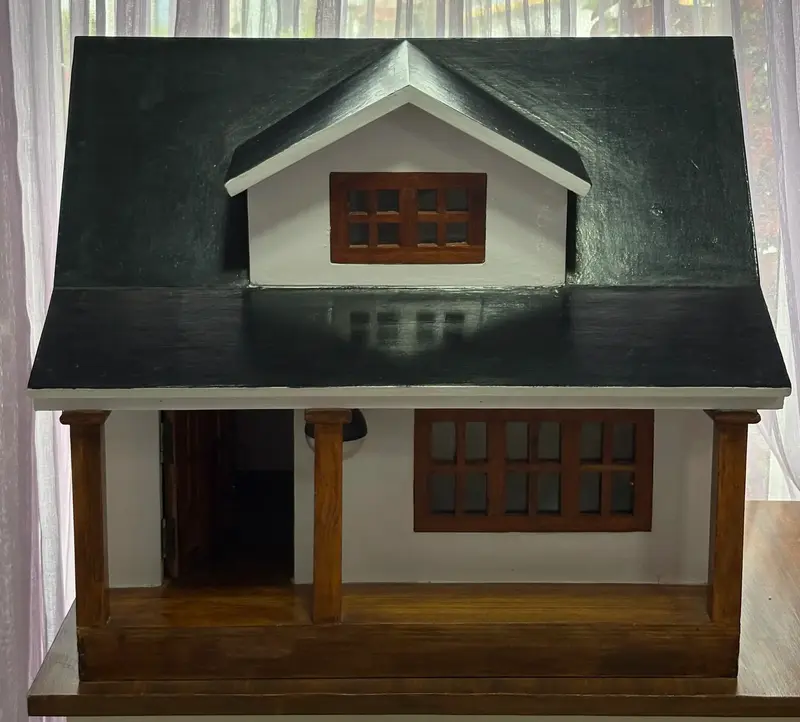
Do: Light energy becomes electrical energy in the panels, then light again in the house’s lamps.
Ask: Name each change of energy, from the sun to the lamp.
Ground Floor - The Blackest Black · 7.2 Heat
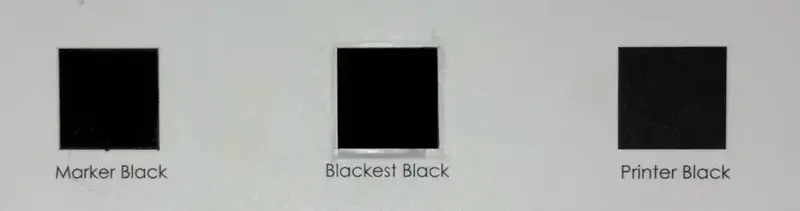
Do: Compare the three blacks: the middle one traps almost all its light, and absorbed light warms things. That is why black objects absorb heat well.
Ask: Why would a black cloth warm up faster in the sun than a white one?
Ground Floor - Rays of Light · 7.3 Light
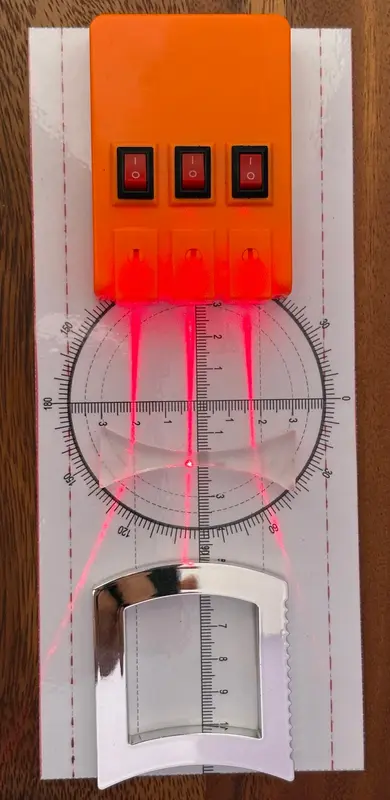
Do: Follow the three laser beams: light goes in straight lines until something turns it.
Ask: Is each beam straight where nothing is in its way? Where does a beam change direction, and what turned it?
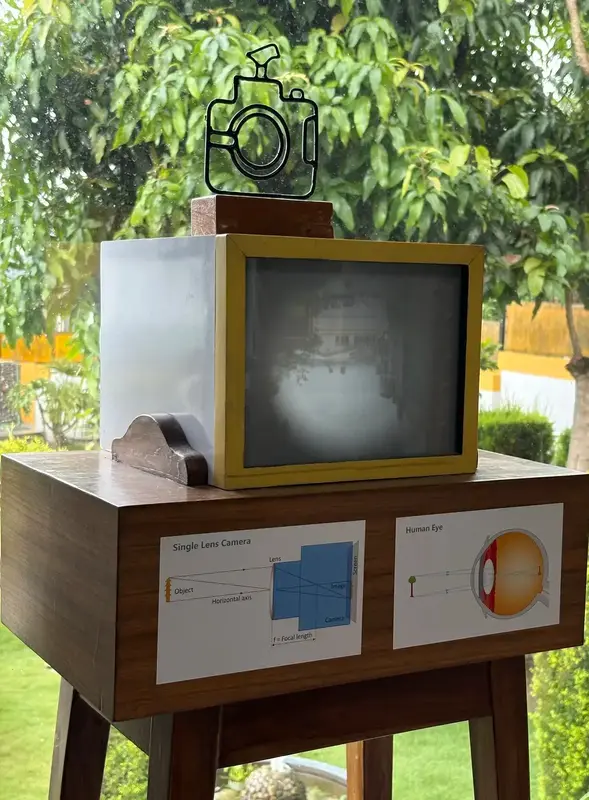
Ground Floor - The Single Lens Camera · 7.3 Light
Do: Like a pinhole camera, it shows the world upside down, because light crosses over in straight lines.
Ask: Why is the picture upside down?
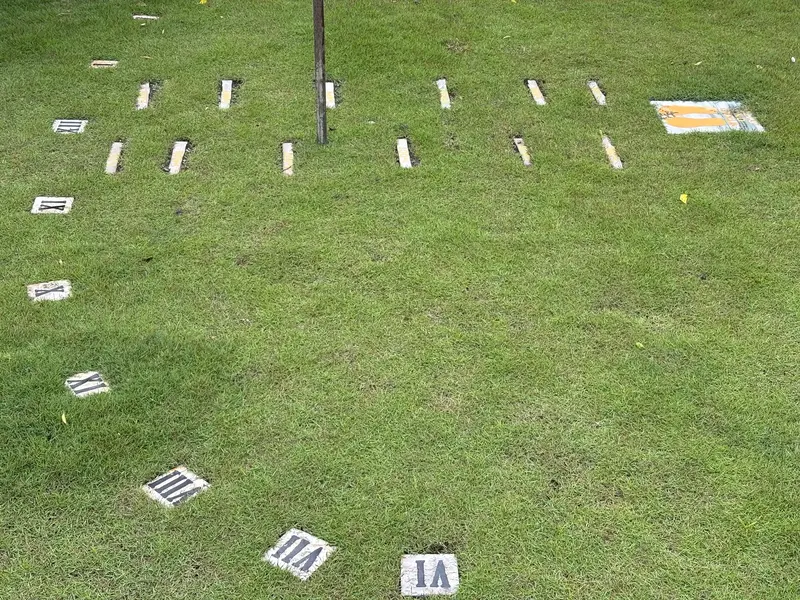
Ground Floor - Analemmatic Sundial · 7.3 Light
Do: Be the stick of a sundial: stand on this month’s mark and read the time where your shadow falls.
Ask: When in the day is your shadow shortest, and which way does it point then?
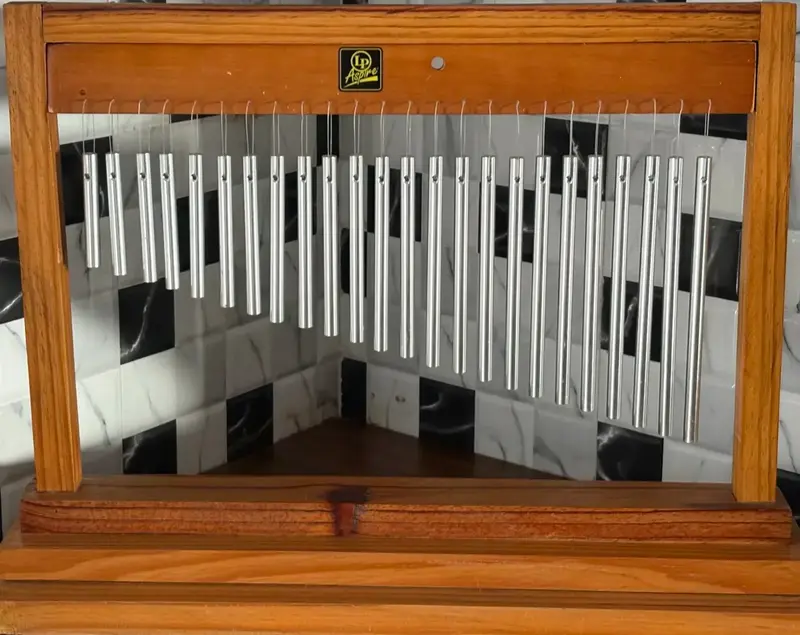
Grounds - The Chime Instrument · 7.4 Sound
Do: Strike the rods from shortest to longest: each one vibrates to make its sound, and the pitch falls.
Ask: Touch a ringing bar. Why does the sound stop?
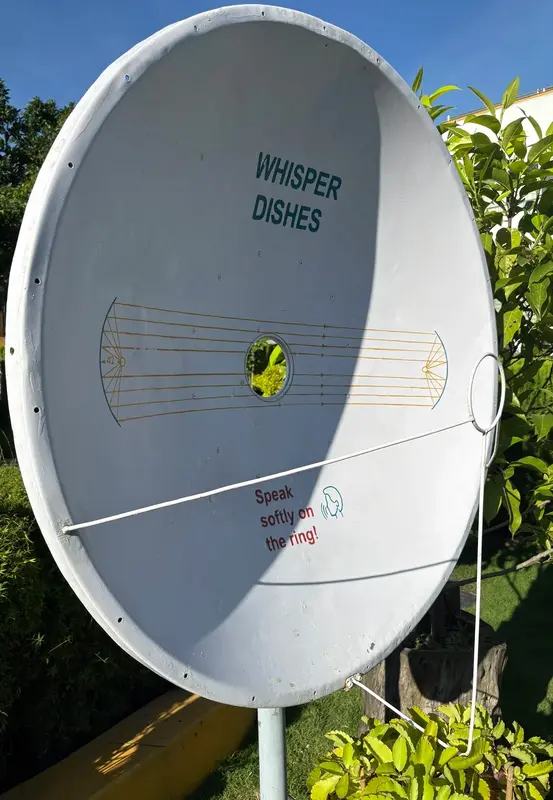
First Floor - Whisper Dishes — Send a Whisper Across the Garden · 7.4 Sound
Do: Whisper into one dish and a friend hears you across the garden: sound travels through the air.
Ask: Ask your friend to move their ear a little to one side of the ring. What happens to your whisper? What does the dish do to the sound?
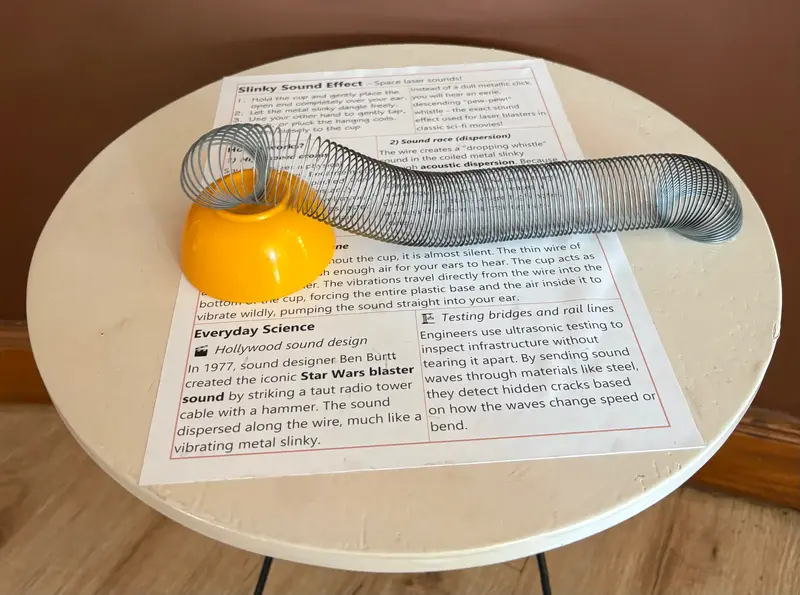
Grounds - Space Blaster Sounds · 7.4 Sound
Do: Hold the cup to your ear and tap the spring: the sound reaches you through the metal spring, a solid.
Ask: Take the cup away from your ear and tap again. Can you still hear it? What does the cup do?
First Floor
Watch for
- Students think sound travels only through air. The spring carries it through a solid, and sound travels faster through solids than through air.
- Students think the camera’s hole or lens turns the picture over by itself. In a pinhole camera the light from the top of the scene goes down in a straight line through the hole, and the light from the bottom goes up, so they cross.
Before the visit
Do the project work under Pinhole camera, make a pinhole camera (Activity 7.14 in Grade 6 Science, Explained); students can bring theirs and compare its upside-down picture with the lens camera’s.
After the visit
Do Activity 7.18 (7.19 in Grade 6 Science, Explained), make a sundial, and compare it with the one students stood in.
Unit 8
Electricity and Magnetism
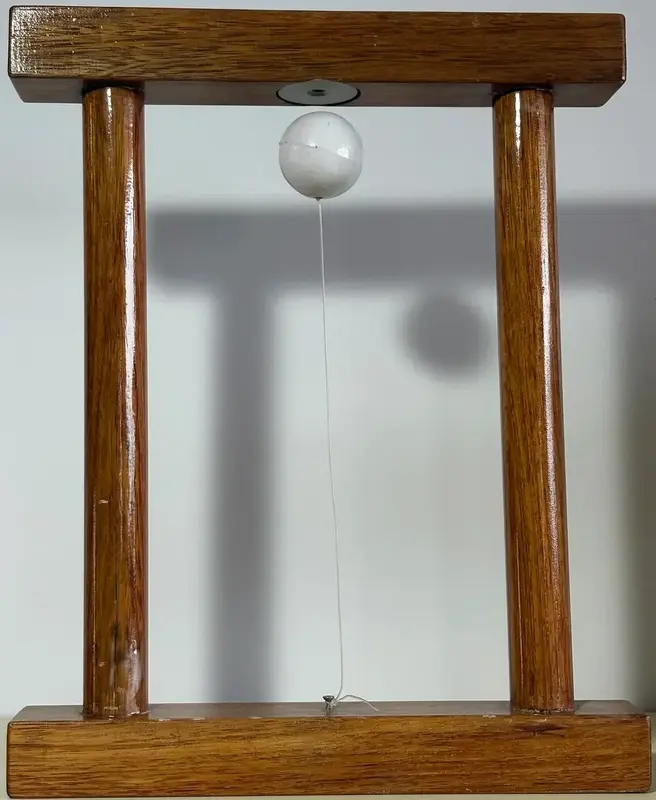
Students see a magnet’s field shown by hanging screws, a globe held up by an electromagnet, and a lamp that lights only when its circuit is closed.
CDC learning outcomes this visit supports
- 8.1Explain the magnetic field.
- 8.4Make a magnet using electricity.
- 8.5Show how to make an electromagnet stronger, and say what electromagnets are used for.
- 8.7Draw a circuit diagram with the symbols for wire, switch, cell and load.
At the center
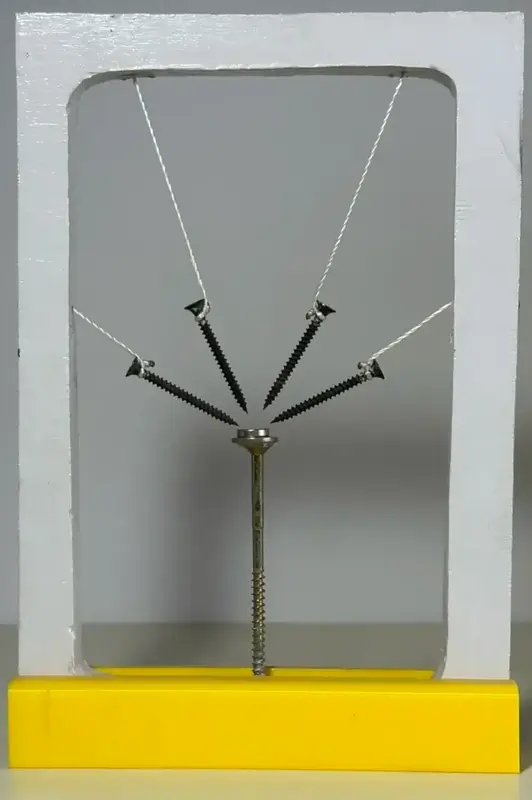
- Magnetic Lines of Force · 8.1 Magnet
Do: See how the hanging screws point toward the magnet in the middle: they line up along its magnetic field.
Ask: Which way do the hanging screws point? What does that tell you about the magnet’s field?
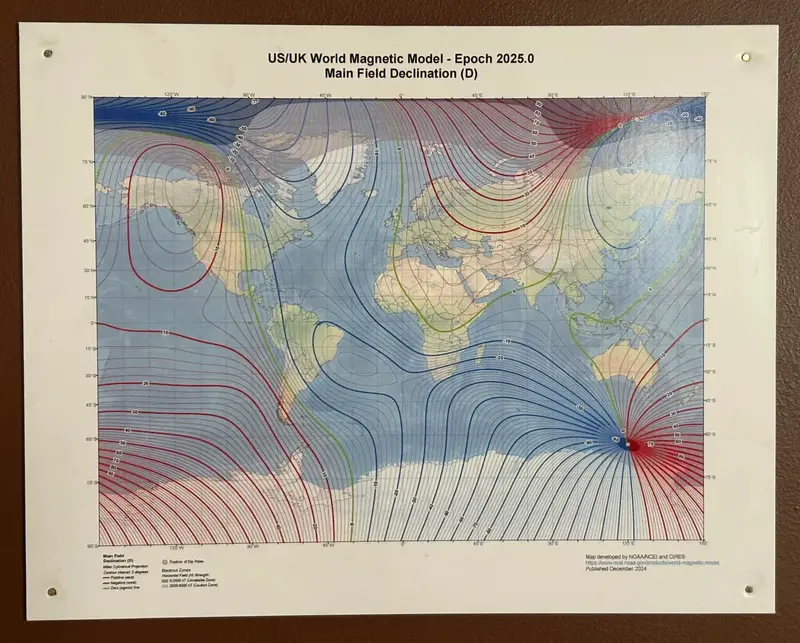
First Floor - Earth’s Magnetic Field · 8.1 Magnet
Do: The Earth is a giant magnet that turns every compass needle: find Nepal on this map, where a needle points almost exactly north.
Ask: Why does a compass needle point north?
First Floor - Magnetic Levitation · Methods of making magnet
Do: An electromagnet in the top of the arm, a magnet made by electric current, holds the globe up: if the power goes off, it falls.
Ask: What would happen if the electricity went off? How is an electromagnet different from a bar magnet?
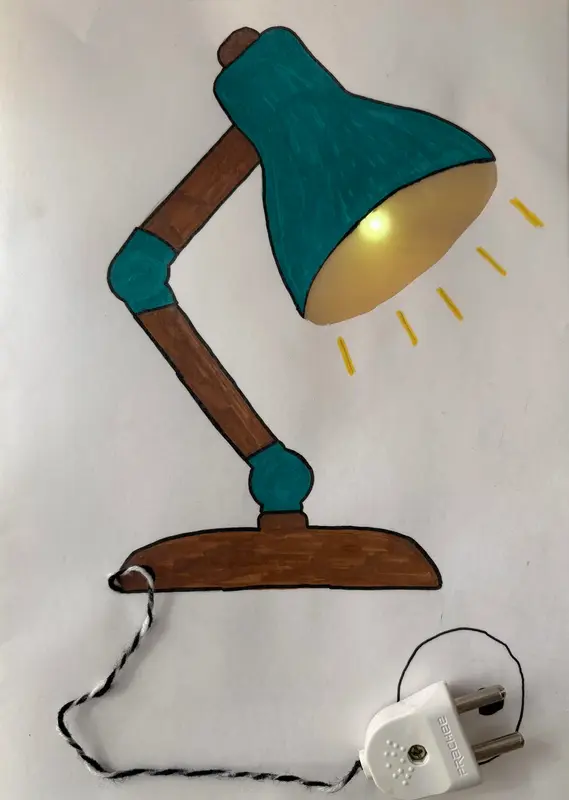
First Floor - The Fun Circuit · Electric circuit
Do: Unfold the drawing: the lamp lights only while the circuit makes a closed loop.
Ask: Where could you put a switch to turn the light off? What does a switch do to the loop?
First Floor

Watch for
- Students think an electromagnet is a magnet all the time. It is a magnet only while current flows: switch it off and the globe falls.
Before the visit
Do Activity 8.1 (how far does the pull reach?), so students can compare the iron dust’s pattern with the way the hanging screws point at the center.
After the visit
Do Activity 8.9 (draw it with symbols), then draw a loop like the Fun Circuit’s, with a cell, a lamp and a switch where students would put one.
Unit 9
Matter
Three stops show the unit’s three ideas in things students can look into: a mixture, a solution and a suspension.
CDC learning outcomes this visit supports
- 9.1Introduce mixtures and explain their types.
- 9.2Make solutions from things used every day, and find examples of their use.
At the center
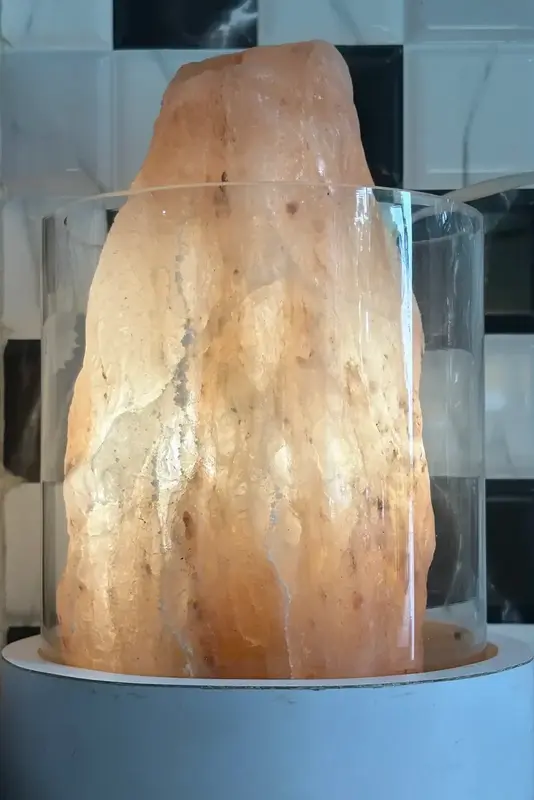
- Himalayan Pink Salt · 9.1 Mixture
Do: Pink salt is a mixture: mostly common salt, with traces of iron minerals that give it its color.
Ask: Is pink salt a pure substance or a mixture? How do you know?
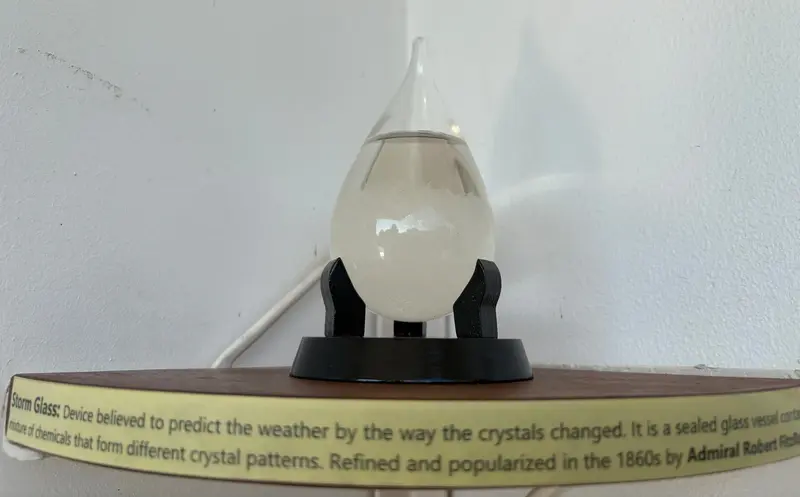
Ground Floor - The Storm Glass · 9.2 Solution, colloid and suspension
Do: Crystals dissolve into the solution on warm days and come out of it again on cold ones.
Ask: Where do the crystals go on a warm day?
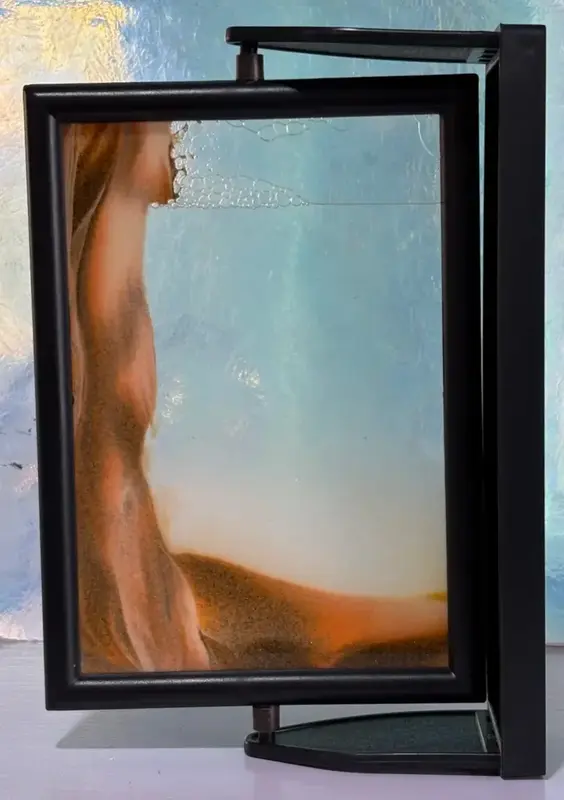
Ground Floor - Falling Sand Art · 9.2 Solution, colloid and suspension
Do: Turn the frame: the sand never dissolves, it settles to the bottom, as the particles of a suspension do.
Ask: Sand that settles out of a liquid makes which kind of mixture? Which layer at the bottom fell first?
Ground Floor
Watch for
- Students think a substance that disappears in water is gone. It has dissolved and is still there; the storm glass brings it back out as crystals when it cools.
Before the visit
Do Activity 9.1 (salt and sand in water).
After the visit
Add the storm glass and the falling sand to Table 9.1 (three mixtures compared).
Unit 10
Materials Used in Daily Life
Students hear metals ring and feel a metal draw heat from their hands: two of the properties in 10.2, met with their own senses.
CDC learning outcomes this visit supports
- 10.1Give examples of chemicals used in daily life.
- 10.2Identify metals and non-metals by their physical properties and tell them apart.
At the center
- Himalayan Pink Salt · 10.1 Some useful chemicals
Do: This pink rock salt, mined mostly in Pakistan's Salt Range, is the same chemical as the salt on your table: sodium chloride.
Ask: Which useful chemical is this mostly?
Ground Floor - The Chime Instrument · 10.2 Metals and non-metals
Do: Metals are sonorous: strike a bar and hear it ring, “ting”, as a temple bell does.
Ask: Strike a bar and listen to it ring. What do we call a metal that rings like this when struck?
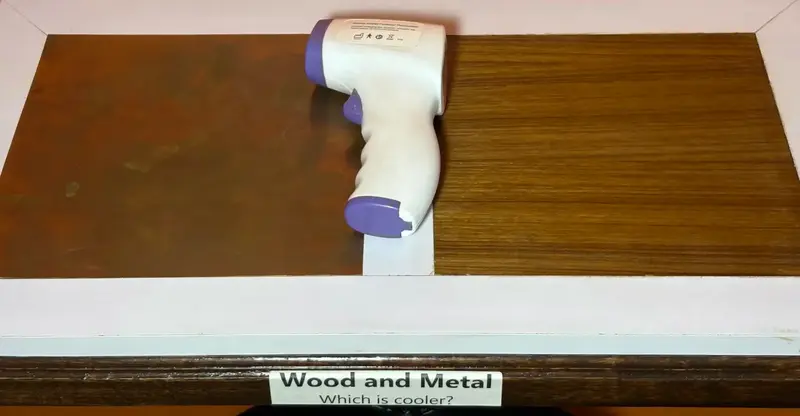
First Floor - Which Feels Cooler? · 10.2 Metals and non-metals
Do: The metal feels colder than the wood because metal is a good conductor of heat: it draws heat from your hand fast.
Ask: Which is the better conductor of heat, the metal or the wood?
First Floor
Watch for
- Students think metal is colder. It is at room temperature like the wood; it feels colder because it is a good conductor of heat.
Before the visit
Do Activity 10.7 (metal or not?).
After the visit
Do Activity 10.8 (does the bulb light?) to add conductivity to the properties students met.
Unit 11
The Earth and Space
A soil profile students can look into, and model planets that glow with light their paint stored.
CDC learning outcomes this visit supports
- 11.2Prepare a soil profile.
- 11.6Introduce the Sun and the solar system, and name the bodies that go round the Sun.
At the center
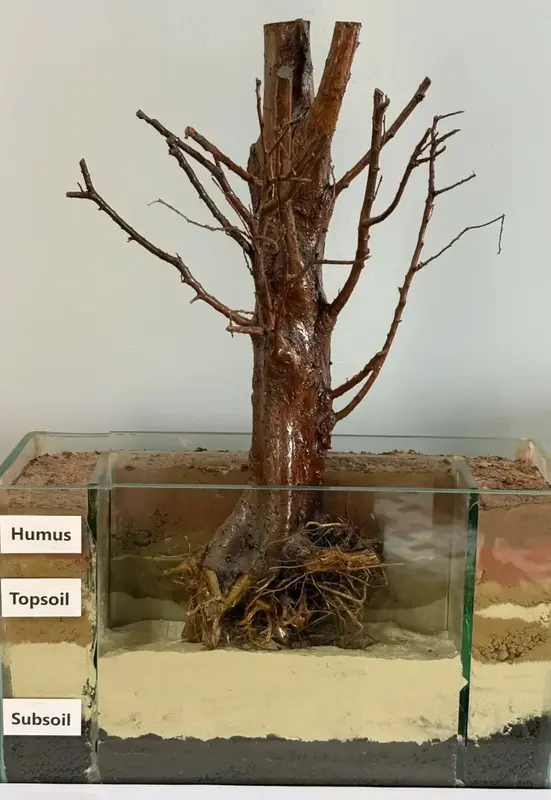
- Soil Layers · 11.1 Soil
Do: Find the labeled layers, humus, topsoil and subsoil, one under another: a soil profile, with most of the roots in the upper layers.
Ask: Which labeled layer holds most of the tree’s roots? Why there?
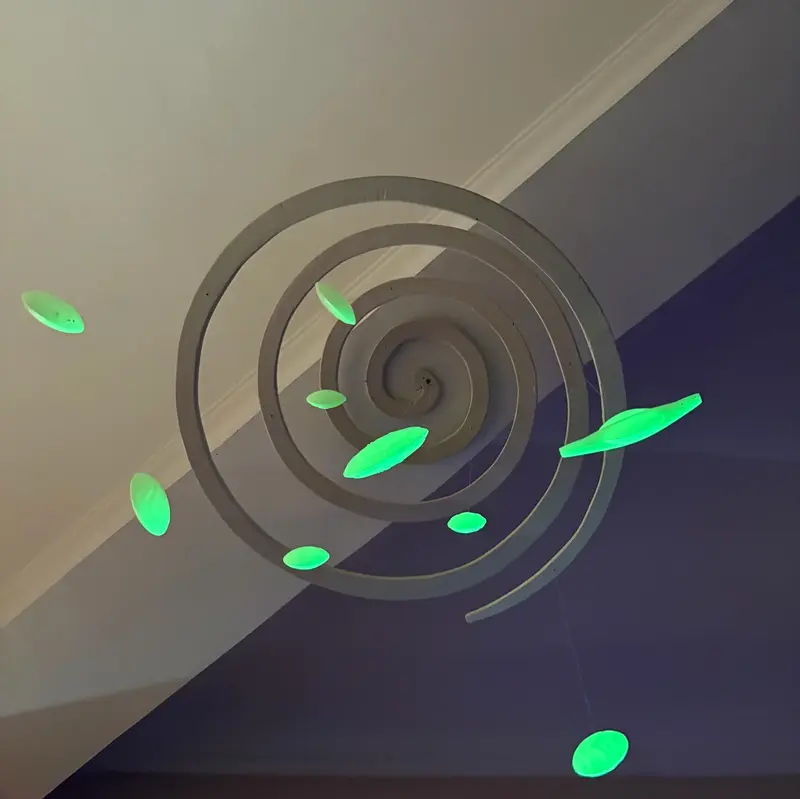
Ground Floor - Glow-in-the-Dark Planets · 11.3 Solar System
Do: These planets glow only with light their paint stored earlier; real planets have no light of their own, they shine by reflecting sunlight.
Ask: Do real planets make their own light, as the Sun does? How do we see them?
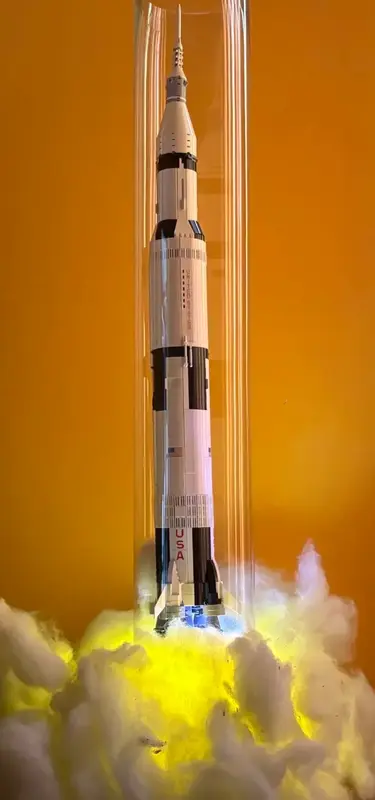
Second Floor - Saturn V - LEGO Model · 11.3 Solar System
Do: The rocket that carried people to the Moon, the Earth’s only natural satellite.
Ask: Is the Moon a planet or a satellite? What does it go round?
First Floor
Watch for
- Students mix up planets and satellites. A planet goes round the Sun; a satellite, like the Moon, goes round a planet.
Before the visit
Do Activity 11.5 (soil in a jar), so students can compare their layers with the soil profile.
After the visit
Do Activity 11.13 (a human solar system).
Math on the same visit
Where an exhibit shows this year’s mathematics, from Grade 6 Math, Explained. These stops are in the rounds above, so a Math teacher can come along or set the questions.
Math · Unit 10
Perimeter, Area and Volume
Students hold a cube they know the size of, so a volume of 1,000 cm³ becomes something in their hands, and the scale beside it shows that the same volume of two woods need not weigh the same.
CDC learning outcomes this visit supports
- 3.2Find the volume of a cuboid and a cube.
At the center
- Woods of Nepal · 10.3 Volume of cuboid and cube
Do: Each wood block is a cube with 10 cm edges, so its volume is 10 × 10 × 10 = 1,000 cm³. Weigh two kinds: same volume, same weight?
Ask: Put two blocks side by side: what shape do they make, what are its length, breadth and height, and its volume? Do two blocks of the same volume weigh the same?
Ground Floor
Watch for
- Students think volume and weight are the same thing. Volume is the space an object takes up; two blocks with the same volume can weigh very different amounts.
- Students add the three edges instead of multiplying them. A 10 cm cube holds 10 rows of 10 cubes in each of 10 layers: 10 × 10 × 10 = 1,000 cm³, not 30.
Before the visit
Do Activity 2 in 10.3 (your geometry box): students measure its length, breadth and height and find its volume.
After the visit
Do Exercise 10.3, Q6 (a cube’s volume is 64 m³: find its edge), then ask the same of a block with a volume of 1,000 cm³.
Read Math, Unit 10 online → ·the unit’s classroom worksheet (PDF)
Math · Unit 14
Lines and Angles
On the compass rose students turn their own bodies through each kind of angle, so acute, right, obtuse, straight and reflex become amounts of turn, not shapes on a page.
CDC learning outcomes this visit supports
- 5.1Identify intersecting, parallel and perpendicular lines.
- 5.1Classify angles.
At the center
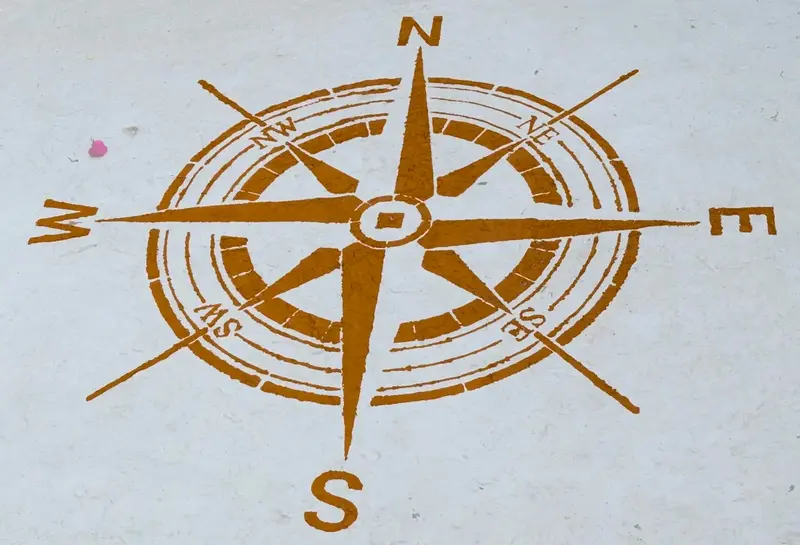
- The Compass Rose · 14.1 Pair of lines
Do: The N–S and E–W lines cross at a right angle, so they are perpendicular. The NE–SW line crosses N–S too: intersecting, but not perpendicular.
Ask: Stand in the middle facing N and turn clockwise. Which letter do you face after a right angle, and after a straight angle? What kind of angle do you turn from N to SE, and from N to W?
Grounds
Watch for
- Students think an angle with longer arms is a bigger angle. An angle is the amount of turn: the lines from the middle to N and to E make a right angle, whether you look near the middle or out at the letters.
- Students think angles stop at 180°. A turn past a straight angle, like N to W, is a reflex angle, more than 180° and less than 360°.
Before the visit
Do Activity 4 in 14.4 (angles on a clock): students guess, then measure, the angles between a clock’s hands.
After the visit
Do Activity 5 in 14.4 (angles around you): a table of the acute, right, obtuse, straight and reflex angles at school and at home, starting with the turns on the compass rose.
Read Math, Unit 14 online → ·the unit’s classroom worksheet (PDF)
Math · Unit 20
Statistics
The Galton board draws its own bar diagram: each slot’s pile is a bar whose height shows how many balls landed there, at the same stop where the science unit asks why the edges get so few.
CDC learning outcomes this visit supports
- 6Draw a simple bar diagram on a graph.
At the center
- Galton Board · 20.2 Simple bar diagram
Do: When the balls have fallen, the piles look like a bar diagram: the taller the pile, the more balls landed in that slot.
Ask: If you drew the piles as a bar diagram on graph paper, what would the X-axis show, and what the Y-axis? Why must every bar be the same width?
First Floor
Watch for
- The board’s piles stand side by side with no gaps. In a bar diagram the bars have equal widths and equal gaps between them, and only the height shows the frequency.
Before the visit
Do Activity 1 in 20.1 (the vegetables a class likes most): a frequency table with tally marks.
After the visit
Do Exercise 20.2, Q1 (absent students in a simple bar diagram), then sketch the Galton board’s piles the same way, with a title and both axes named.
Read Math, Unit 20 online → ·the unit’s classroom worksheet (PDF)
Planning the day
- Visits are by appointment, so book well in advance on the Book a Visit page. A visit takes about two hours; set aside three in all. A large class can split into four groups that take the rounds in turn.
- A sunny morning is best: the sundial and the garden need the sun.
- Ask each student to bring a notebook and a pencil to record what they test and see. Before the visit, give each group two or three of the questions in this guide to answer.
- You’re welcome to come beforehand, free, to see the exhibits and plan the visit; teachers who come with the group are free too.