
You can’t switch yourself off. Even while you sleep, you breathe in and out about fifteen times a minute, your heart beats, and last night’s dal bhat is slowly being broken down inside you. A mustard plant in the field is busy too: taking in water through its roots and making food in its leaves.
Every living thing (every organism) keeps doing certain jobs inside its body to stay alive: getting food (nutrition), getting energy from it (respiration), and getting rid of wastes (excretion). Plants and animals both need them. These jobs that go on in a living body are called life processes. In simple, primitive living things such as amoeba, the life processes are simple. In more developed living things, such as people, they are complex, with whole organs for each job.
This unit is about the first of them, nutrition: how different living things get their food, how green plants make it, and how your body digests yours.
Which of these is a life process?
Pick an answer to see why.
5.1 Modes of nutrition
Look at these three living things and talk about them.
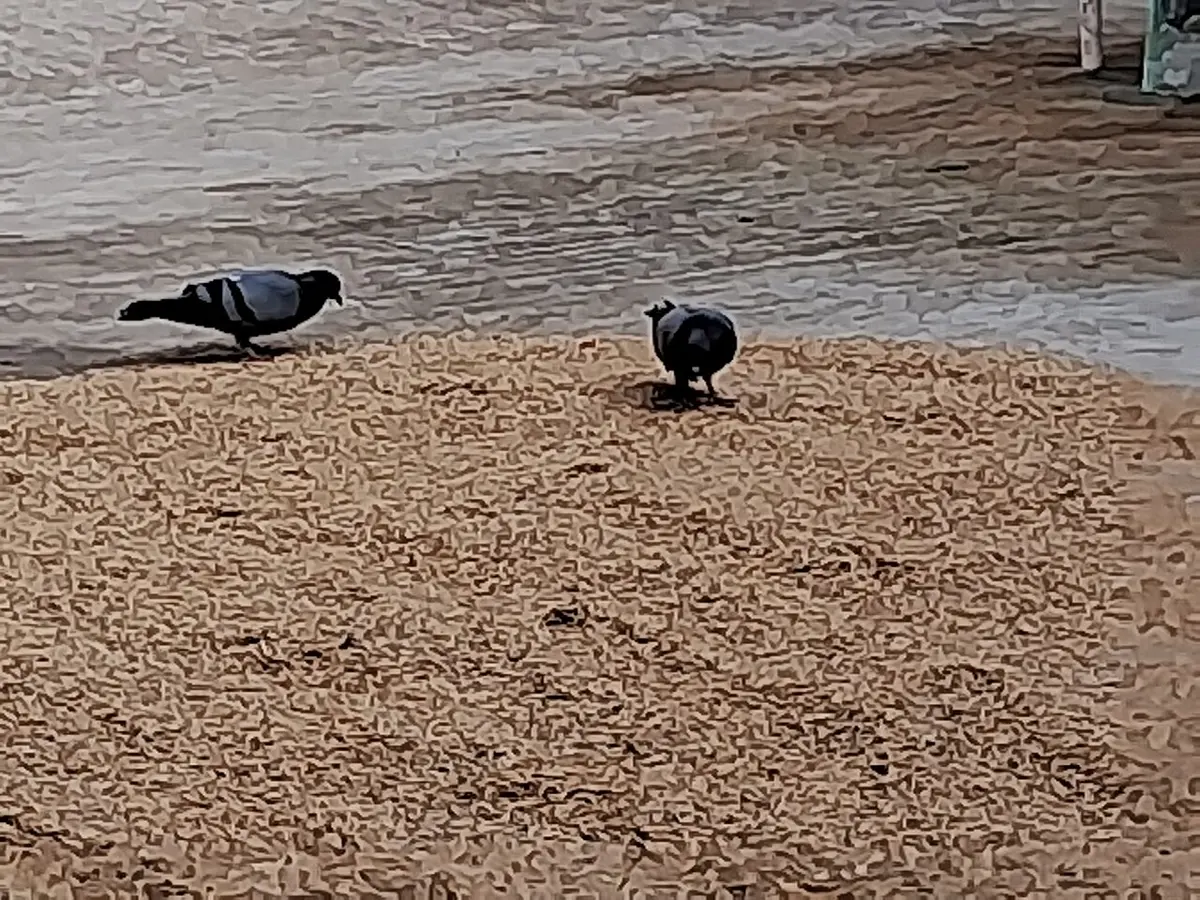
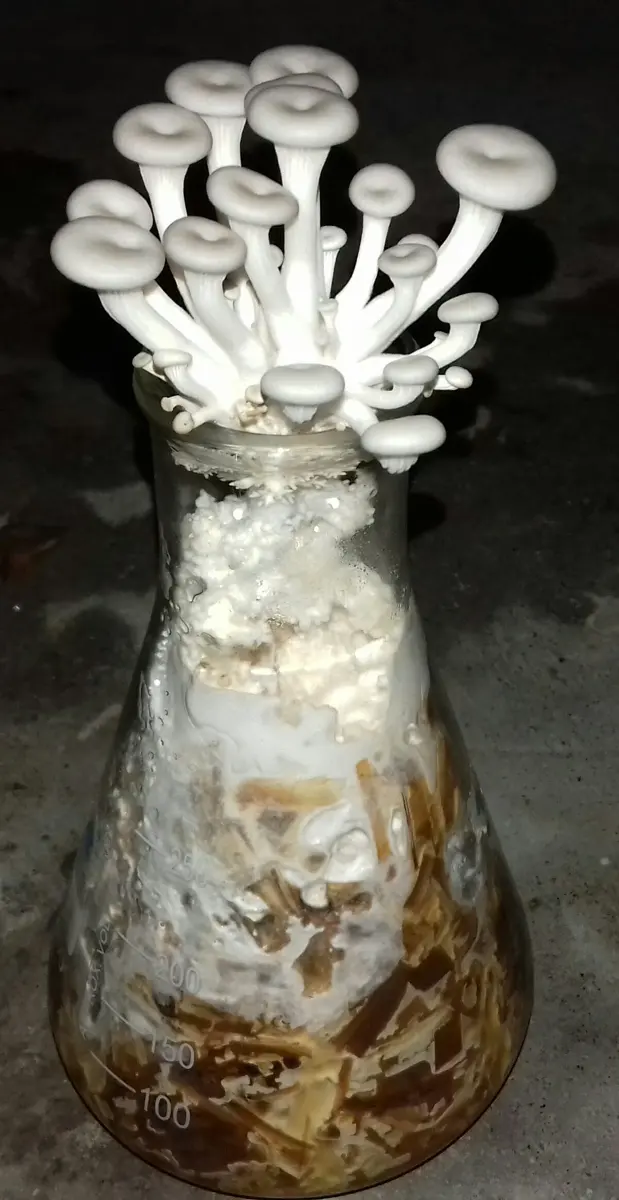
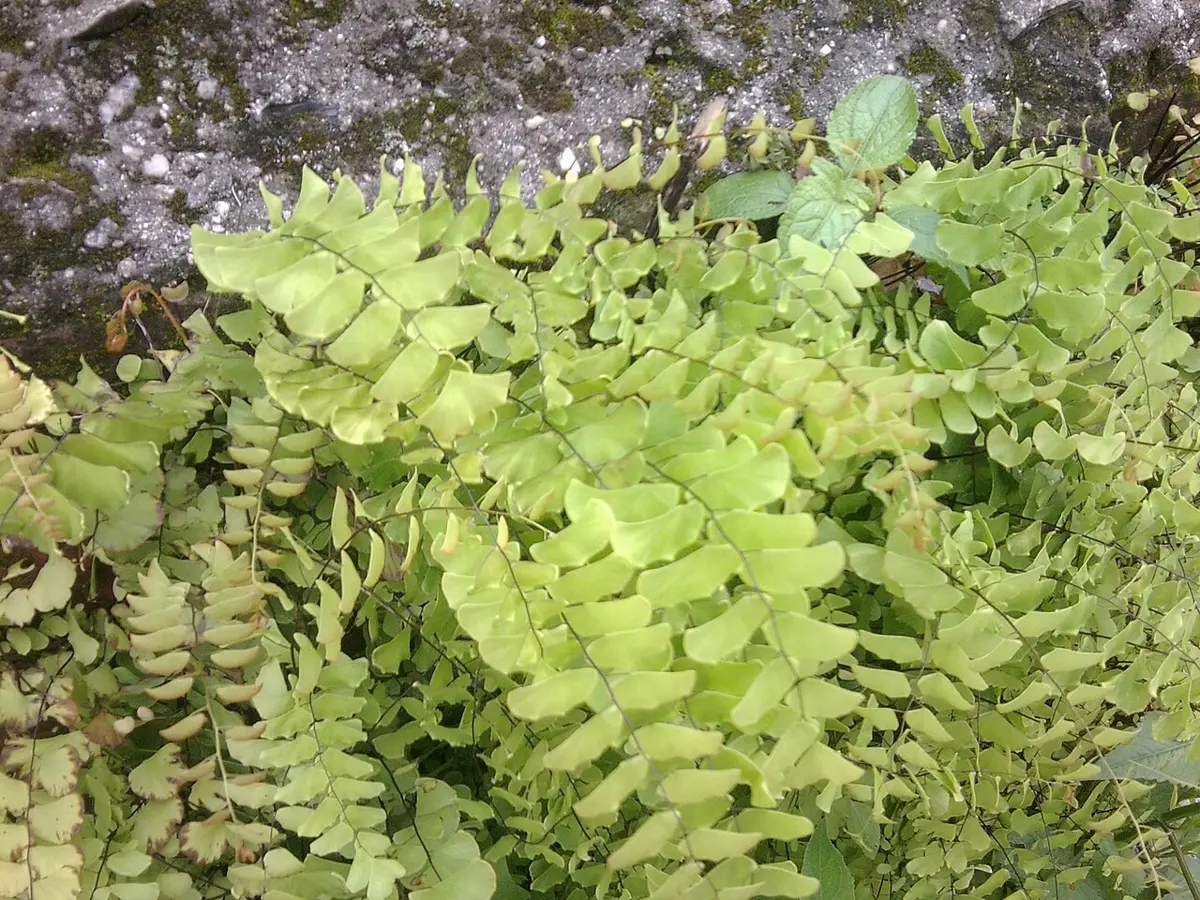
Every living thing needs energy to live: to move, grow, breathe and repair its body. It gets that energy from food. So food is the source of energy for living things.
Green plants make their own food. Some animals get their food from plants, and some kill and eat other animals. So every living thing gets its food from some source. The way a living thing gets its food is its mode of nutrition. By how they get their food, living things are sorted into two main groups:
- a.autotrophs, which make their own food;
- b.heterotrophs, which can’t, and depend on others.
a. Autotrophs
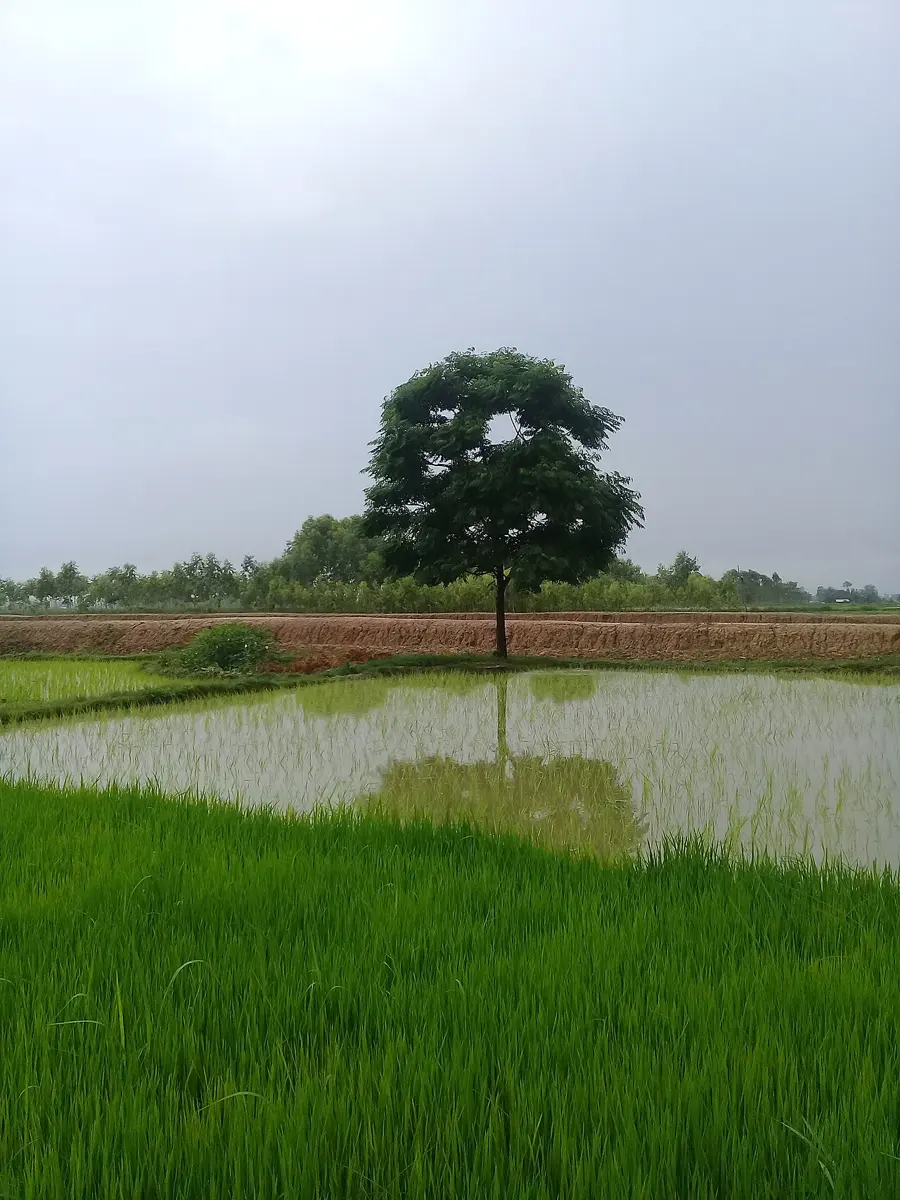
Green plants and a few bacteria, such as cyanobacteria (blue-green bacteria, found in ponds and wet rice fields), are autotrophs (auto means self, troph means food). They take water and minerals from the soil and carbon dioxide from the air. In their cells that contain chlorophyll, they use sunlight to make food from these non-living things, and send it to every part of the plant. With the energy from this food, they carry out their life processes and grow.
Green plants make food using sunlight, and every other living thing depends on that food. So green plants are the most important source of food for all living things. Rice, maize and papaya are examples.
b. Heterotrophs
Living things that can’t make their own food, and depend on other living things for it, are called heterotrophs (hetero means other). They depend on plants and on other living things. Some get their food from dead living things; some suck it straight from living ones; and some kill other animals and eat them. So heterotrophs are sorted into three groups:
- saprophytes
- parasites
- holozoic living things
1. Saprophytes
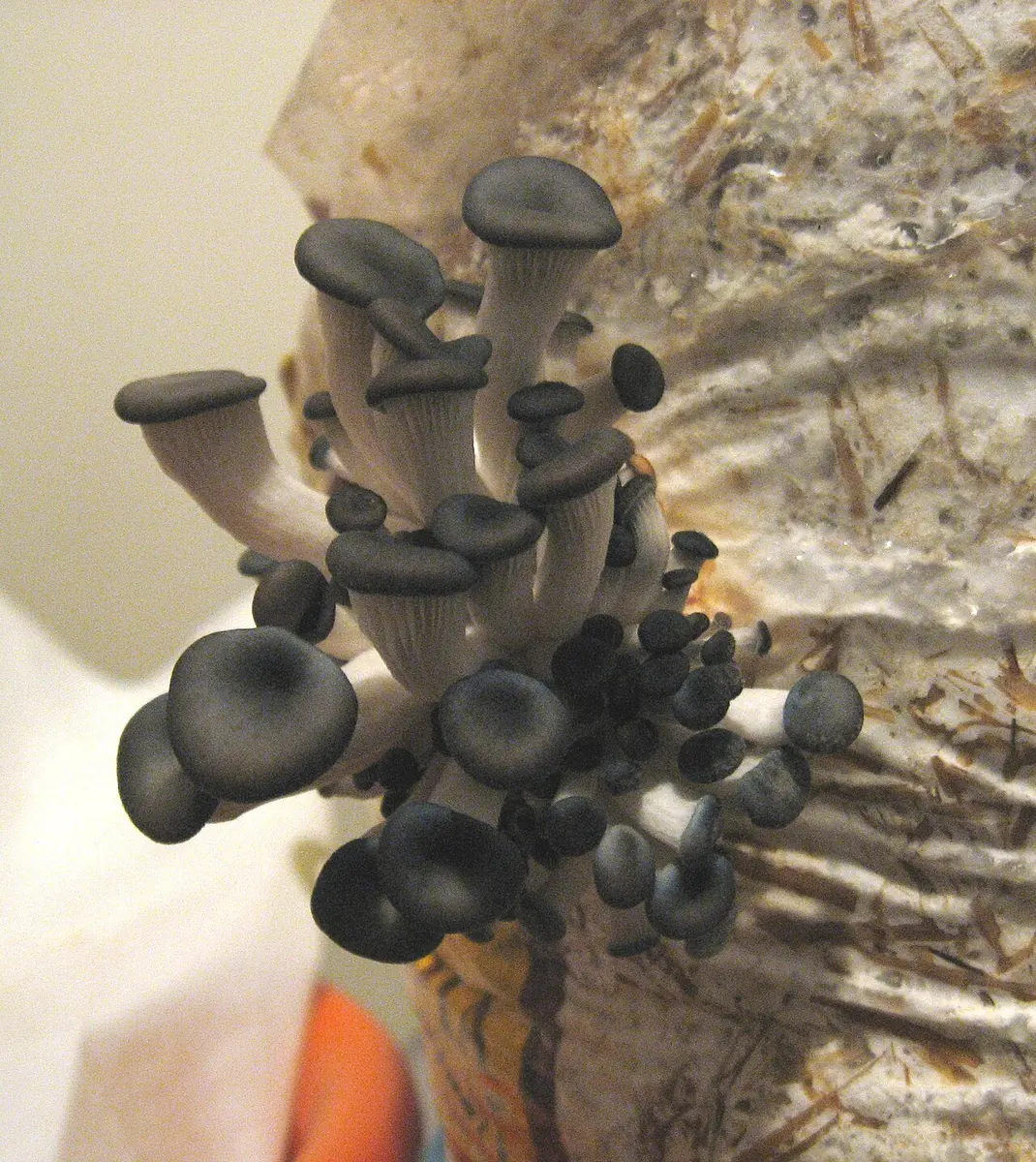
Have you seen mushrooms growing on the bark of a fallen tree? Mushrooms and mucor (black bread mold) take their food by soaking it up from dead things. Living things that get their food from dead and rotting matter are called saprophytes (sapro means rotten).
That is why mushroom farmers grow mushrooms on paddy straw: the mushroom’s threads feed on the dead straw. Have you seen fluffy mold on stale curd or rotting fruit? That too is a saprophyte. Mushrooms and mucor have no chlorophyll, so they can’t make their own food. So mushrooms, mucor and some bacteria, which get their food from the dead bodies of living things, are saprophytes.
2. Parasites
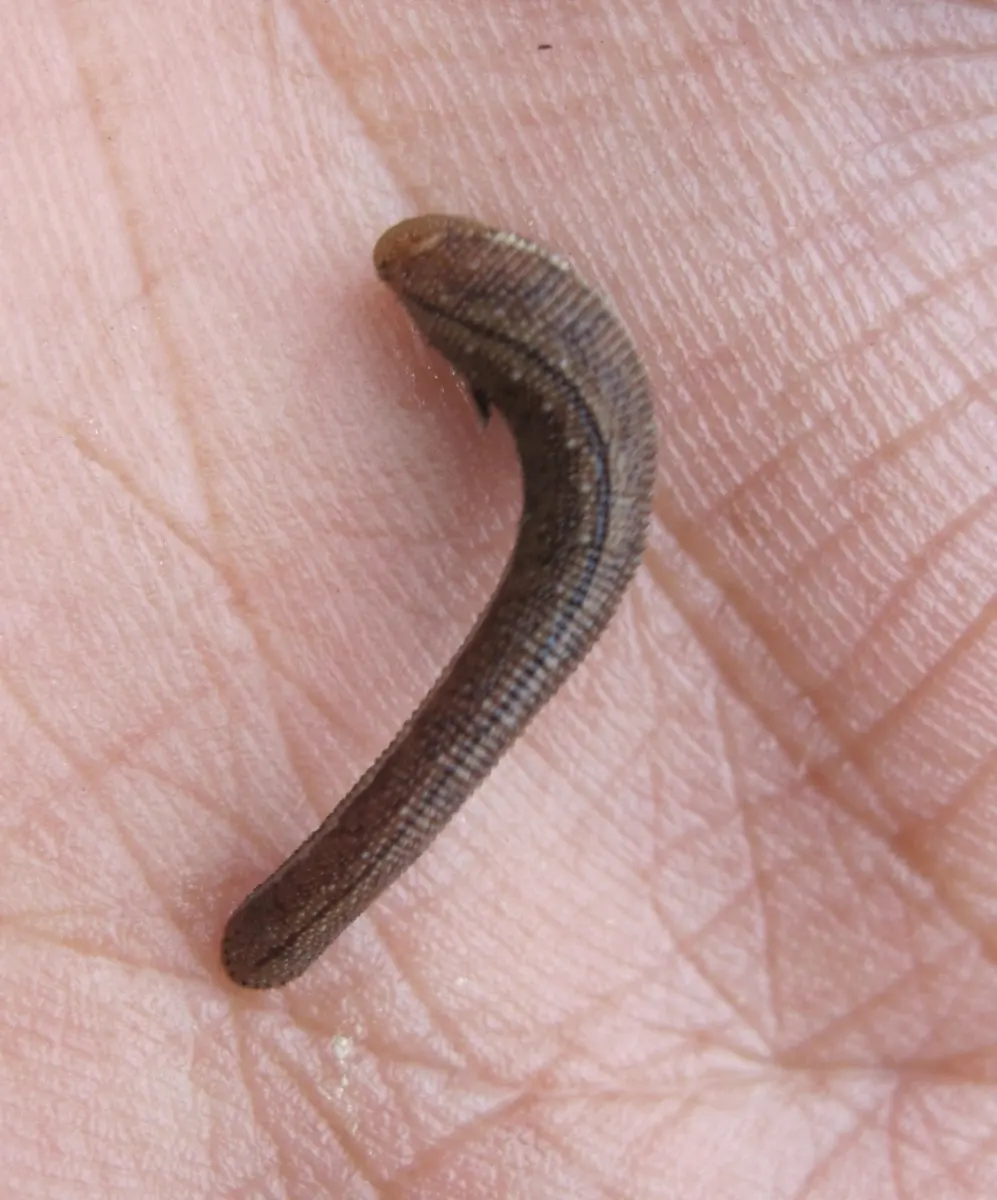
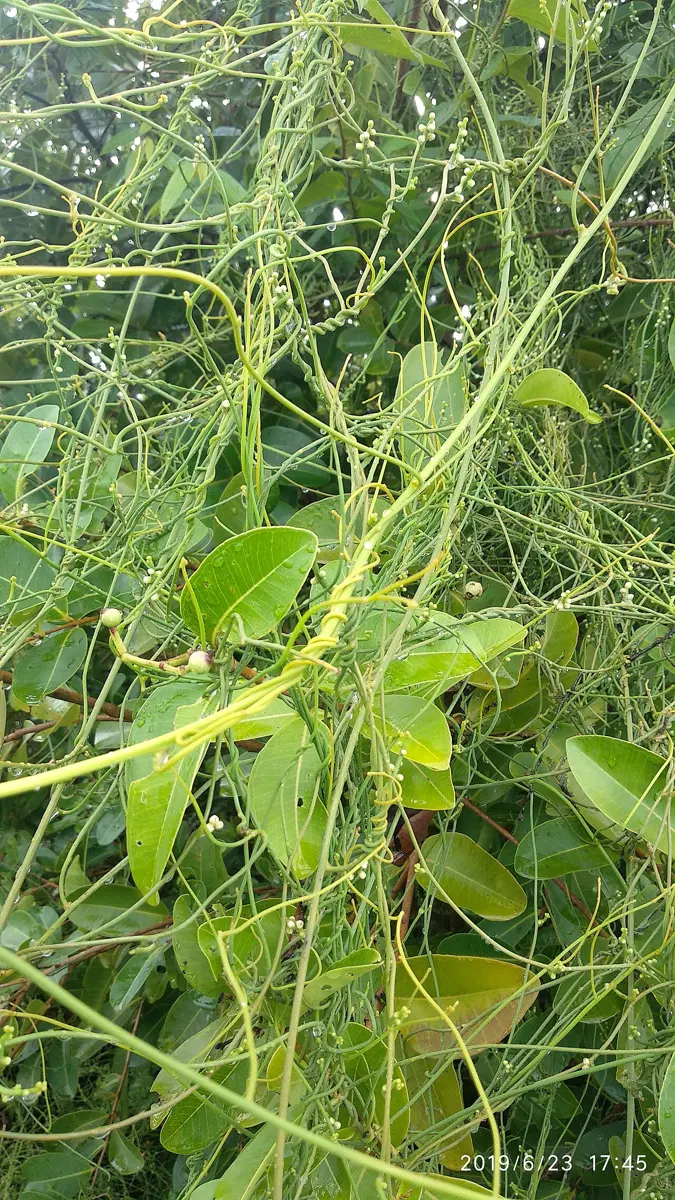
Some living things live on or in the body of another living thing and take their food from it. They are called parasites. The living thing they feed on is their host. A parasite harms its host, but usually doesn’t kill it quickly: a dead host is no more use to it.
- Lice, fleas, bed bugs and leeches live outside the body of their host and suck its blood. They are ectoparasites (ecto means outside).
- Plasmodium, roundworm (ascaris) and pinworm live inside the body of their host and take their food from it. They are endoparasites (endo means inside). Plasmodium is a tiny living thing that lives in our blood and causes malaria; a mosquito carries it from person to person.
3. Holozoic nutrition
Holozoic living things take in solid food and digest it inside their bodies (holo means whole, zoic means animal: eating as animals do). Their nutrition happens in five steps:
- Ingestion: taking food into the body (eating).
- Digestion: breaking the food down into simple, soluble substances.
- Absorption: taking the digested food into the blood (or into the cell).
- Assimilation: using the absorbed food in the body’s cells, for energy, growth and repair.
- Egestion: throwing out the undigested waste.
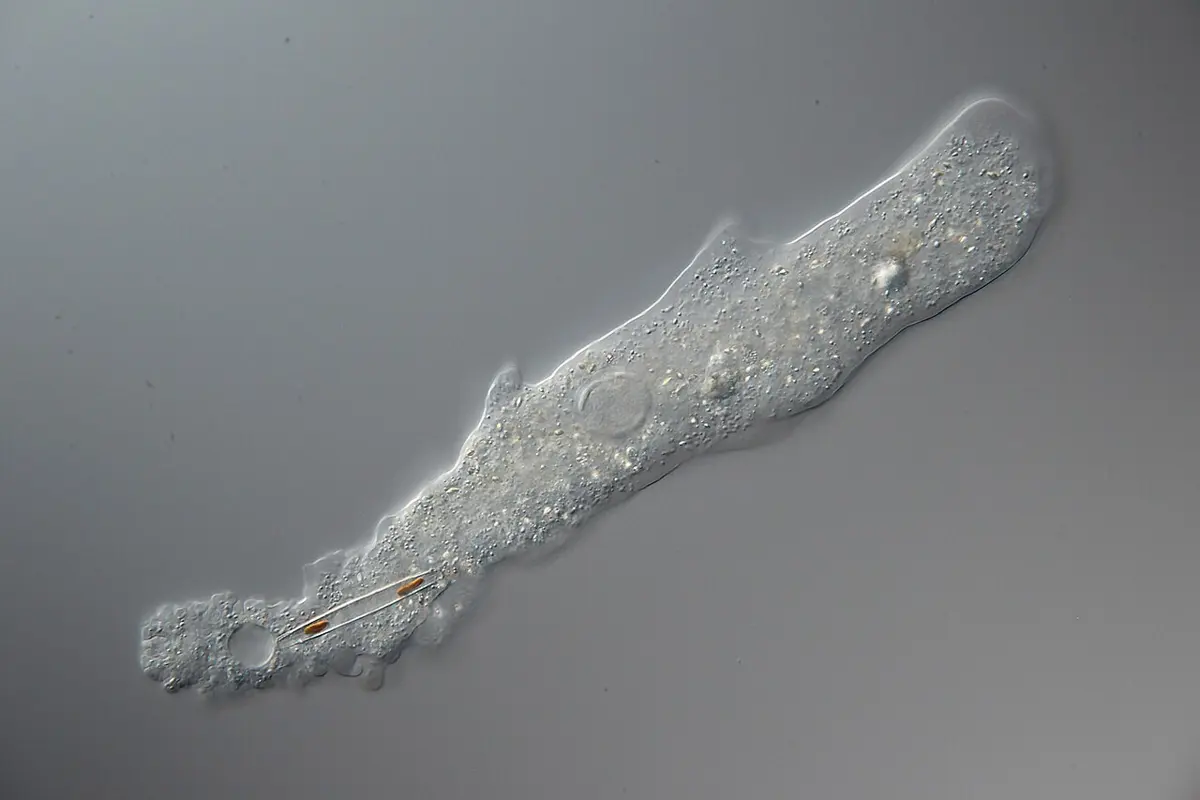
Most animals are holozoic: people, dogs, cows, frogs, and even the one-celled amoeba. An amoeba has no mouth: it flows round a bit of food and wraps it in a bubble inside its body, where it digests it.
How does a mushroom get its food?
Pick an answer to see why.
A roundworm lives in a child’s intestine and eats the digested food there. It is…
Pick an answer to see why.
5.2 Photosynthesis
Green plants make their own food. They make it in their green leaves, from the carbon dioxide in the air and the water they take from the soil, in sunlight. This way that green plants make their food is called photosynthesis (photo means light, synthesis means putting together).
It happens in the leaves. The energy it needs comes from sunlight, caught by the green chlorophyll in the leaves. Photosynthesis makes glucose (a sugar) and oxygen. In words:
A plant takes in water from the soil through its roots, and it travels up the stem to the leaves. It takes in carbon dioxide from the air through tiny holes in its leaves, called stomata (one is a stoma). The plant turns the glucose it makes into starch, and stores it in its cells. The oxygen made goes out into the air.
Which gas do green plants take in to make their food?
Pick an answer to see why.
Factors needed for photosynthesis
Four things are needed for photosynthesis.
- Chlorophyll. Green plants contain chlorophyll, the green color of their leaves. Only plants with chlorophyll can carry out photosynthesis. The chlorophyll in the leaves catches (absorbs) the sunlight.
- Carbon dioxide. Carbon dioxide is a raw material for photosynthesis. Plants take it from the air through the stomata in their leaves.
- Water. Water is the other raw material. Plants take it from the soil through their roots and send it up through the stem to the leaves.
- Light. The chlorophyll in the leaves absorbs sunlight and uses its energy to make food. So green plants change light energy into chemical energy, stored in their food.
Testing a leaf for starch
The glucose a leaf makes is stored as starch. Iodine turns starch blue-black, so we can test a leaf for starch with iodine solution.
Why is the leaf put in warm alcohol in the starch test?
Pick an answer to see why.
A leaf turns blue-black with iodine. What does this show?
Pick an answer to see why.
Human digestive system
We get energy by digesting the food we eat, and we use that energy to do everything we do. Now let’s see how food is digested in the human body, and which organs take part.
The food we eat can’t be turned straight into energy. It must first be broken down into simple substances. Many organs work together to do this. The group of organs that digests food is called the digestive system. It has two main parts: the alimentary canal and the digestive glands.
A. Alimentary canal
The alimentary canal is a long tube that starts at the mouth and ends at the anus. It is wide in some places and narrow in others. Its parts, in order, are:
- a.mouth
- b.food pipe (esophagus)
- c.stomach
- d.small intestine
- e.large intestine
- f.anus
B. Digestive glands
To digest food, the body needs special chemicals, called enzymes. The organs that make these juices are called digestive glands: the salivary glands, the gastric glands in the stomach wall, the liver, the pancreas, and the intestinal glands in the wall of the small intestine. The enzymes in their juices break food down into simple substances that can be absorbed.
Where does the alimentary canal begin and end?
Pick an answer to see why.
How food is digested
In the mouth. As you chew, the salivary glands pour saliva into your mouth. Saliva wets the food so it is easy to swallow. An enzyme in saliva, amylase, starts to break starch down into a simple sugar. Then the food goes down the food pipe to the stomach.
In the stomach. When food reaches the stomach, it sets the gastric glands in the stomach wall working. Their gastric juice contains hydrochloric acid, which makes the food acidic. The acid kills many germs that come in with the food and stops the food from rotting. An enzyme in gastric juice, pepsin, starts to digest protein. The stomach churns the food into a thick paste, and then lets it pass, a little at a time, into the small intestine.
In the small intestine. In the first part of the small intestine, the duodenum, two juices are mixed into the half-digested food:
- bile, made by the liver and stored in the gall bladder, which breaks fat into tiny droplets so it is easy to digest;
- pancreatic juice from the pancreas, whose enzymes digest all three: trypsin digests protein, amylase digests starch, and lipase digests fat.
Then the intestinal juice made by the small intestine’s own glands finishes the digestion.
Absorption. The inner wall of the small intestine is covered with millions of tiny finger-like folds, the villi (one is a villus). The digested food passes through them into the blood.
In the large intestine. What is left goes into the large intestine. There, most of the water is absorbed back into the body. At last, the remaining waste leaves through the anus.
The digestive glands and the juices they make:
| S.N. | Place | Digestive gland | Digestive juice |
|---|---|---|---|
| 1. | mouth | salivary glands | saliva |
| 2. | stomach | gastric glands | gastric juice |
| 3. | upper right of the belly, under the ribs | liver | bile |
| 4. | below the stomach | pancreas | pancreatic juice |
| 5. | small intestine | intestinal glands | intestinal juice |
So digestion turns food into simple substances: starch and sugars into simple sugars such as glucose and fructose, protein into amino acids, and fat into fatty acids and glycerol. From the small intestine, these travel in the blood to every cell of the body. In the cells, glucose reacts with oxygen and releases energy (this is respiration).
The different nutrients in food do different jobs. Carbohydrates (starch and sugars) give energy. Fats and oils give energy and keep the body warm. Proteins help the body grow and repair its cells and tissues.
Exercise
1. Fill in the blanks with the right word
digestive gland, energy, photosynthesis, digestive system, chlorophyll
The process by which plants make their food is called ______.
Answer
The process by which plants make their food is called photosynthesis.
Leaves are green because they contain ______.
Answer
Leaves are green because they contain chlorophyll.
The group of organs that helps to digest food is called the ______.
Answer
The group of organs that helps to digest food is called the digestive system. (“Digestive gland” is not needed.)
The carbohydrate in food gives us ______.
Answer
The carbohydrate in food gives us energy.
2. Choose the correct answer
a. Which gas is given out during photosynthesis?
Pick an answer to see why.
b. Which chemical is found in digestive juices?
Pick an answer to see why.
c. What is the process by which plants make food called?
Pick an answer to see why.
d. Which gas does a plant need to make its food?
Pick an answer to see why.
3. Answer these questions
Define life process.
Answer
The jobs that a living body keeps doing inside itself to stay alive are called life processes. Examples: nutrition, respiration and excretion. They go on in both plants and animals.
What are the things needed for photosynthesis?
Answer
Four things are needed:
- chlorophyll, in the green leaves, to catch sunlight;
- sunlight, which gives the energy;
- carbon dioxide, taken from the air through the stomata;
- water, taken from the soil by the roots.
How is the starch test done? Write it in points.
Answer
- Pick a green leaf from a plant that has been in sunlight.
- Boil it in water for about five minutes, to kill it and make it soft.
- Turn off the flame. Put the leaf in warm alcohol (90 % ethanol) in a test tube standing in the hot water, to remove its chlorophyll. The leaf turns pale.
- Wash the leaf in warm water to soften it.
- Spread it on a white tile and put a few drops of iodine solution on it.
- The leaf turns blue-black, which shows that it has starch.
Do plants carry out photosynthesis at night? Give your view with reasons.
Answer
No. Photosynthesis needs light: chlorophyll catches the energy of sunlight to make food. At night there is no sunlight, so a plant can’t make food. (A very bright lamp would let it carry on a little.) At night the plant only respires, as it does all the time: it takes in oxygen and gives out carbon dioxide, using up some of the food it made in the day.
What is the digestive system? Define it.
Answer
The group of organs that breaks down (digests) the food we eat into simple substances that the body can absorb is the digestive system. It has two parts: the alimentary canal (mouth, food pipe, stomach, small intestine, large intestine, anus) and the digestive glands (salivary glands, gastric glands, liver, pancreas, intestinal glands).
Describe the role of the digestive juices.
Answer
Digestive juices contain enzymes, which break food down into simple substances the body can absorb:
- Saliva (salivary glands): its amylase starts to break starch into sugar; it also wets the food so it is easy to swallow.
- Gastric juice (stomach): its hydrochloric acid kills germs and makes the food acidic; its pepsin starts to digest protein.
- Bile (made by the liver, stored in the gall bladder): breaks fat into tiny droplets.
- Pancreatic juice (pancreas): trypsin digests protein, amylase digests starch, and lipase digests fat.
- Intestinal juice (small intestine): finishes the digestion.
In the end, food becomes glucose, amino acids and fatty acids, which are absorbed into the blood.
Draw a neat, labeled diagram of the human digestive system.
Answer
Draw the outline of a body and, inside it, label: mouth, salivary glands, food pipe (esophagus), liver, gall bladder, stomach, pancreas, small intestine, large intestine and anus. Show the stomach on the left side of the body (your right as you look at it), the liver on the other side, the small intestine coiled in the middle, and the large intestine framing it.
4. Write the name and work of these organs and parts
Name part a in the figure, and write its work.
Answer
Stomach. A J-shaped bag of muscle. It stores food for a few hours and churns it. Its gastric juice has hydrochloric acid, which kills germs, and pepsin, which starts to digest protein.
Name part b in the figure, and write its work.
Answer
Small intestine. A long, coiled tube (about 6 m in an adult). Bile, pancreatic juice and intestinal juice finish digesting food here, and its villi absorb the digested food into the blood.
Name part c in the figure, and write its work.
Answer
Leaf. The green part of a plant where photosynthesis happens: its chlorophyll catches sunlight, and it makes glucose and oxygen from carbon dioxide (taken in through its stomata) and water. It also lets water vapor out.
Practice every question in the book, and keep track of the ones you miss →