
Pollinator Partners
Bees, butterflies, moths, and even tiny wasps: each flower here is shaped, colored, or timed for the animals that carry its pollen.
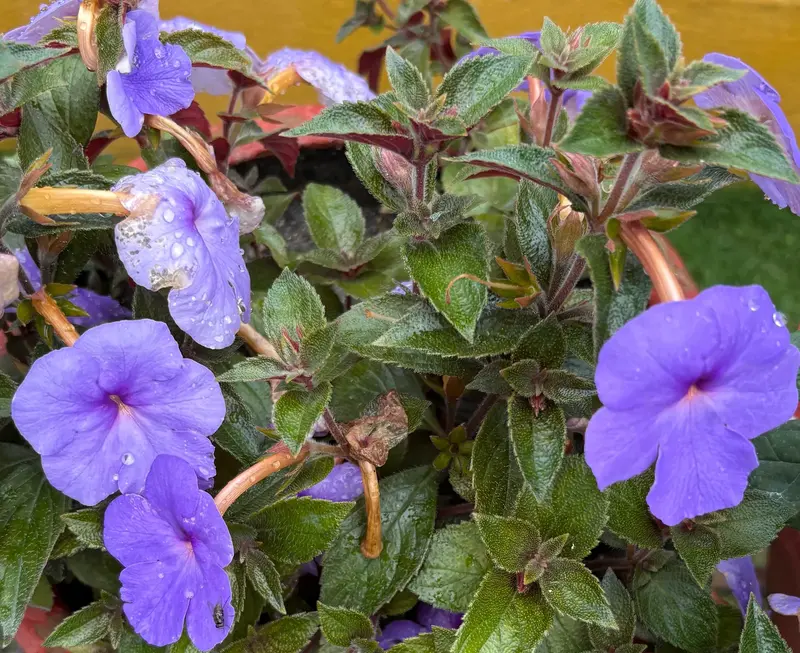
Achimenes
बर्खे फूल
Achimenes sp.
Its open-faced, tube-shaped flowers are visited by bees and hummingbirds in Central America. It grows from small scaly rhizomes that look like tiny pine cones.
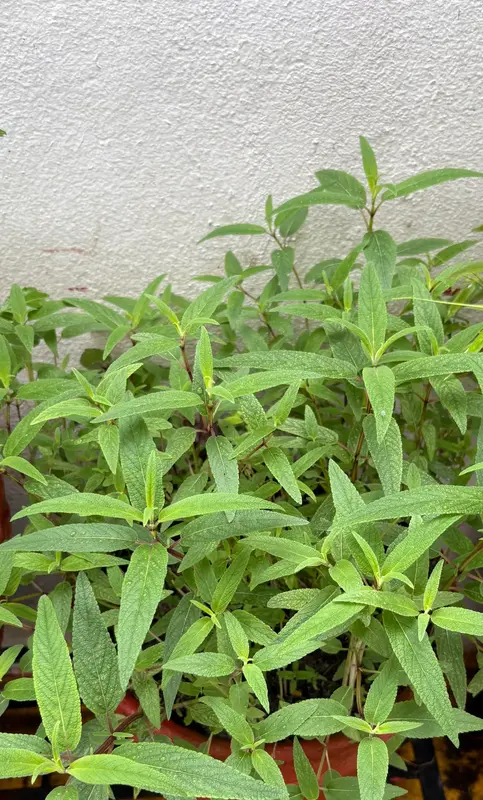
Blue Salvia
Salvia sp.
Salvia flowers have a clever lever: when a bee pushes inside for nectar, the stamens swing down and tap pollen onto the bee’s back.
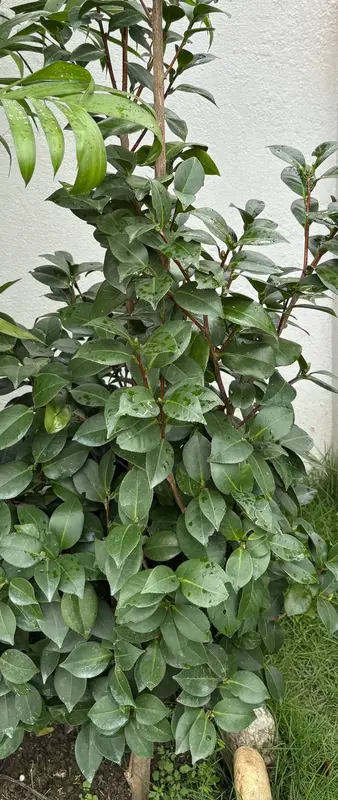
Camellia
चिनिया गुराँस
Camellia japonica
Camellias bloom in the cool months, when few other flowers are open, so their nectar is a winter treat for bees and birds. The tea plant is a close relative.
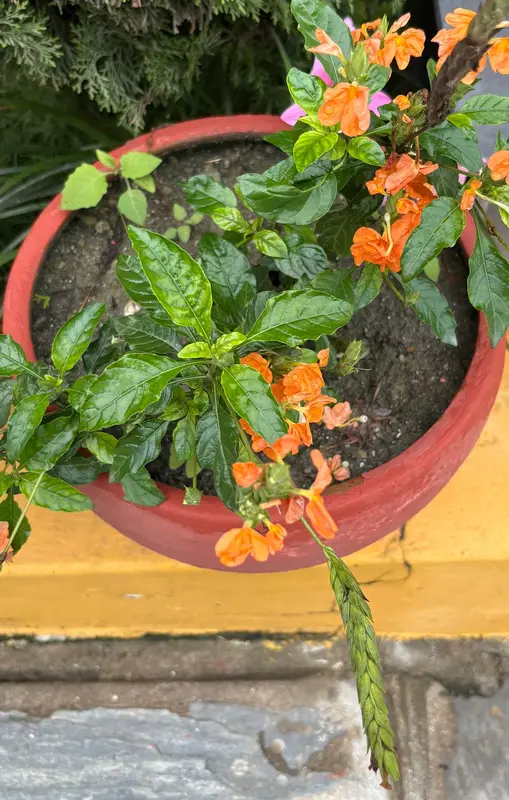
Firecracker Flower
प्रियदर्शिनी
Crossandra infundibuliformis
Native to India and Sri Lanka, its orange flowers are visited by butterflies. When its seed pods dry, they burst open and fling the seeds away.
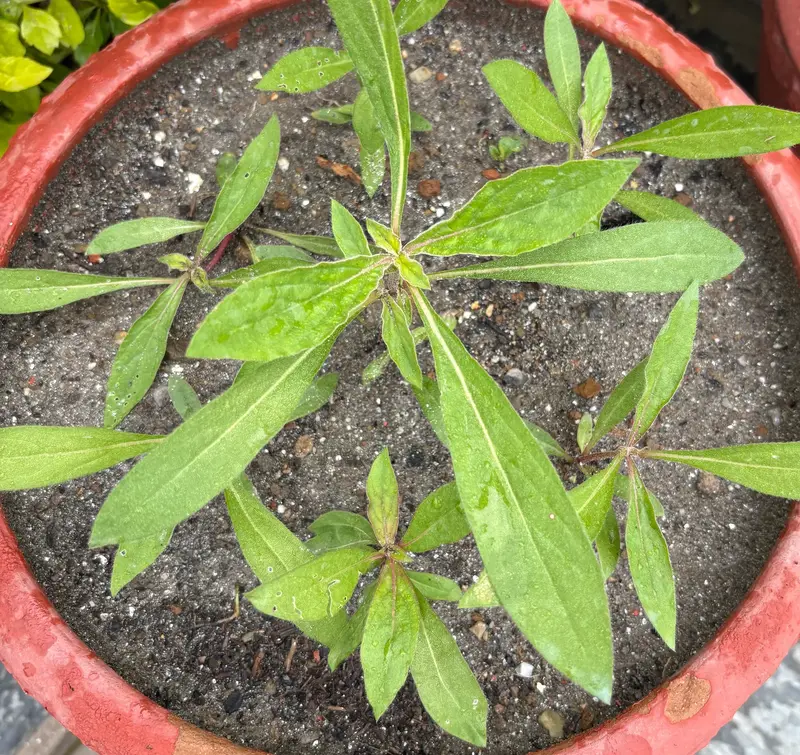
Globe Amaranth (Makhamali)
मखमली फूल
Gomphrena globosa
In Nepal this is makhamali, strung into garlands for Tihar. Each round “bead” is a head of tiny flowers wrapped in papery bracts that keep their color even when dried.
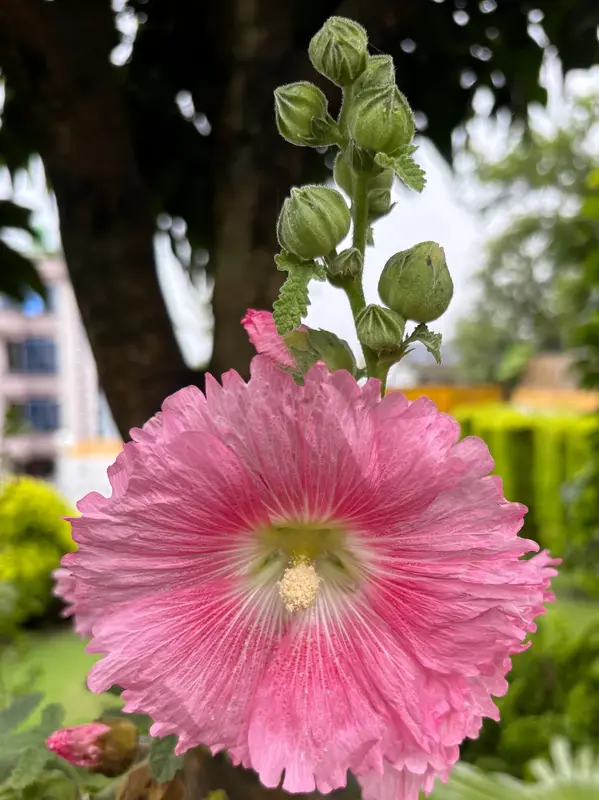
Hollyhock
Alcea rosea
Hollyhocks send up spires of flowers taller than a grown-up. Bees crawl deep into each wide flower and come out dusted with pollen.
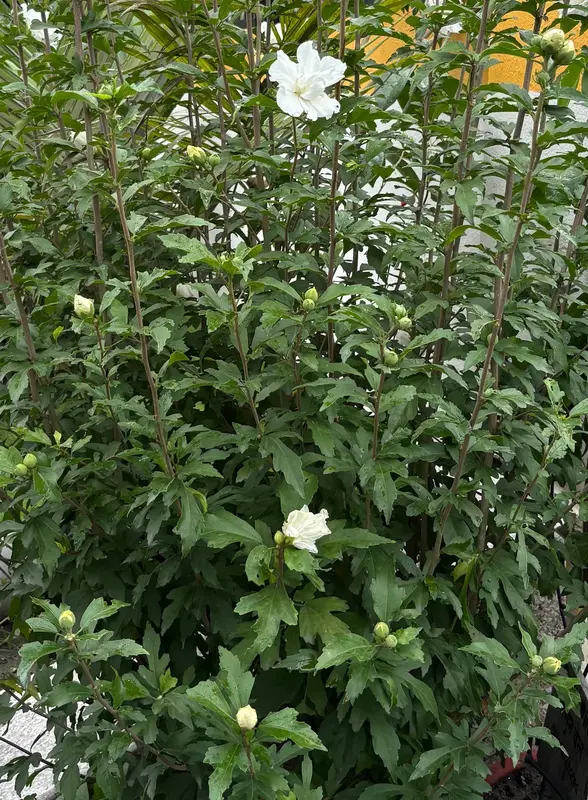
Rose of Sharon
Hibiscus syriacus ‘White Chiffon’
A hardy cousin of the tropical hibiscus that drops its leaves in winter. ‘White Chiffon’ has soft, ruffled white flowers that bees visit all summer.
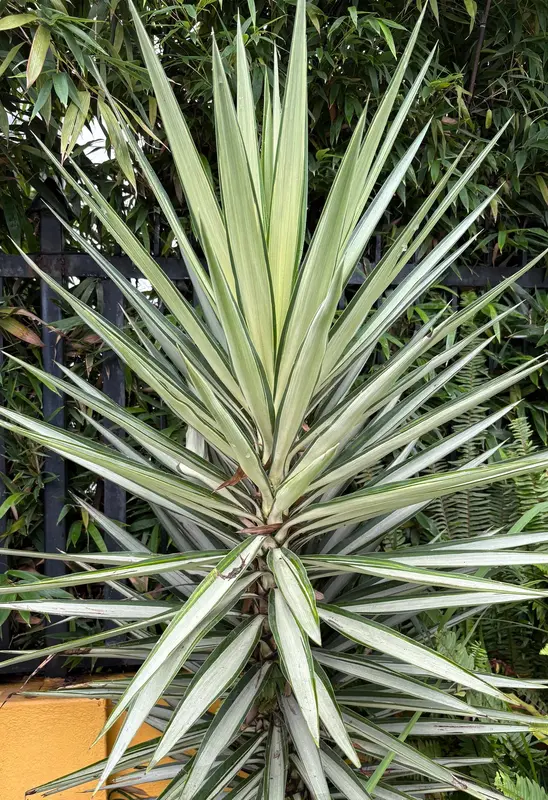
Silver Yucca
Yucca sp.
Where yuccas grow wild, each depends on tiny yucca moths, the only insects that pollinate it, and the moths’ caterpillars eat only yucca seeds. Neither can survive without the other.
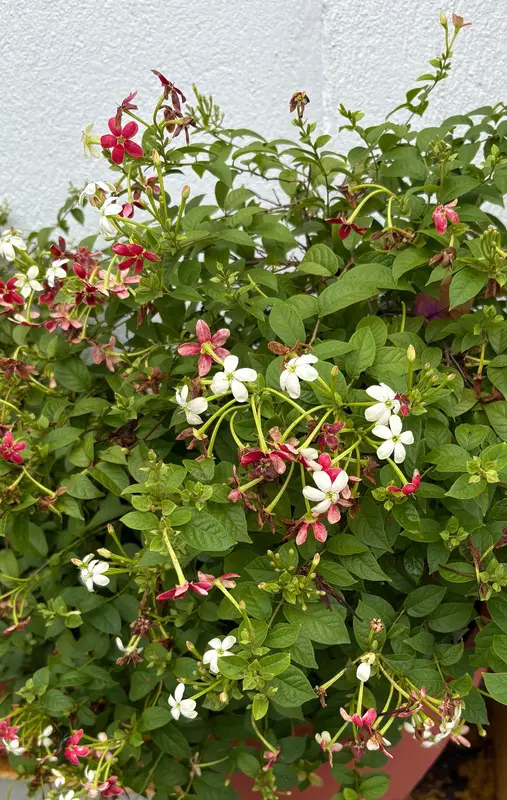
Rangoon Creeper
मधु मालती फूल
Combretum indicum
Its flowers open white at dusk, turn pink the next day, then deep red. The change may help moths and other pollinators find the fresh, nectar-filled flowers.
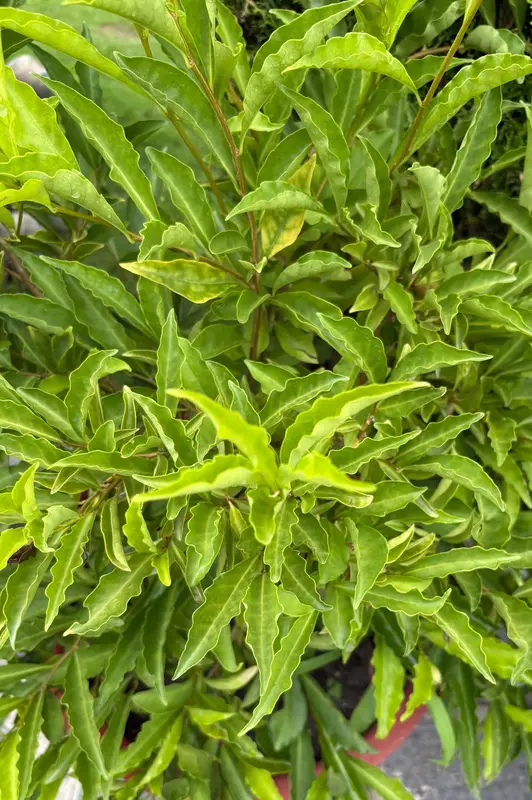
Yesterday, Today, and Tomorrow
नील जाई
Brunfelsia sp.
Its flowers open purple, fade to lavender, and turn white over three days, so one bush shows three colors at once. That is how it got its name.
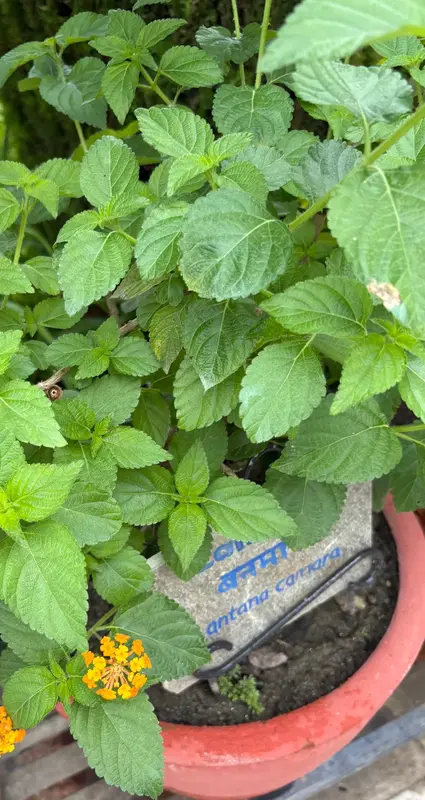
Lantana
बनमारा
Lantana camara
Butterflies love its flower heads, which change color as they age. But birds spread its seeds so well that lantana has become one of the most troublesome invasive plants in Nepal’s forests.
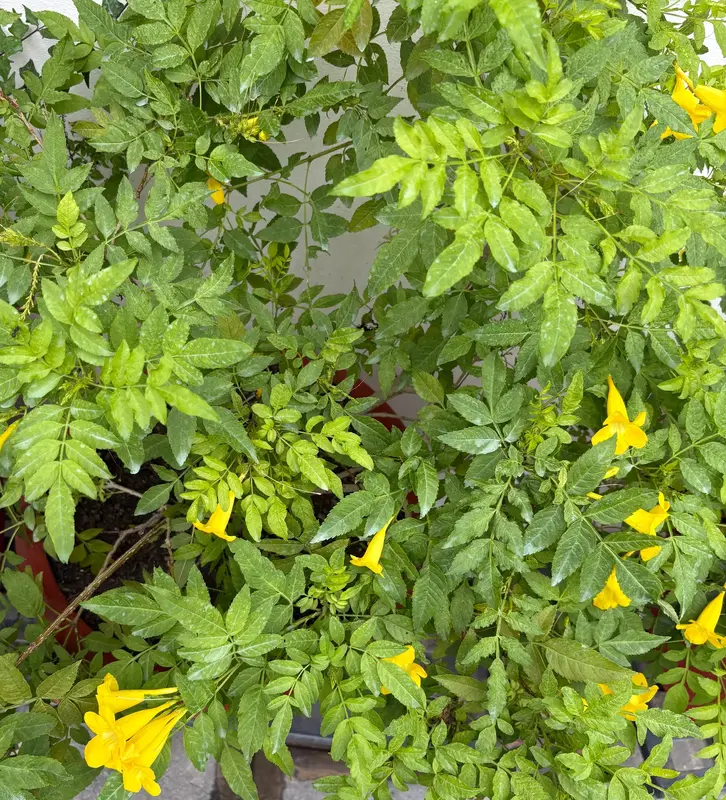
Yellow Bells
Tecoma stans
Clusters of bright yellow trumpet flowers that big bees crawl right into. Afterward come long pods full of papery, winged seeds.
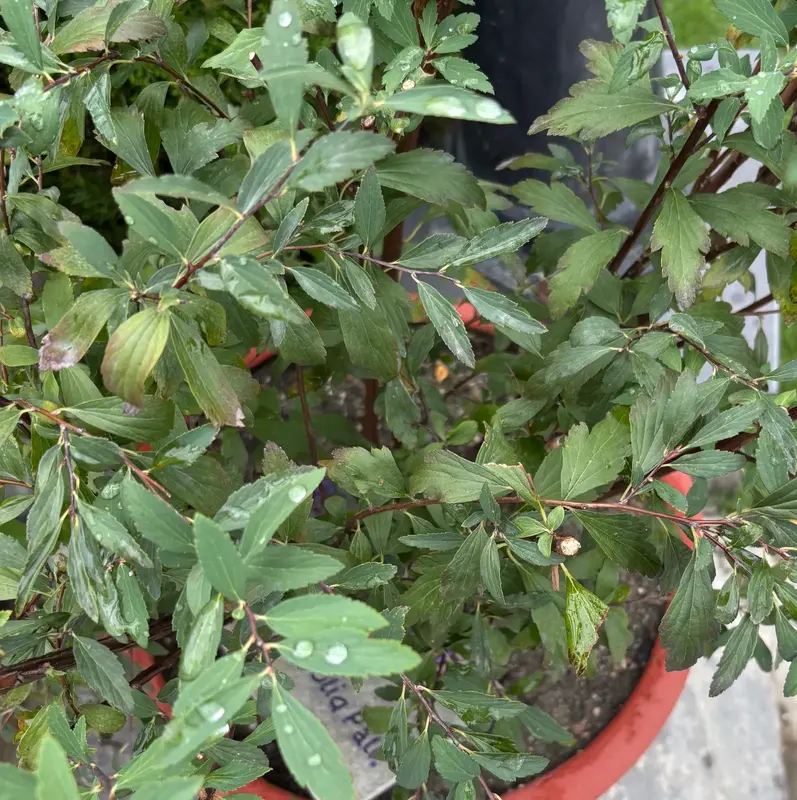
Spiraea
खरेटो
Spiraea sp.
In spring its arching branches are covered in so many tiny white flowers they look snowy, a feast for bees. It is in the rose family.
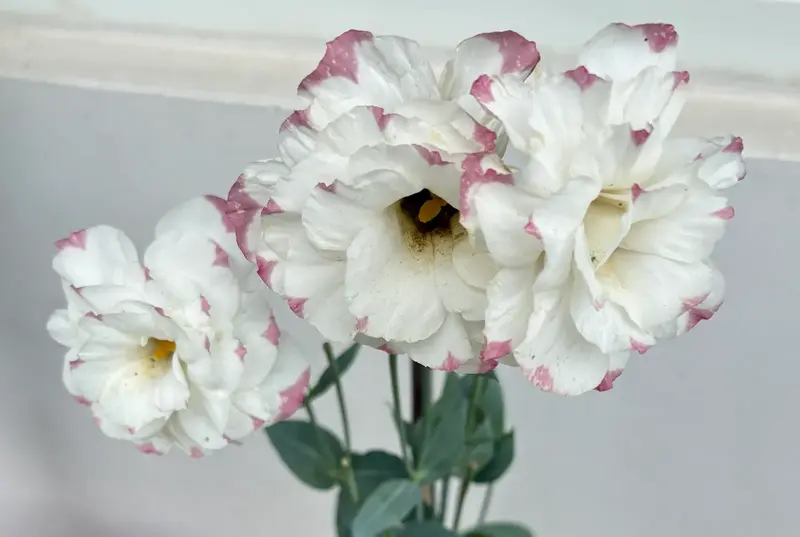
Lisianthus
Eustoma grandiflorum
Its ruffled flowers look like roses, but it is a relative of the gentians, a wildflower of the prairies of the southern United States and Mexico.
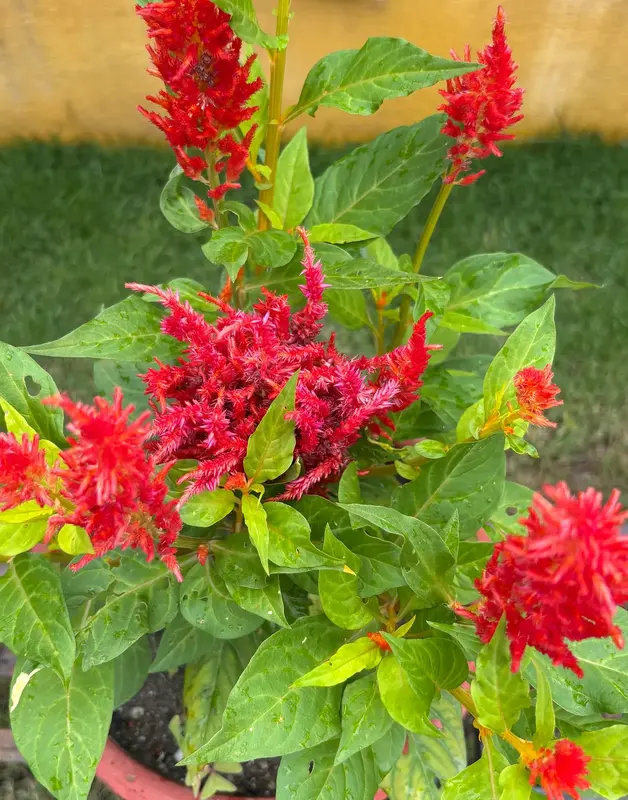
Plumed Cockscomb
चाया फुल
Celosia argentea var. plumosa
Each feathery plume is made of hundreds of tiny flowers with papery parts that keep their color for weeks. It is a relative of amaranth and makhamali.
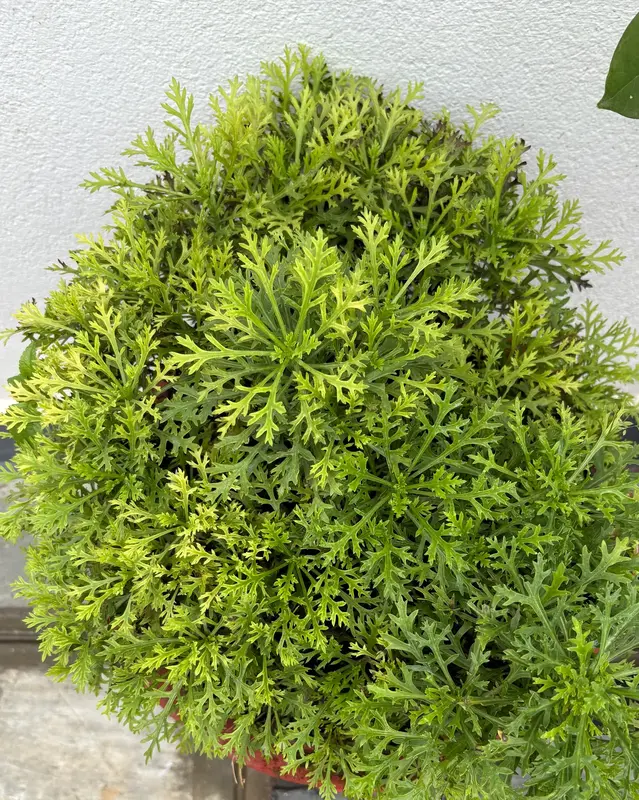
Paris Daisy
Argyranthemum frutescens
The white “petals” are ray flowers around the edge, and the yellow center is made of many disk flowers, each with its own pollen. It comes from the Canary Islands.
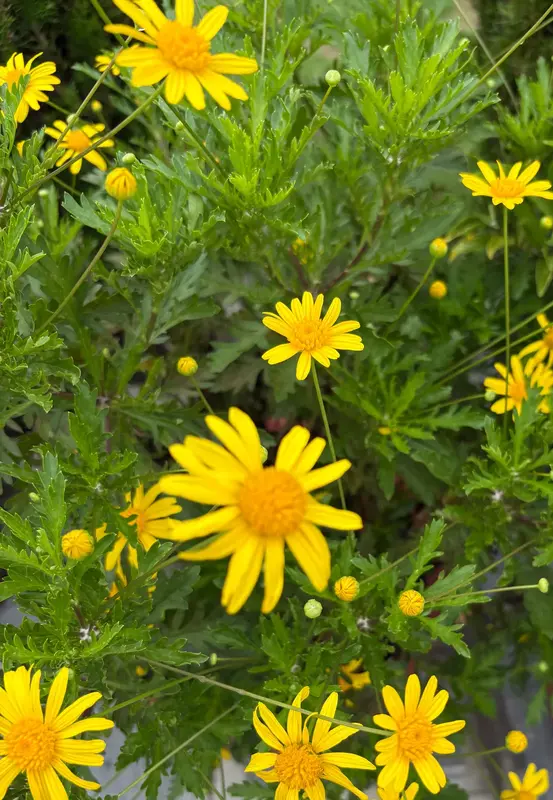
Bush Daisy
घाम गोदावरी
Euryops chrysanthemoides
A South African shrub that covers itself in bright yellow daisies for most of the year, a steady source of nectar for bees and butterflies.
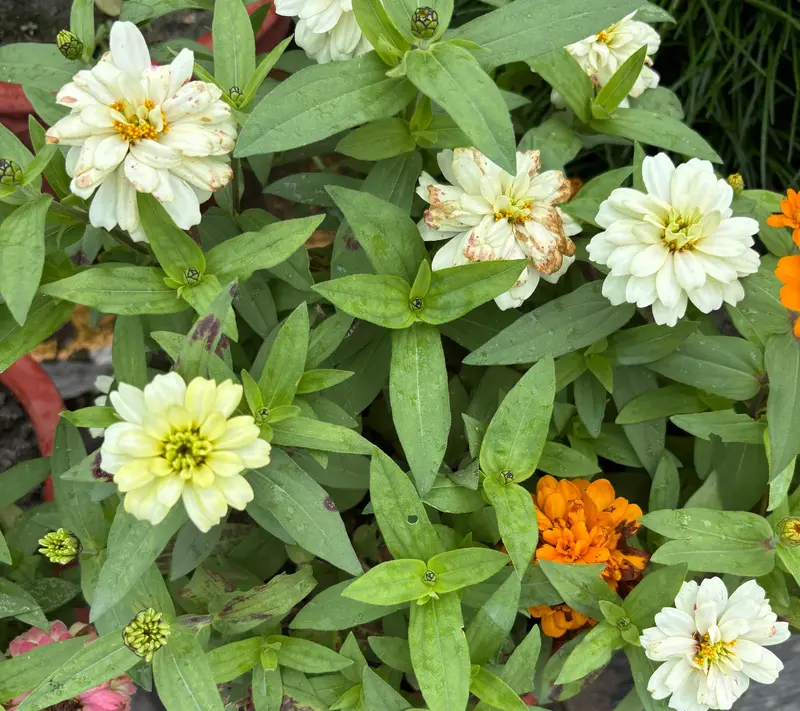
Zinnia
सुपारी / पार्वती फूल
Zinnia elegans
A fast-growing flower from Mexico with bold, long-lasting flower heads. Zinnias have even been grown and flowered on the International Space Station.
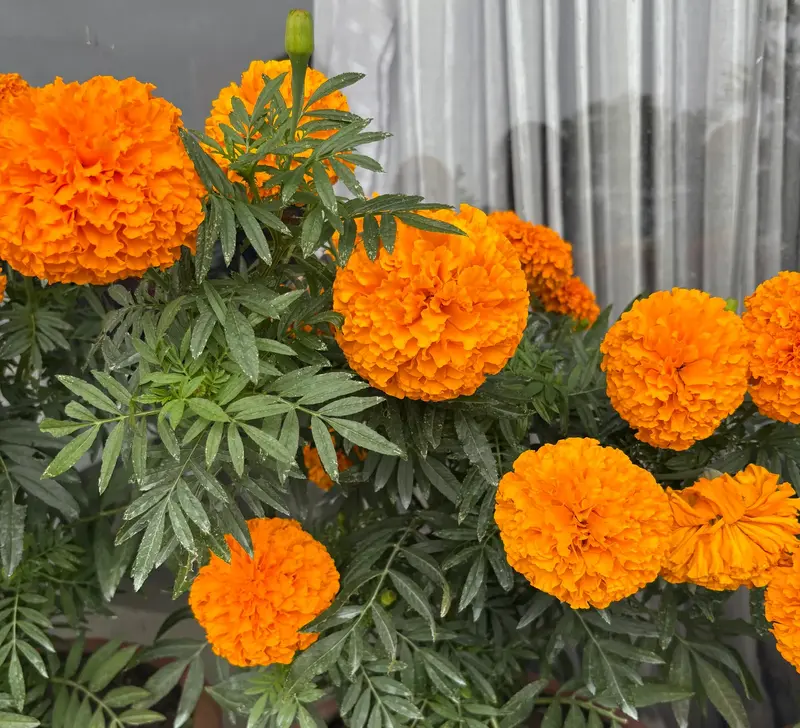
Marigold (Sayapatri)
सयपत्री फूल
Tagetes erecta
Sayapatri means “a hundred petals,” and in Nepal it’s strung into garlands for Tihar. Each big pompom is a head packed with small flowers.
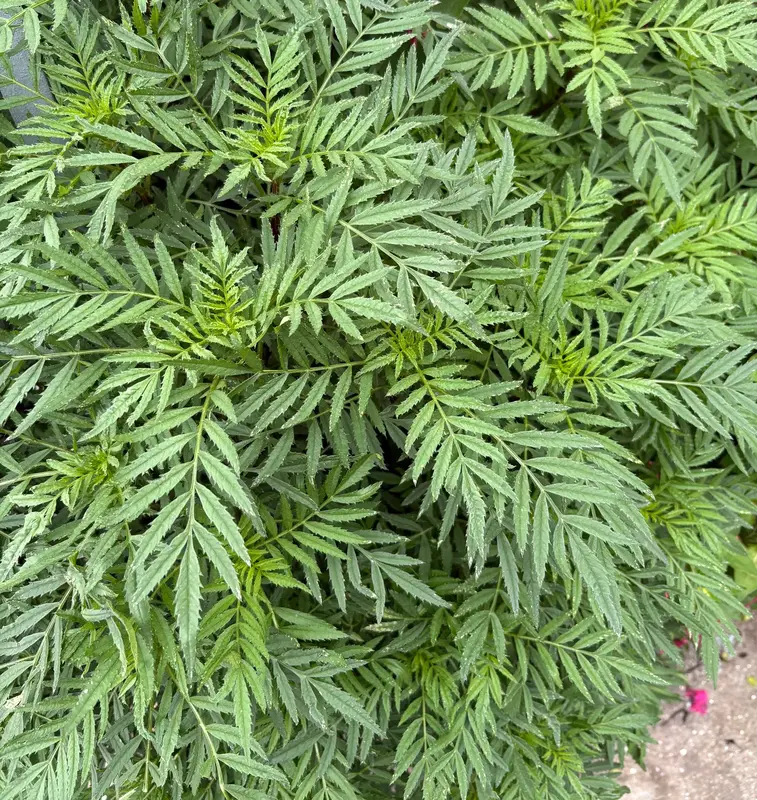
Signet Marigold
सानो सयपत्री
Tagetes tenuifolia
A small marigold with lacy leaves and citrus-flavored petals. Its single flowers show the daisy pattern clearly: a ring of ray flowers around a center of tiny disk flowers.
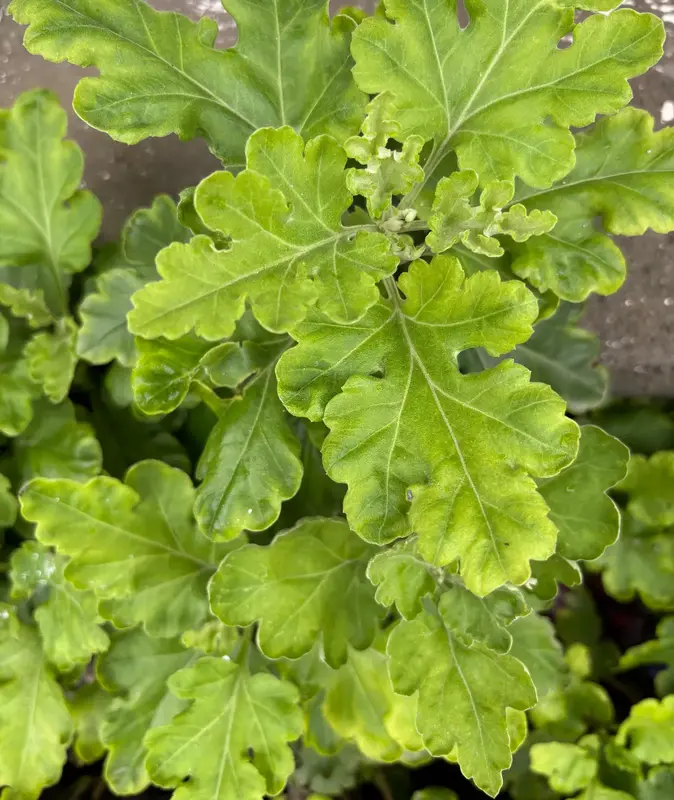
Chrysanthemum
गोदावरी फूल
Chrysanthemum morifolium
Bred in China for well over a thousand years into pompoms, spiders, and buttons, every chrysanthemum is still a head of many tiny flowers.
More in How Plants Live
The garden is alive and changes through the year. Some plants flower, fruit, or rest only in certain seasons, so what you see depends on when you visit.
See them for yourself
Every plant here grows on our campus in Bhaktapur. Walk the garden on your visit.
Book a Visit