
A fish can’t live on land, and a rat can’t live under water. A yak would fall ill in the heat of the Terai, and a lotus would die in a dry field. Why? Because each living thing has a body built for its own home.
Look around you. A crow eats almost anything, but a cow eats only plants. A tiger has long, sharp teeth; a buffalo has broad, flat ones. A frog vanishes in winter, but a dog runs about in the cold. A mushroom has no green color at all, while a mustard plant has green leaves and a green stem.
Plants and animals differ in their shape, their size and how their bodies are built. Scientists sort them into groups by their body structure, their home (habitat) and their food. Groups make millions of kinds of living things easier to study. In this unit you will see how bodies suit their homes, how animals are sorted by their food, the five classes of animals with a backbone, and the plants that flower and those that never do.
3.1 Adaptation of organisms
Different living things live in different places: in ponds and rivers, in fields and forests, in hot deserts and on cold mountains. Each has a body that suits its own place.
A fish lives in water. A rat lives in a hole. Birds fly in the air. Each of them has special body parts for this. A fish has fins and gills. A rat has sharp claws to dig. A bird has wings. Because of these parts, each one can live easily where it lives.
Every living thing gets what it needs from its surroundings: food, water, air and a safe place to live. Over a very long time, living things have come to have the right body parts, the right ways of working inside their bodies, and the right habits for their own home.
The ability of a living thing to live well in its surroundings is called adaptation. A body part or habit that helps it live there is an adaptive feature (or adaptation characteristic). Because of these features, living things can grow and live easily in their own surroundings.
What is adaptation?
Pick an answer to see why.
Adaptive characteristics of terrestrial animals
Animals that live on land are terrestrial animals. Their bodies are built in many different ways. Let’s look at some.
Animals that run fast and hunt, such as the dog, the cat, the tiger, the bear and the jackal (syal), have broad paws with strong claws. (Questions may call the toes phalanges, the name of the small bones in fingers and toes.) The paws help them run and grip the ground. The claws help them catch and hold their prey.
Animals that run fast have long, strong legs and strong muscles. A horse, a deer and a leopard are good examples.
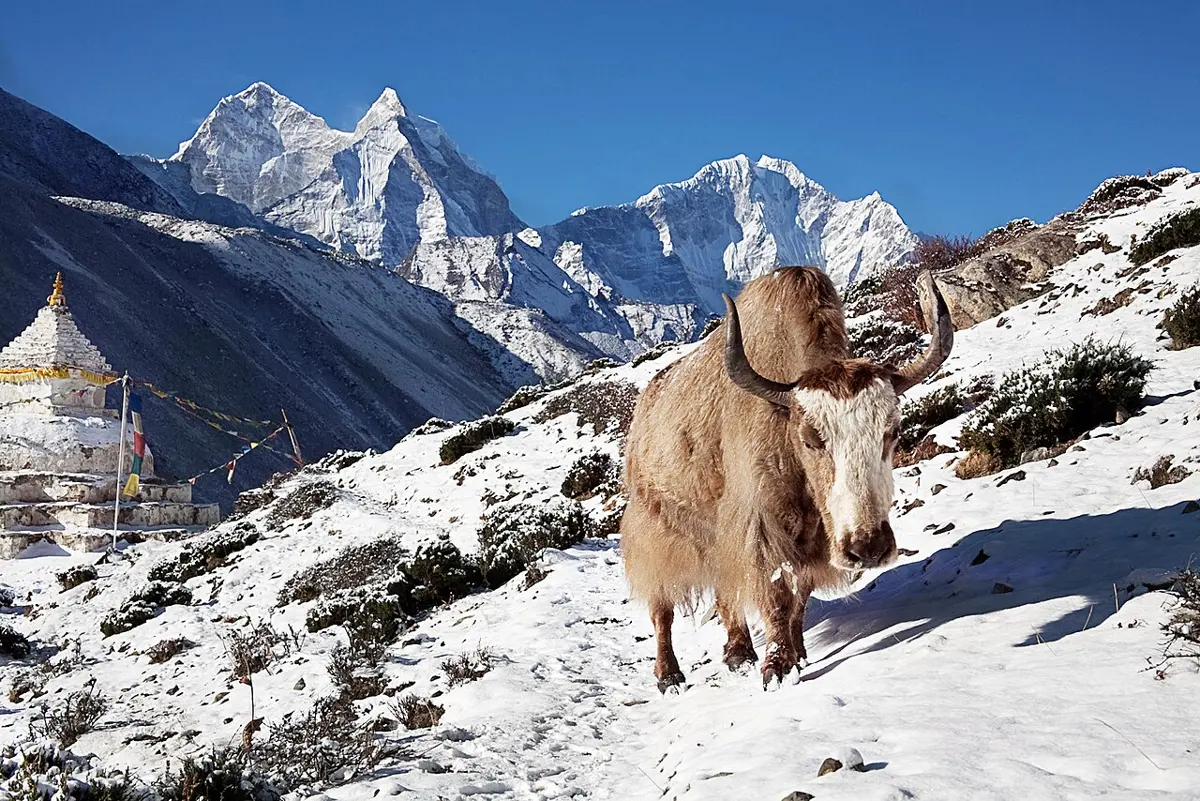
Animals of cold places. Animals of the Himalaya and other cold places are covered with thick fur or long hair. Air trapped between the hairs keeps the cold out and the body’s heat in, like a thick woolen jacket. The yak, the snow leopard and the polar bear have thick fur. A polar bear also has a thick layer of fat under its skin.
Animals of hot places. Animals that live in hot places have thin fur, or very little hair. A rhinoceros (gaida) and an elephant have almost none. Thin fur lets the heat leave their bodies.
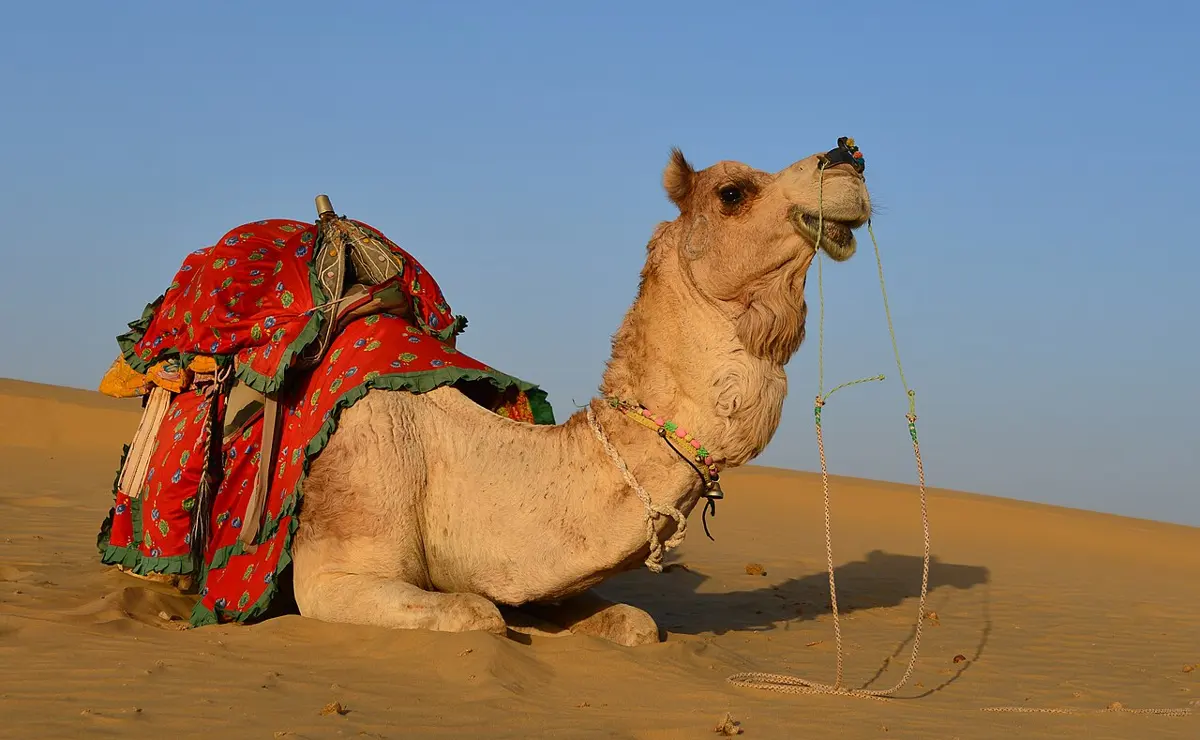
Animals of deserts. A desert is hot and dry, with very little water. Desert animals have thick, dry skin, which lets very little water escape from their bodies. The camel is the best known desert animal:
- Its hump stores fat, not water. When there is no food for a long time, the camel uses this fat for energy.
- It can drink a huge amount of water at once: more than 100 liters in about ten minutes.
- It loses very little water: it sweats very little, and its droppings are very dry.
- It has long eyelashes and can close its nostrils, to keep out blowing sand. Its broad, padded feet don’t sink into the sand.
Animals that climb trees. Monkeys and squirrels climb trees. Climbing animals have strong chest and arm muscles. A monkey’s fingers and toes are long and can wrap round a branch to hold it tightly. Many monkeys also use their tail to balance.
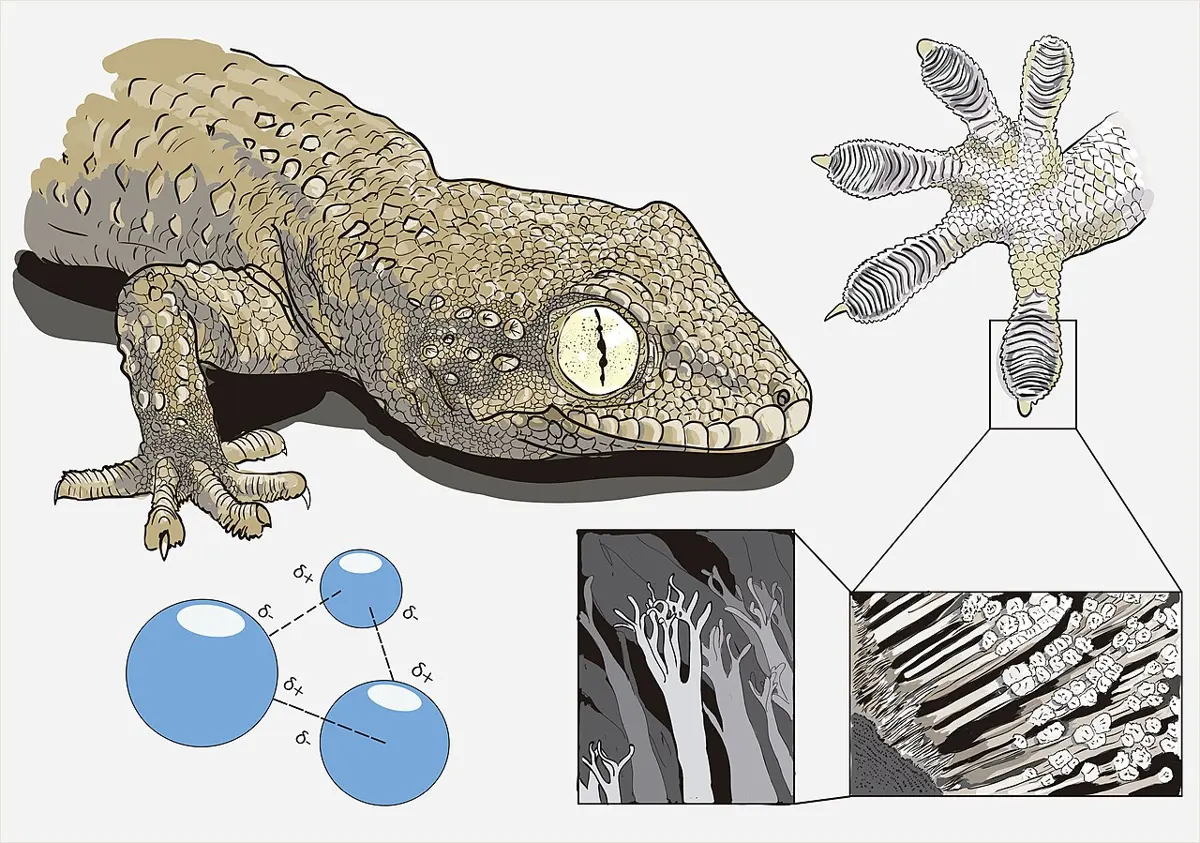
A wall lizard (mausuli) can walk on walls and even on the ceiling. The pads under its toes are covered with tiny hairs (bristles), much too small to see. Each one touches the wall very closely and holds on a little. Millions of them together hold the lizard up. A wall lizard can also drop its tail when an enemy catches it, and run away. Later, a new tail grows.
Why does a yak have long, thick hair?
Pick an answer to see why.
A camel’s hump stores…
Pick an answer to see why.
Birds
Birds are built to fly. Their wings carry them through the air, and their bones are light and hollow, so their body is light. Feathers make the wings broad and smooth.
Birds have different beaks for different jobs. Some beaks pick up grains; some catch insects; some eat fruit. A woodpecker’s beak is long, strong and pointed like a chisel: it drills holes in tree trunks to find insects. A duck’s beak is flat, to pick food out of water and soft mud.
Which beak suits a bird that eats meat?
Pick an answer to see why.
Animals that live in holes
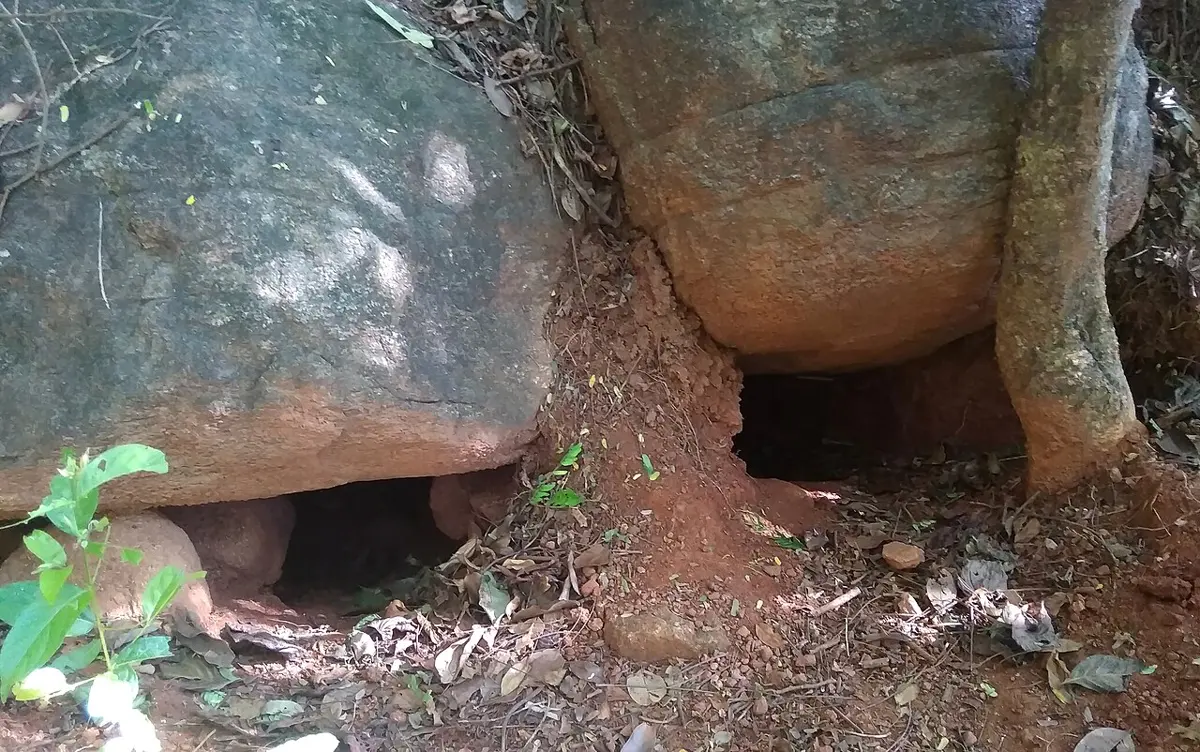
Some animals live in holes in the ground. Some dig their own holes; others live in holes dug by other animals. Rats and rabbits dig their own holes. They have a pointed, strong snout and sharp claws to dig with. A snake has no legs to dig, so it lives in holes made by other animals, such as rats.
Adaptive characteristics of aquatic animals
Animals that live in water are aquatic animals. The fish is the best example.
Aquatic animals usually have a streamlined body: pointed at the front, wide in the middle and narrow at the back, like a boat. Water flows smoothly over it, so swimming is easy. The outside of the body is slimy and slippery, and it is covered with scales. Fins push the fish along and steer it. Many aquatic animals breathe (respire) through gills, which take the oxygen that is dissolved in the water. The body temperature of a fish changes with the temperature of the water around it.
Not every water animal has gills, though. A crocodile, a turtle and a dolphin live in water but breathe air with lungs. They must come up to the surface to breathe.
Which of these water animals breathes with lungs, not gills?
Pick an answer to see why.
Adaptive characteristics of terrestrial plants
Plants, like animals, live in water or on land. Their shape and size depend on where they grow.
Plants that grow on land are terrestrial plants. Their roots are well developed, much more than the roots of water plants: they hold the plant in the soil and reach for water. Their stems are hard and strong, to hold the plant up in the air. Plants of different places on land have different features.
Plants of hot, wet places grow tall, with hard, strong stems. A coconut palm has no branches at all, just a crown of big leaves gathered at the top. Mango and rubber trees also grow tall in hot places.
Plants of dry places must save water.
- Their leaves are small and thick, or turned into spines (thorns), so they lose very little water.
- Their stems are thick and green, and store water. In a cactus, the green stem makes the food.
- Their skin is thick and waxy, and their roots go deep or spread wide to find water.
Cactus (siudi) and aloe vera (ghiukumari) are plants of this kind.
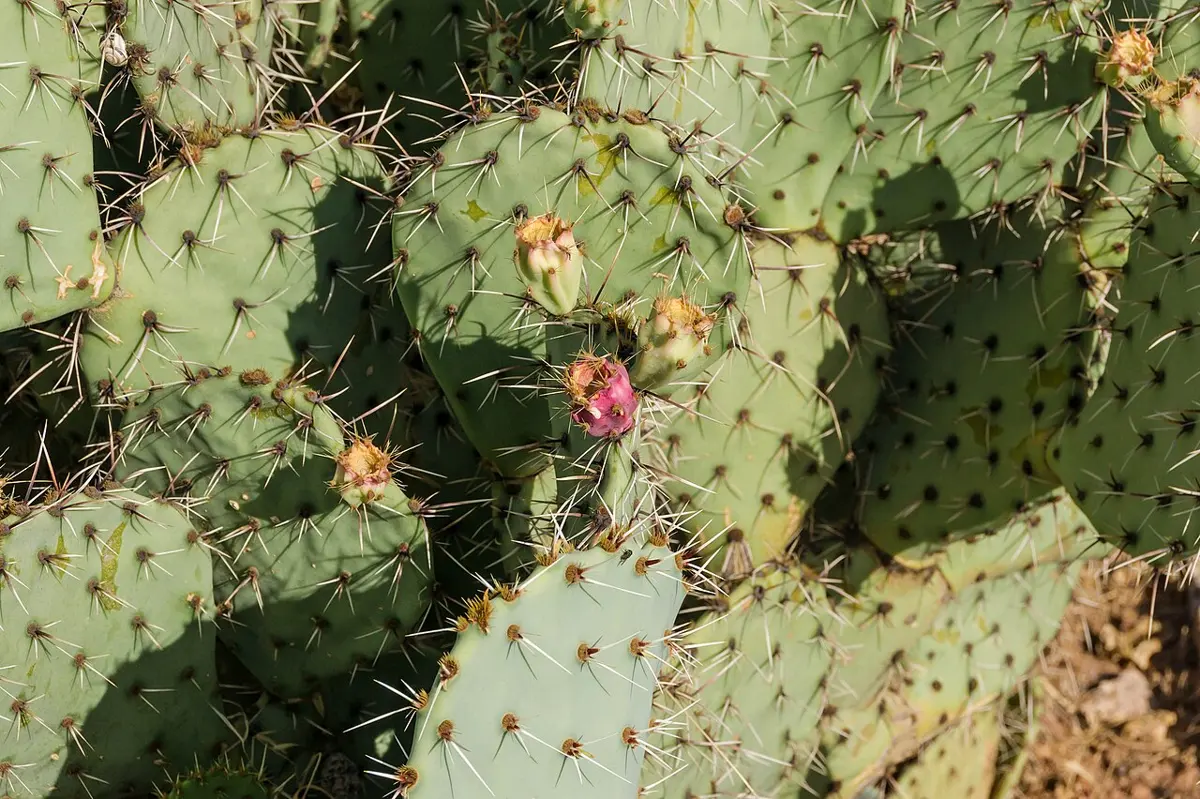
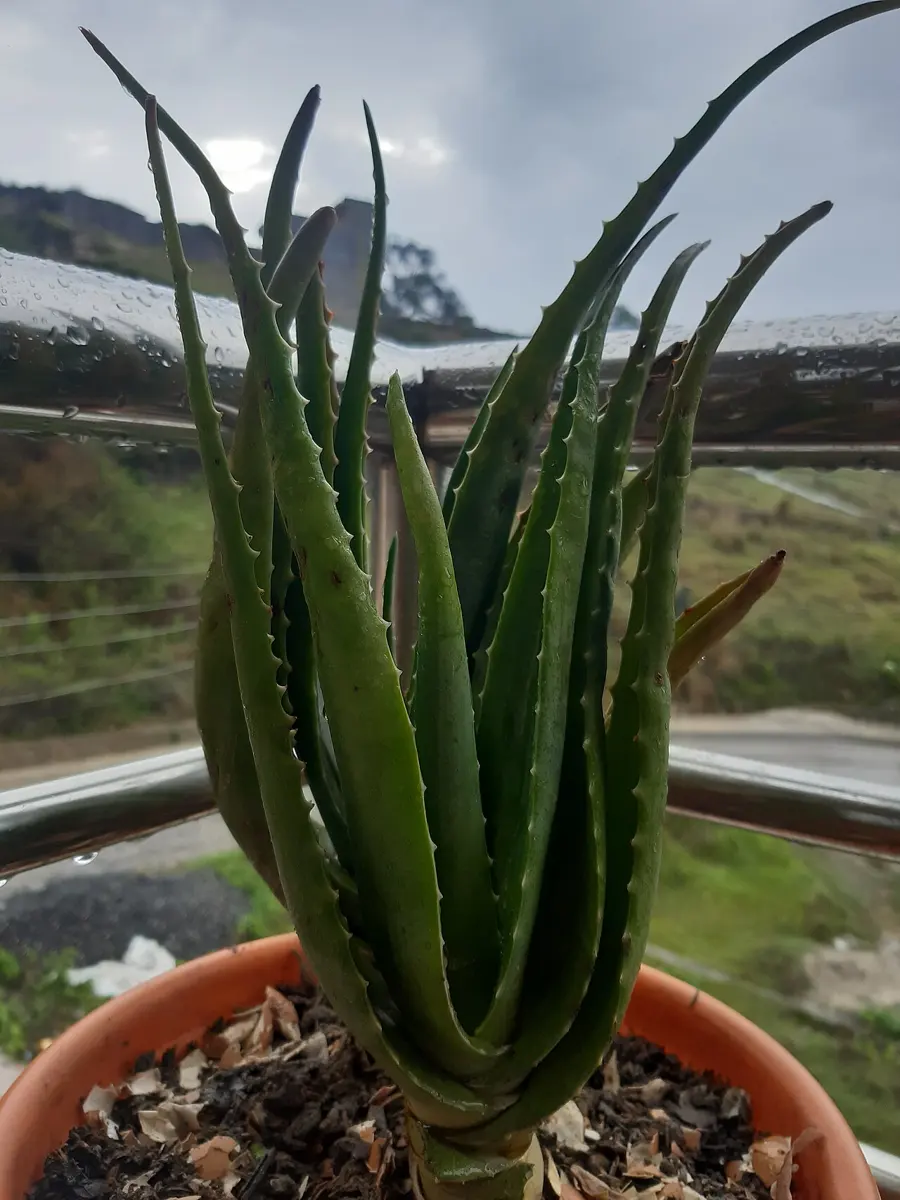
Plants of shady places. Where very little sunlight falls, on a forest floor, on a shady wall or by a stream, small plants grow. Many of them never flower: ferns and mosses are examples.
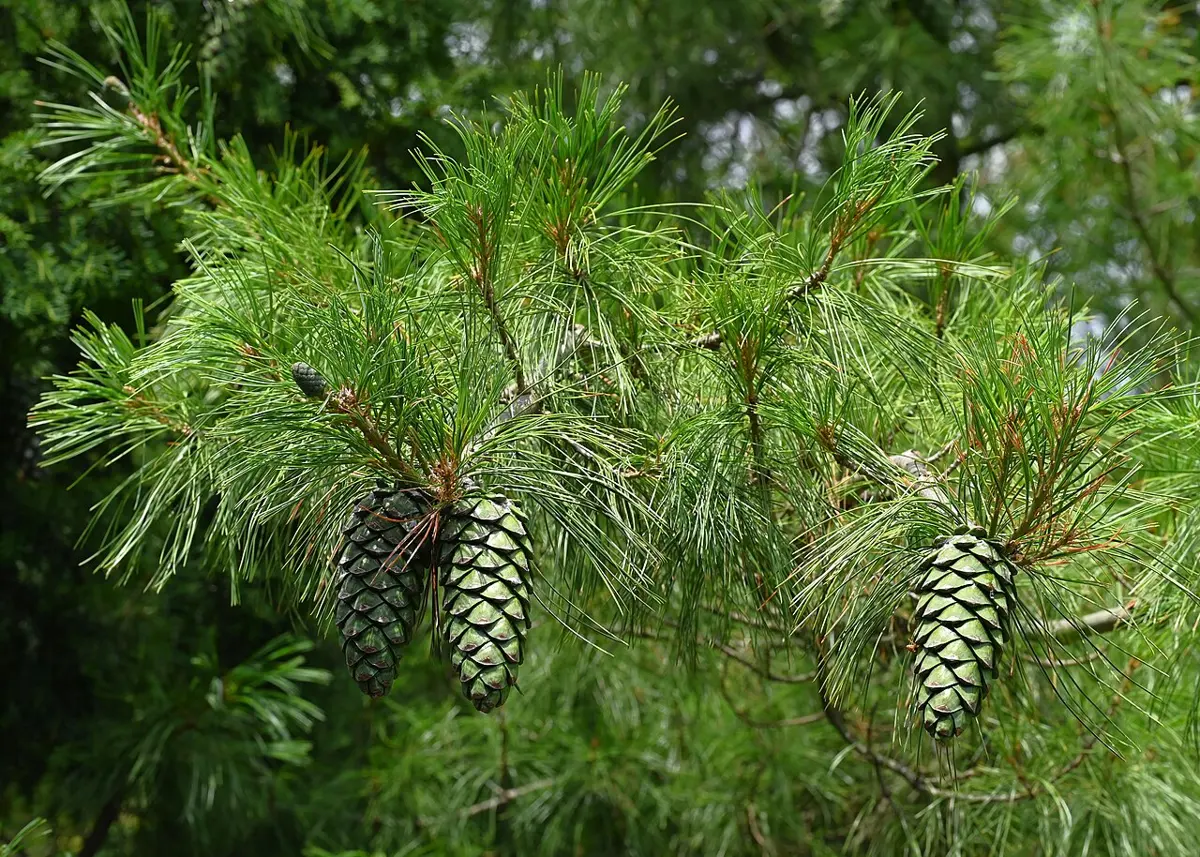
Plants of the Himalaya and snowy places have thin, needle-shaped leaves, and the tree is cone-shaped: wide at the bottom and pointed at the top. Snow slides off its sloping branches instead of piling up and breaking them. Needle leaves lose little water and are not hurt by the cold. Pine (salla) and juniper (dhupi) are trees of this kind.
Climbers. Some plants have weak stems that can’t stand up by themselves. They climb up other plants or supports to reach the light. A cucumber and a sponge gourd (ghiraula) climb with tendrils: thin coils that wind round a support. A bean plant climbs by twining its whole stem round a stick.
Why does a pine tree have needle-shaped leaves and a cone shape?
Pick an answer to see why.
Which feature helps a plant live in a desert?
Pick an answer to see why.
Adaptive characteristics of aquatic plants
Plants that live in water are aquatic plants. Some float on the water; some live under the water (submerged); some have their roots in the mud and their leaves on the surface.
- Roots: water plants have water all round them, so their roots are small and not well developed. Algae have no roots at all. Floating plants have fine, hair-like roots that hang in the water and keep them balanced, like the keel of a boat.
- Stems: their stems are soft and flexible. Flowing water bends them, but doesn’t break them.
- Floating: many have air spaces inside. A water hyacinth (jalkumbhi) floats because its leaf stalks are swollen and spongy, full of air.
- Leaves: a lotus has broad, round leaves that float on the water, while its roots stay in the mud at the bottom. The leaves are waxy, so rainwater rolls off them. Plants that live under water, like hydrilla, have small, thin leaves.
So the roots, stems and leaves of each plant suit the place where it lives.
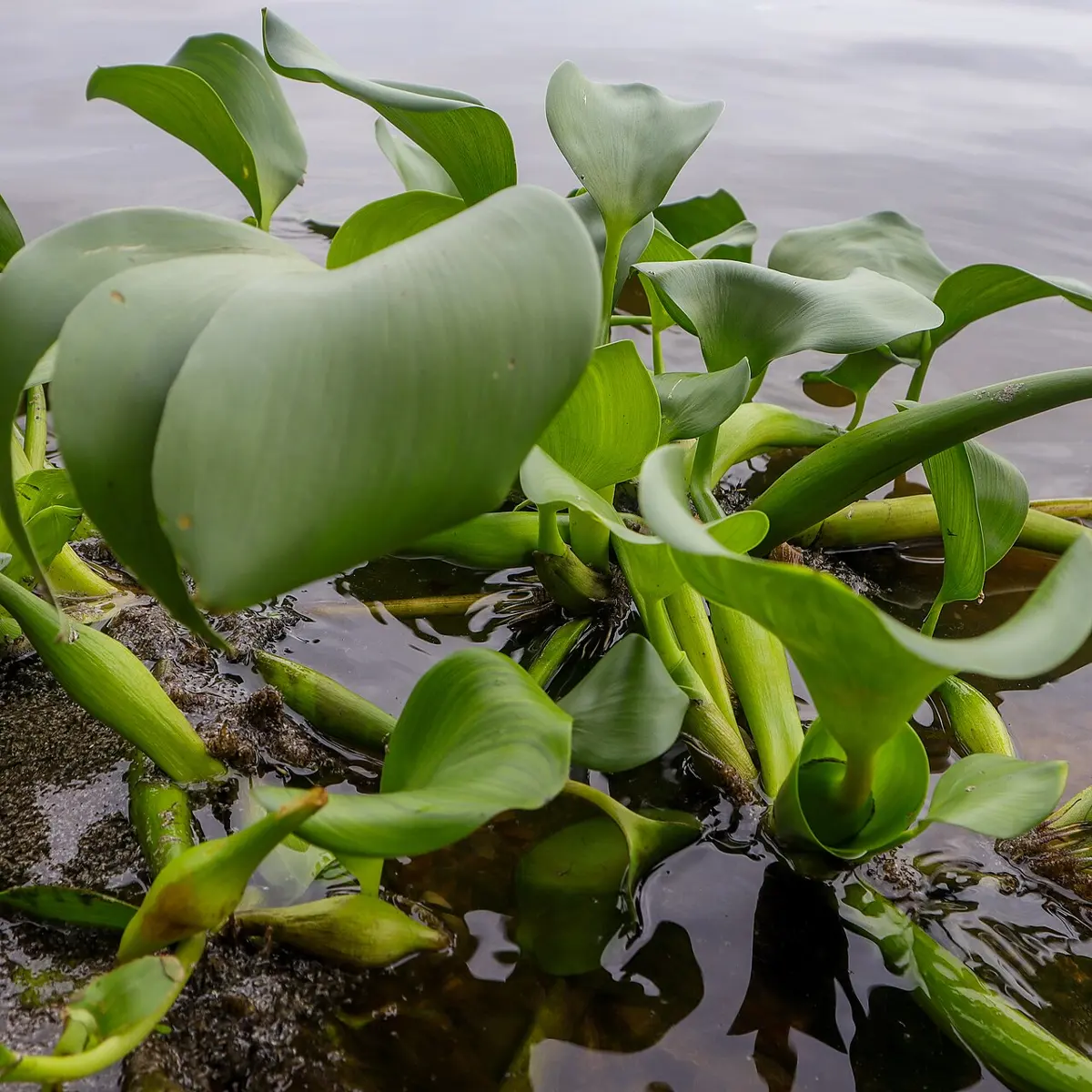
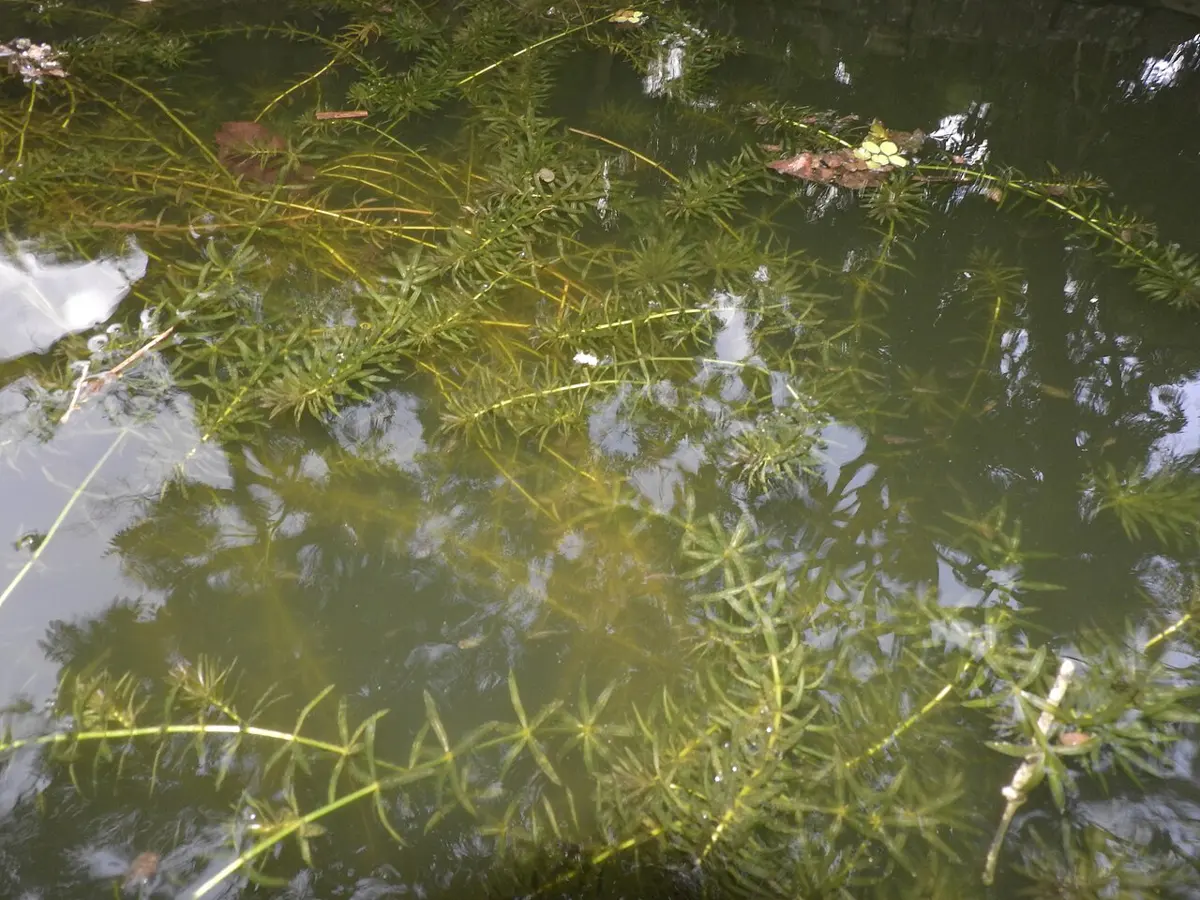
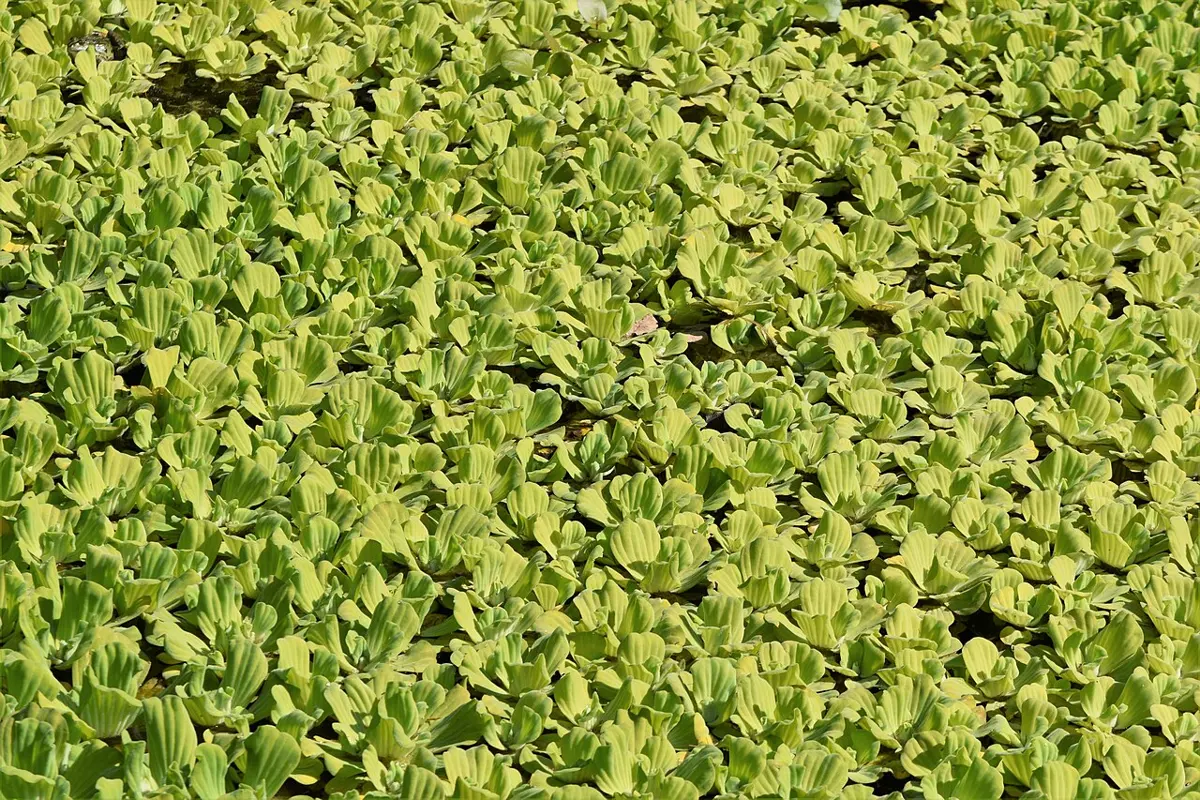
How does a water hyacinth float?
Pick an answer to see why.
Exercise (3.1 Adaptation of organisms)
1. Fill in the blanks with the right word
gills, adaptation, flexible, strong, water, air
The ability of a living thing to live well in its surroundings is called ______.
Answer
The ability of a living thing to live well in its surroundings is called adaptation.
Aquatic animals breathe through ______ or skin.
Answer
Aquatic animals breathe through gills or skin.
Terrestrial plants have hard and ______ stems.
Answer
Terrestrial plants have hard and strong stems.
Plants that grow in hot and dry places can store ______.
Answer
Plants that grow in hot and dry places can store water.
The stem of aquatic plants is ______.
Answer
The stem of aquatic plants is flexible (soft and bends without breaking). The word “air” is not needed.
2. Choose the correct answer
a. Which of these animals lives in the desert?
Pick an answer to see why.
b. Which of these animals has a body covered with thick fur?
Pick an answer to see why.
c. Which animal’s body temperature changes with its surroundings?
Pick an answer to see why.
d. What kind of leaves do plants of dry places have?
Pick an answer to see why.
3. Write the differences
Water hyacinth and maize
Answer
| Water hyacinth | Maize |
|---|---|
| an aquatic plant: it floats on water | a terrestrial plant: it grows in soil |
| its roots are fine and hair-like, hanging in the water | its roots are strong and well developed, and hold it in the soil (with stilt roots too) |
| its leaf stalks are swollen and spongy, full of air, to float | its stem is hard and strong, to stand up in the air |
| its stem is short, soft and flexible | its stem is tall and stiff |
Aquatic plants and terrestrial plants
Answer
| Aquatic plants | Terrestrial plants |
|---|---|
| grow in water | grow on land |
| roots small and not well developed, or none (algae) | roots well developed, deep or spread wide |
| stems soft and flexible | stems hard and strong |
| air spaces in the stem or leaf stalks help them float | no need to float; strong stems hold them up |
| examples: lotus, water hyacinth, hydrilla | examples: mango, pine, cactus |
The same question is sometimes asked about animals:
| Aquatic animals | Terrestrial animals |
|---|---|
| live in water | live on land |
| streamlined body | body shaped for walking, running, climbing or digging |
| fins to swim | legs to walk and run |
| most breathe through gills | breathe air through lungs |
| examples: fish, seahorse | examples: cow, tiger, yak |
4. Write one job of each of these body parts of animals
Wings
Answer
Wings help a bird (or a bat, or an insect) fly.
Gills
Answer
Gills let a fish breathe under water: they take in the oxygen dissolved in the water.
Sharp claws
Answer
Sharp claws help an animal catch and hold its prey (a cat catching a rat), or dig a hole.
Pointed snout
Answer
A pointed, strong snout helps a rat or a rabbit dig a hole in the ground (and push into narrow places).
Paws with sharp claws
Answer
Broad paws with sharp claws help a tiger, a dog or a bear run and catch its prey.
5. Draw these animals and plants
Draw a fish, a cat, a bird, a bean plant and a pine tree.
Hint
Draw each with the parts that show its adaptations, and label them.
Answer
Draw neat outlines with these parts labeled:
- Fish: streamlined body, scales, fins (dorsal, tail and the pairs underneath), gill cover, eye, mouth (as in Figure 3.6).
- Cat: four legs with paws and claws, whiskers, sharp teeth, tail.
- Bird: beak, wings with feathers, two legs with toes, tail feathers.
- Bean plant: a thin stem twining round a stick, leaves in threes, flowers, pods, roots.
- Pine tree: a cone-shaped tree with a straight trunk, branches sloping down, needle leaves and cones.
6. How does each beak help the bird?
Beaks a to e above: write how each beak helps its bird.
Answer
- a.Parrot: a strong, hooked beak. It cracks hard nuts and seeds and bites into fruit. It also uses its beak like a third foot to climb.
- b.Woodpecker: a long, strong, chisel-like beak. It drills holes in tree trunks to find insects and to make its nest.
- c.Duck: a flat, broad beak. It picks up food from water and soft mud, and lets the water drain out.
- d.Hen: a short, pointed beak. It picks up grains and small insects from the ground.
- e.Eagle: a sharp, hooked beak. It tears the flesh of the animals it catches.
7. Answer these questions
Write any four adaptive features of terrestrial animals.
Answer
- Strong legs and muscles to walk and run (horse, deer).
- Broad paws with strong claws to run and catch prey (dog, tiger).
- Thick fur in cold places to stay warm (yak, snow leopard); thin fur in hot places.
- Thick, dry skin in deserts to lose little water (camel).
- They breathe air with lungs.
Write any four adaptive features of aquatic animals.
Answer
- A streamlined body, which makes swimming easy.
- Fins to swim and steer.
- Gills to breathe the oxygen dissolved in water.
- A slimy, slippery body covered with scales.
How do the thick, long fur and hair of sheep and yak help them survive in the Himalaya?
Answer
The Himalaya is very cold. The thick, long fur and hair trap a layer of air next to the body. Air doesn’t let heat pass through easily, so the body’s heat stays in and the cold stays out, like a thick woolen jacket. So the sheep and the yak stay warm even in snow.
A fish can live in water but a rat cannot. Why? Answer from their body structure.
Answer
A fish has gills, which take the oxygen dissolved in water; a streamlined body and fins to swim; and slippery scales. A rat breathes air with lungs, which can’t take oxygen from water, so it would drown. It has legs for walking and digging, not fins for swimming. So the fish’s body suits water, and the rat’s suits land.
How do the broad paws and claws of a tiger and a bear help them live in their surroundings?
Answer
Broad paws spread their weight, grip the ground, and help them run and climb. Strong, sharp claws catch and hold prey, so they can hunt. A bear also uses its claws to dig for roots and insects and to climb trees.
Pemba loves the lotus flowers blooming in a pond. She wants to plant a lotus in a pot at her house. Can she grow it there? Give your opinion with reasons.
Answer
Not in an ordinary flower pot of soil. A lotus is an aquatic plant. Its roots grow in wet mud at the bottom of a pond, its leaf stalks are soft and need water round them, and its broad leaves float on the water. In a pot of ordinary soil with holes for draining, it would dry out and die.
She can grow it if she makes a small pond for it: a big tub or pot without holes, with wet mud at the bottom and water above it, kept full, in a sunny place. Then the lotus has the conditions it is adapted to.
Compare the adaptive features of the leaves, stems and roots of water hyacinth and cactus in a table.
Answer
| Plant | Leaves | Stem | Roots |
|---|---|---|---|
| water hyacinth | broad, smooth and shiny; leaf stalks swollen and spongy with air, so it floats | short, soft and flexible | fine and hair-like, hanging in the water to balance it |
| cactus | turned into spines, so very little water is lost, and animals keep away | thick, green and fleshy: stores water and makes food | long and deep, or spread wide near the surface, to collect water |
3.2 Classification of animals on the basis of food
Every animal needs energy to live. It gets energy from food: it eats food, digests it, and uses the energy from it to carry out its life processes, such as moving, breathing and growing.
Animals eat many kinds of food. Cows and buffaloes eat grass, plants and grains. A tiger eats the flesh of other animals. A cat eats rats, but also milk and rice. Eagles and vultures tear and eat flesh. A crow eats fruits, grains and the flesh of animals. Animals get their food from different places and in different ways, so their body parts are built differently.
By what they eat, animals are sorted into three groups: herbivores, carnivores and omnivores.
a. Herbivores
Animals that eat only plants, grains and fruits are herbivores. The cow, buffalo, deer, rabbit, rhinoceros and elephant are herbivores.
- They have broad, flat grinding teeth to chew grass, grains and pulses. Their front teeth cut and bite off plants.
- They have a long alimentary canal (food pipe and intestines). Plants are hard to digest, so the food must spend a long time in the body.
- Cows, buffaloes, goats and deer chew the cud: they swallow grass quickly, then bring it back up into the mouth and chew it again at rest.
b. Carnivores
Animals that eat the flesh of other animals are carnivores. The tiger, leopard, vulture and eagle are carnivores.
- A tiger and a leopard have long, sharp, pointed teeth to grip their prey and kill it with a bite, and sharp cheek teeth to cut meat.
- They have sharp, strong claws on their feet to catch and hold prey.
- An eagle catches birds and small animals with its claws (talons), and tears their flesh with its hooked beak.
- A vulture tears the flesh of dead animals with its long, hooked beak.
- Carnivores have a shorter alimentary canal than herbivores, because meat is easier to digest.
c. Omnivores
Animals that eat both plants and animals are omnivores. The bear, the dog, the crow and human beings are omnivores. They have teeth of all kinds: some to bite and tear meat, and some broad, flat ones to chew grains and pulses.
Which feature belongs to a carnivore?
Pick an answer to see why.
Why do herbivores have a long alimentary canal?
Pick an answer to see why.
Exercise (3.2 Classification of animals on the basis of food)
1. Sort these animals into herbivores, carnivores and omnivores
cow, dog, tiger, crow, vulture, elephant, cat
Answer
| Herbivores | Carnivores | Omnivores |
|---|---|---|
| cow, elephant | tiger, vulture, cat | dog, crow |
A cat may eat rice and milk that people give it, but it needs meat to stay healthy and hunts rats and birds: it is a carnivore.
2. Look at the teeth and sort the animals
Which of the animals a, b and c is a herbivore, a carnivore and an omnivore?
Answer
- a.Cow: herbivore. No upper front teeth, and broad, ridged grinding teeth to chew grass.
- b.Dog: omnivore. It has pointed canines to bite meat, and also some flatter teeth at the back for chewing other food; it eats rice, bread and meat.
- c.Tiger: carnivore. Very long, pointed canines and sharp, blade-like cheek teeth to cut meat.
3. Answer these questions
Write any three features of herbivores.
Answer
- They eat only plants: grass, leaves, grains and fruits.
- They have broad, flat teeth to chew and grind plants.
- They have a long alimentary canal, because plants are hard to digest.
- Many of them, like the cow and goat, chew the cud.
Write three features of the body structure of carnivores.
Answer
- Long, sharp, pointed teeth to catch, kill and tear prey.
- Sharp, strong claws (or a hooked beak and talons in birds) to catch and hold prey.
- A short alimentary canal, because meat is easy to digest.
Write any four differences between herbivores and carnivores.
Answer
| Herbivores | Carnivores |
|---|---|
| eat only plants | eat the flesh of other animals |
| broad, flat teeth to grind | long, pointed teeth to tear |
| no sharp claws for hunting; many have hooves | sharp, strong claws to catch prey |
| a long alimentary canal | a short alimentary canal |
| e.g. cow, deer, rabbit | e.g. tiger, leopard, eagle |
Define omnivores.
Answer
Animals that eat both plants and animals are called omnivores. Examples: bear, dog, crow, human being.
List the herbivores and carnivores found around you.
Answer
For example: herbivores: cow, buffalo, goat, sheep, rabbit, horse, deer; carnivores: cat, frog, lizard, eagle (chil), owl, snake.
A dog eats not only meat but also rice. Can it be called an omnivore? Give your opinion.
Answer
Yes. An omnivore is an animal that eats both plants and animals. A dog eats meat and bones, but also rice, bread, roti and vegetables, and it digests them well. So, by the food it eats, the dog is an omnivore. (Its long, pointed canines show that its wild relatives, the wolves, were mainly meat-eaters; dogs living with people for thousands of years have come to eat much more plant food.)
What kind of animal is a human being, by the food it eats? Explain with reasons.
Answer
A human being is an omnivore. We eat plant foods (rice, wheat, dal, vegetables, fruits) and animal foods (meat, fish, eggs, milk). Our teeth suit both: sharp front teeth (incisors) to bite, small canines to tear, and flat back teeth (molars) to grind grains.
3.3 Vertebrates
Run your fingers down the middle of your back. The row of knobs you feel is your backbone, or vertebral column. It is made of many small bones, the vertebrae, joined in a chain. It holds up the body’s weight, lets the body bend, and protects the spinal cord inside it.
Animals that have a vertebral column are called vertebrates. Humans, monkeys, cows, buffaloes, hens and other birds, fish, frogs and snakes are vertebrates. Some vertebrates live in water, some on land, and some in both.
Animals without a backbone are invertebrates: insects, worms, snails, spiders. You will meet them in Grade 7.
Vertebrates are sorted into two groups by whether their body temperature changes with their surroundings or stays the same.
A. Cold-blooded animals
Animals whose body temperature changes with the temperature of their surroundings are cold-blooded animals, or poikilothermic animals. Fish, frogs, lizards, tortoises, crocodiles, snakes and wall lizards are cold-blooded.
On a cold morning, a cold-blooded animal is cold and slow. It basks in the sun to warm up. In the heat of the day it hides in the shade. Some cold-blooded animals sleep through the winter, hidden in a safe place, to escape the severe cold: this is hibernation.
B. Warm-blooded animals
Animals whose body temperature stays the same whatever the temperature of their surroundings are warm-blooded animals, or homeothermic animals. Humans, cows, buffaloes, tigers, rhinoceroses and all birds are warm-blooded.
A healthy person’s body temperature is about 37 °C (98.6 °F), in summer and in winter. A warm-blooded animal makes its own heat from its food. When it is cold, it shivers and its fur or feathers fluff up; when it is hot, it sweats or pants to lose heat.
A frog’s body is warm on a hot afternoon and cold on a winter night. What kind of animal is it?
Pick an answer to see why.
The five classes of vertebrates
Vertebrates are divided into five classes by how their bodies are built and their other features.
- Pisces (fish): all kinds of fish.
- Amphibia (amphibians): frog, toad, salamander.
- Reptilia (reptiles): lizard, crocodile, snake, tortoise.
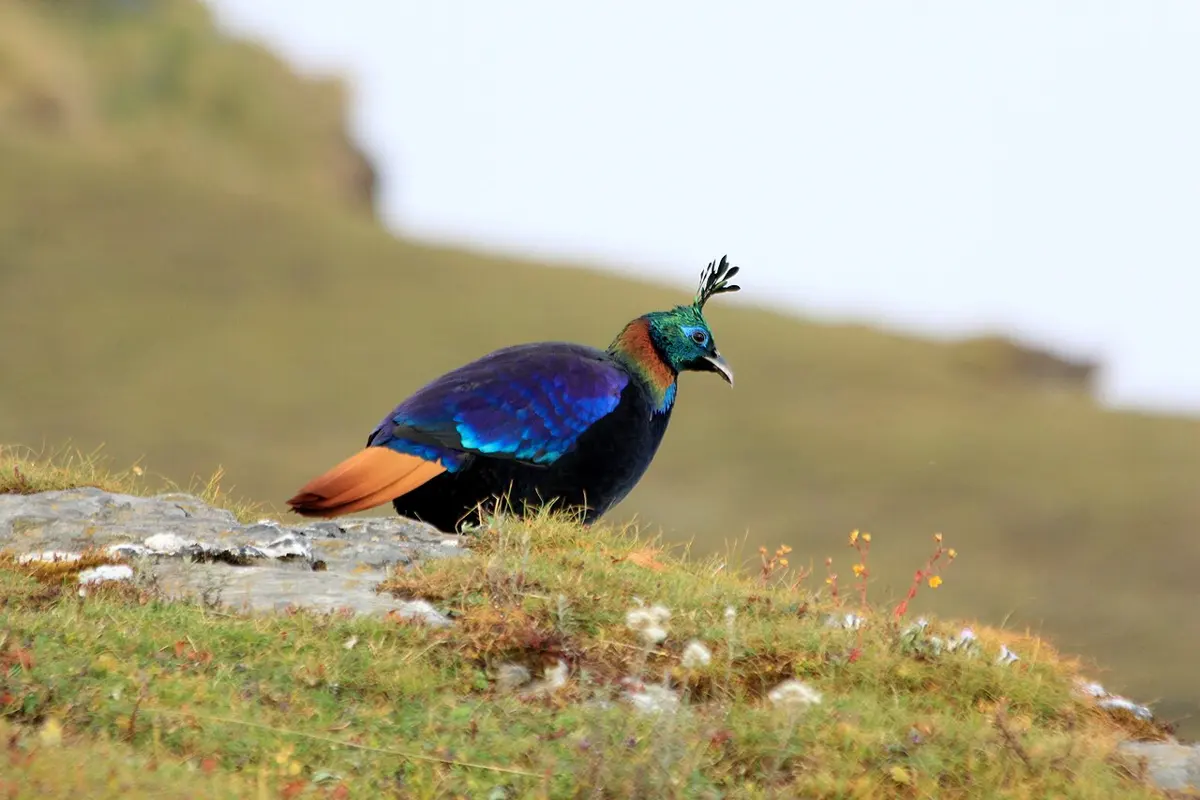
- Aves (birds): hen, pigeon, danphe and all other birds.
- Mammalia (mammals): human, bat, whale, cow.
1. Pisces (fish)
All fish belong to this class. Their body is streamlined. Their features:
- i.Their body is slender, usually flat from side to side, and covered with scales.
- ii.They live in water.
- iii.They swim with the help of fins.
- iv.They breathe through gills, on both sides of the head.
- v.Their heart has two chambers.
- vi.Most fish lay eggs in water, and the eggs are fertilized outside the body (external fertilization).
Examples: asla (snow trout), rohu, seahorse.
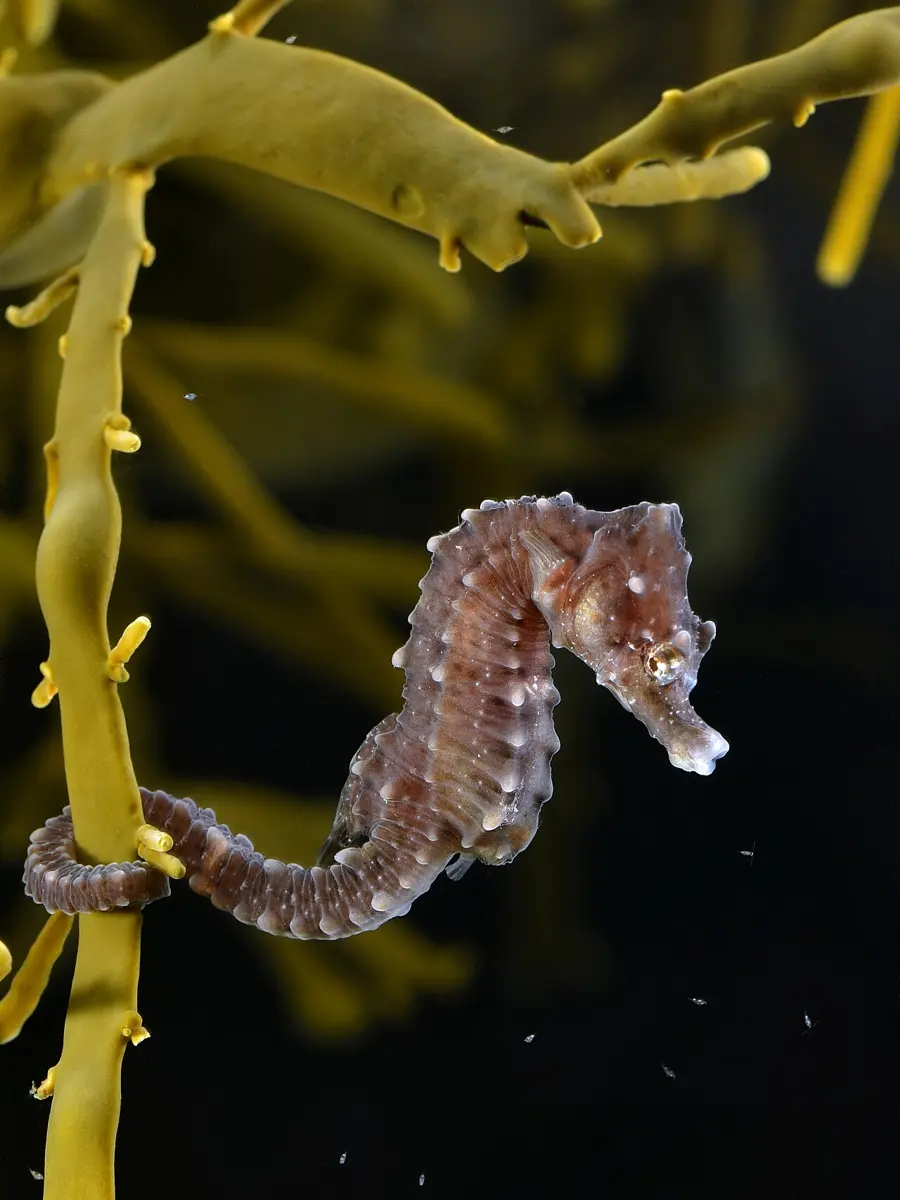
2. Amphibia (amphibians)
Amphibians live both on land and in water, which is why they are called amphibians (“both lives”). Their life begins in water. Their features:
- i.Their skin is moist, slimy and slippery, with no scales.
- ii.Their heart has three chambers.
- iii.They have four limbs.
- iv.Young ones (tadpoles) breathe through gills. Adults breathe through their skin in water and through lungs (and skin) on land.
- v.They lay eggs in water, and in frogs and toads the eggs are fertilized outside the body.
Examples: frog, toad, salamander.
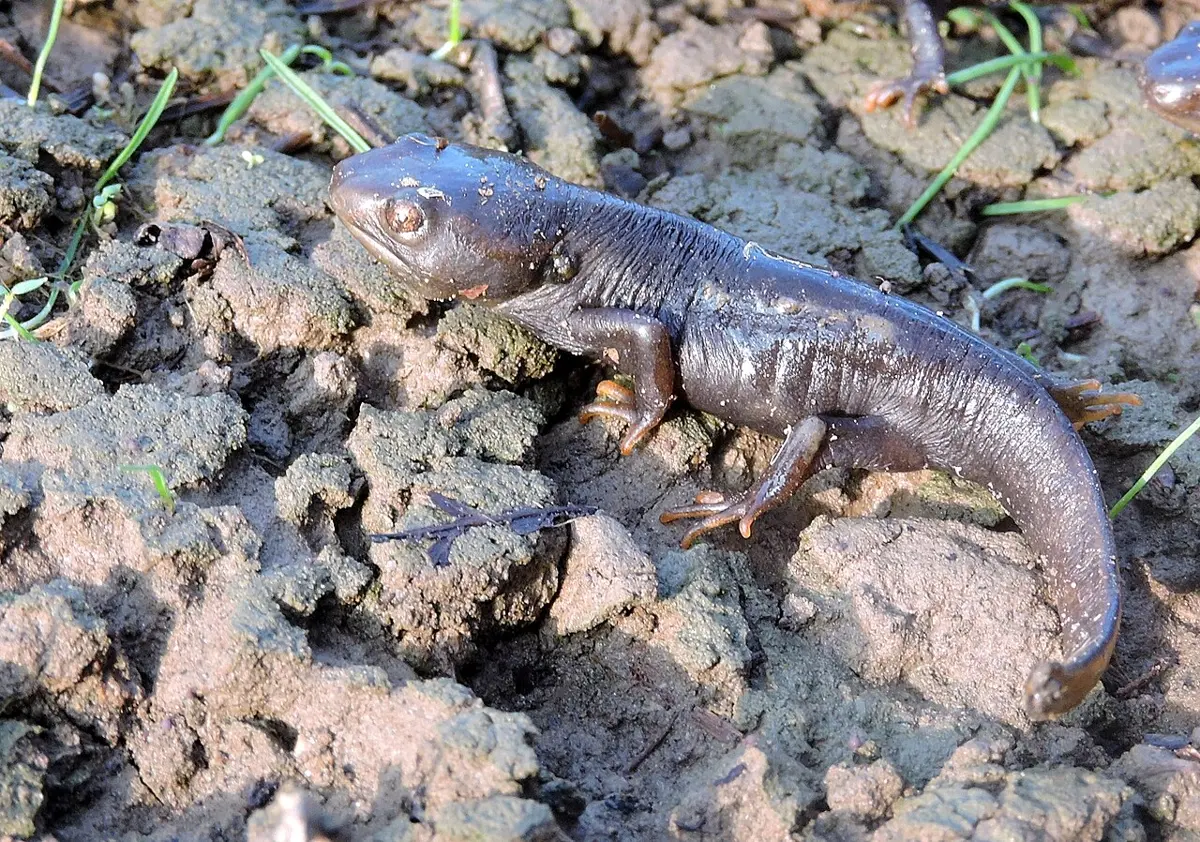
3. Reptilia (reptiles)
Most reptiles crawl on the ground (the name comes from the Latin for “to creep”). Most live on land; some live in water. Their features:
- i.Their skin is dry and covered with hard scales.
- ii.Most have a heart with three chambers. (A crocodile’s has four.)
- iii.They breathe through lungs.
- iv.They lay eggs on land, with a tough shell.
- v.They move by crawling.
Examples: snake, crocodile, tortoise, garden lizard (chheparo), wall lizard (mausuli).
4. Aves (birds)
All birds belong to this class. Their features:
- i.Their body is covered with feathers (soft, fluffy down feathers underneath and smooth feathers on top).
- ii.They have a pair of wings, a pair of legs and a beak. Their front limbs have become wings.
- iii.They breathe through lungs.
- iv.Their heart has four chambers.
- v.Their bones are light and hollow.
- vi.They lay eggs with a hard shell, and the eggs are fertilized inside the body (internal fertilization).
Examples: pigeon, duck, hen, danphe, peacock, crow.
5. Mammalia (mammals)
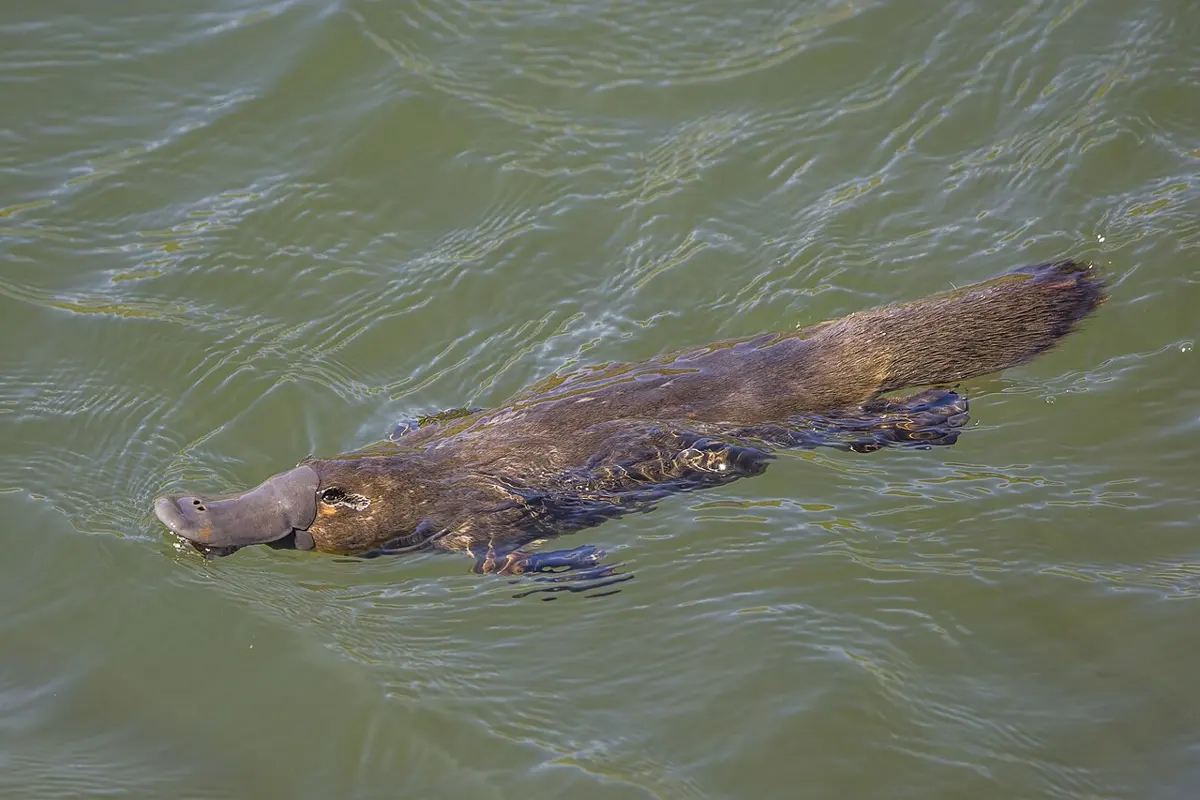
Humans belong to this class. Most mammals live on land, some live in water, and some fly: the whale and the dolphin live in water, and the bat flies. Their features:
- i.Their body is covered with hair (fur).
- ii.They give birth to young ones and feed them milk (suckle them).
- iii.They breathe through lungs.
- iv.Their heart has four chambers.
- v.Most have a pair of external ears (ear flaps, the pinnae).
Examples: human, bat, whale, cow, buffalo.
Which class has dry skin with hard scales and lays eggs on land?
Pick an answer to see why.
Why is a bat a mammal, not a bird?
Pick an answer to see why.
Exercise (3.3 Vertebrates)
1. Fill in the blanks with the right word
homeothermic, vertebral column, light, poikilothermic, three, gills
A vertebrate’s body has a ______.
Answer
A vertebrate’s body has a vertebral column.
Fish breathe through ______.
Answer
Fish breathe through gills.
Most reptiles have a ______-chambered heart.
Answer
Most reptiles have a three-chambered heart.
The bones of birds are ______ and hollow.
Answer
The bones of birds are light and hollow.
Animals whose body temperature doesn’t change, but stays the same, are called ______.
Answer
Animals whose body temperature doesn’t change, but stays the same, are called homeothermic (warm-blooded). The word “poikilothermic” is not needed.
2. Choose the correct answer
a. Which one is a vertebrate?
Pick an answer to see why.
b. Which animal gives birth to young ones?
Pick an answer to see why.
c. Which organ do most aquatic animals use to breathe?
Pick an answer to see why.
d. How many chambers does a bird’s heart have?
Pick an answer to see why.
3. Match the columns
Match each feature with an animal: light bones, three-chambered heart, four-chambered heart, breathes through gills, lives on both land and water. Animals: human, fish, tortoise, bird, seahorse, frog.
Answer
| Feature | Animal |
|---|---|
| light bones | bird |
| three-chambered heart | tortoise |
| four-chambered heart | human |
| breathes through gills | fish (or seahorse) |
| lives on both land and water | frog |
The fish and the seahorse both breathe through gills; one of them is left over.
4. Answer these questions
Into how many classes are vertebrates divided? What are they?
Answer
Into five classes: Pisces (fish), Amphibia (amphibians), Reptilia (reptiles), Aves (birds) and Mammalia (mammals).
Which features help birds fly? Write any three.
Answer
- Their front limbs have become wings.
- Their bones are light and hollow, so the body is light.
- Their body is covered with feathers, which make the wings broad and the body smooth.
- Their body is streamlined, and strong chest muscles flap the wings.
Why is the garden lizard put in the class Reptilia?
Answer
Because it has the features of reptiles: its skin is dry and covered with hard scales; it breathes through lungs; it crawls; it lays eggs on land; it is cold-blooded; and its heart has three chambers.
Write the differences between:
- i.warm-blooded and cold-blooded animals
- ii.a bird and a bat
- iii.a frog and a crocodile
- iv.birds and mammals
Answer
i.
| Warm-blooded animals | Cold-blooded animals |
|---|---|
| body temperature stays the same | body temperature changes with the surroundings |
| make their own body heat from food | depend on the Sun and surroundings for warmth |
| active in winter too | many hibernate in winter |
| birds and mammals | fish, amphibians, reptiles |
ii.
| Bird | Bat |
|---|---|
| a bird (Aves) | a mammal |
| body covered with feathers | body covered with hair |
| wings made of feathers | wings made of skin stretched between long fingers |
| lays eggs | gives birth to young ones and feeds them milk |
| has a beak, no teeth | has teeth, no beak |
iii.
| Frog | Crocodile |
|---|---|
| an amphibian | a reptile |
| moist, slimy skin without scales | dry, thick skin with hard scales |
| breathes through skin and lungs (gills as a tadpole) | breathes through lungs only |
| lays soft eggs in water | lays hard-shelled eggs on land |
| three-chambered heart | four-chambered heart |
iv.
| Birds | Mammals |
|---|---|
| covered with feathers | covered with hair |
| lay eggs | most give birth to young ones |
| don’t feed milk | feed their young with milk |
| front limbs are wings | front limbs are legs, arms, flippers or wings |
| have a beak, no teeth | have teeth, no beak |
| no external ears | most have external ear flaps |
Write two features each of these classes: i. fish, ii. amphibians, iii. reptiles, iv. birds, v. mammals.
Answer
- i.Fish: gills to breathe; fins to swim (also: scales, two-chambered heart).
- ii.Amphibians: moist, slimy skin; live both in water and on land (also: three-chambered heart, tadpoles with gills).
- iii.Reptiles: dry skin with hard scales; lay eggs on land (also: crawl, breathe through lungs).
- iv.Birds: feathers; wings and light, hollow bones (also: beak, four-chambered heart).
- v.Mammals: hair on the body; give birth and feed their young with milk (also: four-chambered heart, external ears).
Draw a neat diagram of a fish and label its parts.
Answer
Draw a fish from the side, like Figure 3.6, and label: mouth, eye, gill cover (gills under it), scales, dorsal fin, pectoral fin, pelvic fin, anal fin, tail fin, lateral line.
Name three animals that hatch from eggs and three that are born as young ones.
Answer
Hatch from eggs: hen, crow, snake, frog, fish, tortoise.
Born as young ones: cow, dog, human, goat, bat, whale.
Write two features each of: i. wall lizard, ii. pigeon, iii. frog.
Answer
- i.Wall lizard: dry, scaly skin; toe pads with tiny hairs to walk on walls (it can also drop its tail to escape).
- ii.Pigeon: body covered with feathers; wings and light, hollow bones to fly.
- iii.Frog: moist, slimy skin; lives both in water and on land, breathing through its skin and lungs.
Show the likenesses and differences between a fish and a whale in a table.
Answer
Alike: both are vertebrates; both live in water; both have a streamlined body and fins (or flippers) to swim.
| Fish | Whale |
|---|---|
| a fish (Pisces) | a mammal |
| breathes with gills | breathes air with lungs, through a blowhole |
| body covered with scales | smooth skin, with a few hairs (and a thick layer of fat) |
| lays eggs | gives birth to young ones and feeds them milk |
| cold-blooded | warm-blooded |
| two-chambered heart | four-chambered heart |
| tail fin upright, beats side to side | tail flat, beats up and down |
Why are the bat and the whale put in the class Mammalia?
Answer
Because both have the features of mammals: they give birth to young ones and feed them milk; they have hair on the body (a whale has only a few hairs); they breathe with lungs; and they have a four-chambered heart and are warm-blooded. That the bat flies and the whale swims doesn’t change this.
3.4 Flowering and non-flowering plants
There are many kinds of plants on Earth. Some are tiny; some are huge trees. Some are so small that you can see them only with a microscope. Some plants have flowers; others never do.
a. Non-flowering plants
Non-flowering plants never have flowers at any time of their life. Some can be seen only with a microscope; others are of middle size. They are simpler plants. They are also called cryptogams. Instead of seeds, most of them make tiny spores, too small to see, which grow into new plants.
Algae
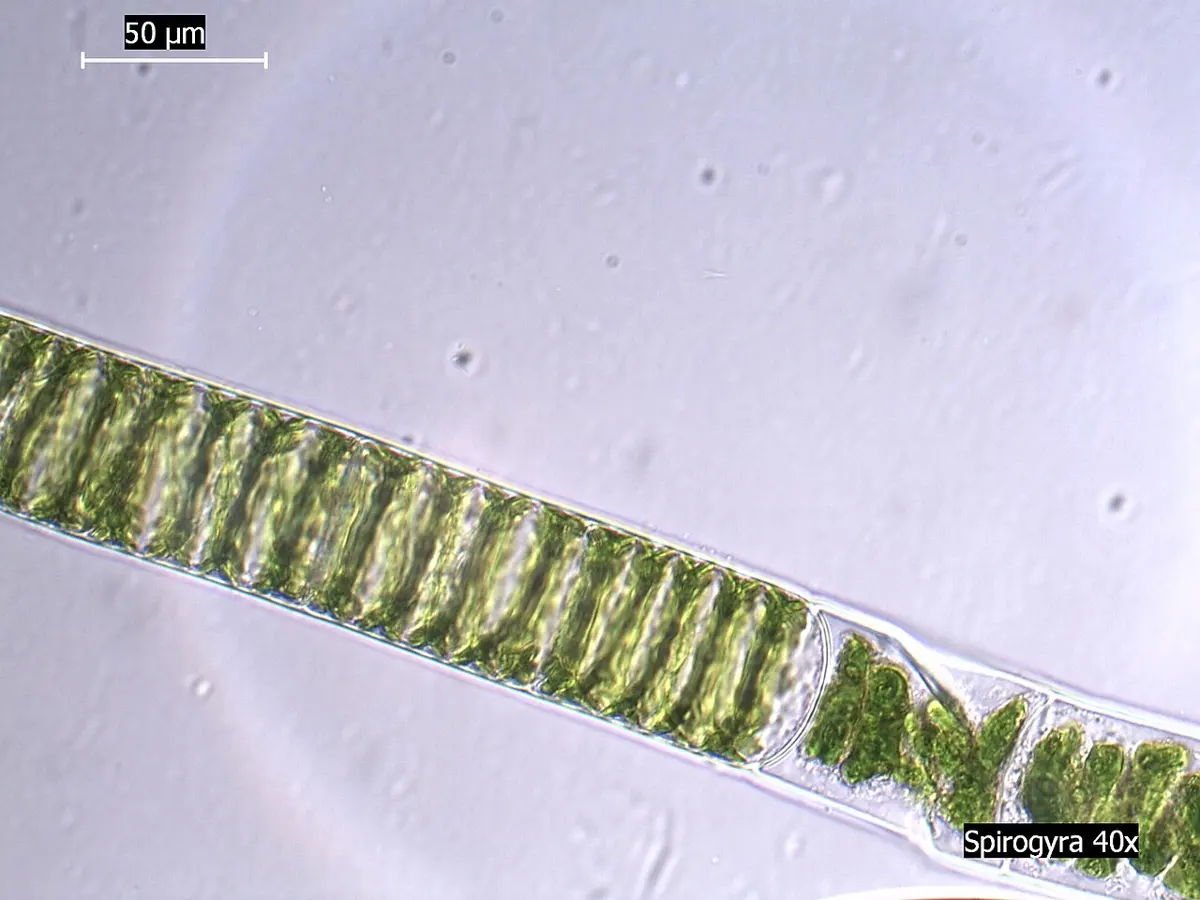
Simple green plants whose body can’t be divided into root, stem and leaf are algae (one is an alga). They have chlorophyll, so they make their own food. They live in water and in damp places. Some can be seen only with a microscope. Examples: Spirogyra, Chlamydomonas.
Fungi
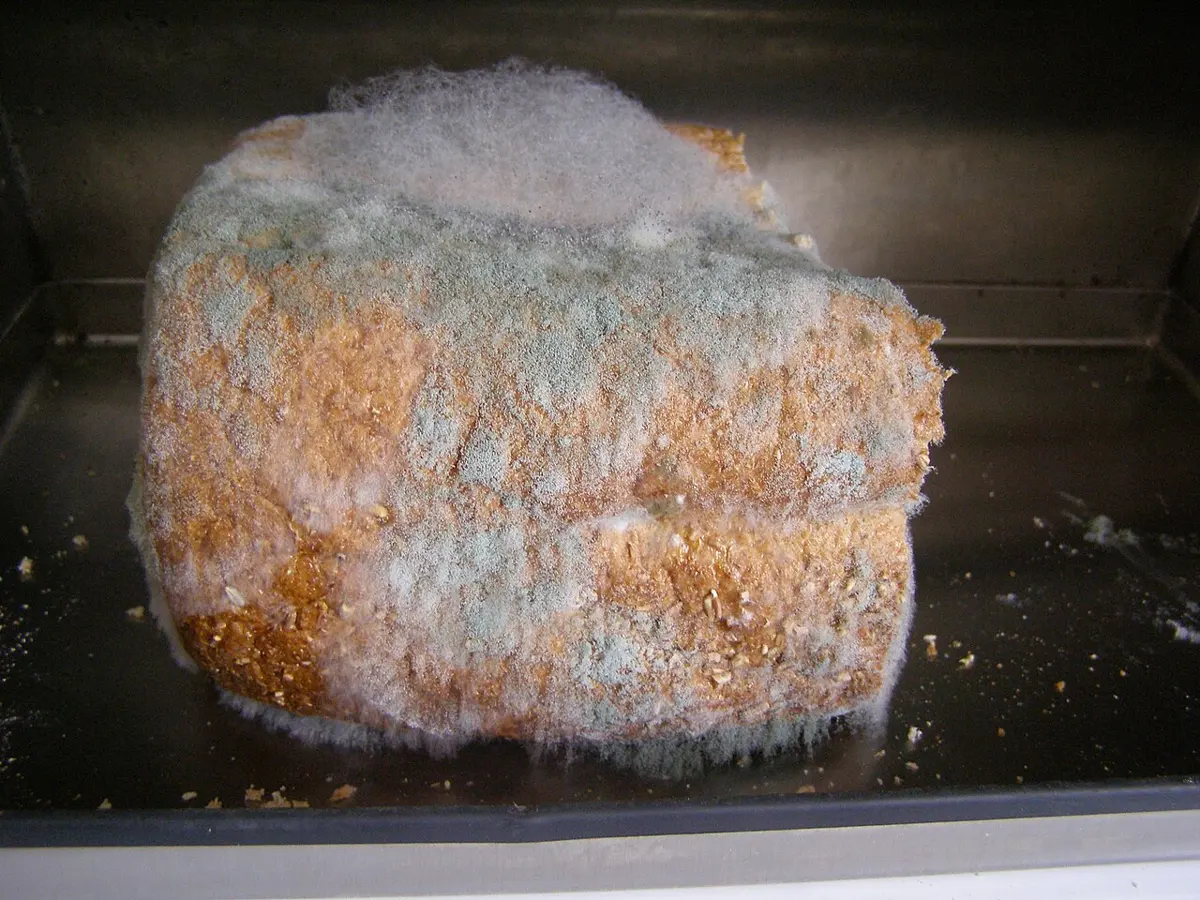
Simple living things whose body can’t be divided into root, stem and leaf, and that have no chlorophyll, are fungi (one is a fungus). Without chlorophyll, they can’t make their own food: they take it from dead and rotting things, or from other living things. Examples: mushroom, yeast (used to make bread dough rise) and mold (Mucor), the fluff on old bread.
Bryophytes
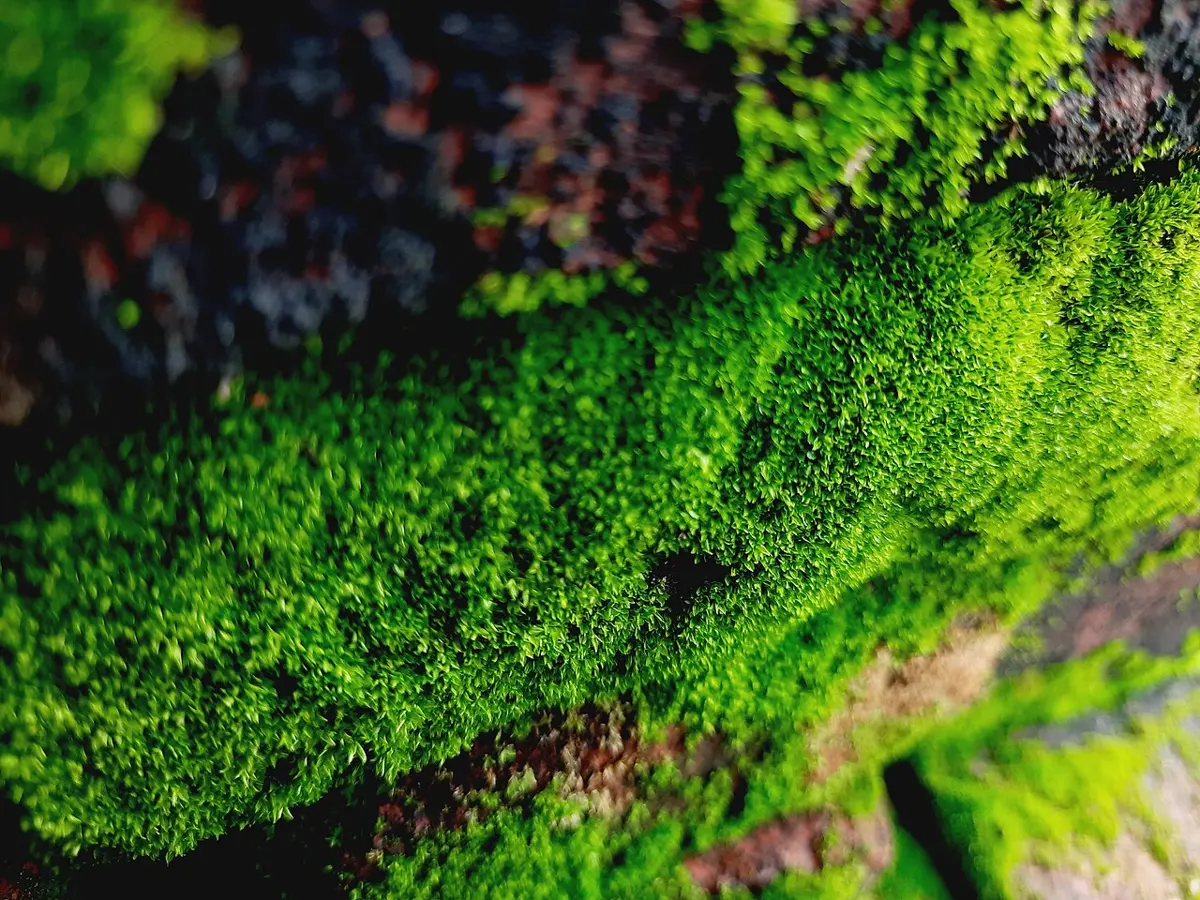
Green plants that grow on moist ground, with fine, hair-like threads called rhizoids to hold them to the ground, are bryophytes (Bryophyta). They have chlorophyll and make their own food, but they have no real roots and no flowers. Examples: moss, Marchantia.
Pteridophytes (ferns)
Ferns are a group of non-flowering plants called pteridophytes (Pteridophyta). Unlike mosses, they have real roots, stems and leaves, and tubes inside to carry water. But they have no flowers and no seeds: they make spores. They grow in cool, damp, shady places. Examples: fern (uniu), niguro.
b. Flowering plants
The flower is the most beautiful part of a plant. Many kinds of flowering plants grow around us, at home and at school. Seeds form from flowers, and new plants grow from the seeds. Plants that make seeds are called phanerogams. Plants with real flowers, whose seeds are inside a fruit, are angiosperms.
Most flowering plants make seeds. Look inside a seed: the seed leaves inside it are called cotyledons.
- Some plants have one cotyledon in each seed. They are monocotyledonous plants, or monocots. Their leaves are usually long and narrow with veins running side by side, and they have a bunch of thin, fibrous roots. Examples: rice, wheat, maize, bamboo, onion.
- Some plants have two cotyledons in each seed. They are dicotyledonous plants, or dicots. Their leaves are usually broad, with a net of veins, and they have one main root, a taproot. Examples: mustard, gram, pea, bean, pumpkin, apple, orange.
Some seed plants have no real flowers and no fruits. Their seeds lie naked, on the scales of a cone. Their leaves are usually like needles. These plants are gymnosperms. Examples: pine (salla), cycas, juniper (dhupi).
The roots, stems and leaves of flowering and non-flowering plants are built very differently. The main differences:
| Non-flowering plants | Flowering plants |
|---|---|
| simpler, less developed | more developed |
| some can’t be divided into root, stem and leaf (algae) | have well-developed roots, stems, leaves and flowers |
| some have chlorophyll; some have none (mushroom, mold) | nearly all have chlorophyll (mustard, gram, pea) |
| make spores, not seeds | make seeds |
Which plant has no chlorophyll?
Pick an answer to see why.
A plant has a taproot and broad leaves with a net of veins. Which is it?
Pick an answer to see why.
What holds a moss plant to the ground?
Pick an answer to see why.
Exercise (3.4 Flowering and non-flowering plants)
1. Fill in the blanks with the right word
phanerogams, rhizoids, root, chlorophyll, cryptogams, food
Non-flowering plants are called ______.
Answer
Non-flowering plants are called cryptogams.
Plants of the fungi group have no ______.
Answer
Plants of the fungi group have no chlorophyll.
Simple plants without chlorophyll can’t make their own ______.
Answer
Simple plants without chlorophyll can’t make their own food.
The fine, hair-like threads that hold a moss to the ground are called ______.
Answer
The fine, hair-like threads that hold a moss to the ground are called rhizoids. The word “root” is not needed.
Flowering plants are called ______.
Answer
Flowering plants are called phanerogams.
2. Answer these questions
Name three flowering and three non-flowering plants found around your home.
Answer
Flowering: mustard, rice, marigold (or maize, mango, rose).
Non-flowering: moss, fern (niguro), mushroom (or the green algae of a pond).
Write three differences between flowering and non-flowering plants.
Answer
| Flowering plants | Non-flowering plants |
|---|---|
| have flowers | never have flowers |
| make seeds, which grow into new plants | most make spores |
| well-developed roots, stems and leaves | some have no root, stem or leaf (algae), or no real roots (moss) |
| nearly all have chlorophyll | some have none (fungi) |
| more developed | simpler, less developed |
Draw a neat diagram of a flowering plant.
Answer
Draw a mustard plant (or any small flowering plant) and label: taproot with branch roots, stem, node, leaf, bud, flower, fruit (pod). See Grade 7’s diagram of a mustard plant.
Sort these plants into flowering and non-flowering: mushroom, fern (uniu), mustard, rice, buckwheat (phapar).
Answer
| Flowering | Non-flowering |
|---|---|
| mustard, rice, buckwheat | mushroom, fern |
Which is more developed, mustard or fern? Explain with reasons.
Answer
Mustard is more developed. It has well-developed roots, stems and leaves, and also flowers, which make seeds inside fruits; a seed carries food for the young plant and a tough coat that protects it. A fern has roots, stems and leaves, but no flowers and no seeds: it makes tiny spores, and it needs damp places to grow from them.
Look at a pine and a peepal tree. Show how they are alike and how they differ in a Venn diagram.
Hint
Draw two circles that overlap. Write what only the pine has in the left part, what only the peepal has in the right part, and what both have in the middle.
Answer
Only pine: needle-shaped leaves; seeds naked on the scales of cones; no flowers and no fruits; cone-shaped tree; a gymnosperm.
Both (the middle): both are tall trees with woody trunks; both have roots, stems and leaves; both have chlorophyll and make their own food; both make seeds (both are phanerogams).
Only peepal: broad, heart-shaped leaves with a long pointed tip; tiny flowers hidden inside its figs; seeds inside fruits; an angiosperm (a dicot).
Worksheet: Organisms and their Structure: adaptation and food (PDF, 4 pages)
Worksheet: Organisms and their Structure: vertebrates and plants (PDF, 4 pages)
Practice every question in the book, and keep track of the ones you miss →