
Pick up a handful of soil from a field. It looks like plain brown dirt. But it took hundreds of years to make, from rock broken into crumbs, and it is alive: that one handful holds more tiny living things than there are people on the Earth. Almost all our food grows in it.
Now look up. The ground under your feet is the skin of a huge ball of rock, hot enough deep inside to melt iron. That ball is spinning, so you get day and night. It is racing round the Sun at about 30 km every second, and it leans to one side, so you get summer and winter. And it is only one of eight planets that travel round the Sun.
In this unit you will learn what soil is made of and how it forms, how it is lost and how we can save it. Then you will travel down to the center of the Earth, find out why the seasons change, and meet the Sun, the planets, the Moon, meteors and comets.
11.1 Soil
Most of the Earth’s land is covered with a layer of soil. Soil is the loose top layer of the land, made of tiny pieces of rock and minerals mixed with organic matter (the rotted remains of living things), with air and water in the spaces between them. Soil is one of our most important natural resources: plants grow in it, and animals, including us, eat the plants.
The rock pieces in soil can be as fine as dust, or bigger, like sand and small stones. The organic matter comes from living things. When plants and animals die and fall to the ground, tiny living things in the soil break them down: bacteria (germs), fungi, earthworms and insects. Compost manure is organic matter. The dark, crumbly organic matter formed when plant parts rot is called humus.
Air and water fill the spaces between the particles. Roots, worms and the tiny living things in soil need that air and water to live.
Soils differ, depending on what is in them. A soil with a lot of humus is soft, dark and fertile (good for growing crops). A sandy soil has a lot of sand: water drains through it quickly. A clay soil has very fine particles: it holds water and becomes sticky when wet.
What is soil made of?
Pick an answer to see why.
What is humus?
Pick an answer to see why.
Process of soil formation
Soil is made from rock. Rock on the Earth’s surface is slowly broken into smaller and smaller pieces. The breaking up of rocks and minerals on the Earth’s surface is called weathering. It happens mostly because of air, water and the climate (heat and cold), and living things help. Weathering breaks rock in two ways: physically, into pieces, and chemically, by changing and dissolving the minerals in it. Here are five ways it happens:
- a.Rivers roll stones. Rivers, streams and waterfalls carry stones down from the mountains. The stones knock against each other and against the riverbed for a long time, and tiny pieces break off. Over the years, sharp rocks wear into round pebbles, then sand and fine grains. This is how soil forms.
- b.Heat and cold. The Sun heats a rock by day and it cools at night, day after day for many years. The outside of the rock heats and cools more than the inside, so it swells and shrinks more. Cracks form, flakes peel off, and the rock breaks into small pieces.
- c.Water in cracks. Water seeps into holes and cracks in a rock. In cold places it freezes at night; ice takes up more space than water, so it pushes the crack wider, like a wedge. Water also slowly dissolves some minerals in the rock. Both break the rock.
- d.Plant roots. A plant that grows in a crack sends its roots into it. As the roots grow thicker, they push the crack wider until the rock splits and crumbles.
- e.Wind. A strong wind throws sand against a rock. The grains wear its surface away like sandpaper, and the loose particles become soil.
Weathering alone gives only rock powder. Soil forms when living things move in: plants grow, die and rot; worms and bacteria mix the humus into the rock pieces. That is why it is so slow.
What is weathering?
Pick an answer to see why.
Soil profile
In the ground, soil forms layers too, but in a different way. Rain carries humus and fine particles slowly downward, and weathering goes on below. Over a long time, layers develop one under another. You can see them where the ground has been cut straight down: the side of a pit, a well, or a road cutting.
A vertical section (a cut straight down) through the different layers of soil in a place is called the soil profile of that place. The layers differ in texture (how coarse or fine), color, depth and the chemicals in them. The main layers, from the top, are:
- Topsoil, or A-horizon. The top layer, usually dark in color. It is made of humus (manure), minerals, air and water. The humus makes the soil loose and helps it hold water. Most roots, worms and soil life are here. This is the layer that grows our crops.
- Subsoil, or B-horizon. Less humus, more minerals. Rain soaking down from the topsoil carries minerals into this layer. It is usually packed down and hard, and lighter or redder in color.
- C-horizon (the parent rock layer). No humus. It is made of lumps of broken rock: the parent rock that the soil above was made from, slowly weathering.
Below these lies solid, unbroken rock: the bedrock.
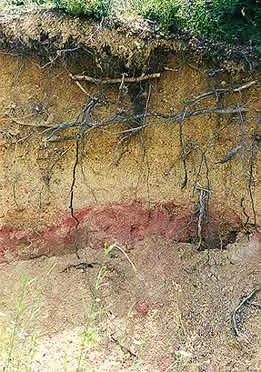
In a soil profile, what is the second layer from the top?
Pick an answer to see why.
Why is topsoil the best layer for growing plants?
Pick an answer to see why.
Erosion and deposition
When it rains hard on bare ground, muddy water runs off. The mud is soil, on the move. The wearing away and removal of the top layer of the land by water, wind or ice is called erosion. Examples:
- a landslide (pahiro), when a whole slope slides down;
- rainwater or a river washing soil away;
- wind blowing dry soil away.
The soil doesn’t vanish. Moving water or wind drops it somewhere else, where it slows down. The settling of soil carried from one place in another place is called deposition. A river deposits sand and silt on its banks and on the plains where it spreads out.
Erosion and deposition happen together, naturally: soil worn away in one place is laid down in another. Erosion is worst in sandy soil and on open ground with no plants, where nothing holds the soil in place.
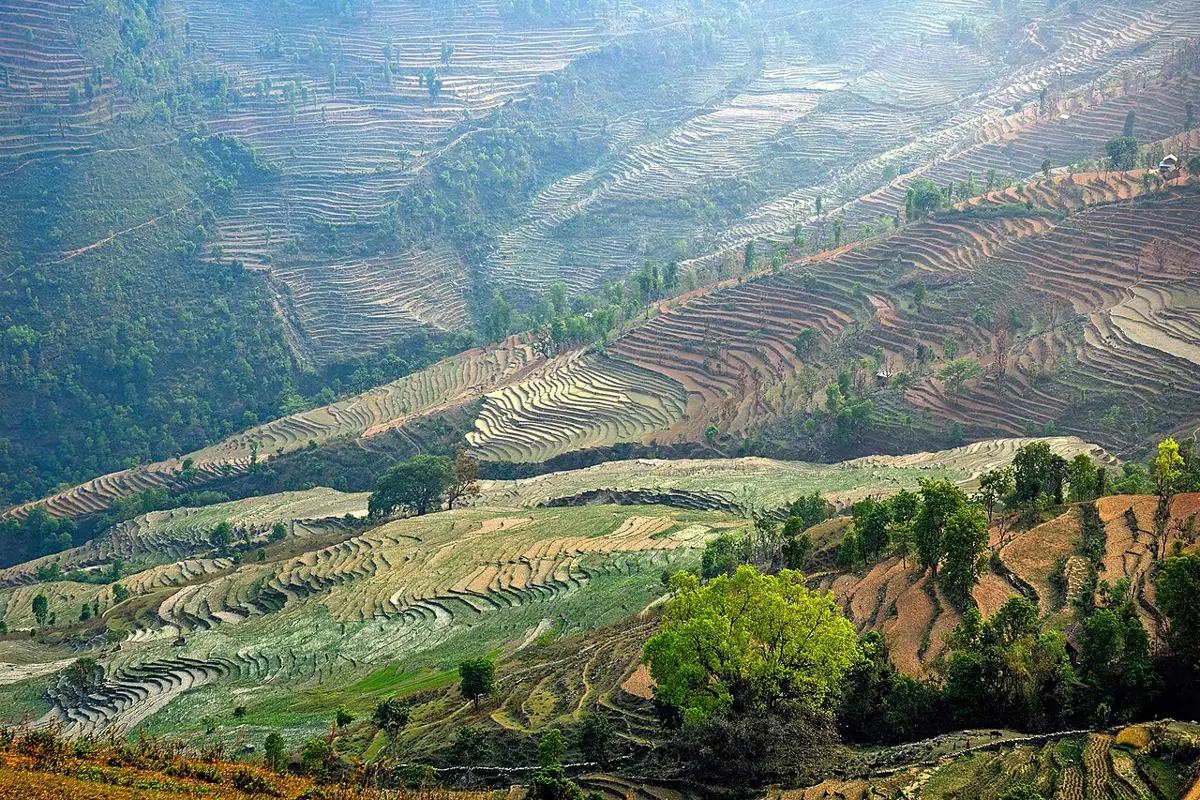
Deposition can help or harm.
- Good: The flat, fertile plains of the Terai were built over thousands of years from soil the rivers carried down from the hills. Fresh silt left by a flood can make a field more fertile.
- Bad: Floods bury fields and crops under sand and stones. Silt fills up rivers, canals and the lakes behind dams, so they hold less water and flood more easily.
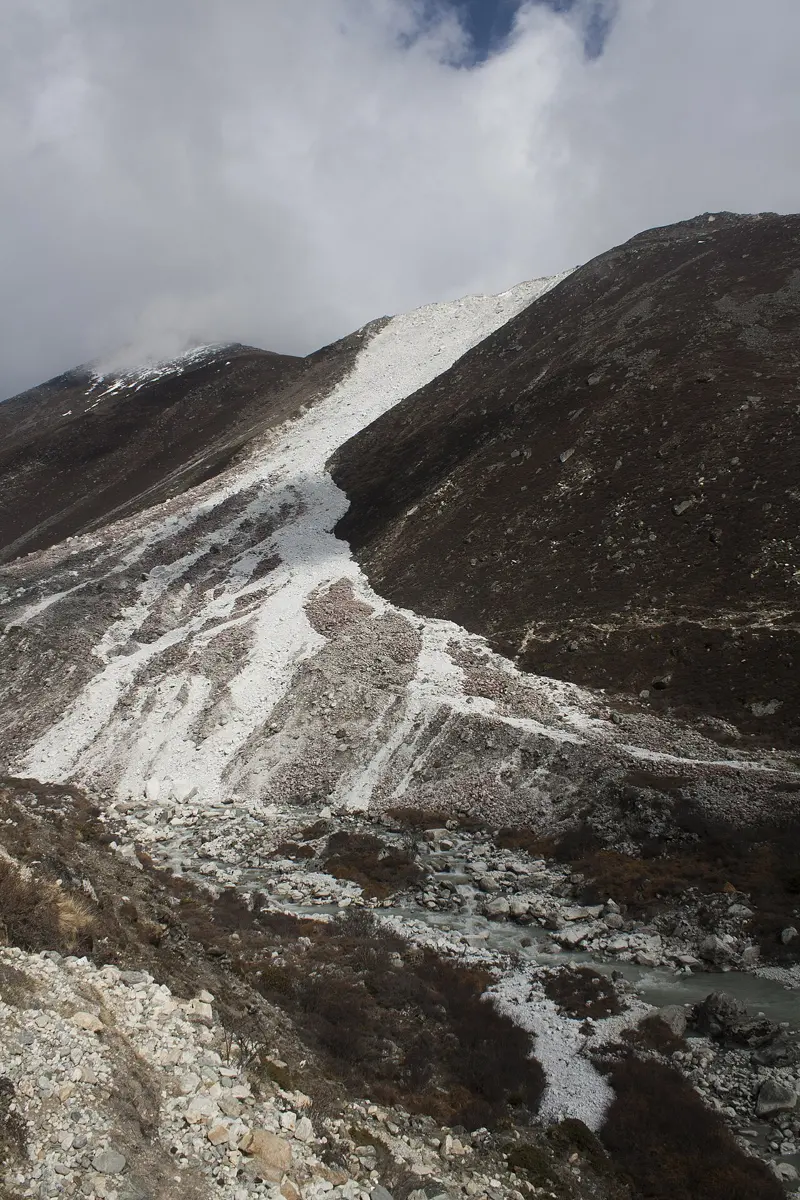
A river carries mud from the hills and leaves it on the plains. Leaving the mud on the plains is…
Pick an answer to see why.
Conservation of soil
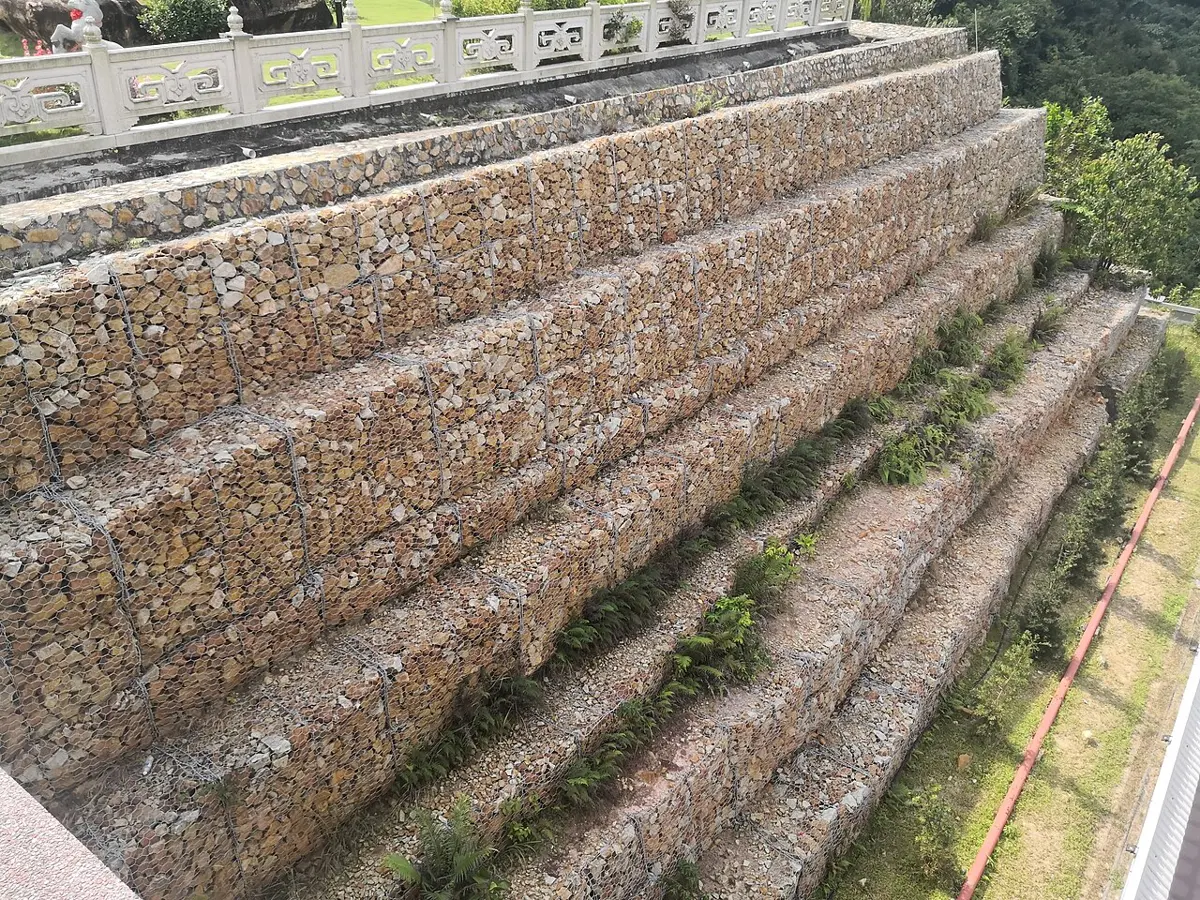
Have you seen walls of stones packed in wire cages along a river? Trees planted on riverbanks and bare land? Steps of fields cut into a hillside? All of these protect the soil.
In Nepal, monsoon floods and landslides in the hills carry away a great deal of soil every year. Strong winds blow soil away too. Reducing or preventing soil erosion is called soil conservation. Here is how we can protect the soil:
- Build strong walls and embankments along rivers, such as gabion walls (tarjali: stones packed in wire-mesh cages), so the river can’t cut away its banks.
- Plant rows of trees against the wind. They slow strong winds, so the wind can’t blow the soil away.
- Plant trees on bare hills. Plant roots hold the soil firm, which prevents landslides.
- Don’t cut forests down carelessly. Cutting trees anyhow (deforestation) loosens the soil and makes erosion and landslides much more likely.
- Farm slopes in terraces. On sloping land, cut the hillside into flat steps. Rain then soaks in on each step instead of running down the slope with the soil.
Why are fields on hill slopes made as terraces?
Pick an answer to see why.
Soil pollution
People add chemicals to soil to grow more crops. In daily life, plastics, harmful metals and chemicals from factories also end up in the soil. These harm the soil. The spoiling of the soil’s quality when unwanted chemicals or other substances are added to it is called soil pollution.
The main cause of soil pollution is human activity. Here are the main causes, their effects, and how to control them:
- Too many chemical fertilizers and pesticides. Farmers use them in large amounts to grow more. They kill the useful tiny living things in the soil and make it hard and dry, so it slowly loses its fertility. Harmful traces can also stay in the crops and affect our health. Control: use less chemical fertilizer and pesticide; use more organic manure (compost, dung manure) and biological pest control, such as neem, or birds and frogs that eat pests.
- Factory waste. Waste and chemicals dumped from factories make the soil worse and harm the living things in it. Control: factory waste and chemicals must be treated to make them harmless before they are let out.
- Polythene bags and other plastics. Plastic in the ground doesn’t rot. It blocks water and air from reaching roots and soil life, and harms the living things in the soil. Plants don’t grow well there. Control: use fewer plastic bags and plastic things; reuse, recycle, and carry a cloth bag.
Which of these causes soil pollution?
Pick an answer to see why.
11.2 The earth
Think for a moment. Where are you standing? Where are your house, your cowshed and your school built? Where do people make playgrounds, roads, canals and ditches? Where do rice, vegetables and fruit grow? All of them are on the surface of the Earth, our common home.
The Earth is a ball, but not a perfect one. It bulges a little at the equator and is slightly flattened at the poles, because it spins. The difference is small: the Earth is about 12,756 km wide across the equator and 12,714 km from pole to pole, only about 43 km less. From space it looks perfectly round.
The Earth is divided into three parts:
- the lithosphere: the land, the solid rocky part (lithos is Greek for stone);
- the hydrosphere: all the water, in seas, rivers, lakes, ice and under the ground. Water covers about 71 % of the Earth’s surface;
- the atmosphere: the air that surrounds the Earth.
What is the hydrosphere?
Pick an answer to see why.
Internal structure of the earth
Cut a pomelo (bhogate), an orange or a lemon in half. Is the inside the same as the outside? No: there is a peel, then the juicy part, and seeds in the middle. The Earth is like that too: different inside from outside.
How do we know? No one has ever dug far down: the deepest hole ever drilled, in Russia, reached only about 12 km. But lava, the molten rock that pours out of volcanoes, shows that the inside is hot and molten in places. And scientists listen to the waves that earthquakes send right through the Earth. The waves bend, speed up and slow down as they pass through different layers, so they show what lies inside.
The Earth’s surface has mountains, plains, seas and solid rock. Inside, it is hot, with molten rock in places and molten metal deeper down. By the condition of the rock and what it is made of, the inside (interior) of the Earth is divided into three layers:
- the crust,
- the mantle,
- the core (outer core and inner core).
Crust
The outermost layer of the Earth is the crust, like the shell of the egg. It is made of rocks and soil, mostly silicate minerals (minerals of silicon and oxygen, like sand and quartz). It is thin: under the land it goes about 30 to 50 km deep, under the Himalaya up to about 70 km, but under the oceans only 5 to 10 km.
The crust is where we live. On its surface we build houses, farm, plant trees and make roads. Rivers, seas, forests and mountains are on it. Underground water is in it. And all our mines are in it: of rocks, metals, coal and oil.
Mantle
Below the crust is the mantle, like the white of the egg. It is the thickest layer, about 2,900 km thick. It is made of hot rock rich in silicate minerals of iron and magnesium, packed more tightly than the rock of the crust.
The mantle is very hot: about 1,000 °C near its top, rising to nearly 4,000 °C at its bottom. Yet almost all of it is solid: the weight of the rock above keeps it from melting. Over millions of years this hot, solid rock creeps very slowly, like very thick toffee. Just below the crust, in some places, a little of it melts: that is where the lava of volcanoes comes from.
Core
The core is the innermost part, like the yolk of the egg. It is made mostly of heavy metals, iron and nickel. It has two parts.
Outer core. The outer part of the core is about 2,200 km thick and about 4,000 to 5,000 °C. It is liquid: molten iron and nickel. As this liquid metal swirls, it makes the Earth a giant magnet. That is why a compass needle points north.
Inner core. The innermost part of the Earth is a ball about 1,200 km in radius (from its edge to the center of the Earth). It is the hottest part, over 5,000 °C, about as hot as the surface of the Sun. Yet it is solid. The weight of the whole Earth above presses on it with a huge pressure, millions of times the pressure of the air, and it squeezes the metal so tightly that it can’t melt. It is the densest part of the Earth.
Which is the thickest layer of the Earth?
Pick an answer to see why.
Why is the inner core solid, although it is the hottest part of the Earth?
Pick an answer to see why.
The earth in the solar system
The imaginary line through the center of the Earth that joins the North Pole and the South Pole is called the Earth’s axis. The path the Earth takes round the Sun is called its orbit.
The Earth moves in two ways at once:
- It spins, or rotates, on its axis, once in about 24 hours. This is its rotation. It gives us day and night.
- It goes round, or revolves round, the Sun in its orbit, once in about 365 days (365¼ days). This is its revolution. It gives us the year.
The Earth’s axis is not upright to its orbit. It leans: it makes an angle of 66.5° with the plane of the orbit (that is, 23.5° from upright), and it keeps leaning the same way in space all year round. This tilt has three effects:
- Day and night are not always equal, except at the equator. Sometimes the day is long and the night short; sometimes the day is short and the night long.
- The seasons change through the year, and they are not the same everywhere at the same time.
- The Sun’s rays do not always fall straight down (vertically) on the same place on the Earth.
How long does the Earth take to spin once on its axis?
Pick an answer to see why.
Seasons change
The Earth goes round the Sun once in about 365 days. Because its axis leans, the northern half leans towards the Sun for half the year and away from it for the other half.
When the northern half leans towards the Sun, the Sun climbs high in our sky. Its rays fall straight down (directly) on Nepal, and the same sunlight is packed onto a small patch of ground, which heats a lot. The days are long too. That is summer.
When the northern half leans away, the Sun stays low. Its rays fall at a slant, the same sunlight spreads over a much bigger patch of ground, and each part heats less. The days are short. That is winter.
Internationally, the year is divided into four seasons: spring, summer, autumn and winter. In Nepal’s months, spring is Chaitra and Baisakh, summer Jestha to Bhadra, autumn Ashwin and Kartik, and winter Mangsir to Falgun.
This is for the Northern Hemisphere (the half of the Earth north of the equator, where Nepal is). In the Southern Hemisphere the seasons are the other way round.
Spring. Spring follows winter. The days get longer and the nights shorter. On about 21 March (early Chaitra), day and night are almost equal everywhere. New grass sprouts and trees put out new leaves.
Summer. Summer follows spring. It is very hot; the days are long and the nights short. On about 21 June (early Asar), the Northern Hemisphere has its longest day and shortest night.
Autumn. Autumn follows summer. The nights get longer and the days shorter. On about 23 September (early Ashwin), the Sun’s rays fall equally on the north and the south, and day and night are again almost equal everywhere.
Winter. Winter follows autumn. The Sun’s rays fall at a slant on the Northern Hemisphere, the days are short and the nights long. On about 22 December (early Poush), we have the shortest day and longest night.
Seasons in Nepal
In Nepal, the year is traditionally divided into six seasons (ritu), each of two months:
| Season | Months |
|---|---|
| Spring (Basanta) | Chaitra and Baisakh |
| Summer (Grishma) | Jestha and Asar |
| Rainy (Barsha) | Shrawan and Bhadra |
| Autumn (Sharad) | Ashwin and Kartik |
| Pre-winter (Hemanta) | Mangsir and Poush |
| Winter (Shishir) | Magh and Falgun |
The rainy season is Nepal’s own: the monsoon brings most of the year’s rain in these months.
In Nepal’s six seasons, which pair of months is the rainy season?
Pick an answer to see why.
Why is it hotter in Nepal in summer than in winter?
Pick an answer to see why.
11.3 Solar System
On a clear night you can see countless shining points in the sky. Most of them are stars. Among them you may also see planets, the Moon, a meteor (a “shooting star”), or very rarely a comet. All these are heavenly bodies (celestial bodies): natural objects in space.
The Sun we see by day is a star too: the closest star to the Earth. The solar system is the family of the Sun with the planets, their satellites, and the smaller heavenly bodies (dwarf planets, asteroids, comets and meteoroids), all going round the Sun in their own orbits, with the Sun at the center.
Sun
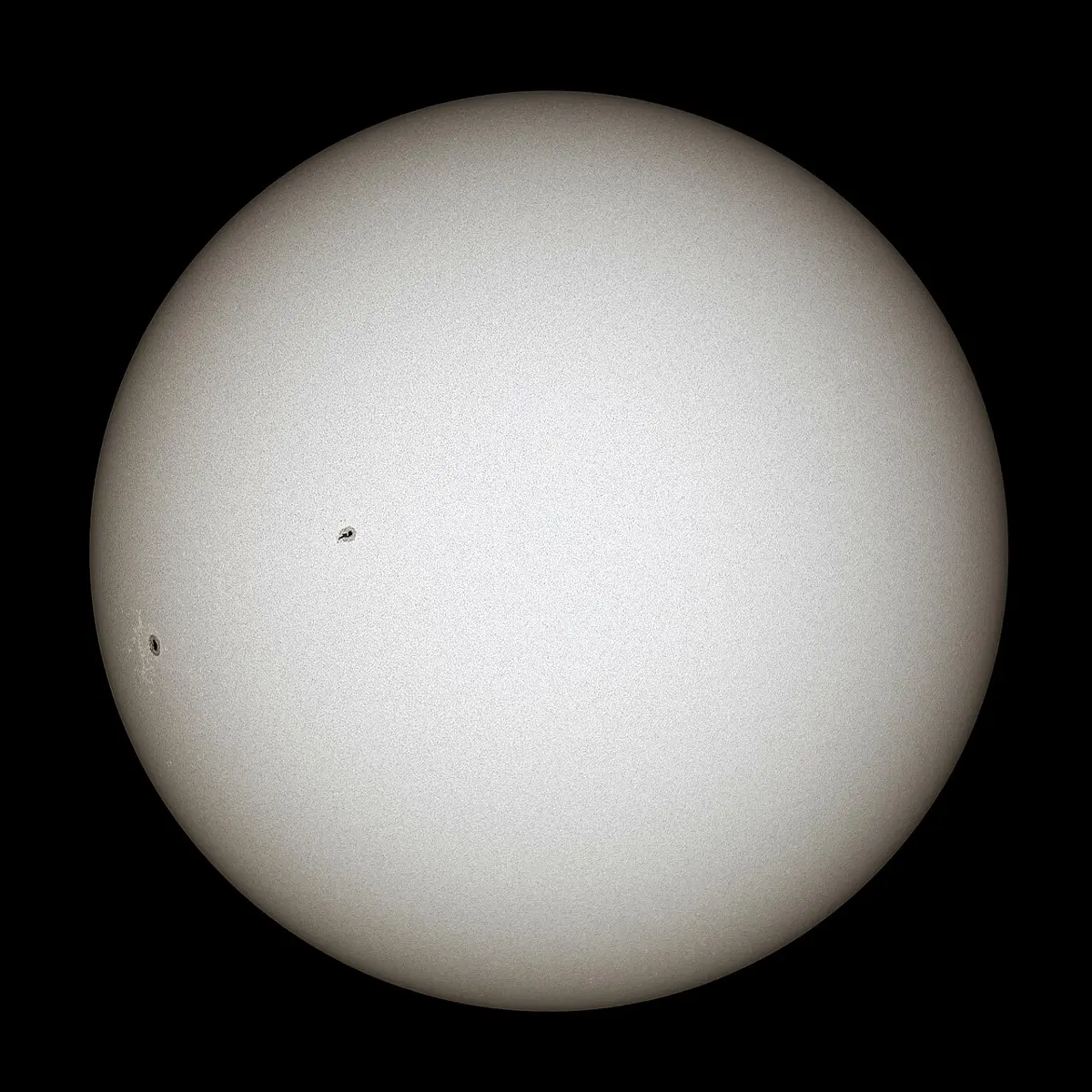
The Sun is the center of the solar system. Its gravity, its pull, keeps all the other bodies of the solar system going round it.
The Sun is a medium-sized star. Many stars are much bigger than the Sun; it looks so much bigger and brighter than them only because it is so much closer. It is a gaseous body: a huge ball of hot gas, mostly hydrogen and helium. It gives out a tremendous amount of heat and light. Its surface is about 5,500 °C, and its center about 15 million °C. There, hydrogen is turned into helium, and that makes its energy.
The Sun is the main source of heat and light for the Earth. Without it the Earth would be dark and frozen, plants could not make food, and there would be no life.
Planet
There are eight planets in the solar system, including the Earth. Each planet rotates (spins) on its axis and revolves round (goes round) the Sun. Planets have no light of their own: they shine because they reflect sunlight. So a planet is a heavenly body without light of its own that goes round the Sun. The Sun’s gravity keeps every planet in its orbit.
The planets, in order from the Sun, are Mercury, Venus, Earth, Mars, Jupiter, Saturn, Uranus and Neptune. A sentence helps you remember the order: My Very Educated Mother Just Served Us Noodles.
- The four inner planets, Mercury, Venus, Earth and Mars, are small balls of rock and metal.
- The four outer planets, Jupiter, Saturn, Uranus and Neptune, are giants made mostly of gas and liquid, with no solid surface to stand on.
Mercury is the closest to the Sun and the smallest planet. It spins once in about 59 days and goes round the Sun in about 88 days, the shortest year of all. Being so close to the Sun, it is very hot by day (over 400 °C) and very cold at night (about −180 °C), because it has almost no atmosphere to hold the heat. It has no satellite.
Venus is the planet that comes closest to the Earth. It is about the same size as the Earth, and it is the brightest planet in our sky. It is seen in the west in the evening or in the east early in the morning, so it is called the evening star or the morning star (though it isn’t a star). It spins very slowly, once in about 243 days, and goes round the Sun in about 225 days, so its day is longer than its year. It has no satellite. Its thick air of carbon dioxide traps heat, making it the hottest planet, about 465 °C.
Earth is our planet, the third from the Sun. It is the only planet known to have life: it has water, an atmosphere with oxygen, and a temperature that suits living things. It spins once in about 24 hours and goes round the Sun in about 365 days. Its only natural satellite is the Moon.
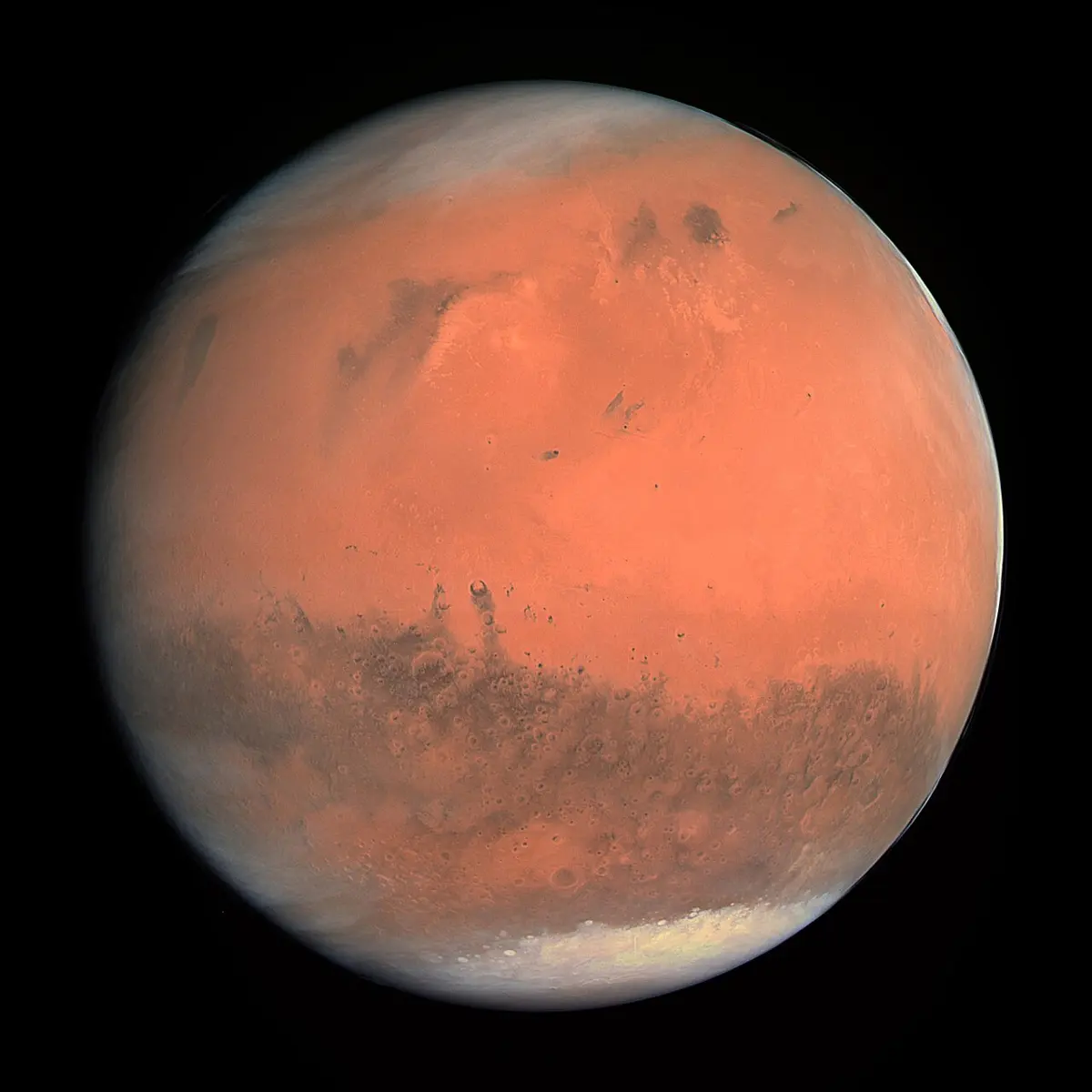
Mars looks rusty red in the sky, so it is called the red planet: its dust is rich in iron oxide, which is rust. It spins once in about 24½ hours and goes round the Sun in about 687 days. Its thin air is mostly carbon dioxide. It has ice at its poles, and long ago water flowed on it, so scientists are searching for signs of tiny living things that may once have lived there. It has two small satellites, Phobos and Deimos.
Jupiter is the largest planet: more than 1,300 Earths would fit inside it. It spins fastest of all, once in about 10 hours, and goes round the Sun in about 12 years. Its Great Red Spot is a storm bigger than the whole Earth that has blown for at least 190 years. It has about 100 known satellites (as of 2026).
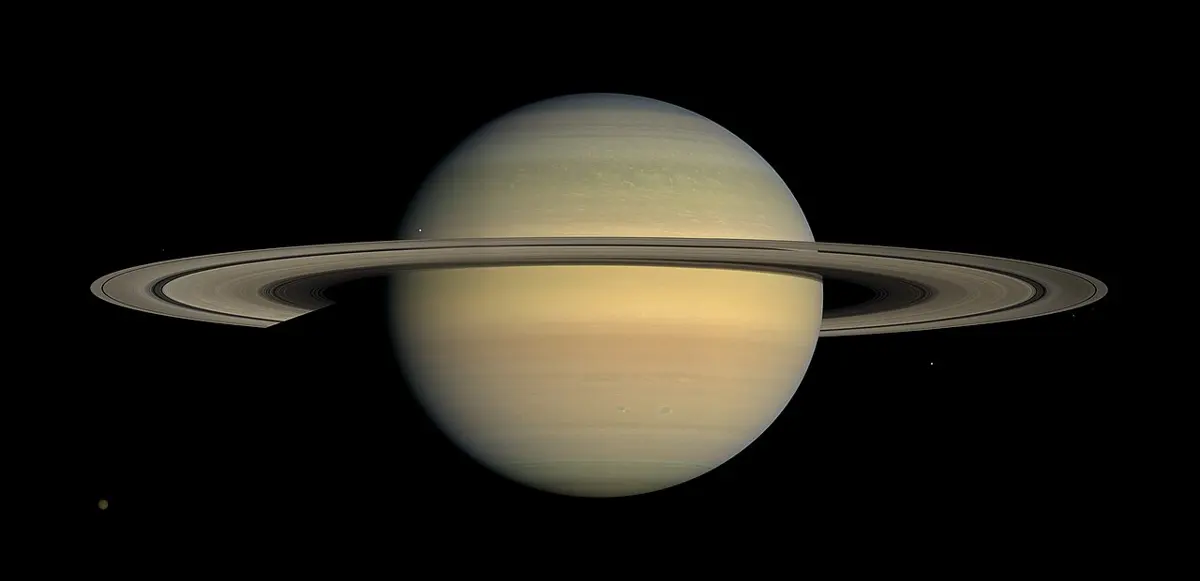
Saturn is a giant like Jupiter, a little smaller. It is famous for its beautiful rings, made of countless pieces of ice and rock going round it. It spins once in about 10½ hours and goes round the Sun in about 29½ years. It has the most known satellites of any planet: more than 270 (as of 2026).
Uranus is a pale blue-green giant made of gases and liquids. It is about 4 times as wide as the Earth and about 14 times as heavy. Being very far from the Sun, it is very cold, about −200 °C. It spins once in about 17 hours 14 minutes, lying on its side, and goes round the Sun in about 84 years. It has 29 known satellites (as of 2026).
Neptune is the farthest planet from the Sun, a deep blue giant. In 1989 the spacecraft Voyager 2 saw a dark spot on it about as big as the Earth, a giant storm; such spots come and go. It spins once in about 16 hours and goes round the Sun in about 165 years. It has 16 known satellites (as of 2026).
| Planet | One spin (its day) | One trip round the Sun (its year) | Known satellites (2026) |
|---|---|---|---|
| Mercury | about 59 days | about 88 days | 0 |
| Venus | about 243 days | about 225 days | 0 |
| Earth | about 24 hours | about 365 days | 1 |
| Mars | about 24½ hours | about 687 days | 2 |
| Jupiter | about 10 hours | about 12 years | about 100 |
| Saturn | about 10½ hours | about 29½ years | more than 270 |
| Uranus | about 17 hours | about 84 years | 29 |
| Neptune | about 16 hours | about 165 years | 16 |
Which planet is closest to the Sun?
Pick an answer to see why.
Why do the planets shine in the night sky?
Pick an answer to see why.
Satellite
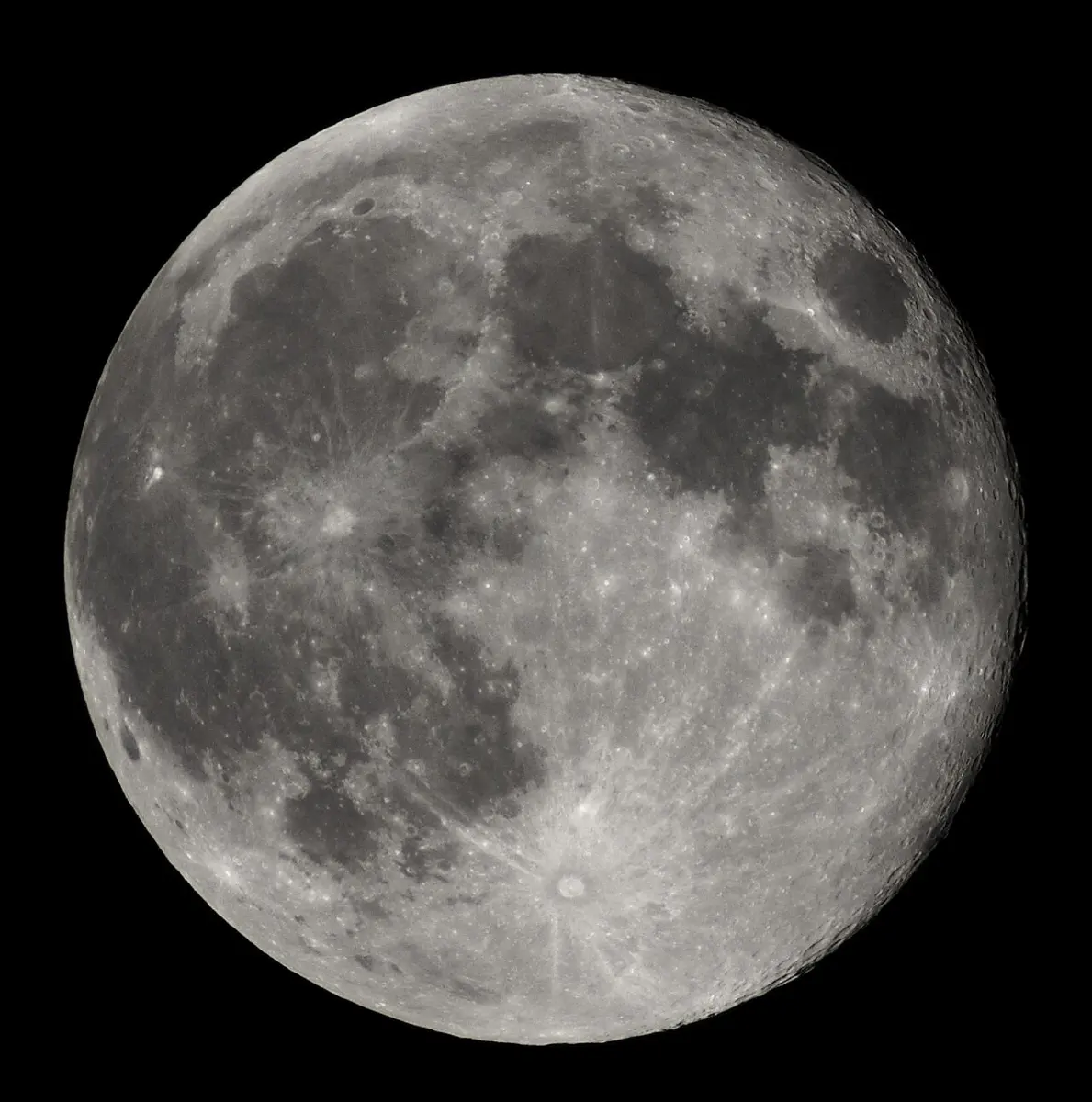
You have seen the Moon at night. Does it have its own light? No. A heavenly body that goes round a planet is called a satellite. Satellites have no light of their own: like the planets, they shine by reflecting sunlight.
The Moon is the Earth’s only natural satellite. It goes round the Earth once in about 27 days (and from one full moon to the next takes about 29½ days).
Satellites are of two kinds:
- Natural satellites formed by themselves in space, like the Moon, or Phobos and Deimos of Mars.
- Artificial satellites are made by people and launched into space by rockets. They carry phone, TV and internet signals, watch the weather, and help maps find your place. Nepal’s own first satellite, NepaliSat-1, a small cube built by Nepali scientists, went into orbit in 2019.
All the planets except Mercury and Venus have natural satellites.
The sizes of the Sun, the Moon and the Earth
From the Earth, the Sun and the Moon look about the same size. Yet the Sun is really far bigger than the Moon: about 400 times as wide. It looks no bigger because it is also about 400 times as far away. The farther away a thing is, the smaller it looks: a bus far down the road looks smaller than your hand.
To compare the real sizes of the Sun and the Earth, compare their diameters (their widths). The Sun is about 1,392,000 km across; the Earth about 12,742 km. So the Sun is about 109 times as wide as the Earth. If the Sun were a basketball, the Earth would be a mustard seed about 2 mm across.
The Sun is far away too: about 150 million km from the Earth. A bus at 60 km/h, driving day and night, would take about 285 years to get there.
Meteors and meteorites
On a clear night you may see a streak of light dash across the sky and vanish in a second. People call it a “shooting star” or “falling star”, but it isn’t a star. It is a meteor.
Space is full of small bits of rock and metal going round the Sun, most no bigger than a grain of sand. When one of them enters the Earth’s atmosphere, it is moving very fast: tens of kilometers every second. The air in front of it is squeezed and heated, and rubbing against the air (friction) heats it so much that it glows, then melts and turns to vapor, usually 80 to 100 km up. That streak of light is a meteor. On some nights of the year, the Earth passes through a stream of such bits and you can see many meteors in an hour: a meteor shower (ulkapat).
Some pieces are so big that they don’t burn up completely. What is left falls all the way to the ground. A piece from space that reaches the Earth’s surface is called a meteorite (ulkapinda).
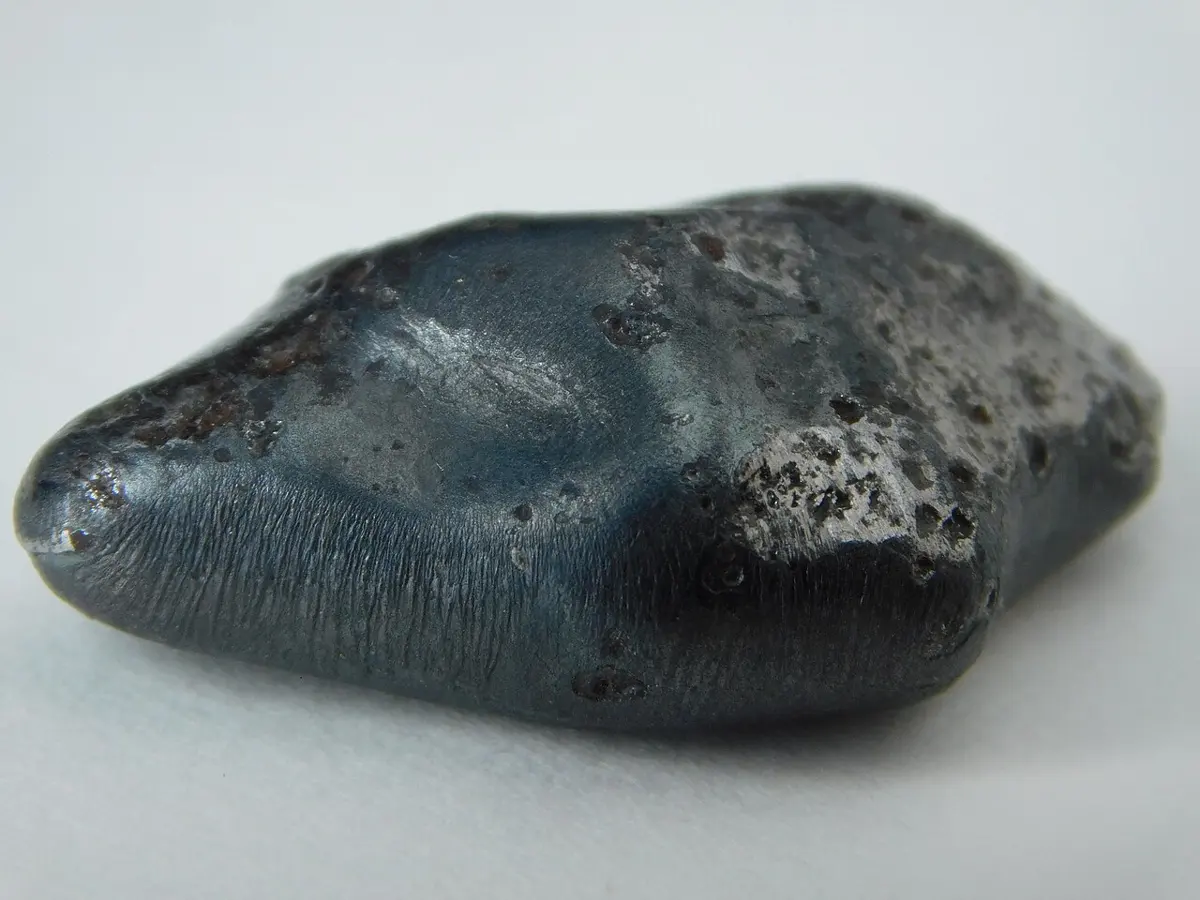
What is the difference between a meteor and a meteorite?
Pick an answer to see why.
Comet
A comet is a ball of ice and dust (with some rock), a few kilometers across, going round the Sun in a long, stretched elliptical orbit. Comets have no light of their own.
Far from the Sun a comet is frozen and dark. As it comes close to the Sun, the Sun’s heat turns its ice into gas, which carries dust out with it. Pushed by sunlight and the solar wind (a stream of particles blowing out from the Sun), the gas and dust stream away from the Sun, and sunlight makes them glow. So a comet grows a long, shining tail, like a broom, and its tail always points away from the Sun. In Nepali it is called puchhre tara, a “tailed star”, though it isn’t a star.
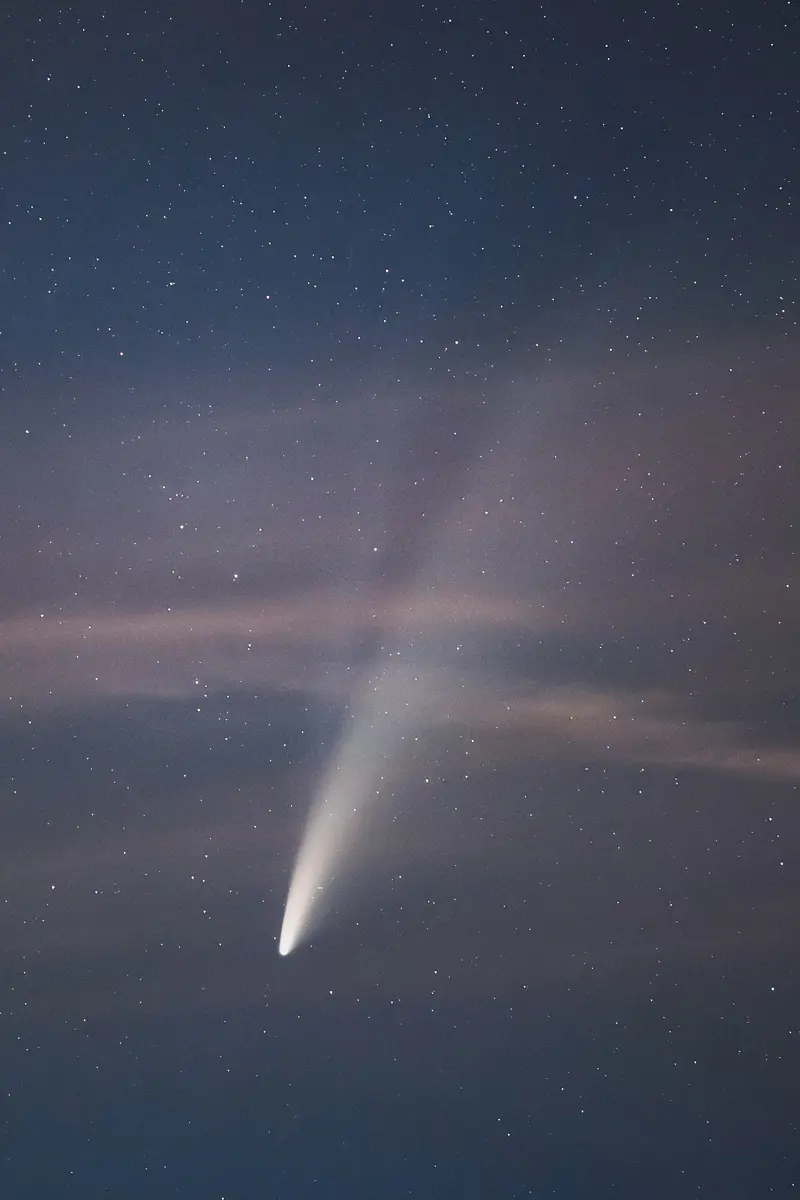
Which way does a comet’s tail point?
Pick an answer to see why.
Exercise
1. Fill in the blanks with suitable words from the box
spring · Sun · deposition · autumn · Mercury · 5000 · winter · crust · weathering · Venus
The outermost part of the Earth is called the __________.
Answer
crust
The inner core is the hottest part of the Earth, at more than __________ °C.
Answer
5000 (over 5,000 °C, about as hot as the surface of the Sun)
In a year there are summer, __________, __________ and __________ seasons.
Answer
autumn, winter and spring
The physical breaking and chemical decomposition of rocks and minerals is called __________.
Answer
weathering
The nearest star to the Earth is the __________.
Answer
Sun
The nearest planet to the Sun is __________.
Answer
Mercury
The brightest planet in the solar system is __________.
Answer
Venus
Wind blows soil away from one place and piles it up in another place. This piling up of the soil in the new place is called __________.
Answer
deposition (the soil laid down in the new place; blowing it away is erosion)
2. Choose the correct answer
a. Why do the metals and rocks of the inner core stay solid?
Pick an answer to see why.
b. What is the second layer from the top of the soil profile called?
Pick an answer to see why.
c. What are the broom-shaped balls of ice and dust that go round the Sun in elliptical orbits called?
Pick an answer to see why.
d. Which pair of months makes one of Nepal’s six seasons?
Pick an answer to see why.
e. Why are there living things only on the Earth?
Pick an answer to see why.
3. Write true or false
Neptune is the farthest planet.
Answer
True. Neptune is the eighth planet, about 30 times as far from the Sun as the Earth.
The Earth goes round the Sun in an elliptical orbit.
Answer
True. The Earth’s orbit is an ellipse, though very nearly a circle.
The Moon takes about 365 days to go round the Earth.
Answer
False. The Moon goes round the Earth in about 27 days (about 29½ days from one full moon to the next). It is the Earth that takes about 365 days to go round the Sun.
The coldest planet in the solar system is Saturn.
Answer
False. Uranus and Neptune, much farther from the Sun, are colder than Saturn. The coldest air measured is on Uranus.
The thickest layer of the Earth’s inside is the crust.
Answer
False. The crust is the thinnest layer. The mantle, about 2,900 km thick, is the thickest.
4. Write the differences
Planets and comets
Answer
| Planets | Comets |
|---|---|
| Big, round bodies of rock or gas. | Small balls of ice and dust, a few km across. |
| Go round the Sun in nearly circular orbits. | Go round the Sun in long, stretched elliptical orbits. |
| Have no tail. | Grow a long tail, pointing away from the Sun, when near the Sun. |
| Shine steadily year after year. | Can be seen only when they come near the Sun; they fade away as they go out again. |
Soil erosion and deposition
Answer
| Soil erosion | Deposition |
|---|---|
| The wearing away and removal of soil from a place. | The laying down of the carried soil in another place. |
| Happens where water or wind is fast: slopes, riverbanks, bare land. | Happens where water or wind slows down: plains, river mouths, lakes. |
| The place loses its fertile topsoil. | The place gets new soil (good, if it is silt; bad, if it buries fields). |
Crust and core
Answer
| Crust | Core |
|---|---|
| The outermost layer of the Earth. | The innermost part of the Earth. |
| Thin: 5–70 km. | Thick: about 3,500 km in radius in all. |
| Made of rocks and soil (silicate minerals). | Made of metals, iron and nickel. |
| Cool at the surface. | Very hot: 4,000 to over 5,000 °C. |
| Solid. | The outer core is liquid; the inner core is solid. |
| We live on it. | No one has ever been there: we know it from earthquake waves. |
Meteors and meteorites
Answer
| Meteors | Meteorites |
|---|---|
| The streaks of light of small bodies from space burning up in the air. | Pieces of bodies from space that reach the ground. |
| Burn up completely, 80 to 100 km up. | Are big enough not to burn up completely. |
| Seen as “shooting stars”, for a second. | Can be picked up and kept in a museum. |
Stars and planets
Answer
| Stars | Planets |
|---|---|
| Have their own light and heat. | Have no light of their own; they reflect the Sun’s light. |
| Huge balls of very hot gas. | Much smaller; made of rock or of gas and liquid. |
| Twinkle in the night sky. | Usually shine steadily, without twinkling. |
| The Sun is a star. | Go round a star: the Earth goes round the Sun. |
5. Give reasons
Substances are solid in the Earth’s inner core.
Answer
The inner core lies under all the other layers of the Earth. Their weight presses on it with an enormous pressure, millions of times that of the air. This pressure squeezes the iron and nickel so tightly that they can’t melt, even at over 5,000 °C. So the inner core is solid.
Soil erosion and deposition happen together.
Answer
Soil carried away by water or wind doesn’t vanish: it has to be laid down somewhere when the water or wind slows down. So whenever soil is eroded from one place, it is deposited in another. A river that cuts its banks in the hills lays the soil down on the plains.
The Sun is the main source of heat and light.
Answer
The Sun is a star: a huge ball of very hot gas that makes enormous amounts of energy in its center (about 15 million °C) and gives it out as heat and light. The Earth gets almost all its heat and light from it: it warms the land, sea and air, drives the winds, rain and rivers, and lets plants make food. Other sources, like the Earth’s inner heat, are tiny beside it.
6. Answer the following questions
What is soil?
Answer
Soil is the loose top layer of the land. It is made of tiny pieces of rock and minerals, organic matter (humus from rotted plants and animals), and air and water in the spaces between them. It forms from rock by weathering, and it is where plants grow.
Explain the process of soil formation.
Answer
Soil forms from rock by weathering, the breaking up of rocks and minerals on the Earth’s surface, mainly by water, air and the climate, with help from living things:
- a.Rivers carry stones that knock together and wear into pebbles, sand and fine grains.
- b.Heating by day and cooling at night make rocks swell and shrink until they crack and break into small pieces.
- c.Water seeps into cracks; when it freezes it swells and splits the rock, and it slowly dissolves some minerals.
- d.Plant roots grow into cracks and push them wider until the rock crumbles.
- e.Strong wind throws sand against rock and wears its surface into fine particles.
Then plants grow, die and rot, and worms and tiny living things mix the humus in with the rock particles. Over hundreds of years, this mixture becomes soil.
Why should soil be protected?
Answer
- a.Almost all our food grows in soil; without fertile soil there would be no crops, fruit or fodder.
- b.Soil forms very slowly: 1 cm of it can take hundreds of years, but a flood can wash it away in a day.
- c.Soil is home to countless living things, and it holds water for plants.
- d.Losing soil causes landslides and floods, and silt fills rivers and dams.
So we must protect it from erosion and pollution.
What are the axis and the orbit of the Earth? Show them in a diagram.
Answer
The axis is the imaginary line through the center of the Earth that joins the North Pole and the South Pole. The Earth spins on it once in about 24 hours. The orbit is the path along which the Earth goes round the Sun, once in about 365 days.
Describe the inside of the Earth with a diagram.
Answer
By the condition of the rock and what it is made of, the inside of the Earth has three layers:
- a.Crust: the outermost, thinnest layer, 5–70 km thick, of rocks and soil (silicate minerals). We live on it.
- b.Mantle: the thickest layer, about 2,900 km, of hot rock rich in iron and magnesium; about 1,000 to nearly 4,000 °C; solid, but it creeps very slowly.
- c.Core: the innermost part, of iron and nickel. The outer core, about 2,200 km thick and 4,000 to 5,000 °C, is liquid. The inner core, about 1,200 km in radius and over 5,000 °C, is solid because of the enormous pressure.
Write the effects of the tilt of the Earth’s axis as it goes round the Sun, in points.
Answer
The Earth’s axis leans at 66.5° to the plane of its orbit. Because of this:
- a.Day and night are not always equal, except at the equator: in summer the days are longer, in winter the nights are longer.
- b.The seasons change through the year, and they are different in the north and the south at the same time.
- c.The Sun’s rays do not always fall straight down on the same place: they fall directly in summer and at a slant in winter.
How, when and where do the seasons change? Describe with pictures.
Answer
How: The Earth goes round the Sun once a year with its axis tilted (66.5° to the plane of its orbit), always leaning the same way in space. For half the year the Northern Hemisphere leans towards the Sun: the Sun’s rays fall directly on it and the days are long, so it is hot (summer). For the other half it leans away: the rays fall at a slant and spread out, and the days are short, so it is cold (winter). In between come spring and autumn.
When: in Nepal’s months, spring is Chaitra and Baisakh, summer Jestha to Bhadra, autumn Ashwin and Kartik, and winter Mangsir to Falgun. The longest day is about 21 June (early Asar), and the shortest about 22 December (early Poush).
Where: all over the Earth except near the equator, where it is warm all year; the Southern Hemisphere has its seasons the other way round.
“Soil erosion and deposition happen together.” Explain this with examples.
Answer
Soil that is worn away in one place is always laid down in another, so erosion and deposition go together.
- a.In the monsoon, rivers like the Koshi and the Narayani cut soil from their banks and slopes in the hills (erosion) and leave it as sand and silt on the plains of the Terai (deposition).
- b.A landslide strips the soil off a hillside (erosion) and piles it at the foot of the slope or in the river below (deposition).
- c.Wind blows dry soil off a bare field (erosion) and drops it as dust or sand where it slows down (deposition).
Explain, with examples, how the food we eat is related to the soil.
Answer
Almost all our food comes from the soil, directly or through animals.
- a.Rice, wheat, maize, millet, lentils, vegetables and fruit grow in soil. Their roots take water and minerals (such as nitrogen and potassium) from it, and it holds them up.
- b.Milk, eggs and meat come from animals that eat grass, fodder and grain grown in soil.
- c.Fertile soil, rich in humus, gives good harvests; eroded or polluted soil gives poor crops, and harmful chemicals in soil can get into our food.
So good soil means good food, and protecting soil protects our food.
How can we control soil pollution?
Answer
- a.Use less chemical fertilizer and pesticide; use compost, dung manure and natural pest control instead.
- b.Treat factory waste and chemicals to make them harmless before letting them out.
- c.Use fewer plastic bags and plastic things; reuse and recycle; carry a cloth bag.
- d.Sort waste: compost what rots, and send the rest for recycling instead of dumping or burning it.
- e.Make people aware of the harm that pollution does to soil.
From time to time people demand a ban on polythene bags. What has this to do with soil pollution and conservation? Explain.
Answer
Polythene bags don’t rot: thrown away, they stay in the soil for hundreds of years, breaking only into tiny bits. In the soil they block water and air from reaching roots and soil life, harm the living things that keep the soil fertile, and make plants grow poorly. Bags also block drains and ditches, so rainwater floods and washes soil away. So banning polythene bags, and using cloth or paper bags instead, prevents soil pollution and helps conserve the soil.
Briefly introduce the members of the solar system.
Answer
The solar system is the Sun’s family:
- a.The Sun: a medium-sized star at the center, a huge ball of hot gas that gives out heat and light. Its gravity holds the family together.
- b.Planets: eight bodies with no light of their own that go round the Sun: Mercury, Venus, Earth, Mars (small and rocky), and Jupiter, Saturn, Uranus, Neptune (giants of gas and liquid).
- c.Satellites: bodies that go round planets, such as the Moon, the Earth’s only natural satellite.
- d.Dwarf planets and asteroids: smaller rocky bodies going round the Sun, such as Pluto and Ceres, and many asteroids between Mars and Jupiter.
- e.Comets: balls of ice and dust in long elliptical orbits that grow tails near the Sun.
- f.Meteoroids: small bits of rock that, burning up in our air, are seen as meteors; pieces that land are meteorites.
Words to know
| Word | Meaning |
|---|---|
| axis | the imaginary line through the center of the Earth that joins the North and South Poles |
| orbit | the path along which the Earth goes round the Sun |
Practice every question in the book, and keep track of the ones you miss →