
Grade 10 Science and Math: A Teacher’s Guide
How the exhibits and the garden link to what you teach, unit by unit.
This guide links what your Grade 10 class sees at Science Playground to the units you teach from the Science and Technology textbook, unit by unit, in the book’s order. For each unit you’ll find the CDC learning outcomes the visit supports, the exhibits and garden plants that show them, what students do at each one, a question to ask there, and an activity for before and after the visit.
Grade 10 is the SEE year, and time is short. A visit is a chance to see working what the book can only draw: light trapped in a fiber, a real image on a screen, a fair test with its variables, density deciding what floats. Many stops are close to the book’s own practical work, so students can carry what they notice back to the laboratory.
Two stops also serve the Mathematics books: the sundial, where students find the sun’s angle of elevation from their own shadows, and, for Optional Mathematics, the periscope, whose two reflections make one translation. They are marked Math and come after the science units.
Every stop links to its section in Grade 10 Science, Explained, our free online edition of the textbook, where students can read the idea again after the visit.
Visit sheets for the day
Pages to print for you, for before, during and after the visit, and a two-page explorer sheet to copy for your students.
At a glance
42 exhibits and plants for 16 of the books’ units. Tap a unit to go to it.
- Unit 1: Scientific Learning 3 stops
- Unit 2: Classification of Living Beings 7 stops
- Unit 3: Honey Bee 1 stop
- Unit 4: Heredity 1 stop
- Unit 5: Physiological Structure and Life Process 2 stops
- Unit 6: Nature and Environment 6 stops
- Unit 7: Motion and Force 2 stops
- Unit 8: Pressure 2 stops
- Unit 9: Heat 3 stops
- Unit 10: Wave 8 stops
- Unit 11: Electricity and Magnetism 2 stops
- Unit 13: Information and Communication Technology 2 stops
- Unit 14: Classification of Elements 1 stop
- Unit 17: Metals and Non-metals 3 stops
- Math, Unit 15: Trigonometry 1 stop
- Optional Math, Unit 9: Transformation 1 stop
A two-hour visit
Four rounds that cover every stop in this guide. With a large class, split into four groups that take the rounds in turn; with less time, choose the units you’re teaching now.
Each round is a line, its stops in walking order; the columns are the floors, from outside up to the Second Floor, so the line steps across where the group takes the stairs.
Round 1 · 35 min · Outdoors
Plants, sound and shadows in the garden
Best in the morning, before the midday sun; the sundial needs the sun.
- 1
- 2Analemmatic Sundial (Math)
Also in this round, not on the map yet: Peat Moss, Pteris Fern, Cycas, Golden Champa, Lauth Salla (Himalayan Yew), Amla (Indian Gooseberry), Madagascar Periwinkle
Round 2 · 25 min · Indoors
Cells, bodies and living things
- 1
- 2In through the Entrance Animal Cell Model
- 3
- 4
- 5
- 6
- 7
- 8
- 9
Also in this round, not on the map yet: The Iron Heart
Round 3 · 30 min · Indoors
Light and the eye
- 1
- 2
- 3
- 4
- 5Total Internal Reflection· under the stairs
- 6Up the stairs to the First Floor The Spectroscope
- 7
- 8
- 9
Round 4 · 25 min · Indoors and outdoors
Force, heat, electricity and matter
- 1
- 2
- 3In through the Entrance Solar House Model
- 4
- 5
- 6
- 7
- 8Up the stairs to the First Floor The Clay Owl
- 9
- 10
- 11
- 12
- 13
- 14Up the stairs to the Second Floor Flying Paper Shapes
Unit 1
Scientific Learning
Two stops are tests students can run with their own hands, a watch and a count, and the echo tube puts a derived unit, meters per second, to a sound they hear.
CDC learning outcomes this visit supports
- 1.1Identify the independent, dependent and control variables in a scientific study, and understand why outside variables must be controlled.
- 1.2Tell fundamental and derived units apart.
- 1.3Find the fundamental units in a derived unit.
At the center
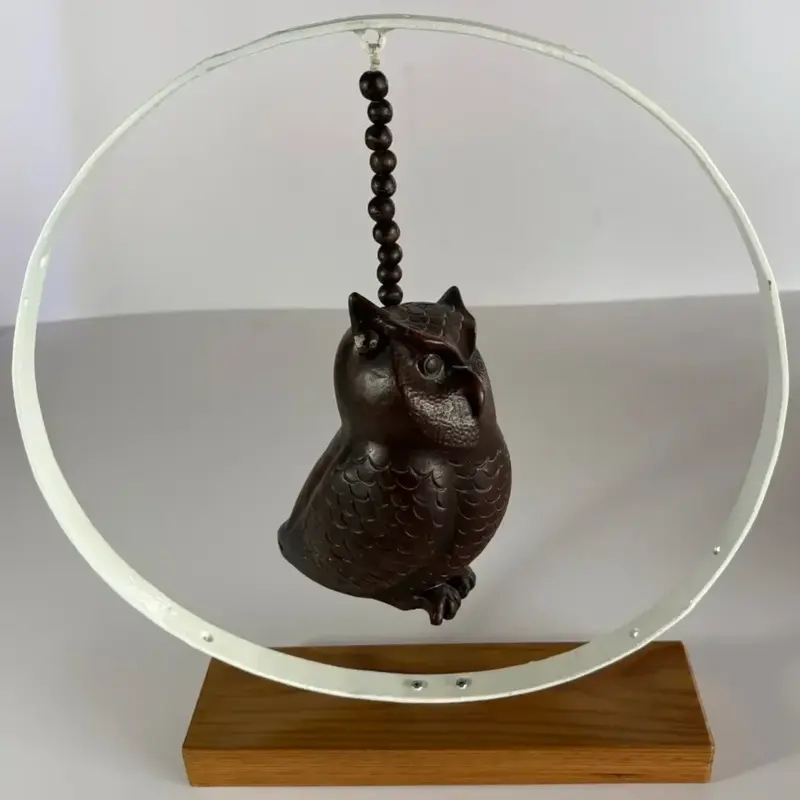
- The Clay Owl · 1.1 Variables of scientific research
Do: Push the owl gently, then harder, and time ten swings each time: you change one variable, measure another, and find the swing time stays the same.
Ask: Time ten swings after a gentle push, then after a harder one. If ten swings take 15 seconds, what is the time period? Did the push change it?
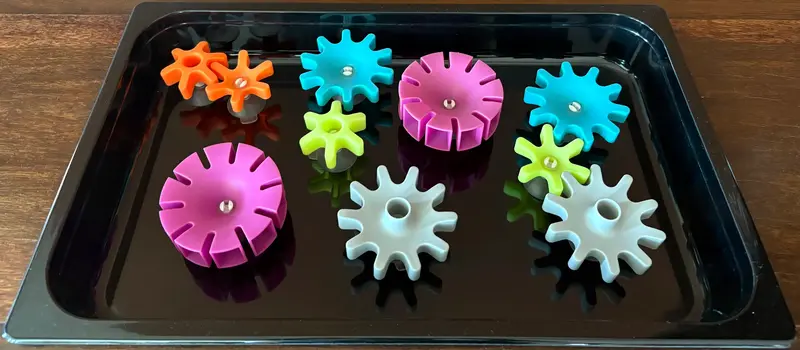
First Floor - Build a Gear Train · 1.1 Variables of scientific research
Do: Join a small gear to a big one, turn the big one once and count the small one’s turns; then try a smaller gear. Its teeth are what you change (the independent variable), its turns what you count (the dependent one). Fewer teeth, more turns.
Ask: Turn the big gear once with a small gear, then with a smaller one. Which is the independent variable, and which the dependent? With half the big gear’s teeth, how many turns does the small one make?
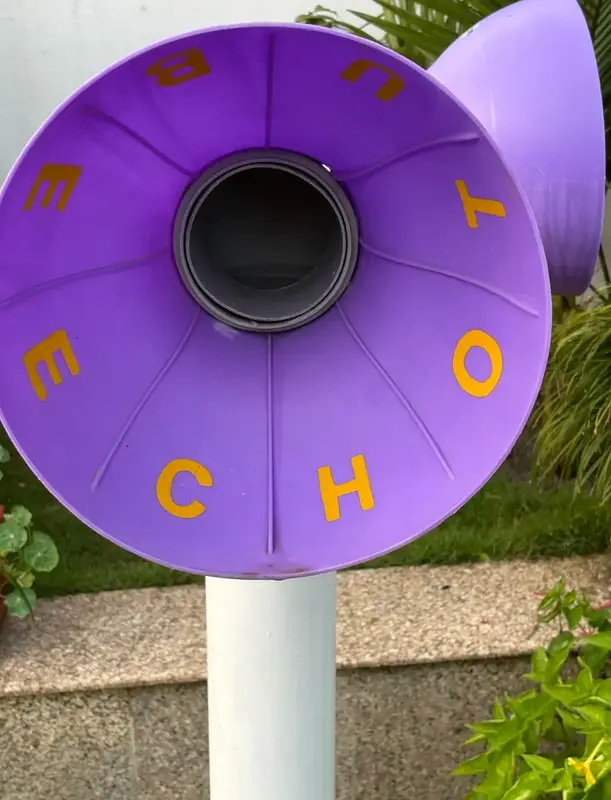
First Floor - The Echo Tube · 1.2 Types of units
Do: Clap and hear the delay as sound travels the long tube. Its speed is in m/s, a derived unit made of the meter and the second.
Ask: The speed of sound is in meters per second. Which fundamental units make up that derived unit?
Grounds
Watch for
- Students change two things at once, such as a harder push and a longer string, and still call it a fair test. Only the independent variable may change; the rest, the controlled variables, are held the same.
Before the visit
Do Activity 1.1, Making catapult from a rubber band, to name the three kinds of variable.
After the visit
Do Activity 1.2 (units around you), adding the units met at the center, such as meters per second.
Unit 2
Classification of Living Beings
In the garden students sort a real moss, fern and gymnosperm the way the book’s chart does; indoors they add leaf veins, an arthropod, a fish and the long history behind them.
CDC learning outcomes this visit supports
- 2.1Classify the plant and animal kingdoms by the five-kingdom system, and describe the features of each division or phylum, with examples.
- 2.2Classify subdivision Angiospermae down to class, and compare the classes.
- 2.3Classify subphylum Vertebrata down to class, and compare the classes.
- 2.4Explain how the classification of living things relates to evolution.
At the center
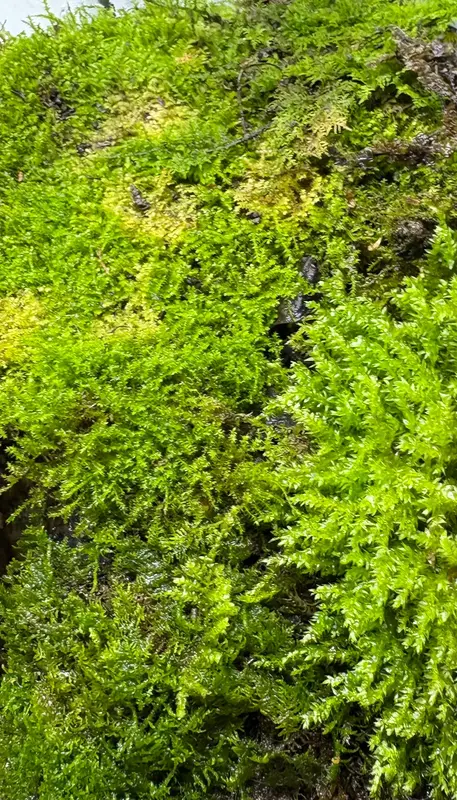
- Peat Moss · 2.1 Kingdom Plantae
Do: Look closely at the moss: a bryophyte with no true roots, only rhizoids, and no vascular tissue, so it stays low on damp ground.
Ask: Can you find true roots on the moss? Why does a plant with no vascular tissue stay so low?
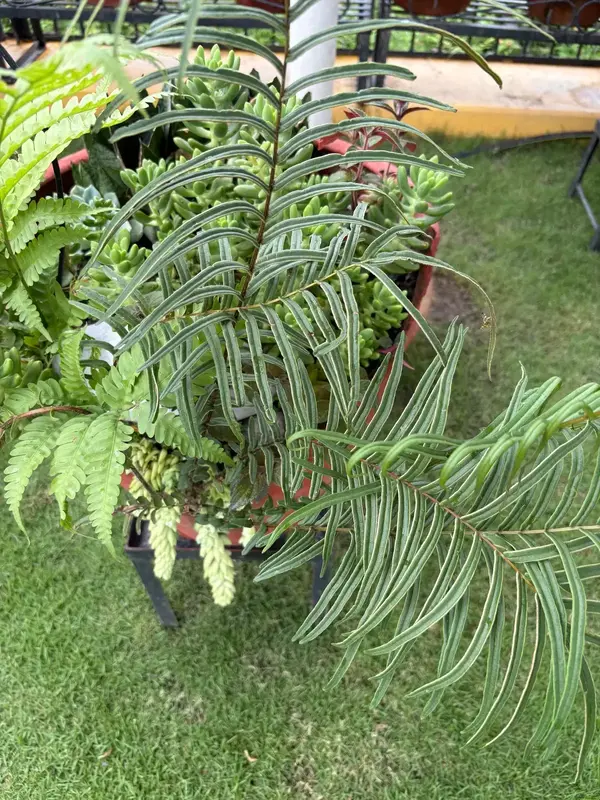
- Pteris Fern · 2.1 Kingdom Plantae
Do: Turn a ripe Pteris frond over: the brown lines along the edges of its leaflets are its sori, clusters of spore cases.
Ask: What are the brown lines under a ripe frond? What does a fern have that a moss doesn’t?
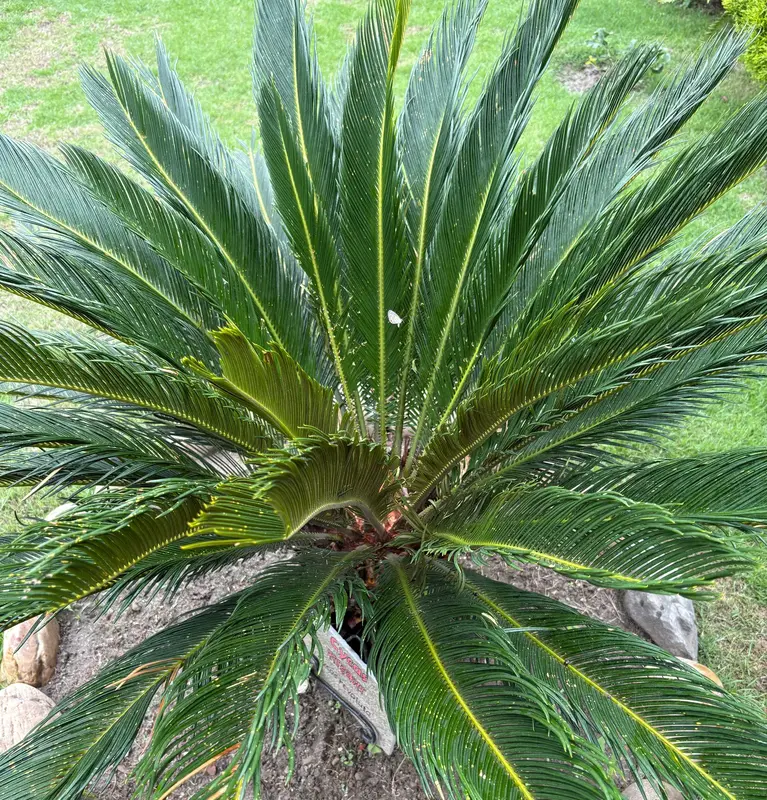
- Cycas · Seed plants: gymnosperms and angiosperms
Do: Cycas looks like a palm but is a gymnosperm: its seeds sit naked, not inside a fruit.
Ask: Can you find a flower or a fruit? Why is Cycas a gymnosperm and not a palm?
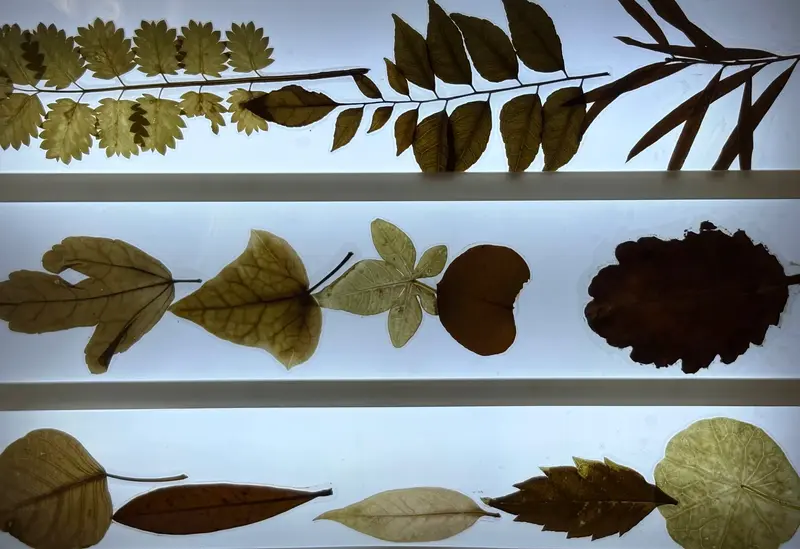
- Leaf Shapes and Veins · Seed plants: gymnosperms and angiosperms
Do: Look at the veins: these leaves show the branching net of dicots; a monocot leaf, like maize or grass, would show straight parallel lines instead.
Ask: Look at the veins: a net, or parallel? Which group of flowering plants does a net of veins point to, and how many cotyledons do its seeds have?
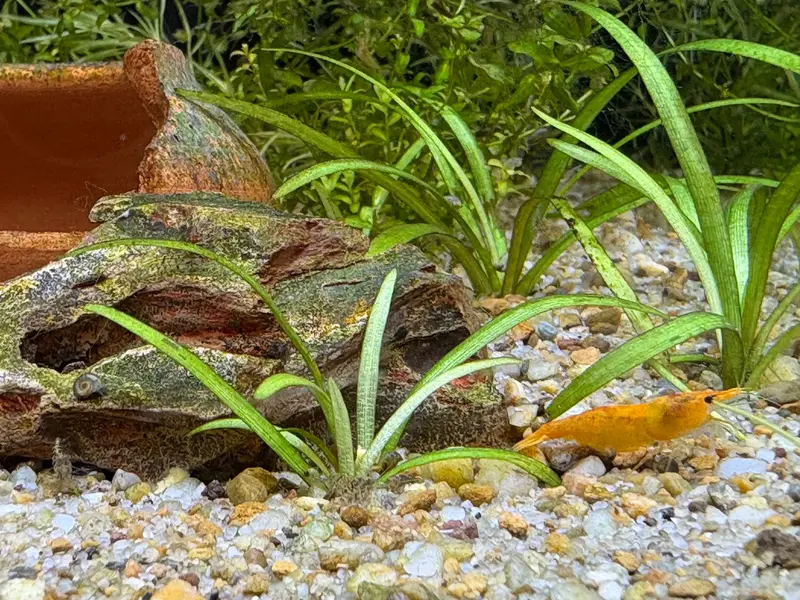
Ground Floor - Shrimp Tank with a Sandfall · 2.2 Kingdom Animalia
Do: These shrimp are arthropods: jointed legs and a skeleton on the outside, which they must molt to grow.
Ask: Jointed legs and a skeleton on the outside: which phylum do they put the shrimp in? Name two other animals in it.
Ground Floor - The Ecosystem Pond · Phylum Chordata
Do: The guppies are vertebrates of class Pisces, with a backbone, fins and gills; unlike most fish, they give birth to live young.
Ask: Which features make a guppy a fish? Does giving birth to live young change that?
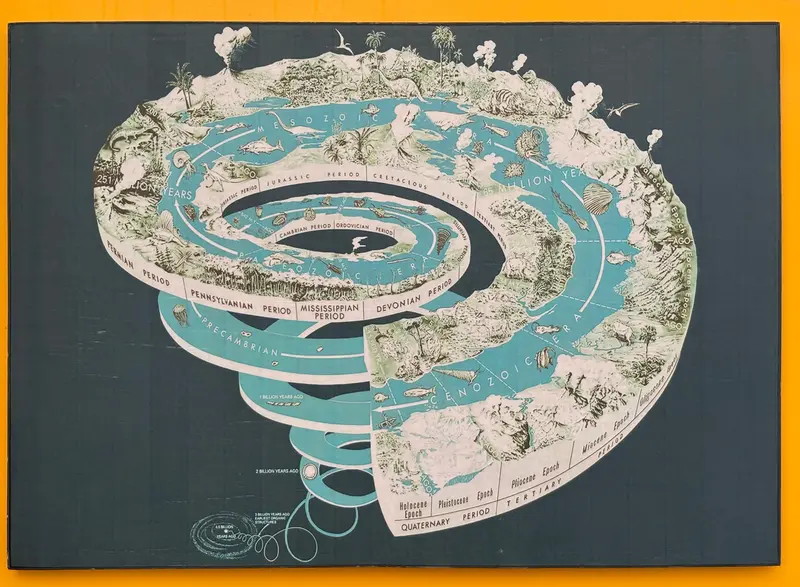
Grounds - The Spiral of Life on Earth · Classification and evolution
Do: Follow the spiral up from the thin coil at its bottom: for most of Earth’s history life was single cells, and plants and animals came much later.
Ask: Find the Paleozoic on the spiral. Which living things first appear there? Is that early or late in Earth’s history?
Ground Floor
Watch for
- Students call Cycas a palm. It has no flowers and no fruit; its seeds sit naked, so it is a gymnosperm.
- Students think any animal living in water is a fish. The shrimp has jointed legs and no backbone: an arthropod.
Before the visit
Do Activity 2.3, Observation of the fern, to know fronds and sori before finding them on ours.
After the visit
Do Activity 2.6, Classification of plants, adding the garden plants students saw to the chart.
Unit 3
Honey Bee
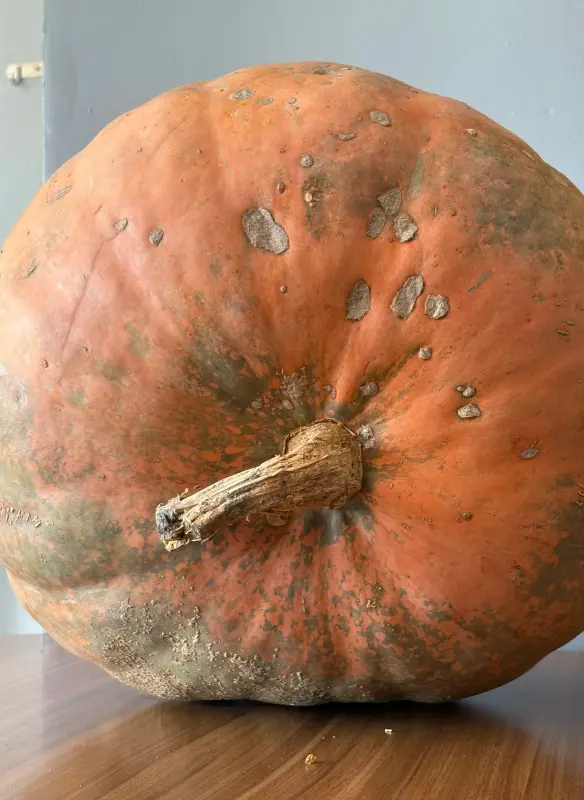
The giant pumpkin shows what bees do for us beyond honey: it formed only because bees carried pollen to its flower.
CDC learning outcomes this visit supports
- 3.2Explain the uses of honey bees.
At the center
- A Giant Pumpkin · Uses of honey bees
Do: Pumpkin vines have separate male and female flowers: a pumpkin like this forms only after bees carry pollen from one to the other.
Ask: Pumpkin vines have separate male and female flowers. What would happen to the female flowers if no bees came?
Ground Floor
Watch for
- Students think bees matter only for honey. Their greater use is pollination: many crops, like the pumpkin, form fruit only after bees carry pollen from flower to flower.
Before the visit
Do Activity 3.1, Observation and study of the bee, noting the legs that carry pollen.
After the visit
Do the project work, Visit the beekeeping area: which flowers and crops need the bees?
Unit 4
Heredity
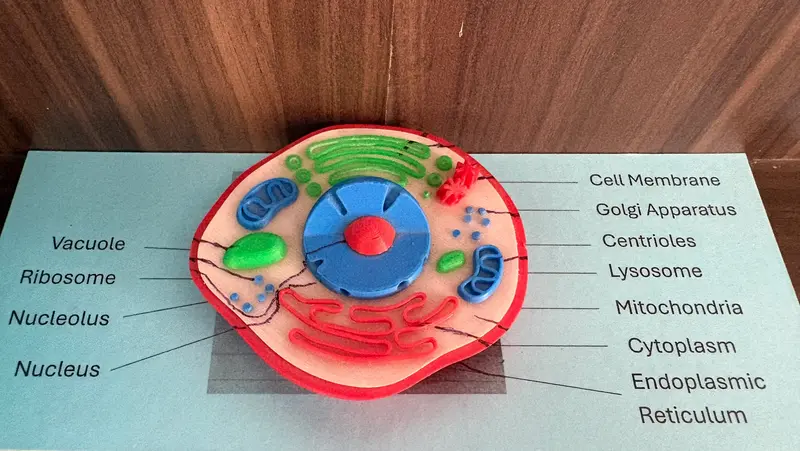
The cell model, thousands of times bigger than a real cell, shows where the hereditary information is kept: in the nucleus.
CDC learning outcomes this visit supports
- 4.2Introduce chromosomes and genes.
- 4.3Tell DNA and RNA apart by their structure and function, and say why DNA tests matter in different kinds of research.
At the center
- Animal Cell Model · 4.2 Deoxyribonucleic acid (DNA)
Do: Find the nucleus: it holds the cell’s DNA, the long molecule that carries the genetic information passed from parents to offspring.
Ask: Where in this cell is the DNA kept? What does it carry from parents to their offspring?
Ground Floor
Watch for
- Students picture genes, chromosomes and DNA as three separate things in different places. In the nucleus, DNA is packed into chromosomes, and a gene is one stretch of that DNA.
Before the visit
Do Activity 4.1, The study of mitotic cell division: the chromosomes are in the nucleus.
After the visit
Do Activity 4.4 (DNA or RNA?), asking where in the cell model the DNA is kept.
Unit 5
Physiological Structure and Life Process
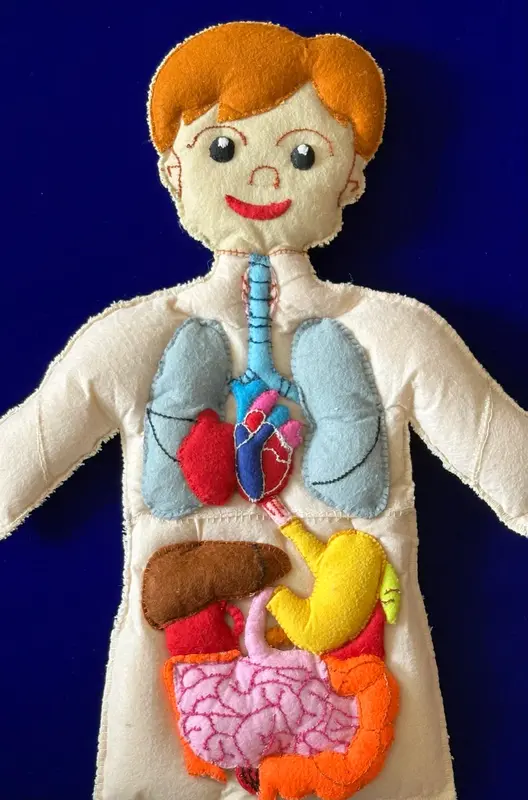
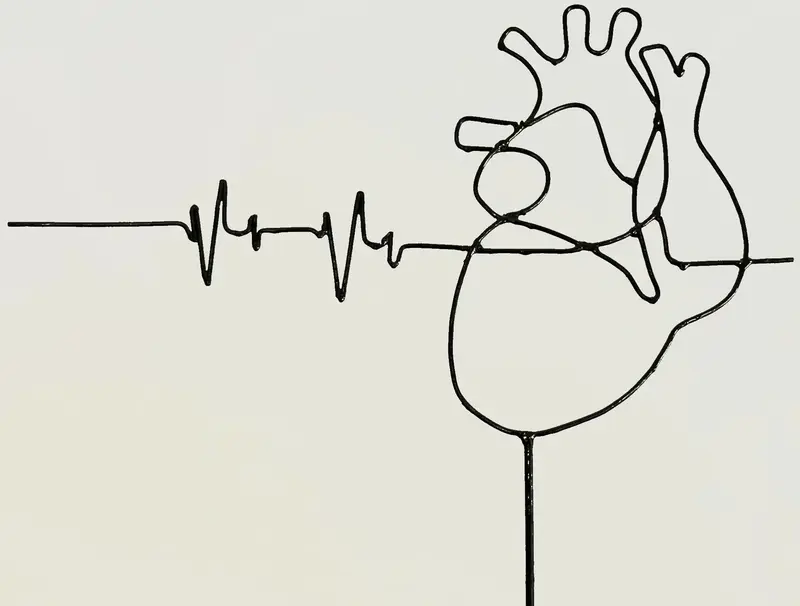
The body model shows where the heart really sits, between the lungs, and the wire heart turns the ECG, usually the first test for a heart attack, into something students can trace with a finger while they count their own pulse.
CDC learning outcomes this visit supports
- 5.1Introduce the human blood circulatory system.
- 5.2Describe the structure and functions of the human heart, blood and blood vessels.
- 5.6Introduce heart attack, its causes, prevention and treatment.
At the center
- Inside the Body · 5.1 Human blood circulatory system
Do: Find the heart between the two lungs: the pump of the circulatory system, sending blood to the lungs and round the whole body.
Ask: The heart pumps blood to the lungs and then round the whole body. Why is that called double circulation?
Ground Floor - The Iron Heart · 5.5 Heart attack
Do: The wire line running into the heart is an ECG trace, the record of the heart’s electrical signals: usually the first test for a heart attack.
Ask: Count your pulse for 15 seconds and multiply by 4. On the wire line, which part of the heart is the tall spike about to squeeze?
Watch for
- Students think the heart is on the left of the chest. It lies in the middle, between the lungs, tilted a little to the left.
Before the visit
Do Activity 5.4, Measurement of the pulse rate, so students find their pulse quickly.
After the visit
Do Activity 5.3, Observation of heart, comparing the goat’s heart with the models.
Unit 6
Nature and Environment
Students meet the book’s rare plants alive, a tree’s rings that record good and bad years, and the herbs of Nepal both dried in jars and growing in the garden.
CDC learning outcomes this visit supports
- 6.1Explain the concept, causes and effects of climate change.
- 6.3List the endangered living things of Nepal and suggest ways to conserve them.
- 6.4Find out about traditionally used medicinal herbs and list their uses.
At the center
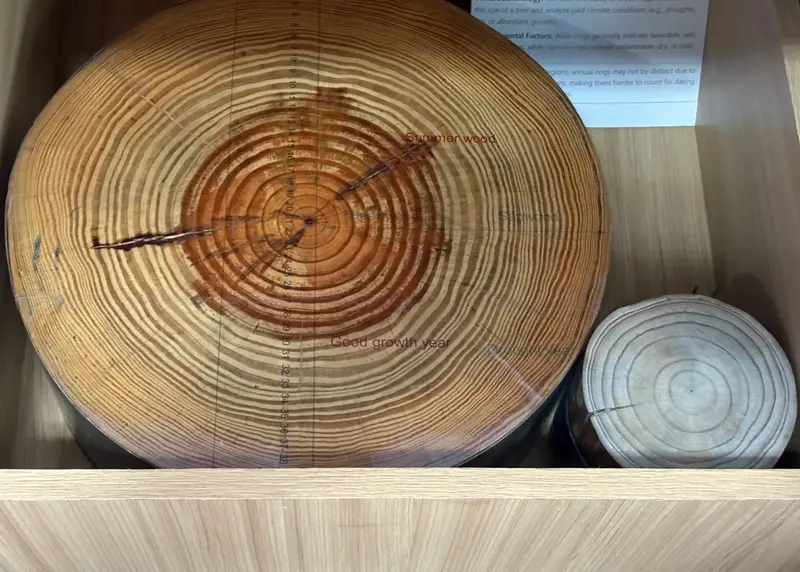
- Tree Ring Cross-Section · 6.1 Climate change
Do: Count the rings, one for each year: wide ones mark good growing years, narrow ones drought or stress. Like ice cores, old trees keep a record of past climate.
Ask: Which ring marks a poor growing year, and what might have caused it? What can rings like these tell scientists about past climate?
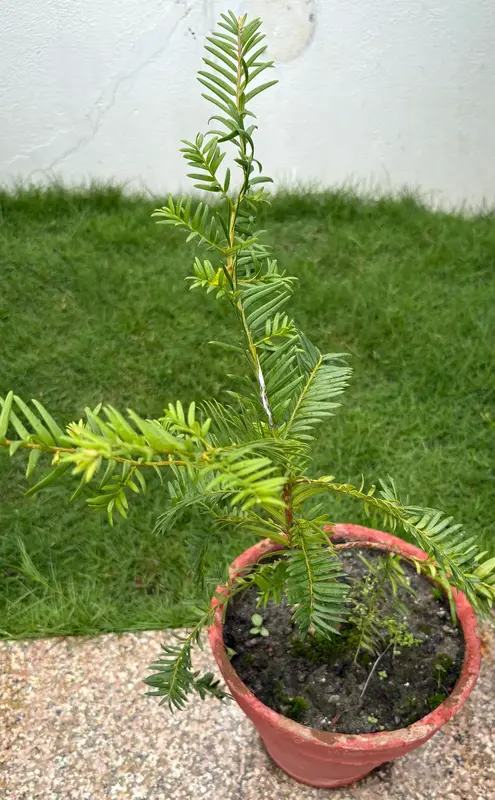
Ground Floor - Lauth Salla (Himalayan Yew) · 6.3 Conservation of endangered and rare plants
Do: This young lauth salla grows in a pot: raising saplings in nurseries, instead of taking from the wild, is one way to conserve rare plants.
Ask: Why did lauth salla become endangered? How does raising it in a pot help?
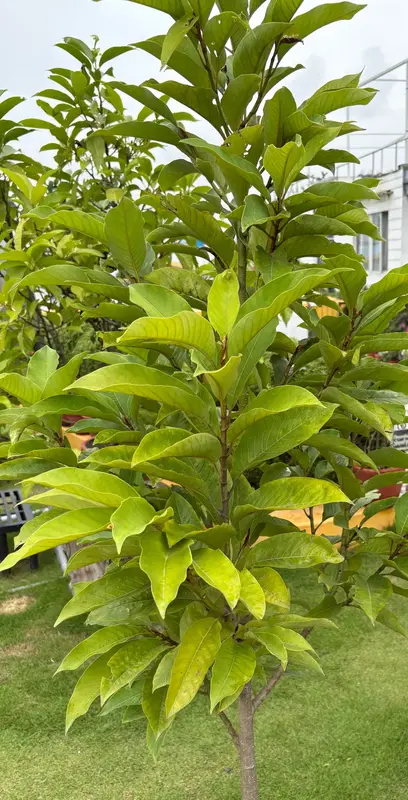
- Golden Champa · 6.3 Conservation of endangered and rare plants
Do: Get to know champ, a tree the book lists among Nepal’s plants that are getting fewer, collected for its timber and sweet-smelling flowers.
Ask: Look at the leaves and the trunk. What do people collect champ for, and why is it getting fewer in Nepal’s forests?
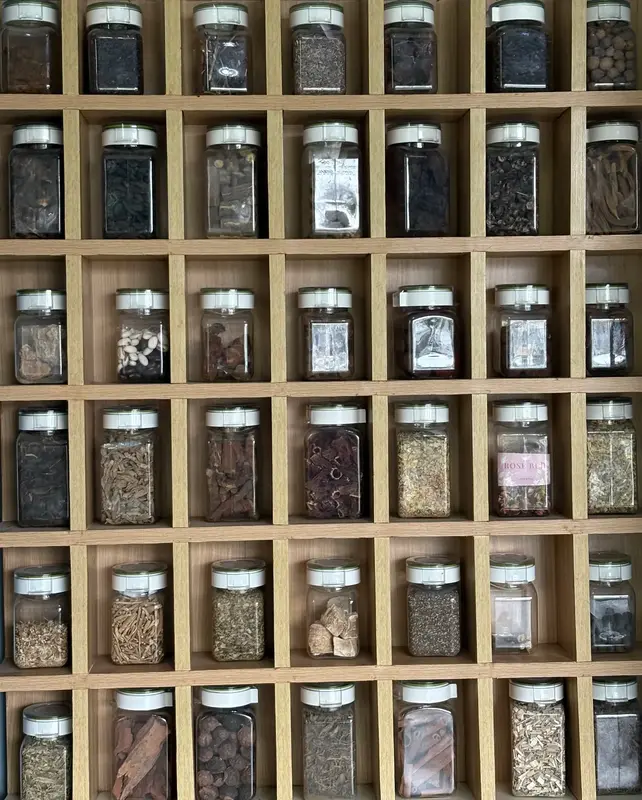
- Medicinal and Culinary Herbs of Nepal · 6.5 Medicinal plants traditionally used in Nepal
Do: Many of these dried herbs of Nepal are used in traditional remedies; can you find any whose living plants grow in our garden?
Ask: Which of these herbs also grow in our garden? Why do dried herbs keep for months without rotting?
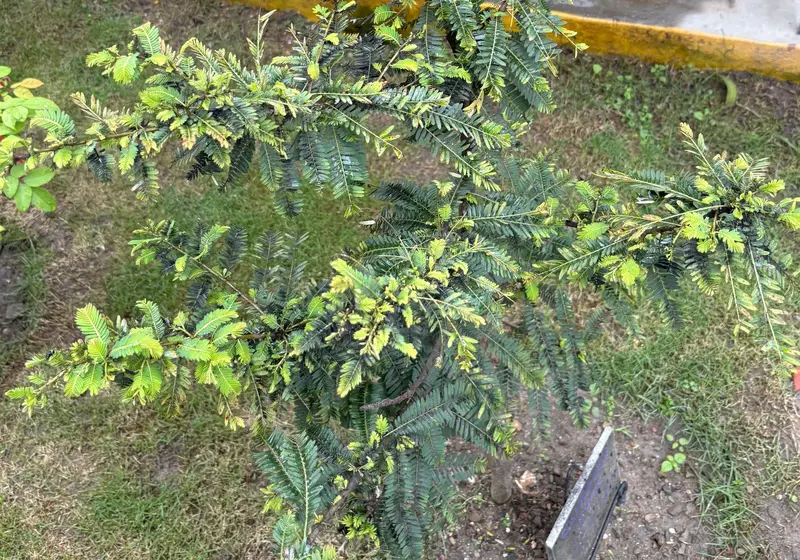
Ground Floor - Amla (Indian Gooseberry) · 6.5 Medicinal plants traditionally used in Nepal
Do: Amla, rich in vitamin C, is one of the three fruits of triphala; see its tiny leaves lined up in two rows along each twig.
Ask: Look along a twig: is it one feathery leaf, or many tiny leaves in two rows? Which part of amla goes into triphala?
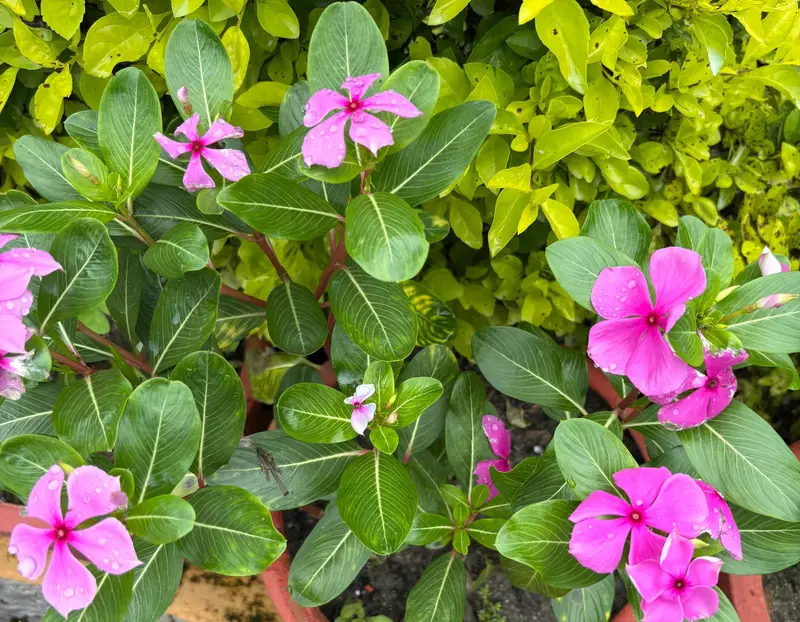
- Madagascar Periwinkle · 6.5 Medicinal plants traditionally used in Nepal
Do: This Madagascar periwinkle gave two cancer medicines, yet the plant is poisonous to eat: natural doesn’t always mean safe, so don’t pick it.
Ask: This plant gave two cancer medicines, yet it is poisonous to eat. What does that tell you about natural remedies?
Watch for
- “Natural means safe.” The periwinkle is poisonous to eat, and many traditional uses have never been tested: no herb should be taken as medicine without asking a doctor.
Before the visit
Do Activity 6.5 (medicinal plants in your area): a list to check against the jars and garden.
After the visit
Do Activity 6.4 (my favorite rare animal or plant) on lauth salla, champ or another plant seen.
Unit 7
Motion and Force
Students weigh themselves on a lever and see air resistance at work on paper shapes, the two ideas behind the book’s difference between mass and weight and between real falls and free fall.
CDC learning outcomes this visit supports
- 7.3Introduce the force of gravity and calculate the weight of an object.
- 7.4Explain free fall.
- 7.5Describe the effect of air resistance on a falling object, and find its uses in daily life.
At the center
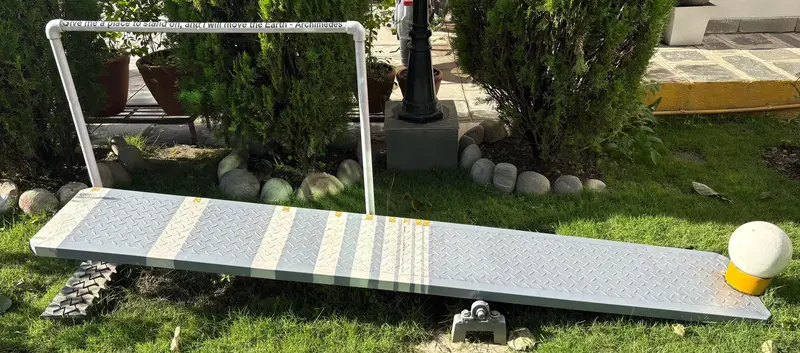
- Walk Your Weight · Mass and weight
Do: Like a beam balance, the plank balances your weight against the other side: it would read the same on the Moon, so it really compares masses.
Ask: Where does a lighter friend tip the plank? On the Moon, would you tip it at the same number? So does it compare weight or mass?
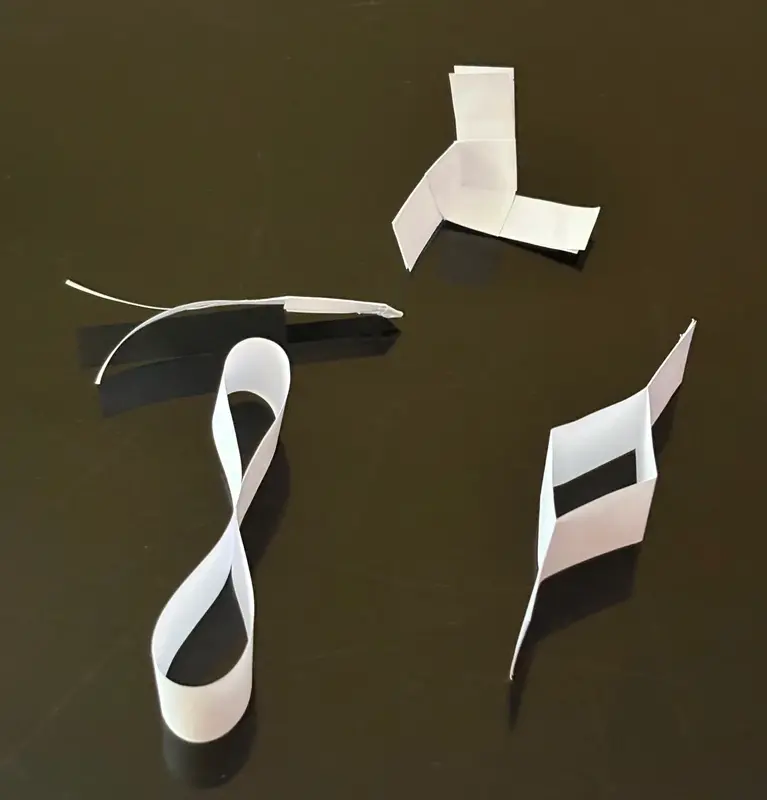
Grounds - Flying Paper Shapes · Free fall
Do: Air resistance pushes up on these paper shapes, so they fall far slower than a stone: true free fall happens only in a vacuum.
Ask: In a vacuum, would a paper shape and a stone fall together, and with what acceleration?
Second Floor
Watch for
- Students think heavier things fall faster. With no air everything falls with the same acceleration, g; air resistance slows light, wide things most.
- Students use mass and weight as one word. Your mass is the same on the Moon; your weight there is about a sixth.
Before the visit
Do Activity 7.3 (paper, paper ball and stone): air, not mass, slows the flat sheet.
After the visit
Do Activity 7.6, Making a model of a parachute, and explain its slow fall.
Unit 8
Pressure
Two stops show density deciding what floats: glass bulbs that rise and sink as the liquid warms and cools, and wax that rises when heated and sinks when cooled.
CDC learning outcomes this visit supports
- 8.2Introduce the upthrust that liquids and gases produce.
- 8.3State and demonstrate Archimedes’ principle, and find its uses in daily life.
At the center
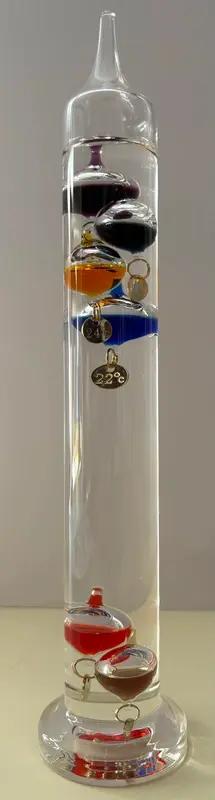
- Galileo Thermometer · Flotation
Do: Each sealed bulb rises if it is less dense than the liquid and sinks if it is denser; as the liquid warms, its density falls and the bulbs sink one after another.
Ask: Why does warmer, less dense liquid give a bulb less upthrust?
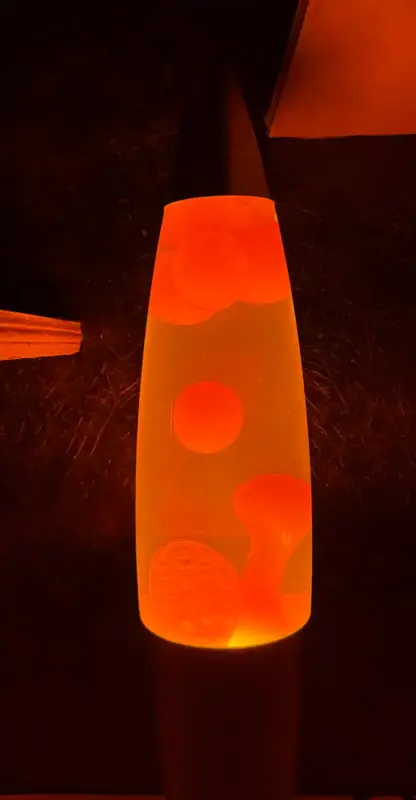
First Floor - Lava Lamp — Convection in Motion · Flotation
Do: Like the air in a hot-air balloon, heated wax expands and becomes less dense than the liquid around it, so it rises; cooled at the top, it sinks again.
Ask: Is the upthrust on a warm blob more or less than its weight?
Ground Floor
Watch for
- Students think heavy things sink and light things float. What decides it is density compared with the liquid: a bulb floats while it is less dense than the liquid around it.
Before the visit
Do Activity 8.4, Observation of Upthrust (the first 8.4: a bottle pushed into water).
After the visit
Do Activity 8.6, Observation of the state of sinking and floating (two pieces of foil).
Unit 9
Heat
Students feel heat flow with their own hands, watch wax expand and rise, and read a thermometer that works by expansion and density.
CDC learning outcomes this visit supports
- 9.1Introduce thermal energy, temperature and heat.
- 9.2Explain the effect of heat on the motion of molecules and on the volume of an object, and find the importance of the anomalous expansion of water.
At the center
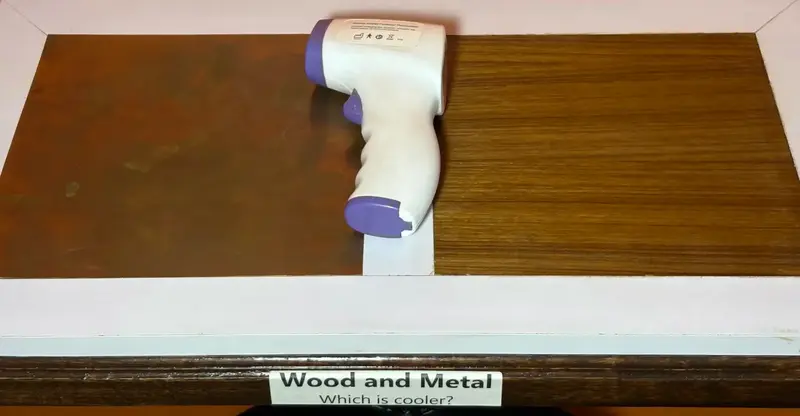
- Which Feels Cooler? · Thermal energy, heat and temperature
Do: Two materials at one temperature feel different: your skin senses heat flowing out of it, not temperature.
Ask: If both were equally hot, hotter than your hand, which would feel hotter, and why?
First Floor - Lava Lamp — Convection in Motion · Effect of heat on volume
Do: Heated at the bottom, the wax expands: its particles move farther apart, its volume grows and its density falls, so it rises.
Ask: What happens to the particles of the wax as it is heated? Why does that make it rise?
Ground Floor - Galileo Thermometer · Measurement of temperature
Do: A thermometer that uses density, which changes with temperature: read the tag on the lowest bulb that is still floating.
Ask: As the room warms, the liquid expands. What happens to its density, and why do the bulbs then sink one by one?
First Floor
Watch for
- Students conclude the metal really is colder. Both are at room temperature; the metal feels colder because it conducts heat away from the hand faster.
Before the visit
Do Activity 9.2 (the ball and ring): heated particles move farther apart.
After the visit
Do Activity 9.4 (make your own Celsius scale) and compare its smallest step with the bulbs’.
Unit 10
Wave
The unit with the most to see: light trapped in fibers, white light spread into colors, three kinds of convex lens, a real image on a screen like the one on the retina, and a test of color vision.
CDC learning outcomes this visit supports
- 10.2Introduce the total internal reflection of waves, and state the uses of the total internal reflection of light and sound.
- 10.3Demonstrate the dispersion of light and identify its uses in daily life.
- 10.4Define the terms used with lenses, and show refraction through a lens with ray diagrams.
- 10.5Demonstrate how a lens forms images of objects at different distances, draw their ray diagrams, and describe the images formed.
- 10.7Describe with a diagram how the human eye forms an image.
- 10.9State the effects of an injury to the cornea on sight, and introduce problems such as night blindness, cataract and color blindness.
At the center
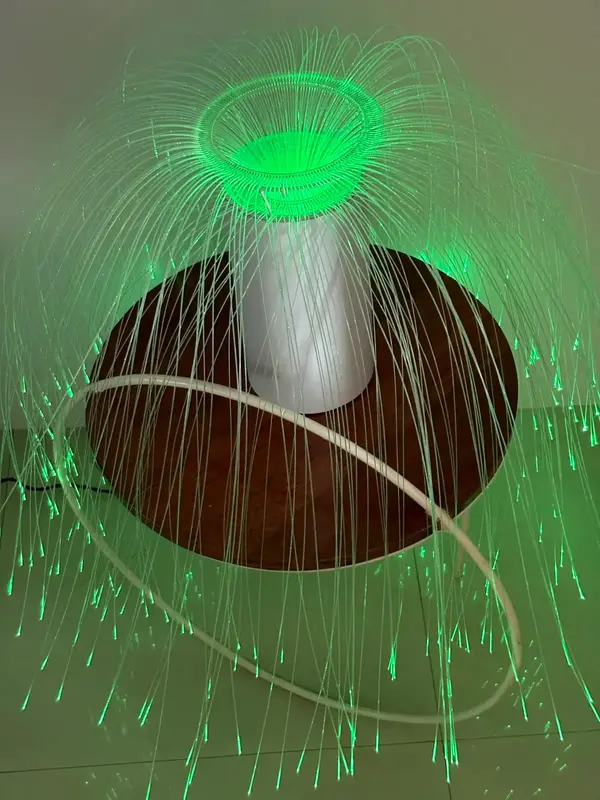
- Total Internal Reflection · Total internal reflection of light
Do: Light inside each fiber meets its wall at more than the critical angle and is totally reflected, so it stays inside and comes out at the tip.
Ask: Why does the light stay inside a fiber even where it bends? What must the angle of incidence be greater than?
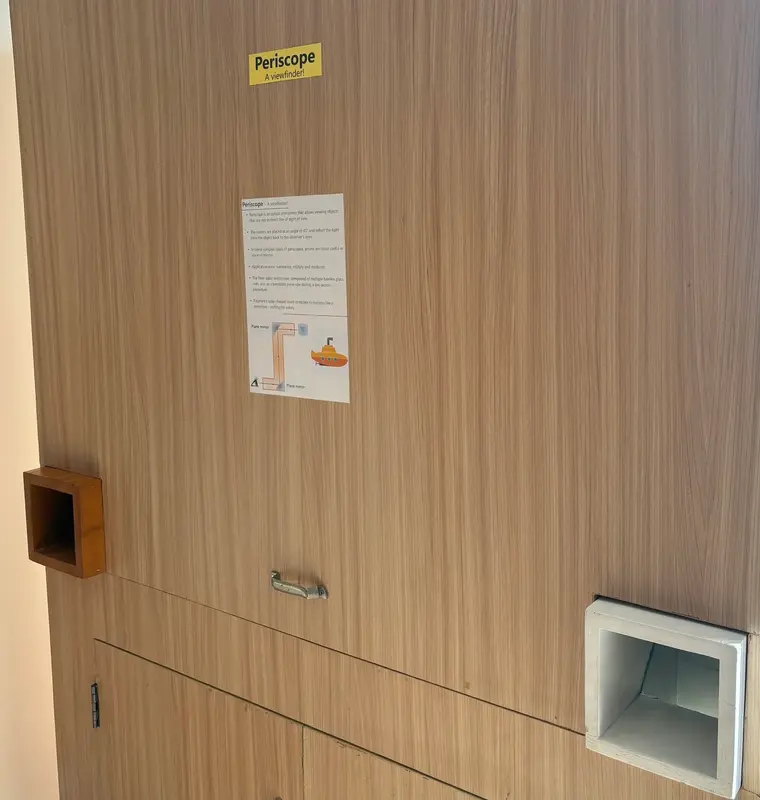
Ground Floor, under the stairs - The Periscope · Total internal reflection of light
Do: This periscope turns light with two mirrors at 45°; a prism periscope does the same by total internal reflection, and loses almost no light at the turns.
Ask: Through what angle does each mirror turn the light? How could prisms do the same with less light lost?
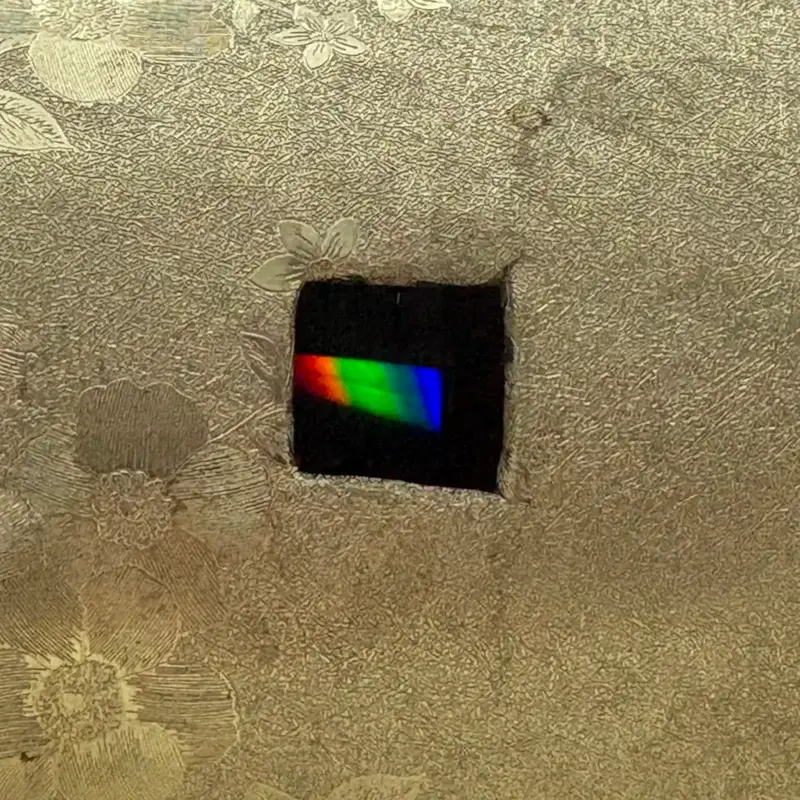
Second Floor - The Spectroscope · Dispersion of light
Do: Look into the viewing window: “white” light is spread into one continuous band of colors.
Ask: What is this splitting of white light called? Which color has the shortest wavelength?
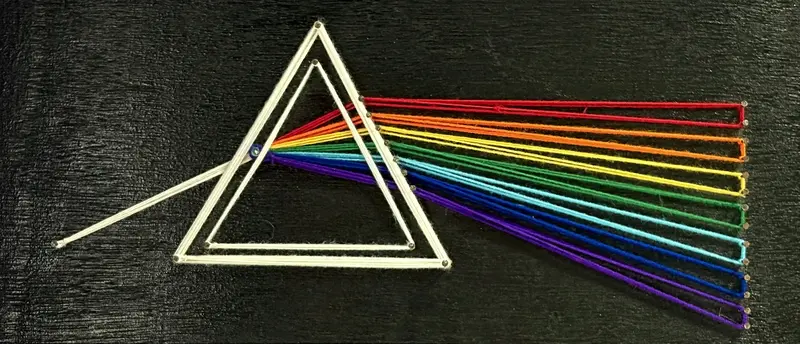
First Floor - String Prism · Dispersion of light
Do: The strings show white light fanning into colors, red bent least and violet most.
Ask: Which color is bent the most, and which the least? Why do the colors separate at all?
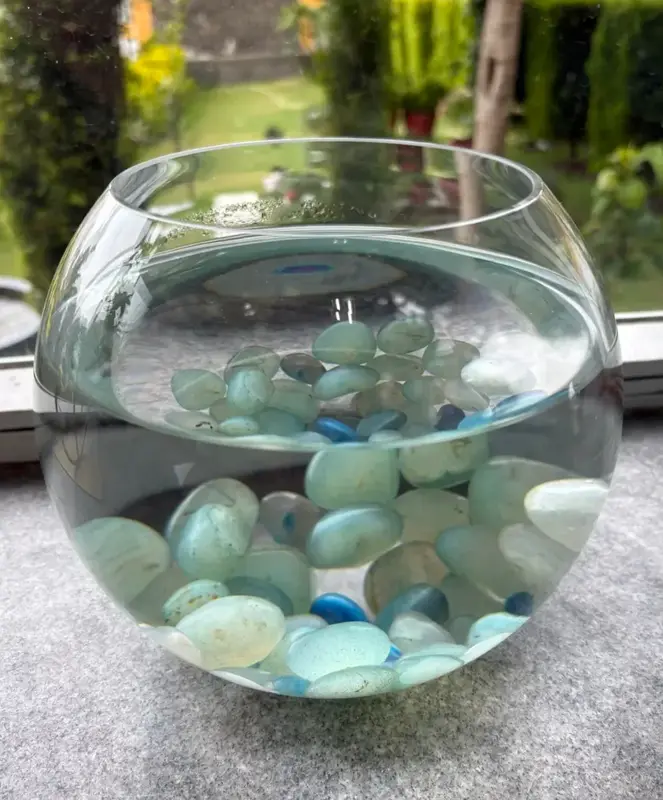
Ground Floor - The Water Bowl Magnifier · Lens
Do: Look through the round bowl of water: it bends light like a convex lens.
Ask: Which kind of lens does the bowl act like? Where do the pebbles look most out of shape, and why?
Ground Floor - The Fresnel Lens · Lens
Do: This flat sheet magnifies like a thick lens: it keeps only the curved surfaces, in rings.
Ask: Are the letters upright and bigger? Then are they nearer the lens than its focus, or farther? Is the image real or virtual?
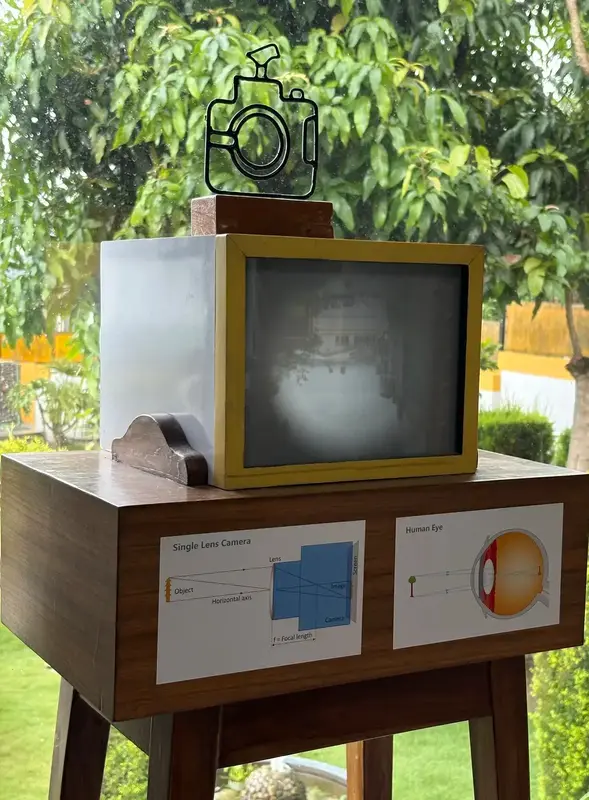
First Floor - The Single Lens Camera · Images formed by lenses
Do: Look at the screen on the front of the box: the lens throws an upside-down real image of the world on it.
Ask: Is the image on the screen real or virtual, upright or inverted? Which part of your eye does the screen stand for?
Ground Floor - Color Vision Test · Other problems of the eye
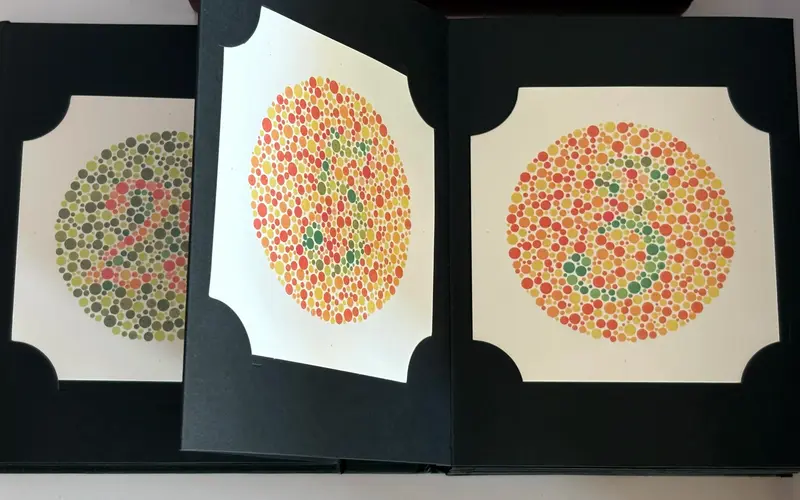
Do: Try the Ishihara plates: the numbers you can or can’t see show red–green color blindness.
Ask: Did everyone see the same numbers? Why is red–green color blindness more common in boys than in girls?
First Floor
Watch for
- Students think a prism adds the colors to the light. White light already holds them all; the prism bends each by a different amount.
- Students mix up real and virtual images. A real image can be caught on a screen, like the camera’s; a virtual one, like the magnifier’s, is seen only through the lens.
Before the visit
Do Activity 10.10, Making a hand lens; students bring it to compare with the water bowl.
After the visit
Do Activity 10.13, Observation of the image of a candle: find the image the camera makes.
Unit 11
Electricity and Magnetism
A globe held in mid-air by a coil shows the magnetic effect of a current under control, and a house lit by the sun shows where direct current comes from and how it is stored.
CDC learning outcomes this visit supports
- 11.1Introduce direct current and alternating current.
- 11.2Demonstrate the magnetic field made around a straight wire and a solenoid carrying current, and draw its field lines.
At the center
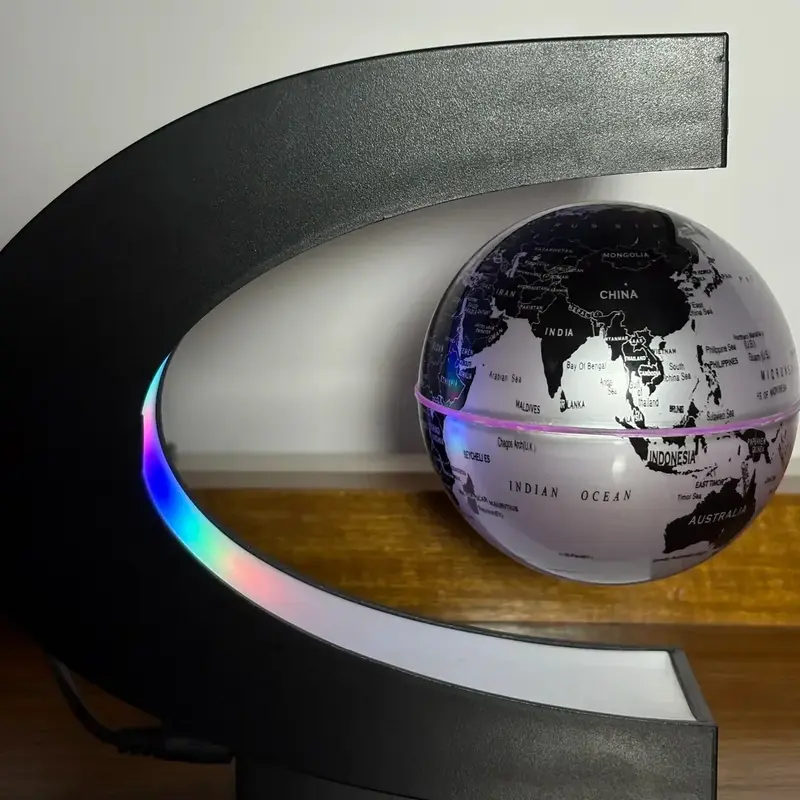
- Magnetic Levitation · The magnetic effect of electric current
Do: An electromagnet in the arm holds the globe up; a sensor changes its current many times a second, which no ordinary magnet could allow.
Ask: When the globe drops, why does more current make the coil pull harder?
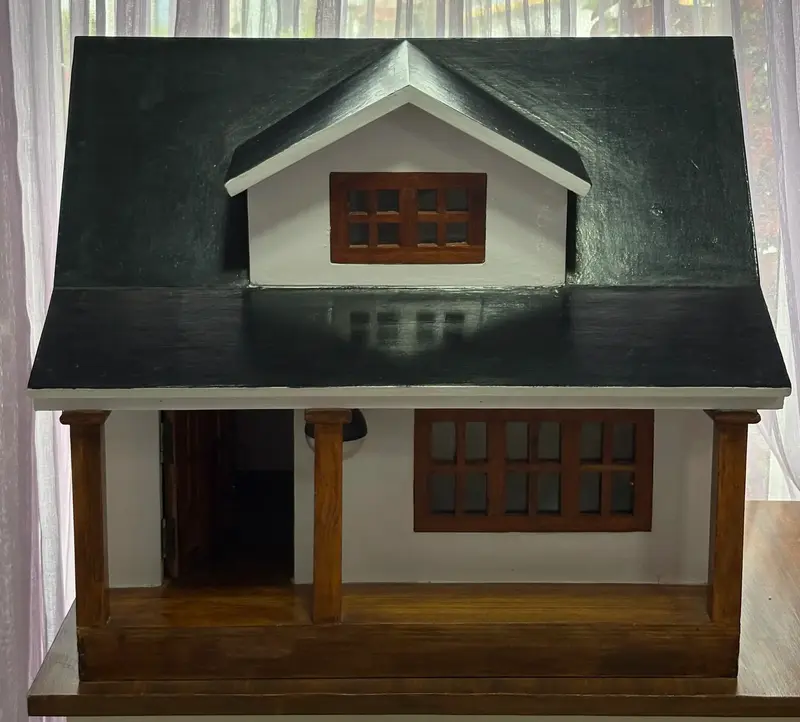
First Floor - Solar House Model · Direct current and alternating current
Do: Its solar panels give direct current, stored in a battery, just as a solar panel can charge the battery of a home inverter.
Ask: Does a solar panel give d.c. or a.c.? Which way does its current flow?
Ground Floor
Watch for
- Students think a socket and a cell give the same electricity. A cell or a solar panel gives direct current, one way only; the mains gives alternating current, which keeps reversing.
Before the visit
Do Activity 11.3, Identification of the magnetic poles of a solenoid: a coil is a magnet.
After the visit
Do Activity 11.1 (d.c. and a.c. compared), with the solar house as an example of d.c.
Unit 13
Information and Communication Technology
Two stops show why signals weaken on their way and how a dish gathers them: light that spreads over four times the area at twice the distance, and a whisper carried across the garden by two curved dishes.
CDC learning outcomes this visit supports
- 13.1Introduce the digital signal, describe briefly how signals are transmitted, and give examples of their uses.
At the center
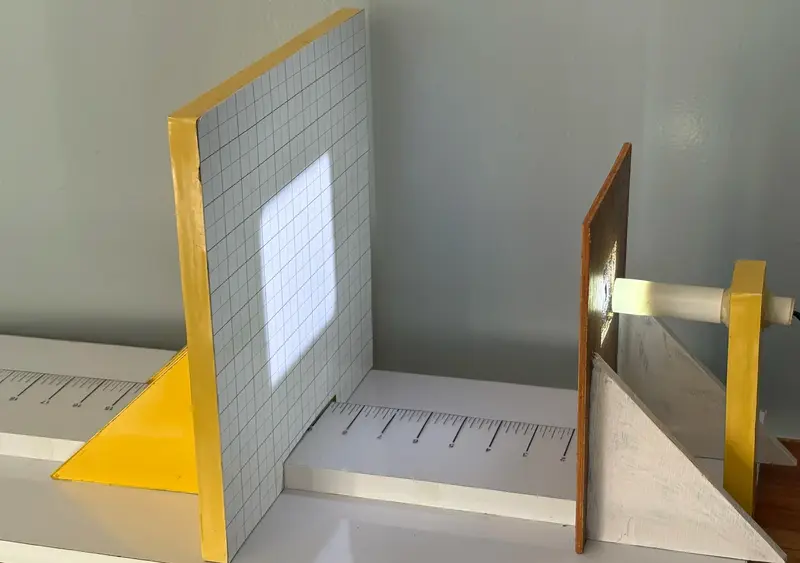
- The Inverse Square Law · Television: antenna, cable and dish
Do: Light from the lamp spreads out: twice as far, it covers four times the area. A station’s radio waves weaken the same way on their way to an antenna.
Ask: Slide the screen away from the lamp. What happens to the patch’s size and brightness? Twice as far, how many times as many squares should it cover?
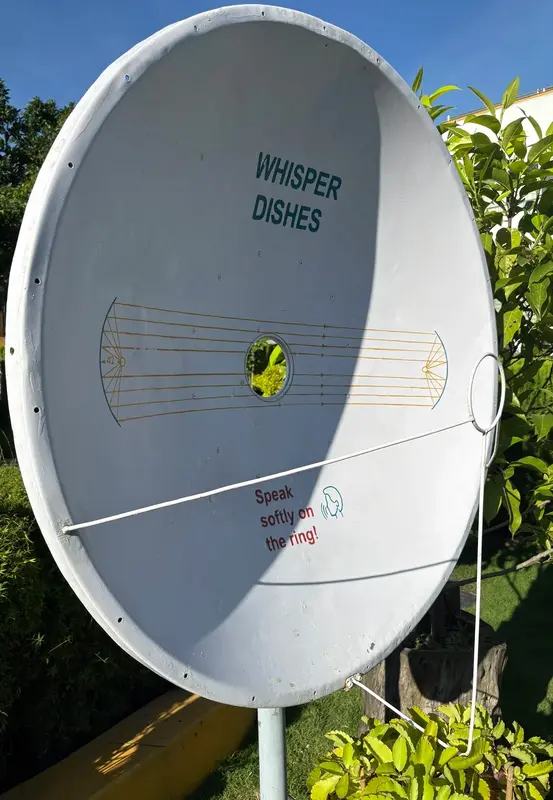
Ground Floor - Whisper Dishes — Send a Whisper Across the Garden · Television: antenna, cable and dish
Do: A curved dish gathers waves to one point, its focus: whispers here, signals from a satellite on a roof.
Ask: A satellite’s signal is weak by the time it reaches a roof. How does a dish of this shape make it strong enough at the receiver?
Grounds
Watch for
- Students think a signal arrives as strong as it was sent. Waves from a transmitter spread over a growing area and weaken with the square of the distance.
Before the visit
Do Activity 13.1, Observation of Digital Signal Graph (a signal made by a switch).
After the visit
Answer Exercise 2(b), analog and digital transmission, adding how a dish gathers a signal.
Unit 14
Classification of Elements
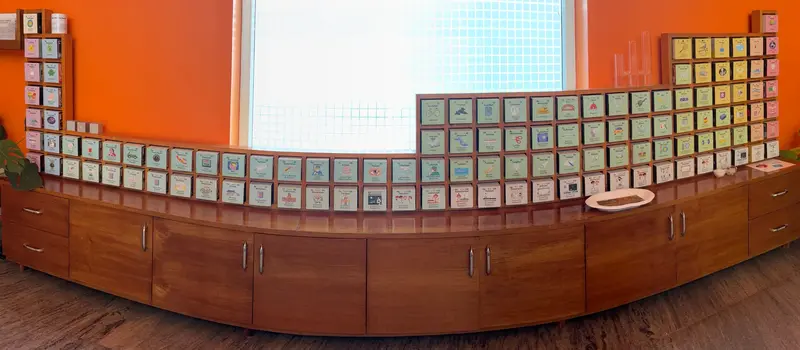
A periodic table four meters long, with every element on a cube students can pick up, makes periods and groups something to walk along.
CDC learning outcomes this visit supports
- 14.1Show an understanding of the modern periodic law.
- 14.3Explain the classification of elements in the modern periodic table.
At the center
- The Giant Periodic Table · The modern periodic table
Do: Walk along the 4-meter table: the elements go in order of atomic number, each row is a period, and each column a group of look-alikes.
Ask: Find lithium, sodium and potassium. Why are they in one group? Which two elements did Mendeleev describe before they were found?
First Floor
Watch for
- Students think the modern table is in order of atomic mass, as Mendeleev’s was. It is in order of atomic number, the number of protons.
Before the visit
Do Activities 14.2 and 14.3 (make your own table), to know the groups and families.
After the visit
Do project work 1: models of lithium, sodium and potassium, the column found on the table.
Unit 17
Metals and Non-metals
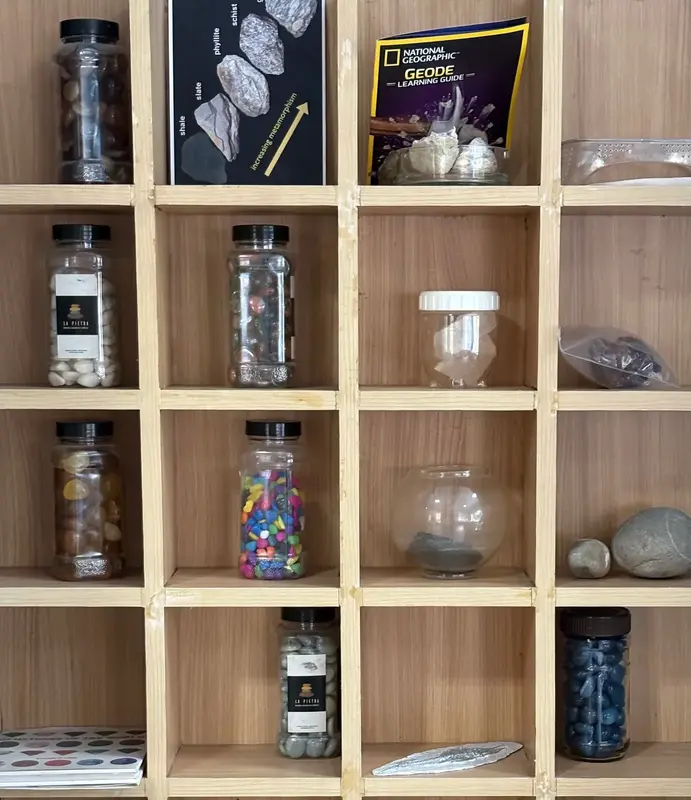
Students see the difference between a rock and a mineral: crystals grown inside a geode, a block of rock salt that is mostly one mineral, and a shelf of rocks made of several.
CDC learning outcomes this visit supports
- 17.1Introduce minerals and ores.
At the center
- Stone & Mineral Collection · Minerals
Do: Look for crystals among the specimens: a mineral is crystalline, while a rock is a mixture of one or more minerals.
Ask: Find a crystal on the shelf. Is it a mineral or a rock? How can you tell?
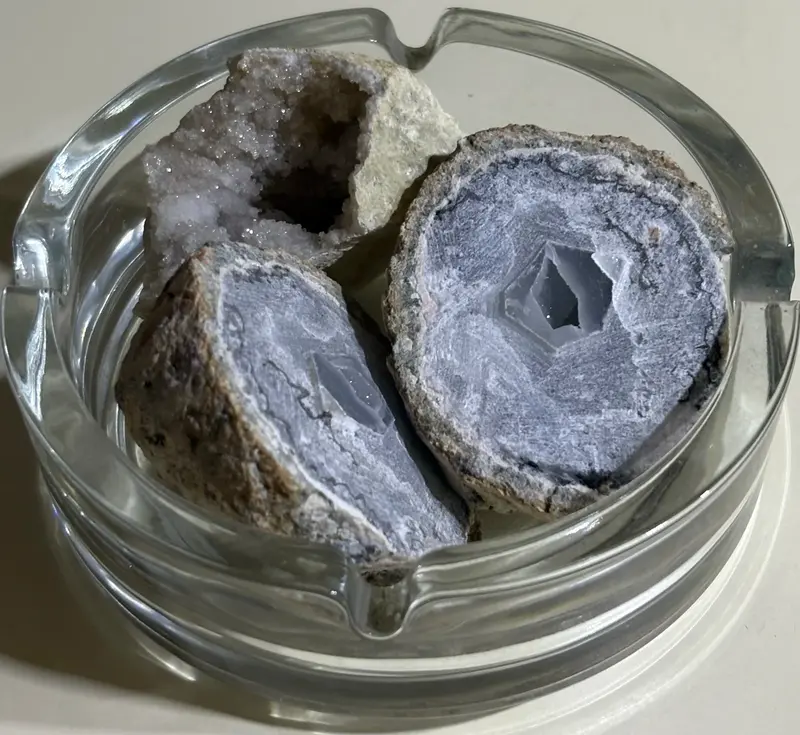
Ground Floor - Geodes · Minerals
Do: Crystals grew inside this plain rock as water carrying dissolved minerals seeped in: their flat faces show a mineral’s regular pattern.
Ask: Most geodes are lined with quartz. Which two elements make it? How do ore veins form the same way?
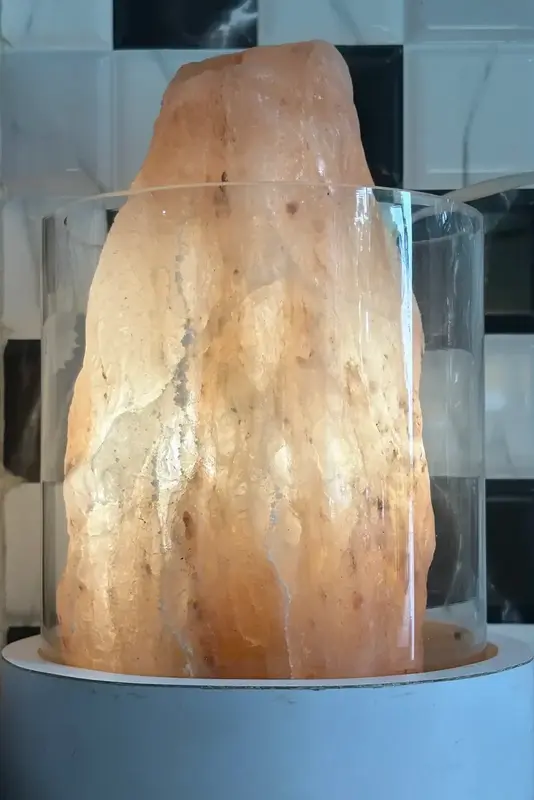
Ground Floor - Himalayan Pink Salt · Minerals
Do: This rock salt is mostly one mineral, halite: sodium chloride, with the fixed formula NaCl. Its pink comes from traces of other minerals such as iron oxide.
Ask: Which mineral is this block mostly, and what is its formula? Why is it pink?
Ground Floor
Watch for
- Students use rock and mineral as one word. A mineral has a fixed chemical formula; a rock is a mixture of one or more minerals.
Before the visit
Do Activity 17.1 (an ore chart), so students know some ores by name.
After the visit
Answer Exercise 2(a): all ores are minerals, but not all minerals are ores. Why?
Math on the same visit
Where an exhibit shows this year’s mathematics, from Grade 10 Math, Explained. These stops are in the rounds above, so a Math teacher can come along or set the questions.
Math · Unit 15
Trigonometry
The sun’s angle of elevation is too far away to measure with a protractor, yet students can find it from their own height and shadow on the garden round: the unit’s method, done for real.
CDC learning outcomes this visit supports
- 7Develop the idea of the angles of elevation and depression.
- 7Solve practical problems on heights and distances.
At the center
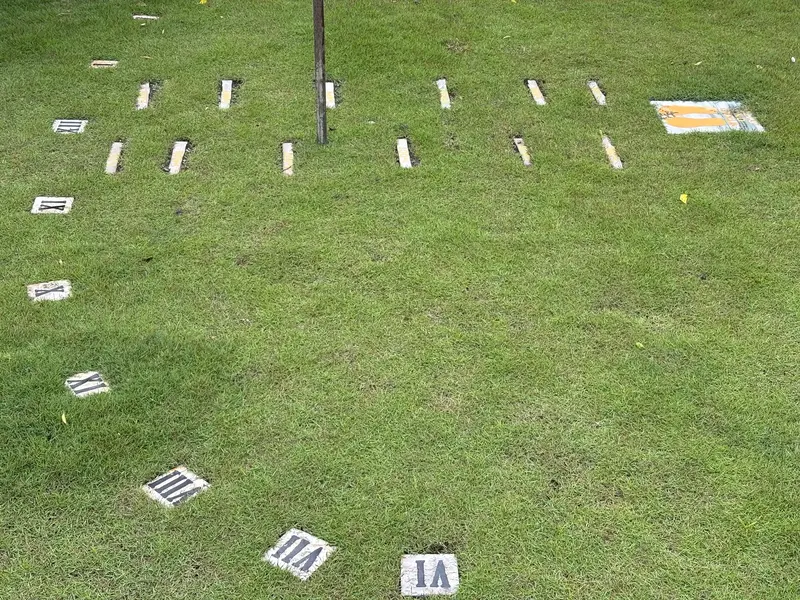
- Analemmatic Sundial · 15.1 Angle of Elevation and Angle of Depression
Do: On a sunny day, measure your shadow on the grass: your height divided by your shadow’s length is tan of the sun’s angle of elevation.
Ask: Measure a friend’s height and shadow. Is the shadow longer or shorter than they are? Work out height ÷ shadow to one decimal: that is tan of the sun’s angle of elevation. With tan 30° ≈ 0.6, tan 45° = 1 and tan 60° ≈ 1.7, between which two angles is the sun?
Grounds
Watch for
- Students measure the angle of elevation from the upright. It is measured from the horizontal, so here it is the angle at the shadow’s tip, between the ground and the line to the top of the head.
- Students think a longer shadow means a higher sun. tan θ = height ÷ shadow, so the longer the shadow, the lower the sun.
Before the visit
Do Activity 1 in 15.1 (how tall is that tree?), so students know the angle of elevation and the horizontal line it is measured from.
After the visit
Do Exercise 15, Q9 (a 20 m pole casts a shadow 20√3 m long: how long is the shadow of a 25√3 m tower at the same time?), whose first step is the sun’s angle; then find the sun’s angle at the center from the class’s own shadows.
Read Math, Unit 15 online → ·the unit’s classroom worksheet (PDF)
Optional Math on the same visit
Where an exhibit shows this year’s optional mathematics, from Grade 10 Optional Math, Explained. These stops are in the rounds above, so a Optional Math teacher can come along or set the questions.
Optional Math · Unit 9
Transformation
The periscope the waves unit visits does one of the section’s rules with real mirrors: two reflections in parallel mirrors make a translation. Students see the single transformation, not only work it out.
CDC learning outcomes this visit supports
- 3.2Present a combination of any two of reflection, rotation, translation and enlargement as a combined transformation, and show it on a graph.
At the center
- The Periscope · 9.3 Combined transformation
Do: Look through it: its two mirrors are parallel, and two reflections in parallel mirrors make a translation, so the view is not reversed.
Ask: Its two mirrors are parallel. Which single transformation do the two reflections make together? If the mirrors met at 90° instead, what would the two reflections make, and through what angle?
Second Floor
Watch for
- Students think two reflections make another reflection. They make a rotation when the mirror lines meet and a translation when they are parallel; neither leaves the picture flipped.
Before the visit
Do Activity 1 in 9.3 (one move after another): its figures (a) and (b), two reflections in lines that meet and in parallel lines, and the single transformation each makes.
After the visit
Do Exercise 9.2.1, Q2 (c) (reflections in x = 4 and then x = −1: the periscope’s parallel mirrors on a graph) and Q1 (A) (a reflection in the X-axis and then the Y-axis: mirrors at 90°).
Read Optional Math, Unit 9 online → ·the unit’s classroom worksheet (PDF)
Planning the day
- Visits are by appointment, so book well in advance on the Book a Visit page. A visit takes about two hours; set aside three in all. A large class can split into four groups that take the rounds in turn.
- A sunny morning is best: the solar house, the garden and the shadows at the sundial all need the sun.
- Ask each student to bring a notebook, a pencil and, if they have one, a watch to time things, and each group a measuring tape for the shadows at the sundial. Before the visit, give each group two or three of the questions in this guide to answer.
- You’re welcome to come beforehand, free, to see the exhibits and plan the visit; teachers who come with the group are free too.