
Medicinal Plants
Plants people in Nepal and South Asia have used for generations in traditional medicine and daily life. They’re part of our heritage, but traditional uses are no substitute for a doctor’s advice.
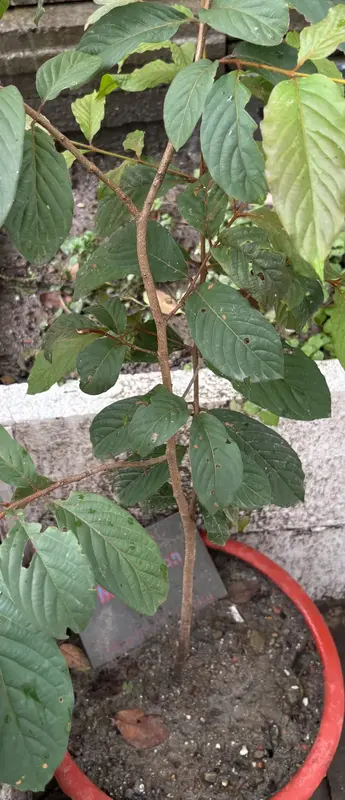
Barro (Bahera)
बर्रो
Terminalia bellirica
Barro’s fruit is one of the three fruits in Triphala, a traditional Ayurvedic remedy, along with harro and amala. This large tree grows wild in Nepal’s lowland forests.
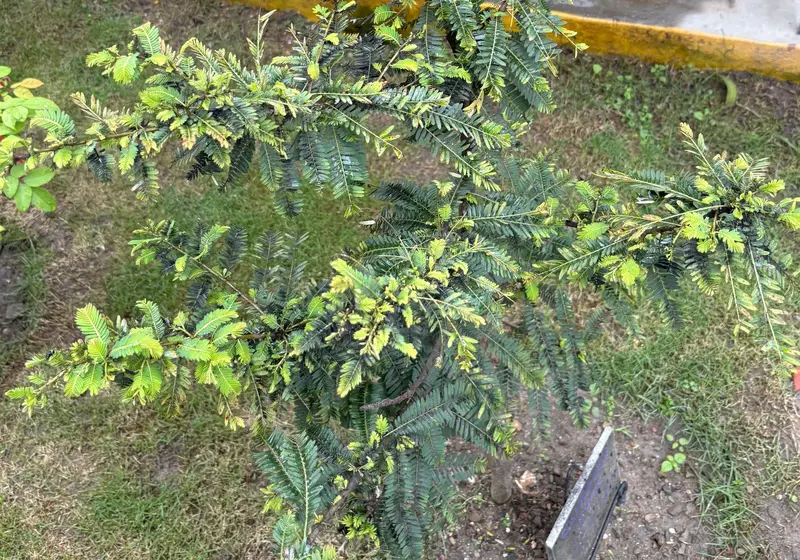
Amla (Indian Gooseberry)
अमला
Phyllanthus emblica
Its sour, pale green fruits are the third fruit of Triphala, with harro and barro, and are rich in vitamin C. Its tiny leaflets line the twigs in two neat rows, so each twig looks like one feathery leaf.
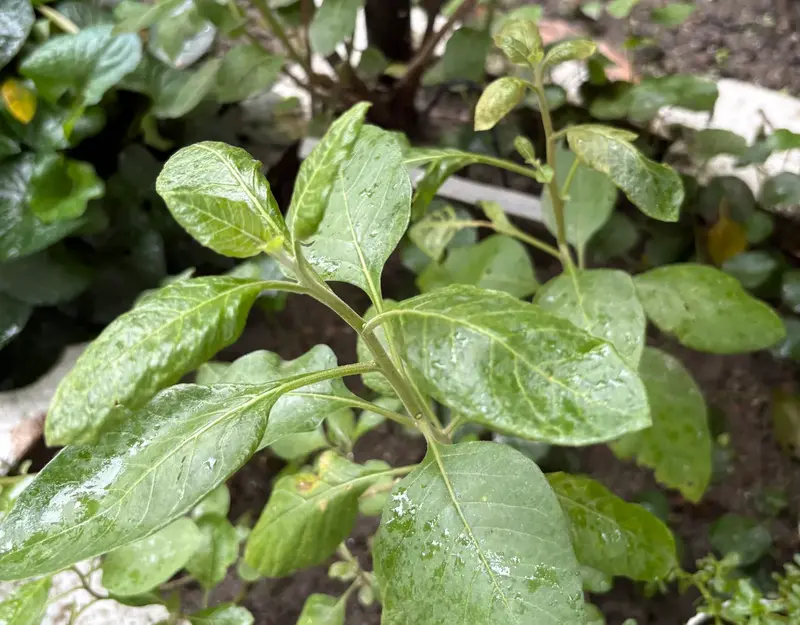
Ashwagandha
अश्वगन्धा
Withania somnifera
Ashwagandha grows as a modest, unassuming shrub, but its roots have been used in Ayurvedic medicine for thousands of years, making it one of the most researched herbs to come out of this region.
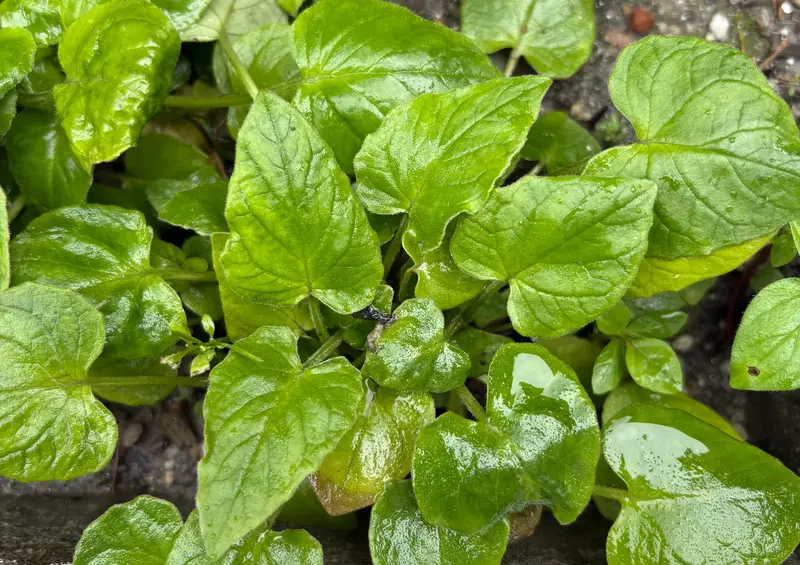
Jatamasi (Indian Valerian)
जटामसी
Valeriana jatamansi
A valerian that grows wild in the forests of Nepal’s hills, also called sugandhawal. Its roots have a strong, earthy scent and have long been used in traditional medicine and incense.
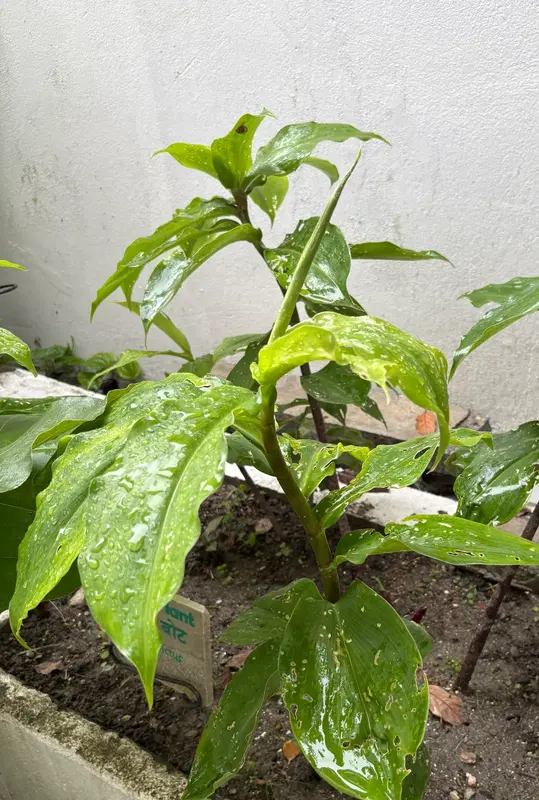
Insulin Plant
मधुमेह बोट
Costus igneus
Its name comes from a folk belief that its leaves lower blood sugar. Scientists are still studying that, so it’s no replacement for medicine. Notice how its leaves spiral up the stem.
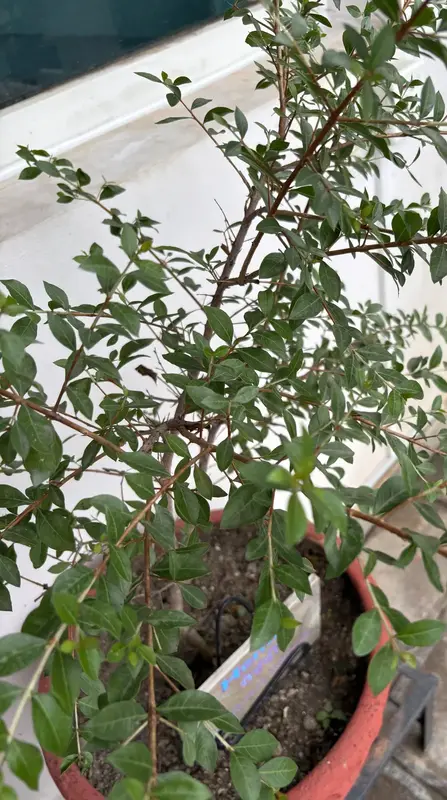
Henna
मेहंदी
Lawsonia inermis
Dried and ground, henna leaves make the paste used for mehndi designs at weddings and festivals. Its orange dye binds to the proteins in skin, nails, and hair.
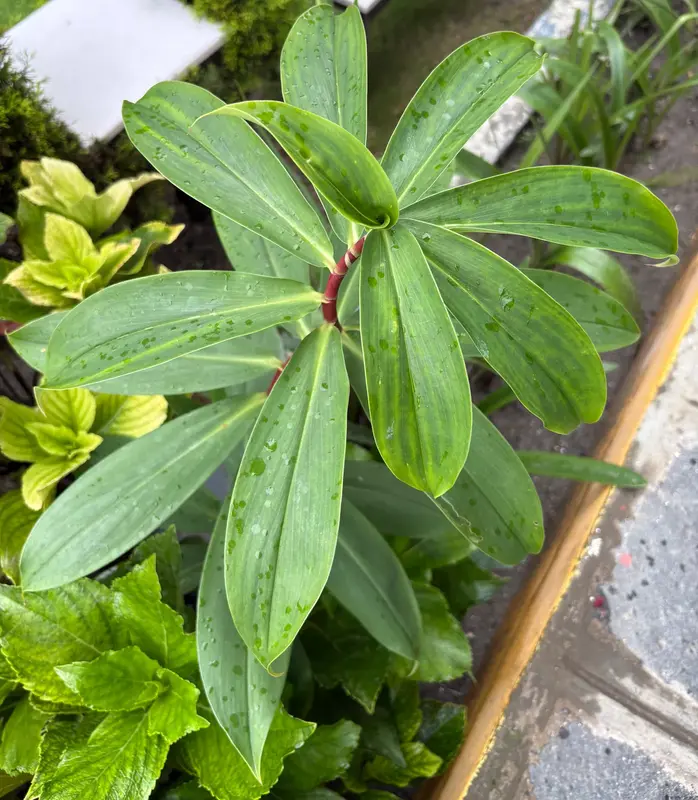
Crepe Ginger
Cheilocostus speciosus
Its leaves climb the stem in a neat spiral staircase, and its white flowers have crinkled petals like crepe paper. Its rhizome is used in traditional medicine.
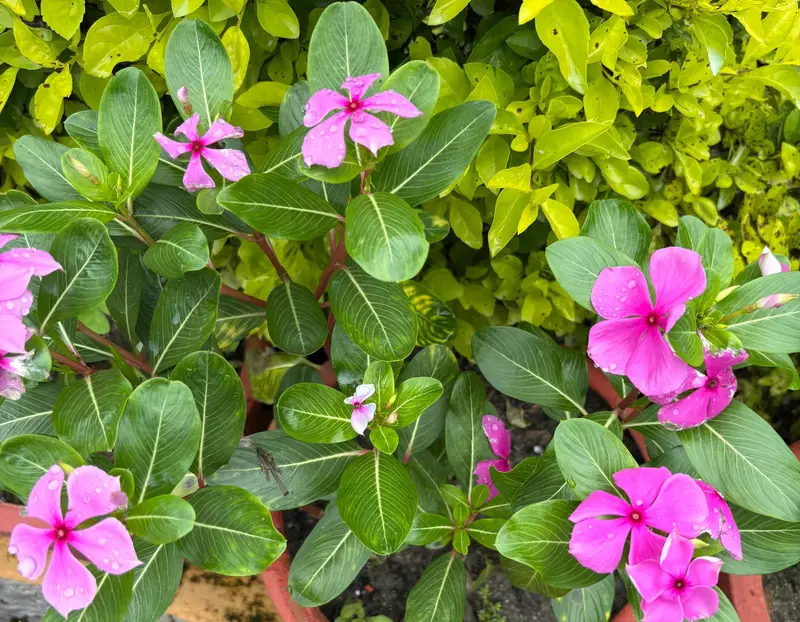
Madagascar Periwinkle
सदाबहार फूल
Catharanthus roseus
This small flower gave the world two cancer medicines, vincristine and vinblastine, which help many children with leukemia recover. The plant itself is poisonous to eat.
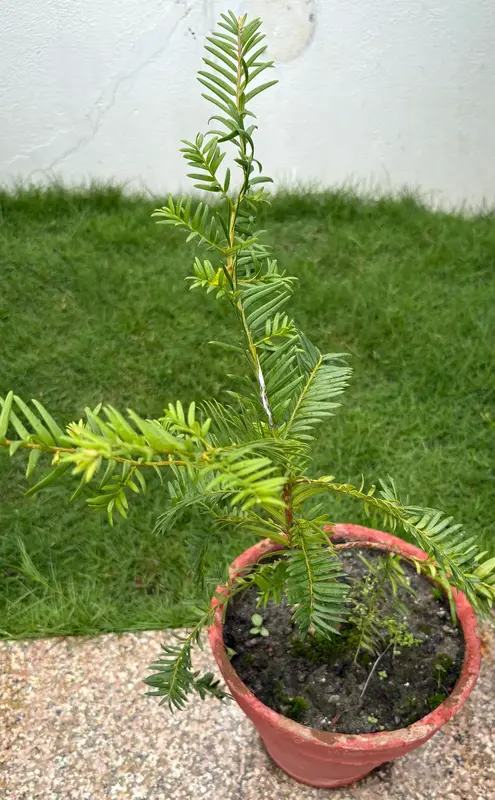
Lauth Salla (Himalayan Yew)
लौठ सल्ला
Taxus wallichiana
A conifer of Nepal’s mountain forests. Its bark and leaves contain taxanes, used to make the cancer medicine paclitaxel, and so much has been harvested that it is now protected. Its seeds and leaves are poisonous.
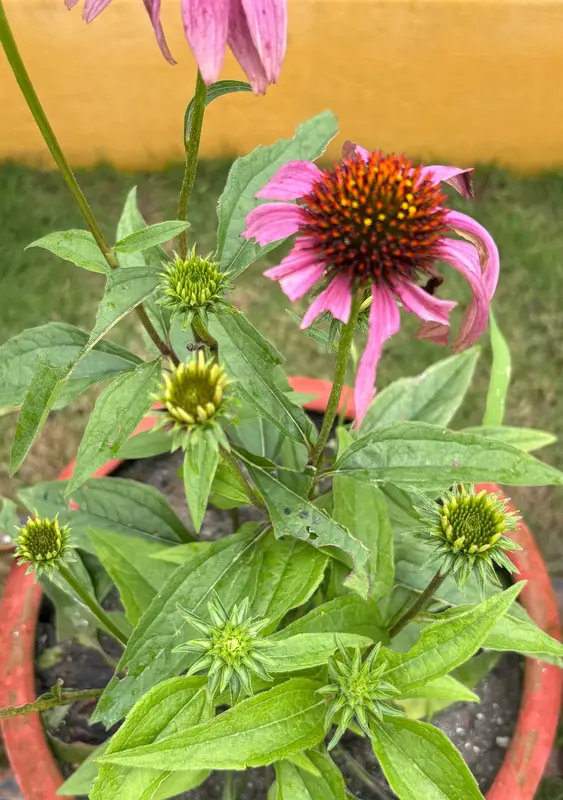
Purple Coneflower
Echinacea purpurea
Its roots and leaves, called echinacea, are used in herbal remedies for colds, though studies disagree on how well they work. Its flower is a daisy: petal-like rays around a spiky cone of tiny flowers.
More in Food and Medicine
The garden is alive and changes through the year. Some plants flower, fruit, or rest only in certain seasons, so what you see depends on when you visit.
See them for yourself
Every plant here grows on our campus in Bhaktapur. Walk the garden on your visit.
Book a Visit