
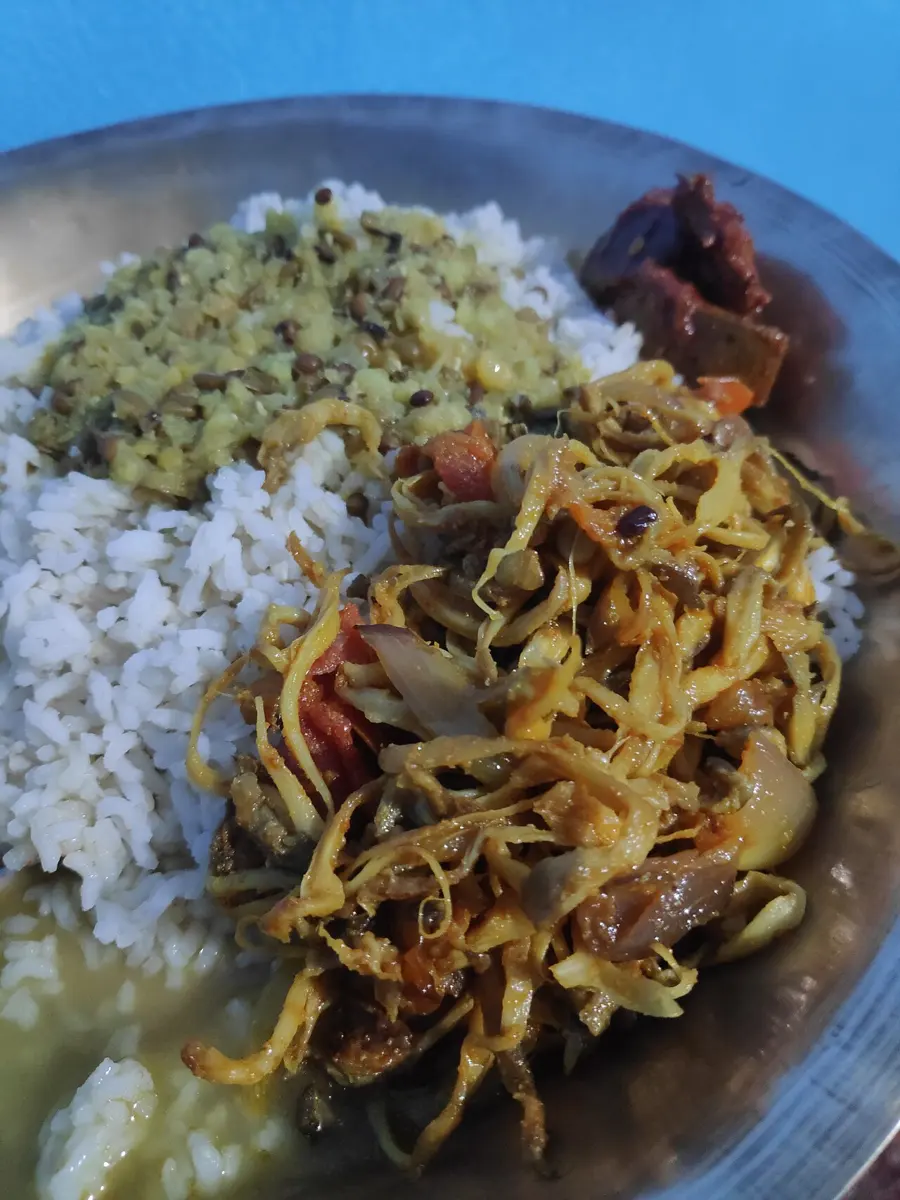
Look at a plate of dal bhat: rice, lentils, a green vegetable, a pickle. You know it is made of carbohydrate, protein and fat. But hidden in it are tiny amounts of metals that you could never see or taste: a few milligrams of iron, a little zinc, a trace of copper. Without them your body could not work: a shortage shows first as tiredness and anemia, and in time as illness. Every breath you take is caught by iron in your blood. Every leaf in a rice field catches sunlight with magnesium. Every thought you think is an electric signal made by sodium and potassium ions rushing through tiny gates in your nerve cells.
This unit is about that chemistry: the metals that living things depend on. It starts with the nutrients your body needs in large and in small amounts, then looks at what each important metal does, from calcium in your bones to cobalt in vitamin B12. Then comes a beautiful machine, the sodium–potassium pump, a protein that uses up to a third of the energy in many cells pushing ions “uphill”, and its partner that carries glucose into your cells. Last come the metals that poison: lead, mercury, arsenic, cadmium, and even iron in excess.
11.1 Introduction
Most of the chemistry of life is the chemistry of carbon: sugars, fats, proteins and DNA are organic compounds. But life also needs metals. Respiration, photosynthesis, the work of many enzymes, the carrying of oxygen in the blood, and the passing of signals along nerves all depend on metal ions. Iron in hemoglobin, cobalt in vitamin B12 and magnesium in chlorophyll are three famous examples: in each, a metal ion is held at the center of a large organic molecule and does a job that no carbon compound could do alone.
Bioinorganic chemistry is the branch of chemistry that studies the role of metals and metal-containing compounds in living things. It sits between inorganic chemistry and biology. It covers:
- a.the toxicity of metals and other inorganic substances (why lead and mercury poison us);
- b.the inorganic elements in nutrition (which elements we must eat, and how much);
- c.the inorganic elements found naturally in living things, and how they take part in the body’s chemistry;
- d.the structure and work of metal-containing biomolecules (hemoglobin, enzymes), and metal compounds used as drugs (cisplatin against cancer, lithium salts for bipolar disorder);
- e.how metals work in photosynthesis and respiration.
A bioinorganic molecule (or metallobiomolecule) is a biological molecule that contains a metal ion as an essential part, such as hemoglobin (iron), chlorophyll (magnesium) and vitamin B12 (cobalt). Many enzymes are bioinorganic: about a third of all known enzymes need a metal ion to work. Such an enzyme is called a metalloenzyme when the metal is bound tightly in it, at its active site, the pocket where the reaction happens.
Which of these is a bioinorganic molecule?
Pick an answer to see why.
11.2 Micro and macronutrients
By the amount the body needs, nutrients are of two kinds.
i. Micronutrients
Micronutrients are nutrients the body needs in small amounts (milligrams or micrograms a day) to keep its cells, metabolism and mind working: the vitamins and the minerals, including the trace elements. They give no energy, but they help the body grow and protect it from disease. Their importance:
- i.They let the body’s chemistry work: many vitamins and minerals are parts of enzymes or help them (Section 11.3).
- ii.Vitamins are needed to release energy from food, for the immune system and for healthy blood (folate and vitamin B12 to make red blood cells, vitamin K for clotting).
- iii.Some vitamins and minerals act as antioxidants, compounds that stop harmful oxidation in the body. Vitamins C and E, and the minerals selenium, zinc and copper in the enzymes that destroy reactive oxygen, protect cells from damage by free radicals. Such damage is one of the things linked with cancer, heart disease and Alzheimer’s disease; eating fruit and vegetables rich in antioxidants is good for health, though pills of single antioxidants have not been shown to prevent these diseases.
- iv.They are found in vegetables, fruits, eggs, milk, green leafy vegetables, nuts and whole grains. Too little of one causes a deficiency disease: anemia (too little iron), scurvy (vitamin C), goiter (iodine), rickets (vitamin D).
ii. Macronutrients
Macronutrients are nutrients the body needs in large amounts (grams a day): carbohydrates, proteins and fats (and water and fiber, which carry no energy). They give the energy for all the body’s work, and the material to build it. They are found in cereals, legumes (dal, beans, soya), meat, fish, eggs, milk, potatoes and nuts. Too little of them causes malnutrition: marasmus (too little food of every kind, a child wasted to skin and bone) or kwashiorkor (too little protein, a child with a swollen belly and legs). Each has its own job.
Carbohydrates
Carbohydrates are the body’s main and preferred fuel, and almost the only fuel the brain normally uses. Starch is broken down to glucose, which the blood carries to every cell, where it is “burned” in respiration. They power muscles during hard exercise and, even at rest, keep the body warm, the heart beating and the gut digesting. Sources: rice, wheat (roti, bread), maize, millet (kodo), barley, potatoes and sugar. Fiber, the carbohydrate we can’t digest, keeps the gut working.
Proteins
Proteins are long chains of amino acids. They build, repair and maintain every tissue: muscles, bones, skin, blood. Every enzyme is a protein, and so are antibodies, many hormones (insulin), and hemoglobin. Of the 20 amino acids, 9 can’t be made by our body and must come from food. Sources: dal, beans, chickpeas, soya, milk, curd, paneer, eggs, meat, fish, nuts and seeds.
Fats
Fats store energy (they give more than twice as much as the same mass of carbohydrate, about 37 kJ/g against 17 kJ/g), make the membranes round every cell, make some hormones, keep the body warm, and carry the fat-soluble vitamins A, D, E and K into the body. Sources: ghee, butter, mustard oil, other cooking oils, nuts, seeds, fish and milk.
How much of each?
For good health, the energy in an adult’s food should come in roughly these shares (the acceptable ranges of the US National Academies, widely used):
| Carbohydrate | Protein | Fat |
|---|---|---|
| 45–65 % | 10–35 % | 20–35 % |
Which of these is a macronutrient?
Pick an answer to see why.
11.3 Importance of metal ions in biological systems
About 25 elements are known to be essential to humans. Besides carbon, hydrogen, oxygen and nitrogen, they include the macrominerals, needed by the gram (calcium, phosphorus, potassium, sodium, chlorine, magnesium, sulphur), and the trace elements, needed by the milligram or less (iron, zinc, copper, manganese, iodine, selenium, molybdenum, cobalt). Figure 11.4 shows how much of each metal you carry.
Metal ions and enzymes
Enzymes are biological catalysts (biocatalysts): proteins that speed up the reactions in living things, often millions of times, without being used up. Many need a metal ion or another small helper to work, called a cofactor. A metal ion in an enzyme can:
- hold the reacting molecule in the right place (Mg²⁺ holds ATP in nearly every enzyme that uses it);
- pull electrons towards itself, making a molecule bound to it easier to attack (Zn²⁺ in carbonic anhydrase makes a water molecule give up H⁺);
- take electrons and give them back, by changing its oxidation state (Fe²⁺ ⇌ Fe³⁺, Cu⁺ ⇌ Cu²⁺), which is how respiration passes electrons along.
Enzymes can also be taken out of cells and used in industry: in biological washing powders (protein- and fat-digesting enzymes), in making glucose syrups and sweeteners from starch, in changing antibiotics, and in medical test strips (a blood glucose meter uses the enzyme glucose oxidase).
What metal ions do in the body
Metal ions in living things do six main jobs:
- i.regulate what happens inside cells: Ca²⁺ is a signal that starts muscle contraction, the release of hormones and of nerve chemicals;
- ii.act as cofactors of enzymes, controlling the body’s chemical pathways;
- iii.form structures that carry things: iron in hemoglobin carries oxygen, and iron and copper carry electrons;
- iv.keep the osmotic pressure of body fluids right (Na⁺ outside cells, K⁺ inside), and with it the water in each compartment;
- v.balance charges and hold structures together: Mg²⁺ balances the negative charges of DNA and ATP, Zn²⁺ holds proteins in shape, Ca²⁺ builds bones and teeth;
- vi.make up vitamins: cobalt is the heart of vitamin B12.
The important metals, one by one:
a. Sodium (Na⁺)
- i.With chloride, it is the main positive ion outside cells (in blood plasma, about 145 mmol/L), so it sets the osmotic pressure of the body’s fluids and the flow of water across cell membranes; the kidneys keep the body’s water by controlling its sodium.
- ii.Its rush into a nerve cell makes the nerve impulse (Section 11.4).
- iii.Its flow into cells drives the uptake of glucose and amino acids from the gut and kidney (the sodium–glucose cotransporter, Section 11.4).
- iv.As sodium hydrogen carbonate in the blood, it is part of the main buffer that keeps the blood’s pH near 7.4.
- v.Too much (from salty food) raises blood pressure: the WHO advises less than 5 g of salt a day.
b. Potassium (K⁺)
- i.It is the main positive ion inside cells (about 140 mmol/L), and with sodium it sets the cell’s electric charge, so it controls nerve impulses and muscle contraction, including the heartbeat. Too little or too much K⁺ in the blood upsets the heart’s rhythm.
- ii.In plants, K⁺ moving into the guard cells makes them swell, which opens the stomata; moving out, it closes them.
- iii.It keeps up the turgor pressure that holds plant cells firm (K is one of the three main fertilizer elements, N, P, K).
- iv.It is needed by ribosomes to make proteins, and activates many enzymes.
- v.Eating enough potassium (fruits, vegetables, dal) helps lower blood pressure, and lowers the calcium in urine, which helps prevent kidney stones.
c. Magnesium (Mg²⁺)
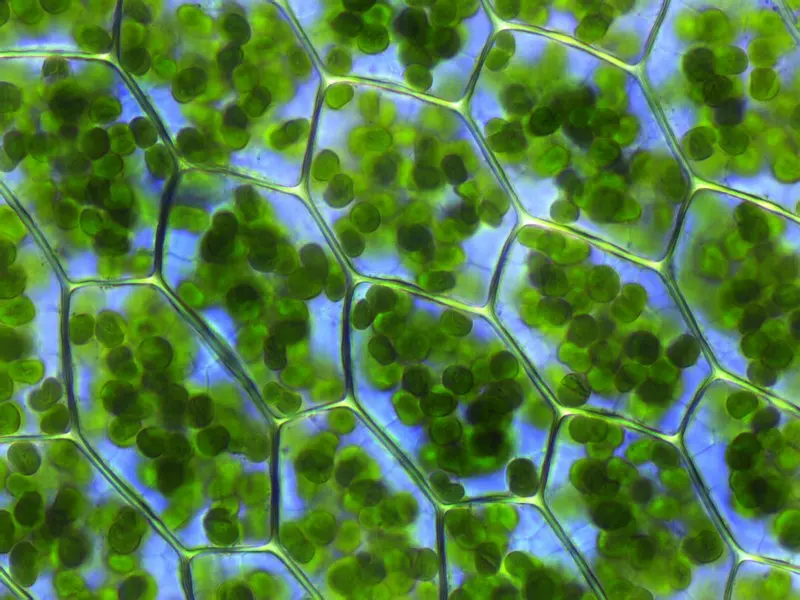
- i.It is the metal at the center of chlorophyll (Figure 11.5), so photosynthesis in green plants depends on it; leaves of a plant short of magnesium turn yellow between their veins.
- ii.In cells, ATP is held as an Mg–ATP complex: Mg²⁺ binds the negative phosphate groups (the P–O–P, pyrophosphate, links) of ATP. Every enzyme that uses ATP, or splits it to ADP to release energy, works on Mg–ATP.
- iii.It is a cofactor of over 300 enzymes, including those that make DNA, RNA and proteins, and it holds the two halves of every ribosome together.
- iv.It balances the negative charges of DNA and RNA, keeping them stable.
- v.About 60 % of the body’s magnesium is in the bones and teeth, which it helps keep strong.
- vi.It helps control blood glucose (insulin needs it) and blood pressure, and the electrolyte balance of the body.
Look at heme (Figure 11.1) and chlorophyll (Figure 11.5) side by side. They share the same kind of large flat ring, built from four smaller nitrogen-containing rings, with its four nitrogen atoms pointing in to hold a metal ion. Each nitrogen gives a lone pair to the metal: these are coordinate bonds Grade 11: Unit 5. In blood the ring holds Fe²⁺ and catches oxygen; in leaves it holds Mg²⁺ and catches light. Living things use the same tool for two very different jobs.
d. Calcium (Ca²⁺)
- i.With phosphate, as hydroxyapatite, Ca₁₀(PO₄)₆(OH)₂, it makes bones and teeth hard: 99 % of the body’s calcium is there.
- ii.Ca²⁺ is a signal inside cells: a rush of Ca²⁺ starts muscle contraction (and its removal lets the muscle relax), the release of chemicals at nerve endings, and the release of hormones such as insulin.
- iii.It is needed for blood clotting: several clotting factors need Ca²⁺ to work.
- iv.It activates enzymes, controls how many proteins work, and helps move the chromosomes when cells divide.
- v.In plants it is part of the cell wall: the middle lamella between neighboring cells is mostly calcium pectate, the glue that holds plant cells together.
e. Iron (Fe²⁺ and Fe³⁺)
- i.In hemoglobin, Fe²⁺ carries oxygen in the blood from the lungs to the tissues; in myoglobin, it stores oxygen in muscles. (About two-thirds of the body’s 4 g of iron is in hemoglobin.)
- ii.In the cytochromes and iron–sulphur proteins, iron passes electrons along by switching between Fe²⁺ and Fe³⁺, in respiration in every cell and in photosynthesis in plants.
- iii.It is in many enzymes: catalase, which destroys hydrogen peroxide, and the enzyme the thyroid uses to make its hormones.
- iv.In nitrogen-fixing bacteria (in the root nodules of beans and peas), the enzyme nitrogenase, which contains iron and molybdenum, turns nitrogen from the air into ammonia.
- v.Too little iron causes iron-deficiency anemia, the most common nutritional disorder in the world: tiredness, pale skin and breathlessness. In Nepal, 43 % of children aged 6 months to 5 years and 34 % of women aged 15–49 were anemic in the 2022 Nepal Demographic and Health Survey.
Hemoglobin carries oxygen because of
Pick an answer to see why.
f. Copper (Cu⁺ and Cu²⁺)
- i.Copper carries electrons by switching between Cu⁺ and Cu²⁺: in cytochrome c oxidase, the last enzyme of respiration, which hands electrons to oxygen in every cell, and in plastocyanin, which carries electrons in photosynthesis in plants.
- ii.The enzyme tyrosinase, which makes the dark pigment melanin in skin and hair, contains copper.
- iii.Copper enzymes cross-link collagen and elastin, so it is needed to make connective tissue (blood vessel walls, skin, bones).
- iv.It helps the body use iron (the copper protein ceruloplasmin moves iron into the blood), so a lack of copper also causes anemia.
- v.It is needed for the brain, to make some nerve chemicals, and for the growth of the fetus in pregnancy.
g. Zinc (Zn²⁺)
i. Zinc is in over 300 enzymes, and it is the only metal found in every one of the six main classes of enzyme. Carbonic anhydrase, in red blood cells, uses it to turn carbon dioxide into hydrogen carbonate, one of the fastest of all enzymes (up to a million reactions a second):
- ii.It helps the pancreas store insulin (as crystals of six insulin molecules round two zinc ions) and release it.
- iii.It is needed for growth, sexual maturation and reproduction, for making proteins and DNA, and for wound healing and immunity.
- iv.Zinc fingers, small loops of protein held in shape by a zinc ion, grip DNA and switch genes on and off (gene transcription); zinc also stabilizes the shape of many other proteins.
- v.It is needed to carry vitamin A in the blood.
- vi.In plants, zinc is needed to make the growth hormone auxin; zinc-starved crops have small leaves and stunted shoots (khaira disease of rice, a common problem in Nepal’s Terai paddies, is zinc deficiency).
h. Nickel (Ni²⁺)
- i.Nickel is essential for plants: the enzyme urease, which breaks down urea, contains two nickel ions. Urease was the first enzyme ever to be crystallized (by James Sumner, 1926), which proved that enzymes are proteins.
- ii.In many bacteria, nickel enzymes (hydrogenases) take electrons from hydrogen, and others make methane.
- iii.Whether humans need nickel is not settled: animal studies suggest it may help iron absorption and glucose metabolism, but no nickel enzyme is known in the human body and no deficiency has ever been seen in people. Nickel is better known for the itchy rash it gives people allergic to it, from cheap jewelry and watch straps.
i. Cobalt (Co³⁺)
- i.Cobalt is at the center of vitamin B12 (cobalamin), held in a ring like heme’s (a corrin ring). This is cobalt’s only known job in the body.
- ii.Vitamin B12 is needed to make red blood cells (DNA synthesis in the bone marrow) and to keep the nerves and brain healthy (their myelin sheath).
- iii.B12 helps two enzymes; without it, a person gets anemia and, in time, numbness, memory problems and nerve damage.
- iv.Only bacteria can make B12. Animals get it from bacteria (in their gut, or in food), so B12 is found only in animal foods: milk, curd, eggs, meat, fish. Vegetarians, many people in Nepal among them, need enough milk and curd, or B12 tablets.
j. Chromium (Cr³⁺)
- i.Chromium(III) was long thought to help insulin work, and so the body to use carbohydrates and fats and make fatty acids and cholesterol: patients fed only through a drip for years, with no chromium, developed diabetes-like symptoms that went away when chromium was added.
- ii.Later studies of chromium supplements found little or no effect, and in 2014 the European Food Safety Authority concluded that there is no convincing evidence that chromium is essential. It is still listed as a trace nutrient in some countries.
- iii.The other common form, chromium(VI) (in chromate and dichromate), is toxic and causes cancer: the two oxidation states of one metal behave completely differently in the body.
A farmer’s rice plants are short and their leaves turn yellow between the veins, though they get plenty of nitrogen. Shortage of which metal is the likeliest cause of the yellow leaves?
Pick an answer to see why.
11.4 Ion pumps (sodium–potassium and sodium–glucose pumps)
Every cell is wrapped in a cell membrane, a double layer of fat-like molecules (phospholipids) only about 5 nm thick. Ions can’t pass through its oily middle by themselves. They cross only through special proteins in the membrane: channels that let them through, and pumps that push them.
Passive and active transport
A concentration gradient is a difference in the concentration of a substance between two places, here between the two sides of a membrane.
- When a substance moves from where its concentration is higher to where it is lower, down its concentration gradient, it needs no energy, just as a ball rolls downhill by itself. This is passive transport (diffusion, through the membrane or through a channel or carrier protein).
- When a substance is moved from where its concentration is lower to where it is higher, against its concentration gradient, energy must be spent, as in pushing a ball uphill. This is active transport, and the energy usually comes from ATP.
a. The sodium–potassium pump
Your cells keep very different amounts of sodium and potassium inside and outside:
| Ion | Outside the cell (blood plasma) | Inside the cell |
|---|---|---|
| Na⁺ | about 145 mmol/L | about 12 mmol/L |
| K⁺ | about 4 mmol/L | about 140 mmol/L |
Both ions keep leaking back down their gradients, Na⁺ in and K⁺ out, through channels. The difference is kept up by a protein in the membrane of every animal cell, the sodium–potassium pump, or Na⁺/K⁺-ATPase (an ATPase is an enzyme that splits ATP). It was discovered in 1957 by the Danish scientist Jens Christian Skou. A cell has many of them: a few hundred in a red blood cell, millions in a nerve cell.
In each turn of its cycle the pump:
- carries 3 Na⁺ out of the cell and 2 K⁺ in, both against their concentration gradients;
- splits one ATP into ADP and phosphate to pay for it.
Because three positive charges go out for every two that come in, the pump also leaves the inside of the cell negative: it helps make the cell’s resting membrane potential, about −70 mV. When a nerve fires, Na⁺ rushes in through opened channels, and the pump then restores the gradients. It matters for nerve signals, the contraction of muscles including the heart, the work of the kidneys, and keeping the volume of each cell steady (water follows the ions).
How does a protein push ions? It changes shape. The phosphate taken from ATP sticks to the pump and flips it from facing inward to facing outward; when the phosphate leaves, it flips back. Step through the cycle:
For each ATP it splits, the sodium–potassium pump
Pick an answer to see why.
Why is the pump’s work called active transport?
Pick an answer to see why.
b. The sodium–glucose pump (cotransport)
After a meal, the cells lining your small intestine must take up glucose even when there is already more glucose inside them than in the gut. In the same way, your kidneys must take back nearly all the glucose filtered out of your blood. Neither can be done by diffusion. The cells use a trick: they let sodium pull glucose in.
The protein that does this is the sodium–glucose cotransporter, SGLT (sodium–glucose linked transporter). It sits in the membrane facing the gut or the kidney tubule (the apical side), and it carries Na⁺ and glucose together, in the same direction, into the cell. It can’t carry one without the other. Na⁺ flows in down its gradient (Na⁺ is low inside), and that downhill flow drags glucose in uphill, like a falling bucket on a rope lifting another.
The Na⁺ gradient, though, was made by the sodium–potassium pump on the other side of the cell (the basolateral side, facing the blood), which keeps putting the Na⁺ back out. And glucose, now plentiful inside, leaves the cell into the blood down its own gradient through another carrier, GLUT2 (glucose transporter 2), by facilitated diffusion.
So there are two kinds of active transport:
| Primary active transport | Secondary active transport | |
|---|---|---|
| Energy | directly from ATP | from the gradient of another ion (Na⁺), made by a primary pump |
| Example | Na⁺/K⁺ pump | SGLT (Na⁺–glucose cotransport) |
| Direction of the two substances | opposite (Na⁺ out, K⁺ in): an antiport | the same (Na⁺ and glucose both in): a symport |
There are six kinds of SGLT in humans; two matter most:
- SGLT1 takes up glucose (and galactose) in the small intestine, carrying 2 Na⁺ with each glucose. In the kidney it takes back the last few percent of the filtered glucose, in the last part (segment S3) of the proximal tubule.
- SGLT2 takes back over 90 % of the filtered glucose, in the first part (segments S1 and S2) of the kidney’s proximal tubule, carrying 1 Na⁺ with each glucose.
Experiments on mice in which one of the genes has been switched off (“knockout” mice) show how they share the work. Mice without SGLT1 can’t absorb glucose or galactose from their food and survive only on a diet free of them. Mice without SGLT2 pass much more glucose in their urine, but SGLT1 then takes back more than usual, up to about a third of the filtered glucose; their sodium balance and blood pressure stay normal.
Glucose, the kidneys and diabetes
The kidneys filter about 180 L of blood plasma a day, and with it about 180 g of glucose. Normally the blood glucose is about 5.5 mmol/L, and less than 1 % of the filtered glucose is lost in the urine: the SGLTs take back the rest. But the carriers can work only so fast. When the blood glucose goes above about 10–12 mmol/L, they can’t keep up, and glucose appears in the urine (glycosuria). Try it:
That is why glucose in the urine is a sign of diabetes mellitus that is not well controlled. In diabetes the kidney actually makes more SGLT2, taking back even more glucose and sodium, which keeps the blood glucose higher still. The extra sodium taken back early in the tubule leaves less sodium and chloride reaching the macula densa, a sensor further along the tubule; the kidney reads this as a fall in blood flow and responds by filtering faster (hyperfiltration) and switching on the renin–angiotensin–aldosterone system, which raises blood pressure. Over the years this strains the kidneys: about one in five people who have had diabetes for 10–20 years develop diabetic kidney disease (diabetic nephropathy), now the leading cause of kidney failure in many countries.
Much of what is known about the SGLTs comes from cells grown in dishes, pieces of gut and tubule, purified proteins and animals; the details can differ between these and between species, so they are still being worked out.
In the cells of the kidney tubule, what provides the energy to take glucose in against its gradient?
Pick an answer to see why.
11.5 Metal toxicity
Metal toxicity (metal poisoning) is the harm done by metals that build up in the soft tissues of the body: the kidneys, liver, brain, nerves, blood and lungs. Lead, mercury, cadmium and arsenic are the best-known poisons, and even iron, essential as it is, poisons in excess. Strictly, arsenic is a metalloid, not a metal, but it is always studied with the toxic metals.
How they harm the body:
- They grab sulphur. Mercury, lead, cadmium and arsenic(III) bind tightly to the –SH (thiol) groups of proteins. Many enzymes need their –SH groups to work, and lose their shape or their activity when a metal ion sits on them.
- They push out the right metal. Lead takes the place of zinc in an enzyme that makes heme, and of calcium in nerves and bones; cadmium takes the place of zinc.
- They make free radicals. Iron and copper ions turn hydrogen peroxide in cells into the very reactive hydroxyl radical, ·OH (the Fenton reaction):
Such radicals cause oxidative stress: they attack lipids, proteins and DNA, which can lead to cancer (they are carcinogenic) and damage nerves (they are neurotoxic).
So toxic metals can damage the kidneys, liver, blood, brain, nerves and lungs. How much harm a metal does depends on the dose, the route (eaten, breathed in, through the skin), its chemical form (methylmercury is far more dangerous than mercury metal swallowed), how long the exposure lasts, and the person’s age (children and unborn babies are most at risk), sex and genes.
a. Iron
- i.Iron is essential in both its forms, Fe²⁺ and Fe³⁺, but free iron, not held safely in proteins, is toxic in either form, because it makes free radicals by the Fenton reaction. The body has no regulated way to excrete extra iron, so it controls how much it absorbs.
- ii.An overdose of iron tablets irritates and damages the lining of the stomach and intestine (bleeding, ulcers), and can damage the liver. Iron tablets are a common cause of serious poisoning in young children, who take them for sweets: keep them out of reach.
- iii.Iron overload, from a genetic disease (hemochromatosis) or many blood transfusions, damages the liver, heart and pancreas, and raises the risk of liver cancer.
- iv.Eating a lot of red meat, and especially processed meat (sausages, ham), is linked with cancer of the bowel; the heme iron in it is one suspected reason.
- v.The most dangerous kinds of asbestos (crocidolite, blue asbestos, is about 30 % iron) cause lung cancer and mesothelioma in people who breathe in their fibers, such as asbestos miners and workers; the iron on the fibers, making free radicals, is thought to be part of the reason.
- vi.Free radicals made by iron damage DNA, which can lead to cancer.
b. Arsenic
- i.Arsenic is released by the mining and smelting of ores, and is found in some pesticides, herbicides, fungicides, wood preservatives, animal feeds and fertilizers; it is also used in semiconductors and was once used in paints and drugs.
- ii.Its inorganic compounds, arsenite (arsenic(III)) and arsenate (arsenic(V)), are the most dangerous. Arsenic(III) binds to the –SH groups of enzymes and switches them off; arsenate looks so like phosphate that it takes phosphate’s place and upsets the making of ATP.
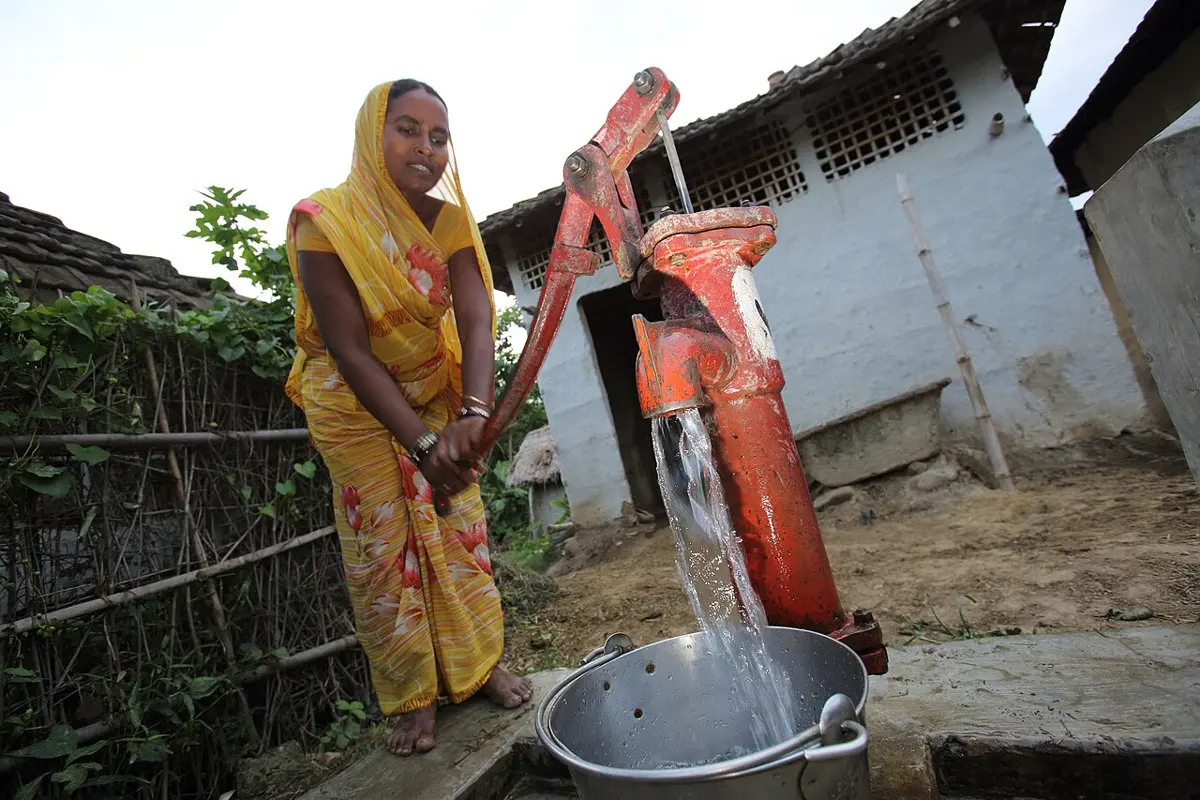
- iii.The biggest danger is natural: arsenic dissolved from rocks into groundwater. Tube wells in Bangladesh, West Bengal and Nepal’s Terai (worst around Nawalparasi) can give water with dangerous amounts. The WHO advises at most 10 µg/L in drinking water; Nepal’s standard allows 50 µg/L.
- iv.Poisoning can be acute (a large dose at once: vomiting, diarrhea, death) or chronic (small doses over years). Chronic arsenic poisoning is called arsenicosis: dark spots and hard, thick keratosis on the palms and soles, then cancers of the skin, lungs, bladder, liver and other organs, lung disease, damage to the blood vessels of the legs (peripheral vascular disease), high blood pressure, diabetes and heart disease.
c. Mercury
- i.Mercury is used in thermometers, barometers, mercury lamps (fluorescent tubes and compact fluorescent bulbs), dental amalgam fillings, as a catalyst, and in the paper and chlor-alkali industries. Small-scale gold miners use it to collect gold, the biggest source of mercury pollution in the world today.
- ii.It harms us in three forms: mercury metal, whose vapor is breathed in; inorganic salts (HgCl₂); and organic compounds, above all methylmercury, CH₃Hg⁺. In water, bacteria turn mercury into methylmercury, which builds up in fish, more in each step of the food chain (biomagnification), so eating contaminated fish is the main way people take it in.
- iii.Sources of pollution: industrial wastewater, mining, burning coal and waste, agricultural wastes, contaminated water and fish.
- iv.It affects the brain and nerves most (methylmercury is a nerve poison), and the kidneys, lungs and skin.
- v.Symptoms of mercury poisoning: tremors, numbness, poor coordination, loss of vision and hearing, depression, irritability, tiredness, headache, memory loss. Unborn babies are harmed most.
- vi.Breathing much mercury vapor inflames the lungs (pneumonitis, fluid in the lungs, scarring of lung tissue).
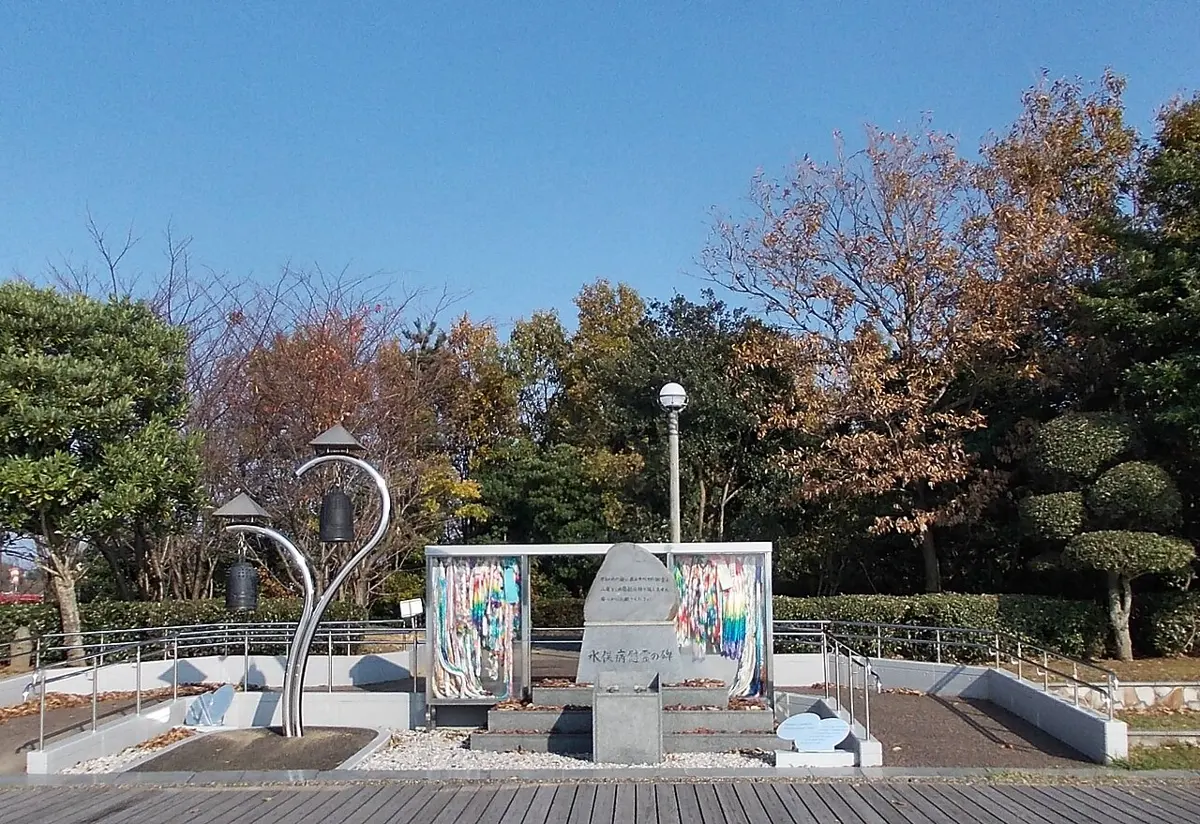
- vii.Minamata disease: from 1932 to 1968 the Chisso chemical factory in Minamata, Japan, let wastewater containing methylmercury into Minamata Bay. People who ate the bay’s fish and shellfish developed severe nerve damage; cats were seen “dancing” and falling into the sea, and babies were born damaged by mercury their mothers ate. By 2001, 2,265 people had been officially recognized as patients, and many thousands more were affected. The world’s treaty to cut mercury use, the Minamata Convention (2013), is named after it.
d. Lead
- i.Lead comes from old paints, lead–acid batteries (and their recycling), lead pipes and solder, leaded glass and glazed pottery, some cosmetics, toys and candles, and some herbal and traditional medicines; in the past, from tetraethyl lead in petrol, banned worldwide since 2021. Nepal is among the countries with a law limiting lead in paint.
- ii.It is usually swallowed (dust on hands and toys, food, water) but can also be breathed in. Children are most at risk: they put things in their mouths, absorb much more of the lead they swallow, and their brains are still growing. There is no known safe level of lead in the blood.
- iii.In children it damages the brain and nerves, lowering intelligence and causing learning and behavior problems that last for life; high levels cause convulsions and brain damage. Children with too much lead may be less playful, clumsy, irritable and slow.
- iv.In adults it raises blood pressure, damages the kidneys, nerves and reproductive organs, and can cause wrist drop (weakness of the nerves that lift the hand).
- v.It also causes anemia: lead blocks two enzymes that build heme, so less hemoglobin is made.
e. Cadmium
- i.Cadmium comes from industry (zinc smelting, nickel–cadmium batteries, pigments, alloys, electroplating, solders), from phosphate fertilizers and sewage sludge spread on fields, from polluted groundwater, and above all from tobacco smoke: smokers carry about twice as much as non-smokers.
- ii.In the blood it is carried on proteins (albumin) to the liver, where it is held by a protein called metallothionein. This complex is slowly released and filtered by the kidneys, where cadmium collects in the proximal tubule and damages it. It also collects in the pancreas, spleen, heart, lungs and testes. The body gets rid of it so slowly that half of it is still there after 10–30 years (its biological half-life).
- iii.Acute poisoning comes from breathing cadmium fumes, for example when soldering or welding with cadmium alloys: within hours, fever, chills, cough and difficulty breathing; it can turn into severe lung damage (acute respiratory distress syndrome) and death in a few days.
- iv.Chronic poisoning damages the kidneys (nephrotoxicity), the lungs, the bones (they lose minerals and break easily: osteomalacia and osteoporosis), and the liver; it also raises blood pressure, weakens the immune system, and causes lung cancer.
Mercury, lead and cadmium all poison enzymes mainly by
Pick an answer to see why.
Which form of mercury is most dangerous to eat, and builds up in fish?
Pick an answer to see why.
Project work
Exercise
A. Multiple choice questions
- Some nutrients and their functions are given below.
| Nutrient | Function |
|---|---|
| A. Rice | 1.Helps in carrying oxygen in the blood |
| B. Iron | 2.Gives energy |
| C. Copper | 3.Balances the osmotic pressure in the body |
| D. Na⁺ | 4.Helps the fetus develop in pregnant women |
Which pairing is correct?
Pick an answer to see why.
- Which of the following describes the sodium–potassium pump?
Pick an answer to see why.
- What does the picture above show?
Pick an answer to see why.
- Which of the following elements is most abundant in the human body?
Pick an answer to see why.
- Which of the following is the main role of zinc in bioinorganic chemistry?
Pick an answer to see why.
- Which of the following is a macronutrient?
Pick an answer to see why.
- Which part of the body does mercury, especially methylmercury, affect most?
Pick an answer to see why.
- A baby is not growing well. The doctor advises body-building food often. Which nutrient should the baby eat often?
Pick an answer to see why.
- Which of the following sets contains only essential biological elements?
Pick an answer to see why.
- Which of the following metals is present in chlorophyll?
Pick an answer to see why.
- In which cells is sodium (as Na⁺ ions) best known for its role?
Pick an answer to see why.
B. Short answer questions
Differentiate between the sodium–potassium pump and the sodium–glucose pump (any five points).
Answer
What is shown in the picture above? Explain the process.
Answer
Draw a labeled diagram of the mechanism of the sodium–glucose pump and explain the process.
Answer
Make a list of macronutrients and write at least two main functions of each.
Answer
What is metal ion poisoning? Explain mercury poisoning in human beings in detail.
Answer
Some symptoms and functions are given below. Name the mineral related to each.
- a.Retarded growth, skin damage, delayed sexual maturation
- b.Anemia and immune disorders
- c.Osteopenia, retarded skeletal growth and decreased bone mineral density
- d.Symptoms of diabetes
- e.Helps in the work of ribosomes
Answer
What are enzymes? How can we supply enzymes in adequate amounts to our body?
Answer
A person has weak bones and symptoms like Alzheimer’s disease (memory loss, confusion). Which nutrients may they be short of? Explain with reasons.
Answer
How is cadmium toxicity different from mercury toxicity? Explain.
Answer
What is the biological importance of calcium and of magnesium? Write any five points for each.
Answer
What are the major diseases or harms caused by each of these: cadmium, mercury, arsenic, lead, iron?
Answer
Mention the biological importance of sodium and potassium in the human body.
Answer
Imagine that the sodium–potassium pump is not working properly in a person. What could be its effects?
Answer
Printable PDFs
- Study notes 3 pages
- Worksheet 4 pages Answer key
Quiz yourself: Materials and Chemicals We Use, Grades 5–12 →
Practice every question in the book, and keep track of the ones you miss →
A companion to your textbook, not a replacement for it: study from the book your school uses, and where the two differ, follow your teacher. Found a mistake? Please tell us.