
Grade 8 Science and Math: A Teacher’s Guide
How the exhibits and the garden link to what you teach, unit by unit.
This guide links what your Grade 8 class sees at Science Playground to the units you teach from the Science and Technology textbook, unit by unit, in the book’s order. For each unit you’ll find the CDC learning outcomes the visit supports, the exhibits and garden plants that show them, what students do at each one, a question to ask there, the wrong ideas to watch for, and an activity for before and after the visit.
Grade 8 asks students to plan simple investigations, keep to a fair test and write a report. Every stop is a chance to do that on something real: make a guess, change one thing, watch, and say what happened. The questions use the book’s own terms, so students can practice them where they can see what the words mean.
Three stops also serve the Mathematics textbook, where an exhibit shows this year’s maths: the Galton board for the mode, and the raised map and the compass rose for scale drawing and bearings. They are marked Math and come after the science units.
You don’t need to wait until you’ve taught everything. A visit works well in the middle of the year, and every stop links to its section in Grade 8 Science, Explained, our free online edition of the textbook, where students can read the idea again after the visit.
Visit sheets for the day
Pages to print for you, for before, during and after the visit, and a two-page explorer sheet to copy for your students.
At a glance
45 exhibits and plants for 13 of the books’ units. Tap a unit to go to it.
- Unit 1: Scientific Learning 3 stops
- Unit 2: Information and Communication Technology 3 stops
- Unit 3: Living Beings and Their Structure 5 stops
- Unit 4: Biodiversity and Environment 4 stops
- Unit 5: Life Process 9 stops
- Unit 6: Force and Motion 4 stops
- Unit 7: Energy in Daily Life 7 stops
- Unit 8: Electricity and Magnetism 5 stops
- Unit 9: Matter 2 stops
- Unit 10: Materials Used in Daily Life 2 stops
- Unit 11: The Earth and Universe 3 stops
- Math, Unit 20: Bearing and Scale Drawing 2 stops
- Math, Unit 21: Statistics 1 stop
A two-hour visit
Four rounds that cover every stop in this guide. With a large class, split into four groups that take the rounds in turn; with less time, choose the units you’re teaching now.
Each round is a line, its stops in walking order; the columns are the floors, from outside up to the Second Floor, so the line steps across where the group takes the stairs.
Round 1 · 30 min · Outdoors
Living things in the garden
Best in the morning, before the midday sun.
- 1
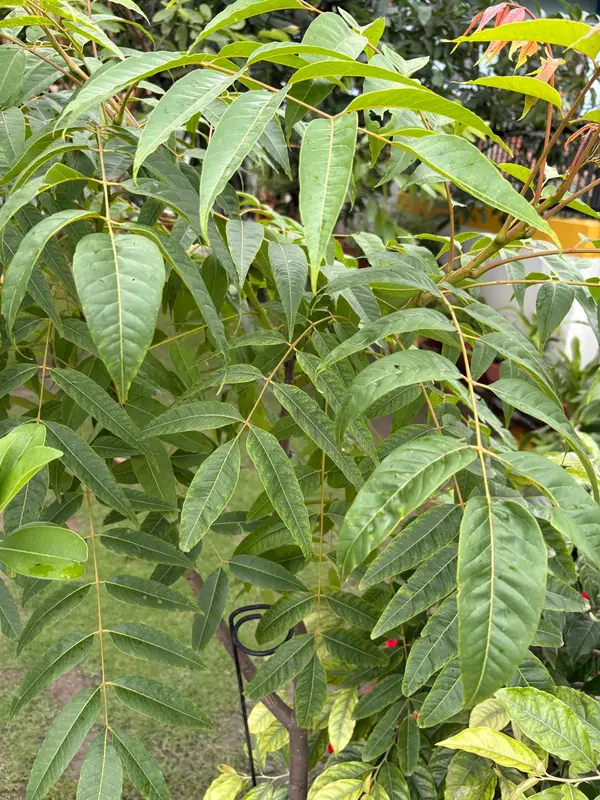
Also in this round, not on the map yet: Variegated Rubber Plant, Rhododendron, Nigalo, Miracle Leaf, Taro (Pindalu), Jade Plant, Bigleaf Periwinkle, Hibiscus, Balsam, Lapsi
Round 2 · 25 min · Indoors
Cells, life and the Earth
- 1
- 2In through the Entrance Plant Cell Model
- 3
- 4
- 5
- 6
- 7
- 8
- 9Up the stairs to the First Floor World Map Jigsaw
- 10
Round 3 · 30 min · Indoors
Heat, light and sound
- 1
- 2
- 3
- 4
- 5Up the stairs to the First Floor Which Feels Cooler?
- 6
- 7
- 8
- 9Up the stairs to the Second Floor Judging Distance
Round 4 · 30 min · Indoors and outdoors
Force, magnets, electricity and the elements
- 1
- 2The Compass Rose (Math)
- 3In through the Entrance Solar House Model
- 4
- 5Up the stairs to the First Floor Magnetic Lines of Force
- 6
- 7
- 8
- 9Galton Board (Math)
- 10
- 11
- 12
- 13
- 14
- 15Up the stairs to the Second Floor Flying Paper Shapes
Unit 1
Scientific Learning
Students can run real fair tests at the center in a few minutes: guess, change one thing, keep the rest the same, and repeat. It turns the unit’s words (hypothesis, variable, control) into things they have done.
CDC learning outcomes this visit supports
- 1.1Carry out simple investigations or surveys, inside or outside the laboratory, by a set method, and write a report on them.
At the center
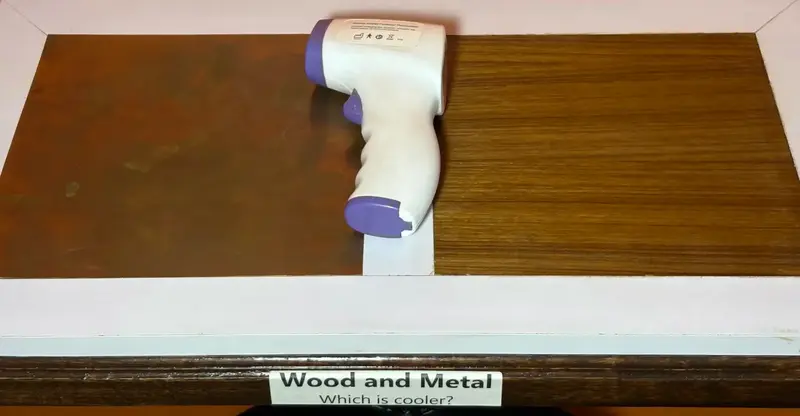
- Which Feels Cooler? · 1.2 Experimental work in science
Do: Observe with your hand: the metal feels colder than the wood. The inference “it is colder” is wrong: both sit at the same room temperature.
Ask: What do you observe with your hand, and what would you infer from it? Why is that inference wrong?
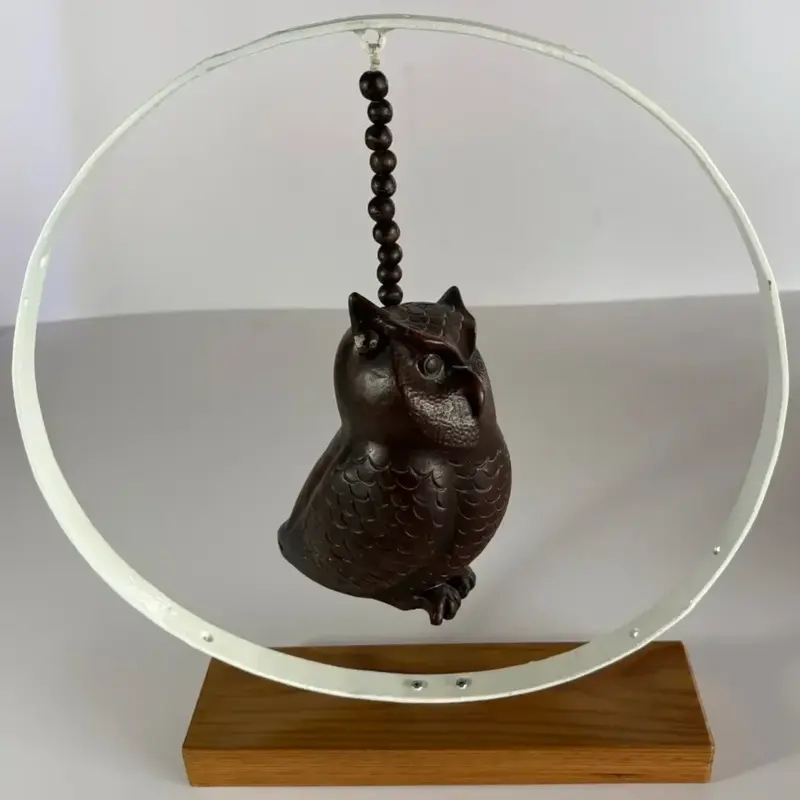
First Floor - The Clay Owl · 1.2 Experimental work in science
Do: Test the hypothesis “a big swing takes longer”: count the owl’s swings in 10 seconds after a gentle push, then after a hard one.
Ask: Does a bigger push change the swings in 10 seconds? Was your guess right?
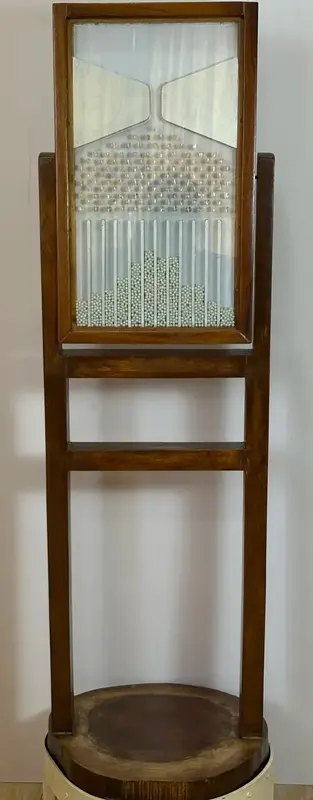
First Floor - Galton Board · 1.3 Research work
Do: Collect data like a researcher: turn the frame over again and again, and each time record how high the balls pile in each slot. Does the pattern repeat?
Ask: Count roughly what fraction of the balls are in the middle three slots. Why would a researcher record the pile many times before drawing a conclusion?
First Floor
Watch for
- “One reading is enough.” A timed swing or fall differs a little each time; take several readings and use the average.
Before the visit
Do Activity 1.7 (black or white?): students change only the color, keep everything else the same and measure. They arrive knowing what a fair test is and can use it at every stop.
After the visit
Each group writes the report of one test they did at the center in the layout the book shows in section 1.2 (title, objective, materials, method, observations, conclusion), naming what they changed, what they measured and what they kept the same.
Unit 2
Information and Communication Technology
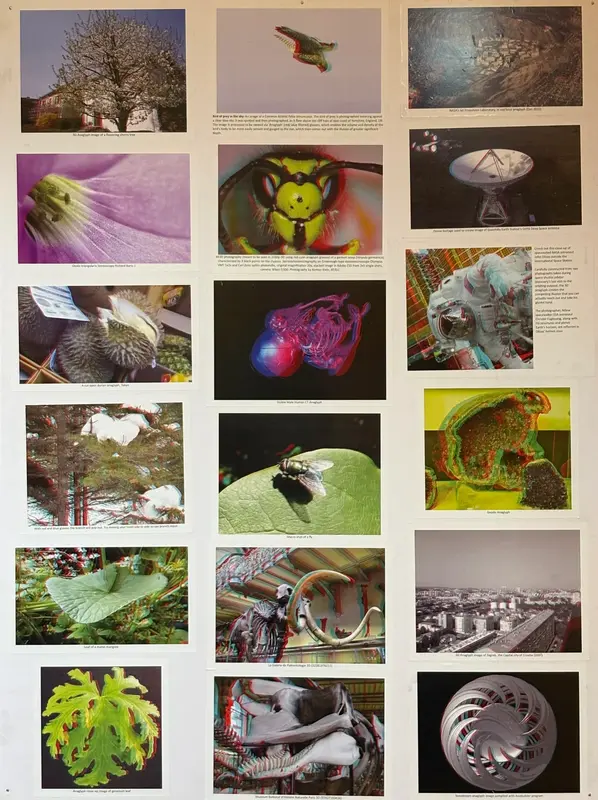
Students see a machine that turns a computer design into a solid object, and see for themselves the trick of two pictures, one for each eye, on which every virtual reality headset depends.
CDC learning outcomes this visit supports
- 2.1Use ICT tools in simple ways.
- 2.5Introduce robotics and virtual reality.
At the center
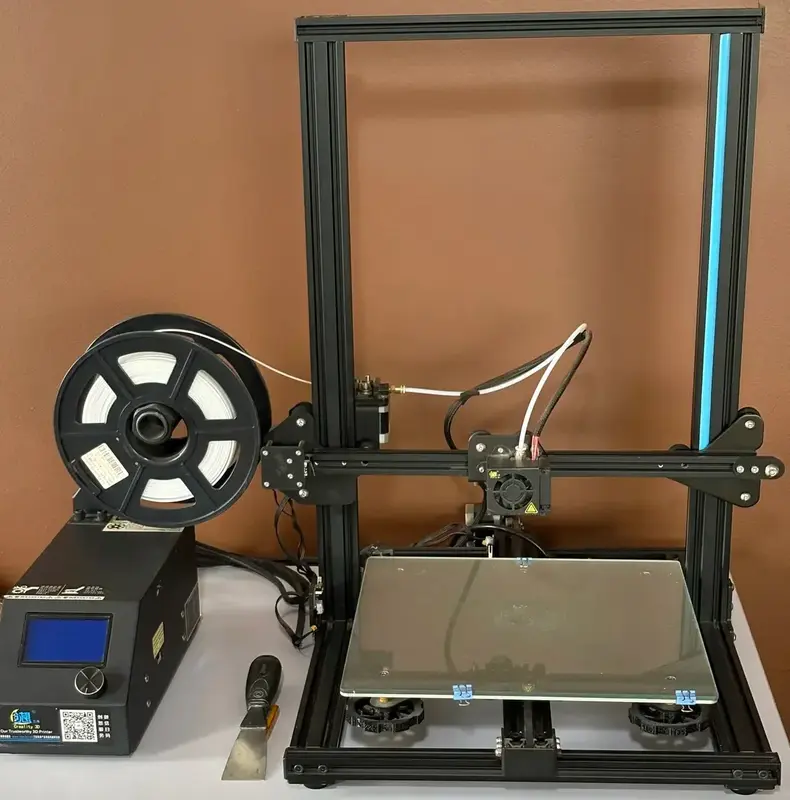
- 3D Printer · 2.1 Tools of information and communication technology
Do: A printer puts a file on paper as a hard copy; a 3D printer builds a computer model into a solid object, layer by layer.
Ask: Software cuts the design into thin slices before printing. Why? Does the printer add material or take it away?
First Floor - 3D Photo Gallery · 2.5 Introduction to robotics and virtual reality
Do: Through red and cyan glasses each eye sees a slightly different view, and your brain joins them into depth, just as it does in a VR headset.
Ask: Why is each photo printed twice, in red and cyan? How is a VR headset alike?
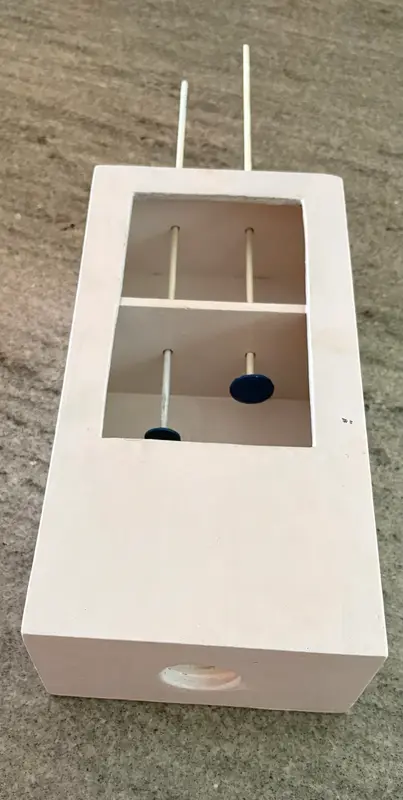
First Floor - Judging Distance · 2.5 Introduction to robotics and virtual reality
Do: Line up the rods with one eye shut, then with both: depth comes from two slightly different pictures, which is why a VR headset gives each eye its own.
Ask: Why is depth hard to judge with one eye? What does a VR headset give each eye?
Second Floor
Watch for
- “A VR headset shows one 3D picture.” It shows each eye its own picture, and the brain joins them into depth.
Before the visit
Do Activity 2.1 (ICT in your day), so students arrive with a list of the devices they use and can add the ones they meet at the center.
After the visit
Do the unit’s Project work on virtual reality in Nepal, starting from the two-picture trick students saw at the center.
Unit 3
Living Beings and Their Structure
The cell models make the parts students only see as dots under a microscope large enough to compare side by side, and the pond lets them sort real living things into kingdoms.
CDC learning outcomes this visit supports
- 3.1Describe the functions of the parts of animal and plant cells.
- 3.2Tell the similarities and differences between plant and animal cells.
- 3.3Explain how cells, tissues and organs are related in the human body.
- 3.5Give a general idea of the two-kingdom and five-kingdom systems of classification.
At the center
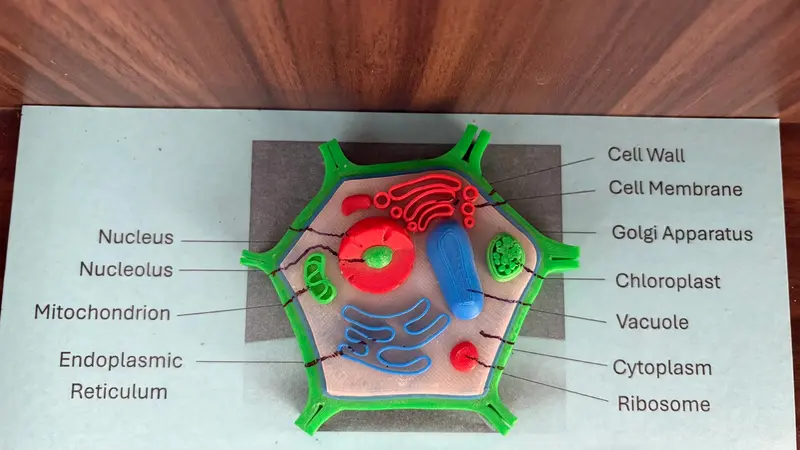
- Plant Cell Model · 3.1 Cell
Do: Find the three parts a plant cell has and yours lacks: wall, chloroplasts, big vacuole.
Ask: Which part keeps the cell firm, and how? What happens to it when a plant wilts?
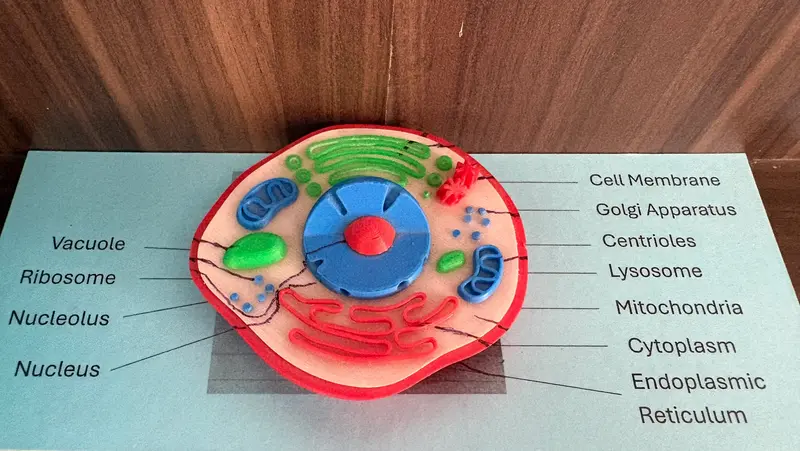
Ground Floor - Animal Cell Model · 3.1 Cell
Do: Find the parts only an animal cell has, lysosomes and centrioles, then the Golgi body, endoplasmic reticulum and mitochondria it shares with plant cells.
Ask: Where is energy released from food? Why can’t this cell make its own food?
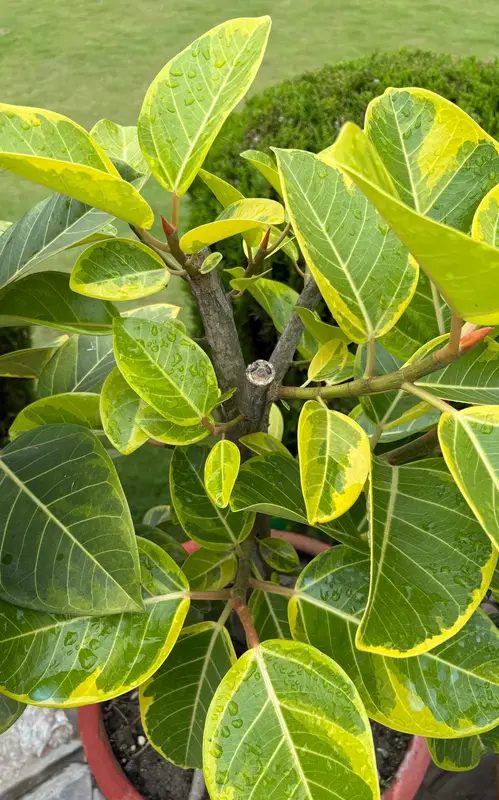
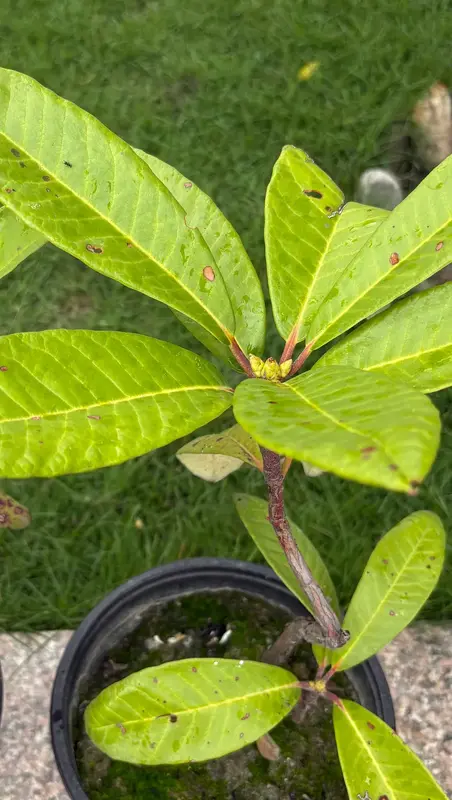
Ground Floor - Variegated Rubber Plant · 3.1 Cell
Do: Compare the green middle of a variegated rubber plant’s leaf with its pale yellow edge, where the cells’ plastids hold little chlorophyll.
Ask: Where are the plastids full of chlorophyll? Where would starch be found?
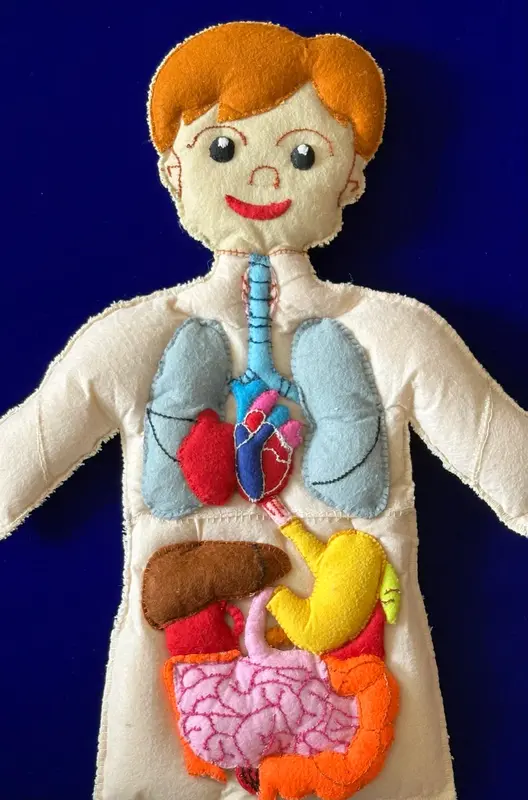
- Inside the Body · 3.2 Interrelationship among cell, tissue and organ in human body
Do: Trace food from the stomach through the intestines: organs working together as one system.
Ask: Name one system here and its organs. What is each organ made of?
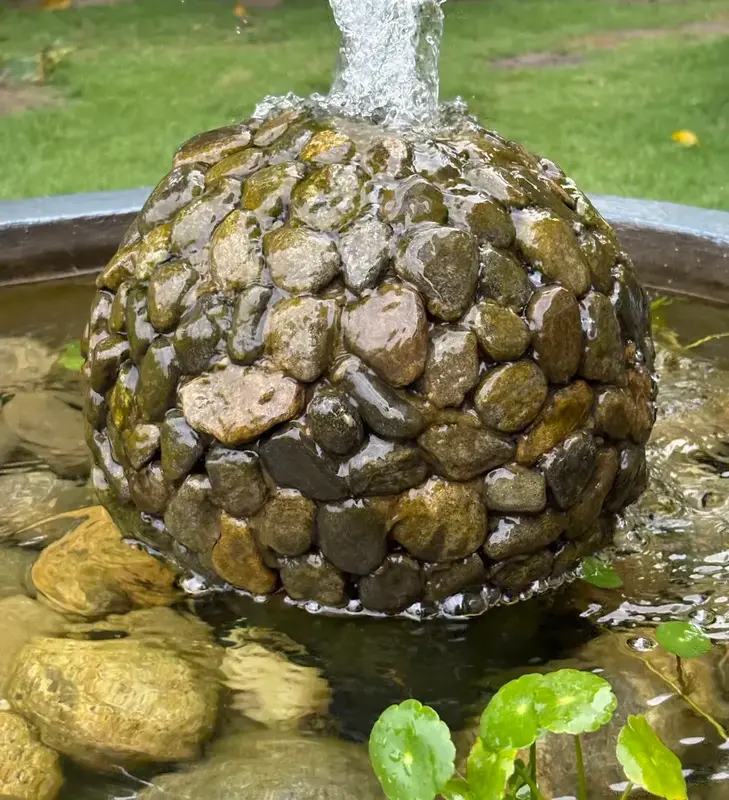
Ground Floor - The Ecosystem Pond · 3.3 Classification of living beings
Do: Sort the pond’s life by the five-kingdom system: the green water plants make their own food (autotrophic), Plantae; the guppies eat ready-made food (heterotrophic), Animalia.
Ask: Which kingdom are the water plants in, and which the guppies? What about each one puts it there?
Grounds
Watch for
- “A plant cell makes its own food, so it needs no mitochondria.” It has both: chloroplasts make food, mitochondria release its energy.
- “Fungi and bacteria are plants.” In the five-kingdom system bacteria are Monera and fungi a kingdom of their own.
Before the visit
Do Activity 3.2 (observing onion cells), so students have seen real plant cells before they meet the model.
After the visit
Do Activity 3.6 (plant cell or animal cell?), using what students found on the two models.
Unit 4
Biodiversity and Environment
A raised map shows in one look why Nepal holds so much life, and the garden and the solar house show what using nature without using it up looks like.
CDC learning outcomes this visit supports
- 4.1Introduce biodiversity, its present state and its importance.
- 4.4Explain the idea of sustainable development and why it matters.
At the center
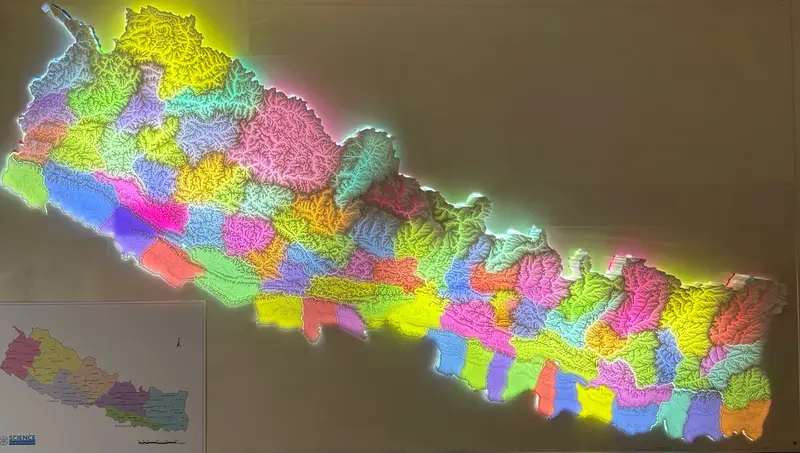
- 3D Map of Nepal · 4.1 Biodiversity
Do: See Nepal climb from the Terai to Everest in about 200 km: this huge range of altitude is the main reason Nepal is so rich in biodiversity.
Ask: How high does Nepal rise in about 200 km? Why does that make it so rich in life?
Second Floor - Rhododendron · 4.1 Biodiversity
Do: A rhododendron, like lali gurans, Nepal’s national flower: Nepal has about 32 kinds.
Ask: Rhododendrons grow wild from Nepal’s warm hills to near the tree line. Why can so many kinds grow in one country?
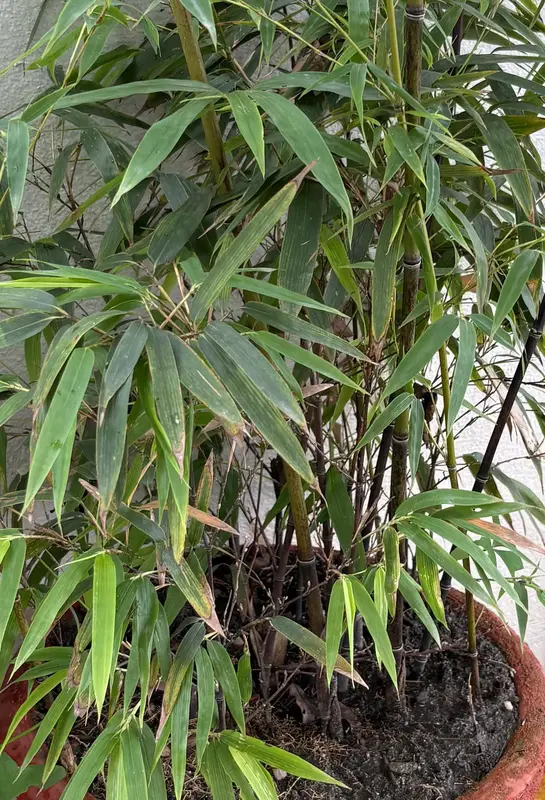
- Nigalo · 4.2 Sustainable development
Do: Nigalo canes are cut for doko baskets, and new shoots grow from the clump; cutting no more than grows back is sustainable use.
Ask: How can people cut nigalo every year and still have it in the forest?
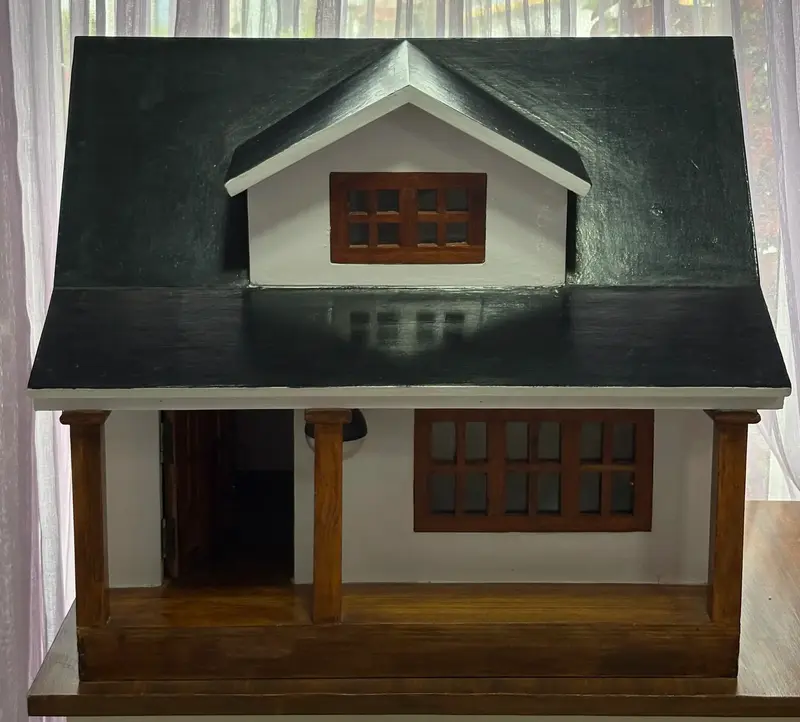
- Solar House Model · 4.2 Sustainable development
Do: Everything in this house runs on sunlight, a renewable source: using energy like this is one principle of sustainable development.
Ask: Why is electricity from sunlight part of sustainable development? What else could a house do so that it needs fewer panels?
Ground Floor
Watch for
- “Biodiversity means the number of animals.” It is the variety of all life: genes, species and ecosystems.
- “Sustainable means not using resources.” It means using them no faster than they renew, like nigalo that grows back.
Before the visit
Do Activity 4.1 (counting life in a square meter), so students have counted the variety in one small patch near school.
After the visit
Do Activity 4.2 (a biodiversity visit): students write the visit report, with its six headings, on the center’s garden.
Unit 5
Life Process
The garden shows nearly every way a plant makes new plants without seeds, a leaf, a corm, a cutting and a rooting stem, next to the flowers, fruits and seeds of sexual reproduction.
CDC learning outcomes this visit supports
- 5.2Introduce vegetative propagation in plants and describe its methods.
- 5.3Describe sexual reproduction in plants and animals.
- 5.5Introduce seed dispersal and describe its methods.
At the center
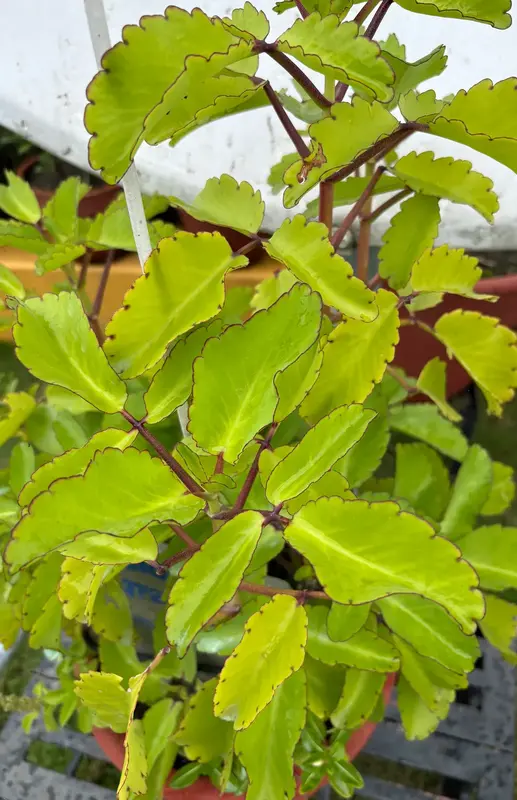
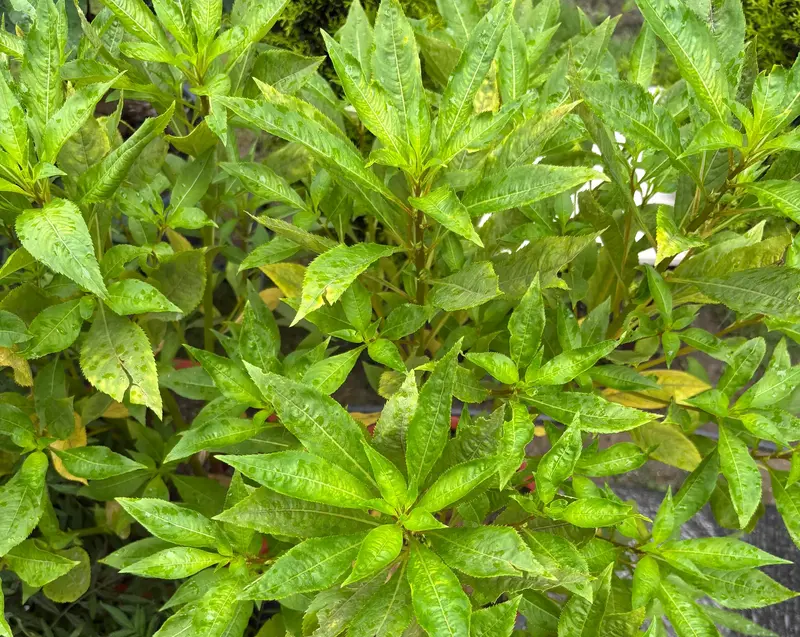
- Miracle Leaf · Vegetative propagation
Do: Look at the notches along the leaf’s edge: each holds a tiny bud, which on an old or fallen leaf grows into a plantlet.
Ask: Where on the leaf do new plants start? Is this sexual or asexual reproduction?
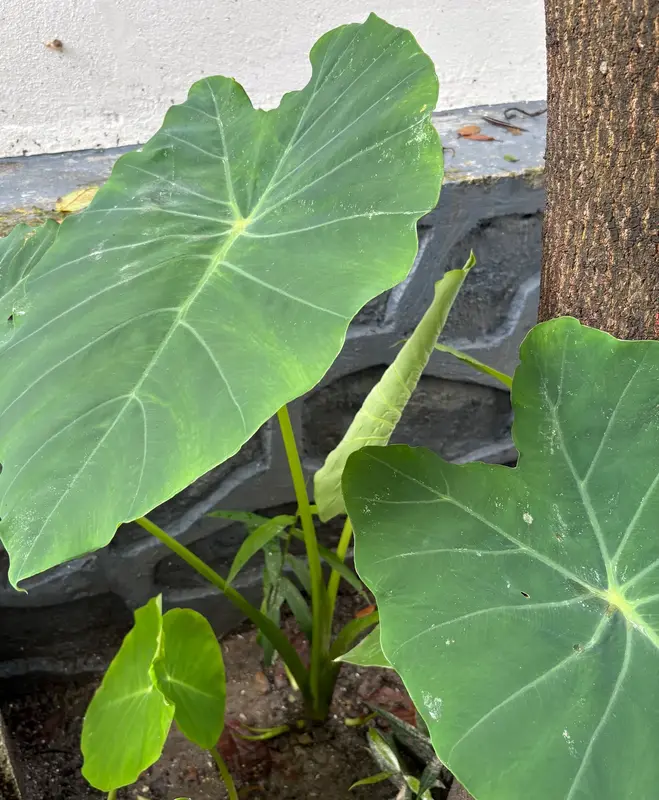
- Taro (Pindalu) · Vegetative propagation
Do: Taro (pindalu) grows again from its underground corm, so farmers plant corms, not seeds.
Ask: Why do farmers plant pindalu corms, not seeds? Is a corm a root or a stem?
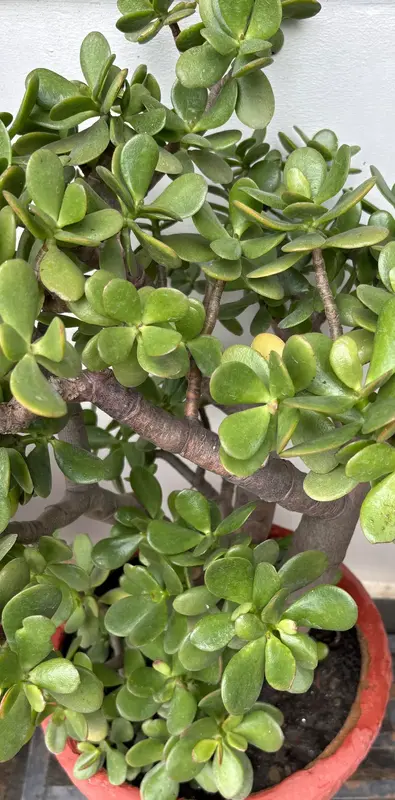
- Jade Plant · Artificial vegetative propagation
Do: A single jade leaf planted in soil grows roots and a new plant: a leaf cutting.
Ask: Why is a plant grown from a jade leaf just like its parent?
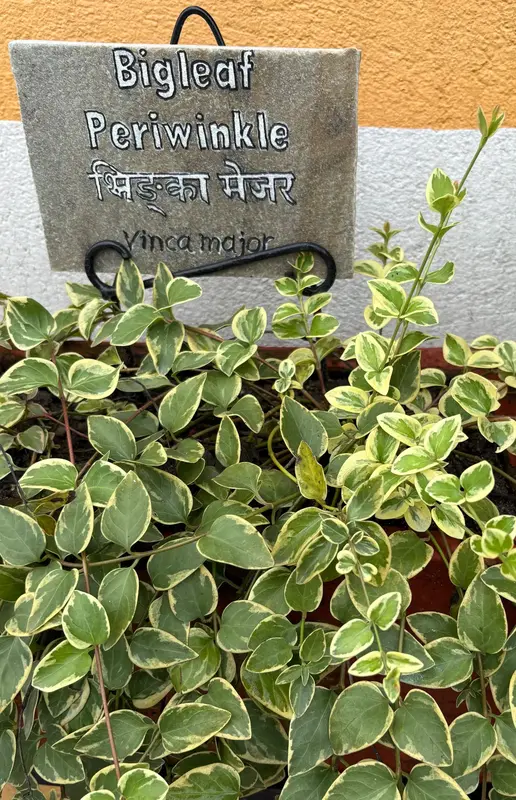
- Bigleaf Periwinkle · Artificial vegetative propagation
Do: Its trailing stems grow roots where they touch the soil, just as a branch bent down and buried in the soil does in layering.
Ask: Where do its stems make roots? Which method of propagation copies this?
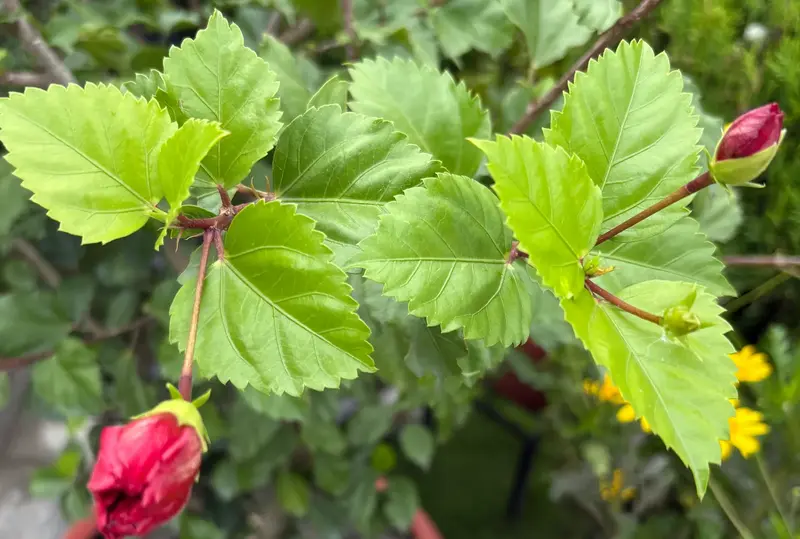
- Hibiscus · 5.2.1 Sexual reproduction in plants
Do: When the hibiscus flowers, find the long column of stamens sticking out, with the five small stigmas at its tip.
Ask: If it is in flower, find the stamens and the stigma. Which part becomes the fruit?
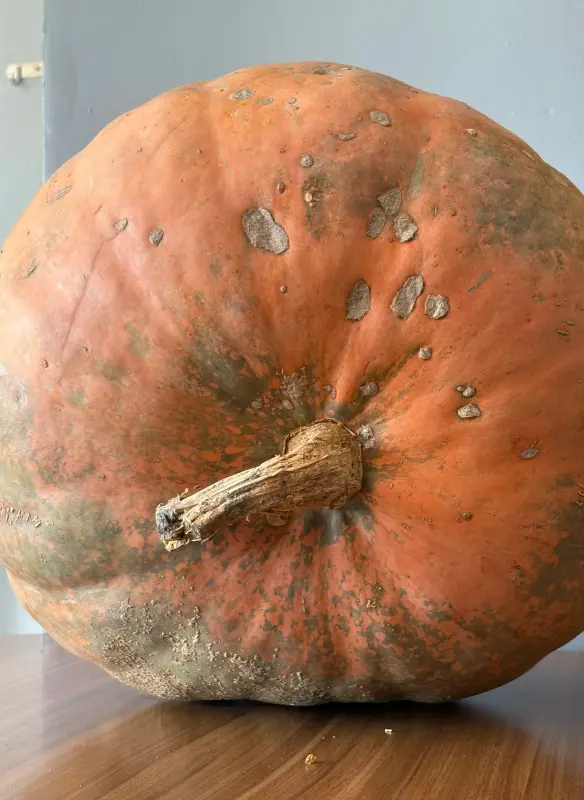
- A Giant Pumpkin · 5.2.1 Sexual reproduction in plants
Do: Pumpkin vines have separate male and female flowers; only a female flower that has been pollinated swells into a pumpkin full of seeds.
Ask: Did it grow from a male or a female flower? Why do its seeds differ a little?
Ground Floor - Balsam · 5.3 Seed
Do: A ripe balsam pod bursts at a touch and flings its seeds away: dispersal by bursting pods.
Ask: How does balsam spread its seeds? Why should a seed land away from its parent?
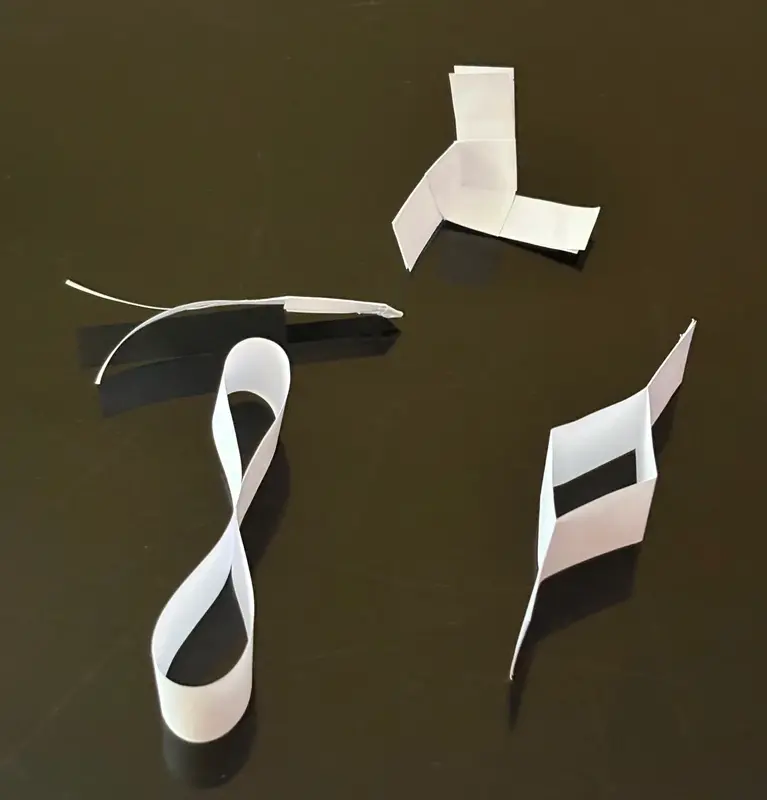
- Flying Paper Shapes · 5.3 Seed
Do: Drop the spinning paper shapes: they fall slowly, like a winged maple seed, which gives the wind time to carry the seed far from its parent.
Ask: Which shape falls most like a sal seed? Why does falling slowly help a seed?
Second Floor - The Ecosystem Pond · 5.2.2 Sexual reproduction in animals
Do: Most fishes have external fertilization, but not guppies: their eggs are fertilized inside the female, and she gives birth to live young.
Ask: Is fertilization in guppies external or internal? Is that true of most fish?
Grounds
Watch for
- “Every plant grows from seed.” Many grow from a stem, a leaf or a corm, as copies of their parent.
- “A pumpkin is a vegetable.” It grows from a flower’s ovary and holds the seeds, so it is a fruit.
Before the visit
Do Activity 5.4 (grow a rose from a cutting) about two weeks before the visit, so students can compare their cuttings with the plants in the garden.
After the visit
Do Activity 5.10 (seeds on the move), adding balsam and the winged sal seed to the table.
Unit 6
Force and Motion
Students feel the principle of the lever with their own weight, sort real tools into the three classes, and watch speeding up and slowing down in one swing.
CDC learning outcomes this visit supports
- 6.2Define acceleration and solve simple numerical problems on it.
- 6.3Introduce the lever and describe its types.
- 6.4State the principle of the lever and prove it by experiment.
- 6.8Demonstrate the pressure of a liquid, and that it increases with depth and density.
At the center
- The Clay Owl · Rest, motion and the reference point
Do: Give the owl a gentle push: compared with the ring around it, which stays at rest, it moves to and fro, an oscillation like a clock’s pendulum.
Ask: Is the owl moving relative to the ring? Where does it accelerate, and where retard?
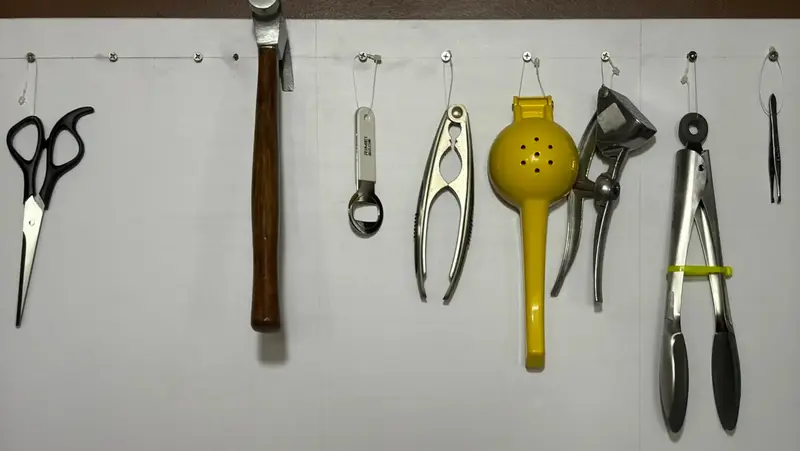
First Floor - Simple Machines Around Us · 6.2 Lever
Do: Sort the tools into the three classes of lever: scissors (first), the nutcracker and bottle opener (second), the tongs and tweezers (third). Where is each fulcrum?
Ask: Sort the tools into the three classes of lever. In the tongs, what is in the middle?
First Floor - Walk Your Weight · 6.2 Lever
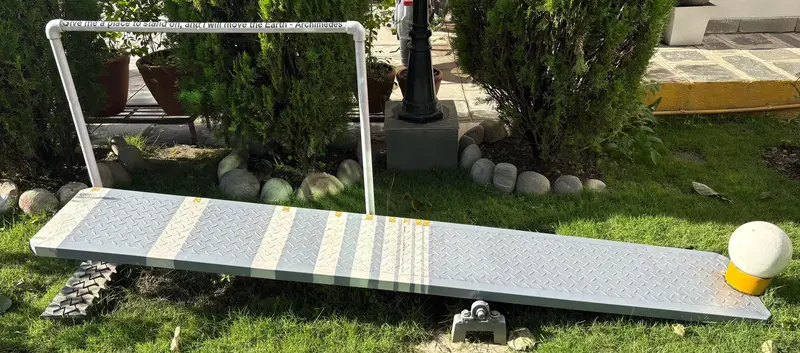
Do: Walk along the plank: the farther you are from the fulcrum, the more your weight turns it, so a lighter person must walk farther to tip it.
Ask: Why are the bigger numbers closer to the pivot? Think of weight × distance.
Grounds - Water Parabola · 6.3 Pressure
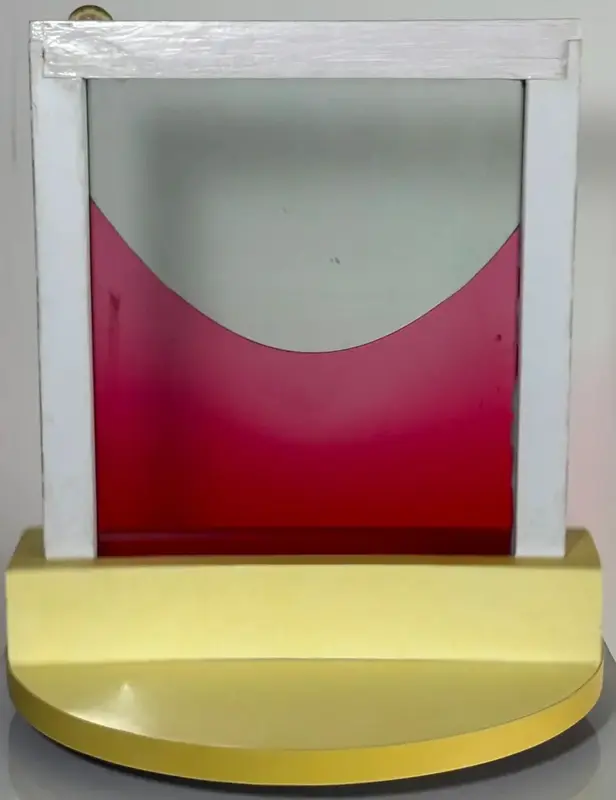
Do: Spin the base: the water climbs at the edge. Liquid pressure grows with depth, so the deeper water there pushes inward harder, keeping the water moving round.
Ask: When it spins, where is the water deepest? Why does deeper water push harder?
First Floor
Watch for
- “A lever gives more work than you put in.” A small effort moves a big load only by moving farther than the load.
- “Liquid pressure depends on how much liquid there is.” It depends on depth: the deeper the water, the harder it pushes.
Before the visit
Do Activity 6.3 (balancing a meter stick), so students know that effort × effort distance = load × load distance before they walk the plank.
After the visit
Do the Project work that follows Activity 6.2 (name the levers): students collect the levers they use in daily life and classify them, starting with the tools they sorted at the center.
Unit 7
Energy in Daily Life
The unit with the most to see: heat moving three ways, a mirror whose image grows and flips as the object moves, a real image students can reach for and not touch, and sound students can send across the garden.
CDC learning outcomes this visit supports
- 7.1Explain, with experimental evidence, the ways heat is transferred: conduction, convection and radiation.
- 7.2Tell conductors from insulators of heat, and give uses of conduction in daily life.
- 7.3Demonstrate convection in water and air, and explain convection currents.
- 7.9Introduce concave and convex mirrors.
- 7.11Show the images a spherical mirror forms of objects at different distances, and describe them.
- 7.13Tell the uses of spherical mirrors.
- 7.16Explain how the intensity of sound is measured.
At the center
- Which Feels Cooler? · 7.1.1 Conduction
Do: Touch both: they’re at the same temperature, but the metal takes your heat faster.
Ask: Which kind of heat transfer carries heat from your hand into the metal? Why does a tiled floor feel colder underfoot than a mat?
First Floor - Lava Lamp — Convection in Motion · 7.1.2 Convection
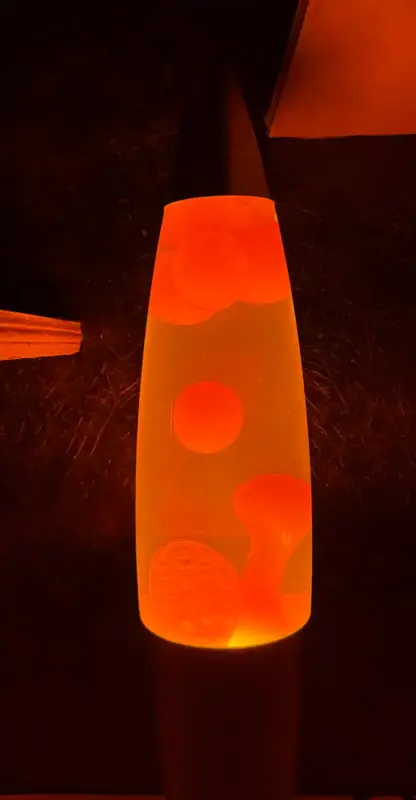
Do: Watch the wax: warmed at the bottom it rises, cools at the top and sinks again.
Ask: Why does warmed wax rise? Where else does a convection current like this happen?
Ground Floor - The Blackest Black · 7.1.4 Waves
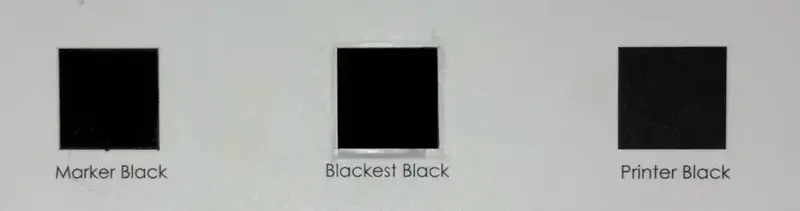
Do: Light that enters the black opening is mostly absorbed at every bounce, so almost none comes out: dark, dull surfaces are good absorbers.
Ask: Where does the light that goes in end up? Which roof warms faster, black or white?
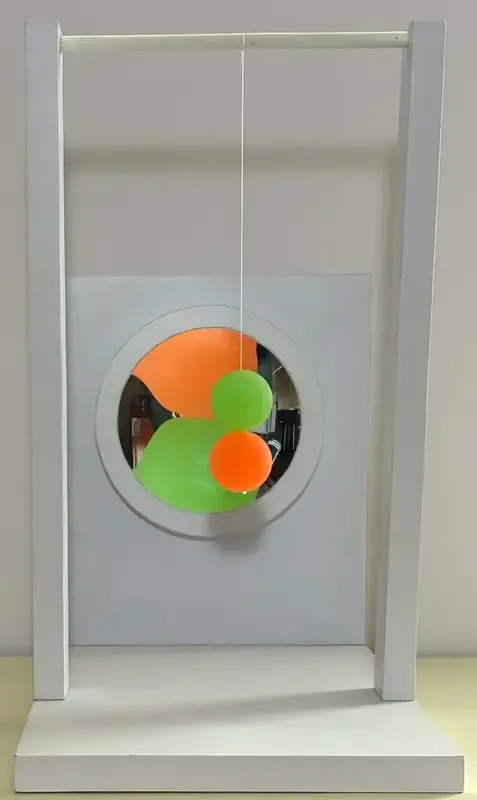
Ground Floor - The Concave Mirror — A Swinging Reflection · Images formed by spherical mirrors
Do: Swing the pendulum nearer to and farther from the concave mirror: watch its image change, larger or smaller, upright or upside down.
Ask: When is the image upright, and when upside down? Which is real, which virtual?
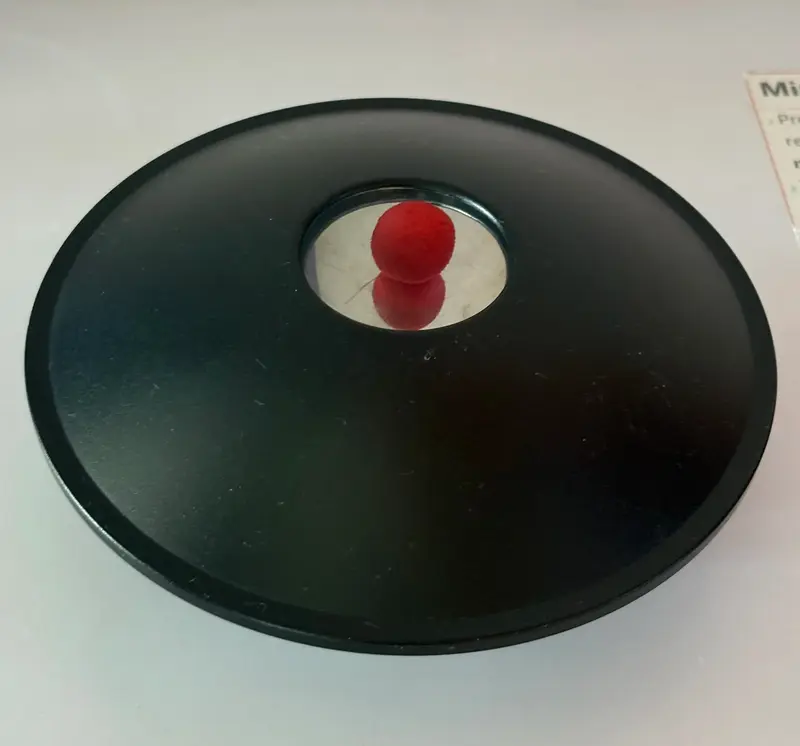
First Floor - The Mirascope — A Real Image in Mid-Air · Real and virtual images
Do: The ball on top isn’t there: two concave mirrors make a real image you can’t quite touch.
Ask: Is the ball you see a real or a virtual image? How do you know?
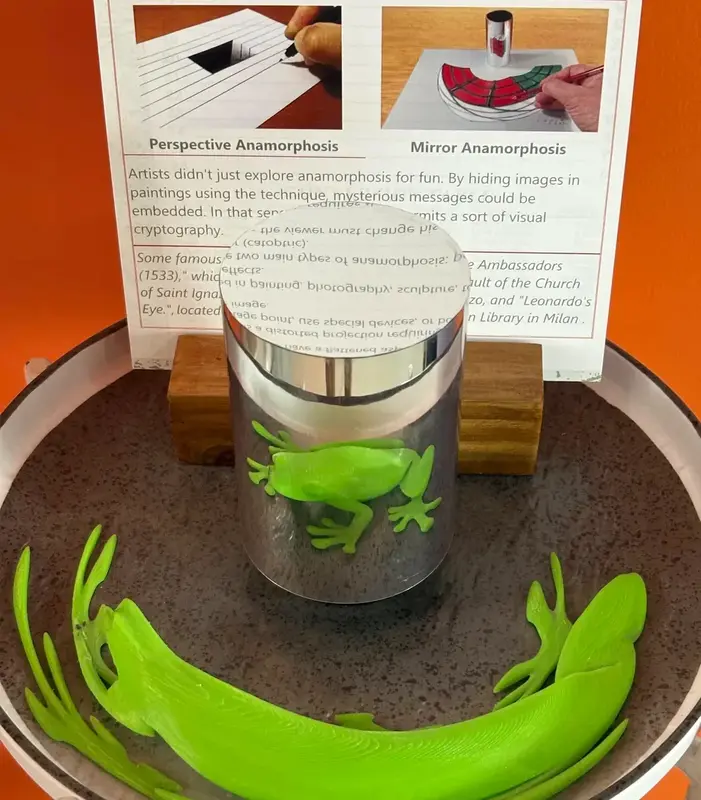
Ground Floor - Anamorphic Illusion — A Hidden Image Revealed · 7.2.1 Concave and convex mirrors
Do: The stretched picture looks right in the round, cylindrical mirror: its convex surface squeezes the picture back into shape.
Ask: Is the cylinder a concave or a convex mirror? What does it do to the picture?
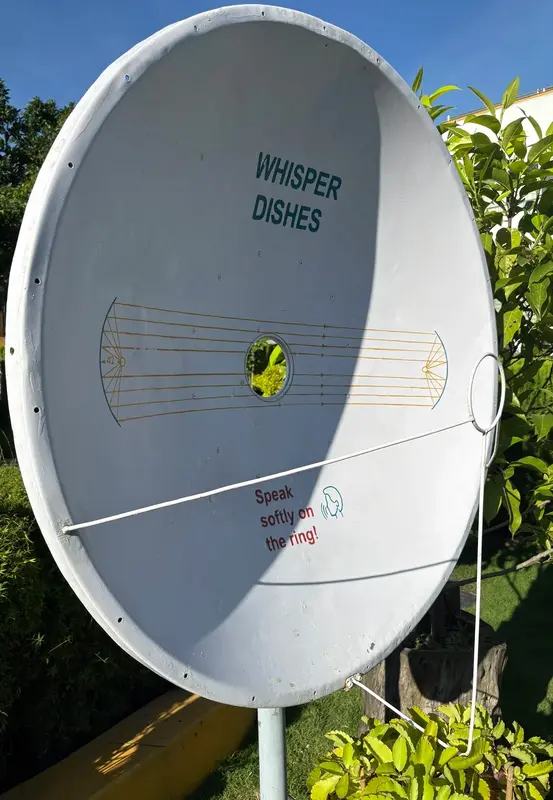
Ground Floor - Whisper Dishes — Send a Whisper Across the Garden · 7.2.1 Concave and convex mirrors
Do: The dishes are concave reflectors for sound: they bring the waves together at a focus, the way a concave mirror brings light rays together.
Ask: Where is each dish’s focus? Why does your whisper grow so faint for people halfway between?
Grounds
Watch for
- “Cold flows from the metal into your hand.” Heat flows from the hand into the metal, which carries it away fast.
- “A whisper simply stops after a few meters.” It spreads out, so its intensity falls with distance; the dishes keep it from spreading.
Before the visit
Do Activity 7.11 (a picture of the window) with a concave mirror, so students have caught a real image before they see one in the air.
After the visit
Do Activity 7.12 (drawing the image formed by a concave mirror) for the concave mirror images students saw, near the mirror and far from it.
Unit 8
Electricity and Magnetism
Students see a magnet’s field pull without touching, plain screws turned into magnets, a globe held up only while current flows, and how far from true north a compass points in Nepal.
CDC learning outcomes this visit supports
- 8.1Tell natural from artificial magnets and give their uses.
- 8.2Describe the molecular theory of magnetism.
- 8.4Introduce the Earth as a magnet and find directions with the help of a magnet.
- 8.5Identify the devices used in a household electric circuit, and their work and order of connection.
At the center
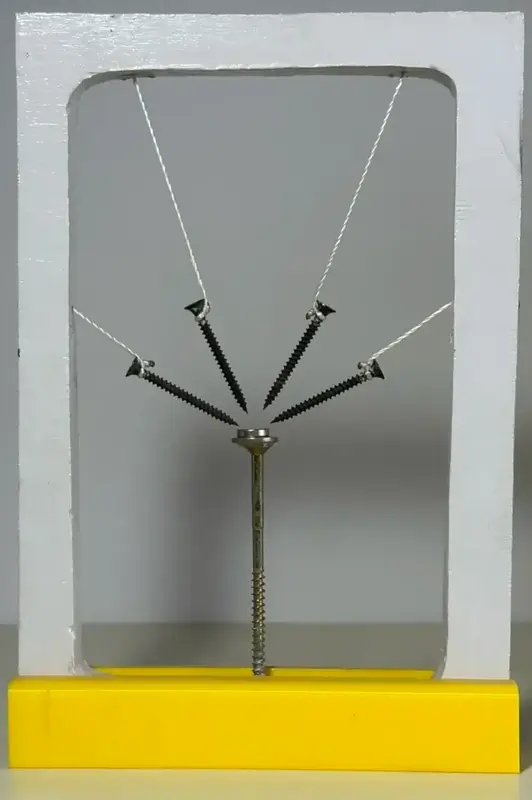
- Magnetic Lines of Force · 8.1 Magnet
Do: The hanging screws point in toward the central magnet, showing the shape of its field.
Ask: Do the screws touch the magnet? Why does a plain screw become a magnet here?
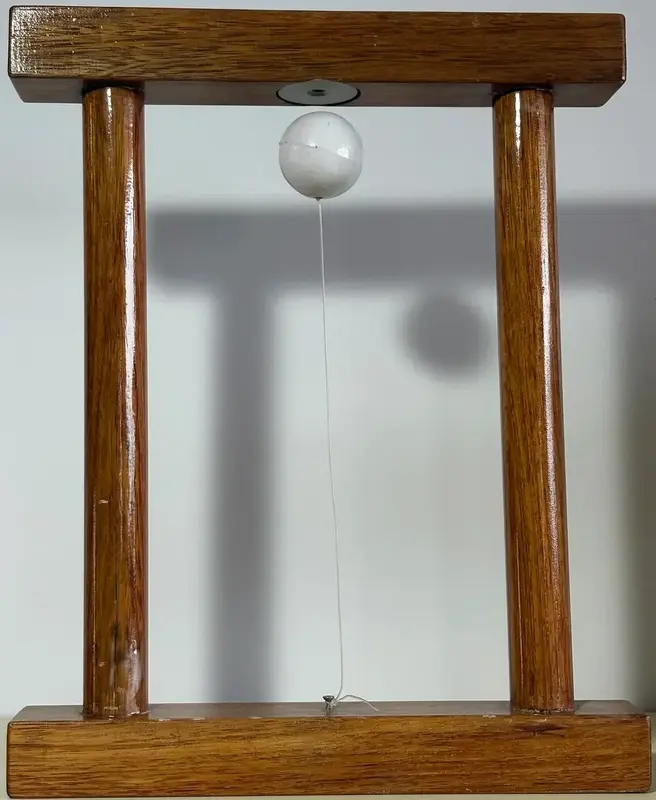
First Floor - How Far Can a Magnet Pull? · 8.1 Magnet
Do: See how far through open air the magnet in the top bar still pulls the ball up against its thread: the region around a magnet where its pull is felt is its magnetic field.
Ask: Name the forces on the ball. Why doesn’t it fly up to the magnet?
First Floor - Magnetic Levitation · 8.1.1 Natural and artificial magnets
Do: The globe is held up by an electromagnet, a temporary magnet: unplug it and the current stops, the magnetism is gone, and the globe falls.
Ask: Is the magnet in the arm permanent or temporary? Why must the circuit keep changing how hard it pulls?
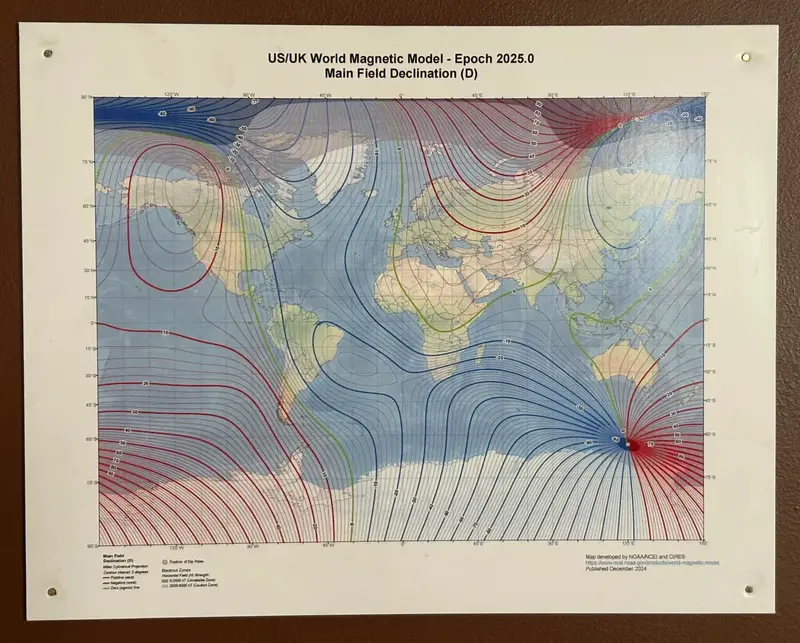
First Floor - Earth’s Magnetic Field · Elements of terrestrial magnetism
Do: Find Nepal on the world map of declination: here a compass points almost exactly north.
Ask: How far from true north does a compass point in Nepal? What is that angle called?
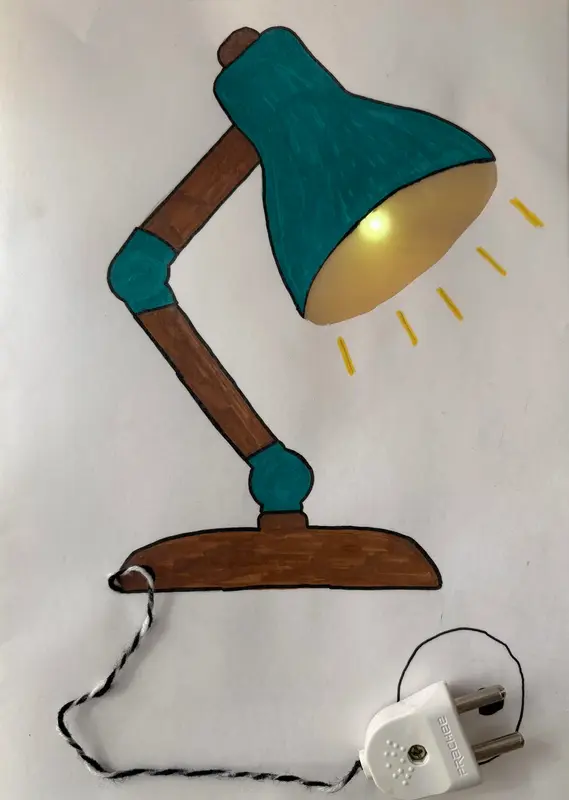
First Floor - The Fun Circuit · 8.2.1 Household electrification
Do: Unfold the drawing and trace the closed loop that lights the lamp: a switch in a house circuit works by breaking and closing such a loop.
Ask: Follow the loop. If it breaks at one place, where does the current stop?
First Floor

Watch for
- “The bulb uses up the current.” The same current flows round and back; the bulb uses the energy it carries.
Before the visit
Do Activity 8.2 (make an electromagnet), so students know a magnet can be switched on and off before they see the floating globe.
After the visit
Do Activity 8.4 (find your way with a compass), using what students learned from the declination map.
Unit 9
Matter
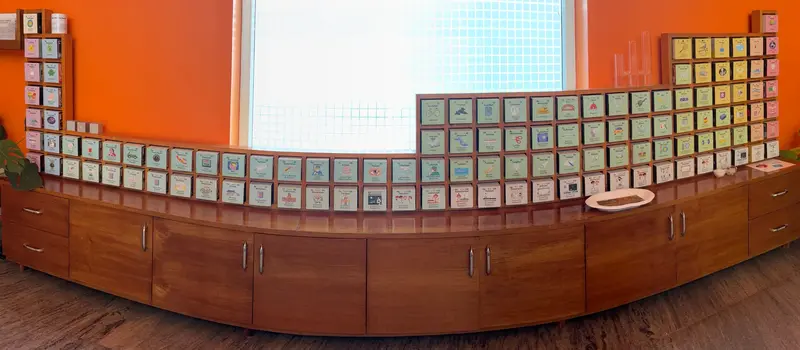
A periodic table four meters long, one cube per element, lets students walk along a period and down a group and find the first 20 elements they learn in this unit.
CDC learning outcomes this visit supports
- 9.1Describe the structure of the atoms of the elements up to atomic number 20.
- 9.3Introduce the modern periodic table and state its law.
- 9.4Describe the position in the modern periodic table of the elements up to atomic number 20.
- 9.5Describe the periodic trends of elements by period and group (number of shells, valency, atomic size, metallic character).
At the center
- The Giant Periodic Table · Modern periodic table
Do: Read the numbers along each row: the modern periodic table puts the elements in order of atomic number, from hydrogen, 1, to 118.
Ask: Find lithium, sodium and potassium. What do their atoms share? What changes going down?
First Floor - The Storm Glass · Chemical reaction
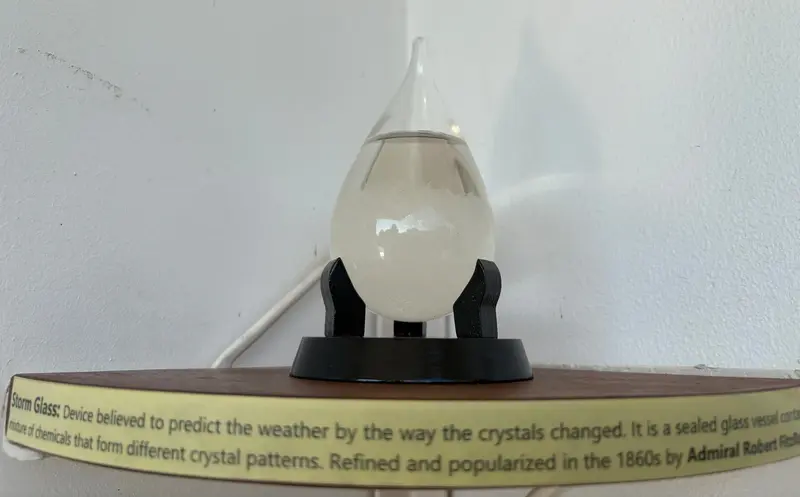
Do: Crystals form on cold days and dissolve again on warm ones: a physical change, because no new substance is made and it goes back.
Ask: Is this a chemical reaction? What would have to be made for it to be one, and what are the starting substances of a reaction called?
Ground Floor
Watch for
- “The table is in order of atomic weight.” The modern table is in order of atomic number, the number of protons.
Before the visit
Do Activity 9.1 (match the symbol and the atomic number), so students arrive able to read the cubes.
After the visit
Do Activity 9.8 (group 1 down the column), with the column students found on the giant table.
Unit 10
Materials Used in Daily Life
Two familiar things, a sour fruit and a block of salt, give the unit’s words a taste and a look.
CDC learning outcomes this visit supports
- 10.1Introduce acids, bases and salts and describe their physical and chemical properties.
- 10.2Describe the uses of acids, bases and salts, with examples.
At the center
- Himalayan Pink Salt · Salt
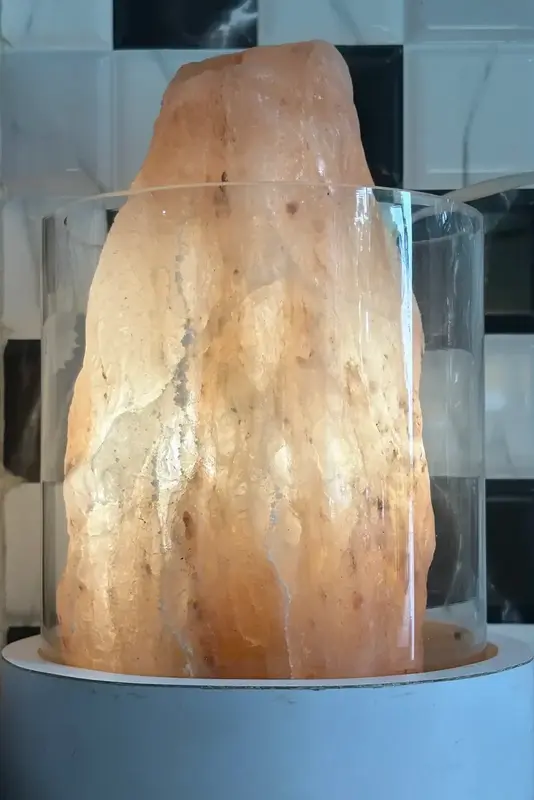
Do: Pink rock salt is mostly sodium chloride, common salt; a trace of iron oxide colors it.
Ask: Is sodium chloride an acid, a base or a salt? What makes this one pink?
Ground Floor
Watch for
- “Salt means table salt.” A salt is any compound formed when an acid reacts with a base; copper sulphate is one too.
Before the visit
Do Activity 10.1 (sour foods): students list the sour foods they eat and say why they are sour.
After the visit
Do Activity 10.10 (testing salts) with table salt and copper sulphate.
Unit 11
The Earth and Universe
Students look inside rocks at crystals that grew from water, and follow Earth’s whole history on one spiral, from the first cells to the tip where people arrive.
CDC learning outcomes this visit supports
- 11.1Introduce minerals and their types.
- 11.2Describe the properties and uses of minerals.
- 11.6Introduce the evolution of life on Earth.
At the center
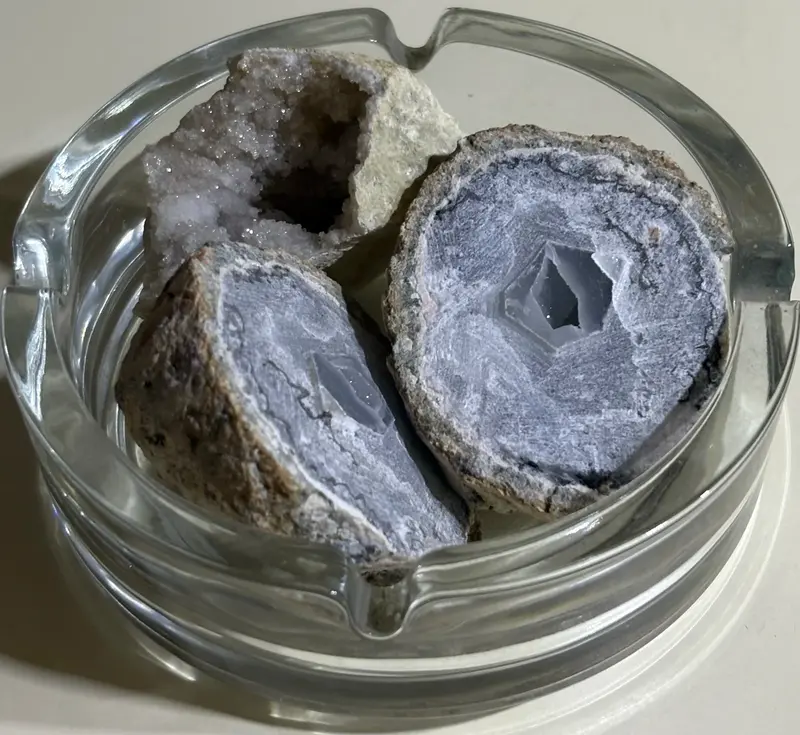
- Geodes · 11.1 Minerals
Do: Look inside the geode at crystals that grew from mineral-laden water, layer on layer.
Ask: Why do the crystals have flat faces and straight edges? Which layer formed first?
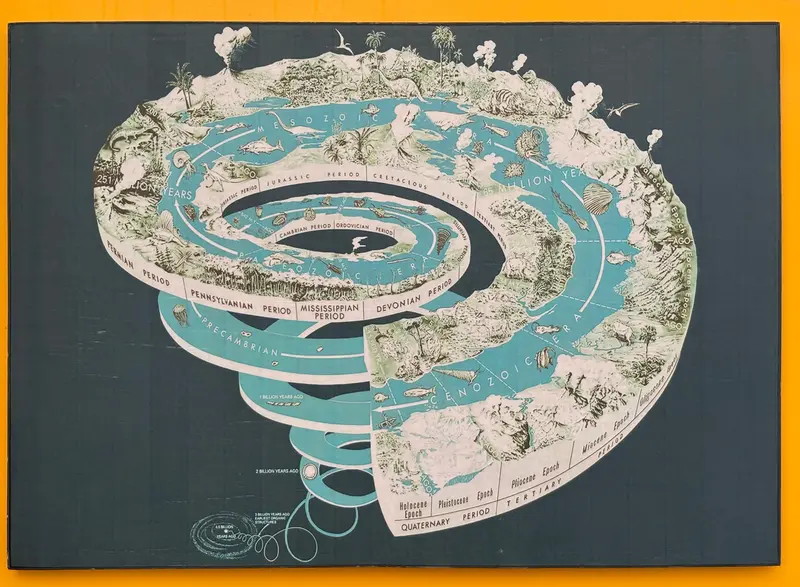
Ground Floor - The Spiral of Life on Earth · 11.2.2 History of evolution of living beings on Earth
Do: Follow the spiral’s 4.6 billion years: plants, animals and humans arrive very late.
Ask: How much of Earth’s history passed before animals with shells? Is the spiral to scale?
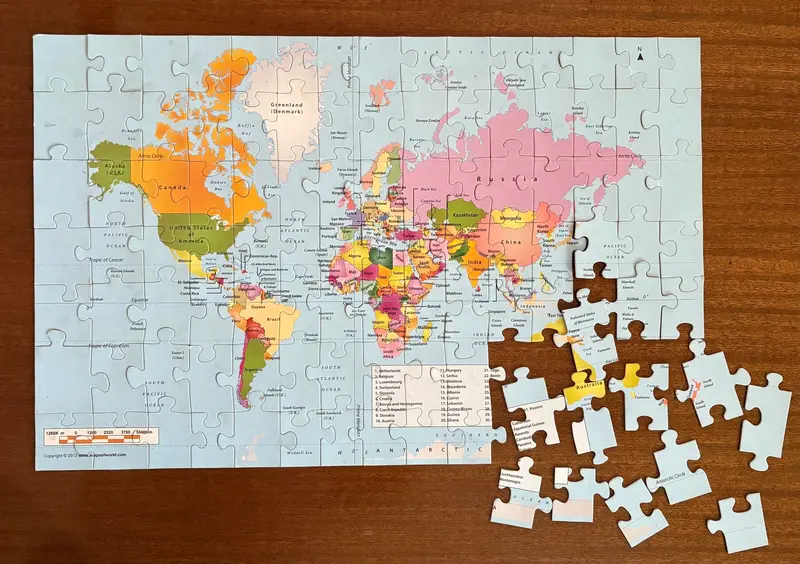
Ground Floor - World Map Jigsaw · 11.2.2 History of evolution of living beings on Earth
Do: Compare the coast of South America with Africa’s on the map: their shapes match, a clue that the continents were once joined and have slowly drifted to where they are today.
Ask: Which two coasts would fit together? What does that tell you about the continents?
First Floor
Watch for
- “People and dinosaurs lived at the same time.” The dinosaurs were gone long before humans appeared, at the spiral’s very tip.
Before the visit
Do Project work 11.1 (minerals around you), so students bring samples or photos of minerals from near home.
After the visit
Do Activity 11.1 (a mineral chart), adding the halite and the geodes’ quartz students saw.
Math on the same visit
Where an exhibit shows this year’s mathematics, from Grade 8 Math, Explained. These stops are in the rounds above, so a Math teacher can come along or set the questions.
Math · Unit 20
Bearing and Scale Drawing
Students stand inside a bearing and turn through it, and the raised map shows what happens when a model is not drawn to one scale.
CDC learning outcomes this visit supports
- 5.8Use bearing and scale drawing on a map.
At the center
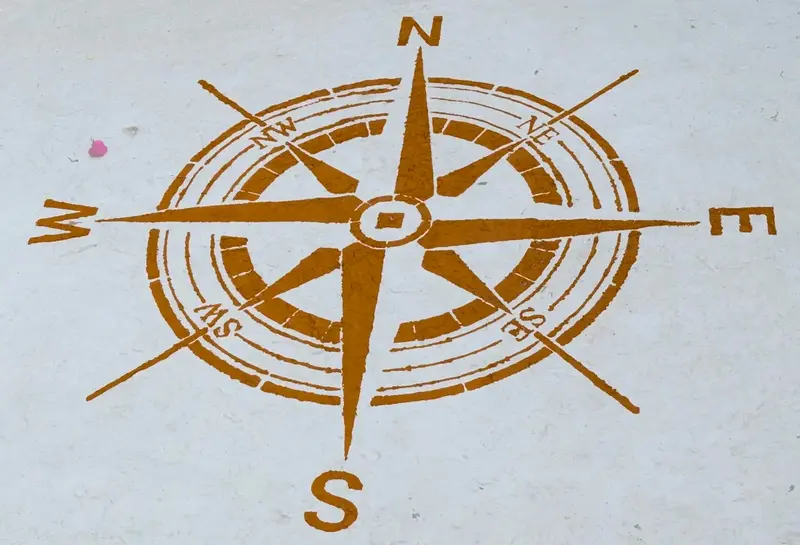
- The Compass Rose · 20.1 Bearing
Do: Stand at the center facing N, then turn clockwise: NE is a bearing of 045°, E 090°, S 180°, SW 225° and NW 315°.
Ask: You walk east, on a bearing of 090°. What bearing takes you back the way you came? Work it out again for a walk to the south-east, 135°.
Grounds - 3D Map of Nepal · 20.2 Scale Drawing
Do: A scale drawing multiplies every length by one number; this raised map doesn’t: its heights are exaggerated, or the Himalayas would be barely a bump.
Ask: Estimate the map’s length from east to west in centimeters. Nepal is about a hundred times longer than Everest is high, so drawn to one scale, how tall would Everest be? About how many times taller is it here?
Second Floor
Watch for
- Students measure a bearing from east, or anticlockwise, or write 45° for north-east. A bearing is turned clockwise from north and written with three digits: 045°.
- Students think every model is drawn to scale. A scale drawing multiplies every length by the same number; this map stretches the heights, so its mountains are far too tall.
Before the visit
Do the 20.0 Review: on the map of Nepal, the directions of six districts from the T of Tanahun, then the bearing of Gorkha with a protractor.
After the visit
Play Activity 2 in 20.2 (fly the airplane): walk a route on the ground from bearings and distances, then draw it to scale.
Read Math, Unit 20 online → ·the unit’s classroom worksheet (PDF)
Math · Unit 21
Statistics
On the Galton board the data is a pile students can see, so the mode is simply the tallest column, at the same stop where the science unit asks why one run is not enough.
CDC learning outcomes this visit supports
- 6Find the mean, median and mode of an individual series.
At the center
- Galton Board · 21.2 Mean, Median and Mode of Individual Series
Do: Once the balls have fallen, find the tallest pile: the slot where the most balls landed is the mode of this data.
Ask: Which slot is the mode? Is it the middle slot? If you lined up all the balls from left to right, in which slot would the middle ball, the median, be?
First Floor
Watch for
- Students think every slot is equally likely. Each ball goes left or right at every peg, and many more paths lead to the middle slots than to the edges, so the middle fills most.
- Students mix up the mode and the median. The mode is the value that comes most often, the tallest column; the median is the middle value once the data is in order. Here they share a slot only because the pile is even on both sides; in lopsided data they differ.
Before the visit
Do Activity 5 (shoe sizes): find the size worn by the most students, the mode.
After the visit
Do Exercise 21.2, Q5 (calculate the mode), then sketch each data set as a pile of columns like the Galton board’s and check the mode is the tallest.
Read Math, Unit 21 online → ·the unit’s classroom worksheet (PDF)
Planning the day
- Visits are by appointment, so book well in advance on the Book a Visit page. A visit takes about two hours; set aside three in all. A large class can split into four groups that take the rounds in turn.
- A sunny morning is best: the solar house and the garden both need the sun.
- Ask each student to bring a notebook and a pencil to record what they test and see. Before the visit, give each group two or three of the questions in this guide to answer.
- You’re welcome to come beforehand, free, to see the exhibits and plan the visit; teachers who come with the group are free too.