
Grade 5 Science: A Teacher’s Guide
How the exhibits and the garden link to what you teach, unit by unit.
This guide links what your Grade 5 class sees at Science Playground to the units you teach from the Science and Technology textbook, unit by unit, in the book’s order. For each unit you’ll find the CDC learning outcomes the visit supports, the exhibits and garden plants that show them, what students do at each one, a question to ask there, and an activity for before and after the visit.
You don’t need to wait until you’ve taught everything. A visit works well in the middle of a unit, when students have met the idea but not yet seen it work. The questions here are short and can be answered by looking, so students who haven’t reached a unit can still take part.
Every stop links to its section in Grade 5 Science, Explained, our free online edition of the textbook, where students can read the idea again after the visit.
Visit sheets for the day
Pages to print for you, for before, during and after the visit, and a two-page explorer sheet to copy for your students.
At a glance
35 exhibits and plants for 8 of the book’s units. Tap a unit to go to it.
- Unit 1: Scientific Learning 6 stops
- Unit 2: Information and Communication Technology 4 stops
- Unit 3: Organisms and Environment 4 stops
- Unit 4: Classification of Living Beings 7 stops
- Unit 5: Life Process 6 stops
- Unit 6: Matter 7 stops
- Unit 7: Energy 7 stops
- Unit 8: The Earth and Space 3 stops
A two-hour visit
Four rounds that cover every stop in this guide. With a large class, split into four groups that take the rounds in turn; with less time, choose the units you’re teaching now.
Each round is a line, its stops in walking order; the columns are the floors, from outside up to the Second Floor, so the line steps across where the group takes the stairs.
Round 1 · 30 min · Outdoors
The garden and the Sun
Best on a sunny morning: the sundial needs a shadow.
- 1
- 2
Also in this round, not on the map yet: Dubo (Bermuda Grass), Spider Plant
Round 2 · 25 min · Indoors
Living things
- 1
- 2In through the Entrance Plant Terrarium
- 3
- 4
- 5
- 6
- 7
- 8
- 9Up the stairs to the First Floor Fractal-Like Tree Root
Round 3 · 30 min · Indoors
Light, sound, electricity, space and communication
- 1
- 2Up the stairs to the First Floor Space Blaster Sounds
- 3
- 4
- 5
- 6
- 7
- 8
- 9
- 10
- 11Up the stairs to the Second Floor Glow-in-the-Dark Planets
- 12
Round 4 · 25 min · Indoors
Matter, heat and measuring
- 1
- 2
- 3
- 4
- 5Up the stairs to the First Floor Which Feels Cooler?
- 6
- 7
- 8
- 9Up the stairs to the Second Floor The Air Cannon
- 10
Unit 1
Scientific Learning
Every stop is a chance to practice the skills of science on real things: guess, test, measure and check. Students find out that their senses can fool them, and why scientists use instruments.
CDC learning outcomes this visit supports
- 1.1Introduce the process of scientific learning.
- 1.2Do simple activities of observation, experiment and inquiry.
- 1.3Find out why observation, experiment and inquiry matter in scientific study.
- 1.5Measure length, mass and time with a meter scale, a balance and a stopwatch.
At the center
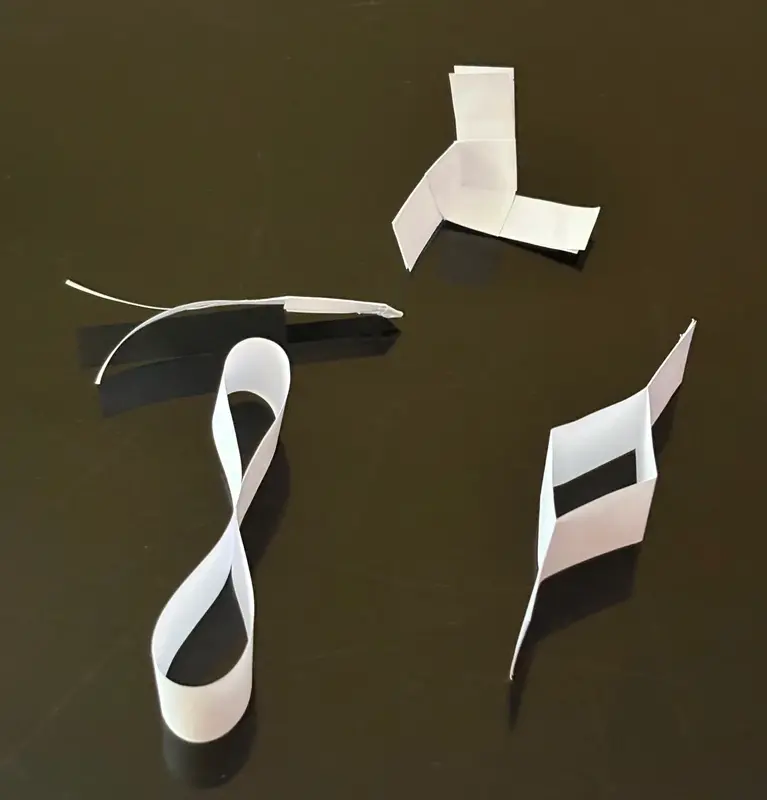
- Flying Paper Shapes · Scientific learning
Do: Guess which paper shape will stay in the air longest, then drop them all from the same height to test your guess.
Ask: Which shape stayed in the air longest? What did you keep the same each time, so the test was fair?
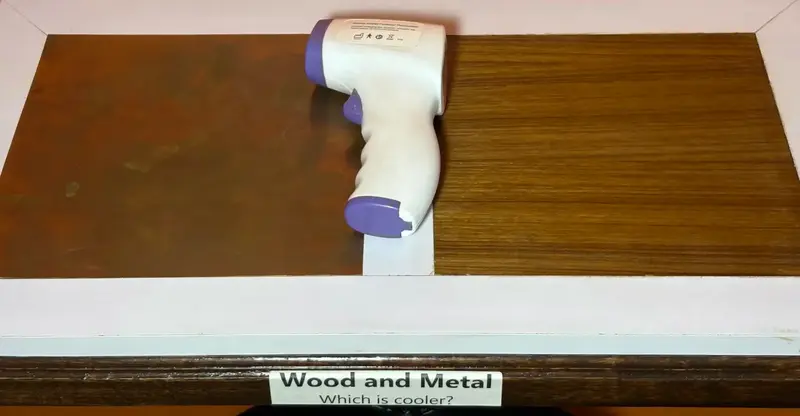
Second Floor - Which Feels Cooler? · Observation, experiment and inquiry
Do: Touch the metal and the wood: one feels colder, yet both are at the same temperature. Your skin can’t measure temperature; a thermometer can.
Ask: Which one feels colder? Does that mean it really is colder? How could you find out for sure?
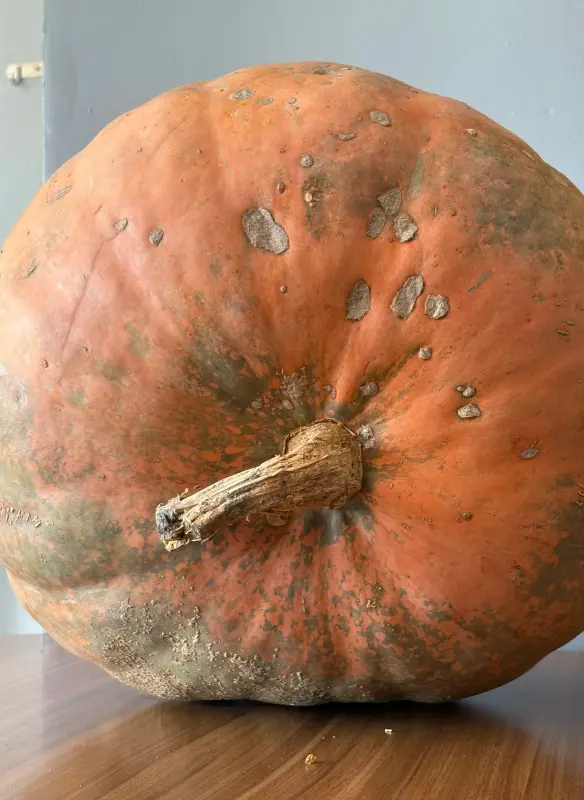
First Floor - A Giant Pumpkin · Observation, experiment and inquiry
Do: Guess how heavy the giant pumpkin is: that guess is an estimate. Only a balance could tell its mass for sure.
Ask: How heavy do you think it is? Is that an estimate or a measurement? What would you need to find its mass?
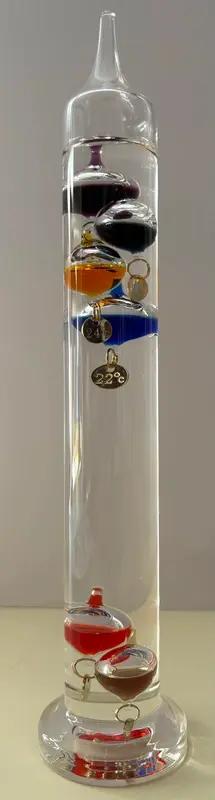
Ground Floor - Galileo Thermometer · Scientific apparatus
Do: A thermometer measures temperature. This one works with floating bulbs: read the tag on the lowest bulb still floating.
Ask: Find the lowest bulb that is still floating. What temperature does its tag show?
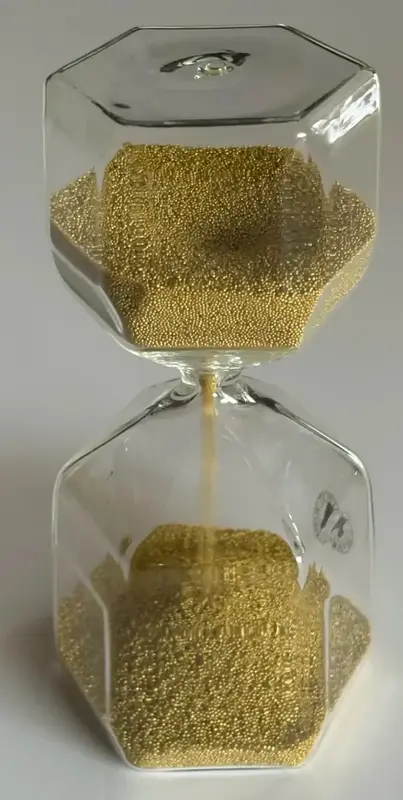
First Floor - The Hourglass · Measurement
Do: Time is the gap between two events. Turn the hourglass over, and use a clock to find how long the grains take to run through.
Ask: How many seconds does one run take? Why is it better to time it three times?
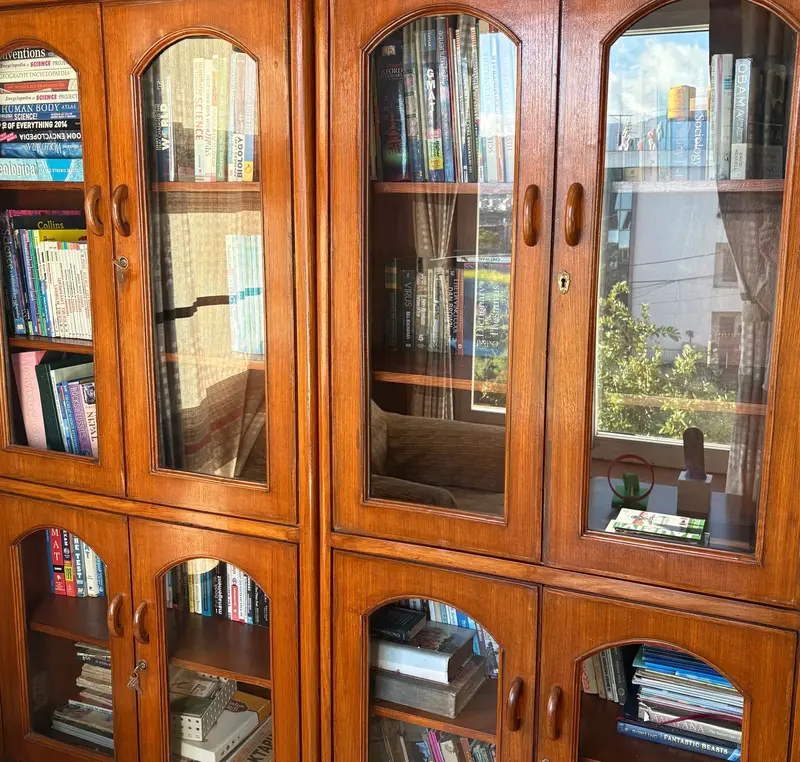
First Floor - The Science Library · Observation, experiment and inquiry
Do: An exhibit shows you what happens; find a book here that tells you why. Finding out by reading and asking is inquiry.
Ask: Why is it better to check a fact in two books than in one?
First Floor
Watch for
- Students conclude the metal really is colder. Both are at room temperature. Our skin feels how fast heat leaves it, so our senses can fool us, and a thermometer is needed to measure temperature.
Before the visit
Do Activity 1.2 (salt in water and in oil): students guess, then test, and see that some things can be found out only by an experiment. At the center they can do the same with the paper shapes and with the metal and wood.
After the visit
Do Activity 1.11 (a race with a stopwatch; the English textbook misprints it as 1.17), then talk about the hourglass: could it time a race? Why is a stopwatch better for short, exact times?
Unit 2
Information and Communication Technology
Students meet some of the oldest and newest ways of passing on information side by side: a library, picture writing from ancient Egypt, a 3D printer that follows a design from a computer, and pictures made of dots like the pixels on a screen.
CDC learning outcomes this visit supports
- 2.1Give examples of different sources of communication, and find the information needed from them.
- 2.6Practice Paint software and use typing software.
At the center
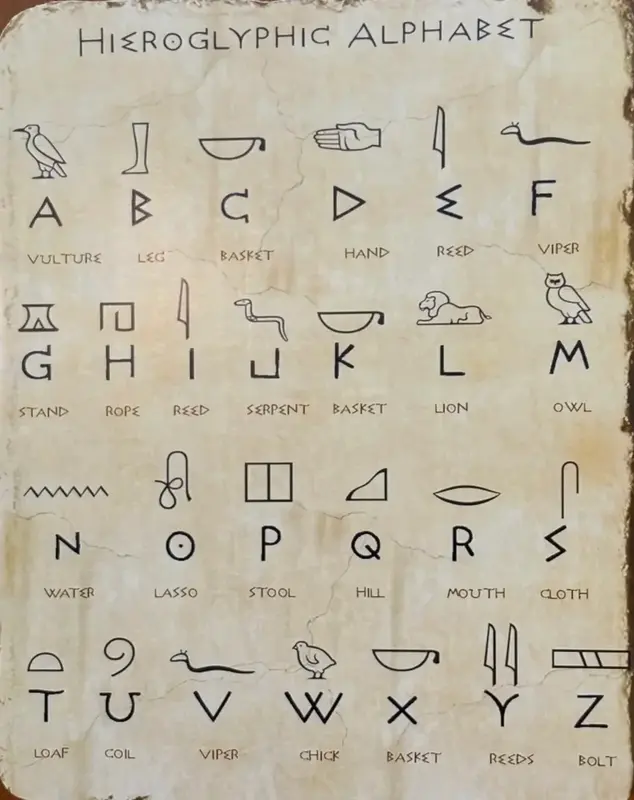
- Egyptian Hieroglyphs · Communication and its types
Do: Hieroglyphs are written communication: Ancient Egyptians wrote with picture signs, some for sounds and some for whole words, for over 3,000 years.
Ask: Write your name in hieroglyphs. Is this written, oral or audio-visual communication?
First Floor - The Science Library · Sources of information
Do: Books are a source of information: someone else found out the facts and wrote them down. Pick a book and read one new fact.
Ask: Is a book a source of information? Who found out the facts in it?
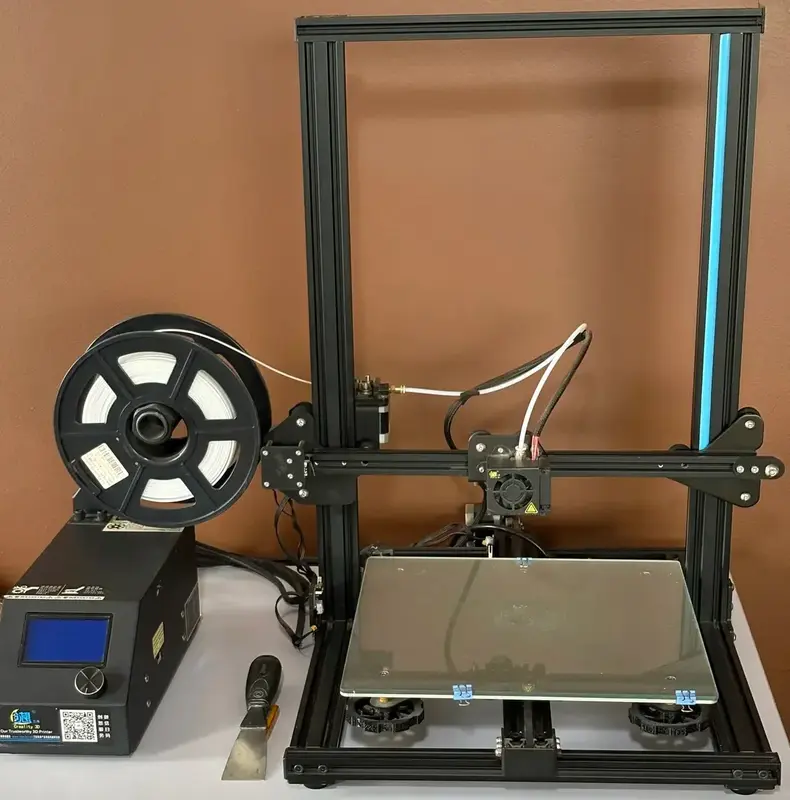
First Floor - 3D Printer · Computer as a means of communication
Do: A 3D printer is an output device: the computer sends it a design, and it builds a real object one thin layer at a time.
Ask: Is the 3D printer an input device or an output device? What does the computer send it?
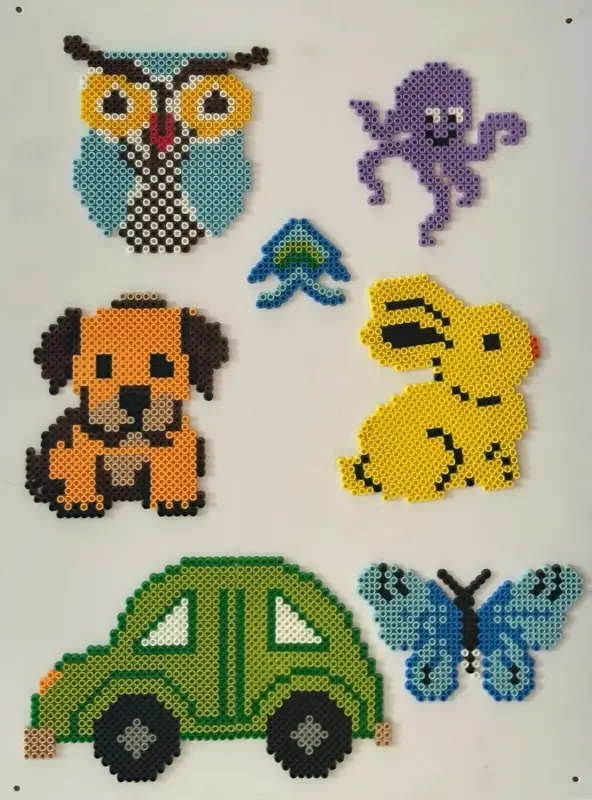
First Floor - Bead Art · Paint software
Do: Each bead is one dot of a single color, like a pixel in a picture on a computer. Step back until the dots become a picture.
Ask: Step back slowly. When do the beads turn into a picture? What are the dots in a computer picture called?
First Floor
Watch for
- Students think communication means only talking. Writing, signs and pictures communicate too: the Egyptians wrote with picture signs for over 3,000 years.
- Students think a picture on a screen is smooth. It is made of tiny squares of color, pixels, just as the bead pictures are made of beads.
Before the visit
Do Activity 2.1 (sources of information), so students arrive with a table of sources to add the library and the hieroglyph chart to.
After the visit
Do the textbook’s Activity 2.5 (draw in Paint; Activity 2.8 in our online edition), then zoom in on the picture with Paint’s magnifier to find its pixels, like the beads.
Unit 3
Organisms and Environment
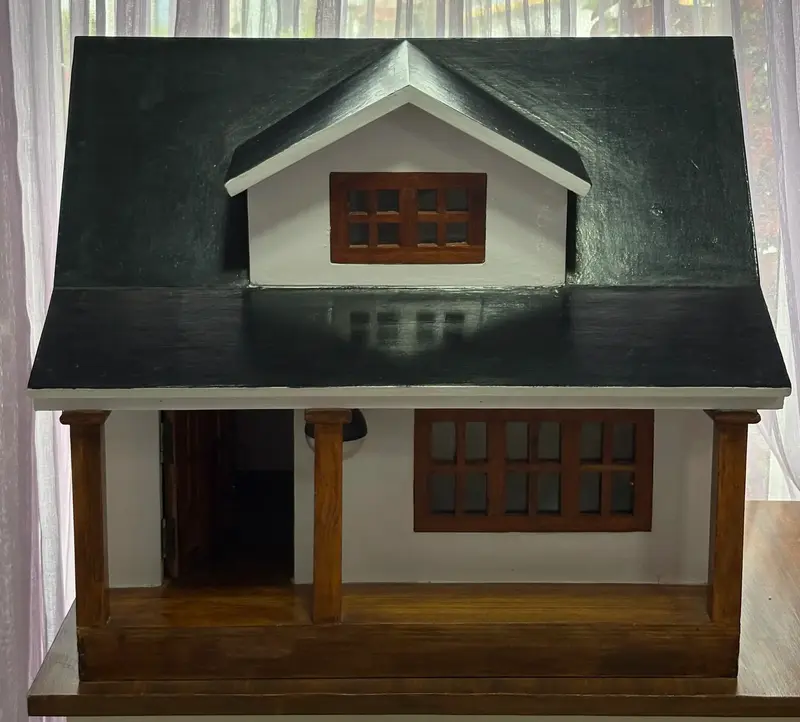
The pond, the paludarium and the terrarium are small environments students can see whole, with their living and non-living parts side by side. The solar house shows energy from the Sun put to work without smoke.
CDC learning outcomes this visit supports
- 3.1Show, with reasons, that living things need heat and light energy.
- 3.2Identify the sources of energy available in the environment.
- 3.4Say how to reduce the harm that using too much energy does to the environment, and put it into practice.
At the center
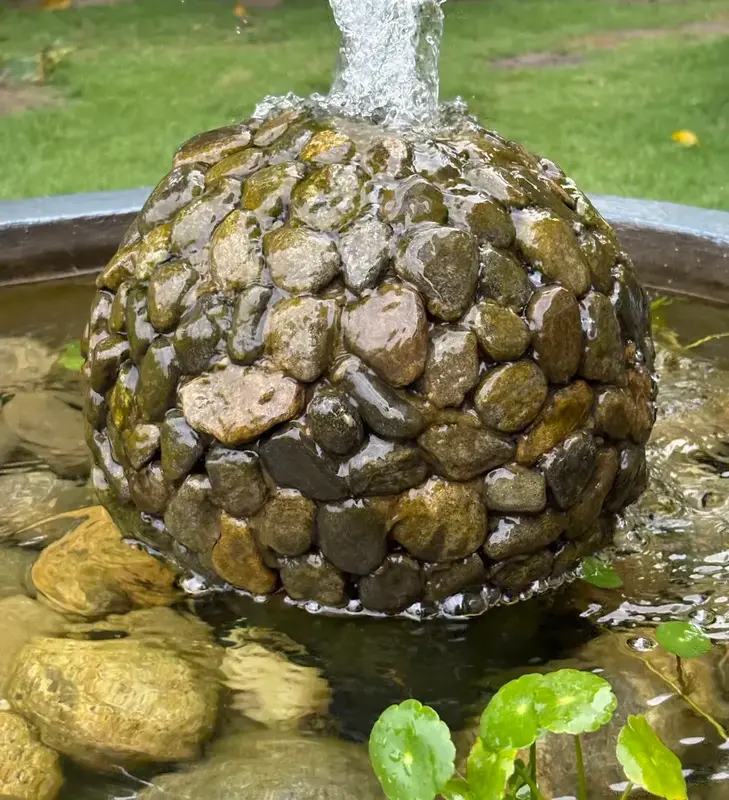
- The Ecosystem Pond · Living things and their environment
Do: Find the living things here, fish and water plants, and the non-living ones, water, stones and sunlight: together they make an environment.
Ask: Name two living things and two non-living things in the pond. Which living thing needs sunlight to make its food?
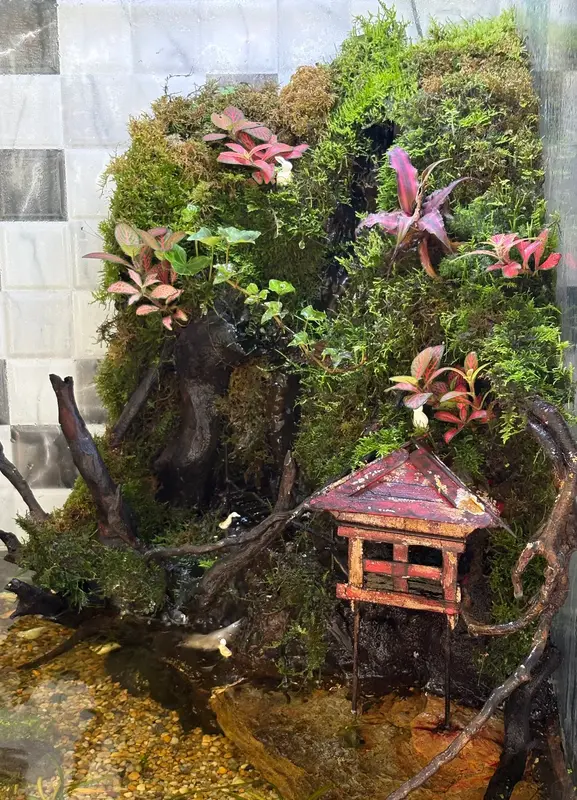
Grounds - The Paludarium · Living things and their environment
Do: Plants, water, rocks and wood share this little world: each living thing here depends on the non-living things around it.
Ask: Name three living parts and three non-living parts. Where do the mosses get their water?
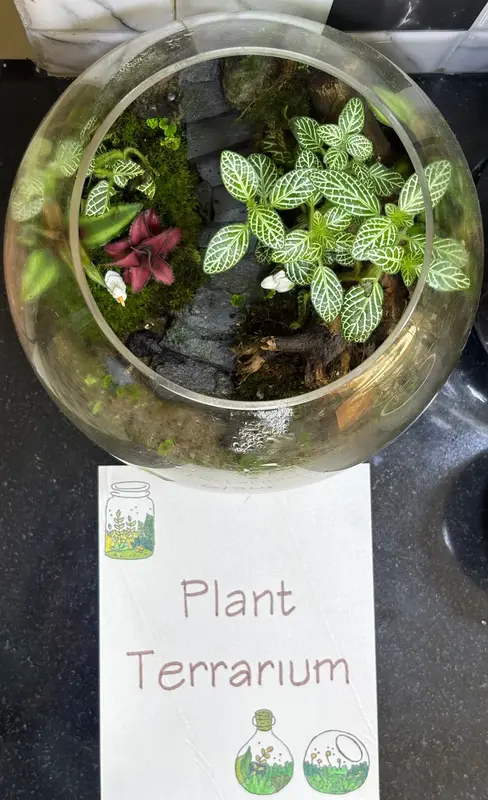
Ground Floor - Plant Terrarium · Heat and light for living beings
Do: Clear glass lets light in, so the plants inside can still make their food, just as clear plastic does for tomatoes in a tunnel.
Ask: Why is the bowl made of clear glass? What would happen to these plants in a dark cupboard?
Ground Floor - Solar House Model · Heat and light for living beings
Do: One of the Sun’s many jobs: these panels turn its light into electricity for the lamps in the house.
Ask: Where does this house get its energy? Will that source ever run out?
Ground Floor
Watch for
- Students think plants get their food from the soil. Green plants make their own food in sunlight; the soil gives them only water and minerals.
Before the visit
Do Activity 3.3 (the energy you use), so students know where the energy at home comes from before they see a house that runs on sunlight.
After the visit
Do Activity 3.5 (things that help), and add the solar house students saw to the table.
Unit 4
Classification of Living Beings
Students compare a fish with a shrimp, follow a real tree root down to its finest threads, see leaf veins lit from behind, and meet a plant that drinks through its leaves.
CDC learning outcomes this visit supports
- 4.1Describe the general features of vertebrates.
- 4.2Compare the seeds, roots, stems and leaves of plants, and sort them into monocots and dicots.
- 4.3Describe the work of the different parts of a plant (root, stem, leaf, flower and fruit).
At the center
- The Ecosystem Pond · Vertebrates
Do: Guppies are fish, animals with a backbone. As in Activity 4.2, watch how their fins and tail move them through the water.
Ask: Which parts help a guppy move? Does it have a backbone?
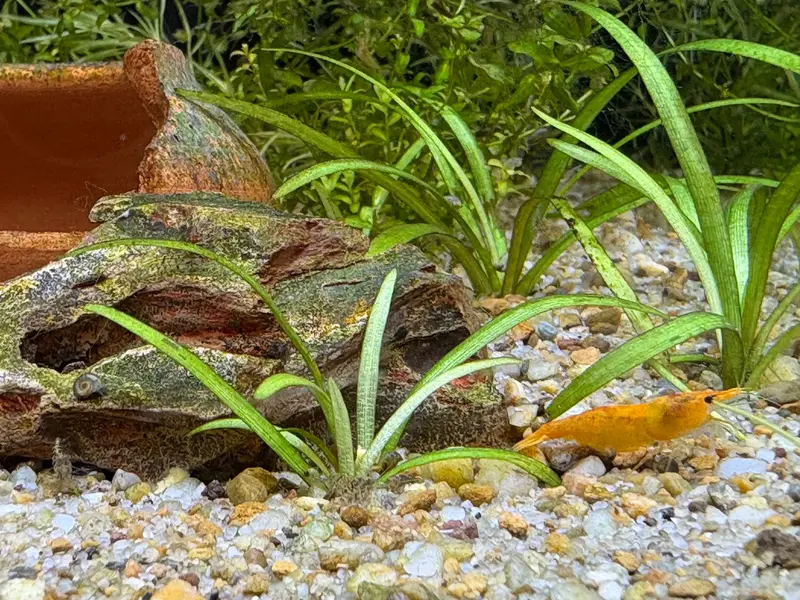
Grounds - Shrimp Tank with a Sandfall · Living things around us
Do: Shrimp have no backbone: their skeleton is a hard shell on the outside, which they shed as they grow.
Ask: Does a shrimp have a backbone? Where is its skeleton?
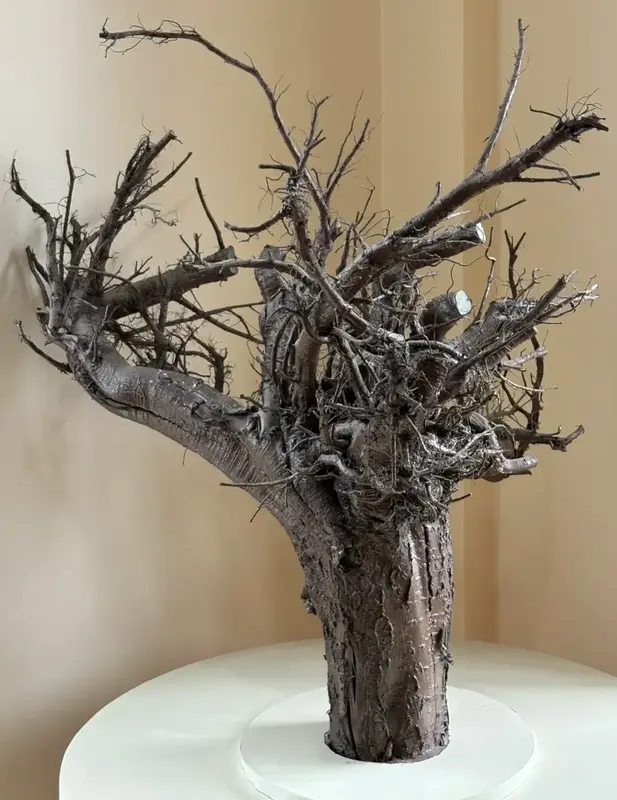
Ground Floor - Fractal-Like Tree Root · Parts of a plant and their functions
Do: Follow a thick root as it divides into smaller roots, and those into finer ones still: together they grip the soil and take in water.
Ask: Follow a thick root to its finest threads. How many times does it split? What do all these roots do for the tree?
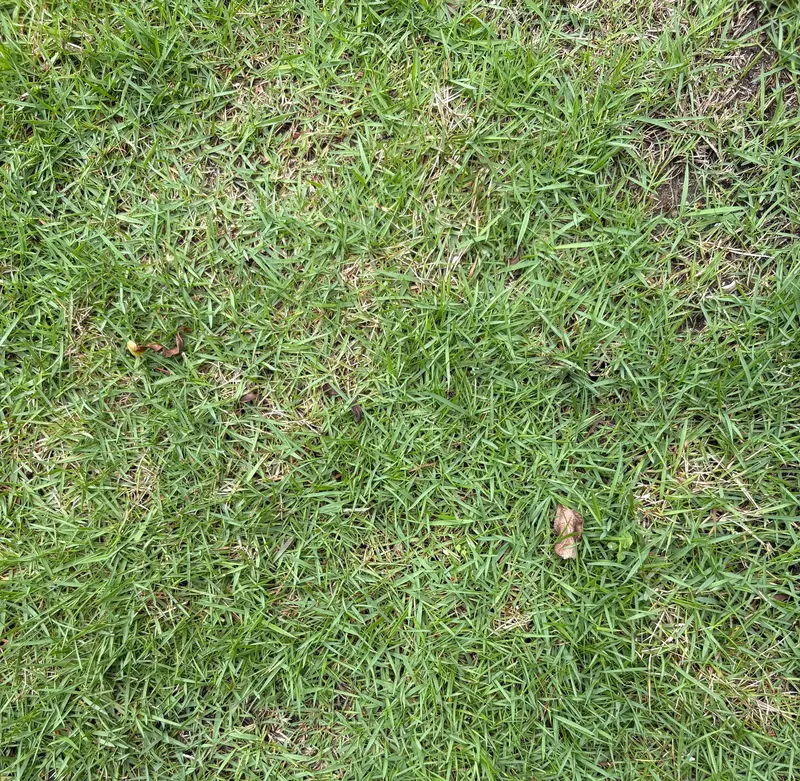
First Floor - Dubo (Bermuda Grass) · Monocotyledons and dicotyledons
Do: Look at dubo’s narrow leaves: their veins run parallel, and its thin roots are all alike, so it is a monocot, like rice and maize.
Ask: Do dubo’s leaf veins make a net or run side by side? Is dubo a monocot or a dicot?
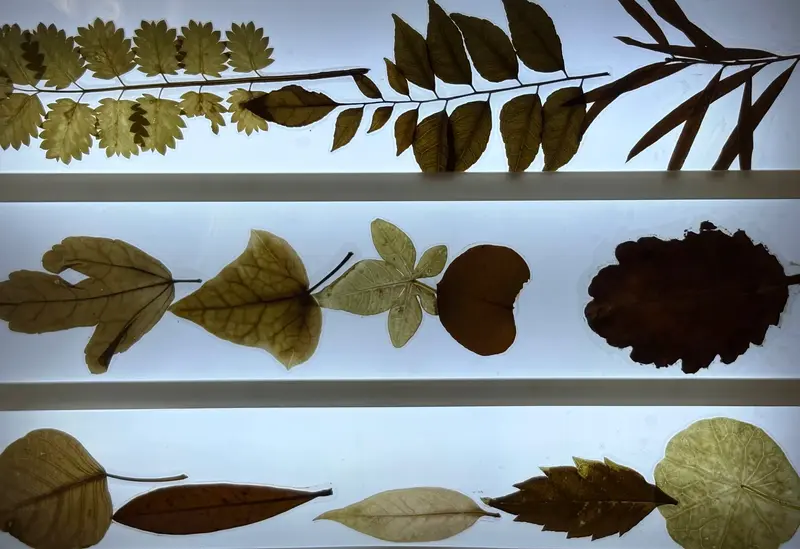
- Leaf Shapes and Veins · Monocotyledons and dicotyledons
Do: Lit from behind, the veins show clearly: find a dicot’s net of veins. Does any leaf have a monocot’s parallel veins?
Ask: Which leaves have a net of veins? Are those plants monocots or dicots?
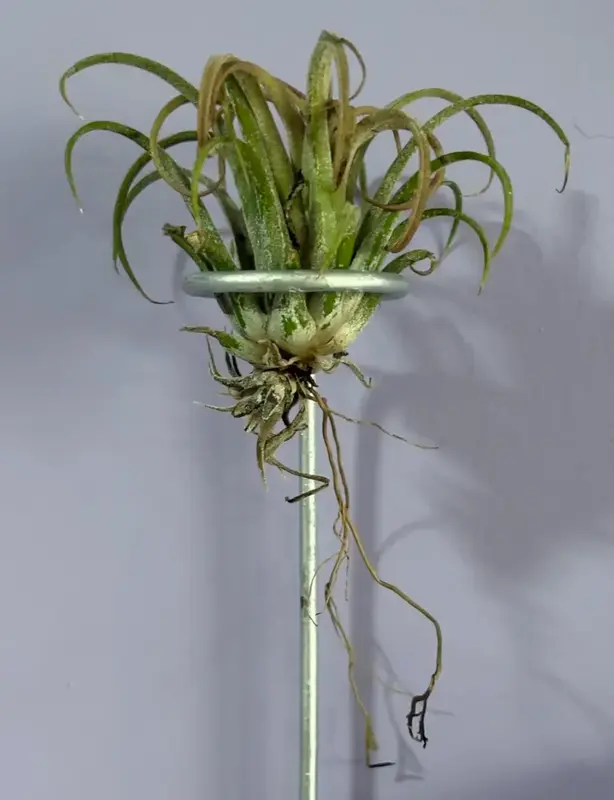
Ground Floor - The Air Plant · Parts of a plant and their functions
Do: This plant grows without soil. Its roots only hold it in place; its leaves take in the water it needs.
Ask: Its roots hang in the air. Which part takes in its water?
Ground Floor - A Giant Pumpkin · Parts of a plant and their functions
Do: A pumpkin is a fruit: it grew from a flower, and it holds and protects the seeds that new plants grow from.
Ask: Which part of the plant is a pumpkin? What does it hold inside?
Ground Floor
Watch for
- Students think a pumpkin can’t be a fruit because we cook it as a vegetable. A fruit grows from a flower and holds the seeds, so a pumpkin is a fruit.
- Students think every plant takes in water through its roots. The air plant’s roots only hold it in place; its leaves take in the water.
Before the visit
Do Activity 4.7 (look at roots), so students know a tap root from fibrous roots before they see the tree root and the dubo.
After the visit
Do Activity 4.10 (net or parallel?), adding dubo and the leaves from the light box to the table.
Unit 5
Life Process
Each stop shows a life process at work: plants that make food, leaves that give off water, the organs that move air and blood, a fruit full of seeds, and new plants grown without seeds.
CDC learning outcomes this visit supports
- 5.1Give a general introduction to life processes.
- 5.2Explain nutrition, excretion, respiration, transport and reproduction as life processes.
- 5.3Tell animals and plants apart by their life processes.
At the center
- The Ecosystem Pond · Nutrition in plants and animals
Do: The green water plants make their own food in sunlight; the guppies can’t, so they must eat. Find an autotroph and a heterotroph.
Ask: Which living thing here makes its own food, and which must eat? Which is the autotroph?
Grounds - The Air Plant · Nutrition in plants and animals
Do: It has no soil at all, yet it grows: like every green plant, it makes its food from water and carbon dioxide in sunlight.
Ask: It has no soil. How does it get its food?
Ground Floor - Plant Terrarium · Excretion in plants and animals
Do: Look for drops on the glass: some of that water was given off by the leaves as vapor. This is transpiration.
Ask: Where did the drops on the glass come from? What is this process called?
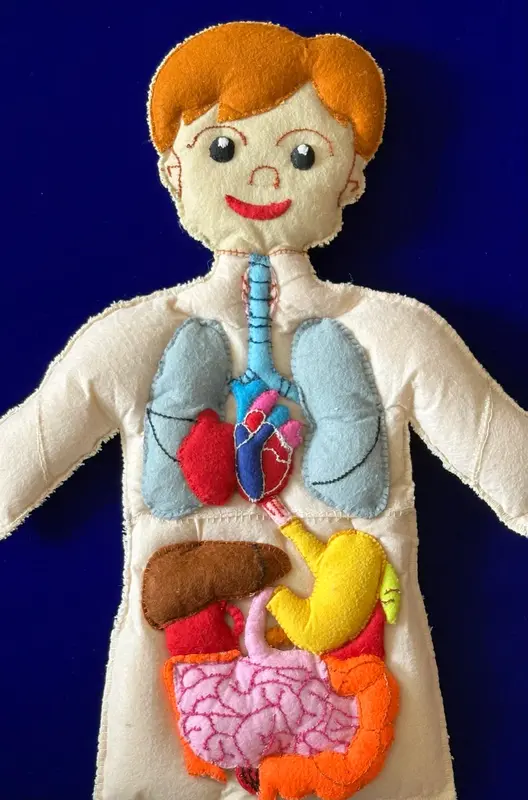
Ground Floor - Inside the Body · Respiration in plants and animals
Do: Find the two lungs in the chest: we breathe with them, taking in oxygen and giving out carbon dioxide.
Ask: Find the lungs and the heart. What does each one do?
Ground Floor - A Giant Pumpkin · Reproduction in plants and animals
Do: After bees carry pollen to a pumpkin’s female flower, it grows into a pumpkin packed with seeds, and each seed can grow into a new plant.
Ask: What had to happen to the pumpkin’s flower before the pumpkin could grow?
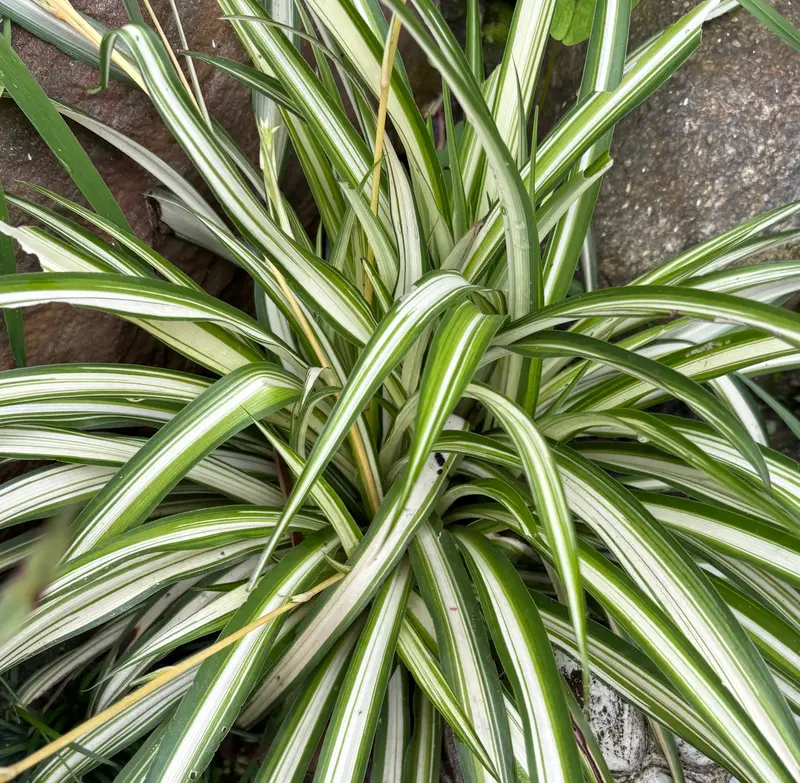
Ground Floor - Spider Plant · Reproduction in plants and animals
Do: When it sends out runners, look for baby plants at their tips: new plants grown from a piece of the old plant, not from seeds.
Ask: If it has runners, look for baby plants at their tips. Did they grow from seeds?
Watch for
- Students think all fish lay eggs. Guppies give birth to live young.
- Students think every new plant grows from a seed. The spider plant grows new plants on its runners, from a piece of the old plant.
Before the visit
Do the textbook’s Activity 5.3 (leaves give off water; Activity 5.5 in our online edition) a few hours before a lesson, so students have seen water from leaves before they find it on the terrarium’s glass.
After the visit
Do the textbook’s Activity 5.9 (plants and animals compared; Activity 5.7 in our online edition), using the plants and animals students saw at the center.
Unit 6
Matter
Students see air push a wall they can’t see it reach, liquids that change shape, wax that rises when it is warmed, and mixtures from a salt lamp to a tank of soil.
CDC learning outcomes this visit supports
- 6.1Define matter as anything that has mass and takes up space.
- 6.3Classify matter into solids, liquids and gases by their physical properties.
- 6.5Explain the effects of heat on matter.
- 6.7Make mixtures by mixing different substances, and introduce mixtures.
- 6.10Separate mixtures by simple methods (hand picking, winnowing, sedimentation and decantation, filtering, sieving), and explain them.
At the center
- The Air Cannon · Introduction to matter
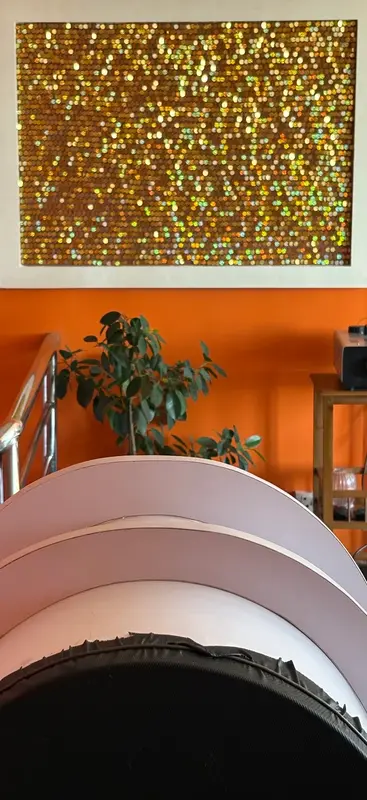
Do: You can’t see air, but it is matter, real stuff that takes up space: fire a ring of air across the room and watch it ripple the sequin wall.
Ask: You can’t see air. How do you know the ring of air reached the wall?
Second Floor - Water Parabola · Physical properties of matter
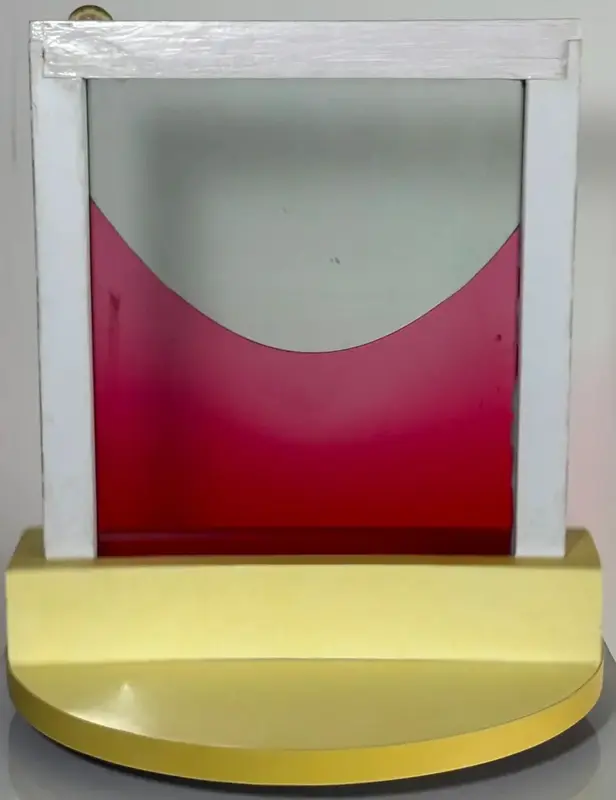
Do: Spin the base: the water rises at the sides and dips in the middle, yet its amount stays the same. A liquid has no fixed shape.
Ask: When the water spins, does its shape change? Does the amount of water change?
First Floor - Falling Sand Art · Physical properties of matter
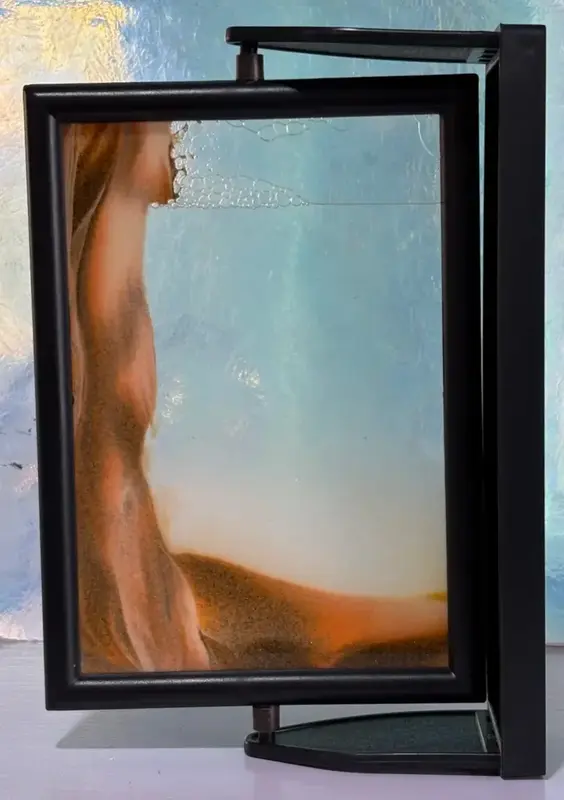
Do: Sand pours like a liquid, but look closely: each grain is a tiny solid that keeps its own shape and size.
Ask: Is each grain of sand a solid or a liquid? Does the sand dissolve, or settle?
Ground Floor - Lava Lamp — Convection in Motion · Effects of heat on matter
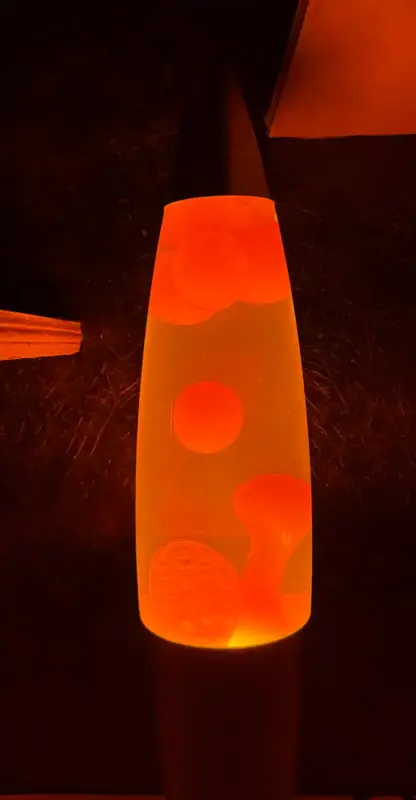
Do: Heated at the bottom, the wax expands and rises; cooled at the top, it contracts and sinks again.
Ask: Where do the blobs rise, and where do they sink? What does heat do to the wax?
Ground Floor - Galileo Thermometer · Effects of heat on matter
Do: Heat makes liquids expand: as the liquid in the tube warms, it takes up more space, gets lighter for its size, and more bulbs sink.
Ask: If the room gets warmer, will more bulbs sink or float? Why?
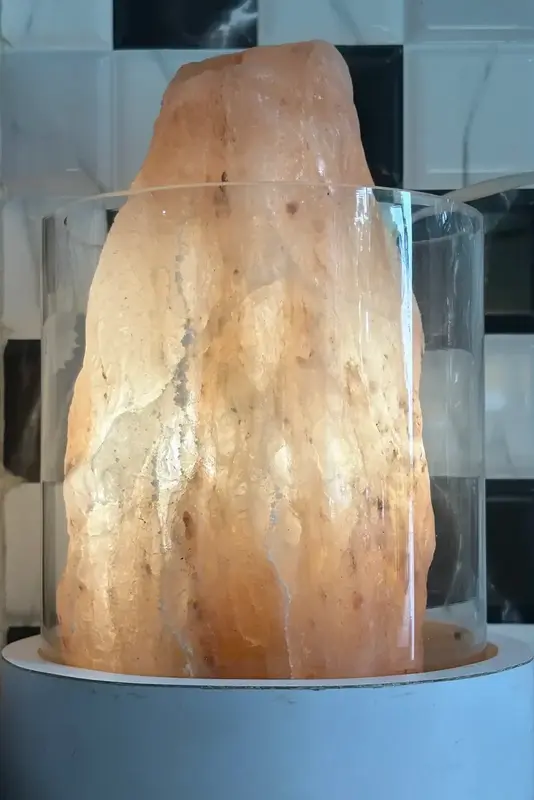
First Floor - Himalayan Pink Salt · Mixture
Do: Pink salt is a mixture: mostly common salt, with tiny amounts of other minerals that give it its pink color.
Ask: Where is the salt white, and where pinker? What would rain do to this block?
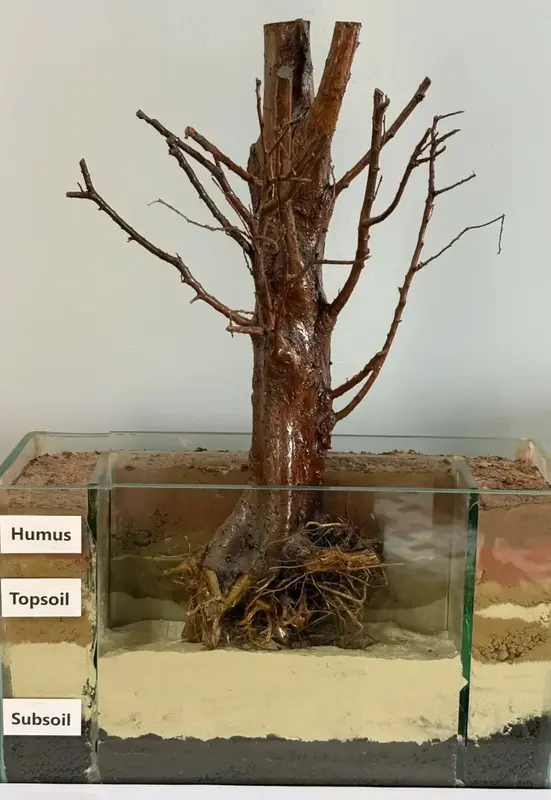
Ground Floor - Soil Layers · Mixture
Do: Soil is a mixture too: find the humus on top, made of rotted plants, then the topsoil, and the paler subsoil with more minerals below.
Ask: Name the labeled layers from top to bottom. Which one is made of rotted plants?
Ground Floor
Watch for
- Students think air is nothing. Air is matter: it takes up space and can push things, as the ring from the air cannon pushes the sequins.
- Students think heating only makes things hotter. Heated things also expand: warm wax takes up more space, becomes lighter for its size, and rises.
Before the visit
Do Activity 6.3 (blow up a balloon), so students know air takes up space before they meet the air cannon.
After the visit
Do Activity 6.17 (can you see the parts?), then add pink salt and soil to the list of mixtures.
Unit 7
Energy
Light, sound and electricity are hard to show on a page. Here students leave their shadow on a wall, see white light split into colors, play bars that ring deep or shrill, hear a whisper cross the garden, and follow a circuit that lights a lamp.
CDC learning outcomes this visit supports
- 7.3Recognize transparent, translucent and opaque objects, and say what they are used for.
- 7.4Show that light is made of seven colors.
- 7.5Define sound, with examples, as energy made by a vibrating object.
- 7.7Classify sounds as soft or loud, and deep or shrill.
- 7.8Find out by experiment what makes a sound deep or shrill.
- 7.11Light a lamp with a dry cell, a switch, conducting wire and a torch bulb or LED, and describe closed and open circuits.
At the center
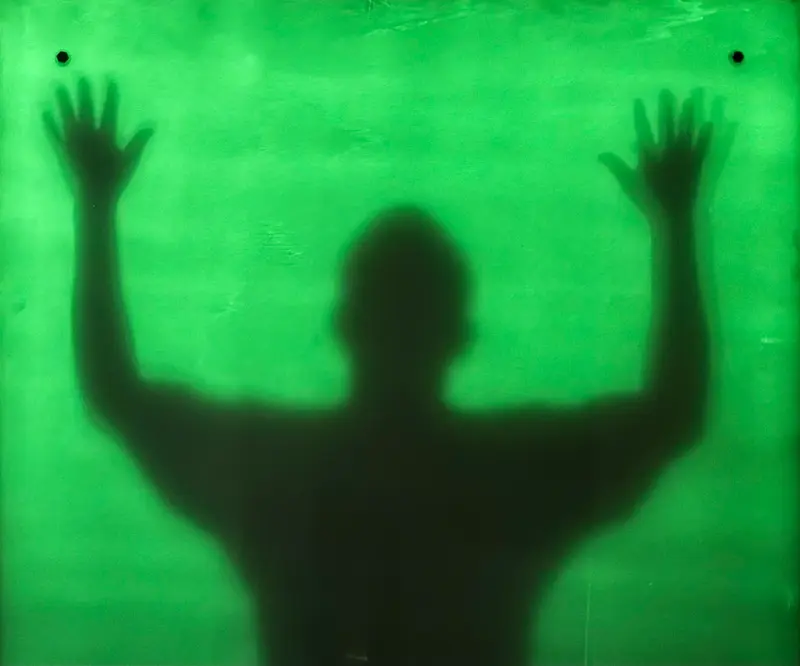
- The Shadow Catcher · 7.1 Light
Do: Your body is opaque: where it blocked the flash, no light reached the wall, so your dark shadow stays behind.
Ask: Why does your shadow stay dark on the wall? Is your body transparent, translucent or opaque?
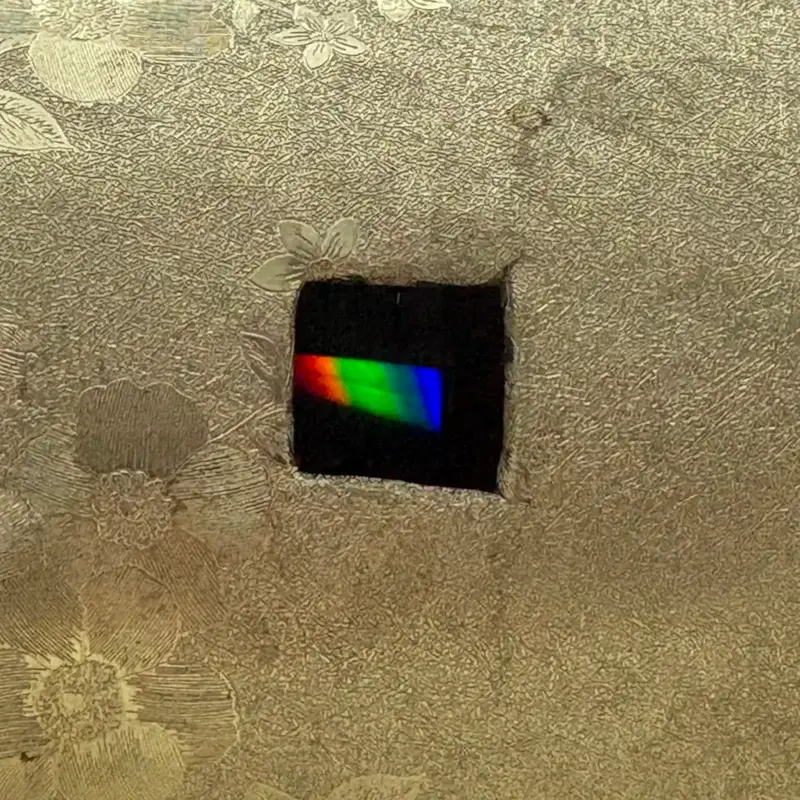
Second Floor - The Spectroscope · 7.1 Light
Do: Look into the viewing window: white light is spread out into one band of rainbow colors, the colors that white light is made of.
Ask: How many colors can you name, and in what order?
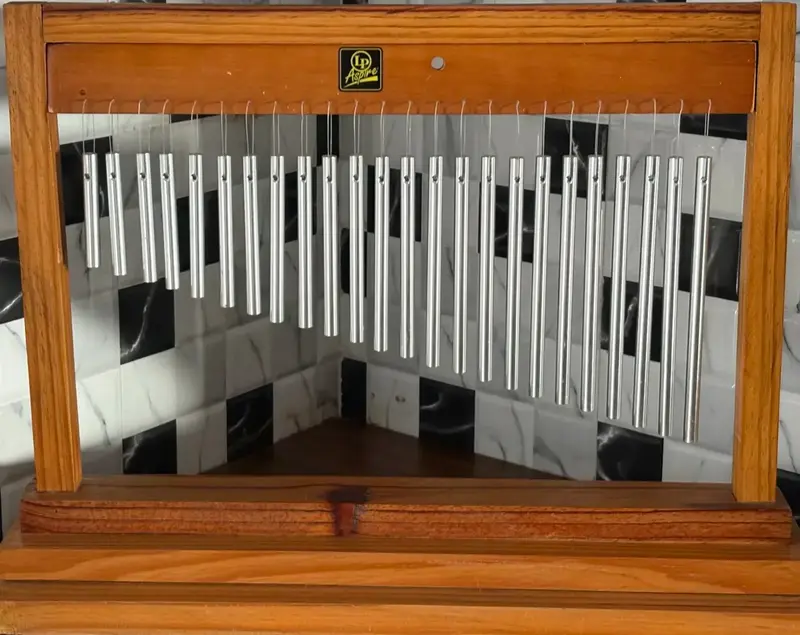
First Floor - The Chime Instrument · 7.2 Sound
Do: Strike the bars: each one vibrates to make its sound. Short bars give a shrill sound, and long bars a deep one.
Ask: Which bar gives a shrill sound, and which a deep one? What is the bar doing while it sounds?
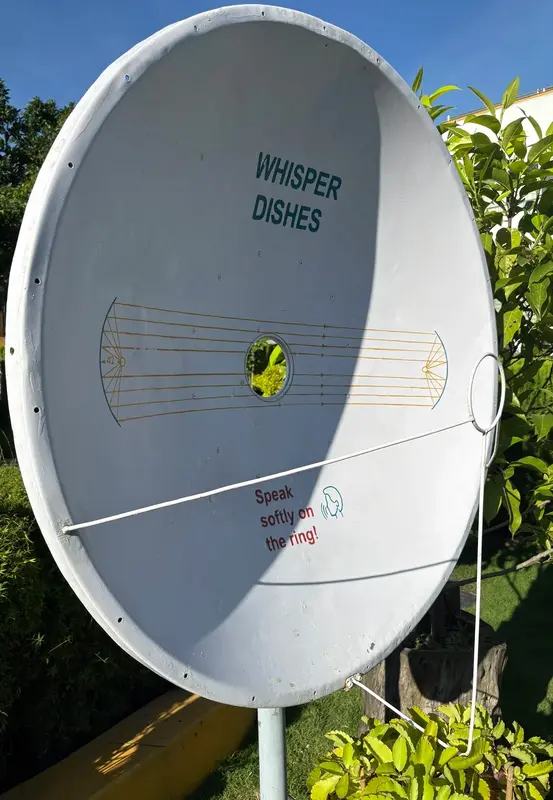
First Floor - Whisper Dishes — Send a Whisper Across the Garden · 7.2 Sound
Do: Whisper into one dish, and a friend at the other dish hears you across the garden: the sound travels through the air.
Ask: What does your whisper travel through to reach your friend?
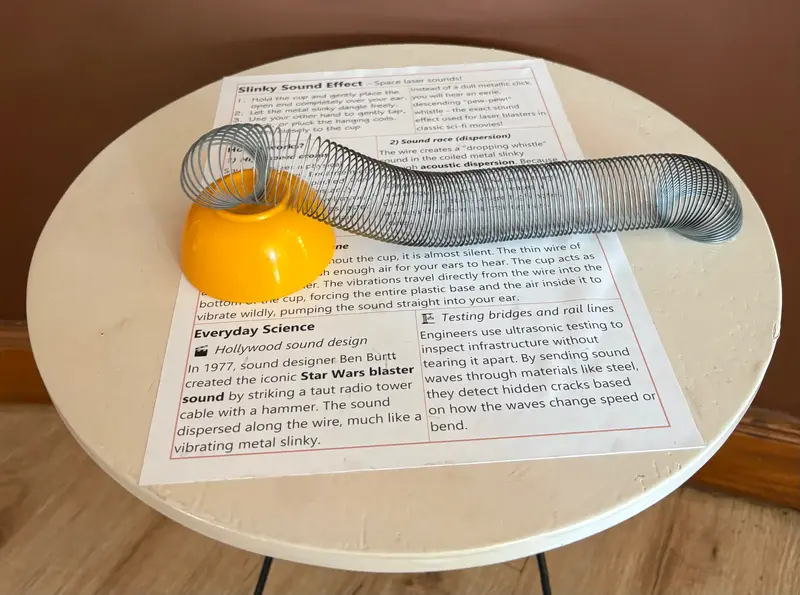
Grounds - Space Blaster Sounds · 7.2 Sound
Do: Hold the cup to your ear and tap the spring: as in a string telephone, the sound reaches you through a solid, the metal spring.
Ask: What does the sound travel through to reach the cup? Which activity in your book works the same way?
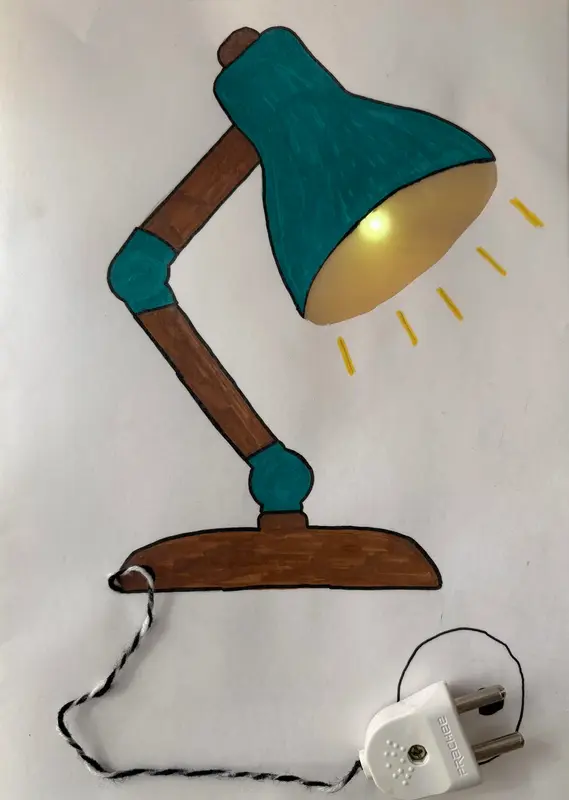
First Floor - The Fun Circuit · 7.3 Electricity
Do: Unfold the drawing and trace the path: the lamp lights only while the circuit is closed, a complete loop.
Ask: Follow the path from the source, through the lamp and back. What happens if the path is cut anywhere?
First Floor - Solar House Model · 7.3 Electricity
Do: Here the source of electricity is a set of solar panels, with a battery that stores energy for when the sunlight is weak.
Ask: Where does this house’s electricity come from? What keeps the lamps on when the light is weak?
Ground Floor
Watch for
- Students think sound travels only through air. The spring carries it through a solid, as the thread does in a string telephone.
- Students think striking a bar harder makes a higher note. It makes the note louder; a shorter bar makes it higher.
- Students think the current is used up in the lamp. The same current flows all the way round the loop and back to the source; the lamp uses the energy it carries.
Before the visit
Do Activity 7.11 (a string telephone); students can compare it with the spring and cup at the center.
After the visit
Do Activity 7.16 (a safety-pin switch), to open and close a circuit like the one students followed.
Unit 8
The Earth and Space
Students stand in a sundial and watch their own shadow tell the time, and meet model planets and the rocket that carried astronauts to the Moon.
CDC learning outcomes this visit supports
- 8.1State that the Sun, the Earth, the Moon and other heavenly bodies are in the sky.
- 8.2Show that the Earth keeps spinning on its axis, and explain why day and night happen.
- 8.3Show with a model how the Earth goes round the Sun and the Moon goes round the Earth.
At the center
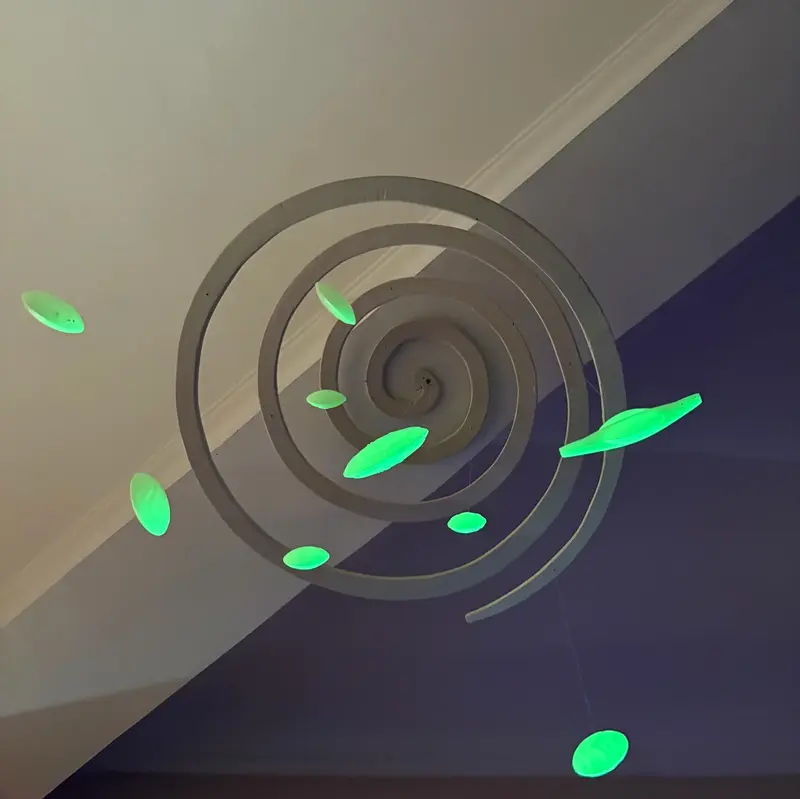
- Glow-in-the-Dark Planets · Heavenly bodies
Do: These model planets glow in the dark, but real planets have no light of their own: they shine only because sunlight falls on them.
Ask: These model planets glow. Does the glow come from inside them, or is it light their paint stored earlier?
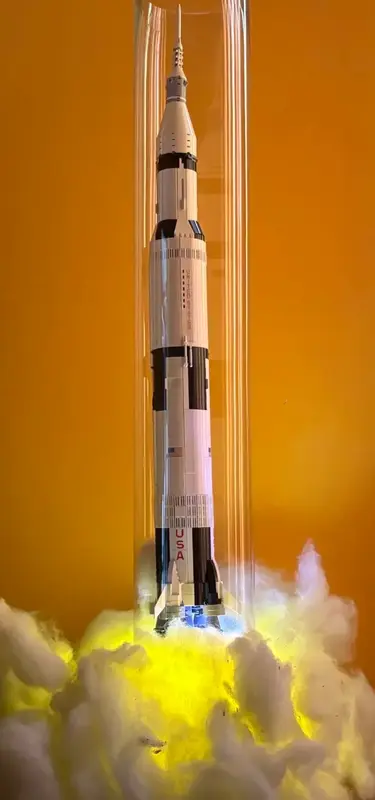
Second Floor - Saturn V - LEGO Model · Heavenly bodies
Do: A model of the rocket that carried astronauts to the Moon, the Earth’s only natural satellite, which goes round the Earth about once a month.
Ask: Where did this rocket carry astronauts? What goes round the Earth about once a month?
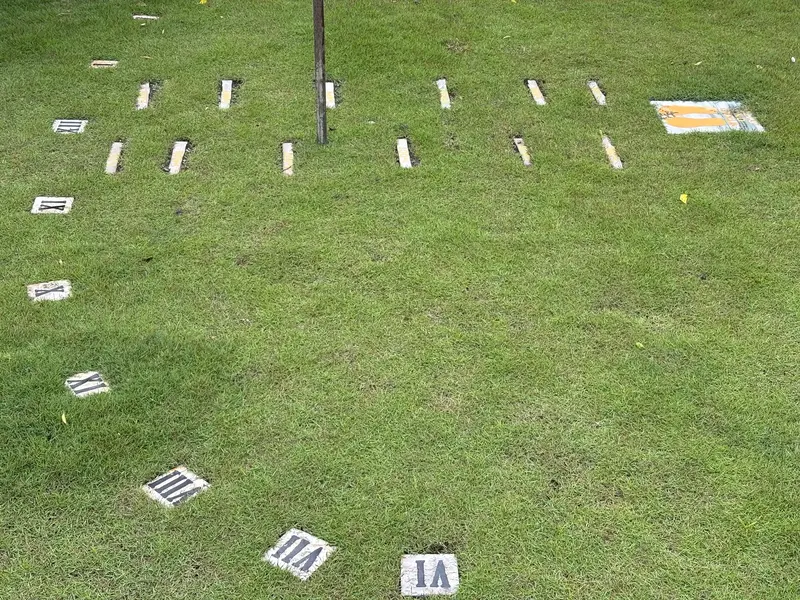
First Floor - Analemmatic Sundial · Motion of the Earth
Do: Stand on this month’s mark: the marks move through the year because the Earth goes round the Sun on a tilted axis, so the Sun’s path changes.
Ask: Which way does your shadow point? Where will it point an hour from now, and why?
Grounds
Watch for
- Students think planets shine like stars. Planets have no light of their own; we see them because sunlight falls on them, as on the Moon.
- Students think the Sun moves across the sky. It only seems to: the Earth spins on its axis, so the Sun and our shadows seem to move.
Before the visit
Do Activity 8.2 (what are they like?), so students arrive knowing which heavenly bodies have their own light.
After the visit
Do Activity 8.3 (day and night on a globe), and link the turning globe to the shadow that moved on the sundial.
Planning the day
- Visits are by appointment, so book well in advance on the Book a Visit page. A visit takes about two hours; set aside three in all. A large class can split into four groups that take the rounds in turn.
- A sunny morning is best: the sundial and the garden need the sun.
- Ask each student to bring a notebook and a pencil to record what they test and see. Before the visit, give each group two or three of the questions in this guide to answer.
- You’re welcome to come beforehand, free, to see the exhibits and plan the visit; teachers who come with the group are free too.