
Look around you. A stone. A glass of water. A pencil, a book, a cup of milk. A cloud floating in the sky. The air you are breathing right now.
They look very different. But they all have something in common. Each one is a kind of matter. In this unit you will find out what matter is. You will see why water takes the shape of its glass, but a stone doesn’t. You will see what heat does to things: why ice melts, and why a tight lid opens in hot water. Then you will learn to pull mixtures apart, the way your grandmother cleans rice.
Introduction to matter
Here are some things you can find around you:
Vinegar, water, a stone, nitrogen, oxygen, chocolate, wood, oil, a pencil, a book, milk, mercury, teeth, a comb, a cup, juice and a cloud.
Some are hard. Some can be poured. Some, like nitrogen and oxygen, you can’t even see. What could they all have in common? Try these three activities and find out.
So a stone, water and air all take up space. What else around you takes up space? Your bag, your desk, your own body, the milk in a cup. Almost everything does.
Things that take up space also have mass. Mass is how much stuff is in a thing. A thing with more mass feels heavier in your hand. The space a thing takes up is called its volume.
Matter is anything that has mass and takes up space. We also say it occupies space.
A stone, a table, air, water, plants and animals are all matter. Even you are matter!
Some things are not matter. Light, heat, sound and shadows don’t take up space. They have no mass. You can’t put a shadow in a bag and weigh it. So they are not matter.
Which of these is not matter?
Pick an answer to see why.
What is it like?
Physical properties of matter
Matter is found in three forms, or states: solid, liquid and gas (the gaseous state). A stone is a solid. Water is a liquid. Air is a gas. Each state behaves in its own way. These ways are its physical properties: its shape, its volume, whether it flows, whether it can be squeezed.
Shape and volume
So:
- a solid keeps its own shape and its own volume;
- a liquid keeps its volume, but takes the shape of its container;
- a gas spreads to fill all of its container. It has no fixed shape and no fixed volume.
You pour 200 mL of milk from a jug into a bowl. What changes?
Pick an answer to see why.
Can it be squeezed?
Squeezing a thing into less space is called compressing it. A gas can be compressed. Solids and liquids can’t, or only by a tiny amount that you can’t see.
Does it flow?
Solids, liquids and gases
Physical properties of solids
- A solid has a fixed (definite) shape and a fixed volume.
- It can’t be compressed (squeezed into less space).
- It is hard and stiff, so it doesn’t flow.
Physical properties of liquids
- A liquid has a fixed volume, but no fixed shape. It takes the shape of its container.
- It can’t be compressed.
- It isn’t stiff, so it flows. Some liquids flow faster than others.
- Some liquids mix with water, and some don’t.
Physical properties of gases
- A gas has no fixed shape and no fixed volume. It fills its whole container.
- It can be compressed.
- It isn’t stiff at all, so it flows and spreads easily.
Which state of matter has a fixed volume but no fixed shape?
Pick an answer to see why.
Which of these can be compressed easily?
Pick an answer to see why.
Effects of heat on matter
Everything is made of tiny bits called particles. They are far too small to see, even with a magnifying glass. How they sit and move decides whether a thing is a solid, a liquid or a gas.
Look at these three boxes of particles.
Matter is found in three states: solid, liquid and gas. All matter is made of particles. The particles pull on one another. This pull is called attraction.
- In a solid, the particles are packed very close together. The attraction between them is strong. It holds them in their places. They can only shake.
- In a liquid, the particles are a little farther apart. The attraction is weaker. They still touch, but they slide over one another. That is why a liquid flows.
- In a gas, the particles are very far apart. The attraction between them is very weak. They fly about freely, in every direction. That is why a gas spreads out.
Heat changes the state of matter
The three states of matter can change from one into another. Ice changes into water. Water changes into steam. Steam changes back into water, and water into ice. To change one state into another, we heat it or cool it.
Think of ice warming up. Heat makes its particles shake harder and harder. Then the attraction between them can’t hold them in their rows. They break out and slide over one another. The solid has turned into a liquid. This is melting. Keep heating, and the particles move faster still. They break away from one another altogether, and fly off as a gas. This is boiling.
Cooling does the opposite. A gas turns into a liquid. This is condensation. A liquid turns into a solid. This is freezing.
What happens to the particles of ice as it is heated?
Pick an answer to see why.
Heat makes things bigger
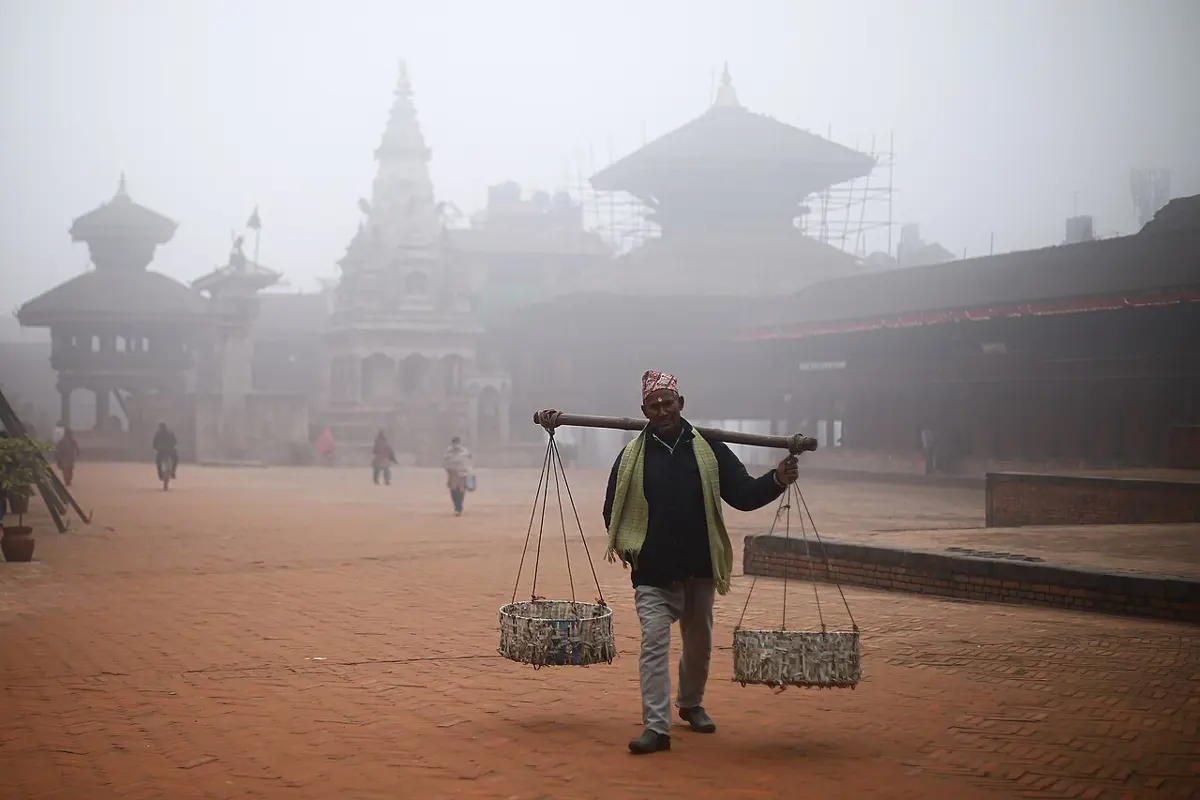
Heat does one more thing. It makes matter take up a little more space. When a thing gets bigger as it is heated, we say it expands. When it gets smaller as it cools, it contracts.
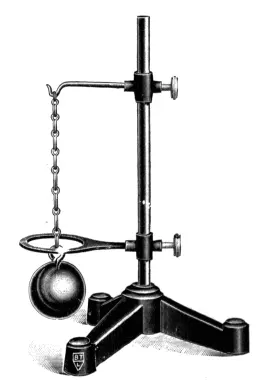
Solids, liquids and gases all expand when they are heated. Gases expand the most, and solids the least.
Advantages of heat in daily life
Life would be impossible without heat from the Sun and from fires. From morning to night, heat helps us. We cook food with it. We dry clothes, grain and vegetables. Factories use heat to make many of the things we use.
Here are some ways heat’s effects help us.
- Heat changes the state of matter. So things can be melted and given a new shape. Gold is melted to make jewelry. Old plastic is melted to make new things.
- Heat dries out the water in food. So vegetables, fruit, meat and grain are dried in the sun to keep for a long time. Think of gundruk and dried radish (sinki).
- Heat makes things expand. So a tight lid can be loosened with hot water.
- Heat kills harmful germs in milk, water and other food. That is why we boil milk and drinking water.
- Heat dries wet clothes.
Disadvantages of heat in daily life
Heat is not always helpful. When it is too hot or too cold, people and animals have problems.
- Water pipes can burst in the cold of winter. Water expands when it freezes into ice. The ice needs more space, and it splits the pipe.
- A cold glass may crack if something very hot is poured into it. The inside heats up and expands faster than the outside.
- Something very hot poured into a plastic bottle makes the bottle shrink and twist out of shape.
- Heat speeds up the changes that spoil food. Food goes bad fast in summer.
- Electricity and telephone wires expand and sag in hot weather. A wire that sags too low can cause an accident.
Why do electricity wires sag more in summer?
Pick an answer to see why.
Exercise (Matter)
1. Is it correct (✓) or wrong (✗)?
a. Matter takes up space.
Pick an answer to see why.
b. A liquid has a fixed shape.
Pick an answer to see why.
c. A gas can be compressed.
Pick an answer to see why.
d. Heat changes the state of matter.
Pick an answer to see why.
e. Heat is not needed to melt ice.
Pick an answer to see why.
2. Fill in the blanks
gas, solid, liquid, three, volume, mass
Matter exists in ______ states.
Answer
Matter exists in three states.
Heat changes the ______ of matter.
Answer
Heat changes the volume of matter. (It changes the state of matter too.)
Solid and ______ substances can’t be compressed.
Answer
Solid and liquid substances can’t be compressed.
The state of matter that has a fixed shape and a fixed volume is the ______.
Answer
The state of matter that has a fixed shape and a fixed volume is the solid.
Camphor changes to ______ when it is heated.
Answer
Camphor changes to gas when it is heated.
3. Choose the best answer
a. Which effect of heat lets us make new plastic things from used plastic?
Pick an answer to see why.
b. In how many states is matter usually found?
Pick an answer to see why.
c. How would you open a glass bottle whose metal lid is stuck tight?
Pick an answer to see why.
d. Which of these is a harmful effect of heat?
Pick an answer to see why.
e. Which of these can flow?
Pick an answer to see why.
4. Answer these questions
What is matter?
Answer
Anything that has mass and takes up space is called matter. Examples: a stone, water, air, a table, plants and animals.
Write three differences between a solid and a liquid.
Answer
- A solid has a fixed shape. A liquid takes the shape of its container.
- A solid doesn’t flow. A liquid flows.
- In a solid, the particles are packed very close and held tightly in place. In a liquid, they are a little farther apart and slide over one another.
Why is air called a gas?
Answer
Because air behaves like a gas:
- it has no fixed shape or volume, and fills any container it is in;
- it can be compressed, as in a pumped-up tyre or ball;
- it flows and spreads out easily.
Why are heat and light not matter?
Answer
Heat and light have no mass, and they don’t take up space. Matter must have mass and take up space. So heat and light are not matter. They are forms of energy.
Can the state of matter be changed? How? Give examples.
Answer
Yes. The state of matter can be changed by heating or cooling it.
- Heating ice melts it into water. Heating water boils it into steam.
- Cooling steam turns it back into water. Cooling water in a freezer turns it into ice.
- Heated wax and ghee melt. When they cool, they turn solid again.
Water turns into steam when it boils. Show this in a diagram, so that the particles can be seen.
Answer
Draw a pan of boiling water. Draw two circles, as if looking through a magnifying glass. In the water, draw the particles close together and jumbled, touching. In the steam above, draw only a few particles, far apart, each with an arrow to show it flying fast.
Have you seen used plastic bags being collected? Why are they collected?
Answer
Yes. Used plastic bags are collected so they can be recycled. They are cleaned and heated until they melt. The melted plastic is made into new things, such as buckets, pipes and new bags. This keeps plastic out of rivers and fields. There it doesn’t rot away for hundreds of years, and it harms animals that eat it.
Mixture
Some things are made of only one kind of substance. Pure gold is only gold. Pure water is only water. These are pure substances.
Other things are made of two or more substances, mixed together. Tea, milk, soil and air are like this. Two or more substances mixed together make a mixture. When other things get mixed into a pure substance, it becomes impure: a mixture. Each substance in it keeps its own properties. No new substance is made.
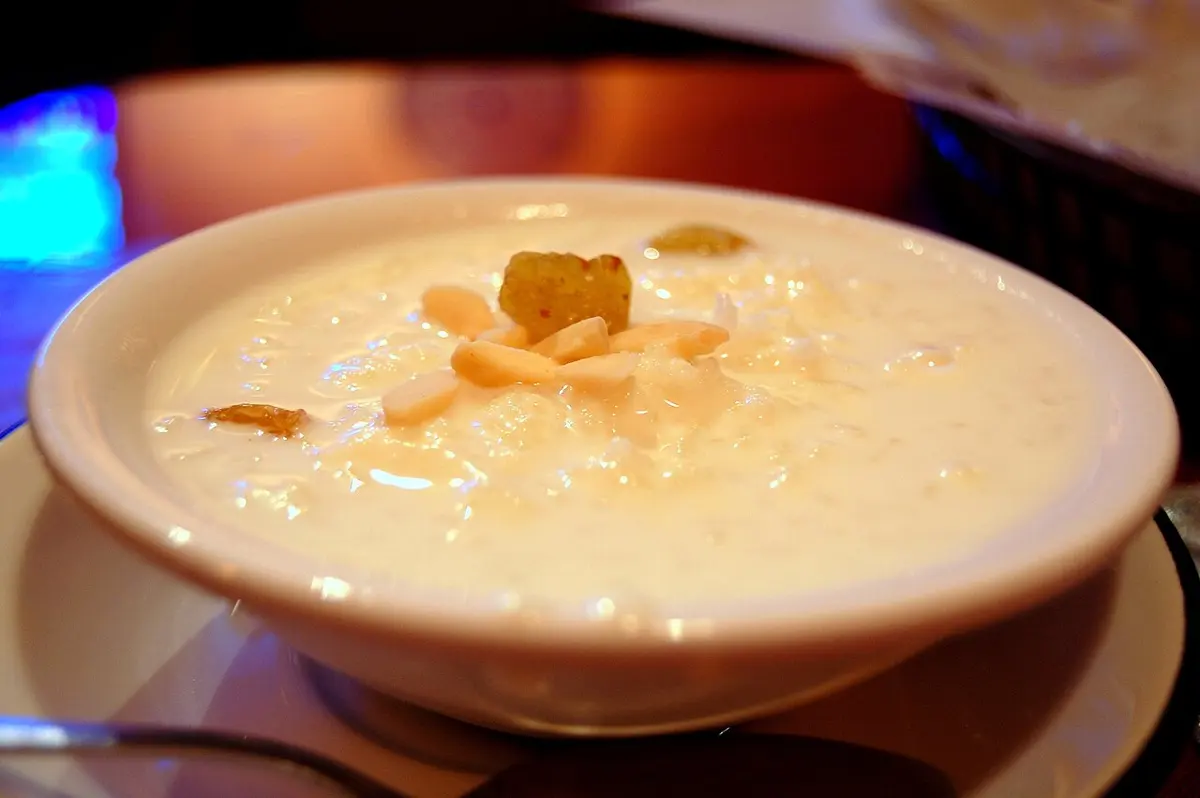
The substances in a mixture are its components. Kheer is a mixture. Its components are rice, milk, sugar and spices.
Which of these is a pure substance, not a mixture?
Pick an answer to see why.
Types of mixture
The components of a mixture can be solids, liquids or gases. So there are five kinds of mixture.
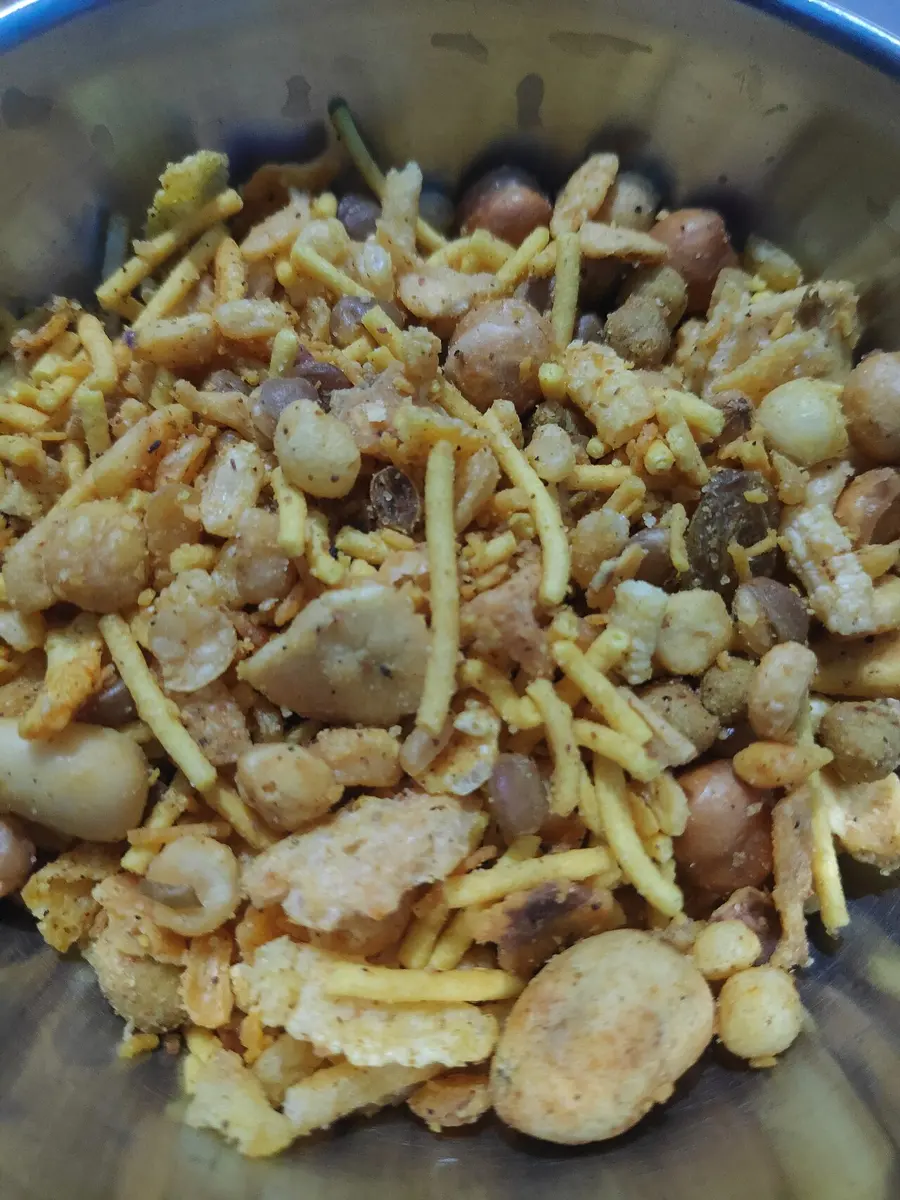
a. Solid and solid: kwati (a mixture of beans), soil, and rice mixed with sand.
b. Solid and liquid: sugar and water, and sand and water.
c. Liquid and liquid: alcohol and water, milk and water, and vinegar and water.
d. Liquid and gas: fog (drops of water in air), and soda water and other fizzy drinks (a gas in a liquid).
e. Gas and gas: air. Air is a mixture of nitrogen, oxygen, carbon dioxide and other gases.
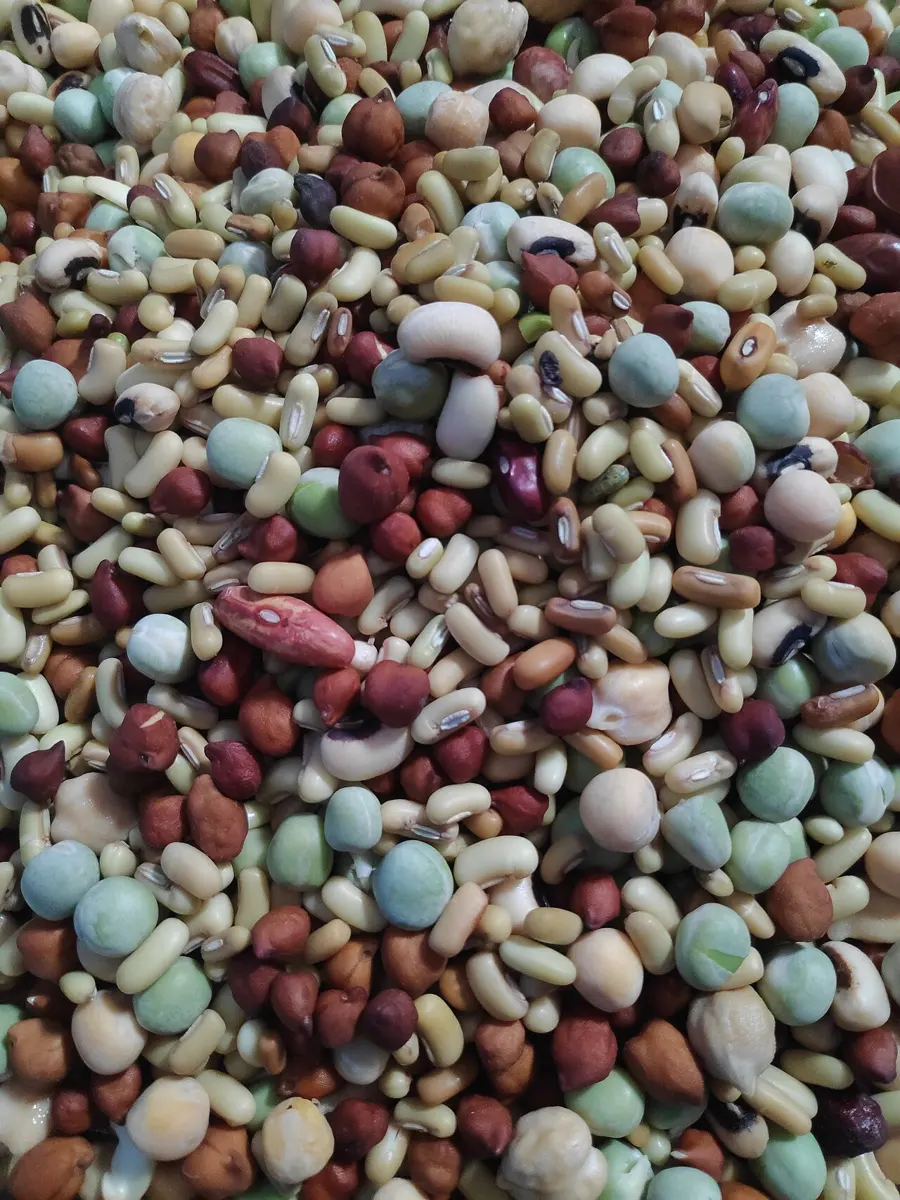
In some mixtures, the components are mixed so evenly that you can’t see them with your eyes alone (the naked eye). Every part of the mixture is the same. This is a homogeneous mixture. Salt and water, sugar and water, vinegar and water, and alum and water are homogeneous mixtures.
In other mixtures, the components are not mixed evenly. You can see them with your eyes. This is a heterogeneous mixture. Sand and water, soil and water, sawdust and water, and chalk dust and water are heterogeneous mixtures.
Which of these is a homogeneous mixture?
Pick an answer to see why.
Methods of separating mixture
We don’t always need every component of a mixture. So we take out the ones we don’t want. Taking the components of a mixture apart is called separating the mixture.
Each mixture needs its own method. The method depends on its components: their size, their weight, and whether they dissolve in water. Here are five methods:
- hand picking;
- sedimentation and decantation;
- winnowing;
- sieving;
- filtration.
a. Hand picking
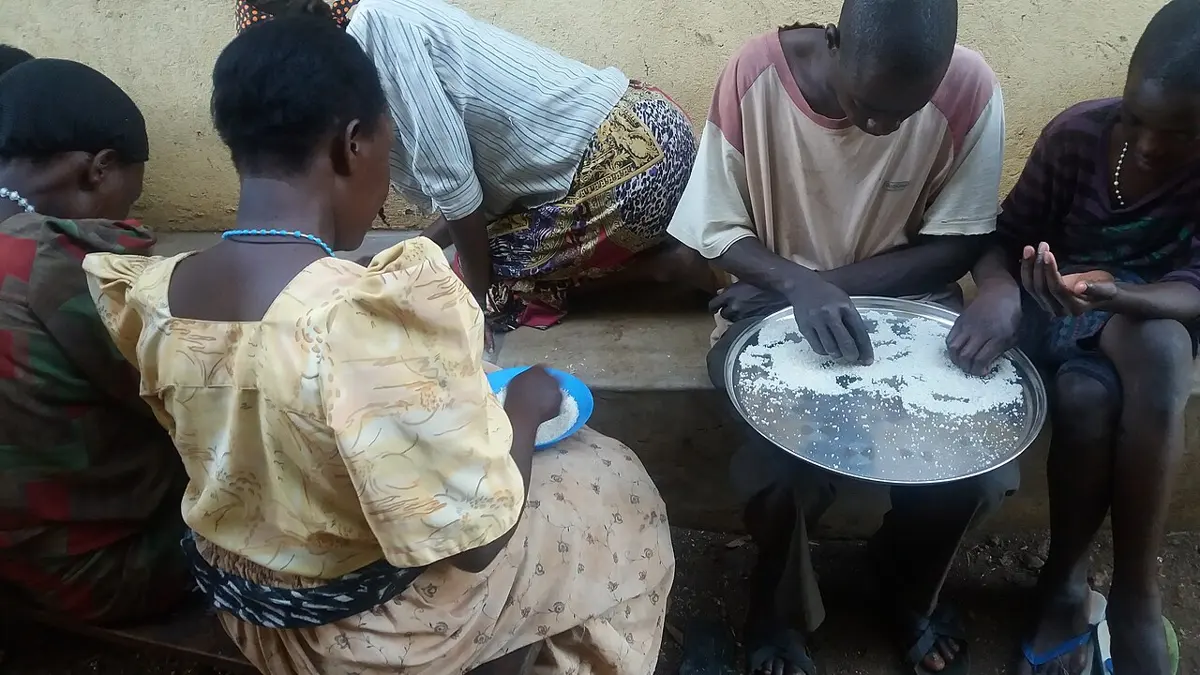
When the unwanted things in a mixture are big enough to see and pick up, we pick them out with our fingers. This is hand picking. We pick stones out of rice and dal, and weeds out of vegetables.
b. Sedimentation and decantation
Stir sand into water and leave it. The heavy sand sinks to the bottom. This is sedimentation. Then gently pour the clear water off into another vessel, leaving the sand behind. This is decantation.
We use sedimentation and decantation when the unwanted component is heavier than the one we need, and sinks in water. For example, sand from water. Sesame and jwano (ajwain) seeds are cleaned this way too: in water the soil and grit sink, and the seeds are poured off.
c. Winnowing
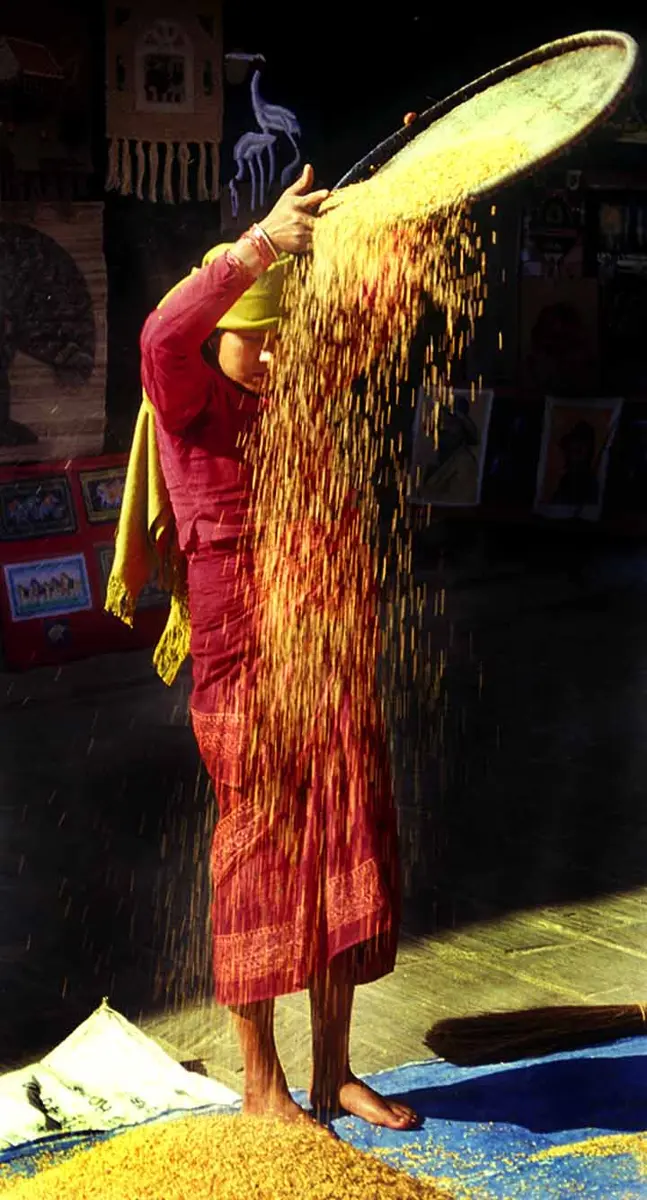
Husk is much lighter than rice. When rice with husk is poured from a height in a breeze, the light husk blows away. The heavy rice falls straight down. This is winnowing. We winnow rice and paddy with a flat bamboo tray, a nanglo.
We use winnowing when the unwanted component is lighter than the one we need.
d. Sieving
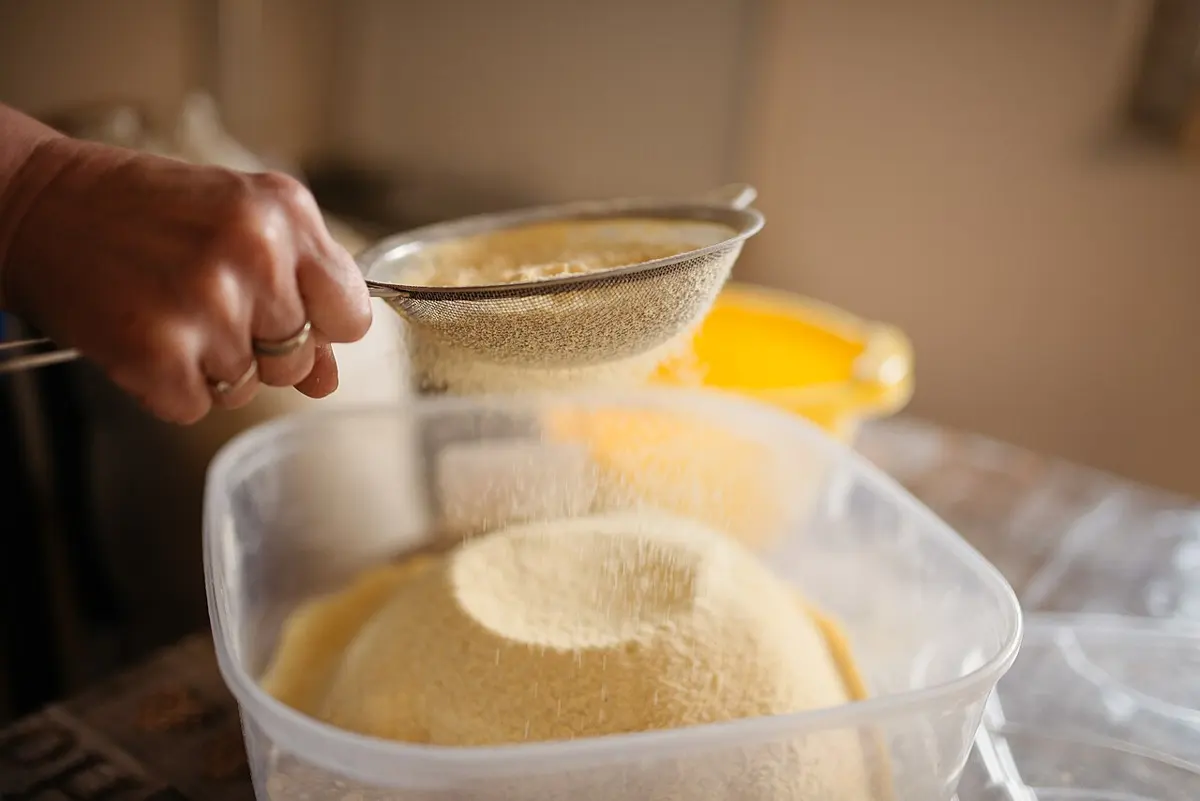
When the component we need is fine and the unwanted one is bigger, we shake the mixture through a sieve. The fine part falls through the holes. The big bits stay on top. This is sieving. We sieve flour to take out lumps, bran, insects and worms.
e. Filtration
Some unwanted things are tiny bits that don’t dissolve in water, like the mud in muddy (turbid) water. They are too small to pick out, and too fine to sieve. They pass through a sieve. But a filter can hold them back. A filter is a material with holes so tiny that only the liquid can pass through. Filter paper and clean, folded cloth are filters.
Pour muddy water through filter paper. The water runs through, but the mud stays on the paper. This is filtration. The solid left on the paper is called the residue. The clear liquid that comes through is called the filtrate. Anything dissolved in the water, like salt or sugar, passes through the paper with it.
Which method separates husk from rice?
Pick an answer to see why.
Which method separates chalk dust from water?
Pick an answer to see why.
Exercise (Mixture)
1. Is it correct (✓) or wrong (✗)?
a. Two or more substances mixed together make a mixture.
Pick an answer to see why.
b. Salt water is a homogeneous mixture.
Pick an answer to see why.
c. Coca-Cola is a mixture of a liquid and a liquid.
Pick an answer to see why.
d. Muddy water can be separated by filtration.
Pick an answer to see why.
e. Stones mixed with beaten rice (chiura) can be picked out by hand.
Pick an answer to see why.
2. Fill in the blanks
homogeneous, component, heterogeneous, winnowing, filtration
A substance mixed in a mixture is called a ______ of the mixture.
Answer
A substance mixed in a mixture is called a component of the mixture.
If the components of a mixture can be seen with the eyes, it is called a ______ mixture.
Answer
If the components of a mixture can be seen with the eyes, it is called a heterogeneous mixture.
Sand and water can be separated by ______.
Answer
Sand and water can be separated by filtration. (Sedimentation and decantation works too.)
A mixture of heavy and light solids, like rice and husk, is separated by ______.
Answer
A mixture of heavy and light solids, like rice and husk, is separated by winnowing.
Sugar water is an example of a ______ mixture.
Answer
Sugar water is an example of a homogeneous mixture.
3. Choose the best answer
a. In which of these mixtures are all the components solids?
Pick an answer to see why.
b. In which of these mixtures can the components be seen with the eyes?
Pick an answer to see why.
c. The water from your tap is muddy. What should you do before you store it?
Pick an answer to see why.
d. Which two would you mix to make a homogeneous mixture?
Pick an answer to see why.
e. What kind of mixture is air?
Pick an answer to see why.
4. Answer these questions
What is a mixture?
Answer
Two or more substances mixed together make a mixture. Each substance keeps its own properties. Examples: tea, soil, air and kheer.
Write the difference between a homogeneous mixture and a heterogeneous mixture.
Answer
- In a homogeneous mixture, the components are mixed evenly. They can’t be seen, and every part is the same. Example: salt water.
- In a heterogeneous mixture, the components are not mixed evenly. They can be seen with the eyes. Example: sand and water.
Why is air called a gas, and a mixture of gases?
Answer
- Air is called a gas because it has no fixed shape or volume, fills any container, can be compressed and spreads out easily.
- It is called a mixture of gases because it is made of many gases mixed together: mostly nitrogen and oxygen, with a little carbon dioxide, water vapor and other gases.
As soon as Biju opened a bottle of Coca-Cola, fizz came out. Why?
Answer
Coca-Cola is a mixture of a liquid and a gas. At the factory, carbon dioxide gas is squeezed into the drink, and the cap keeps it in. When Biju opened the bottle, the gas could escape. It came out of the drink as bubbles, all at once, so the drink fizzed.
Ramila mixed sand into the drinking water by mistake. She is afraid her mother will scold her. What would you tell her?
Answer
Don’t worry, Ramila! You can get the water back.
- Leave the water to stand for a while. The heavy sand will sink to the bottom (sedimentation).
- Then pour the clear water gently into a clean vessel, leaving the sand behind (decantation).
- To take out the last fine bits, pour the water through a clean, folded cloth or filter paper (filtration).
- Boil the water before drinking it, to be safe.
Practice every question in the book, and keep track of the ones you miss →