
The mosquito that carries malaria
Nobel Prize in Physiology or Medicine, 1902: Ronald Ross
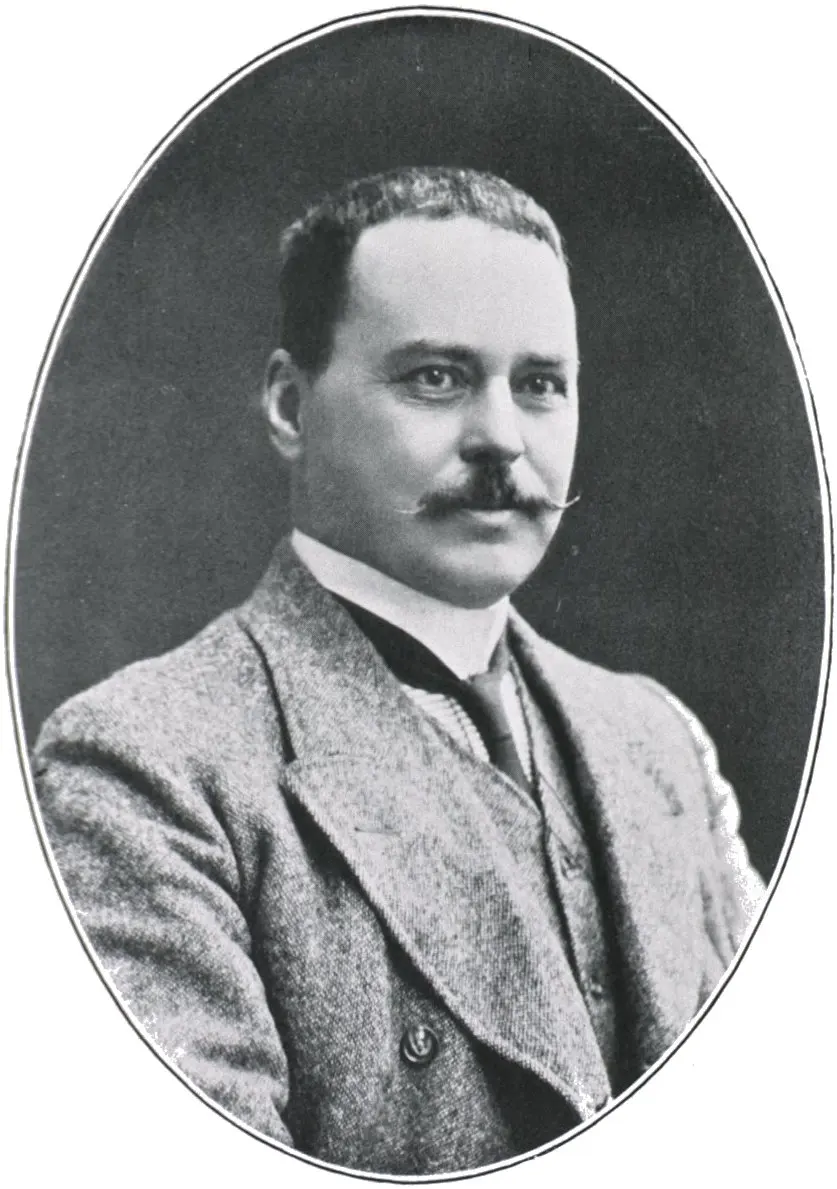
Ronald Ross
1857–1932, born in Almora, India
An army doctor who wanted to be a writer, and who spent years peering into mosquitoes until he found the answer.
Photo: Unknown author, Public domain
Ask your grandparents about the Terai before the 1950s. Many people in the hills were afraid to go down there, especially in the hot months, because of a deadly fever they called aul. Travelers who spent a night in the forests below the hills often fell ill with shaking chills and burning fever, again and again, every two or three days. That fever was malaria.
For thousands of years, nobody knew where it came from. The name itself comes from the Italian mal aria, “bad air”, because people thought it rose from swamps at night. In 1897 a British army doctor working in India, Ronald Ross, found the real culprit: a mosquito. For this he received the Nobel Prize in Physiology or Medicine in 1902.
The problem: a fever that killed millions
Malaria was one of the great killers of the world. The presentation speech at Ross’s prize gave numbers from 1897: in British India alone, more than five million people died of “fever” that year, much of it malaria. In Italy there were about two million cases a year. Whole regions with good soil and water, like the Terai, were hard to farm because people who settled there fell ill.
A person with malaria gets attacks of fever that come back at regular times: every two or three days. Between attacks, they may feel almost well. Many recover; many, especially young children, die. Those who survive often stay weak and anemic.
What was known before Ross
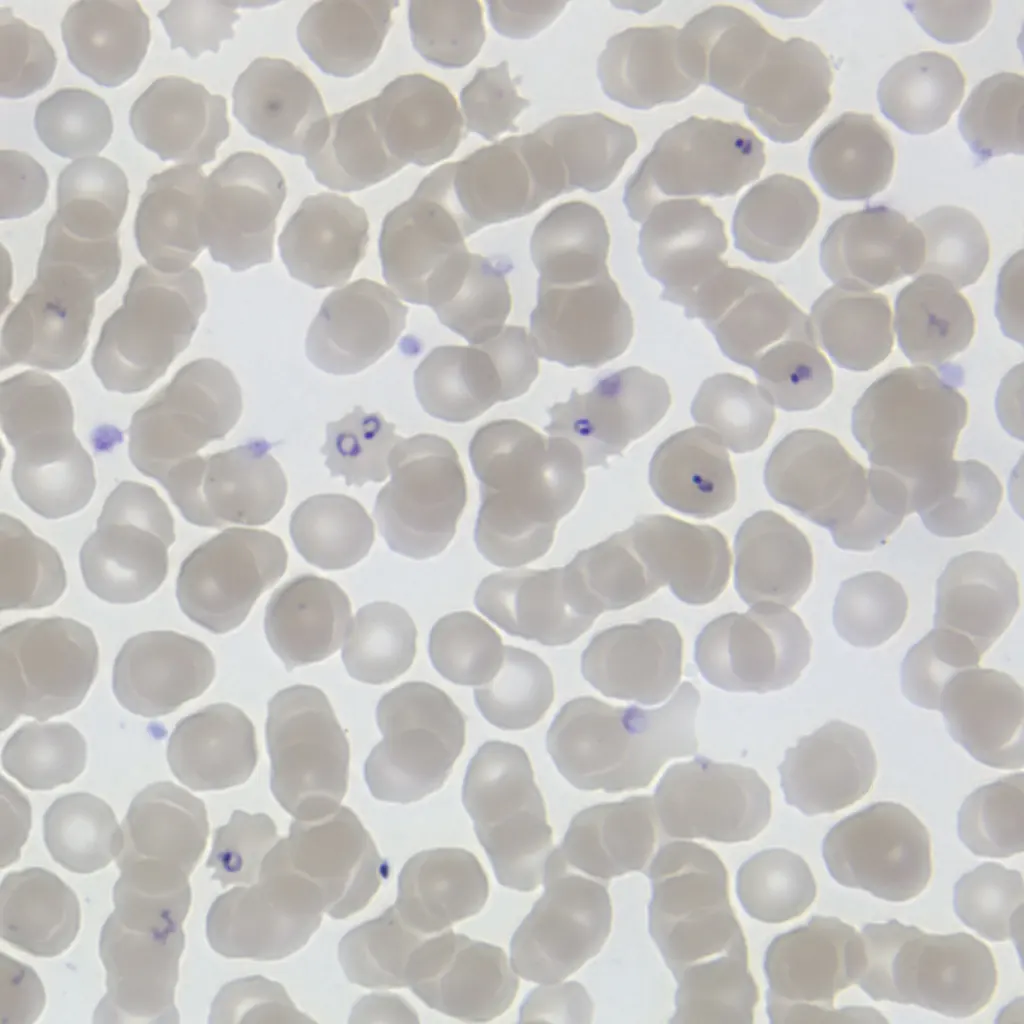
- A tiny parasite in the blood (1880). A French army doctor in Algeria, Alphonse Laveran, looked at the blood of malaria patients under a microscope and saw tiny living things inside the red blood cells. Malaria was caused by a parasite, a living thing that lives on or in another and harms it Grade 9: Parasitism. Today we call it Plasmodium. It is a single-celled protist, not a bacterium Grade 9: Kingdom Protista.
- The fever’s timing. The Italian scientist Camillo Golgi showed that the attacks of fever come each time a new generation of parasites bursts out of the red blood cells together.
- A clue from worms. The Scottish doctor Patrick Manson had shown, in China, that mosquitoes carry another parasite of the blood, a tiny worm called filaria. Since the malaria parasite lives in the blood too, Manson guessed that mosquitoes might carry it as well. Several people had suggested the idea before, but nobody had proved it.
The big question was: how does the parasite get from one person’s blood into another’s?
Why it was so hard
Ross met Manson in London in 1894, and went back to India determined to test the mosquito idea. It took him more than two years of failures, for good reasons:
- Which mosquito? India has hundreds of kinds of mosquito. Ross didn’t know which one to test, and at first he tried the common ones, which turned out to be the wrong kinds.
- Tiny and hidden. A mosquito is a few millimeters long. To look for a parasite inside it, Ross had to cut it open under the microscope with fine needles and search its stomach and other organs, cell by cell, in the heat of an Indian summer. Each mosquito took hours.
- No obvious sign. Nobody knew what the parasite would look like inside a mosquito, or where in the insect it would be, or how many days after the bite to look.
- His job. Ross was an army doctor, not a full-time scientist. The army kept moving him to new posts, sometimes to places with no malaria at all.
What Ross did, step by step
1. Feeding mosquitoes on patients (1895–1897)
In Secunderabad, in southern India, Ross caught mosquito larvae in water, raised them in bottles until they became adults, and let them bite patients whose blood had malaria parasites. Then, day after day, he dissected the mosquitoes and searched them under the microscope. For two years, with the common gray and striped mosquitoes, he found nothing.
2. The “dappled-winged” mosquito (August 1897)
In August 1897 Ross was given larvae of a different mosquito, one he had rarely seen, with spots on its wings. He called it the “dappled-winged” mosquito. Today we know it as Anopheles. He fed these on a malaria patient and dissected them, one each day.
On 20 August 1897, in a mosquito dissected four days after it had fed, he saw in the wall of its stomach some small round cells that held tiny black grains of pigment, exactly like the pigment that malaria parasites make inside red blood cells. The next day, in another mosquito, the round cells were bigger. They were growing: the malaria parasite was living inside the mosquito.
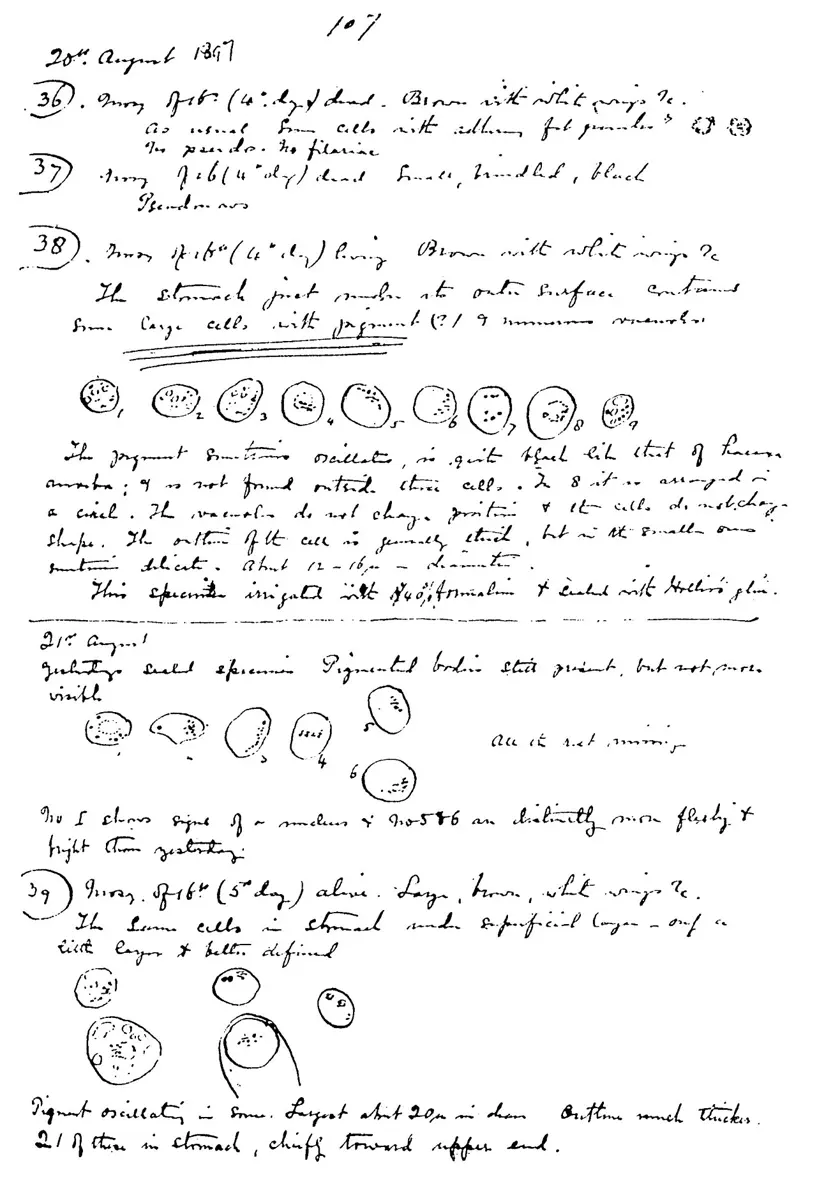
That evening he wrote a poem about his discovery, which begins:
This day relenting God
Hath placed within my hand
A wondrous thing; and God
Be praised.
How did Ross know that the round cells in the mosquito’s stomach were malaria parasites?
Pick an answer to see why.
3. Birds in Calcutta (1898)
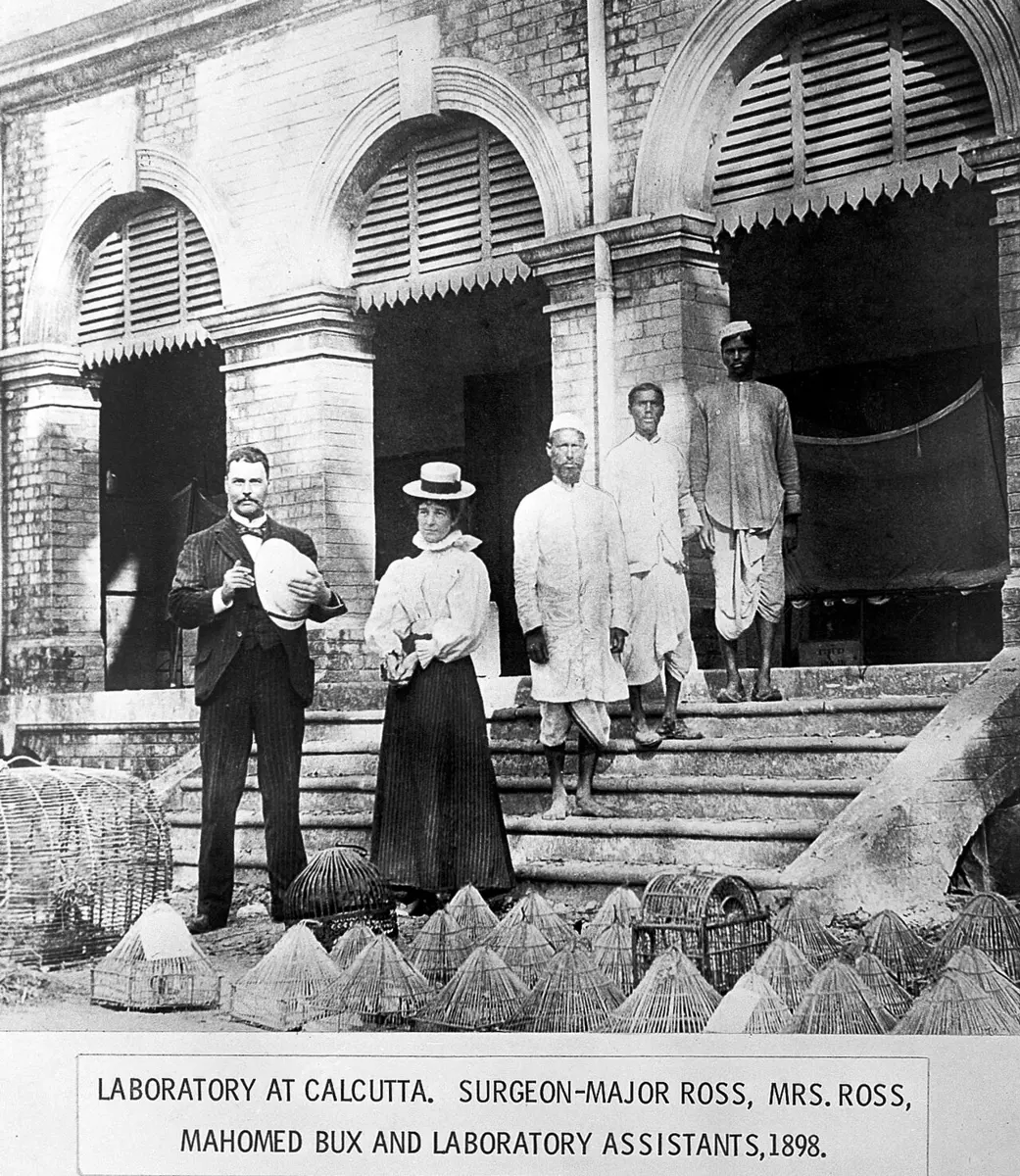
Just as he was close, the army sent Ross to a town in Rajasthan where there was hardly any malaria. When he was finally posted to Calcutta (now Kolkata) in 1898, he had few human patients to work with. So, on Manson’s advice, he studied a kind of malaria of birds, which is very like the human kind. Sparrows and other birds with the parasite were kept in cages under mosquito nets.
- He let mosquitoes bite infected birds, and found the same pigmented cells in their stomach walls.
- He followed the cells day by day. They grew into round capsules on the outside of the stomach. After about a week each capsule burst, releasing thousands of thin, thread-like parasites.
- He found these threads traveling through the mosquito’s body into its salivary glands, the glands that make the saliva the mosquito injects when it bites.
- In July 1898 he let these mosquitoes bite healthy birds. The healthy birds caught malaria.
The whole journey was now clear, at least in birds. Soon after, in 1898, Italian scientists led by Giovanni Battista Grassi showed the same journey for human malaria in Anopheles mosquitoes. Ross and Grassi then quarreled bitterly for years about who deserved the credit; the Nobel Prize went to Ross alone.
How malaria spreads
The malaria parasite needs two hosts: a person and a female Anopheles mosquito. Only female mosquitoes bite; they need the blood to make their eggs.
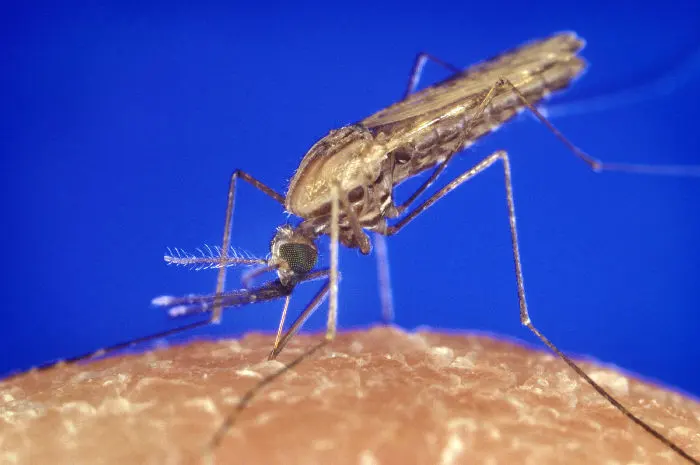
- When an infected mosquito bites, parasites enter the blood with its saliva and travel to the liver. There they multiply quietly for one to two weeks, and the person feels nothing.
- Thousands of parasites then burst out of the liver and enter red blood cells Grade 10: Red blood cells. Inside each, one parasite divides into many: this is multiple fission Grade 8: Fission.
- The red blood cells burst all at the same time, every two or three days, releasing new parasites into more cells. Each bursting brings an attack of chills and fever.
- A few parasites become male and female forms. When a mosquito sucks blood, it takes them in. In its stomach they join and grow in the stomach wall, and after one to two weeks the new parasites reach its salivary glands, ready for the next bite.
Ross’s work also showed that only certain kinds of mosquito matter: human malaria is carried only by Anopheles. Knowing which mosquito to fight made it possible to fight malaria.
In your life today
Malaria is still one of the world’s worst diseases. In 2024 there were about 282 million cases and 610,000 deaths, most of them young children in Africa (WHO). But in many countries, the methods that come from Ross’s discovery have pushed it back.
In Nepal, malaria once kept most people out of the forests and inner valleys of the Terai, except the Tharu, who had lived there for centuries and resist it better. From the mid-1950s, Nepal sprayed the walls of houses with the insecticide DDT to kill Anopheles mosquitoes. Malaria fell sharply, and millions of people moved to the Terai to farm (When a hazard goes away: the Terai). DDT harmed birds and other wildlife and is now banned in Nepal Grade 10: Pesticides.
Today Nepal has very little malaria of its own. In 2024 about 1,000 cases were found, but only 37 of them were caught inside Nepal; almost all the rest were caught abroad, many by people returning from work in India. Nepal aims to end local malaria by 2030. Climate change is a worry: as Nepal warms, mosquitoes are reaching higher hills that used to be too cold for them Grade 10: Effects of climate change.
A family in the Terai wants to protect itself from malaria. Which of these helps the most?
Pick an answer to see why.
What came next
- Ross’s mathematics. Ross worked out mathematical rules for how malaria spreads, and showed that you don’t need to kill every mosquito: if their numbers fall below a certain level, malaria dies out on its own. His ideas are still used to plan the fight against diseases carried by insects, such as dengue.
- Medicines. Old medicines like quinine (from the bark of a tree) and newer ones like chloroquine lost power as the parasites became resistant. In the 1970s the Chinese scientist Tu Youyou found artemisinin, from a plant used in old Chinese medicine; it won her a Nobel Prize in 2015.
- Vaccines. Since 2021 the World Health Organization has recommended two malaria vaccines for children in places with a lot of malaria, the first vaccines ever against a parasite.
- The open question: the parasites are becoming resistant to artemisinin in some places, and mosquitoes to insecticides. Some scientists are testing mosquitoes whose genes are changed so that they can’t carry the parasite, or can’t breed. Is it safe, and right, to change a whole species in the wild?
In your science books
- Grade 8: microorganisms and their harmful effects; fission, including the multiple fission of Plasmodium.
- Grade 9: Kingdom Protista, where Plasmodium belongs; parasitism; insecticides.
- Grade 10: red blood cells; chemical pesticides, including DDT; effects of climate change.
- Going further: Why do people live where they do?, on malaria and the Terai; and why one gene can protect against malaria.
Learn more
- The prize at nobelprize.org: The Nobel Prize in Physiology or Medicine 1902, with the presentation speech that tells the story.
- Ross’s own Nobel lecture, “Researches on malaria”.
The official reason
The prize was given “for his work on malaria, by which he has shown how it enters the organism and thereby has laid the foundation for successful research on this disease and methods of combating it.”