
How aspirin stops pain: the prostaglandins
Nobel Prize in Physiology or Medicine, 1982: Sune K. Bergström, Bengt I. Samuelsson, and John R. Vane
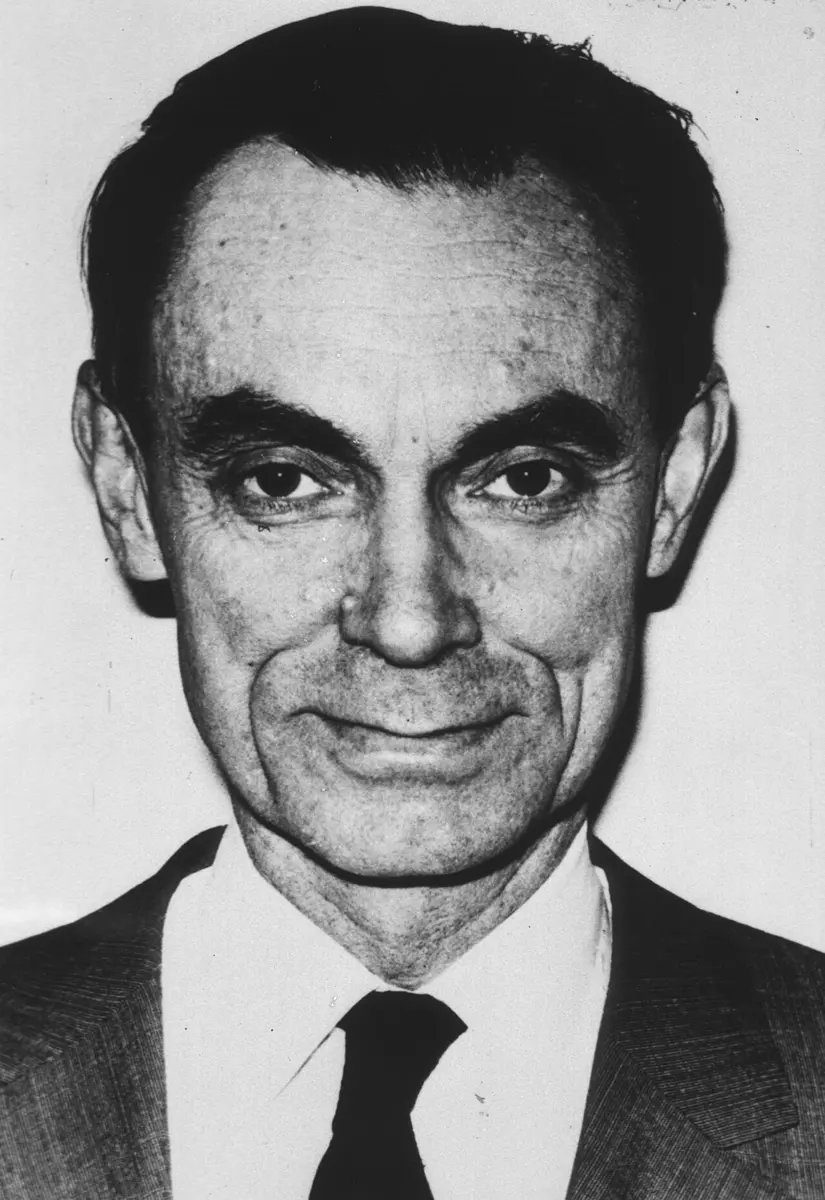
Sune K. Bergström
1916–2004, born in Sweden
He spent years collecting the glands of thousands of sheep to get a few milligrams of pure prostaglandin. His son, Svante Pääbo, won the Nobel Prize in Medicine in 2022.
Photo: Unknown author, Public domain
-
Bengt I. Samuelsson
1934–2024, born in Sweden
Bergström's student, who worked out the whole family of prostaglandins and their cousins, and found the ones behind asthma attacks.
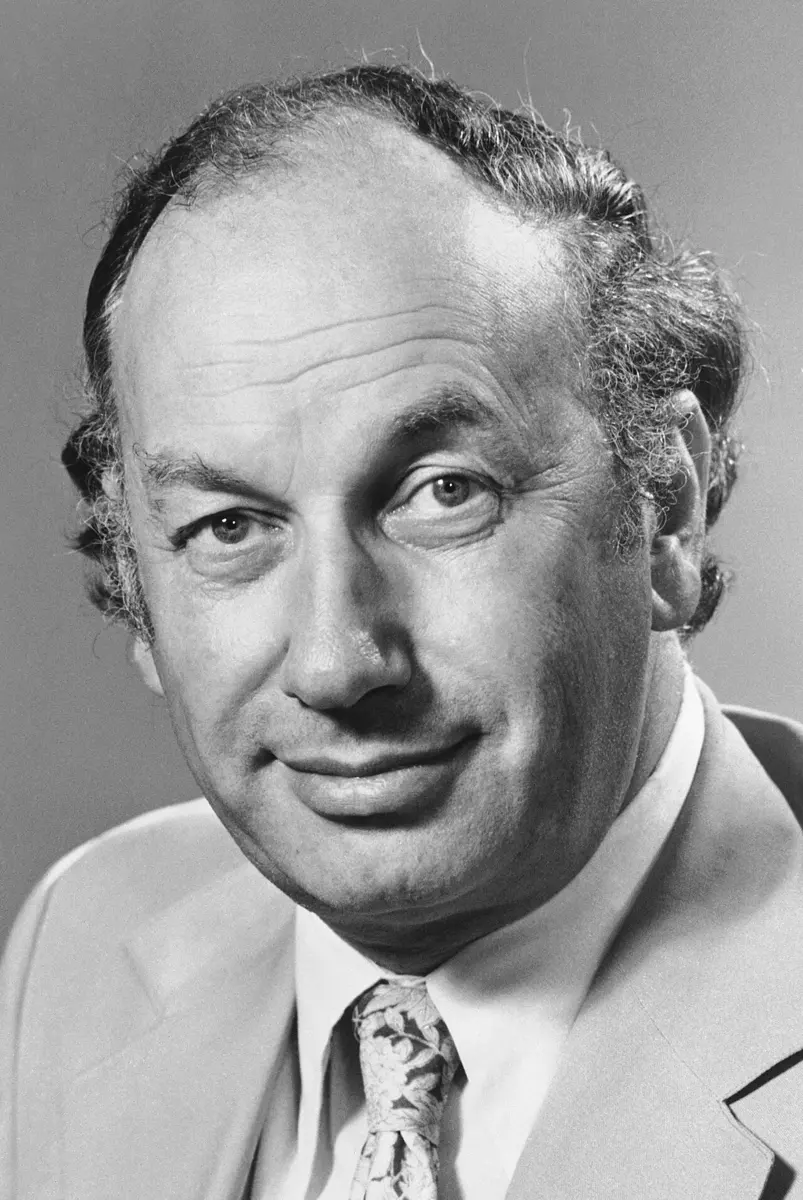
John R. Vane
1927–2004, born in the United Kingdom
At 12 he blew up a chemistry experiment in his mother's kitchen. He found how aspirin works over a weekend in 1971.
Photo: Wellcome Collection, CC BY 4.0
You have a headache, or a fever, or a twisted ankle that is swollen and sore. Someone in the family finds a tablet: perhaps paracetamol, perhaps ibuprofen, perhaps aspirin. Half an hour later you feel better.
Aspirin has been sold since 1899, and it became one of the most used medicines in the world. Yet for more than seventy years, nobody knew how it worked. The answer came in 1971, and it led to a whole new family of messenger chemicals in the body, the prostaglandins. The 1982 Nobel Prize in Physiology or Medicine went to the three scientists who discovered what they are, how they are made, and how aspirin blocks them.
The problem: a medicine nobody understood
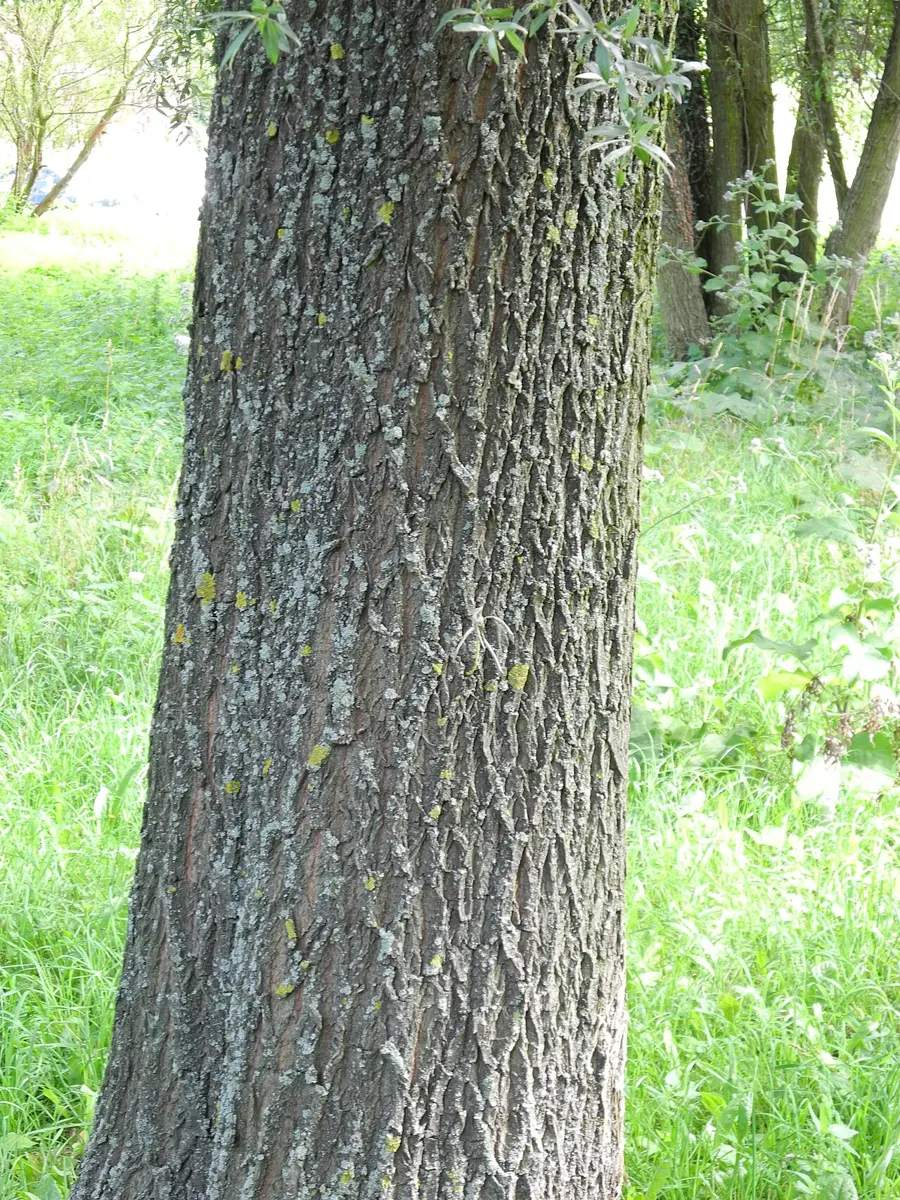
For thousands of years, people chewed the bark of willow trees, or made it into tea, to ease pain and fever. In the 1800s chemists took a substance out of willow bark and made from it salicylic acid. It eased pain and fever, but it hurt the stomach. In 1897 a chemist at the German company Bayer made a gentler form of it, acetylsalicylic acid, and in 1899 Bayer began selling it as “Aspirin”.
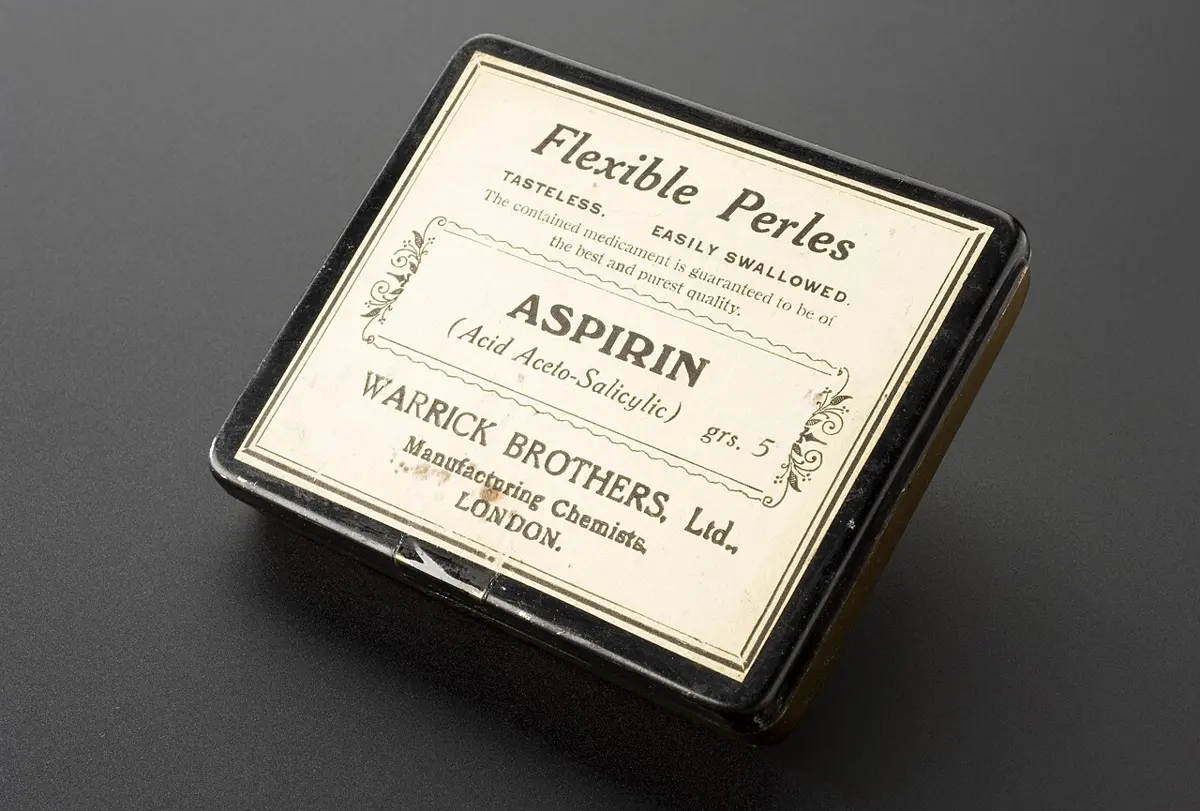
Aspirin lowers fever, eases pain and brings down swelling. But how can one small molecule do three such different things? Doctors used it for decades without knowing.
Meanwhile, in the 1930s, scientists found a strange substance in human semen that made muscles contract and lowered blood pressure. The Swedish scientist Ulf von Euler named it prostaglandin, because he thought it came from the prostate gland. (It mostly comes from other glands nearby, but the name stuck.) For twenty years nobody knew what it was made of.
How prostaglandins work: messengers made on the spot
You know hormones from your science books: chemical messengers made in special glands and carried by the blood all round the body Grade 9: Functions of hormones. Prostaglandins are different:
- They are made by almost every cell in the body, not by special glands.
- They are made only when needed: when a tissue is hurt, infected or under stress.
- They work close by, on the cells around them, and are broken down within seconds or minutes. So they are sometimes called local hormones.
They are made from a fat called arachidonic acid, which is part of the thin, oily skin around every cell, the cell membrane Grade 8: The covering of the cell. When a cell is damaged, it cuts some arachidonic acid out of its membrane, and an enzyme (a protein that speeds up a chemical reaction) turns it into prostaglandins.
Once made, prostaglandins do many jobs. Some make nerve endings more sensitive, so a hurt place feels painful. Some widen blood vessels, so it turns red, hot and swollen: this is inflammation. Some act on the brain to turn up the body's thermostat, causing fever (A fever). Others keep the stomach's lining safe from its own acid, or make the womb contract during childbirth.
How are prostaglandins different from hormones like insulin or adrenaline?
Pick an answer to see why.
Why it was hard
Prostaglandins are made in tiny amounts, a few billionths of a gram at a time, and many vanish within minutes or even seconds. There is not one prostaglandin but a whole family, all built from the same 20-carbon fat, which differ by only a few atoms. And each one can have quite different, even opposite, effects in different parts of the body.
To study them, scientists first had to collect enough of them, make them pure, and find out their exact structure. Then they had to catch the short-lived ones before they disappeared.
What they did, step by step
Bergström: making prostaglandins pure (1940s–1964)
- A forgotten bottle. In 1945 von Euler gave Sune Bergström, a young Swedish chemist, a small amount of a fatty extract from sheep glands that he had kept since before the war, and asked him to find out what was in it.
- Thousands of sheep. Bergström, first at Lund University, then at the Karolinska Institute in Stockholm, arranged for sheep glands to be collected in Sweden and Norway, and later in Iceland, Greenland and the United States. Step by step, he separated their contents.
- 1957: the first pure prostaglandins. He obtained two prostaglandins as pure crystals, today called PGE₁ and PGF₁α. Each molecule has 20 carbon atoms.
- 1962: their structures. With his student Bengt Samuelsson, and a new instrument, the mass spectrometer, which weighs molecules and their broken pieces, they worked out the exact structure of six prostaglandins.
- 1964: where they come from. Bergström showed that prostaglandins are made in the body from fatty acids such as arachidonic acid. A Dutch team found the same thing at the same time, and both teams published their results in 1964. Since arachidonic acid is in almost every cell, almost every cell could make prostaglandins.
Samuelsson: the whole family (1960s–1979)
- The step in between. Samuelsson followed the arachidonic acid, atom by atom, as it turned into prostaglandins. In 1973 his team caught the short-lived molecules made in the middle of the process, the endoperoxides, from which the other members of the family are made.
- 1975: thromboxane. In platelets, the small cell pieces in blood that help it clot Grade 10: Platelets, his team found a new member that makes platelets clump together and blood vessels narrow. They named it thromboxane. Half of it is gone in about 30 seconds.
- 1979: leukotrienes. By a second route, white blood cells turn arachidonic acid into a different family, which Samuelsson named leukotrienes. They call more white blood cells to an infection, and in people with asthma they make the airways of the lungs squeeze tight.
Vane: how aspirin works (1971–1976)
- The chemist who didn't like chemistry. John Vane was given a chemistry set at 12, and set up a laboratory in his mother's kitchen, until an explosion turned the newly painted walls from blue to dirty green. His father built him a shed in the garden instead. But at university, chemistry bored him; he wanted to do experiments on living things. He trained instead in pharmacology, the study of how medicines act on the body.
- The cascade. In London, Vane invented a clever way to detect tiny amounts of short-lived substances. Blood or fluid from an organ trickled over a row of thin strips of muscle from different animals, one below the other. Each strip contracted for a different substance, so the pattern of contractions showed which substances were there, and how much, within seconds.
- 1971: a weekend idea. Vane noticed that aspirin stopped lungs from releasing these substances. Over a weekend he had the idea that aspirin might stop prostaglandins from being made. He ground up guinea pig lungs, added arachidonic acid, and measured the prostaglandins made, with and without aspirin. With aspirin, far fewer were made. Aspirin blocks the enzyme that starts turning arachidonic acid into prostaglandins. His paper came out in 1971, at the same time as two others that showed the same thing in other ways.
- 1976: prostacyclin. Vane then moved to the medicine company Wellcome. There his team, led by Salvador Moncada, found the opposite of thromboxane: prostacyclin, made by the walls of blood vessels, which stops platelets from clumping and widens the vessels.
The prostaglandin family tree
Today we can draw the whole family as a tree (Figure 2). One fat in the cell membrane is the root; two enzymes start two main branches.
Which job of the prostaglandins explains why taking a lot of aspirin or ibuprofen can damage the stomach?
Pick an answer to see why.
A balance that stops clots
When you cut yourself, platelets clump together to plug the hole, and the blood clots Grade 10: Functions of blood. That saves your life. But a clot inside a blood vessel of the heart or brain can block it, causing a heart attack or a stroke.
Two members of the family balance each other (Figure 3). Platelets make thromboxane, which makes them clump. The lining of the blood vessels makes prostacyclin, which stops them clumping. A healthy, unhurt vessel stays smooth and open.
Here aspirin does something special. It blocks the enzyme for good, by sticking a small group of atoms onto it. The cells of the vessel wall have a nucleus, so they can soon make new enzyme. But a platelet has no nucleus, so it can't make new enzyme: it stays blocked for the rest of its life, about 8 to 10 days. So a small daily dose of aspirin lowers thromboxane much more than prostacyclin. Doctors give it to some people who have already had a heart attack or stroke, to prevent another.
In your life today
- Painkillers. Aspirin, ibuprofen and many other common painkillers all work by blocking the enzyme that makes prostaglandins. Paracetamol works differently, and still isn't fully understood.
- Safer childbirth in Nepal. A medicine like a prostaglandin, misoprostol, makes the womb contract strongly after a baby is born, which stops dangerous bleeding. Since 2009 Nepal's female community health volunteers have given these tablets to pregnant women in many districts, especially for births at home, as “Matri Suraksha Chakki”.
- Asthma. Medicines that block the leukotrienes Samuelsson found help some people with asthma breathe more easily.
- Period pain. Strong pain during periods is often caused by too many prostaglandins in the womb, which is why ibuprofen-type medicines help.
What came next
- Two enzymes, not one. In 1991 scientists found that there are two forms of the prostaglandin-making enzyme: COX-1, always at work, for example protecting the stomach, and COX-2, made mainly where there is inflammation. New painkillers that block only COX-2 were meant to spare the stomach. But one of them was withdrawn in 2004, because it raised the risk of heart attacks. The likely reason: it cut the vessel walls' prostacyclin without cutting the platelets' thromboxane, tipping the balance the wrong way.
- Aspirin and cancer? Some large studies suggest that people who take aspirin for many years get some cancers, especially of the bowel, less often. But aspirin also raises the risk of bleeding. Who should take it, and at what dose, is still being tested.
Why does a small daily dose of aspirin reduce clotting more than it reduces the vessel wall's prostacyclin?
Pick an answer to see why.
In your science books
- Grade 8: the cell membrane, where arachidonic acid is stored.
- Grade 9: hormones, the body's long-distance messengers.
- Grade 10: platelets, white blood cells and the functions of blood.
- Going Further: a fever: the thermostat turned up and medicines chemists make from nature.
Learn more
- The Nobel Prize's announcement: press release (nobelprize.org).
- The Nobel lectures: Bergström, Samuelsson and Vane.
The official reason
The prize was given “for their discoveries concerning prostaglandins and related biologically active substances.”