
mRNA vaccines: a message the body accepts
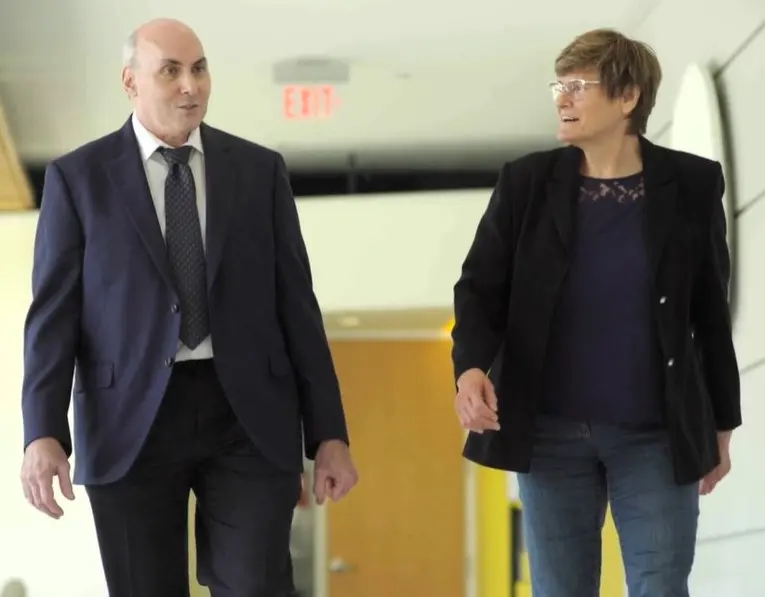
Nobel Prize in Physiology or Medicine, 2023: Katalin Karikó and Drew Weissman
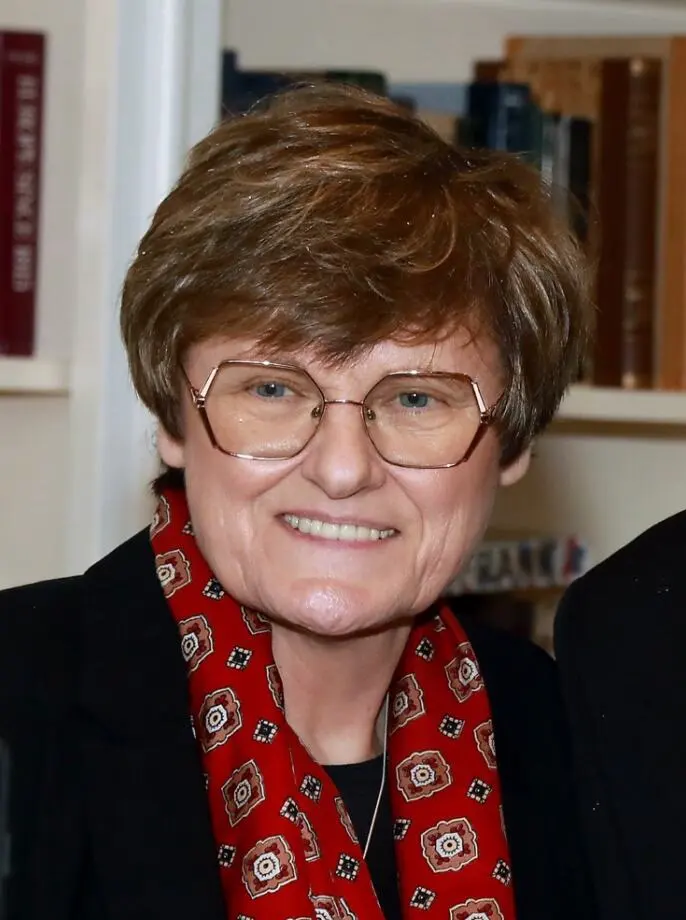
Katalin Karikó
born 1955 in Hungary
A butcher’s daughter who worked on mRNA for decades while almost nobody would pay for it.
Photo: US Embassy Sweden, CC BY 2.0
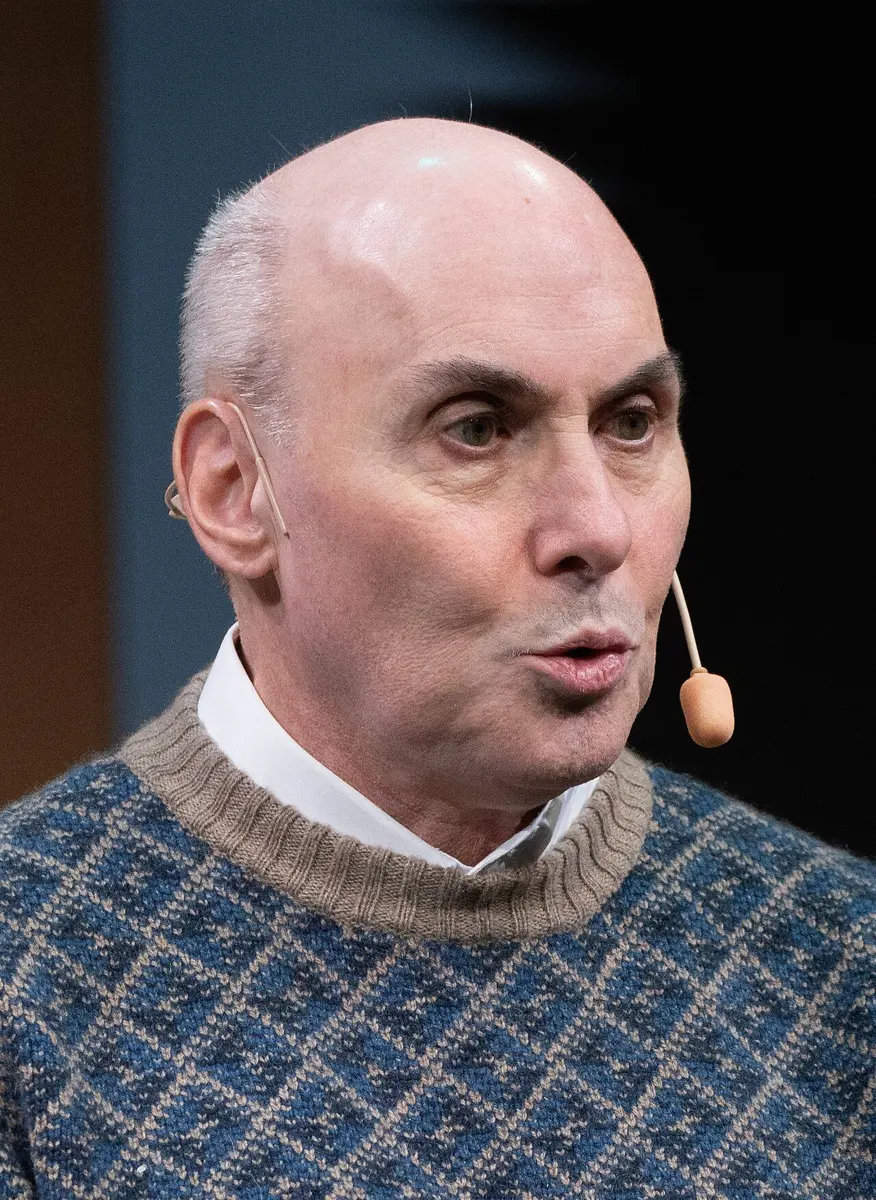
Drew Weissman
born 1959 in the United States
A doctor and immune-system expert who wanted to build better vaccines.
Photo: John Sears, CC BY-SA 4.0
In 2020 a new virus, the coronavirus that causes COVID-19, spread around the world. In Nepal, schools closed, buses stopped, and hospitals filled up. Everyone waited for a vaccine. A new vaccine usually takes ten years or more to make. This time the first ones were ready in under a year.
Two of the fastest were a new kind: mRNA vaccines. They worked because of a discovery made fifteen years earlier, by two scientists most people had never heard of. In 2023 the Nobel Prize in Physiology or Medicine went to Katalin Karikó and Drew Weissman.
The problem: vaccines are slow to make
A vaccine trains your body’s defenses before a germ arrives. Your white blood cells learn to recognize a part of the germ and make antibodies, proteins that stick to it Grade 10: White blood cells. Some of them stay as memory cells, ready to fight that germ quickly if it ever comes Grade 9: Edward Jenner and the first vaccine.
Before 2020, most vaccines were made from a germ itself:
- weakened viruses, which can’t make you ill (the measles vaccine);
- killed viruses (most polio vaccine injections);
- one protein from the virus, made in large tanks of cells (the hepatitis B vaccine).
Each needs the virus or its protein to be grown in huge amounts, in eggs or in tanks of cells, and each new vaccine needs its own factory method. That takes years. In a pandemic, years means millions of deaths.
How a cell makes a protein
There is another way to get a protein: let the body’s own cells make it.
Every cell keeps its instructions in DNA, in the nucleus. To make a protein, the cell first copies one gene into a working copy, a molecule of messenger RNA (mRNA). The mRNA leaves the nucleus and goes to a ribosome, the cell’s protein-building machine, which reads its letters and joins amino acids in the right order (RNA, Ribosomes). After a while, the mRNA is broken down. It is like a photocopy of one page of a recipe book, used in the kitchen and then thrown away.
So the idea was simple. Make mRNA for a virus protein in a laboratory, put it into a person’s cells, and the cells would build the protein themselves. The body would see the virus protein and learn to fight it, with no virus at all. And mRNA can be made in a few days, in a test tube, for any protein, once you know the protein’s gene.
In a cell, what is mRNA’s job?
Pick an answer to see why.
Why it was hard
By the 1980s scientists could make mRNA in a test tube. But when they put it into animals or cells, three things went wrong:
- It fell apart. mRNA is fragile, and the body is full of enzymes that cut it up.
- It caused alarm. Cells treated the laboratory mRNA as an invader. They sounded the alarm, causing inflammation: fever, swelling and a flood of defense chemicals. That is dangerous in a medicine.
- It made little protein. The alarmed cells shut down their protein making, so hardly any of the wanted protein was made.
Most scientists gave up on mRNA as a medicine. Karikó didn’t.
What they did, step by step
Karikó: not giving up (1985–1997)
Katalin Karikó grew up in Kisújszállás, a small town in Hungary, in a house with no running water or refrigerator; her father was a butcher. She studied biology at the University of Szeged and became fascinated by RNA.
In 1985 her laboratory in Hungary ran out of money. She moved to the United States with her husband and two-year-old daughter. Hungary’s government let people take only a little money out of the country, so they sold their car and sewed the money inside the daughter’s teddy bear.
From 1989 she worked at the University of Pennsylvania, trying to use mRNA to treat diseases. Again and again, her requests for research money were turned down. In 1995 the university moved her to a lower position. She kept working.
Weissman: a meeting at the photocopier (1997)
Drew Weissman, a doctor and an expert on the immune system (the body’s defenses), came to the same university in 1997. He wanted to make better vaccines, for example against HIV. The two met, the story goes, while waiting at the photocopying machine, and started talking. She knew RNA; he knew the immune system. They decided to work together.
Weissman studied dendritic cells, the immune system’s scouts. They sample everything around them and, if they find something foreign, raise the alarm. Karikó and Weissman found that dendritic cells raised the alarm against laboratory-made mRNA, but not against mRNA taken from the body’s own cells.
Why the difference? Both are mRNA, with the same four letters, A, U, G and C.
The breakthrough: a changed letter (2005)
Karikó and Weissman knew one difference. In living cells, some of the letters in RNA are chemically changed after the RNA is made: an atom or two is moved or added. Laboratory mRNA has only the plain letters.
Maybe the cells used those changes to tell “our RNA” from “a virus’s RNA”. So they made mRNA with changed letters, one kind at a time, and gave each to dendritic cells.
The result was striking. With certain changed letters, especially when every U was replaced by a slightly different form called pseudouridine (written Ψ, the Greek letter psi), the alarm almost disappeared. They published this in 2005. Hardly anyone noticed.
More protein (2008 and 2010)
In 2008 and 2010 they showed a second benefit. Cells given the changed mRNA made much more protein than cells given ordinary mRNA, because the cells no longer switched off their protein-making machinery in alarm. Two of the three old problems were solved. The third, getting fragile mRNA into cells, was being solved by others, who learned to wrap mRNA in tiny bubbles of fat called lipid nanoparticles.
How an mRNA vaccine works
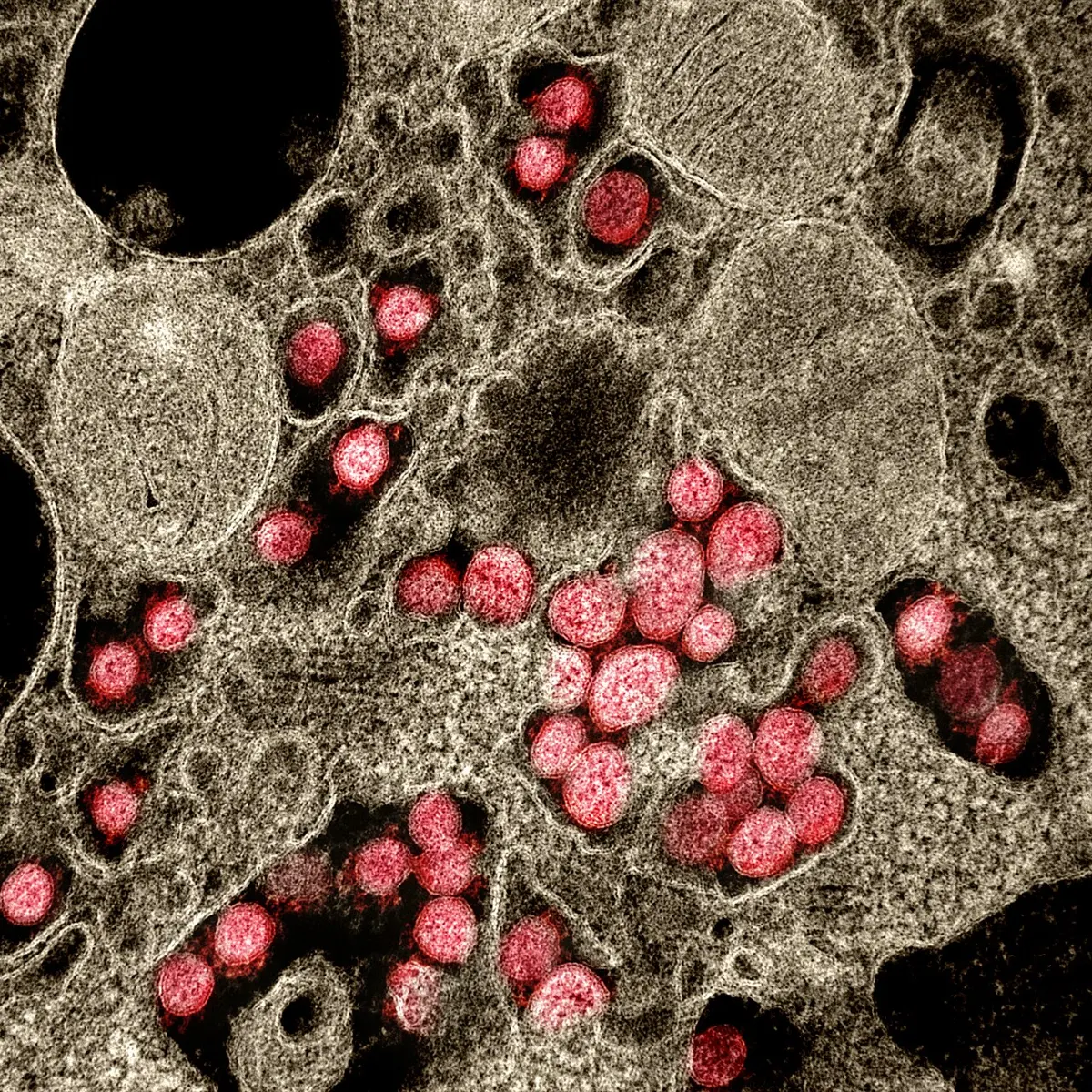
- The mRNA. Scientists write mRNA for one virus protein. For COVID-19 it was the spike protein, which covers the outside of the coronavirus and lets it get into our cells. Every U in it is replaced by a changed form, as Karikó and Weissman found.
- The wrapping. The mRNA is wrapped in lipid nanoparticles, tiny bubbles of fat about a ten-thousandth of a millimeter across.
- The injection. The vaccine is injected into the arm muscle. The bubbles join with the cells nearby and release the mRNA inside them.
- Making the protein. The cells’ ribosomes read the mRNA and make spike protein. Some of it appears on the outside of the cells.
- Learning. The immune system sees the spike protein, makes antibodies against it, and keeps memory cells. If the real virus comes, the body recognizes its spikes and attacks at once.
Within a few days, the mRNA is broken down, as cells always break down their mRNA.
After an mRNA vaccine against COVID-19, which of these does your body make?
Pick an answer to see why.
In your life today
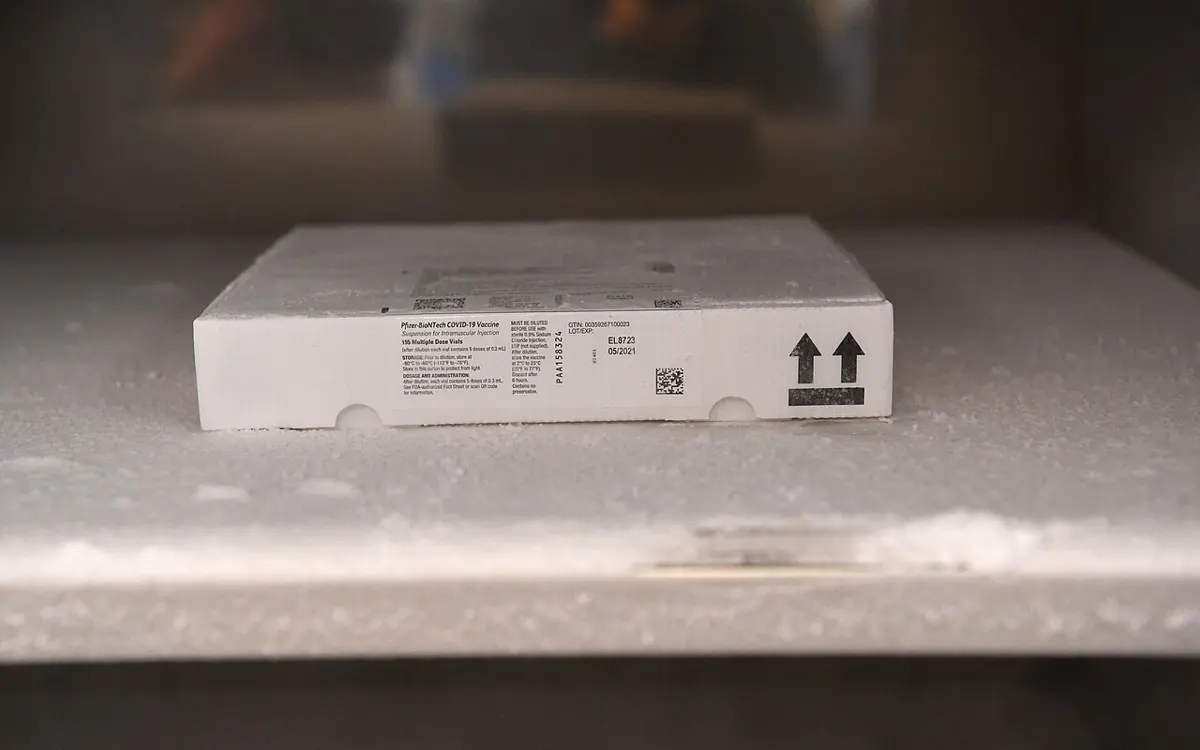
- COVID-19. When the pandemic began in early 2020, two companies, BioNTech (working with Pfizer) and Moderna, both used mRNA with changed letters. In trials, the vaccines protected about 95 in every 100 people from falling ill with COVID-19 (Pfizer–BioNTech 95 %, Moderna 94 %). Both were approved in December 2020, less than a year after the virus was identified. More than 13 thousand million doses of COVID-19 vaccines of all kinds have been given around the world, and they have saved millions of lives.
- In Nepal, most people got other kinds of COVID-19 vaccine first. From late 2021, millions of doses of the Moderna vaccine, and some of the Pfizer–BioNTech vaccine, arrived through COVAX, a program that shared vaccines with poorer countries. They had to be kept frozen all the way to the health post, a hard job in a country of mountains and long walks.
What came next
- Other vaccines. Because only the mRNA’s letters change from one vaccine to the next, the same factory method can make vaccines against other diseases quickly. In 2024 an mRNA vaccine against RSV, a virus that causes lung infections, was approved in the United States for older people. mRNA vaccines against flu and other diseases are being tested.
- Cancer. Doctors are testing mRNA vaccines made for one patient: they read the genes of the patient’s own tumor and make mRNA for the proteins that only the cancer cells have, to train the immune system against that cancer.
- The open question. Can mRNA be used not only to train the immune system, but to give the body proteins it is missing, as a medicine for inherited diseases? It is being tried; it is harder, because the body needs those proteins all the time, not just for a few days.
In your science books
- Grade 8: viruses and ribosomes.
- Grade 9: the steps of scientific learning, with how a COVID-19 vaccine was tested, and the first vaccine.
- Grade 10: RNA and white blood cells, which make antibodies.
- Going further: how a gene becomes a protein, copying the gene into mRNA and reading the message.
Learn more
- The prize at nobelprize.org: The Nobel Prize in Physiology or Medicine 2023, with the press release that explains the discovery, and Karikó’s story.
- The laureates’ Nobel lectures: Karikó and Weissman.
The official reason
The prize was given “for their discoveries concerning nucleoside base modifications that enabled the development of effective mRNA vaccines against COVID-19.”