
Medicines from soil and an old book
Nobel Prize in Physiology or Medicine, 2015: William C. Campbell, Satoshi Ōmura, and Tu Youyou
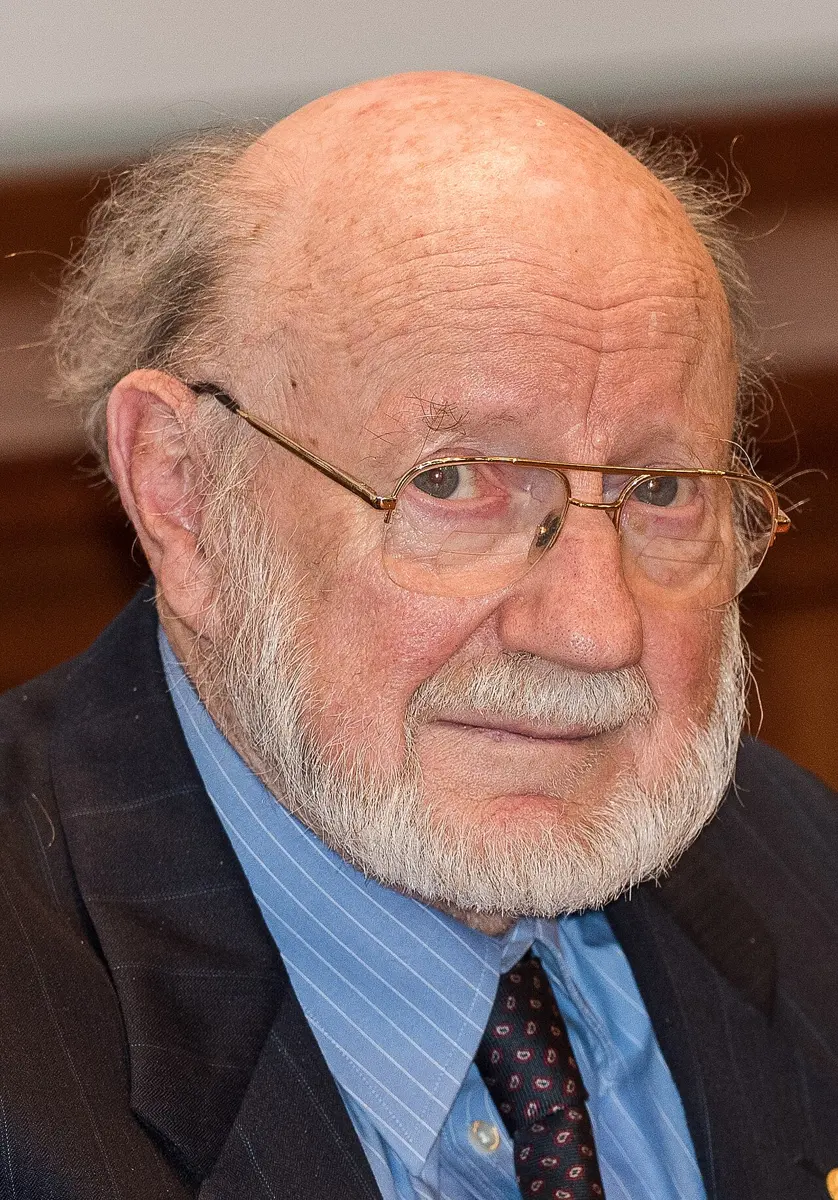
William C. Campbell
born 1930, grew up in Ireland
A worm expert at the drug company Merck. As a student he nearly failed chemistry: his first-year mark was 39.7%.
Photo: Bengt Nyman, CC BY-SA 4.0

Satoshi Ōmura
born 1935 in Japan
A farmer’s son who always carried a small plastic bag, to scoop up a pinch of soil wherever he went: it might hide a new medicine.
Photo: The Japan Academy, CC BY 4.0
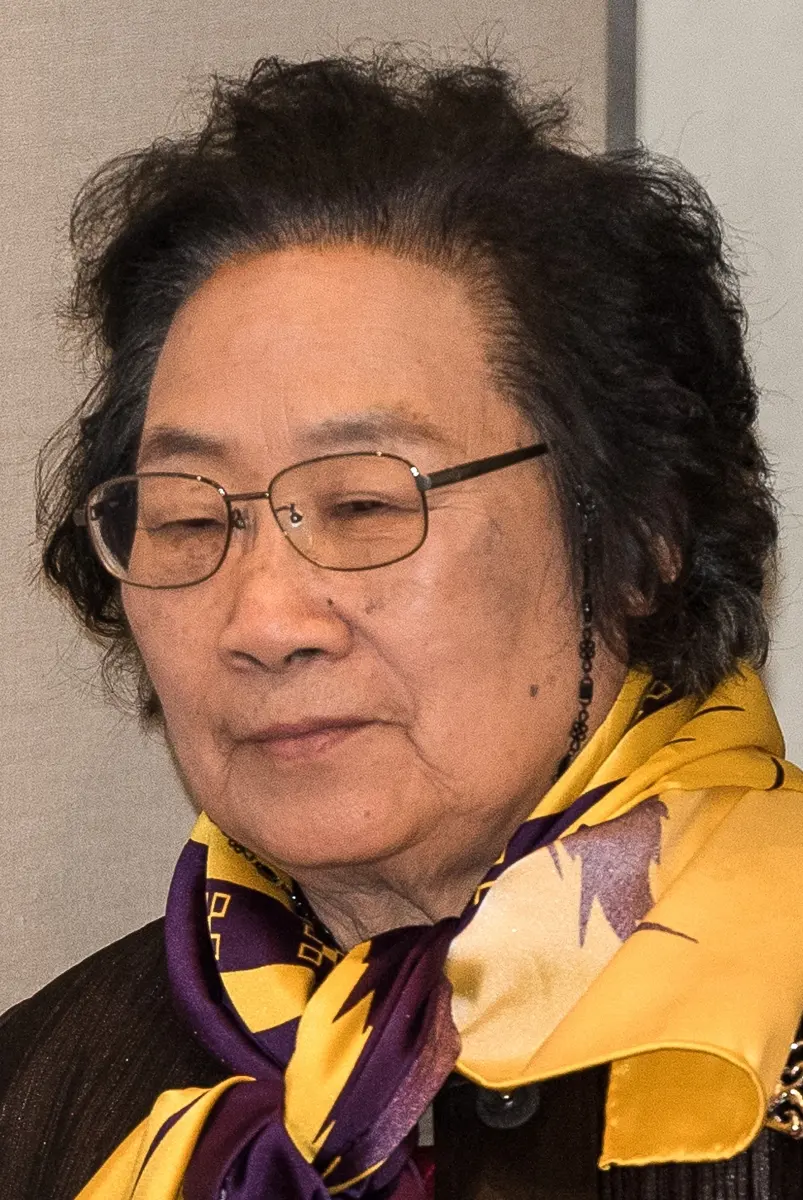
Tu Youyou
born 1930 in China
She had no doctorate and had never worked abroad. She was the first woman from China to win a Nobel Prize in science.
Have you ever been given a tablet at school “for worms”? Or heard of hattipaile, the disease that makes a person’s leg swell up as thick as an elephant’s? Or of aulo, the fever of the hot, low Terai, which we call malaria? All three are caused by parasites, living things that live on or inside another living thing and harm it Grade 9: Parasitism.
In 2015 the Nobel Prize in Physiology or Medicine went to three scientists who found new medicines against them. Satoshi Ōmura and William Campbell found ivermectin, a medicine against parasitic worms, in a spoonful of soil from Japan. Tu Youyou found artemisinin, a medicine against malaria, in a plant, guided by a Chinese book about 1,600 years old.
The problem: worms and fevers
Roundworms that blind and disable
Roundworms (nematodes) are long, thin worms with round bodies Grade 10: Nemathelminthes. Some live in the intestine, like Ascaris. Others, the filarial worms, live in other parts of the body, and they cause two terrible diseases:
- Lymphatic filariasis (hattipaile, also called elephantiasis). The adult worms live in the thin tubes that drain fluid from our tissues (the lymph vessels). Over years they block them, and a leg, an arm or other parts swell up hugely. In 2015 it affected more than 100 million people. Mosquitoes spread it, and it is found in many districts of Nepal, especially in the Terai.
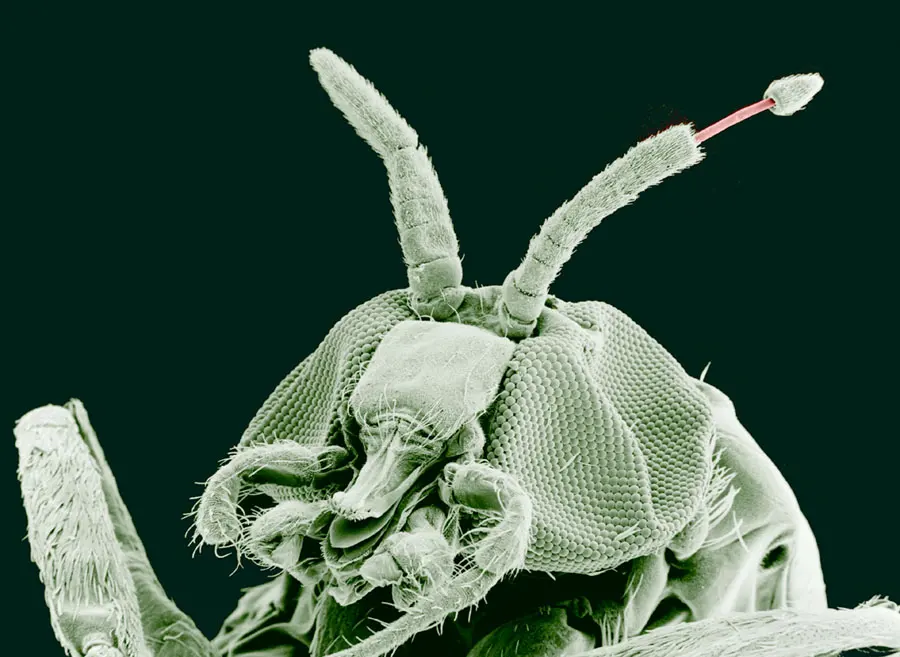
- River blindness (onchocerciasis). It is spread by small blackflies that breed in fast rivers, mostly in Africa. The young worms move through the skin, which itches terribly, and into the eyes, where they slowly cause blindness. Whole villages near rivers were left, because so many people went blind.
Malaria
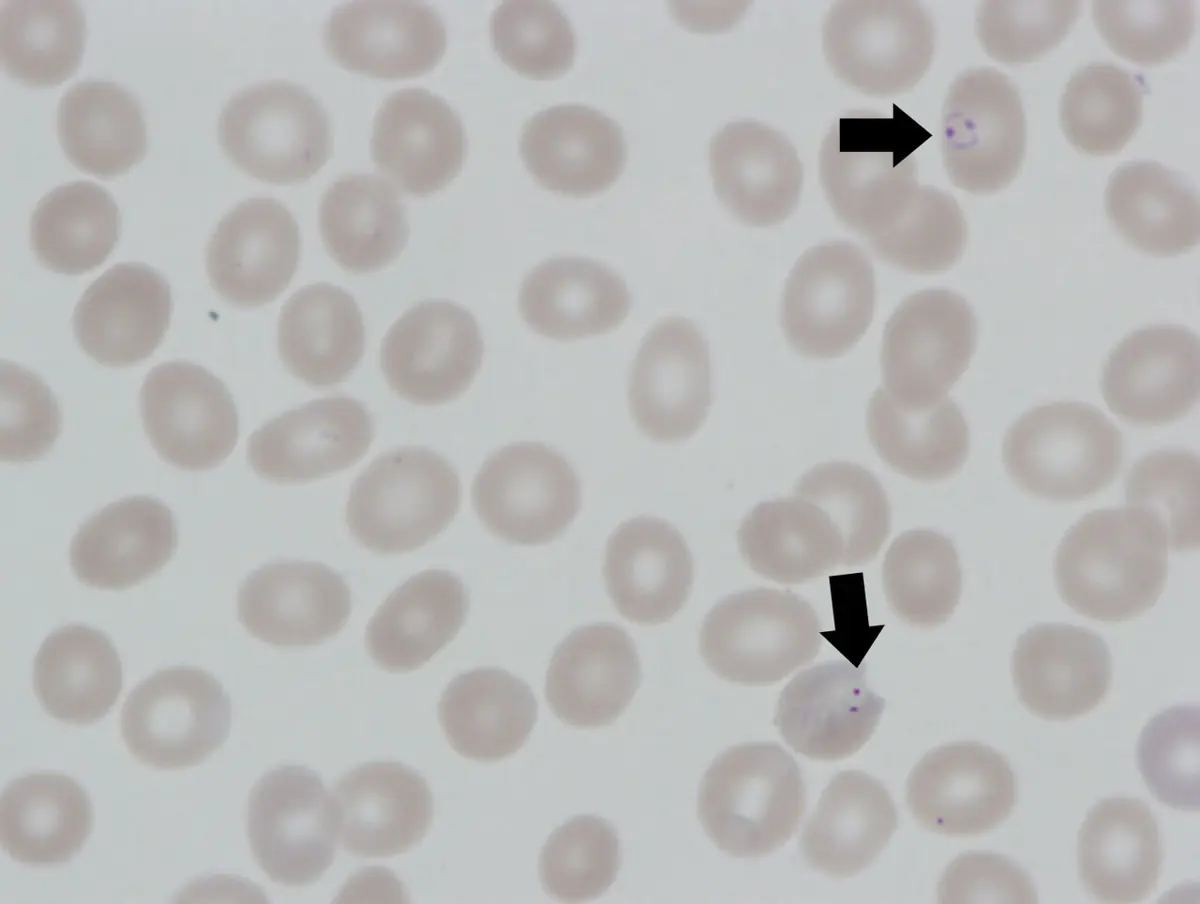
Malaria is caused by a tiny one-celled parasite called Plasmodium Grade 9: Kingdom Protista. A female Anopheles mosquito injects it with her bite. It multiplies in the liver, then gets inside red blood cells, multiplies again and bursts them, again and again. The patient gets attacks of shivering and high fever. The worst kind, Plasmodium falciparum, can damage the brain and kill. Most of those who die are young children.
For years malaria was treated with quinine (from the bark of a South American tree) and then chloroquine. But by the 1960s the parasites had become resistant: chloroquine no longer killed them. Malaria was spreading again.
Why medicines for parasites are hard to find
A parasitic worm is an animal, made of cells much like ours. Plasmodium is a cell with a nucleus, like ours too. So almost anything that kills the parasite can harm the patient as well. A useful medicine must hurt the parasite badly and the person hardly at all.
There was another problem. These diseases strike mostly the poorest people in the world. Drug companies spent little on medicines that poor people could not buy.
Why is it harder to find a medicine against a parasitic worm than against bacteria?
Pick an answer to see why.
What they did, step by step
1. Ōmura: searching the soil (1970s)
A teaspoon of soil holds millions of bacteria. One group, called Streptomyces, make chemicals that kill other microbes, to win space and food. One of them gave the world streptomycin, the first medicine for tuberculosis, which won the Nobel Prize in 1952.
Satoshi Ōmura grew up on a farm in Yamanashi, Japan, and became an expert at growing these bacteria at the Kitasato Institute in Tokyo, which was hard to do in a laboratory.
- Collecting. He and his team collected soil samples from all over Japan, grew the bacteria from them, and studied thousands of different kinds (strains).
- Choosing. They picked out about 50 that looked the most promising.
- Sharing. Ōmura had agreed to work with the American drug company Merck. His team would find and grow the bacteria; Merck would test them. He sent his best cultures to Merck. One of them had come from soil beside a golf course at Kawana, in the city of Ito, south-west of Tokyo.
2. Campbell: the mouse test (1975–1981)
William Campbell, who grew up in Ramelton, a small town in Ireland, was a parasitologist (an expert on parasites) at Merck in New Jersey, in the United States.
- 1975, the test. His team mixed the broth from each of Ōmura’s cultures into the food of mice infected with roundworms. The broth from the golf-course bacterium was remarkable: it got rid of the worms. They found the substance that did it and named it avermectin.
- A better molecule. Merck’s chemists changed the avermectin molecule slightly, adding two hydrogen atoms, and made it safer and even more powerful. They called it ivermectin.
- 1981, animals. Ivermectin went on sale for cattle, sheep, horses and dogs. Within two years it was the best-selling medicine for animals in the world.
- 1981–1982, people. Campbell had suggested trying it against river blindness. In the first trial in people, a single dose cleared almost all the young worms from the patients’ skin.
- 1987, a gift. Merck announced that it would give ivermectin free to anyone who needed it against river blindness, for as long as needed. Later the gift was widened to lymphatic filariasis.
3. Tu Youyou: the clue in an old book (1969–1972)
Tu Youyou was born in 1930 in Ningbo, on the east coast of China. At sixteen she caught tuberculosis and missed two years of school; that made her decide to find new medicines. She studied pharmacy in Beijing and then also learned traditional Chinese medicine.
In 1967 the Chinese government set up a secret national project to find new malaria medicines, called Project 523. Thousands of chemicals had already been tested, with no success. In 1969 Tu was put in charge of a team to search traditional Chinese medicine.
- 1969, the recipes. In three months she collected more than 2,000 old remedies, and chose 640 of them that might work against malaria.
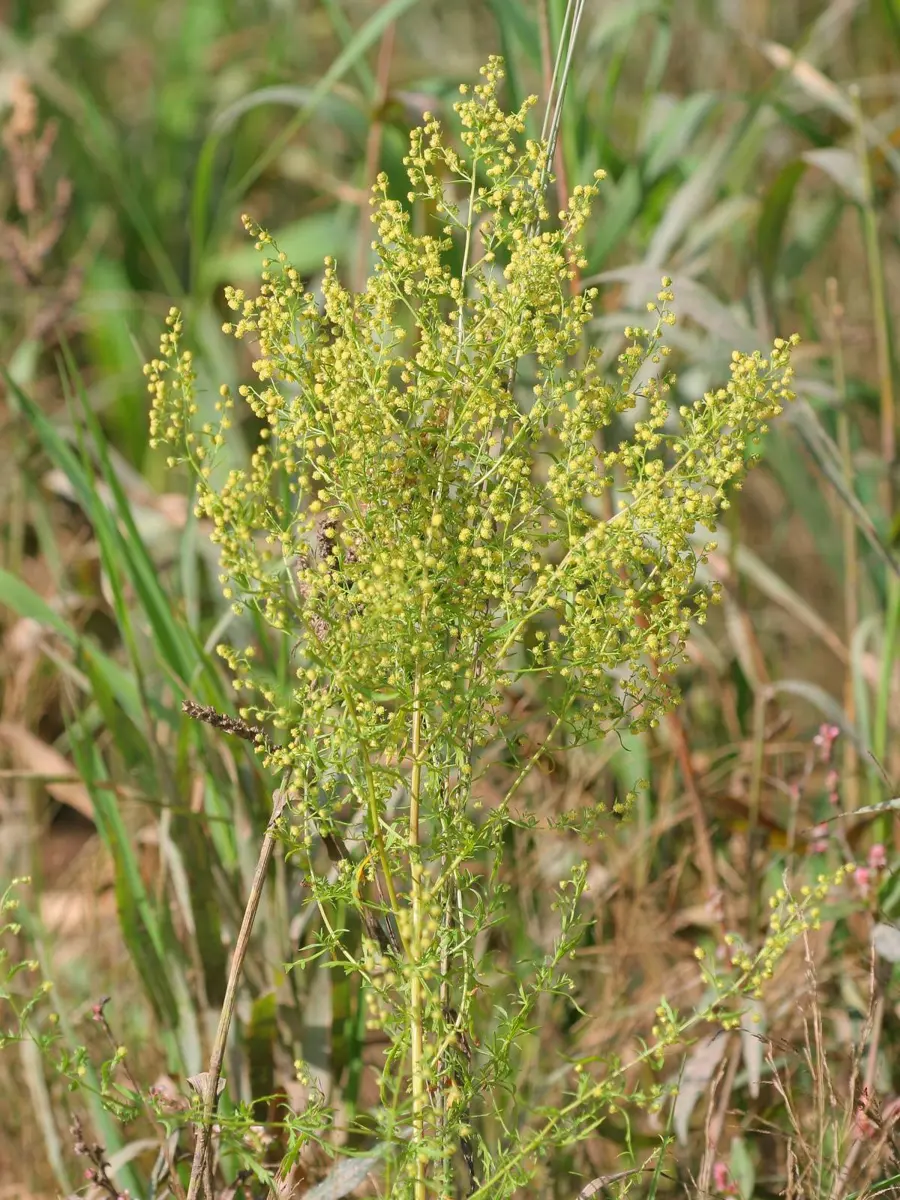
- 1969–1971, the tests. The team made extracts of over a hundred herbs and tested them on mice with malaria. One herb, qinghao, the plant sweet wormwood (Artemisia annua), sometimes worked well and sometimes hardly at all: in different tests it killed between 12% and 40% of the parasites.
- The clue. Tu went back to the old books. In a handbook of emergency remedies written by Ge Hong around the year 340, she read: “A handful of qinghao, soaked in two litres of water; wring out the juice and drink it all.” Most herbal medicines are boiled. This one was soaked cold. Perhaps, she thought, heat was destroying the medicine.
- 4 October 1971, sample 191. She made the extract at a low temperature, using ether, a liquid that boils at only about 35 °C. The extract, sample number 191, killed 100% of the malaria parasites in mice. Later it did the same in monkeys.
- July 1972, testing it on herself. Before giving it to patients it had to be shown to be safe, and the malaria season was ending. Tu volunteered to take the extract herself, with two colleagues, in hospital. They had no ill effects.
- 1972, patients and a pure crystal. From August to October the team treated 21 malaria patients on Hainan island. All of them recovered. In November they separated the pure substance, a white crystal, now called artemisinin.
How the medicines work
Ivermectin: it paralyzes the worm
Ivermectin locks onto tiny gates in the nerve and muscle cells of worms (and insects) that let charged particles (chloride ions) into the cells. With the gates jammed open, the worm’s muscles can’t work. It is paralyzed and dies. Our bodies have hardly any gates of that kind, and the few we have are in the brain, which ivermectin normally can’t reach. That is why it is so safe.
Ivermectin kills the young worms (microfilariae), not the adults, which live for years. But that is enough to stop the itching and the damage to the eyes, and to stop the disease spreading, because mosquitoes and blackflies pick up only the young worms. One dose once a year keeps the young worms down.
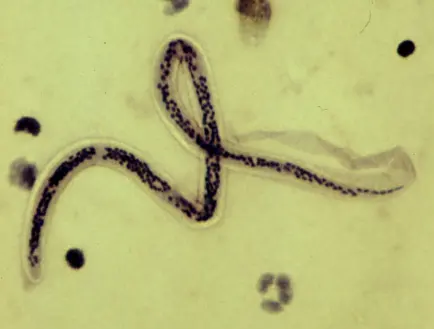
Ivermectin does not kill the adult filarial worms. Why can a once-a-year dose for everyone in a district still stop the disease spreading?
Pick an answer to see why.
Artemisinin: it attacks early and fast
Artemisinin kills Plasmodium inside the red blood cells at an early stage, faster than older medicines. Scientists still don’t fully understand how. Its molecule has an unusual bridge of two oxygen atoms (a peroxide), and it seems to break apart inside the infected cell, damaging the parasite.
To stop the parasites becoming resistant, artemisinin (or a medicine made from it) is always given together with a second malaria medicine. This is called artemisinin-based combination therapy (ACT). A parasite would need to resist both medicines at once to survive, which is far less likely.
In your life today
- Hattipaile in Nepal. Since 2003 Nepal has given medicines against lymphatic filariasis to whole districts at once, on the same days. Since 2022, in districts where the disease was hardest to stop, the tablets include ivermectin, together with two older medicines (DEC and albendazole). Nepal aims to end it as a public-health problem by 2030.
- Malaria in Nepal. Malaria is now rare in Nepal, and the country is working to eliminate it. Nepal’s treatment guide (2019) uses an artemisinin combination as the first medicine for falciparum malaria.
- Around the world. In 2023 the World Health Organization estimated 263 million cases of malaria and 597,000 deaths, most of them children in Africa. The 2015 Nobel committee said that, used in combination, artemisinin saves more than 100,000 lives a year in Africa alone. Hundreds of millions of people have taken ivermectin.
- Farms and pets. Ivermectin is still used against worms, mites and lice in cattle, goats, dogs and other animals.
What came next
- Resistance. Since about 2008, malaria parasites in South-East Asia, and now in parts of Africa too, have started to clear more slowly with artemisinin. Changes in one parasite gene, called kelch13, are linked to it. That is why combinations matter, and why new malaria medicines are being developed.
- Ending the diseases. With ivermectin and other medicines given to whole communities year after year, several countries have already ended lymphatic filariasis or river blindness as a public-health problem.
- More from the soil. Ōmura and his team found about 500 new chemicals made by soil microbes; 26 of them, or chemicals made from them, are now in everyday use, as medicines for people or animals or in farming. Most of the world’s microbes have never been grown in a laboratory, so the soil still hides many more.
An open question: how exactly does artemisinin kill the malaria parasite, and can we design medicines that the parasite can never learn to resist?
In your science books
- Grade 8: bacteria and fission (how Plasmodium multiplies).
- Grade 9: parasitism, Kingdom Protista (the malaria parasite).
- Grade 10: roundworms and medicinal plants used in Nepal, including titepati.
- Going Further: why antibiotics stop working and why two drugs at once.
Learn more
- The Nobel Prize’s own explanation: the press release and the presentation speech (nobelprize.org).
- The laureates’ Nobel lectures: Campbell, Ōmura and Tu Youyou.
The official reason
The prize was given “for their discoveries concerning a novel therapy against infections caused by roundworm parasites.”
The prize was given “for her discoveries concerning a novel therapy against Malaria.”