
Knockout mice: switching off one gene
Nobel Prize in Physiology or Medicine, 2007: Mario Capecchi, Martin Evans, and Oliver Smithies

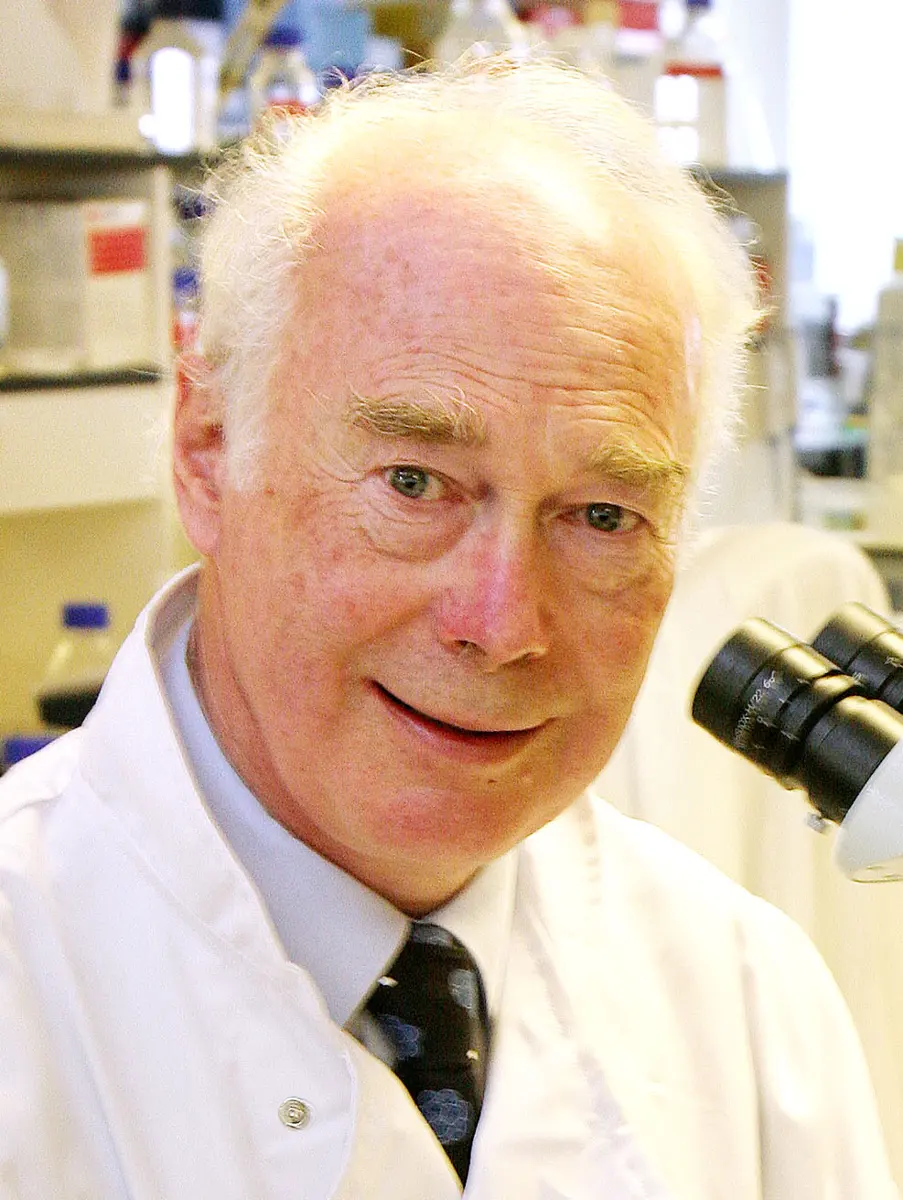
Mario Capecchi
born 1937 in Verona, Italy
During the Second World War, from the age of four and a half, he lived mostly on the streets of Italy, by his own account. He later became a geneticist in Utah, USA.
Photo: Thaler Tamás, CC BY-SA 3.0
Martin Evans
born 1941 in Stroud, England
As a boy he collected pressed flowers and built a radio with his father. He was the first to grow the stem cells of a mouse embryo in a dish.
Photo: Cardiff University, CC BY 3.0
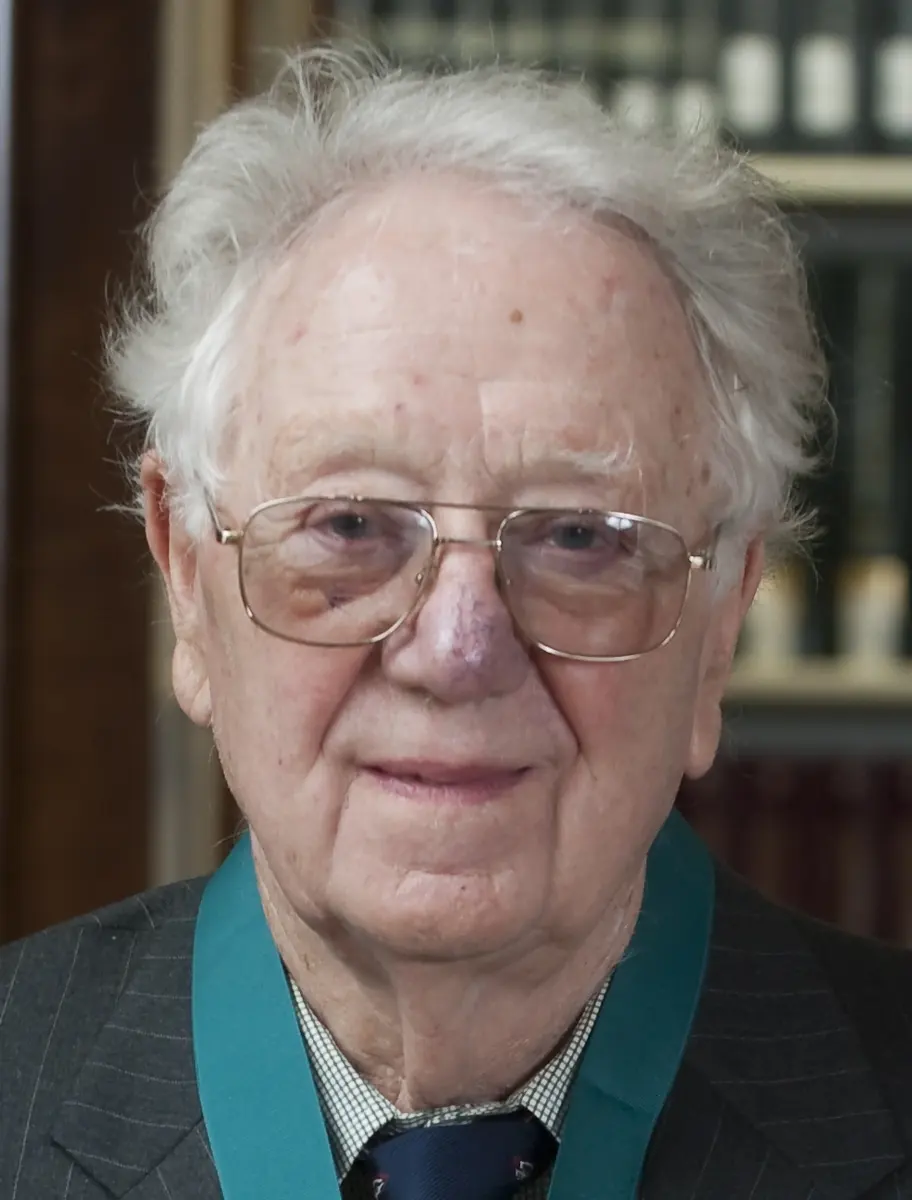
Oliver Smithies
1925–2017, born in Halifax, England
A tinkerer all his life, who also flew gliders and airplanes. Before gene targeting, he had already invented a new way to separate proteins, using starch gel.
Photo: Douglas A. Lockard, CC BY-SA 3.0
Imagine you are given a huge book of recipes, written in a language nobody can read. One way to find out what a recipe is for is to tear out that one page, cook from the rest of the book, and see what is missing at the end of the meal.
Your body is built from a book like that: your genes. By 2001 scientists had read all the “letters” of human DNA, but reading is not understanding. To learn what one gene does, you need to switch off just that gene, in a whole living animal, and watch what goes wrong. In the 1980s three scientists found how to do this in mice. Their “knockout mice” have since helped explain thousands of genes, and in 2007 they won the Nobel Prize in Physiology or Medicine.
The problem: genes you can read but not test
A gene is a stretch of DNA that carries the recipe for one protein Grade 10: DNA. Humans have about 20,000 such genes, spread along some 3 billion DNA letters in each cell. Most of them were a mystery: scientists could read a gene’s letters but often had no idea what its protein did in the body.
Studying cells in a dish helps only so much. As the Nobel committee put it, single cells never get high blood pressure or diabetes. To understand a disease, you need a whole animal.
Mice are a good choice. They are mammals like us, they breed fast (a new generation every few months), and most of our genes have a matching gene in the mouse. But in 1980 nobody could change one chosen gene in a mouse. Scientists could add extra DNA to a fertilized mouse egg, but it landed in a random place, in an unknown number of copies. Changing a chosen gene, at its own place, was like correcting one word in a library of books by throwing letters at the shelves.
Why did scientists want to change genes in whole mice, not just in cells in a dish?
Pick an answer to see why.
Two problems to solve
Making a mouse with one chosen gene changed is really two problems.
- Finding the gene. Among 3 billion letters, the new piece of DNA must go into exactly the right place, and nowhere else.
- Getting the change into every cell. A mouse is made of billions of cells. The change must be in all of them, and it must be passed on to the mouse’s babies.
Mario Capecchi and Oliver Smithies, working separately in the USA, solved the first problem. Martin Evans, in England, solved the second.
The first key: genes that swap places
Your chromosomes come in pairs, one from your mother and one from your father Grade 10: Chromosome. When eggs and sperm are made, the two chromosomes of a pair lie side by side and swap matching pieces. You may have met this as crossing over in meiosis Grade 10: Meiosis. The scientific name for this swapping of matching DNA is homologous recombination (“homologous” means “matching”).
Capecchi and Smithies had the same bold idea. Suppose you make, in the laboratory, a piece of DNA that matches a chosen gene at both ends, but has a change in the middle. Put it into a cell. Perhaps the cell’s own machinery will line it up with the matching gene and swap it in, like the “find and replace” on a computer.
Most experts thought this would almost never work in mammal cells. When Capecchi asked the US National Institutes of Health for money to try, in the early 1980s, his application was turned down: the reviewers thought it too unlikely that the new DNA would find its right place. At about the same time, Evans had a grant turned down in Britain because his plan seemed “overambitious”. Both went ahead anyway.
Capecchi: tiny glass needles
- Early 1980s. Capecchi injected DNA straight into the nucleus of cells with extremely fine glass needles. He found that the injected DNA was sometimes built into the cell’s own chromosomes, and by homologous recombination: the matching pieces really did find each other.
- The idea. He realized that the method could be used not only to repair a broken gene but also to break a working one on purpose, to “knock it out”.
Smithies: fixing a blood gene
- 1985. Smithies wanted to cure inherited blood diseases, such as sickle-cell disease and thalassemia, which are caused by faults in the gene for hemoglobin, the red protein in blood. In human cells in a dish, he put a new piece of DNA into the hemoglobin (beta-globin) gene, at exactly the right place.
- A surprise. The gene could be changed even in cells where it was switched off. That meant that any gene might be changed.
There was one big catch. These cells could never become a mouse. For that, the second problem had to be solved.
The second key: stem cells from an embryo
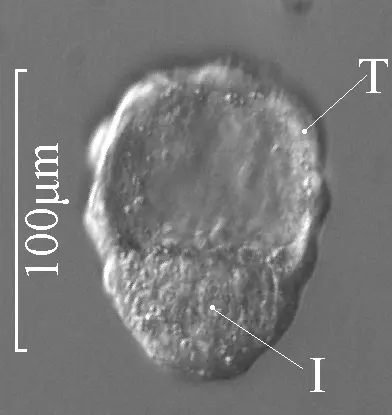
A few days after fertilization, a mouse embryo is a tiny hollow ball of cells called a blastocyst. Inside it is a small clump, the inner cell mass, whose cells will build the whole body: skin, blood, brain, everything. Cells that can still become any kind of cell are called stem cells (Stem cells).
Evans: growing embryo cells in a dish
- 1970s, tumor cells. Evans first worked with cells from a rare kind of mouse tumor that could also turn into many types of cell. But their chromosomes were abnormal, and they could not make healthy mice.
- 1981, embryonic stem cells. With Matthew Kaufman at Cambridge, Evans took cells from the inner cell mass of mouse blastocysts and grew them in a dish, with normal chromosomes. (In the same year, Gail Martin in the USA did this independently and gave the cells their name.) They are called embryonic stem cells, or ES cells. They can be grown in their millions, frozen and thawed, and they never lose their power to become any cell.
- The mixed mouse. Evans injected ES cells from one kind of mouse into blastocysts of another kind and put them into a surrogate mother mouse. The babies were a mixture: some of their cells came from the ES cells, and some from the original embryo. Such a mixed animal is called a chimera. When the ES cells came from a mouse with a different coat color, you could see it: the pups had patchy coats.
- 1986, passed on. Some chimeras made eggs or sperm from the ES cells. Evans added a new piece of DNA to ES cells, made chimeras from them, and showed that the new DNA was passed on to their babies, and from then on was inherited in the normal way, following Mendel’s laws Grade 10: Mendel’s laws.
Putting the two keys together
By 1986 all the pieces were ready. Capecchi spent a Christmas holiday in Evans’s laboratory learning how to grow ES cells. Smithies got his first ES cells in a tube that Evans carried over in his pocket.
- 1987, the first targeted ES cells. Both Smithies and Capecchi changed the same gene in ES cells, one called hprt, chosen because a change in it is easy to detect. Smithies repaired a broken copy; Capecchi broke a working one.
- 1988, a way to find the needle in the haystack. A correct swap happens about a thousand times less often than the DNA landing in a wrong place. Capecchi invented a clever double test, positive–negative selection. The new DNA carries a gene that lets a cell survive a poison (so cells without the new DNA die), and at its far end a second gene that kills the cell. In a correct swap, only the matching middle part goes in and the killer gene at the end is left behind; when the DNA lands in the wrong place, it usually goes in whole, killer and all. Add the right two medicines to the dish, and almost only the correctly changed cells survive.
- 1989, the first knockout mice. Several laboratories reported mice made from gene-targeted ES cells. Breeding the chimeras, and then breeding their babies with each other, gave mice with both copies of the chosen gene switched off in every cell: knockout mice.
What did Martin Evans’s embryonic stem cells make possible?
Pick an answer to see why.
In your life today
- Understanding genes. By 2007, more than 10,000 different mouse genes, about half of all the genes, had been knocked out. Each knockout showed something about what that gene does: in the growing embryo, in the brain, in the heart, in aging.
- Models of disease. More than 500 kinds of gene-targeted mice imitate human illnesses: heart disease, diabetes, high blood pressure, cancer, cystic fibrosis. Scientists use them to study how a disease starts and to test new medicines before they are tried in people. Many medicines in a pharmacy today were tested with help from such mice.
- Blood diseases. Smithies used gene targeting to make mice with thalassemia, to study the disease. Sickle-cell disease and thalassemia are found in Nepal too, especially among some communities of the Terai, and since 2023 some countries have approved the first gene-editing treatments for both diseases.
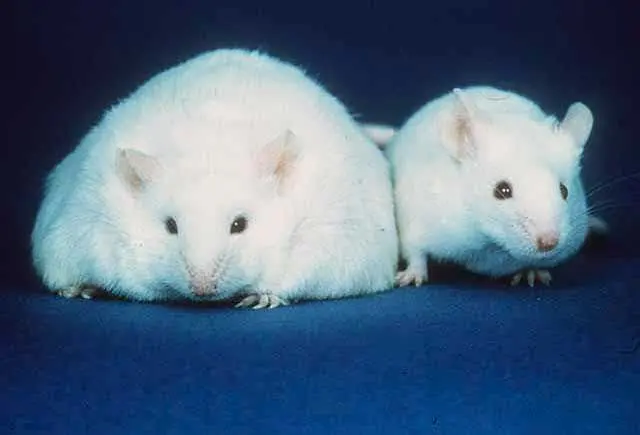
Animals in research
Using animals for experiments raises hard questions. In most countries every experiment on animals must be approved by an ethics committee, which weighs the suffering of the animals against the good the research may do. One argument for gene-targeted mice is that they are better models of human disease, so each experiment teaches more and fewer animals are needed.
What came next
- Switching genes off in just one place, or at one time. Scientists can now knock out a gene in only one organ, such as the liver or the brain, or only when the mouse is given a particular substance. This matters because some genes are needed to build the embryo, and a mouse without them would never be born.
- Faster tools. Since 2012, the gene-editing tool CRISPR–Cas9 (Nobel Prize in Chemistry 2020) has made changing genes far quicker; it can even be used directly in a fertilized egg. But the ideas of Capecchi, Evans and Smithies are still behind much of this work.
- Every gene. Scientists around the world have been working to knock out every mouse gene, one by one, and to record what goes wrong.
- The open question: what about humans? Changing genes in human eggs, sperm or embryos would change all of a person’s descendants. In 2018 a scientist in China announced that he had edited the genes of two baby girls before they were born; almost all scientists condemned it, and he was sent to prison. Should we ever change genes that are passed on in people, perhaps to stop a terrible inherited disease? Scientists and governments are still arguing about it.
In 2007, roughly how many mouse genes had been knocked out?
Pick an answer to see why.
In your science books
- Grade 10: cell division: mitosis and meiosis (crossing over is homologous recombination), DNA, chromosomes, Mendel’s laws and genetic technology.
- Going further: How does a gene make a protein?, How does one cell become a whole person? (stem cells), and crossing over.
Learn more
- The Nobel Prize’s own explanation: Popular information on the 2007 prize (nobelprize.org).
- The three laureates’ Nobel lectures: Capecchi, Evans and Smithies.
The official reason
The prize was given “for their discoveries of principles for introducing specific gene modifications in mice by the use of embryonic stem cells.”