
On 3 March 2005 a baby boy was born at Om Hospital in Kathmandu. His parents had been trying for a child for years; he began life in a glass dish, when a doctor put his mother’s egg and his father’s sperm together in a laboratory. His name is Om Mani Tamang, and he was Nepal’s first “test-tube baby”. A few kilometers away, in Bhaktapur, surgeons at the national transplant center now give people a new kidney or a new liver, taken from a relative or from someone who has died. And on farms all over the country, ponds hold six or seven kinds of carp, each feeding on its own food at its own level, while sheds hold thousands of chickens hatched in an incubator three weeks after the eggs were set in it.
All of these are applied zoology: what we know about how animals (people included) are built, how they reproduce and how they grow, put to work. This unit visits six applications: helping people have children (IVF), replacing failed organs (transplantation), checking an unborn baby’s health (amniocentesis), changing an animal’s genes (transgenic animals), and raising chickens and fish for food.
In vitro fertilization (test-tube baby)
In nature, a sperm meets an egg inside the woman’s fallopian tube: this is in vivo fertilization (in vivo is Latin for “in the living”), fertilization inside the body of a living organism, usually in the female’s reproductive tract. In vitro fertilization (IVF; in vitro, “in glass”) joins egg and sperm outside the body, in a laboratory dish, and puts the embryo back into the woman’s uterus a few days later. It is one of the assisted reproductive technologies (ART): medical ways of helping people who cannot have a child naturally (infertility). A baby born this way is popularly called a test-tube baby, although no test tube is used: the egg and sperm meet in a shallow dish.
A couple may be infertile because of the woman (blocked fallopian tubes, no ovulation, endometriosis), the man (too few sperm, or sperm that swim poorly), both, or for no cause anyone can find. IVF can help in most of these cases.
Surrogate mother
Sometimes the woman who will raise the child cannot carry a pregnancy at all. Then the embryo can be placed in the uterus of another woman, who carries it and gives birth for her. A surrogate mother is a woman who carries and gives birth to a baby on behalf of another woman or couple who cannot do so. She is also called a substitute mother. In the usual (gestational) surrogacy, the embryo is made by IVF from the couple’s (or donors’) egg and sperm, so the surrogate contributes no genes to the baby: she nurses the embryo in her uterus, but the child is not genetically hers.
A surrogate mother is used when:
- a woman has no uterus, or a uterus that cannot hold a pregnancy (for example, after repeated miscarriages);
- a woman has a medical condition that makes pregnancy unsafe for her (severe heart or kidney disease, for example);
- a single man or a male couple wishes to have a biological child (where the law allows).
Surrogacy raises hard questions of its own, about payment and the rights of the surrogate and the child, and many countries restrict or forbid it.
In gestational surrogacy, whose genes does the baby carry?
Pick an answer to see why.
Procedure of IVF
An IVF cycle takes two to three weeks of treatment, in seven steps:
- Suppressing the natural menstrual cycle. The woman receives medicines that quieten her own hormones for a while, so her ovaries will follow the doctors’ timing instead of releasing one egg on their own schedule.
- Superovulation. Normally one follicle ripens each month and releases one egg. Daily hormone injections, mainly FSH (with LH), for about 8–14 days stimulate the ovaries to ripen several eggs at once, so that several embryos can be made in one cycle. Ultrasound scans and blood tests follow the follicles as they grow; a last injection (of hCG) finishes the eggs’ ripening.
- Egg retrieval. About a day and a half later, when the follicles are ripe, the eggs are collected with a thin needle passed through the vaginal wall into each follicle, guided by ultrasound, under light anesthesia: the fluid of each follicle is sucked out and the egg found in it.
- Sperm collection. A sperm sample is collected from the partner, or from a donor, and the healthiest, fastest-swimming sperm are separated from the rest by sperm washing.
- Insemination and fertilization. The eggs and sperm are placed together in a dish of nutrient medium in a controlled laboratory (body temperature, the right gases). When the sperm are too few or too weak to enter an egg, an embryologist picks up a single sperm in a very fine glass needle and injects it straight into the egg: intracytoplasmic sperm injection (ICSI). The next day, fertilized eggs show two pronuclei.
- Progesterone treatment. From the day of egg retrieval the woman is given progesterone (sometimes with hCG), which thickens the lining of the uterus and keeps it ready to receive an embryo.
- Embryo culture and transfer. The zygotes grow in an incubator for 3–6 days (to 8 cells by day 3, a blastocyst by day 5). Then one or two of the best embryos are drawn into a thin, soft tube (a catheter) and gently placed in the woman’s uterus. Good spare embryos can be frozen for later. A pregnancy test about two weeks later shows whether an embryo has implanted.
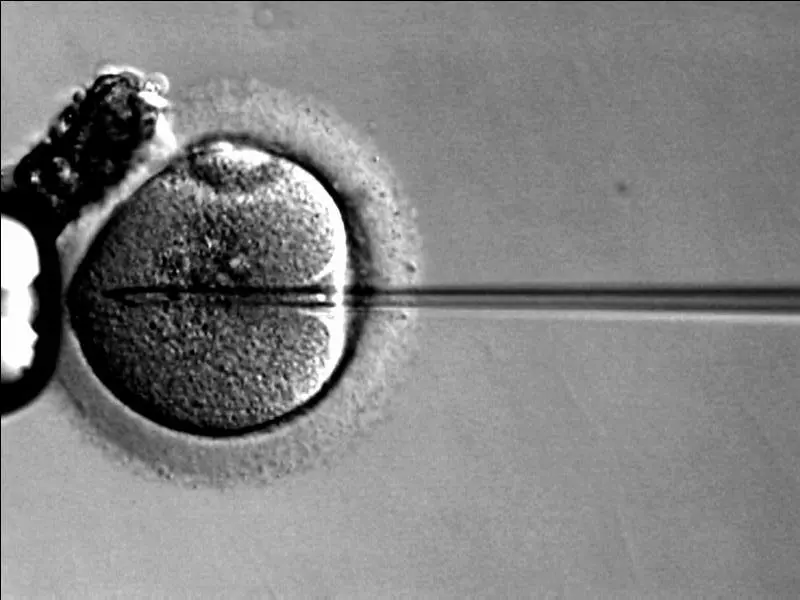
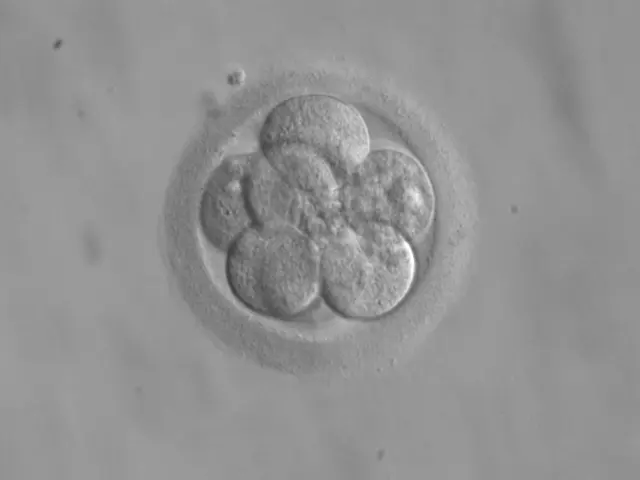
In the body, a zygote spends its first three or four days moving down the fallopian tube, dividing as it goes, and reaches the uterus as a ball of cells. IVF copies that timing: the embryo grows in the dish for the days it would have spent in the tube, and is then placed straight into the uterus.
In ICSI, what is injected into the egg?
Pick an answer to see why.
Why are FSH injections given at the start of an IVF cycle?
Pick an answer to see why.
Merits of IVF
- It helps an infertile couple to have a baby, and gives hope to couples for whom other treatments have failed.
- It bypasses blocked fallopian tubes in the woman (the egg never needs to travel down them) and, with ICSI, a low sperm count in the man.
- An embryo can be tested for a serious genetic disorder before it is put in the uterus (preimplantation genetic testing, PGT: one or a few cells are taken from the embryo and their DNA checked), so a couple who carry, say, thalassemia can choose an embryo free of it. This greatly lowers the chance of that one disorder; it cannot promise a perfectly healthy child.
- Donor eggs or sperm can be used when a partner has none that can work.
- Spare embryos can be frozen: if the first transfer fails, a frozen embryo can be thawed and transferred without repeating the whole cycle of injections and egg collection.
Demerits of IVF
- It is costly: the hormones, the laboratory work and the scans add up, and it is not affordable for all; most couples pay it themselves.
- Its success rate is far from 100%: even for a young woman, fewer than half of all cycles end in a birth, and the chance falls steeply after 40.
- It carries a risk of multiple births (twins or triplets) when more than one embryo is transferred; such pregnancies are riskier for mother and babies. Transferring one embryo at a time avoids this.
- The hormone injections and the uncertainty cause physical and emotional stress; rarely, the ovaries over-react to the hormones (ovarian hyperstimulation syndrome).
- It raises ethical and religious issues (below).
Ethical issues
- Some religions oppose IVF because it separates conception from sexual intercourse between husband and wife.
- Spare embryos that are never used are often discarded, which raises moral concern for those who see an early embryo as a potential life.
- Embryos could be chosen by their sex (in Nepal, as in most countries, choosing a child’s sex is forbidden), or for traits that are not diseases, which is not good practice.
- Donor eggs, donor sperm and surrogacy raise questions about the child’s identity, parental rights and family relationships: who are a child’s “real” parents?
- Poor women may be exploited, paid to be surrogate mothers or egg donors.
- IVF may turn reproduction, a natural process of life, into a business.
- A child born from donated eggs or sperm may want to know their genetic origin; laws differ on whether they have that right.
A couple is using preimplantation genetic testing (PGT) during IVF. Which is a valid reason?
Pick an answer to see why.
Organ and tissue transplantation
When a person’s kidneys fail, a machine can clean the blood (dialysis) three times a week for the rest of their life. A new kidney, taken from someone else, can do the same job day and night inside the body. Organ transplantation is the medical procedure in which a damaged or failed organ is replaced by a healthy organ from a donor.
- The donor is the person who gives the organ or tissue. A donor may be living (one of their two kidneys, or part of their liver, which grows back) or deceased: someone who has died after the heart stopped (circulatory death) or whose brain has completely and permanently stopped working while a machine still keeps the heart beating (brain death). A brain-dead donor’s organs still receive blood, so heart, lungs, liver and kidneys can all be used.
- The recipient is the living person who receives the organ or tissue.
Transplants save the lives, or transform the lives, of people with end-stage organ failure, and the field has advanced enormously in the last fifty years. The organs transplanted most often are the kidney (by far), liver, heart, lungs, pancreas and intestine. The world’s first successful kidney transplant was done in Boston in 1954, between identical twins, by Joseph Murray (Nobel Prize 1990: the story); the first human heart transplant in 1967, in Cape Town, South Africa, by Christiaan Barnard.

Tissues are transplanted far more often than whole organs. Skin grafts for burns and wounds, and bone grafts for fractures and reconstructive surgery, have been done for over a century; skin was also the first tissue to be grown in the laboratory from a patient’s own cells and grafted back (from the 1980s), for people with very large burns. Blood transfusion is the commonest tissue transplant of all, and follows the same rule of matching donor and recipient Grade 12: Blood groups. Other tissues transplanted are the cornea (the clear front of the eye), heart valves, veins, and tendons, ligaments, cartilage and bone, which together are called musculoskeletal grafts: tissues of the system of bones and muscles, used in orthopedic, spinal and reconstructive surgery to repair, replace or support damaged tissue. Because demand is large, tissue banks collect, screen, preserve and distribute human tissues.
For a transplant to succeed, the donor’s organ or tissue must be compatible with the recipient: as genetically similar as possible.
Types of transplant (graft)
By the relationship between donor and recipient, a transplant (graft) is one of four types:
| Type | Donor → recipient | Risk of rejection | Examples |
|---|---|---|---|
| Autograft | from one part of a person’s body to another part of the same person | none | skin from the thigh to a burnt arm; a leg vein (the saphenous vein) used for the patient’s own coronary bypass |
| Isograft | between genetically identical people: identical (monozygotic) twins | none | a kidney or skin from one identical twin to the other |
| Allograft (homograft) | between two genetically different people (the same species) | yes: the closer the relationship, the better the match | kidney, liver and heart transplants; corneas; bone marrow |
| Xenograft (heterograft) | between different species | highest | pig heart valves (chemically treated) in human hearts; pig skin as a temporary cover for burns |
Challenges or risks of organ transplant
- Rejection, the main problem. Every cell carries “identity tags”, proteins on its surface called HLA (human leukocyte antigens), which differ from person to person. The recipient’s immune system recognizes a donated organ’s HLA as foreign (as antigens): its T lymphocytes attack the organ’s cells and it makes antibodies against them, and unless held back, the immune system destroys the graft. This is rejection.
- To prevent rejection, the recipient takes immunosuppressant drugs, usually for life. These lower the body’s whole immunity, so the recipient catches infections more easily (and has a higher risk of some cancers).
- Taken for years, the drugs can harm the kidneys, raise blood pressure and blood cholesterol, and weaken bones.
- Transplants are costly: the operation, then lifelong medicines and check-ups.
- Although donors are screened, there is still a risk of passing on a disease (an infection, rarely a cancer) with the organ.
- Organ trafficking, buying organs from the poor or taking them by deceit, violates human dignity and medical ethics, and is a crime.
Ways to prevent rejection
- Immunosuppressive drugs, such as tacrolimus, cyclosporine and mycophenolate, keep the immune system from attacking the graft.
- Tissue typing: the donor’s and recipient’s HLA types (and blood groups) are tested and matched before the transplant; the closer the match, the lower the risk of rejection.
- Family members, especially brothers and sisters, are preferred as donors: they are more likely to share HLA types (a brother or sister has a one-in-four chance of an identical match).
- In a bone marrow (stem cell) transplant, the recipient’s own marrow and immune cells are first destroyed with high-dose chemotherapy and/or radiation, so they cannot reject the donor’s stem cells.
- Researchers are working on drugs, and ways of training the immune system (tolerance), that would stop rejection while leaving the rest of the body’s immunity untouched.
- Artificial parts avoid rejection altogether, since they carry no HLA: artificial blood vessels, heart valves, skin, corneas and tracheas, made of plastics and other materials, are already used.
- A fully artificial heart, liver or a wearable kidney that worked for years would be one of the greatest breakthroughs in medicine; so would organs grown from the patient’s own stem cells, which would never be rejected.
A person with a transplanted heart is advised to avoid crowds and sick people. Why?
Pick an answer to see why.
Which test is essential for matching an organ donor and recipient?
Pick an answer to see why.
Amniocentesis
In the uterus, the fetus floats in a bag of watery amniotic fluid that cushions it. The fluid contains cells shed by the fetus (from its skin, gut and airways) and chemicals it makes. Amniocentesis is a prenatal diagnostic test: a little of this fluid is drawn out and tested, to find out whether the fetus has a chromosomal, genetic or certain developmental disorder. It is usually done between the 15th and 20th weeks of pregnancy, not earlier, since before 15 weeks it carries a higher risk of miscarriage. When a test is needed earlier, at 10–13 weeks, doctors take a tiny piece of the placenta instead (chorionic villus sampling, CVS).
If a test shows that the fetus has a serious, incurable defect, the parents may decide, with their doctors, whether to continue the pregnancy. But the same test also shows the fetus’s sex, and it has been misused in South Asia to find and abort female fetuses. In Nepal it is a crime to find out the sex of a fetus, or to abort it because of its sex.
Procedure
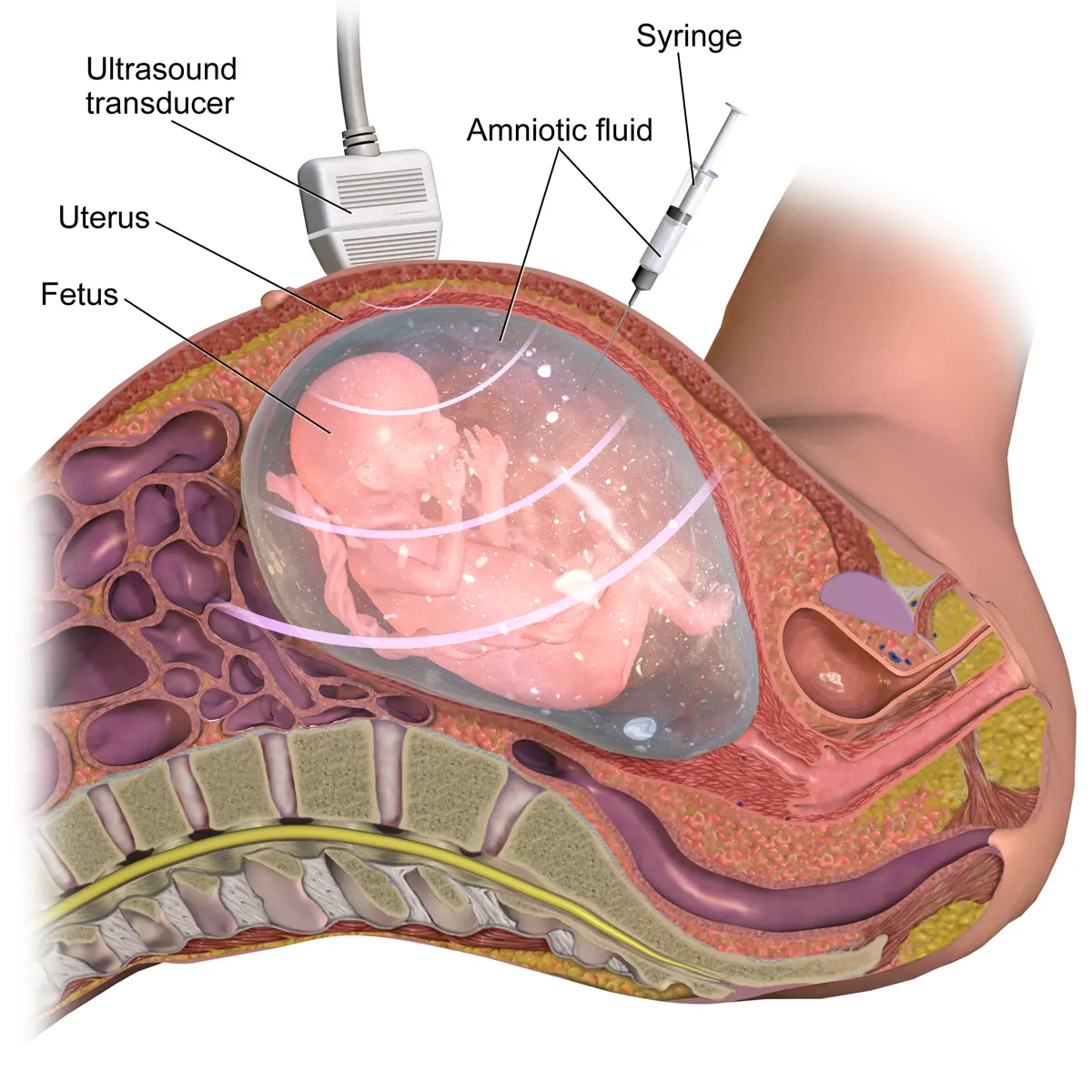
The doctor first uses ultrasound to see where the fetus, the placenta and the pockets of amniotic fluid are.
A thin needle is passed through the mother’s abdomen and the wall of the uterus into the amniotic sac, away from the fetus, watched on the ultrasound screen all the time.
About 20 ml of amniotic fluid is drawn out (the fetus makes it again within a day or two) and sent to the laboratory.
The fluid is centrifuged: the fetal cells settle at the bottom, and the liquid above is separated. The cells are cultured (grown) for one to two weeks so there are enough of them.
The analysis is mainly:
- a.Karyotype analysis: the chromosomes of the dividing cells are counted and examined, which shows chromosomal abnormalities (an extra chromosome 21 in Down syndrome) and the sex of the fetus.
- b.Biochemical tests on the fluid: the level of alpha-fetoprotein (AFP) (high when there is an open neural tube defect such as spina bifida), and enzymes whose absence means an inherited metabolic disease (as in Tay–Sachs disease).
- c.DNA tests on the cells, for single-gene disorders such as sickle cell anemia, thalassemia, hemophilia or cystic fibrosis, when the parents are known to carry one.
Which fluid is taken for amniocentesis?
Pick an answer to see why.
Purposes of amniocentesis
- Genetic testing of the fetus for disorders such as Down syndrome, cystic fibrosis, Tay–Sachs disease and thalassemia.
- Finding certain infections inside the uterus, and judging how severe the anemia is in a fetus whose blood is being attacked by its mother’s antibodies (Rh sensitization, when an Rh-negative mother carries an Rh-positive baby).
- Amnioreduction: a similar procedure drains excess amniotic fluid, when there is so much that it endangers the pregnancy.
- Paternity testing, from the DNA of the fetal cells, when it is legally needed.
- Testing for neural tube defects (open spine or skull), from the fluid’s AFP.
- Late in pregnancy, checking whether the baby’s lungs are mature enough for an early delivery.
Risks or complications
- Miscarriage: rare, but the most serious risk; about 1 in 300 to 1 in 1,000 procedures (0.1–0.3%) when done by a skilled doctor using ultrasound.
- Infection of the uterus.
- Leaking of amniotic fluid through the vagina afterwards (rare; it usually stops by itself).
- Needle injury: the fetus may move an arm or leg into the needle’s path.
- If the mother has an infection such as hepatitis C, HIV or toxoplasmosis, it may be passed to the fetus.
- The sex of the fetus may be revealed, and misused for sex-selective abortion.
When in pregnancy is amniocentesis usually done?
Pick an answer to see why.
Genetically modified organisms (transgenic animals)
For ten thousand years, farmers changed animals and plants slowly, by choosing the best ones as parents and waiting for results over many generations (selective breeding, crossbreeding). Genetic engineering makes direct and specific changes to an organism’s DNA in the laboratory, in one generation, and can even move a gene from one species into another. You met its tools in Genetic engineering (restriction enzymes cut DNA, ligase joins it, plasmids and viruses carry it into cells); here the focus is on animals.
An organism whose genetic material has been altered in a laboratory by genetic engineering is a genetically modified organism (GMO). When the change is a foreign gene (DNA from another organism, often another species), the organism is a transgenic organism, the transferred gene is the transgene, and the process is transgenesis. GMOs may be plants, animals or microorganisms; a transgenic animal is an animal carrying a transgene.
Bacteria’s DNA: Mariana Ruiz Villarreal, LadyofHats, Public domain, via Wikimedia Commons
Examples of transgenic animals
Transgenic animals are made for desirable traits (more protein in milk, faster growth, resistance to disease) or to make medicines, and above all for research:
- Goats and other “pharm” animals whose milk carries a human protein used as a medicine. The gene is joined to a promoter that works only in the mammary gland, so the protein is made only in the milk and is purified from it. The first such medicine approved (in Europe, in 2006) was human antithrombin (which stops blood clotting too much), from transgenic goats; rabbits have made human interleukin-2, growth hormone and tissue plasminogen activator (which dissolves blood clots) in their milk the same way.
- Rosie (1997), the first transgenic cow, gave milk containing a human protein, alpha-lactalbumin: about 2.4 grams per liter, a milk more like human milk, for babies.
- Transgenic mice carrying human genes (for example, a gene that causes cancer, diabetes or Alzheimer’s disease) are used as models to study human diseases and to test treatments. The first transgenic animals ever made were mice.
- Transgenic fish: transgenes have been put into common carp, rainbow trout, Atlantic salmon, catfish, goldfish and zebrafish. The AquAdvantage salmon carries an extra growth hormone gene (from the Chinook salmon) that keeps it growing all year round, so it reaches market size in about half the time; it was the first GM animal approved as food, in the USA in 2015.
- Chickens: lines that resist bird flu or other diseases, and hens whose eggs carry human medicines, have been made in laboratories.
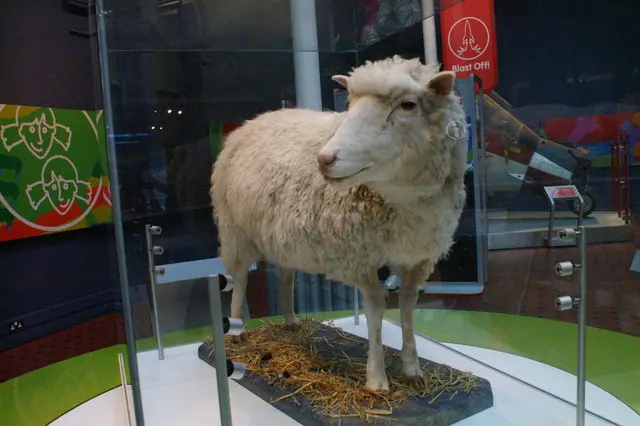
Genetically modified plants, transgenic plants, are made in the same way: crops that resist pests, diseases or drought (Bt cotton, Bt brinjal), Golden Rice, whose grains make beta-carotene (vitamin A’s source), slow-ripening tomatoes (the Flavr Savr, the first GM food sold, in 1994) and potatoes with more protein. A long-sought goal is to give cereals such as rice and wheat the bacteria’s nitrogen-fixing (nif) genes, so they could make their own nitrogen fertilizer like legumes; this has not yet been achieved in a crop. You met these in GMOs.
How a transgenic animal is made
The main technique is recombinant DNA technology: cutting a gene out of one organism and inserting it into another. Making a transgenic animal takes five steps:
- Identifying, locating and isolating the desired gene: the gene is found and cut out of the donor’s DNA (or copied from its mRNA).
- Choosing a carrier: a vector (a plasmid, or a harmless virus) to carry the gene into cells, or direct transfer (injection) without a vector.
- Joining the gene to the vector, with a promoter (a switch) that makes it work in the right tissue: the mammary gland, for a protein wanted in milk.
- Introducing the recombinant DNA into cells, tissues, embryos or a mature animal. In mammals the usual way is microinjection: the DNA is injected through a fine glass needle into the nucleus (the male pronucleus) of a fertilized egg, which is then put into a foster mother’s uterus.
- Checking expression: the young are tested for the transgene and for its product (the protein in the milk, say); those that carry it are bred, so it passes to their offspring.
Microinjection puts the gene in at a random place in the chromosomes. Since the 1980s scientists have also changed one chosen gene of a mouse (switching it off, a knockout mouse), using embryonic stem cells, work that won the Nobel Prize in 2007 (the story); today CRISPR can edit a chosen gene in the egg itself.
Which method is commonly used to make transgenic animals?
Pick an answer to see why.
Advantages of transgenic animals
- They make biological products, human proteins used as medicines: α₁-antitrypsin (for a lung disease, in sheep’s milk), tissue plasminogen activator and antithrombin (in goats’ milk), lactoferrin (an iron-carrying protein, in cows’ milk). The first transgenic cow, Rosie, gave protein-enriched milk (2.4 grams of human alpha-lactalbumin per liter).
- Transgenic mice are used to test the safety of vaccines (for example, polio vaccine) before they are used in people.
- They are used in toxicity testing: animals carrying genes that make them sensitive to toxins show the dangers of drugs, chemicals and environmental poisons faster and with fewer animals.
- They show how genes are regulated and how they affect the body’s normal functions and development.
- They show how genes cause diseases (cancer, cystic fibrosis, Alzheimer’s) and help in finding treatments.
- Pigs with changed genes are bred as a source of organs for transplant into people (xenotransplantation, above).
- Farm animals can be made to grow faster, give more or better meat and milk, or resist disease.
(Two related technologies are often listed with these, though they are not transgenesis: cloning, which copies an animal, transgenic or not; and growing tissues from a patient’s own stem cells to replace damaged parts.)
Risks and challenges of GMOs
- Gene flow: genetically modified plants may spread their modified genes to wild relatives by pollen, and transgenic fish that escape from farms may breed with wild fish, with effects on non-target species we cannot predict.
- Less diversity: farming a single GM variety or breed everywhere reduces the genetic diversity of crops and animals.
- Superweeds and superpests, resistant to herbicides and pesticides, may arise when GM crops make farmers use one chemical (or one toxin) over and over.
- GMOs might introduce new allergens or toxins, or have long-term health effects not yet known; this is why each GM food is tested before approval.
- Antibiotic-resistance marker genes used in making GMOs could, in principle, pass to harmful bacteria (newer methods avoid such markers).
- Animal welfare and ethics: many people object to altering animals’ genes, since animals may suffer for human benefit.
What is a transgenic animal?
Pick an answer to see why.
Poultry farming
Poultry are birds raised under domestication for economic purposes: chickens, ducks, turkeys, geese, pigeons, quails, even ostriches and swans. Poultry farming is the raising of domesticated birds, mainly chickens, for eggs (from layers), meat (from broilers) or both.
In Nepal, poultry ranges from a few birds scratching in a village yard to large commercial farms with tens of thousands of birds. It is an important part of the country’s agriculture, a cheap source of protein and income for many families, and the demand for eggs and chicken keeps rising with the population and the growth of towns. It can help reduce malnutrition and poverty in rural areas: a hen needs little land, little money to start, and returns food within months.
Breeds of chicken
Both indigenous (local) and exotic (foreign) breeds are reared in Nepal.
Indigenous breeds are kept mostly in villages, roaming free with little housing, feed or care, so many birds die and each lays few eggs (often 40–60 a year). But they are hardy, resist disease, need almost no feed bought, and their meat and eggs fetch a high price as “local” (lokal) chicken. Nepal’s three recognized native breeds are:
- Sakini, the commonest, more than half of Nepal’s village chickens; a dual-purpose bird of many colors;
- Ghanti Khuile, the naked-neck chicken (ghanti, the throat; khuile, bare), which copes well with heat;
- Pwakh Ulte, the frizzle chicken, whose feathers curl outwards (pwakh, feathers; ulte, turned back).
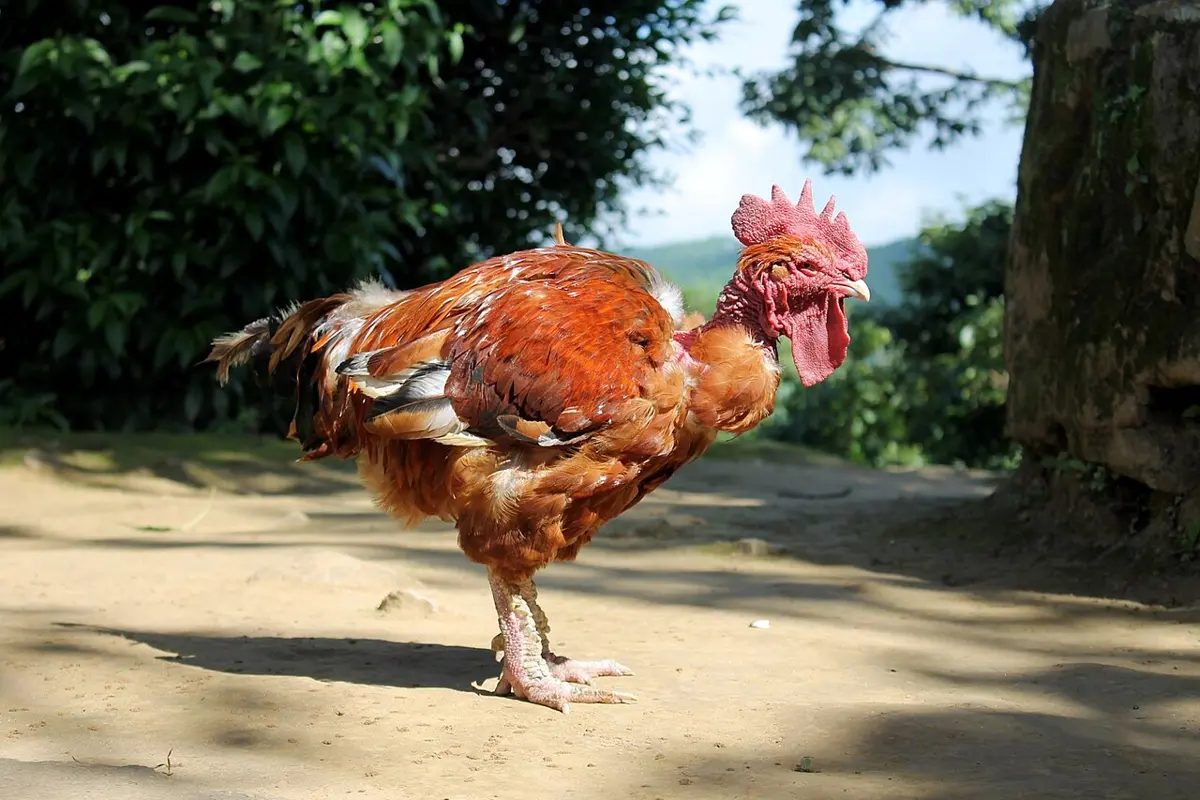
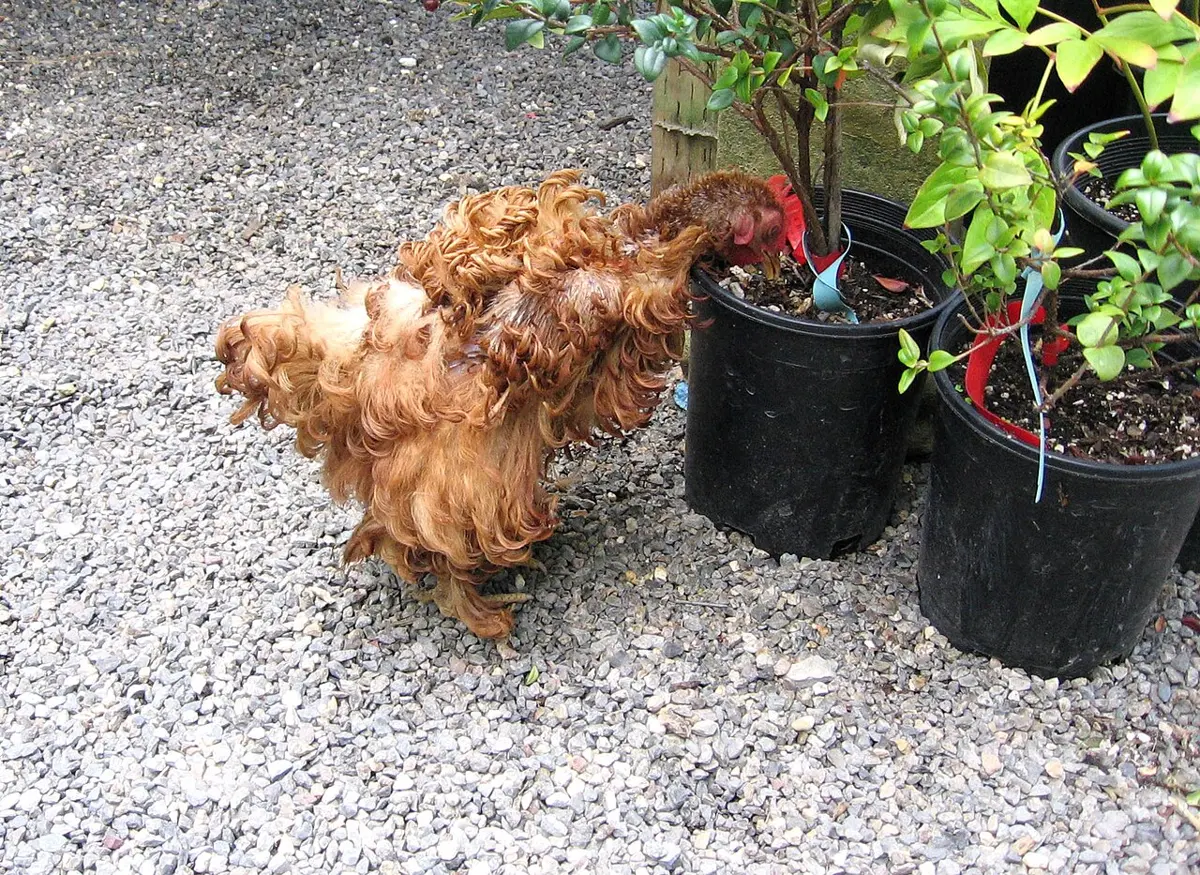
Village flocks also hold improved Indian breeds such as Giriraj, a dual-purpose bird bred in Karnataka, which grows bigger than the native birds while still foraging well.
Exotic breeds now give most of Nepal’s eggs and chicken meat, because they produce far more; they need good housing, feed and veterinary care (intensive management). They are grouped by where they were developed:
| Class | Breeds | Kept for |
|---|---|---|
| American | Rhode Island Red, New Hampshire | eggs and meat (dual purpose) |
| White Plymouth Rock | meat: one parent of the broiler | |
| Mediterranean | White Leghorn (from Italy) | eggs: the best layer, about 300 white eggs a year |
| Black Minorca (from Spain) | eggs | |
| English (Australian) | Australorp | eggs and meat |
| Asiatic | Brahma, Cochin | meat; big, heavy birds |
| Indian | Aseel, Busra, Chittagong, Ghagus | meat; Aseel is a famous fighting breed |
A modern broiler is not a single breed but a hybrid: a cross of fast-growing meat lines (Cornish × White Plymouth Rock) that reaches about 2 kg in six weeks. Commercial layers are hybrids too, mostly from White Leghorn (white eggs) or from Rhode Island Red-type lines (brown eggs).
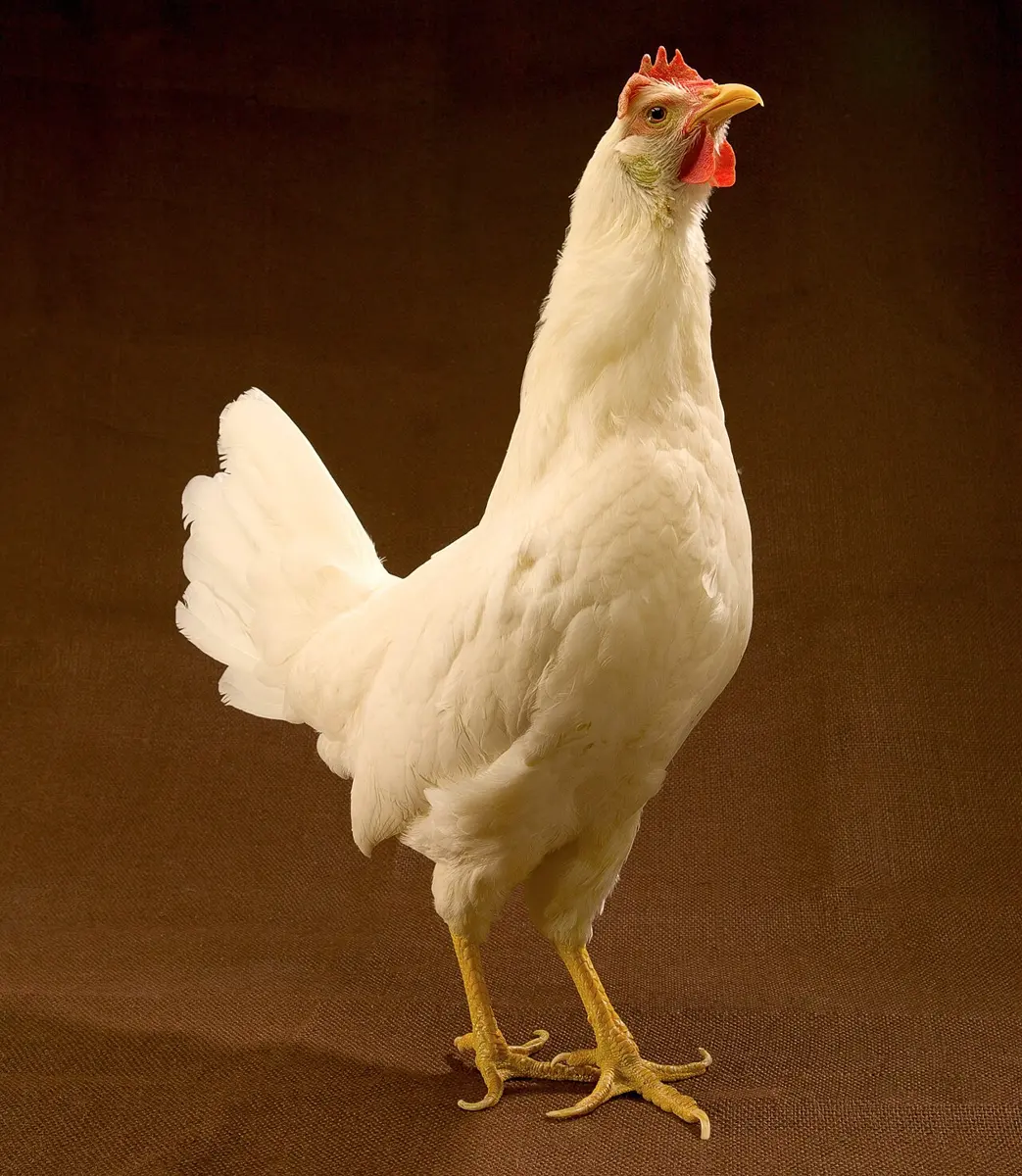
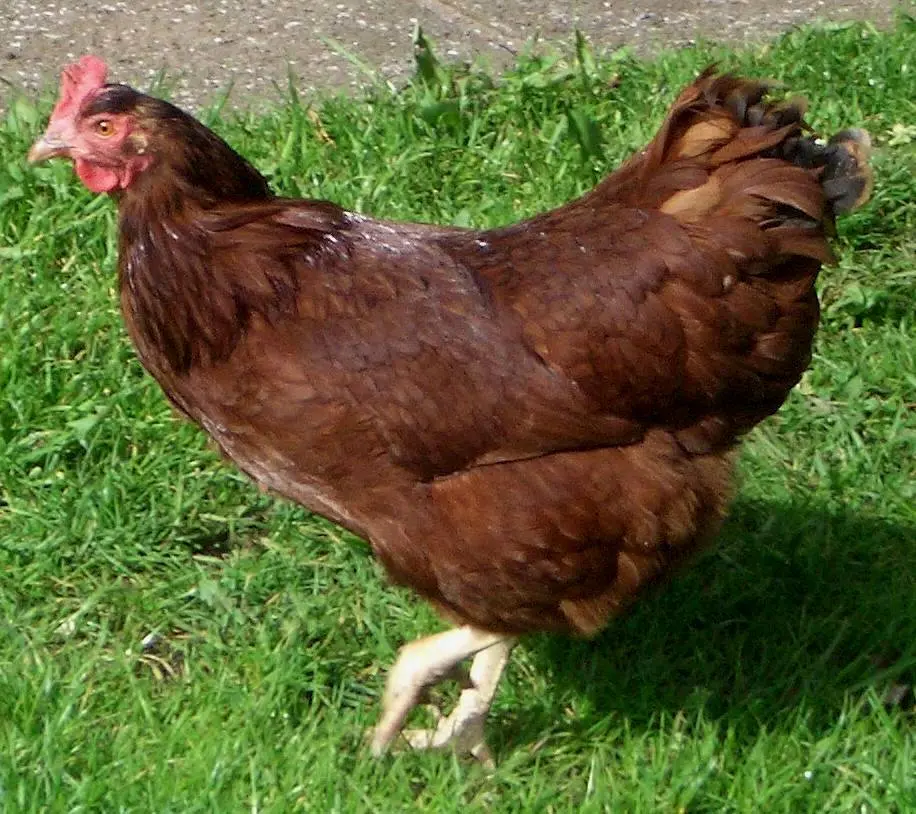
Which breed of chicken is kept mainly for egg production?
Pick an answer to see why.
Poultry farm management
Incubation. Incubation is keeping fertilized eggs warm so that the chick embryo develops inside them. Eggs for hatching should be fertilized, clean, uncracked, from healthy, vaccinated birds, and no more than about a week old; until they are set, they are stored cool, at about 13–18 °C, which keeps the embryo resting. In an incubator they are kept at about 37.5 °C with moist air (about 55–60% humidity, more in the last three days), and turned several times a day so the embryo does not stick to the shell. Chicks hatch after 21 days.
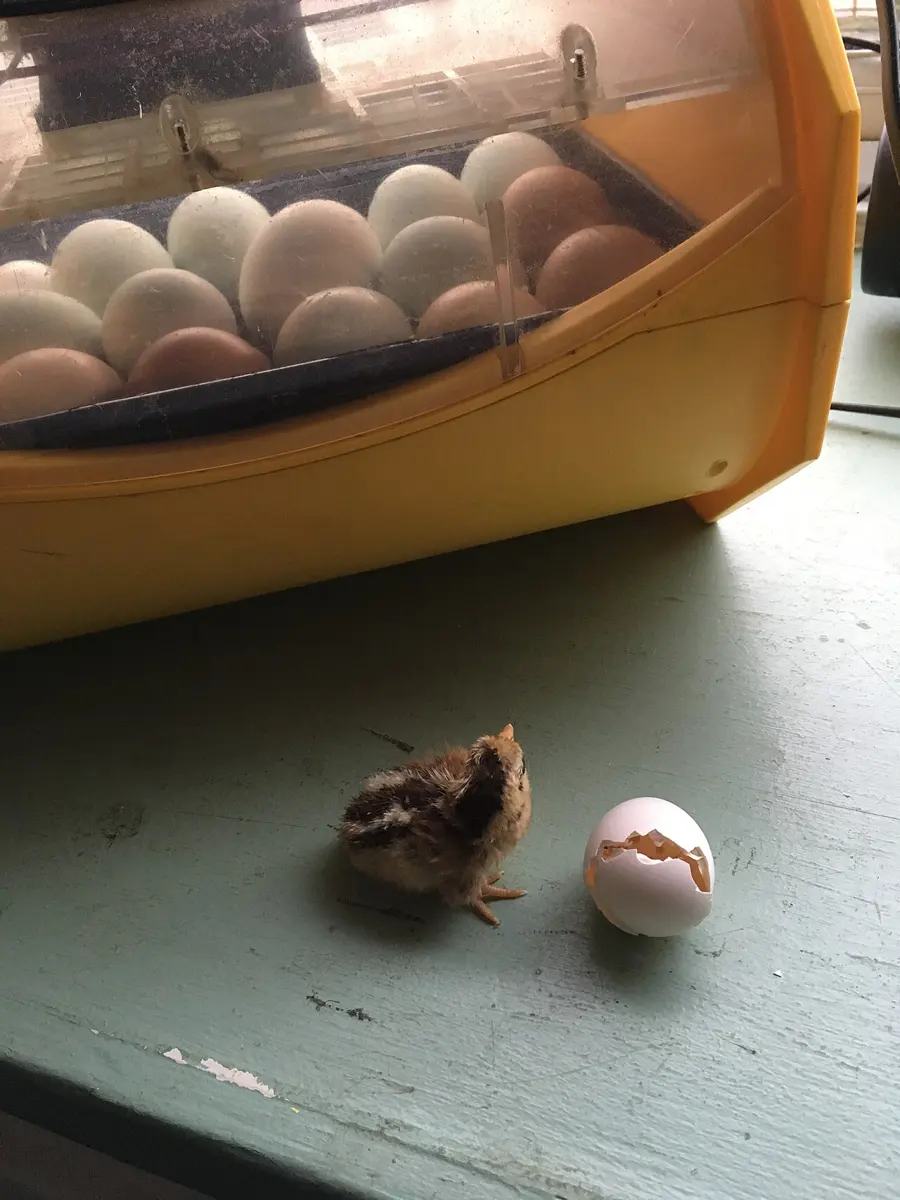
Brooding. Brooding is caring for newly hatched chicks, which cannot yet keep themselves warm: they are kept warm (about 32–35 °C in the first week, a few degrees less each week), fed, given water and protected, in a brooder house under heat lamps, a heated floor or a gas brooder. A mother hen does this naturally by sitting over her chicks.
Rearing. Healthy growing birds are reared in rearing rooms with feed hoppers, water containers and, for the hens, laying boxes. Telling males from females is sexing: day-old chicks can be sexed by an expert looking at the vent, sometimes with an optical device, or in some breeds by the color or length of the wing feathers; older birds by the comb, feathers and the spur on the male’s leg. Birds are vaccinated before going into the pens (against Newcastle disease (Ranikhet), fowl pox and others, on a schedule).
Management (housing). The chicken house or pen should be well ventilated, spacious, well lit, fenced, with good drainage, away from noise, and safe from rats, snakes and other predators; it must be kept free of parasites. Birds of different ages are kept in different houses, so diseases of older birds don’t reach the young. A small pen or cage for chickens is called a coop.
Feeding. Feed is the formulated diet given to poultry to meet their needs for growth, reproduction, egg laying and health; feeding is the way it is given. The feed depends on the age and type of bird: chicks, growers, layers and broilers each have their own. It is made by mixing crushed maize, wheat and rice (energy), mustard cake, soybean meal and fish meal (protein), bone meal and shells (calcium, phosphorus), salt and vitamins. Layers need feed rich in calcium (for eggshells) and protein (for the egg).
Rearing systems
A pullet is a young female chicken under a year old (before or just at the start of laying); the young male is a cockerel, the adult male a rooster (cock), the adult female a hen. Pullets, like other poultry, are reared in one of these systems:
Extensive or free-range system. The most traditional and common in rural areas, for indigenous chickens. The birds roam freely by day, foraging for insects, seeds and kitchen scraps, and are shut in at night for protection. It needs little investment and the birds are hardy, but many are lost to predators (hawks, jackals, mongooses) and disease.
Semi-intensive system. For medium-scale farms: the birds forage by day in a small fenced area (a run) and are shut in a house at night. Less risk of disease and predators than free range, for a moderate investment in housing and fencing.
Intensive system. Fully commercial, large-scale production: the birds are kept all the time in well-managed poultry houses under controlled conditions, completely dependent on the formulated feed and water given them, with continuous feeding, watering and removal of waste. It is of two types:
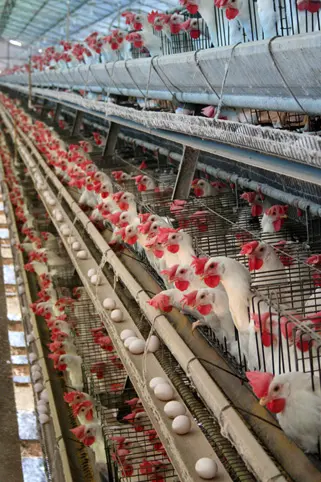
- a.Battery (cage) system: layers are kept in rows of small wire cages, one to a few birds each, often in tiers. Feed and water run along the front; the floor slopes so the eggs roll out to be collected, and droppings fall through. It gives the most eggs per space, and clean eggs, but the hens cannot move freely, and many countries are phasing such cages out for the birds’ welfare.
- b.Deep litter system: many birds live on the floor of a house covered with litter (bedding) of rice husk, sawdust, straw or dry leaves or grass, about 15–30 cm (6–12 inches) deep. The litter absorbs droppings and controls moisture, and is turned and topped up. Its advantages: high productivity, efficient use of space and labor, and the birds are easy to watch. It is the usual system for broilers in Nepal.
Folding unit system. The birds live in a light, movable pen (a fold unit or “ark”, often an A-shaped frame on wheels or skids, with a closed shelter at one end) that stands on pasture and is moved to fresh ground every day. It combines the benefits of free range and the intensive system: controlled grazing, new ground every day, lower feed costs from natural foraging, fertile pasture from the spread-out manure, and protection from predators. It suits small organic farms, backyards and hobby farmers with enough pasture, but not large numbers of birds.
In which system are movable enclosures used to move birds over grazing land?
Pick an answer to see why.
What is a young female chicken under one year old called?
Pick an answer to see why.
Diseases of poultry
Poultry need protection from bad weather, predators and many infectious diseases:
- Viral: Newcastle disease (called Ranikhet in South Asia), avian influenza (bird flu), fowl pox, infectious bursal disease (Gumboro), Marek’s disease;
- Bacterial: fowl cholera, pullorum disease (bacillary white diarrhea of chicks), salmonellosis, tuberculosis;
- Fungal: aspergillosis (brooder pneumonia, from moldy litter or feed);
- Protozoan: coccidiosis, bloody diarrhea, one of the commonest killers of young birds on litter;
- Parasites: worms inside, and mites, lice, ticks and fleas outside;
- Nutritional deficiency diseases, from feed lacking a vitamin or mineral.
To prevent them: clean the poultry house regularly and thoroughly; keep it spacious and ventilated, with air and light; give nutritious, hygienic feed and clean water; keep out ectoparasites (ticks, lice, fleas) and predators; vaccinate the birds on schedule; keep visitors and wild birds out (biosecurity).
Culling is the selective removal of sick, weak or unproductive birds from the flock, to keep the rest healthy, stop disease spreading and improve productivity. When bird flu is found on a farm, all the birds there are culled to stop it spreading, as has happened several times in Nepal.
A farmer wants to use fewer antibiotics in his poultry. What is the best alternative to keep the flock healthy?
Pick an answer to see why.
Advantages of poultry farming
- Eggs and meat are rich in high-quality protein, with important vitamins and minerals.
- It gives farmers a reliable income from eggs, meat, chicks and by-products such as manure and feathers.
- It creates jobs, skilled and unskilled, in many fields: hatcheries, feed mills, veterinary services, transport, marketing.
- Poultry droppings are an excellent organic fertilizer, rich in nitrogen, phosphorus and potassium, for crop fields.
- It gives a quick return: broilers are ready for market in 6–8 weeks, and layers start laying at about 5 months.
- Feathers, especially of ducks and geese, fill winter jackets, sleeping bags, quilts and pillows.
- It can be started in a small space with a small investment.
Fish farming
Fish farming is the branch of animal husbandry in which fish are reared commercially in natural or artificial water bodies; together with catching, processing and selling fish and fish products, it makes up the fishery industry.
Nepal has no sea, but it has a great deal of fresh water, and fish live in it from the Terai to the high Himalaya: about 187 native species and some 17 introduced ones. By official estimates its waters cover about 8 lakh hectares:
| Water | Area (hectares) |
|---|---|
| rivers | about 3,95,000 |
| lakes | about 5,000 |
| reservoirs | about 1,500 |
| village ponds | about 6,500 |
| marginal swamps | about 12,500 |
| irrigated rice fields | about 3,98,000 |
The warm waters of the Terai suit carps; the cold, fast streams of the hills and mountains hold valuable cold-water fish: asla (snow trout, Schizothorax species), sahar (golden mahseer, Tor putitora, and Tor tor) and katle (Neolissochilus species), which need protecting: the mahseers are threatened by dams, overfishing and poisoning of rivers. Demand for fish, local and for export, rises every year; fish farming gives rural people jobs and a chance to start a business, and a steady income that strengthens the rural economy.
Terms in fisheries
Aquaculture: the commercial rearing of aquatic organisms, fish, prawns, crabs, lobsters, mollusks (and water plants).
Pisciculture: the commercial rearing of fishes only.
Riverine fisheries: catching fish in rivers.
Lacustrine fisheries: fishing in lakes.
Inland fisheries: fishing and aquaculture in fresh water, in two kinds:
- a.capture fisheries, catching wild fish in their natural habitat;
- b.culture fisheries, raising fish in artificial freshwater bodies (ponds, tanks).
Marine fisheries: capture fisheries of the seas and oceans.
Monoculture: culture of a single species of fish in a pond.
Polyculture or composite culture: culture of more than one species together in a pond, chosen so that they feed on different foods (below).
Native and exotic fishes
Native (indigenous) fishes are species found naturally in a region without human help: they evolved and adapted to its waters over a long time. About 187 native species are reported from Nepal. Some important ones:
- Rohu (Labeo rohita)
- Naini, the mrigal (Cirrhinus mrigala)
- Bhakur, the catla (Catla catla)
- Asla (Schizothorax species)
- Sahar (Tor putitora)
- Hile, the spotted snakehead (Channa punctata)
- Tengra (Mystus tengara)
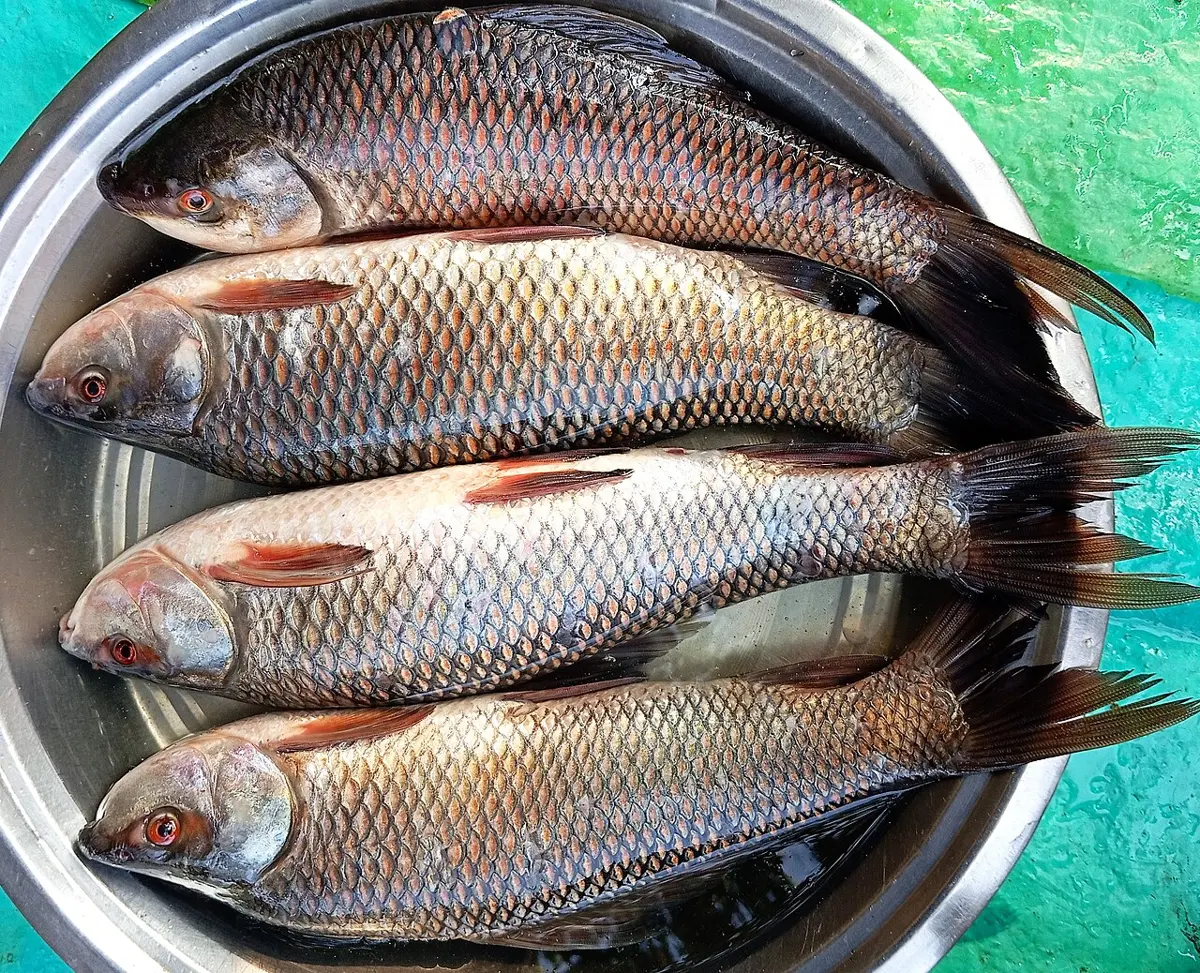
Exotic fishes are not native to a country but brought in from abroad. About 17 exotic fishes are found in Nepal; the first introduced was the common carp:
- Common carp (Cyprinus carpio): from India (in the 1950s) and Israel
- Grass carp (Ctenopharyngodon idella): from India
- Silver carp (Hypophthalmichthys molitrix): from Japan
- Bighead carp (Hypophthalmichthys nobilis, formerly Aristichthys nobilis): from Hungary
- Nile tilapia (Oreochromis niloticus): from Thailand (it is native to Africa)
- Rainbow trout (Oncorhynchus mykiss): from England, India and Japan; now farmed in the cold streams of Nuwakot, Rasuwa and other hill districts
- African catfish, African magur (Clarias gariepinus)
Which of these is an exotic fish in Nepal?
Pick an answer to see why.
Composite fish culture
Most carp ponds in Nepal are stocked with six species together (silver, bighead, grass and common carp, rohu and mrigal), sometimes with catla as a seventh, each feeding on a different food at a different level of the pond: silver carp strains phytoplankton (algae) near the surface; bighead and catla take zooplankton; grass carp eats water weeds and the grass the farmer throws in; rohu feeds in mid-water; mrigal eats the rotting matter (detritus) on the bottom; and common carp roots in the mud for worms and insect larvae. Because each takes a different food, together they use all the food the pond makes (only bighead and catla share one; Nepal’s usual six leave catla out), and the droppings of the grass carp even fertilize the water for the plankton feeders.
Types of pond
A complete fish farm has ponds for each stage of the fish’s life:
- Brood-stock pond. Mature male and female parent fish (brooders) are kept in separate ponds and well fed until the breeding season, so they ripen together and spawn only when the farmer wants: this controls the timing of reproduction for the hatchery.
- Spawning (breeding) pond. In the breeding season (the monsoon, for carps), ripe brooders are released here, often one female to two males (the ratio varies with the species). A gentle flow of water stimulates them to spawn, as a river in flood does. Once spawning has happened, the fertilized eggs are moved to the hatchery, where more of them survive.
- Hatchery pond. Smaller, shallower ponds or tanks where the fertilized eggs hatch, with a slow, continuous flow of water to bring oxygen to the eggs. The newly hatched larvae (spawn) stay a few days, living on their yolk.
- Nursery pond. The young are moved here and grow into fry and then fingerlings (fish about as long as a finger, 8–15 cm). Nursery ponds are rectangular, about 90 cm deep, and the young are reared for up to about three months, until they weigh up to about 40 g. (On many farms the fry are moved, at 2–3 cm, to a separate rearing pond to grow into fingerlings.)
- Stocking (rearing or grow-out) pond. Large, permanent ponds, more than about 2 m (6 feet) deep, where the fingerlings grow to market size; they are made large to allow netting at harvest.
Construction and management of ponds
When building a fish pond, consider:
Land topography (the shape of the land surface), important for both building and maintaining the pond. A bowl-shaped piece of land, high on three sides with a narrow outlet on the fourth, is easily made into a pond.
Soil. It must hold water, so clay soil is best; it should be rich in nutrients, with a suitable pH (neutral to slightly alkaline, about 7–8), which makes the pond fertile.
Water supply. An adequate, reliable supply of good water is essential; the amount and quality needed depend on the kind and number of fish. Sources: lakes, reservoirs, springs, rivers, canals, wells, rain runoff.
Transportation. Good roads for vehicles bringing materials, fry and feed, and taking harvested fish to market.
Layout of the farm. A scientific plan of where each pond goes, its design and the number of each type, drawn before building. The sizes depend on the farm’s purpose:
- a.Restricted farming: a few ponds; the farmer buys fry or fingerlings from a hatchery and rears them to market size.
- b.Complete fish farming: many ponds, where fish are bred, eggs hatched, fry reared and fingerlings raised to market size.
A fish pond is managed for good production:
- Controlling aquatic vegetation: unwanted plants and weeds are removed regularly; after each harvest the pond is emptied, dried and cleaned.
- Liming: after drying, lime (quicklime, CaO, or crushed limestone) is spread on the pond bottom. It corrects the acidity of the soil and water (raises the pH), kills parasites and disease organisms, destroys unwanted weeds, and frees nutrients from the mud, so the pond becomes more productive.
- Manuring: cow dung, poultry droppings or fertilizers are added to make the pond grow more natural food: a bloom of phytoplankton and heavy growth of zooplankton, which the fish eat.
- Artificial feeding: extra feed raises production greatly; it should be simple and cheap: rice bran, oil cake, kitchen waste, fish meal, meat scraps.
- Controlling predatory and weed fishes: predatory fishes eat the farmed fish (for example, snakeheads, Channa species); weed fishes eat the pond’s food and compete with the farmed fish (for example, small barbs, Puntius species). They are removed before stocking.
- Controlling physico-chemical factors: the pond’s depth, temperature, light penetration, turbidity (muddiness), pH, dissolved oxygen (kept up by aeration) and soil nutrients are kept at the best level for the species farmed.
- Harvesting: when the fish reach market size, the water is drained out through the outlet and the fish netted; draining also gets rid of predators.
What is the main purpose of liming a fish pond?
Pick an answer to see why.
Cage fish culture
Cage culture is raising fish in large floating or submerged cages placed in a pond, lake, reservoir or river, where the water is open to all. It uses water not used for anything else, even swamps. Cages are square, rectangular, round or boat-shaped, and range widely in size, from about 40 to 10,000 cubic meters; they are made of durable materials (nylon netting on steel, bamboo or pipe frames, floated on drums), with the top of the cage above the water.
In Nepal, cage culture began in the Pokhara lakes (Phewa, Begnas, Rupa) from trials in the 1970s, and in the Kulekhani reservoir (Indrasarobar), where, after the dam flooded the valley in 1982, families who had lost their land took up cage farming, helped by a project of the government and Canada’s IDRC. They mainly grow silver and bighead carps, which feed on the lake’s own plankton, so the cages need little or no feed.

Advantages of cage culture:
- It makes the fullest use of all available water (lakes, reservoirs, rivers).
- The initial investment is small and installation easy.
- Management and inspection are easy.
- Predators, parasites and diseases are easy to control.
- The cages can be moved to a safe place in an emergency (a flood, pollution).
- Harvesting is easy and can be done whenever fish are needed.
Integrated fish farming
Integrated fish farming combines fish culture with other kinds of farming on the same land: paddy-cum-fish (fish in the rice fields), pig-cum-fish, duck-cum-fish, poultry-cum-fish, and livestock-cum-fish farming. The waste of one becomes food for another, so it suits small, rural farmers, giving several incomes from the same resources.
Benefits of integrated fish farming:
- It makes efficient use of resources: land, water, feed and labor serve more than one crop.
- It recycles nutrients: animal waste fertilizes the pond water and makes plankton grow for the fish; in rice fields the fish eat weeds and insect pests, and their droppings feed the rice.
- Total production from the same land rises: fish, crops and livestock together.
- It supports sustainable agriculture, keeping the ecological balance and improving soil and water quality.
- Farmers gain a varied income, which improves food security and lowers financial risk.
- It lowers costs, since less chemical fertilizer and bought feed are needed.
- It reduces pollution, turning the waste of one system into the input of another.
Breeding techniques in fish farming
- Natural breeding. In the breeding season, ripe females and ripe males (about 1 : 2) are put into breeding hapas in a breeding pond. A hapa is a rectangular box of fine mosquito-net cloth held open on bamboo poles in the water. Placed near an inflow of fresh water, it encourages the fish to spawn, and the eggs are kept safe inside it.
- Semi-artificial breeding. Used for the common carp, whose eggs are sticky. Male and female brooders are put in cement tanks with kakabans: mats of palm or coconut fiber (or water plants) on which the female lays her sticky eggs, the Indonesian method. The brooders are first given an injection of pituitary extract to bring them to full ripeness, and they spawn on the kakabans about 12 hours after it.
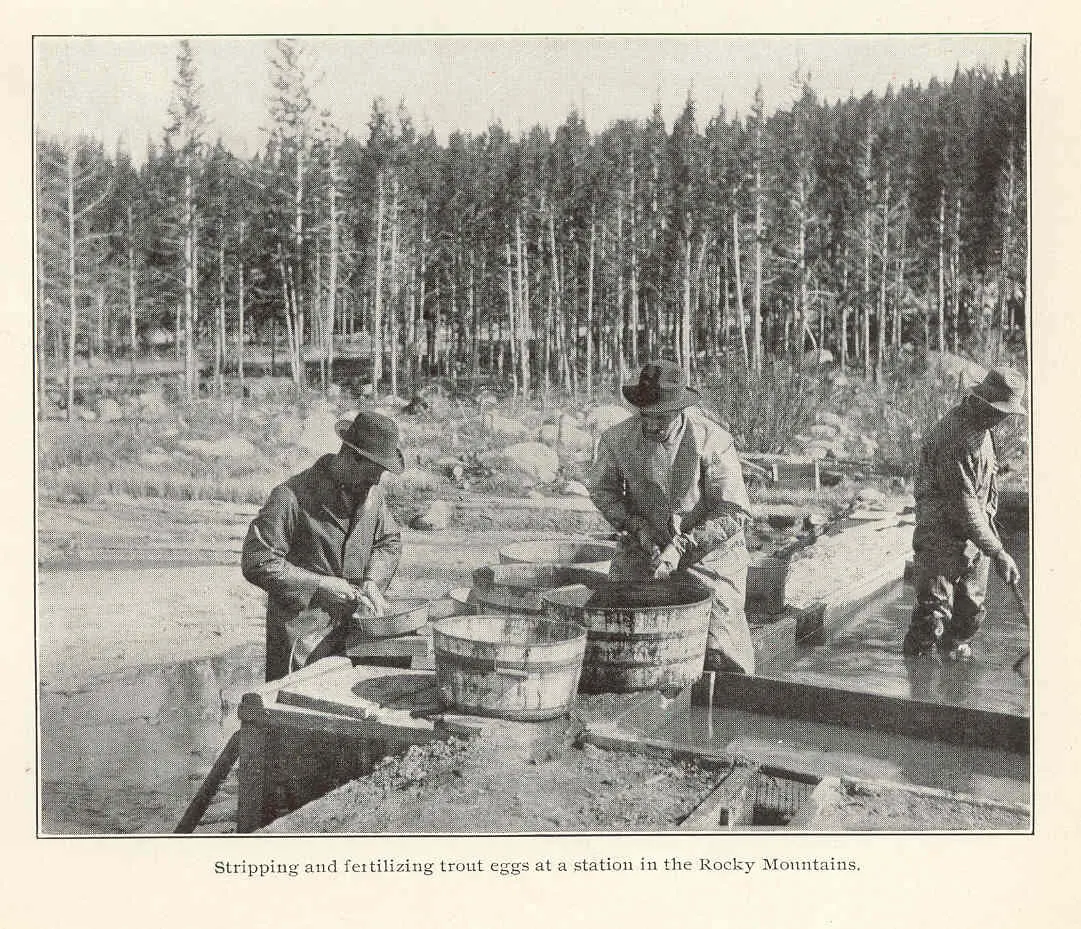
- Artificial or induced breeding (hypophysation). Ripe brooders are chosen: a ripe male releases milt (sperm fluid) when its belly is gently pressed near the genital opening; a ripe female has a soft, swollen belly and a swollen, reddish, protruding genital opening. Both are injected with pituitary extract (from the pituitary glands of other fish; for example, about 3 mg per kg of body weight for the female, 1 mg per kg for the male, varied with the species; many hatcheries now use a synthetic hormone instead). About 12 hours later each fish is stripped: its belly is gently pressed from head to tail so that the eggs (ova) flow into a dry bowl, then the milt over them, and the two are mixed at once by stirring gently with a feather (the dry method). For sticky eggs, an equal volume of a fertilizing solution of urea (carbamide) and salt is added and stirred for some time, so the eggs do not clump. The fertilized eggs are then moved to an incubator or hatchery to hatch.
Importance of fish farming
- It brings income to farmers and contributes to the national economy.
- Fish is a highly nutritious food, rich in proteins, vitamins (A and D), minerals, iodine and omega-3 fatty acids, which are essential for health.
- Fish oil and fish liver are especially rich in omega-3 fatty acids and vitamins A and D.
- Fish meal and manure made from the waste parts of fish feed poultry, pigs and cattle, and fertilize fields.
- Fish skin is tanned into leather for shoes and handbags.
- Angling and boating on lakes and rivers give fun and recreation, and bring tourists (Nepal’s mahseer are famous with anglers).
- It drives research and new ideas in fish breeding, genetic improvement and fish health.
Exercise
A. Choose the best alternative
- Which of the following fluids is required for amniocentesis?
Pick an answer to see why.
- The process of producing a test-tube baby is also called:
Pick an answer to see why.
- A couple is having preimplantation genetic testing during IVF. Which of the following is a valid reason?
Pick an answer to see why.
- At what time in pregnancy is amniocentesis typically performed?
Pick an answer to see why.
- Which of the following is a valid ethical concern about the use of amniocentesis?
Pick an answer to see why.
- Which of the following is a common reason why couples choose IVF?
Pick an answer to see why.
- What is a transplant between two genetically identical individuals called?
Pick an answer to see why.
- A person with a transplanted heart is advised to avoid crowds and sick people. Why is this advice given?
Pick an answer to see why.
- Which blood test is essential for matching organ donors and recipients?
Pick an answer to see why.
- What is the term for the body’s immune system attacking a transplanted organ?
Pick an answer to see why.
- A patient receives a kidney transplant and is given immunosuppressive drugs. What is the main reason for continuing this medication long-term?
Pick an answer to see why.
- Which method is commonly used to create transgenic animals?
Pick an answer to see why.
- What is a transgenic animal?
Pick an answer to see why.
- In which species was the first transgenic animal produced?
Pick an answer to see why.
- Which breed of chicken is commonly used for egg production?
Pick an answer to see why.
- What is culling?
Pick an answer to see why.
- A farmer wants to reduce the use of antibiotics in poultry farming. What is the best alternative strategy to keep the flock healthy?
Pick an answer to see why.
- Which of the following is an exotic fish?
Pick an answer to see why.
- What is a young female chicken under one year old called?
Pick an answer to see why.
- What is the main purpose of liming fish ponds?
Pick an answer to see why.
- In which farming system are movable enclosures used to rotate birds across grazing land?
Pick an answer to see why.
B. Answer the following questions in brief
What fertility technology would you recommend for a married female couple who wish to have a child using one partner’s egg and a donor’s sperm? Explain this technology in brief.
Hint
Answer
Describe the various types of tissue and organ transplantation. What are the ways adopted to prevent rejection?
Answer
Briefly mention the pros, cons and ethical issues of in vitro fertilization.
Answer
What is amniocentesis? How is it done? Describe its advantages and disadvantages.
Answer
Describe briefly the scope and importance of poultry farming in the context of Nepal.
Answer
What is fish farming? Nepal has great scope for fish farming. Justify.
Answer
Write a short note on transgenic animals, with their advantages and disadvantages.
Answer
Printable PDFs
- Study notes 6 pages
- Worksheet 4 pages Answer key
Quiz yourself: Environment and Biodiversity, Grades 5–12 →
Practice every question in the book, and keep track of the ones you miss →
A companion to your textbook, not a replacement for it: study from the book your school uses, and where the two differ, follow your teacher. Found a mistake? Please tell us.