
The banana plants in a new orchard in Chitwan may all have started life in a glass jar in a laboratory near Kathmandu, as one shoot tip, smaller than a grain of rice. The insulin a diabetic grandmother injects every morning was made by bacteria carrying a human gene. The cotton in your shirt may have come from plants carrying a gene from a soil bacterium, which poisons the caterpillars that bore into its bolls. None of these existed sixty years ago.
All three are biotechnology: putting living things, their cells or their genes to work for us. People have done it for thousands of years without knowing it, every time they made curd or saved seed from their best plants. What is new is that we now understand the cells and genes we are using, and can change them on purpose. This unit is about how: growing whole plants from a few cells, breeding better crops, feeding the soil with living things instead of chemicals, moving a gene from one species into another, and keeping our food safe and our people fed.
5.1.1 Biotechnology
Introduction to biotechnology
Long before anyone knew that microbes existed, people used them. Yeast made bread rise and turned grain and fruit into beer and wine; bacteria turned milk into curd and cheese; Nepal’s own gundruk, kinema and jaand are the work of microbes too. And for about ten thousand years farmers have chosen which plants and animals would be the parents of the next generation: that is how wild grasses became wheat and rice. This old biotechnology worked by trial and error. The new kind began once scientists learned what was really happening inside the cells:
- Ancient times: microbes used, unknowingly, to make and keep food (fermentation); crops and livestock bred by selection.
- The 19th century: Louis Pasteur showed that fermentation is done by living microbes (1857), and that heating can kill the spoilers in wine and milk (pasteurization). Gregor Mendel found the rules of heredity (1865).
- The early 20th century: microbes put to work in factories. Penicillin, found by Alexander Fleming in 1928, was made in huge tanks from the 1940s, along with other antibiotics and chemicals made by microbes.
- The mid-20th century: James Watson and Francis Crick found the double-helix structure of DNA (1953). In the 1970s scientists learned to cut and join DNA, making recombinant DNA and cloning genes: the birth of modern biotechnology.
- The late 20th and early 21st centuries: reading whole genomes (genomics), studying all of a cell’s proteins, editing genes with CRISPR, and making medicines, enzymes and materials with engineered cells (biomanufacturing).
Biotechnology is the use of living organisms, or their cells, parts or processes, to make or change products or processes for a particular use. It draws on biology, chemistry, engineering and computer science together, and is used in health care, agriculture, industry and the environment.

Areas of biotechnology
Biotechnology is so wide that it is often sorted by colors:
| Color | Area | What it does | Examples |
|---|---|---|---|
| Red | medical biotechnology | new drugs and vaccines; gene therapy and personalized medicine; diagnostic tools and regenerative medicine (repairing tissues and organs) | insulin and the hepatitis B vaccine made by engineered microbes; PCR tests |
| Green | agricultural biotechnology | genetically modified (GM) crops with higher yield, pest resistance or better nutrition; biofertilizers and biopesticides; animal breeding and health | tissue-cultured banana plantlets; Bt cotton; Rhizobium for lentils |
| White | industrial biotechnology | biofuels, bioplastics and enzymes; cleaner, sustainable manufacturing; bioremediation of industrial waste | enzymes in washing powder; ethanol from sugarcane |
| Blue | aquatic (marine) biotechnology | new drugs from marine organisms; aquaculture (fish farming); bioenergy from algae | fish breeding; fuels from algae |
| Gold | bioinformatics and nanobiotechnology | computers to handle biological data (bioinformatics), and nanotechnology (materials a few millionths of a millimeter across) in living systems (nanobiotechnology) | reading and comparing genomes; tiny particles that carry a drug to a tumor |
(Some lists add more colors, such as gray for environmental biotechnology. The colors are a convenience, not fixed definitions.)
Producing enzymes for washing powder, using bacteria grown in large tanks, belongs to which area of biotechnology?
Pick an answer to see why.
A team writes computer programs to compare the genomes of 500 strains of rice. Which color of biotechnology is this?
Pick an answer to see why.
Social and ethical issues in biotechnology
Every powerful tool raises questions about how it should be used. Biotechnology raises several:
- Genetic engineering and gene editing. Changing the genes of a person’s germline (eggs, sperm or an early embryo) changes every cell of the child and is passed on to all their descendants. Many countries forbid it by law. A fear is that it would be used not to cure disease but to “enhance” children (height, looks), for those who can pay, adding new social inequality to the old. In 2018 a Chinese scientist, He Jiankui, announced twin girls whose genes he had edited as embryos; he was condemned around the world and jailed. People also fear unexpected effects of genetically modified organisms (GMOs) on the environment or on health.
- Privacy and data security. A person’s DNA says something about their future health. Genetic discrimination is treating someone unfairly, in a job or for insurance, because of what their genes might show about their future health, even though they are healthy now. So genetic information must be kept confidential, stored securely and used only with the person’s consent.
- Access and equity. New treatments and products are often very expensive, so not everyone can afford them, which widens the health gap between rich and poor. There is also a global divide: richer countries get the benefits first and most.
- Animal welfare. Cloning and genetically changing animals, for research or to make medicines, raise questions about how those animals are treated: most cloned embryos die, and some clones are born with defects.
- Intellectual property. Should a company be allowed to patent a gene or a living thing? A patent controls who may use it, for research or for treatment, and for how much. In 1997 a US company won a patent on rice lines and grains with the qualities of basmati; India challenged it, and most of its claims were withdrawn.
5.1.2 Plant tissue culture
Cut a leaf of Bryophyllum (पत्थरकुची, the “miracle leaf” grown in many Nepali gardens) and lay it on damp soil: in a week or two, tiny new plants grow from the notches along its edge. Each one is a whole plant, with roots, stem and leaves, grown from ordinary leaf cells. Living things can regenerate and repair themselves, and plants are far better at it than animals. This comes from a property called totipotency.
Totipotency is the ability of a living plant cell to grow into a complete new plant, given the right conditions. It is possible because every living cell with a nucleus carries the plant’s whole set of genes, the instructions for every part.
Plant tissue culture (PTC) is a collection of techniques for growing plant cells, tissues or organs, or even whole plants, in an artificial, sterile (germ-free) environment, on a specially prepared food mixture, the nutrient medium, under controlled laboratory conditions. Its key principle is totipotency.
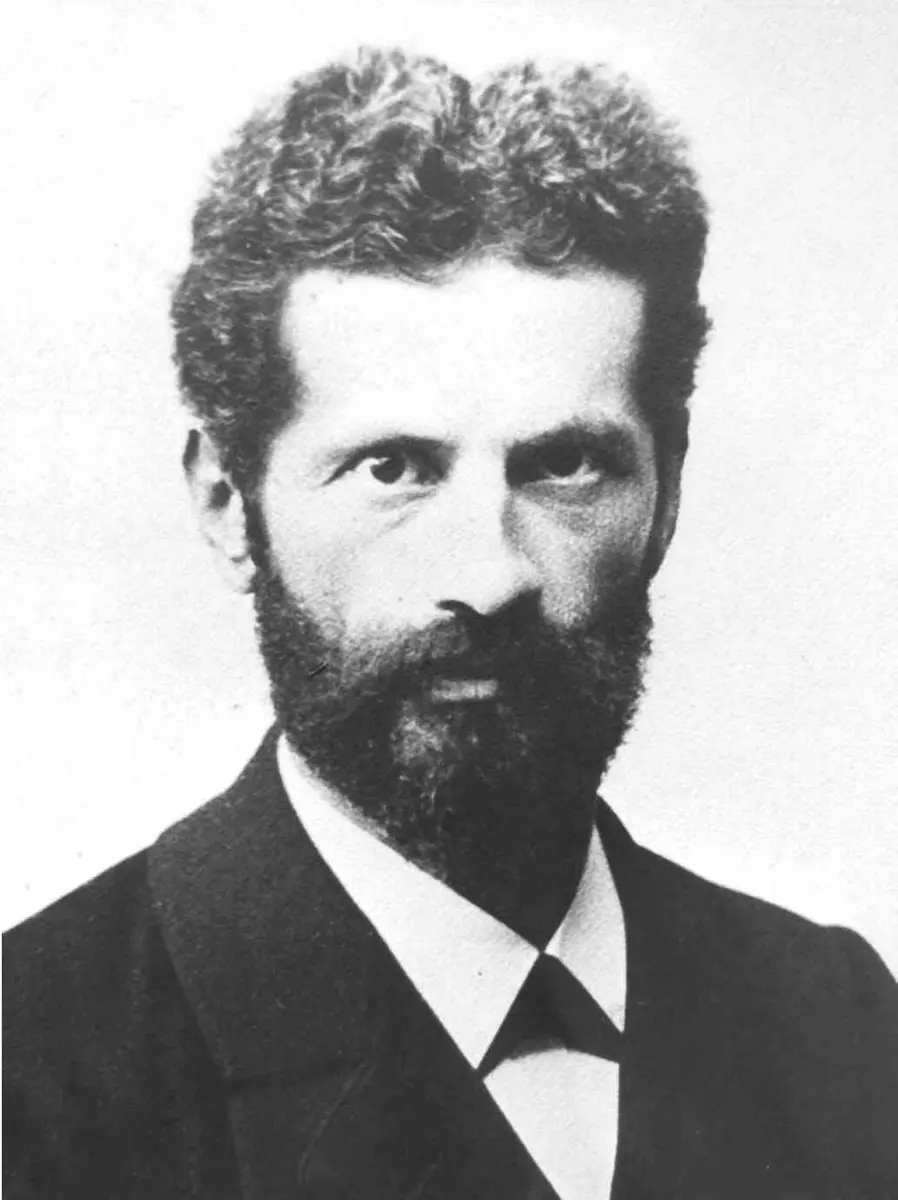
The idea is a hundred years old. In 1902 the Austrian botanist Gottlieb Haberlandt, often called the father of plant tissue culture, proposed that single plant cells could be grown on their own and should be able to form a whole plant. His cells stayed alive for weeks but never divided: he didn’t yet know about plant hormones. The breakthroughs came in the middle of the century, when auxins and cytokinins were discovered and when complete nutrient media were worked out, such as the MS medium of Toshio Murashige and Folke Skoog (1962), still the most used in the world. In 1957 Skoog and Carlos Miller showed that the balance of auxin and cytokinin decides whether a lump of cells makes roots or shoots, and in 1965 Vimla Vasil and Albert Hildebrandt grew a whole tobacco plant from a single cell, proving Haberlandt right.
Basic principles and requirements of plant tissue culture
Basic principles
- Totipotency: any living plant cell, given the right conditions, can regenerate into a whole plant.
- Aseptic (sterile) conditions: everything must be done free of bacteria, fungi and other microbes. Microbes grow far faster than plant cells, and on a medium full of sugar a single fungal spore would cover the culture in days.
- A defined nutrient medium: a carefully prepared mixture of every nutrient and growth signal the cells need.
- A controlled environment: temperature, light (its intensity and how many hours a day) and humidity held steady in a growth chamber.
Key requirements
- Explant: the small piece of the plant (a leaf piece, a stem tip, a root, even a single cell) taken from the mother plant to start the culture. Its quality and type matter: young, actively growing tissue from a healthy plant responds best.
- Nutrient medium, which contains:
a) macronutrients and micronutrients, the mineral salts a plant needs (nitrogen, phosphorus, potassium, calcium, magnesium, iron and others);
b) a carbon source, usually sucrose, because the cells in a closed jar can’t yet make enough food by photosynthesis;
c) vitamins, needed for the cells’ metabolism (thiamine and others);
d) plant growth regulators (hormones), mainly auxins (for roots and cell division) and cytokinins (for shoots and cell division). Their ratio decides how the tissue grows: more auxin gives roots, more cytokinin gives shoots, a balance keeps it growing as a callus;
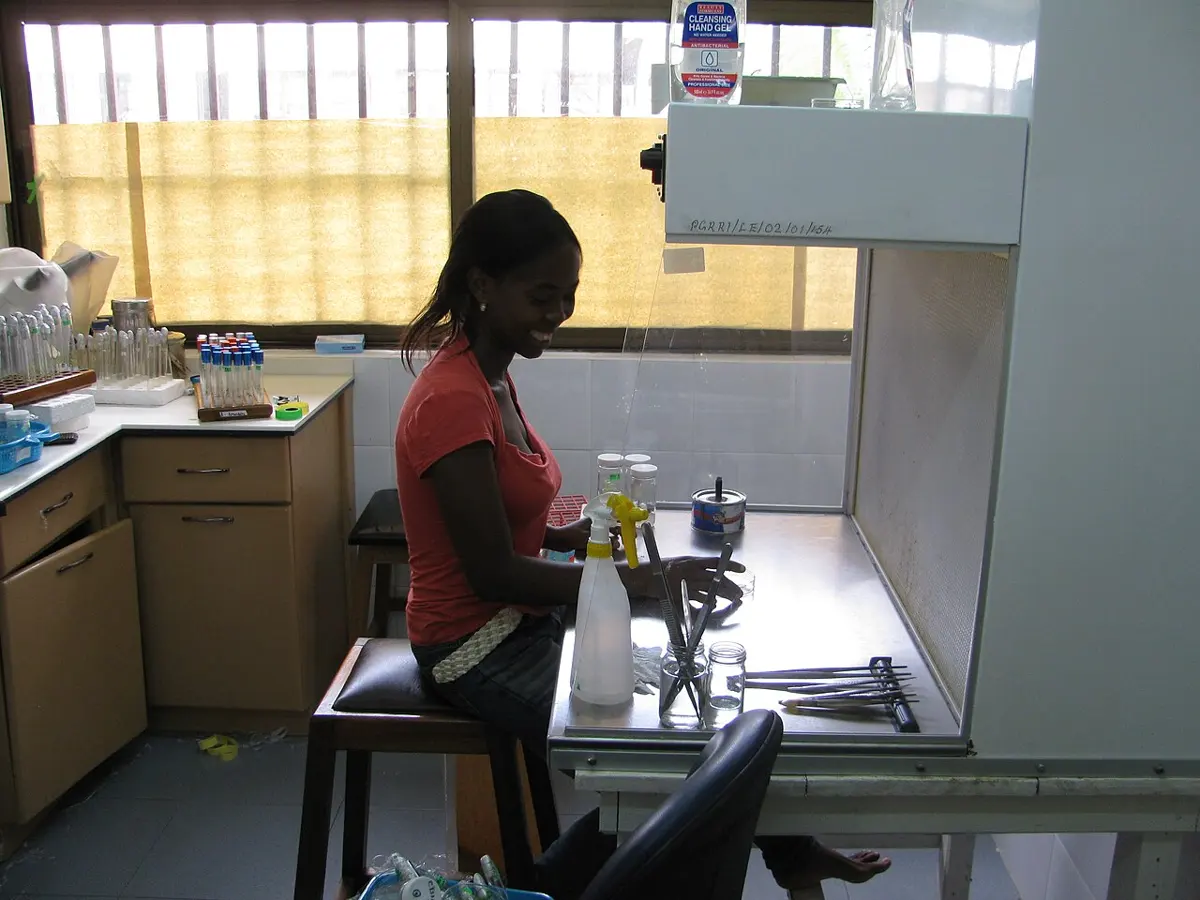
e) a gelling agent for a solid medium, usually agar, a jelly from seaweed. - Aseptic environment: a laminar air flow cabinet, a workbench over which a steady stream of air, filtered free of microbes, blows towards the worker, so that nothing settles on the open cultures; and sterilization: an autoclave (steam under pressure, 121 °C) for the media and glassware, and alcohol or bleach (sodium hypochlorite) to sterilize the surface of the explant.
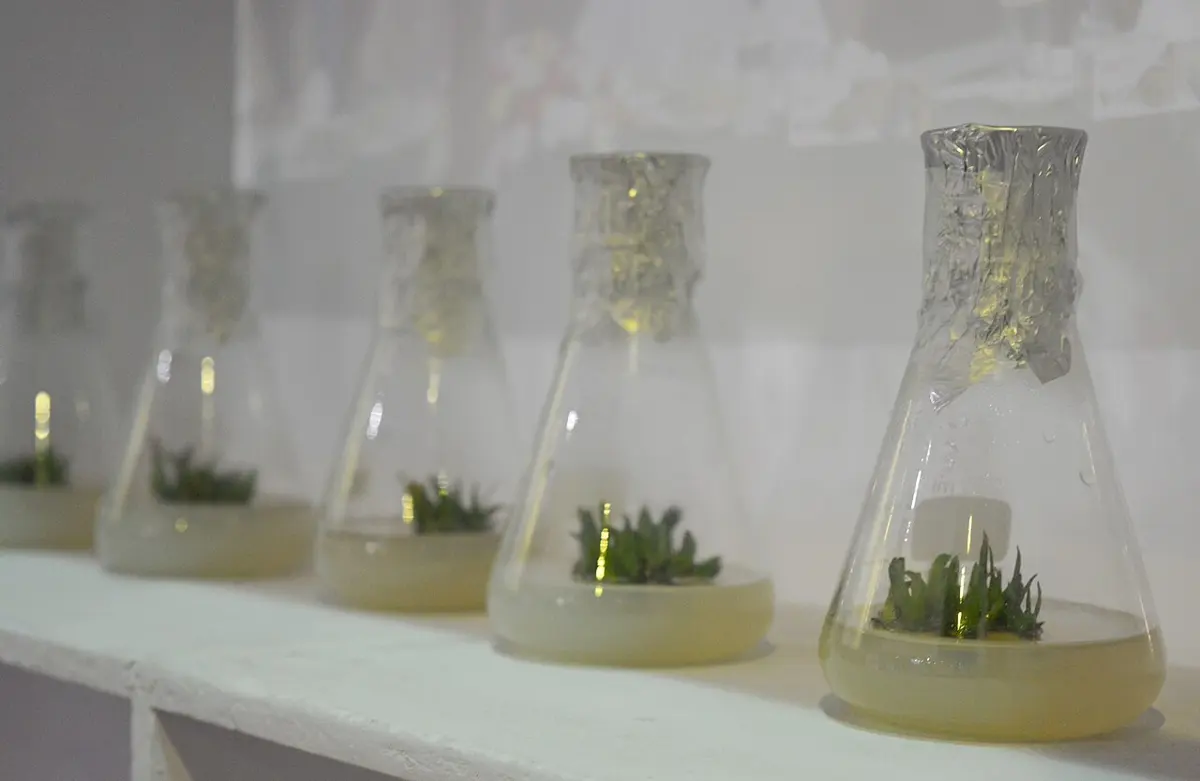
- Culture vessels: test tubes, jars, flasks or petri dishes of glass or plastic that can be sealed.
- Growth chamber: a room or cabinet in which temperature, light and humidity are controlled.
Why is sucrose added to a tissue culture medium?
Pick an answer to see why.
Steps in plant tissue culture (micropropagation)
The commonest use of plant tissue culture is micropropagation: the rapid multiplication of plants under sterile conditions. Its steps:
- Explant selection and sterilization: a healthy, young explant, often a shoot tip, is chosen from the mother plant and its surface sterilized (with bleach and alcohol, then rinses of sterile water), to kill the microbes on it without harming its cells.
- Initiation of culture: the sterilized explant is placed on a suitable nutrient medium in a sterile vessel. The aim of this stage is a clean, growing culture; any jar that grows a fungus is thrown out.
- Callus formation and multiplication (optional, but common): the explant often grows into a callus, an unorganized mass of dividing cells. A callus can be cut up and subcultured (moved to fresh medium) to make more, and by changing the hormones it can be made to form shoots.
- Shoot development (multiplication): the callus, or the explant itself, is made to produce many shoots by a medium with a higher cytokinin to auxin ratio. The shoots are split and subcultured again and again, each round multiplying their number.
- Rooting: once there are enough shoots, they are moved to a different medium, with a higher auxin to cytokinin ratio, on which they form roots: small, complete plantlets.
- Acclimatization (hardening): a plantlet from the lab is delicate: it has lived in almost 100% humidity, fed on sugar, with a thin waxy layer on its leaves and stomata that don’t close well. It is moved gradually, over weeks, from the humid, sterile jar to more natural conditions (a humid greenhouse, then open air), before it is planted in soil. This is hardening or acclimatization.
Types and applications of plant tissue culture
Types of tissue culture techniques
| Technique | What is cultured | What it is used for |
|---|---|---|
| 1.Micropropagation | shoot tips, buds | large-scale, rapid production of genetically identical plants (clones) |
| 2.Callus culture | an unorganized mass of cells (callus) | studies of cell growth; a step towards regenerating organs or whole plants |
| 3.Suspension culture | single cells or small clumps, in a liquid medium, shaken | often for making valuable secondary metabolites (chemicals such as medicines) |
| 4.Meristem culture | the tiny apical meristem of a shoot tip | virus-free plants: viruses spread slowly into the fast-dividing meristem, which has no vascular tissue, so its tip is often free of them |
| 5.Anther (pollen) culture | anthers or pollen grains | haploid plants (with half the usual chromosome number); doubling their chromosomes gives completely homozygous pure lines in one step, instead of six or more generations of selfing |
| 6.Embryo culture | young embryos | embryo rescue: saving embryos from wide crosses that would otherwise die; overcoming seed dormancy |
| 7.Protoplast culture | protoplasts, cells whose walls have been removed by enzymes | somatic hybridization: fusing protoplasts of two species into one cell, which can grow into a hybrid plant |
Applications
- Fast plant duplication (micropropagation): thousands or millions of identical copies of one plant, quickly and in any season: valuable for orchids, bamboo, potatoes and bananas.
- Disease-free plants: meristem culture gives plants free of disease, especially viruses, which build up generation after generation in crops grown from cuttings or tubers: potato, sugarcane and banana.
- Saving plant varieties (germplasm conservation): important or endangered varieties kept for a long time as cultures, or frozen in liquid nitrogen at −196 °C (cryopreservation).
- Producing useful chemicals: plant cells grown in tanks can make chemicals for medicines, flavors and perfumes, such as shikonin (a red dye and drug, the first product made commercially by plant cell culture, in Japan in the 1980s) and the cancer drug taxol (paclitaxel), from yew cells.
- New plant variations (somaclonal variation): cells in culture sometimes change genetically, so the plants grown from them differ a little. Most changes are unwanted, but a few give useful new types.
- Improving plants and genetic engineering: tissue culture is the essential step in making a transgenic plant: a new gene is put into cultured cells, which are then grown into whole plants (5.1.6).
- Plants all year: plant material can be produced continuously, whatever the weather or season.
A farmer’s potato crop is weak because its tubers carry viruses. Which tissue culture technique would give virus-free plants?
Pick an answer to see why.
Why are plantlets from a culture jar hardened before they are planted in a field?
Pick an answer to see why.
5.1.3 Plant breeding
From the first farmers, who saved seed from their best plants, to today’s laboratories that change a plant’s genes directly, plant breeding has fed the world. It combines science, art (a breeder’s eye for a good plant) and technology to improve plants for people.
Plant breeding is the genetic improvement of economically important plants on a scientific basis.
Objectives of plant breeding
- To develop superior varieties for farmers to grow: higher yield above all.
- To improve the quality of fruits and seeds (taste, nutrients, cooking or keeping quality).
- To breed disease-resistant varieties: rust-resistant wheat, blight-resistant potatoes.
- To produce varieties suited to particular climates and soils (cold hills, drought, salty or acid soils).
- To change the time a crop takes to mature: an early variety can fit an extra crop into the year, or escape the drought or frost at the end of the season.
- To improve lodging resistance: “lodging” is when tall stems bend over in wind and rain, and the grain is lost on wet ground; short, stiff-stemmed varieties stand up.
Methods of plant breeding
Plant breeding methods fall into conventional (traditional) methods and modern ones.
1. Conventional plant breeding methods
These have been used for centuries and rely on selection and hybridization.
a. Selection
- Mass selection: the simplest method. A large number of plants that look alike and have the qualities wanted are chosen from a mixed population, and their seed is bulked (mixed together) to grow the next generation. Early farmers saving seed from their best plants were doing mass selection.
- Pure line selection: used for self-pollinated crops (wheat, rice, barley, beans). A single superior plant is selected, and its progeny are multiplied to make a new variety. A self-pollinated plant is almost completely homozygous, so its progeny are genetically almost identical to it: a pure line (named by the Danish botanist Wilhelm Johannsen, who studied pure lines of beans in 1903).
- Clonal selection: used for crops propagated asexually (potato, sugarcane, banana, apple, tea). The best plant is chosen and multiplied vegetatively, so all its offspring are a clone, genetically identical to it.
b. Hybridization (crossbreeding)
Hybridization is the deliberate crossing of two genetically different parent plants, to bring the desirable genes of both together in one offspring. One parent might give high yield, the other disease resistance. The first generation, the F₁ hybrid, is often more vigorous than either parent (hybrid vigor, or heterosis), which is why farmers buy fresh hybrid maize seed each year.
Hybridization is of these types, by how related the parents are:
- Intraspecific hybridization: between two varieties of the same species (two rice varieties). This is the commonest kind, used in self- and cross-pollinated crops alike, and most new varieties come from it.
- Interspecific hybridization: between two species of the same genus, to bring a gene from a wild relative into a crop (disease resistance from a wild tomato, Solanum, into the cultivated tomato) or to make a new species.
- Intergeneric hybridization: between two genera of the same family. Triticale, the first man-made cereal, is a cross of wheat (Triticum) and rye (Secale), with its chromosome number doubled, and combines wheat’s grain with rye’s hardiness. Raphanobrassica (radish, Raphanus × cabbage, Brassica), made by Georgii Karpechenko in 1928, is another.
The steps of a cross are the same in every crop:
- Selection of the parents, each with the qualities wanted.
- Emasculation: in a bisexual flower of the plant chosen as the female parent, the anthers are removed (with fine forceps) before they shed their pollen, so it can’t pollinate itself. (Not needed when the flowers are unisexual, as in maize, or the plant is male-sterile.)
- Bagging: the emasculated flowers are covered with a bag (paper or polythene), so no stray pollen from the air or insects reaches them.
- Collection of pollen from the flowers of the male parent.
- Cross-pollination: when the stigma is ready, the collected pollen is dusted on it; the flower is bagged again and tagged with the parents’ names and the date.
- Collection of the seeds from the mother plant when they are mature: these are the F₁ hybrids.
- Selection: the hybrids and their offspring are grown, and the best are selected over several generations into a new variety.
Why is a flower of the female parent emasculated before a cross?
Pick an answer to see why.
2. Modern plant breeding techniques
These complement and speed up conventional breeding.
- Mutation breeding: mutations (changes in DNA) are caused on purpose with physical agents (X-rays, gamma rays) or chemical mutagens, to create new variation; the rare useful mutants are then selected. Thousands of varieties have been made this way since the 1950s, including many rice and barley varieties grown in Asia.
- Polyploidy breeding: making or using plants with more than two sets of chromosomes. Polyploids often have larger cells, fruits and flowers and more vigor; odd-numbered polyploids are sterile, which is how seedless watermelons are made (triploid, 3n: a tetraploid crossed with a diploid).
- Tissue culture techniques: micropropagation makes many identical plantlets of a new variety quickly, from a tiny piece; embryo rescue saves the hybrid embryos of wide crosses, which would usually die in the seed, by growing them on a medium.
- Genetic engineering (GMOs): a plant’s DNA is changed directly by inserting genes from other organisms (or the same species) to give it a particular new trait: herbicide resistance, or insect resistance as in Bt cotton and Bt maize (5.1.6).
A breeder wants a new variety of sugarcane from one outstanding plant found in a field. Which method suits it?
Pick an answer to see why.
5.1.4 Disease-resistant plants
Disease-resistant plants have the ability, natural or engineered, to prevent or reduce infection by pathogens (bacteria, viruses, fungi or parasites such as nematodes). They carry genes that let them recognize a particular pathogen and defend against it: with structural barriers (a thick cuticle, a tough cell wall, cells sealed off round an infection), chemical defenses (antimicrobial compounds, enzymes that break down a fungus’s wall), or an immune-like response: when a plant’s resistance (R) protein recognizes a molecule of the pathogen, the infected cells kill themselves at once, and the pathogen, which needs living cells, is trapped in a small dead spot.
Breeding resistant varieties is one of the main aims of agriculture and biotechnology, because it raises yield, reduces the need for chemical pesticides (saving money and the environment) and helps ensure food security.
Some varieties grown in Nepal for their resistance:
| Crop | Variety | Resistant to |
|---|---|---|
| Rice | IR-20 (IRRI, 1969) | bacterial leaf blight and many races of blast; tolerant of tungro |
| Wheat | WK 1204 (NARC, 2007, after a yellow rust outbreak) | yellow rust |
| Wheat | Vijay (NARC, 2010) | stem rust, including the new race Ug99, and leaf rust |
| Potato | Kufri Jyoti | late blight, when it was released |
| Potato | Janakdev (from the International Potato Center, released in Nepal about 2000) | moderate resistance to late blight; wart |
Lists of “disease-resistant varieties” of Nepal also often name the rice varieties CO-20, IR-8, IR-22, Basmati-370 and Mansuli; the maize varieties Rampur Yellow, Kakani Yellow and Khumal Yellow; the wheat varieties Kalyan-227 (Kalyansona), NP-120, PO-18, UP 262 and S-227; and the potatoes Kufri Red, Kufri Jyoti, Kufri Shakti and Kufri Sindhuri. These are all improved varieties that have been widely grown in Nepal, but several of them, IR-8 and Mansuli for example, were bred for yield or quality rather than for resistance.
Why do breeders now prefer resistance from several genes with small effects to resistance from one strong gene?
Pick an answer to see why.
5.1.5 Green manure and biofertilizers
Plants take the nutrients they need from the soil. When a field is cropped year after year, these nutrients run down, and they must be put back. Farmers often use chemical fertilizers: substances made in factories (urea, DAP, potash) to add nutrients to the soil. Used alone and heavily, year after year, chemical fertilizers have harmful effects:
- They change the chemistry of the soil: urea and ammonium fertilizers make it more acidic.
- They harm soil microorganisms and earthworms.
- Without organic matter added, the soil’s structure and water-holding capacity decline.
- They cause pollution: nitrate washes into wells and rivers, and phosphate makes ponds and lakes choke with algae.
- They are expensive, and Nepal imports all of its chemical fertilizer.
To avoid these problems and still feed the soil, farmers use organic fertilizers.
Organic fertilizers
Organic fertilizers are living things, or the decaying remains of living things, that add nutrients to the soil. They are of two groups: manure and biofertilizers.
1. Manure
Manure is decaying organic matter added to the soil to make it more fertile. Its types:
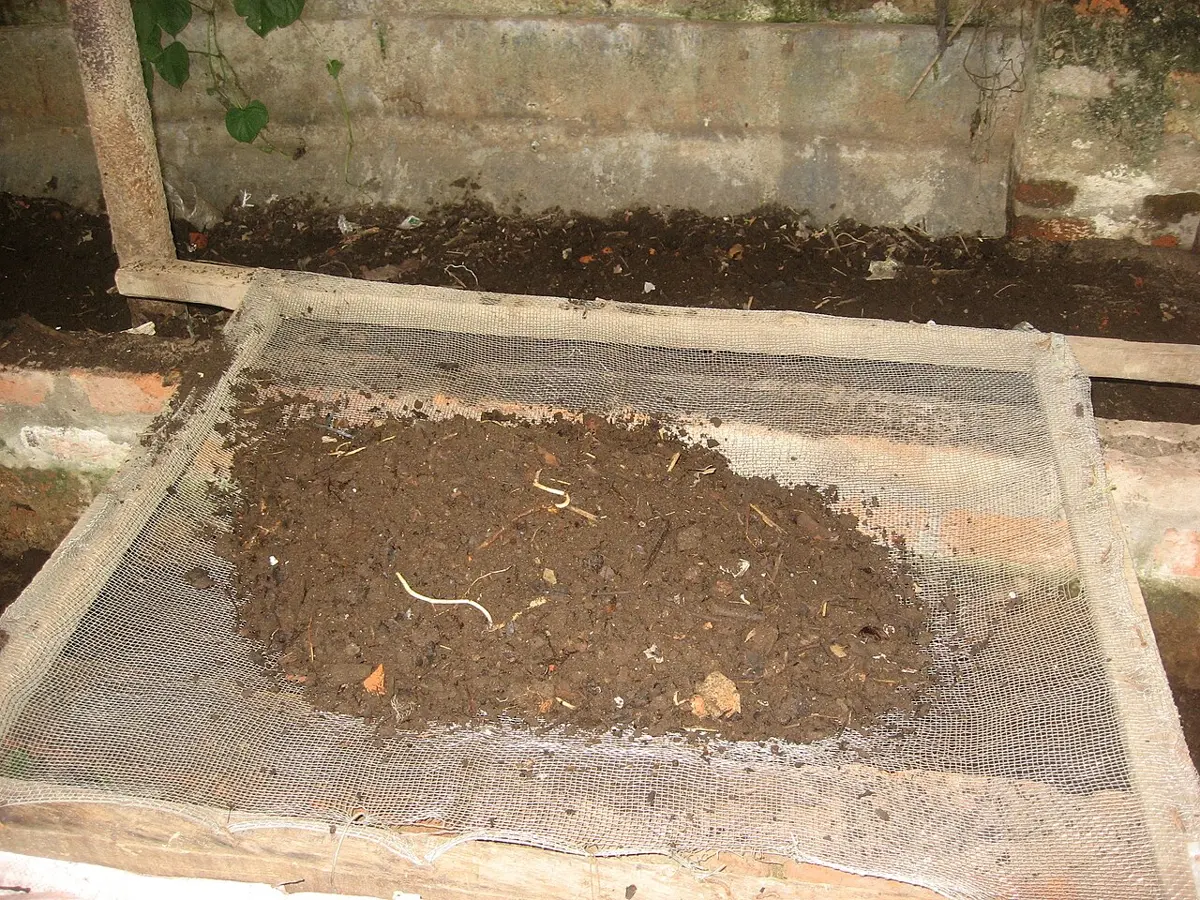
- Compost manure: organic matter from the decay of plant material (vegetable waste, fodder left over, crop residues, paper) in specially made pits or heaps. Microbes break it down into dark, crumbly compost.
- Farmyard manure (FYM): the most commonly used manure in Nepal: cattle dung and urine, mixed with the leftover fodder and straw used as bedding, left to decay with the help of soil microbes.
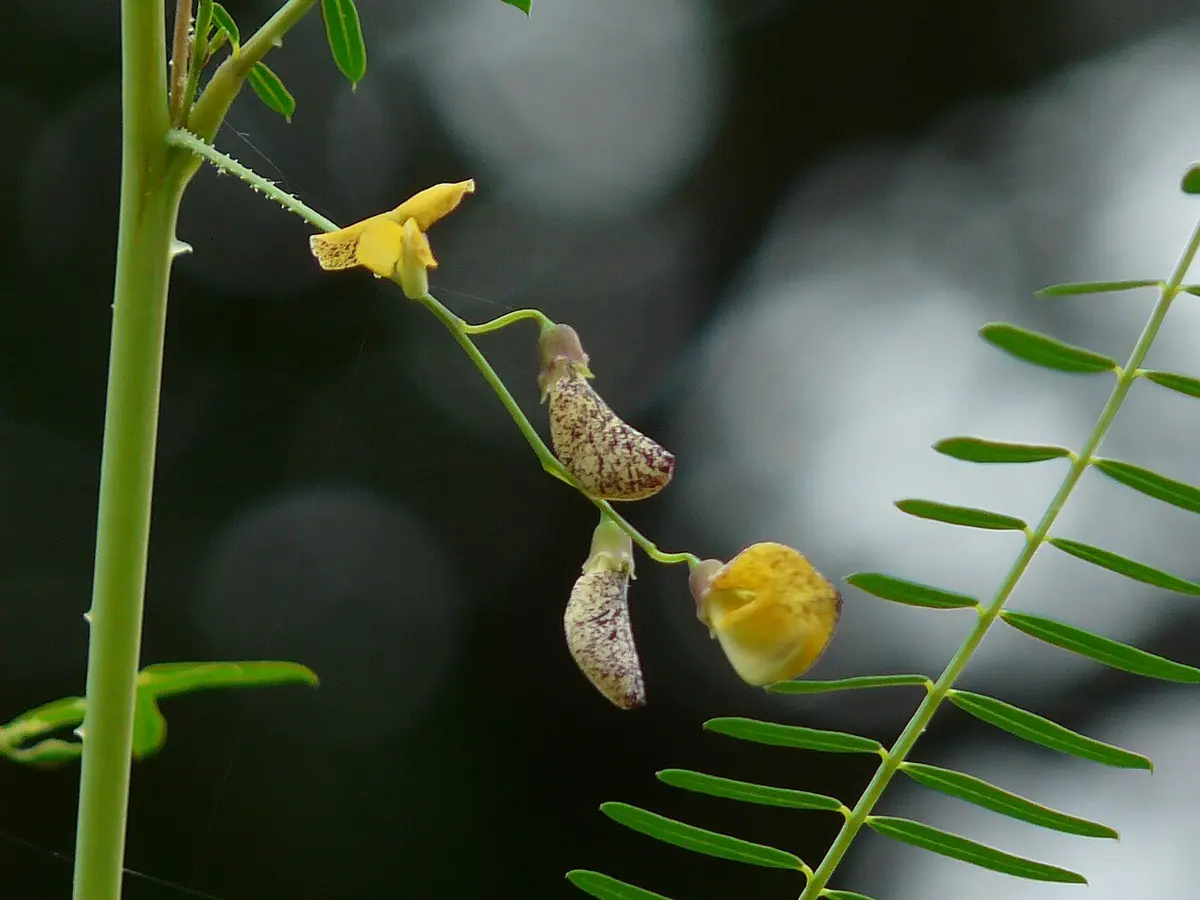
- Green manure: green plants grown and plowed into the field while still green, usually just before flowering, to rot there. Mainly legumes are used, because their root nodules add nitrogen from the air. In Nepal: dhaincha (Sesbania bispinosa, and the stem-nodulating Sesbania rostrata), khesari (Lathyrus sativus) and soybean (Glycine max), usually grown before rice is planted.
- Vermicompost: compost made by earthworms from municipal garbage, crop residues, food-processing and kitchen waste. Composting worms (often the red wiggler, Eisenia fetida) eat the waste and leave a fine, rich compost of their casts. Earthworms are known as “nature’s plowmen” and “farmers’ friends”: they aerate the soil, crush and mix its particles, turn complex nutrients into simpler forms the plants can take up, and encourage the beneficial bacteria of the soil.
Importance of green manure in agriculture
- It is cheap and easily available: the farmer grows it.
- It supplies nutrients, nitrogen above all (from the legume’s nodules), to the next crop.
- It adds organic matter, which improves the soil’s structure and aeration.
- It increases the yield of the next crop; how much depends on the soil, the crop and the green manure.
- It helps reclaim alkaline soils: the acids made as it rots lower the soil’s pH.
- It increases the activity of soil microbes, which feed on it.
- It is environment-friendly.
2. Biofertilizers
Biofertilizers are preparations of living microbes that make nutrients available to plants, by fixing nitrogen from the air or freeing phosphate held in the soil. The main ones are bacteria, cyanobacteria and fungi. They are added by coating seeds, dipping seedlings’ roots, or mixing into the soil.
1. Bacteria as biofertilizers. Several bacteria, symbiotic and free-living, fix atmospheric nitrogen into ammonia, which plants can use:
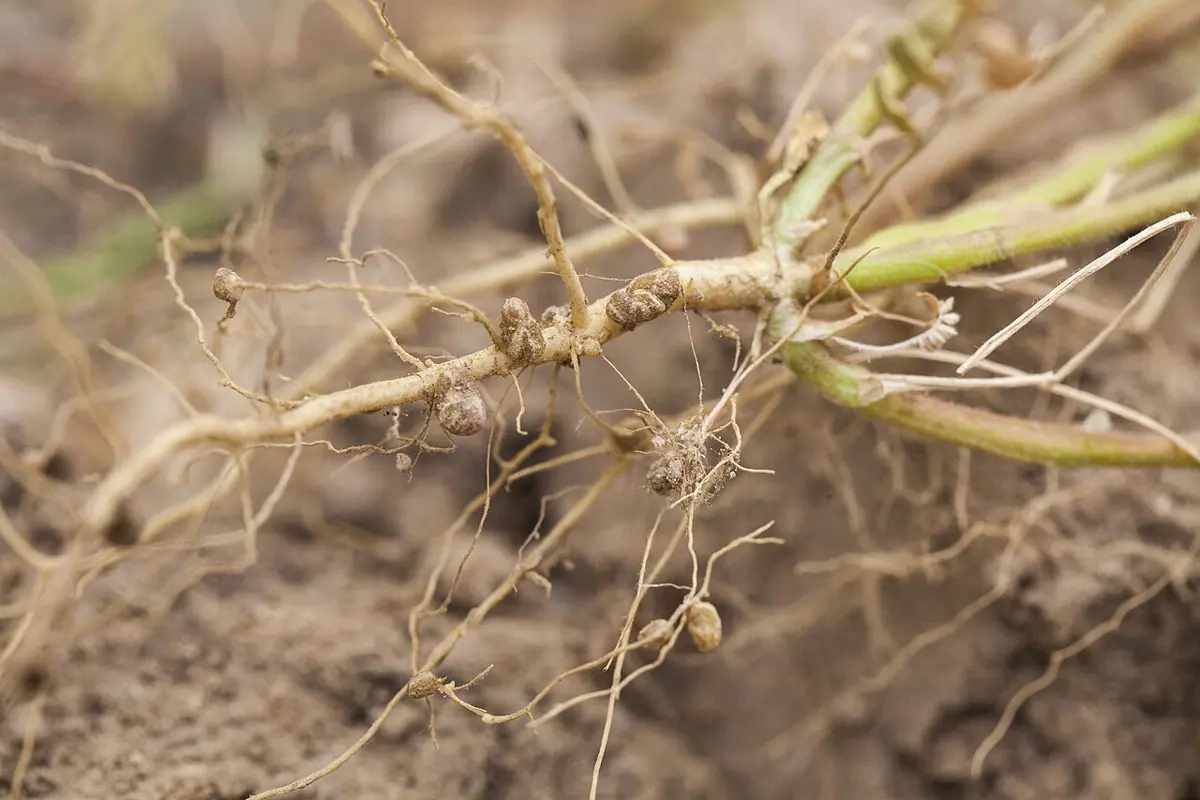
- a.Rhizobium lives symbiotically in the root nodules of legumes (lentil, pea, soybean, beans), fixing nitrogen for the plant in exchange for sugar. Rhizobium cultures are now grown in laboratories and used to inoculate legume seeds, so that more nodules form and the crop yields more. A legume crop also leaves the soil richer in nitrogen for the crop after it.
- b.Azotobacter and Paenibacillus polymyxa (formerly Bacillus polymyxa) are free-living in the soil and fix nitrogen for the crops around them.
- c.Azospirillum is non-symbiotic too, living on and near the roots of grasses, and fixes nitrogen for crops such as maize, sugarcane and wheat.
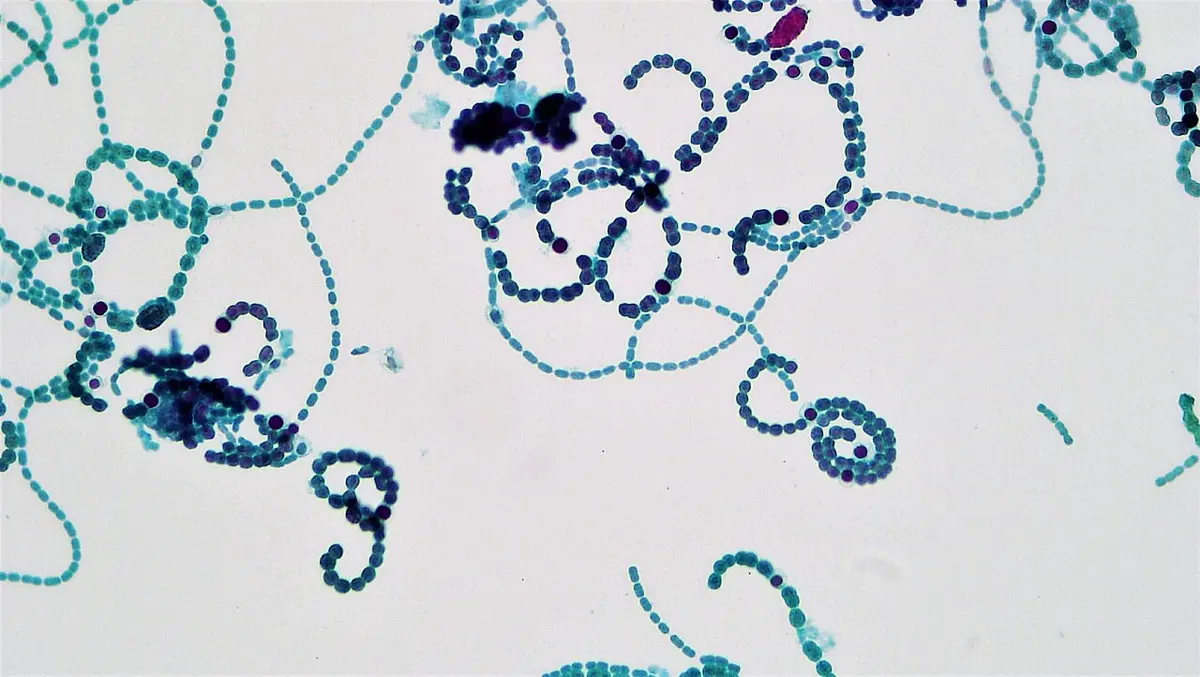
2. Cyanobacteria (blue-green algae) as biofertilizers. Cyanobacteria are photosynthetic prokaryotes, and many of them fix nitrogen non-symbiotically, on their own. In the filamentous ones the fixing is done in special thick-walled cells, the heterocysts. Examples: Anabaena, Nostoc, Calothrix. They thrive in flooded rice fields, and Anabaena azollae, living inside the leaves of the small floating fern Azolla, makes Azolla a green manure that grows on the paddy water itself.
3. Fungi as biofertilizers. Some fungi live in a symbiotic partnership with the roots of most land plants, called mycorrhiza (fungus-root). In an ectomycorrhiza the fungus forms a sheath round the root and grows between its outer cells (in pines, oaks and Nepal’s sal); in an endomycorrhiza it grows inside the root’s cells (in most crops). The fungus’s hyphae reach far into the soil and absorb water and minerals, above all phosphorus, which they turn from unavailable forms into available ones; they also make growth-promoting substances and protect the roots from soil pathogens. In return the plant feeds the fungus with sugar.
Advantages of biofertilizers
- They are cheap.
- They increase crop productivity.
- They supply nitrogen (nitrogen fixers) and make phosphorus available (phosphate dissolvers, mycorrhizae); some also make growth-promoting substances.
- With the organic matter that comes with them, they help keep the soil’s aeration and water-holding capacity.
- They are sustainable: being alive, they multiply in the soil and stay active in the following years.
- Some give out antibiotics that protect the crop against soil pathogens.
- They are environment-friendly.
Disadvantages of biofertilizers
- They act slowly, not with the quick response of a chemical fertilizer.
- They can’t supply enough nutrients alone for a high-yielding crop, and they don’t supply potassium or most other nutrients.
- They are living, so they need care and technical knowledge: the right strain for the crop, storage away from heat and sunlight, use before the expiry date.
Which pair are both free-living (non-symbiotic) nitrogen fixers?
Pick an answer to see why.
5.1.6 Genetic engineering
The traits of an organism are the expression of the genes carried on its chromosomes: change a gene, and the trait changes. Genetic engineering is the technique of altering the genetic makeup of an organism by introducing a foreign gene or removing or changing an existing one.
It is also called recombinant DNA (rDNA) technology, gene manipulation or gene splicing. It has brought a revolution in medicine, agriculture, horticulture, animal husbandry, forensic science and microbiology.
Genetic engineering is a newer kind of genetic modification. Breeding can only mix the genes of plants that can cross with each other, and it brings thousands of genes along with the one wanted. Genetic engineering is the purposeful addition of one or a few chosen genes to an organism’s genome. It removes the DNA from one organism and transfers the gene(s) for one or a few traits into another. No crossing is needed, so the sexual barrier between species is overcome: a trait from any living thing, a bacterium, a fish, a human (the donor), can be moved into a plant (the target). It is also more precise: a single trait can be added, and nothing else.
The tools
Three tools, all borrowed from bacteria, make it possible:
- Restriction endonucleases (restriction enzymes): “molecular scissors” that cut DNA at one particular short sequence. Bacteria make them to chop up the DNA of viruses that attack them. EcoRI, from E. coli, cuts only at GAATTC; the cut is staggered, leaving short single-stranded sticky ends.
- DNA ligase: “molecular glue” that seals two pieces of DNA together, joining their sugar–phosphate backbones.
- Vectors: carriers that take a gene into a cell and get it copied there: plasmids (small rings of DNA in bacteria, which copy themselves independently of the bacterium’s chromosome), viruses, and, for plants, the soil bacterium Agrobacterium tumefaciens, which naturally puts a piece of its own DNA into the cells of plants it infects.
Why are the plasmid and the donor DNA cut with the same restriction enzyme?
Pick an answer to see why.
General method of genetic engineering (recombinant DNA technology)
Making a genetically engineered crop takes five steps.
Step 1: DNA extraction. To work with DNA, scientists must first take it out of the organism that has the gene they want (a sample of tissue is broken open, and the DNA separated from the proteins and other parts of the cells). The desired gene is then cut precisely out of the donor’s DNA with a restriction endonuclease.
Step 2: Gene cloning. The extraction gives all of the organism’s DNA at once. Gene cloning separates the single gene of interest from the rest and makes thousands of copies of it: the gene is joined into a plasmid, put into bacteria, and copied every time the bacteria divide. (Today the copies are often made in a test tube by PCR, the polymerase chain reaction.)
Step 3: Gene design. The cloned gene is prepared to work inside a different organism. In a test tube, with enzymes, pieces are cut apart and others joined on, above all a promoter (the switch that says when, and in which tissues, the gene is read: a plant promoter, since a bacterial one won’t work in a plant), a terminator (the signal to stop), and a marker gene (often resistance to an antibiotic or herbicide), so that only the cells which have taken up the gene survive on a medium containing it.
Step 4: Transformation. The designed gene is put into plant cells: transformation or gene insertion. A plant has millions of cells and it would be impossible to put a copy into each, so tissue culture is used to grow masses of undifferentiated cells (callus), and the new gene, the transgene, is put into some of them by one of these methods:
- the gene gun (biolistics): microscopic gold or tungsten particles coated with the DNA are shot into the cells;
- Agrobacterium: the gene is put into the part of the bacterium’s plasmid (the Ti plasmid) that it normally inserts into a plant cell, and the bacterium does the rest;
- microfibers: cells are shaken with tiny, needle-like fibers (silicon carbide whiskers) and the DNA, and the fibers pierce the walls;
- electroporation: a brief electric pulse opens tiny pores in the membranes of protoplasts, and the DNA enters.
Each method aims to carry the gene into the nucleus of a cell without killing it. The cells that took up the gene (picked out by the marker) are regenerated into whole transgenic plants, which are grown to maturity in greenhouses. Their seed, which has inherited the transgene, is collected.
Step 5: Backcross breeding. The transgenic plant is usually a laboratory variety, chosen because it is easy to transform, not because it yields well. So the genetic engineer hands its seed to a plant breeder, who crosses it with the best local varieties, and crosses the offspring back to those varieties again and again (backcrossing), each time keeping the plants that carry the transgene. After several generations the result is an elite variety with the new gene: the final step.
Applications of genetic engineering
Genetic engineering is used in medicine, research, industry and agriculture, on plants, animals and microorganisms. The first organisms to be genetically modified were bacteria.
1. In medicine. Genetic engineering is used for:
- making drugs, proteins that were once scarce, costly or risky to collect from human or animal bodies, now made by engineered bacteria, yeast or animal cells:
- human growth hormone, for children who make too little (until 1985 it came from the pituitary glands of dead people, and some batches carried a fatal brain disease);
- follicle-stimulating hormone, in fertility treatment;
- human albumin, the main protein of blood plasma;
- monoclonal antibodies, identical antibodies from one clone of cells, used in tests and to treat cancers and other diseases;
- antihemophilic factors, such as factor VIII, the clotting protein missing in hemophilia;
- insulin, for diabetes;
- vaccines, such as the hepatitis B vaccine, a protein of the virus made by engineered yeast;
- model animals, such as mice carrying a human disease gene, to study the disease and test treatments;
- gene therapy, putting a working copy of a gene into the cells of a patient whose own copy is faulty.
Bacteria’s DNA: Mariana Ruiz Villarreal, LadyofHats, Public domain, via Wikimedia Commons
2. In research. Genes from almost any organism can be inserted into bacteria, to be stored, copied, changed and studied: a gene library in genetically modified bacteria.
3. In industry. Cells are given a gene for a useful protein, and grown in tanks to make it: medicines such as insulin, human growth hormone and vaccines; supplements such as the amino acid tryptophan; enzymes for food, such as chymosin (rennet) for making cheese, once taken from calves’ stomachs; and fuels.
4. In agriculture. Genetically modified crops that protect themselves from insect pests (Bt cotton, Bt maize, Bt brinjal), tolerate herbicides, or carry more nutrients (Golden Rice); crops resistant to fungi and viruses are being made and used (the papaya of Hawaii, saved from ringspot virus in the 1990s).
5. Other areas:
- conservation: for example, American chestnut trees given a wheat gene to survive the fungus that killed billions of them;
- natural area management: controlling invasive pests (engineered mosquitoes and rodents are being tested);
- microbial art: pictures “painted” on agar with bacteria engineered to glow in different colors.
Benefits of genetic engineering
- GM crops have been a boon to agriculture: Bt cotton, for instance, needs far less insecticide.
- Crops can be made drought-resistant and disease-resistant.
- Genetic disorders can be treated by gene therapy: in 2023 the first therapy using CRISPR gene editing was approved, for sickle cell disease.
- Diseases spread by mosquitoes, such as malaria and dengue, may be controlled with genetically engineered mosquitoes: released males, carrying a gene that kills their offspring, mate with wild females, and the next generation dies. Trials in Brazil and elsewhere have cut local numbers of the dengue mosquito, Aedes aegypti, but it is one tool among many, not a way to wipe these diseases out.
- Therapeutic cloning: making an embryo from a patient’s own cell, to take stem cells from it that could grow into tissues matching the patient (no rejection). It is still largely experimental, and debated.
Challenges of genetic engineering
- Genetically engineered organisms may behave in unforeseen ways and produce unwanted results.
- An engineered organism introduced into an ecosystem for one purpose may upset the existing biodiversity: a gene for weed-killer resistance, passed to a wild relative, could make a “superweed”.
- Genetically engineered crops could have adverse health effects (for example a new allergen), which is why every GM food is tested before it is approved.
- Bioethics: many people argue that we have no right to remake nature to suit our needs.
In making a GM crop, why is a marker gene joined to the useful gene?
Pick an answer to see why.
Which of these is a method of putting a gene into plant cells?
Pick an answer to see why.
5.1.7 Genetically modified organisms (GMOs)
Organisms whose genes have been altered by genetic engineering are genetically modified organisms (GMOs). Those carrying a gene from another species are also called transgenic organisms.
GMOs are of three types:
- a)Transgenic plants: Golden Rice (its grains make beta-carotene, which the body turns into vitamin A), the transgenic tomato (the Flavr Savr, the first GM food sold, in 1994, which softened more slowly), Bt cotton and Bt brinjal.
- b)Transgenic animals: cows, goats, chickens and pigs. Some goats and chickens make human medicines in their milk or eggs (the anticoagulant antithrombin, from goats’ milk, was approved in 2006); a fast-growing salmon was approved as food in the USA in 2015.
- c)Transgenic microbes: E. coli (insulin, growth hormone), yeast (the hepatitis B vaccine) and Rhizobium meliloti (now Sinorhizobium meliloti), engineered to fix more nitrogen for lucerne.
Advantages
- A long-held aim is to put the nif genes (the genes for nitrogen fixation) into non-leguminous crops such as rice and wheat, so that they would need less fertilizer. Scientists are working on it; no such crop exists yet.
- Transgenic cows, buffaloes, pigs, goats and poultry can be made to give more, or better, milk, meat and eggs.
- Crops with higher nutritional value and resistance to pests.
- Transgenic animals are used as models to test medicines and vaccines before they are tried on people.
Disadvantages
- Pollen of transgenic plants can cross-pollinate ordinary crops of the same species or their wild relatives, spreading the transgene: a risk of genetic contamination and loss of the diversity of pure lines and landraces.
- A GM food might cause an unexpected allergy in people.
- Transplanting organs from animals to humans (pig kidneys and hearts engineered to suit the human body have been put into a few patients since 2022) raises social, religious and ethical questions.
- If many farmers grow the same GM variety, one pest or disease that overcomes it could cause widespread crop failure, and insects resistant to the Bt toxin have appeared where Bt crops were grown without care.
Which of these is a transgenic organism?
Pick an answer to see why.
5.1.8 Biopesticides
Biopesticides are pesticides derived from natural materials: animals, plants, bacteria and certain minerals. Even canola oil and baking soda, which control some pests, count as biopesticides.
Types
Biopesticides fall into three major classes:
1. Biochemical pesticides are naturally occurring substances that control pests by non-toxic mechanisms. (Conventional pesticides, by contrast, are generally synthetic chemicals that directly kill or inactivate the pest.) They include substances that interfere with mating, such as insect sex pheromones (a trap baited with the female’s scent lures and catches the males, or the scent spread over a field confuses them so they can’t find mates), and scented plant extracts that attract insect pests into traps.
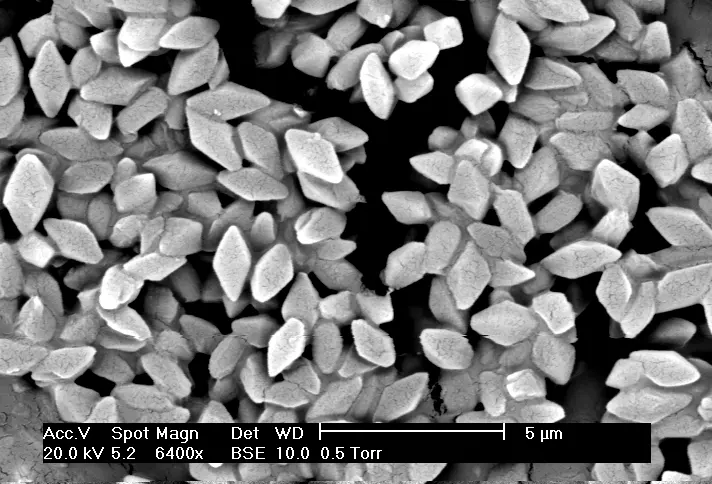
2. Microbial pesticides have a microorganism (a bacterium, fungus, virus or protozoan) as the active ingredient, and can control many kinds of pests. The most widely used are the subspecies and strains of Bacillus thuringiensis (Bt). When it forms spores, Bt also makes crystals of protein that are harmless until an insect larva eats them: in the larva’s alkaline gut they dissolve and are cut into a toxin that binds to receptors on the gut wall and punches holes in it, and the larva stops feeding and dies. Each strain makes a different mix of these proteins and kills only one or a few related kinds of insect larvae: caterpillars (of moths and butterflies), the larvae of flies and mosquitoes, or beetles. A person’s stomach is acid, and has no matching receptors, so Bt is harmless to us.
3. Plant-incorporated protectants (PIPs) are pesticidal substances that plants make themselves, from a gene that has been added to them. Scientists can take the gene for the Bt protein and put it into the plant’s own DNA; then the plant, instead of the bacterium, makes the protein that kills the pest. Bt cotton, Bt maize and Bt brinjal are PIPs.
(Plant extracts that kill pests, such as neem, Azadirachta indica, and the flowers of pyrethrum, are often called botanical pesticides; they too are natural, and widely used by Nepali farmers.)
Advantages
- Biopesticides are usually less toxic than conventional pesticides.
- They generally affect only the target pest and its close relatives, while broad-spectrum conventional pesticides may harm organisms as different as birds, bees and mammals.
- They are often effective in very small quantities and often break down quickly, so people and the environment are less exposed and the pollution problems of conventional pesticides are largely avoided.
- Used in Integrated Pest Management (IPM), a mix of methods (resistant varieties, crop rotation, natural enemies, traps and only the sprays really needed), biopesticides can greatly reduce the use of conventional pesticides while yields stay high.
Disadvantages
- Slower action: they often take longer to kill pests, a problem when an infestation is severe.
- Lower efficacy and shorter persistence: they may control the pest less completely and last less long, so they may need to be applied more often.
- Sensitivity to the environment: heat, humidity and sunlight (Bt is broken down by ultraviolet light in a few days) can reduce their effect.
- More knowledge and cost: using them well needs more expertise (when and how to apply them, how to protect them from the weather), and making them can cost more, in special facilities.
- Limited availability: some are hard for farmers to buy.
- Host-specificity: being specific to a few pests is often an advantage, but not when many kinds of pest must be controlled at once.
- Resistance: pests can become resistant to biopesticides too, though less often than to synthetic ones.
- Regulatory hurdles: the approval process for a new biopesticide can be complex and differ from that for conventional pesticides, which slows their development and sale.
Why does Bt toxin kill caterpillars but not the people who eat the crop?
Pick an answer to see why.
5.1.9 Bioengineering
Bioengineering is a multidisciplinary field that applies the principles of engineering to biological systems and processes, to solve problems in medicine, health care and agriculture. It combines biology, engineering and other sciences to develop new technologies, materials and processes that improve human health and well-being.
Its key aspects:
- Applying engineering principles to living systems: mathematical models, computer simulations and other engineering tools to understand and change biological processes (modeling the blood flow through a narrowed artery, for example).
- Developing new technologies: medical devices, diagnostic tools and treatments.
- Improving materials: materials with special properties, such as biocompatible polymers (which the body doesn’t reject) and scaffolds on which cells can grow into new tissue (tissue engineering).
- Solving problems in many fields: preventing and treating disease, producing food, and cleaning the environment.
Examples of its applications:
- Medical devices: artificial organs, hearing aids, pacemakers and other devices that restore or improve the body’s functions.
- Biomaterials: new materials for tissue engineering, implants and drug delivery.
- Bioprocessing: making medicines, biofuels and other products with living systems, on an industrial scale, as efficiently as possible.
- Genetically modified organisms: applying genetic engineering to improve crops, develop new diagnostic tests and create new therapies.
- Environmental remediation: cleaning up polluted sites with microorganisms or plants (bioremediation).
So far, bioengineering has given us:
- devices that replace damaged body parts: synthetic bone, artificial teeth (dental implants), pacemakers, hearing aids and cochlear implants;
- artificial kidneys (dialysis machines), heart valves, blood vessels, and replacement joints for the hip, knee and other joints, and bones of the arm and leg;
- transgenic organisms that make chemicals and medicines;
- surgical systems, such as robotic and laser surgery;
- instruments that monitor vital signs (heart rate, blood pressure, oxygen) and blood chemistry continuously;
- imaging machines: ultrasound, X-ray, CT, particle beams (for treating cancer) and magnetic resonance imaging (MRI).
A pacemaker, an artificial hip joint and an MRI scanner are all products of:
Pick an answer to see why.
5.1.10 Food safety
Food safety means handling, preparing and storing food in ways that prevent foodborne illness, so that the food stays safe to eat. It protects public health from diseases caused by harmful bacteria, viruses and parasites such as Salmonella, E. coli (a few harmful strains) and Listeria, which cause diarrhea, fever and vomiting, and sometimes far worse. Two ideas help in thinking about what makes food unsafe: toxicity and hazard.
- Toxicity is a substance’s ability to cause harm or injury. Everything is toxic in a large enough dose (even water and salt); what matters is how much. As Paracelsus put it in the 1500s, “the dose makes the poison”.
- A hazard is anything in food, biological, chemical or physical, that could harm the person eating it.
- Biological: bacteria, viruses, parasites and the toxins they make (Salmonella, the hepatitis A virus, roundworm eggs, aflatoxin from moldy groundnuts and maize).
- Chemical: pesticide residues, unpermitted colors, metals such as lead, cleaning chemicals, natural toxins (in some wild mushrooms).
- Physical: pieces of glass, stone, metal, hair or bone.
- Risk is the likelihood that the hazard will actually cause harm, and how serious that harm would be. A hazard is a risk only if people are exposed to it: a toxic chemical locked in a cupboard is a hazard but little risk; sprayed on vegetables the day before market, it is a real risk.
The World Health Organization sums up safe food handling in five keys:
- Keep clean: wash hands before handling food and often while preparing it, and keep surfaces and utensils clean.
- Separate raw and cooked: keep raw meat and fish away from foods that will be eaten without cooking.
- Cook thoroughly, especially meat, eggs and fish.
- Keep food at safe temperatures: don’t leave cooked food at room temperature for more than two hours; refrigerate it (below 5 °C) or keep it hot (above 60 °C). Bacteria multiply fastest in between.
- Use safe water and raw materials: fresh, wholesome food; vegetables and fruit washed in safe water; nothing past its expiry date.
Packaged food must also carry an honest label: its ingredients (including added colors and preservatives), its date and the maker. In Nepal, the Department of Food Technology and Quality Control sets food standards and inspects food sold in the market.
A chemical in a sealed tin on a shelf can cause cancer, but no one eats it. Which is true?
Pick an answer to see why.
5.1.11 Food security
Food security exists when all people, at all times, have physical and economic access to sufficient, safe and nutritious food that meets their needs for an active and healthy life (the World Food Summit, 1996). It has four components:
- Availability: enough food is physically there, in markets, stores and homes, from domestic production, imports or food aid.
- Access: people are able to obtain the food they need for a nutritious diet: they have enough income or resources (land to grow it, money to buy it), prices are affordable, and distribution (roads, markets) brings it within reach. Food on a market shelf is no use to a family that can’t afford it, or a village cut off by a landslide.
- Utilization: the food is used well: it is nutritious and safe, it is prepared properly, and the person is healthy enough to absorb and use its nutrients. A child with constant diarrhea from dirty water can’t use the food she eats, however much she has. So clean water, sanitation and health care are part of food security.
- Stability: the other three are maintained over time. A family that eats well after the harvest but goes hungry for three months before the next one is not food secure. Stability is about the food system’s resilience to shocks: economic crises, floods, droughts and earthquakes, and seasonal shortages.
A district grows plenty of rice, but many poor families can’t afford to buy enough of it. Which component of food security is missing for them?
Pick an answer to see why.
Exercise
A. Tick the correct alternatives
- Which plant growth regulator promotes shoot development in tissue culture?
Pick an answer to see why.
- Which tool is used to maintain a sterile environment during tissue culture?
Pick an answer to see why.
- Which bacterium is symbiotic and forms nodules on leguminous plants to fix atmospheric nitrogen?
Pick an answer to see why.
- What are biofertilizers?
Pick an answer to see why.
- Biopesticides are mostly derived from:
Pick an answer to see why.
- Which of the following is a common food safety practice?
Pick an answer to see why.
- When does a country achieve food security?
Pick an answer to see why.
- A food company adds excessive artificial coloring to snacks without labeling it. Which aspect of food safety is being violated?
Pick an answer to see why.
B. Answer the following questions
What is totipotency in plants?
Answer
Name any two genetically modified crops.
Answer
List any five examples of disease-resistant crops grown in Nepal.
Answer
What does ‘GMO’ stand for?
Answer
Show the process of micropropagation using a flowchart.
Answer
Write short notes on hybridization.
Answer
Printable PDFs
- Study notes 5 pages
- Worksheet 4 pages Answer key
Quiz yourself: Heredity and Evolution, Grades 5–12 →
Practice every question in the book, and keep track of the ones you miss →
A companion to your textbook, not a replacement for it: study from the book your school uses, and where the two differ, follow your teacher. Found a mistake? Please tell us.