
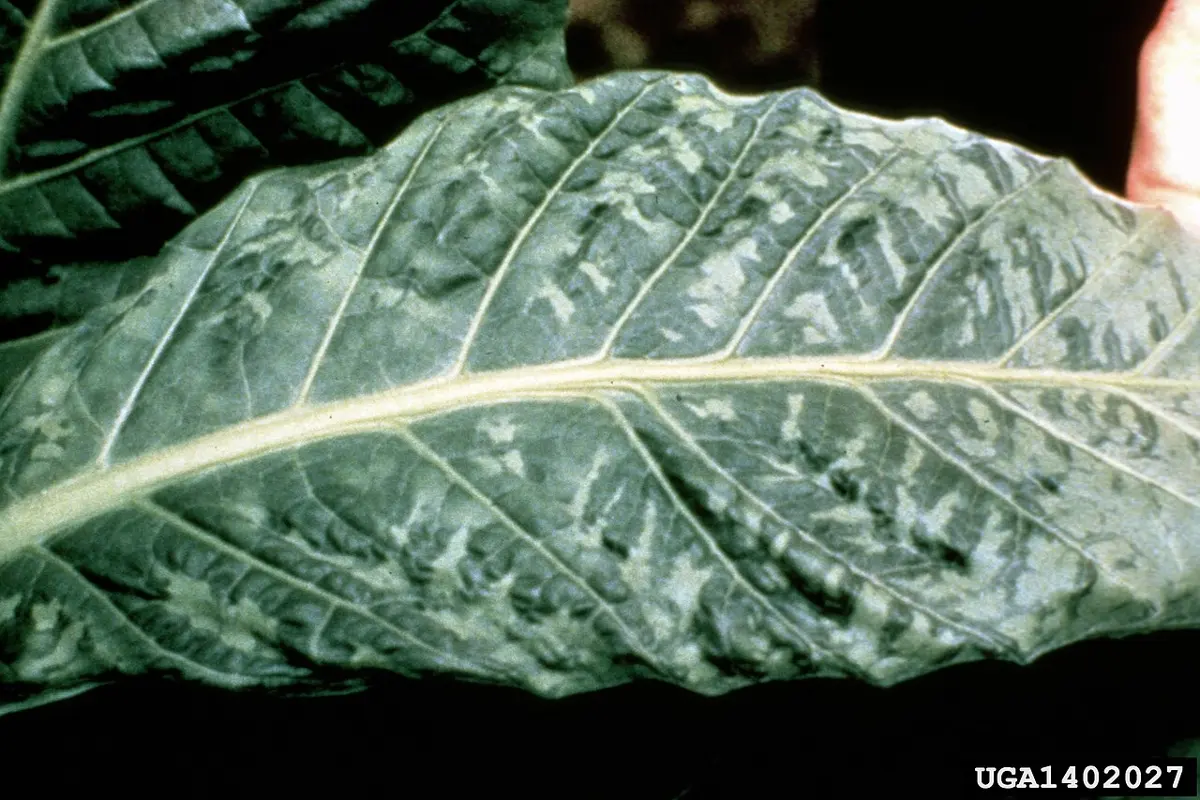
In 1892 a young Russian botanist, Dmitri Ivanovsky, crushed the mottled leaves of tobacco plants sick with mosaic disease and pushed the juice through a porcelain filter whose pores were so fine that no bacterium could get through. The juice that came out was still infectious: rubbed on a healthy leaf, it made it sick too. Something smaller than any cell was causing the disease. A few years later the Dutch microbiologist Martinus Beijerinck repeated the experiment and found that the infectious agent multiplied in the leaf but would not grow on its own anywhere. He called it a contagium vivum fluidum, a “contagious living fluid”, and gave it a name: a virus.
This unit is in two parts. The first is about viruses: what they are, how they are built and why they matter. The second is about how people use microbes, bacteria, fungi and viruses, for medicine, industry, farming and a cleaner environment: microbial biotechnology.
3.2.1 General introduction
Viruses are ultramicroscopic, intracellular parasites. Each virus particle consists of a single kind of nucleic acid, either DNA or RNA, covered by a protein coat called the capsid.
- Viruses have no cellular organization: no cell membrane, cytoplasm, ribosomes or organelles. They are acellular pathogens, and so neither prokaryotes nor eukaryotes, which are both kinds of cell.
- Outside a host cell, a virus behaves like a non-living chemical: it can be purified and crystallized, and stored like a chemical. Inside a host cell, it shows the main feature of living things: it replicates (makes copies of itself). So viruses are considered to lie midway, at the borderline, between living and non-living things.
- Viruses have none of the machinery for life processes of their own: no enzymes to release energy, no ribosomes to make proteins. They must use a host cell’s machinery to multiply, so they are obligate parasites: they cannot multiply in any other way.
- Whittaker’s five-kingdom classification gives viruses no place in any kingdom.
- A complete, infectious virus particle, outside a cell, is a virion.
Until the end of the 1800s, the history of viruses is only a part of the history of infectious diseases such as smallpox and rabies, whose causes no one could see. The name virus was given by Beijerinck, from a Latin word meaning venom, or a poisonous fluid. The branch of biology that deals with viruses is virology.
So, in one sentence: viruses are ultramicroscopic, acellular, obligate parasites with either DNA or RNA as their genetic material, which can replicate only inside a living host cell.
Characteristics of viruses
- Viruses are ultramicroscopic intracellular parasites: most can be seen only with an electron microscope.
- They are acellular: they have no cellular level of organization.
- They are obligate parasites and multiply only inside a living host cell, because they lack enzyme systems of their own.
- They have no system to produce ATP (energy).
- A virus contains only one type of nucleic acid: either DNA or RNA, never both.
- The nucleic acid is enclosed by a protein coat, the capsid.
- Viruses are host specific: each infects only certain species, and only certain cells of its host. (The poliovirus infects only humans and other primates, and in them only a few kinds of cell; the rabies virus infects many kinds of mammal, but mostly their nerve cells.)
- They can be crystallized and stored like chemicals: outside a cell they behave as inert particles.
- They undergo mutation: new variants keep appearing, which is why a new flu vaccine is needed every year.
- They are infectious: they cause and spread diseases.
- A viral disease has an incubation period, a time between infection and the first symptoms, as diseases caused by other parasites do.
- They show no metabolic processes such as respiration, nutrition or excretion.
- They have a high specific gravity (they are dense particles: in the laboratory they are separated by spinning them very fast in an ultracentrifuge).
Why can’t a virus be grown in a flask of nutrient broth, as bacteria are?
Pick an answer to see why.
3.2.2 Structure
Viruses vary widely in shape and size. Most are 10–300 nm across (a nanometer, nm, is a thousandth of a micrometer, a millionth of a millimeter). They may be rod-shaped (tobacco mosaic virus), filamentous (Ebola virus), roughly spherical or many-sided (polyhedral; poliovirus, adenovirus, influenza virus, HIV), or tadpole-like, with a head and a tail (bacteriophage T4).
Bacteriophage T4: ViralZone, SIB Swiss Institute of Bioinformatics, CC BY 4.0, via Wikimedia Commons
Viruses lack cellular organization and protoplasm. A virus is made of two main kinds of chemical, nucleic acid and protein, in proportions that differ from virus to virus: TMV, for example, is about 5% RNA and 95% protein by mass.
- a.Core (nucleic acid). The nucleic acid lies in the center, forming the core. It is either DNA or RNA, never both, and may be single-stranded or double-stranded, linear or circular. Some viruses have single-stranded DNA (the parvoviruses) or double-stranded RNA (the rotavirus, the commonest cause of severe diarrhea in young children), forms which no living cell uses as its genes: all cells keep their genes as double-stranded DNA.
- b.Capsid (protein coat). The protein coat surrounding the nucleic acid, which protects it. It is built of many identical repeated subunits, the capsomeres, like the tiles of a dome. The size, shape, number and arrangement of the capsomeres are fixed for each kind of virus, and are used to identify it. The core and the capsid together form the nucleocapsid.
- c.Envelope (only in some viruses). A thin outer membrane round the capsid, made of a phospholipid bilayer like a cell membrane, which the virus takes from its host cell’s membrane as it leaves, with spikes of viral protein stuck in it. Influenza virus, HIV and the coronavirus are enveloped; poliovirus, TMV and adenovirus are naked. (Soap destroys the fatty envelope, which is one reason hand-washing protects against flu and COVID-19.)
Bacteriophage T4 and SARS-CoV-2: after ViralZone, SIB Swiss Institute of Bioinformatics, CC BY 4.0
Bacteriophages
Viruses that infect bacteria are bacteriophages (“bacteria-eaters”), or phages. The best known, bacteriophage T4, which attacks E. coli, looks like a tadpole or a lunar lander:
- a head: a capsid with 20 sides, stretched long (about 85 by 120 nm), with a long molecule of double-stranded DNA coiled tightly inside;
- a collar below the head;
- a hollow tail: a tube wrapped in a sheath that can contract;
- a base plate at the end of the tail, with tail pins and six long, jointed tail fibers, which grip the bacterium’s surface.
ViralZone, SIB Swiss Institute of Bioinformatics, CC BY 4.0, via Wikimedia Commons
A phage can’t swim or steer; it bumps into its host by chance. Once its tail fibers grip the right spot, the tail’s tip, which carries an enzyme, lysozyme (it breaks the bonds of the peptidoglycan wall), makes a hole in the bacterium’s cell wall; the sheath contracts and pushes the hollow tail tube through, and the DNA is injected into the cell, like a syringe. Inside, the phage’s genes take over the cell, which then makes copies of the phage until it bursts open (lyses), releasing about 100–200 new phages. This is the lytic cycle.
Some phages can also enter a quieter lysogenic cycle: the phage’s DNA joins the bacterium’s own DNA and is copied with it, for many generations, until a stress (ultraviolet light, for example) switches it to the lytic cycle.
3.2.3 Economic importance of viruses
Viruses have both positive and negative effects.
Positive effects
- Tools for research. Viruses are simple systems, easy to grow and study, and much of what we know about genes was learned from them. Recombinant DNA technology was developed using bacteriophages (and their hosts’ enzymes), and phages are still used to carry genes into bacteria.
- Gene therapy. A virus is a natural machine for carrying genes into cells. Scientists remove the genes that make it harmful and put in a therapeutic gene, and the virus becomes a vector that delivers it into a patient’s cells. (Some vectors, like a phage in its lysogenic cycle, join their DNA to the host cell’s own, so the new gene stays in the cell and its descendants.) Treatments for an inherited form of blindness and for some immune disorders work this way.
- Cancer treatment. In virotherapy, a virus altered to infect and kill cancer cells but spare healthy ones is used as a medicine; the first approved in the United States and Europe, in 2015, was an altered herpes virus for melanoma (a skin cancer). In VDEPT (virus-directed enzyme prodrug therapy), a virus carries into cancer cells a gene for an enzyme that turns a harmless drug (a prodrug) into a poison inside those cells only.
- Vaccines. Viruses, weakened, killed or in parts, are the source of the vaccines that prevent viral infections: polio, measles, rabies, hepatitis B, and others.
- Control of insect pests. Some viruses kill particular insects and nothing else. Baculoviruses, such as the nuclear polyhedrosis virus (NPV) of the cotton bollworm (Helicoverpa), are sprayed on crops as biological pesticides.
- Beauty. Some virus-infected plants are beautifully variegated. The famous striped and flamed tulips of the 1600s in the Netherlands, which sold for the price of a house during the “tulip mania” of 1637, owed their stripes to a virus, the tulip breaking virus, carried by aphids.
- Killing bacteria. Phages destroy bacterial cells, and help free water of bacteria. In phage therapy, phages that attack one kind of bacterium are used to treat infections that antibiotics can no longer cure.
Negative effects
- Viruses cause diseases in plants and animals, including human beings: in people, from the common cold to AIDS; in crops, diseases such as tomato leaf curl and the mosaic diseases of tobacco, papaya and cucumber; in animals, foot-and-mouth disease of cattle and bird flu of poultry.
- They endanger biochemical industries: bacteriophages can destroy the useful bacteria of a curd or cheese factory, or of a plant making antibiotics or enzymes, and spoil a whole batch.
- Viruses may be used as biological weapons, which international law forbids.
Some common human diseases and the viruses that cause them
| Disease | Virus |
|---|---|
| chickenpox | varicella-zoster virus |
| measles | measles virus (a Morbillivirus) |
| rabies | rabies virus |
| AIDS | human immunodeficiency virus (HIV) |
| COVID-19 | SARS-CoV-2 (a coronavirus) |
| bird flu | influenza A virus, types H5N1, H5N8 |
| common cold | mostly rhinoviruses |
| dengue | dengue virus (carried by Aedes mosquitoes) |
| hepatitis B | hepatitis B virus |
| polio | poliovirus |
Which of these is a disease caused by a virus?
Pick an answer to see why.
Exercise (3.2)
A. Choose the correct option
- Why are viruses considered obligate parasites?
Pick an answer to see why.
- What does the term “bacteriophage” mean?
Pick an answer to see why.
- Which statement is not true for viruses?
Pick an answer to see why.
- Which components are typically found in viruses?
Pick an answer to see why.
- What is the main component of the capsid of a virus?
Pick an answer to see why.
B. Answer the following questions
Define a virus, and explain why viruses are considered neither prokaryotes nor eukaryotes.
Answer
What is a capsid?
Answer
Discuss the characteristics of viruses that place them midway between living and non-living things.
Answer
How do viruses differ from bacteria in their cell structure, reproduction and nuclear material?
Answer
Describe the economic importance of viruses.
Answer
Explain the structure of a virus with a suitable diagram.
Answer
How do viruses use lysozyme to interact with host cells, and what is its role in infection?
Answer
3.3.1 Introduction
The word biotechnology joins two words, biology and technology. Biotechnology is the controlled use of biological agents, such as microorganisms or their cellular components (enzymes, genes), for beneficial purposes.
Microbes, such as bacteria, fungi and viruses, are found in nearly every environment and make up much of the living matter on Earth. People have used them for thousands of years, long before anyone knew they existed: to make bread rise, milk turn into curd, and grapes and rice into wine and jaand. The use of microbes in biotechnology is microbial biotechnology.
Microbial biotechnology is a fast-moving field that provides a wide range of products and services to many industries: food production, drug development, disease prevention and diagnosis, nutritional supplements, energy and alternative fuels, environmental monitoring and waste management, forensic science and more.
3.3.2 Impact of biotechnology in the field of microbiology
1. In medicine
Microbial biotechnology is used in human and veterinary medicine in these ways.
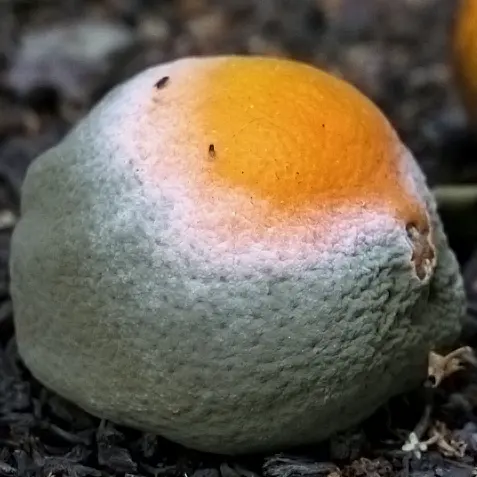
a. Antibiotics. Antibiotics are substances made by microorganisms (and now often modified by chemists) that kill or stop the growth of other microorganisms, mainly bacteria, and so control bacterial diseases. They come from many microbes: penicillin from the mold Penicillium (found by Alexander Fleming in 1928), streptomycin, the first cure for tuberculosis, from the soil bacterium Streptomyces griseus (found in Selman Waksman’s laboratory in 1943), and tetracycline, erythromycin and many others from other Streptomyces. They are made in huge steel tanks, fermenters, in which the microbe grows in a stirred broth.
b. Vaccines. Vaccines are substances made from microorganisms, or parts of them, that are used to immunize a person or animal against a disease: they train the immune system to recognize the microbe without the person getting the disease. They are made by fermentation technology (growing the microbe in large amounts) and by recombinant DNA technology (for example, the hepatitis B vaccine is a viral protein made by genetically engineered yeast). Vaccines against smallpox, polio, tetanus and other diseases have wiped them out, or nearly, wherever they have been widely given: smallpox was eradicated from the whole world in 1980, Nepal has been free of polio since 2014, and in 2005 Nepal eliminated tetanus in mothers and newborn babies.
c. Gene therapy. A technique that uses genes to treat genetic disorders or chronic diseases. A healthy copy of a gene is added to the patient’s cells, or replaces a defective or missing one, by genetic engineering, usually carried by a harmless virus (a viral vector).
d. Molecular diagnosis. Diagnosing a disease early is important for treating it well. Recombinant DNA technology and related methods (such as PCR, which copies a microbe’s DNA millions of times) are used to detect and identify pathogens easily, early, correctly and quickly: for infectious diseases such as AIDS, hepatitis, tuberculosis and COVID-19. The same methods find the genetic changes that cause some cancers.
Bacteria’s DNA: Mariana Ruiz Villarreal, LadyofHats, Public domain, via Wikimedia Commons
2. In industries
- a.Food production. Fermentation, the breakdown of sugars by microbes without oxygen, gives us alcoholic drinks (yeast turns sugar into alcohol and carbon dioxide), bakery products (the yeast’s carbon dioxide makes dough rise) and dairy products (lactic acid bacteria make curd, cheese and yogurt). Nepal’s own fermented foods are the work of microbes too: gundruk and sinki (lactic acid bacteria), kinema (Bacillus subtilis), and jaand and raksi (yeasts and molds of the murcha starter).
- b.Tea and tobacco industries. Microbes help to cure tobacco leaves, removing their harshness and giving flavor, color and taste. In tea, the step called “fermentation”, which turns green leaves black, is really done by the leaf’s own enzymes acting with oxygen when the leaves are crushed; only a few dark teas, such as Chinese pu-erh, are truly fermented by microbes.
- c.Enzyme production. Bacteria and fungi are grown to make enzymes on a large scale: proteases (in washing powders, to remove protein stains, and to tenderize meat), pectinases (to clear fruit juices), amylases (to turn starch into sugar syrup), and rennet for cheese, now made by engineered microbes.
- d.Biofuel production. Microbes make biofuels that can replace fossil fuels and are renewable: ethanol from sugarcane and maize by yeast, and biogas (mostly methane) from dung and kitchen waste by methane-making microbes. Hundreds of thousands of Nepali households cook on biogas from their own cattle dung.
3. In agriculture
Microorganisms in the soil help to increase farm production in these ways.
a. Biofertilizers. Nitrogen and phosphorus are needed for plant growth. They are present in nature, but plants can take up only certain forms of them. Some microbes make them available:
- the fungus Penicillium bilaiae (formerly P. bilaii) dissolves phosphate that is locked in the soil, making it available to roots;
- nitrogen-fixing bacteria such as Rhizobium, in the root nodules of legumes, turn nitrogen from the air into ammonia, which the plant uses (Azotobacter does the same free in the soil, and the cyanobacteria Anabaena and Nostoc in rice fields).
This happens naturally. Biofertilizers are preparations of these living microbes, applied by coating seeds or putting them directly into the soil, so that more of them work for the crop.
- b.Bioherbicides. Weeds compete with crops for water, nutrients, sunlight and space, and shelter insects and diseases. Some microorganisms, mostly fungi, infect and kill particular weeds without harming the crop: these are bioherbicides. Their advantages: they attack only the target weed, leave no poisonous residue in soil, water or food, and some survive in the field to act again the next season.
- c.Improvement of varieties. By transferring useful genes from microorganisms into crops, improved varieties are made, with desirable traits: higher yield, more nutrients, resistance to diseases and pests. Bt cotton and Bt brinjal carry a gene from the soil bacterium Bacillus thuringiensis (Bt) that makes a protein poisonous to the caterpillars that bore into them, so the farmer sprays far less insecticide. Golden rice carries two genes (one from maize, in the first version from a daffodil, and one from a soil bacterium) that make it produce the vitamin A precursor, beta-carotene.
- d.Development of GMOs. A genetically modified organism (GMO), or transgenic organism, is one that carries foreign genes (DNA from another species), put in by genetic engineering. Microbes are the tools that make it possible: bacterial enzymes cut and join the DNA, bacterial plasmids carry it, and the soil bacterium Agrobacterium carries it into plant cells.
Bacteria’s DNA: Mariana Ruiz Villarreal, LadyofHats, Public domain, via Wikimedia Commons
Cotton: Pearson Scott Foresman, public domain
Seedling: V. Rattan, A Popular California Flora (1888), public domain
Bollworm: DataBase Center for Life Science (DBCLS), CC BY 4.0, via Wikimedia Commons
Why does a biofertilizer of Rhizobium help a crop of lentils?
Pick an answer to see why.
4. In the environment
With recent advances in biology, materials, computing and engineering, environmental biotechnologists can now use communities of microbes for many services: detoxifying contaminated water, wastewater, sludge, sediment or soil; capturing renewable energy from biomass; sensing contaminants or pathogens; and protecting the public from dangerous pathogens.
- a.Waste disposal. Domestic and industrial sewage and wastes are treated with microbes: in a sewage treatment plant, bacteria break down the organic matter of the wastewater, in tanks with air bubbled through (aerobic) and in closed tanks without air (anaerobic, making biogas), before the water goes back into a river.
- b.Bioremediation. One of the most useful applications of microbial biotechnology is bioremediation, the use of microbes to clean up environmental pollutants. Microbes that can break down a toxic substance, oil, pesticides or solvents, are added to the polluted site, or the microbes already there are helped to grow faster. After the oil tanker Exxon Valdez spilled about 37,000 tonnes of crude oil off Alaska in 1989, scientists spread fertilizer on the oily beaches, and the native oil-eating bacteria multiplied and cleared the oil about two to five times faster. (Genetically modified bacteria that eat oil were made too: in 1980, a strain of Pseudomonas made by Ananda Chakrabarty was the first genetically engineered living thing to be patented. But fears of releasing GM microbes into the wild mean they have hardly been used outside laboratories.)
- c.Bioindicators. Microbes are useful as bioindicators: they detect the presence of environmental pollutants such as heavy metals and hydrocarbons. Some engineered bacteria glow when they meet arsenic, a poison found in the groundwater of parts of Nepal’s Tarai, and are being developed into cheap tests for well water. The presence of E. coli in drinking water is used everywhere as a sign that it is polluted with sewage.
3.3.3 Ethical issues of microbial biotechnology
Microbial biotechnology is a controversial subject: with its benefits come concerns. Its ethical issues include:
- a.Privileged information: who owns, and who may see and use, genetic information, such as a person’s DNA or the genes of a country’s plants and microbes; and the patenting of living things and genes.
- b.Ecological harm: GM organisms released into the environment might spread their genes to wild relatives, harm insects that weren’t the target, or upset ecosystems.
- c.Access to new drugs and treatments: new biotechnology products are often expensive, so the people who need them most, in poorer countries, may not be able to afford them.
- d.Interfering with nature: some people object that deliberately changing an organism’s genes violates the natural integrity of species.
- e.Defects and side effects of products, tools and techniques, with economic and environmental losses.
- f.Safety in medicine: a medicine made by biotechnology carries risks, especially in clinical trials, the first tests on people. So it must be tested thoroughly in the laboratory and on animals, and then in carefully supervised trials, with the volunteers’ informed consent, before it is used widely. The treatment may also cost far more than traditional ones.
- g.Legal and religious issues, particularly in techniques such as stem cell technology, gene therapy, human cloning and the reading of the human genome.
Balanced against these are the benefits: GM crops such as Bt cotton have reduced the use of insecticides, and so the pesticide pollution of rivers and coastal waters, though pests that resist the Bt poison have appeared where farmers did not follow the rules for its use. Like every powerful tool, biotechnology needs careful testing, honest information, fair access, and laws that ensure all of these.
Exercise (3.3)
A. Choose the correct option
- What is the use of living organisms to make various products called?
Pick an answer to see why.
- Which of the following is not a product of microbial biotechnology?
Pick an answer to see why.
- In animal farming, which of the following products can benefit from genetic modification of the animals?
Pick an answer to see why.
- How are improved varieties of crops produced using microbial biotechnology?
Pick an answer to see why.
B. Answer the following questions
What is microbial biotechnology, and how does it contribute to various industries?
Answer
Research the latest advances in bacterial research. How might they affect fields such as medicine, agriculture or environmental science?
Answer
How do biofertilizers differ from chemical fertilizers in their environmental impact and sustainability?
Answer
What are the ethical issues related to the use of biotechnology?
Answer
Which area of microbial biotechnology would you like to explore further, and why?
Answer
Printable PDFs
- Study notes 3 pages
- Worksheet 5 pages Answer key
Quiz yourself: Classification of Living Beings, Grades 5–12 →
Practice every question in the book, and keep track of the ones you miss →
A companion to your textbook, not a replacement for it: study from the book your school uses, and where the two differ, follow your teacher. Found a mistake? Please tell us.