
Right now, while you read this sentence, your body is busy. Your heart is pushing blood round your body, about 70 times a minute. Your lungs are taking in air. The rice you ate this morning is being broken down to give you energy, and your kidneys are cleaning your blood. You don’t have to think about any of it. A mango tree outside is busy too: pulling water up from the ground, making food in its leaves, and breathing through tiny holes you can’t even see.
The jobs that every living thing must keep doing to stay alive are called life processes. This unit looks at three of them: how things are carried around inside a living body (transportation), how wastes are thrown out (excretion), and how energy is got from food (respiration).
The processes by which living things stay alive, grow and reproduce to continue their kind are called life processes. We eat food and digest it to get nutrients; we respire to release energy from those nutrients; we excrete wastes; we grow; and we reproduce, so that our kind goes on after us. The main life processes in plants and animals are nutrition (taking in and using food), digestion, transportation, respiration, excretion, growth and reproduction. All the chemical changes going on inside the cells together are called metabolism.
Which of these is a life process found in both plants and animals?
Pick an answer to see why.
5.1 Transportation
We eat food to survive. After it is digested in the stomach and intestines, how do the nutrients reach the cells of your toes and your brain? And when you swallow a tablet for a cut finger, the medicine goes to your stomach: so how does it reach your finger to help it heal?
Every living cell needs oxygen, nutrients and water to survive and stay healthy. Every cell also makes substances the body doesn’t need: wastes such as carbon dioxide. These must be carried away before they harm the cell. The process of carrying the substances the cells need to them, and carrying unwanted substances from the cells to the organs that remove them, is called transportation. Different living things do it in different ways.
5.1.1 Transportation in plants
A plant has two kinds of “pipes”, called vascular tissues, running from its roots through the stem to every leaf:
- Xylem carries water and minerals (salts) absorbed by the roots from the soil up to the stem, the leaves, the flowers and the fruits. Xylem is made of long, hollow, dead cells joined end to end like a pipe.
- Phloem carries the food made in the leaves (and other green parts) during photosynthesis to all parts of the plant: up to the buds, flowers and fruits, and down to the roots and stores, such as a potato or a radish. Phloem is made of living cells.
Gases move in and out too. Air enters a leaf through tiny pores called stomata (one is a stoma), mostly on the underside of the leaf. Inside the leaf, oxygen and carbon dioxide spread through the air spaces between the cells and dissolve in the wet cell walls, so each cell gets the gas it needs. Water also leaves through the stomata as vapor, and that loss is what pulls more water up the xylem from the roots, like drinking through a straw.
In the colored-water activity, which tissue carried the color up to the petals?
Pick an answer to see why.
A potato stores food under the ground. How does that food get there from the leaves?
Pick an answer to see why.
5.1.2 Transportation in animals
How substances are carried depends on how big and complex the animal is. Very small and simple animals have no special organs for transportation, while larger, more developed animals have a whole transport system. Invertebrates and vertebrates do it in different ways.
Unicellular animals. The body of Amoeba is a single cell. Oxygen and dissolved food enter it, and carbon dioxide and other wastes leave it, straight through its cell membrane, the thin skin around the cell. Inside, the cytoplasm keeps flowing, and carries these substances from one part of the cell to another.
Simple many-celled animals. Sponges, Hydra and jellyfish have no blood and no heart. Every cell of their thin bodies is close to the water around them or to a water-filled space inside. A sponge has many small pores, the ostia (one is an ostium), all over its body, and a large hole, the osculum, at the top. Water carrying food and oxygen flows in through the ostia, through channels to all the cells, and out through the osculum, taking wastes with it. This system of water channels is the sponge’s canal system.
Hydra has a single opening, its mouth, ringed by tentacles. Food goes in, and undigested waste comes out, through the mouth. The food is digested in the hollow inside its body, the coelenteron, which carries the dissolved food to the cells lining it. Gases are exchanged through the whole surface of its body.
Developed animals. Animals like us are far too big for this. Oxygen spreads very slowly through living things by diffusion (the spreading of a substance from where there is a lot of it to where there is less). Diffusion is fast over the width of a cell, but terribly slow over the width of a body. Try it:
So humans and other large animals have a blood circulatory system, made of the blood, the blood vessels (tubes) and the heart (a pump). Oxygen, digested food and other substances the cells need dissolve in the blood. The heart pumps the blood through the blood vessels to every part of the body. The thinnest vessels, the capillaries, pass close to every cell. There the cells take what they need from the blood, and pass their wastes into it, by diffusion. The blood carries the wastes to the organs that remove them: carbon dioxide to the lungs, other wastes to the kidneys.
Why does an Amoeba not need blood or a heart?
Pick an answer to see why.
In a sponge, which way does water flow?
Pick an answer to see why.
5.2 Excretion
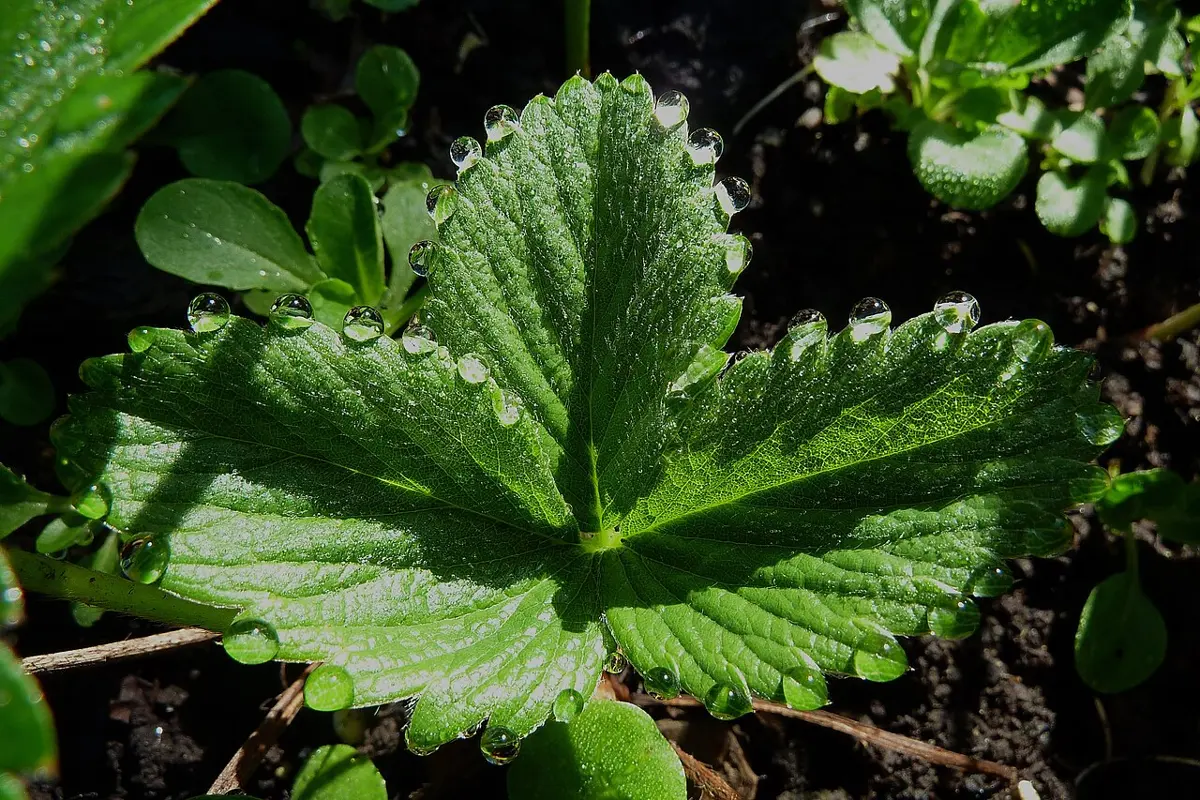
While a living thing carries out its life processes, its body makes some substances it doesn’t need, such as carbon dioxide and urea. If they stayed in the body for long, they would harm it. Some useful substances, like water and salt, can also be present in more than the needed amount. The process of removing such wastes and extra substances from the body is called excretion. Both animals and plants excrete, in different ways and to different extents.
5.2.1 Excretion in plants
Plants excrete oxygen, carbon dioxide and water:
- Oxygen. Green plants make oxygen during photosynthesis. They use some of it for their own respiration, and give out the rest.
- Carbon dioxide. It is made during respiration, and leaves mostly through the stomata of the leaves (by day, a green plant uses it again for photosynthesis).
- Water. Plants give out extra water as water vapor, mostly through the stomata of the leaves. This is called transpiration. Water is also given out as liquid drops through hydathodes, openings at the ends of fine veins at the edges and tips of leaves. This is called guttation.
Plants have no special excretory organs like ours. Some of their wastes are stored in parts that are later shed, such as old leaves and bark; others come out as sticky resin (pine trees), milky latex (rubber trees, papaya, aank), gum (acacia trees such as babul) and oils.
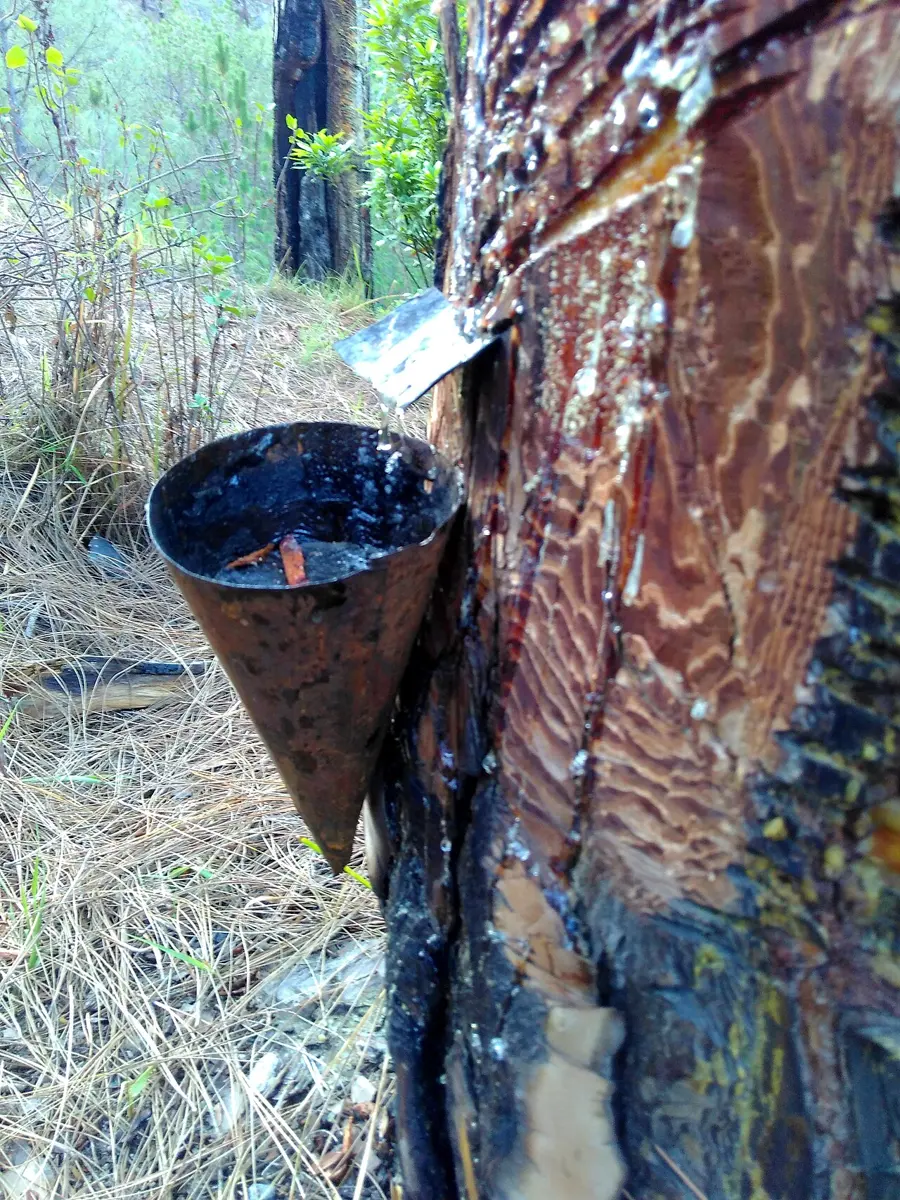
What is guttation?
Pick an answer to see why.
5.2.2 Excretion in animals
Animals have excretory systems to get rid of wastes, but different animals use very different organs.
- Unicellular animals such as Amoeba excrete through their cell membrane: wastes such as carbon dioxide and ammonia simply diffuse out into the water. Amoeba also has a contractile vacuole, a bubble that fills with extra water and bursts it out of the cell again and again (Figure 5.4).
- Sponges and Hydra excrete through their body surface into the water around them.
- Insects such as the grasshopper have thin tubes called Malpighian tubules, which collect wastes from the blood and empty them into the gut, to leave with the droppings.
- Humans and other developed animals have several excretory organs: the skin, the lungs and the kidneys.
| Organ | What it excretes |
|---|---|
| Skin (sweat glands) | sweat: extra water, salt and a little urea |
| Lungs | carbon dioxide made in respiration, and some water vapor |
| Kidneys | urine: urea, uric acid, extra salt and water, and harmful chemicals from the blood |
The urinary system plays the biggest part in excretion in the human body. It is made of two kidneys, two ureters, a urinary bladder and a urethra.
- The kidneys are the main organs. They are two bean-shaped organs, each about the size of your fist, at the back of the belly on either side of the backbone, partly sheltered by the lowest ribs. They filter the blood, taking out urea and uric acid, extra salt and water, and harmful chemicals, as urine.
- The two ureters are thin tubes that carry the urine from the kidneys down to the urinary bladder.
- The urinary bladder is a stretchy bag that stores the urine.
- The urethra is the tube through which the urine stored in the bladder is passed out of the body.
Which part of the urinary system stores urine?
Pick an answer to see why.
Which waste do the lungs excrete?
Pick an answer to see why.
5.2.3 Differences between excretion in animals and plants
5.3 Respiration
How long can you hold your breath? Most people manage less than a minute before they have to breathe. Why can’t we stay without breathing for long?
Food alone doesn’t give us energy. Digestion only breaks food down into simple nutrients, such as glucose, a sugar, that can pass into the blood. To get energy out of the nutrients, they must be broken down further, inside the cells, using oxygen. The energy released lets us walk, think, grow, keep warm, and carry out all the other life processes. The process in which food is broken down in the cells to release energy is called respiration. In short:
glucose + oxygen → carbon dioxide + water + energy
Without breathing, no fresh oxygen reaches the cells, so they can’t release energy. The brain is the first to suffer: it is damaged after only a few minutes without oxygen.
Do plants respire? Yes. Both plants and animals respire. Both use oxygen and give out carbon dioxide, day and night. (By day, a green plant’s photosynthesis takes in much more carbon dioxide than its respiration gives out, which is why, in sunlight, plants seem only to take in carbon dioxide.)
Where in the body does respiration take place?
Pick an answer to see why.
5.3.1 Respiration in plants
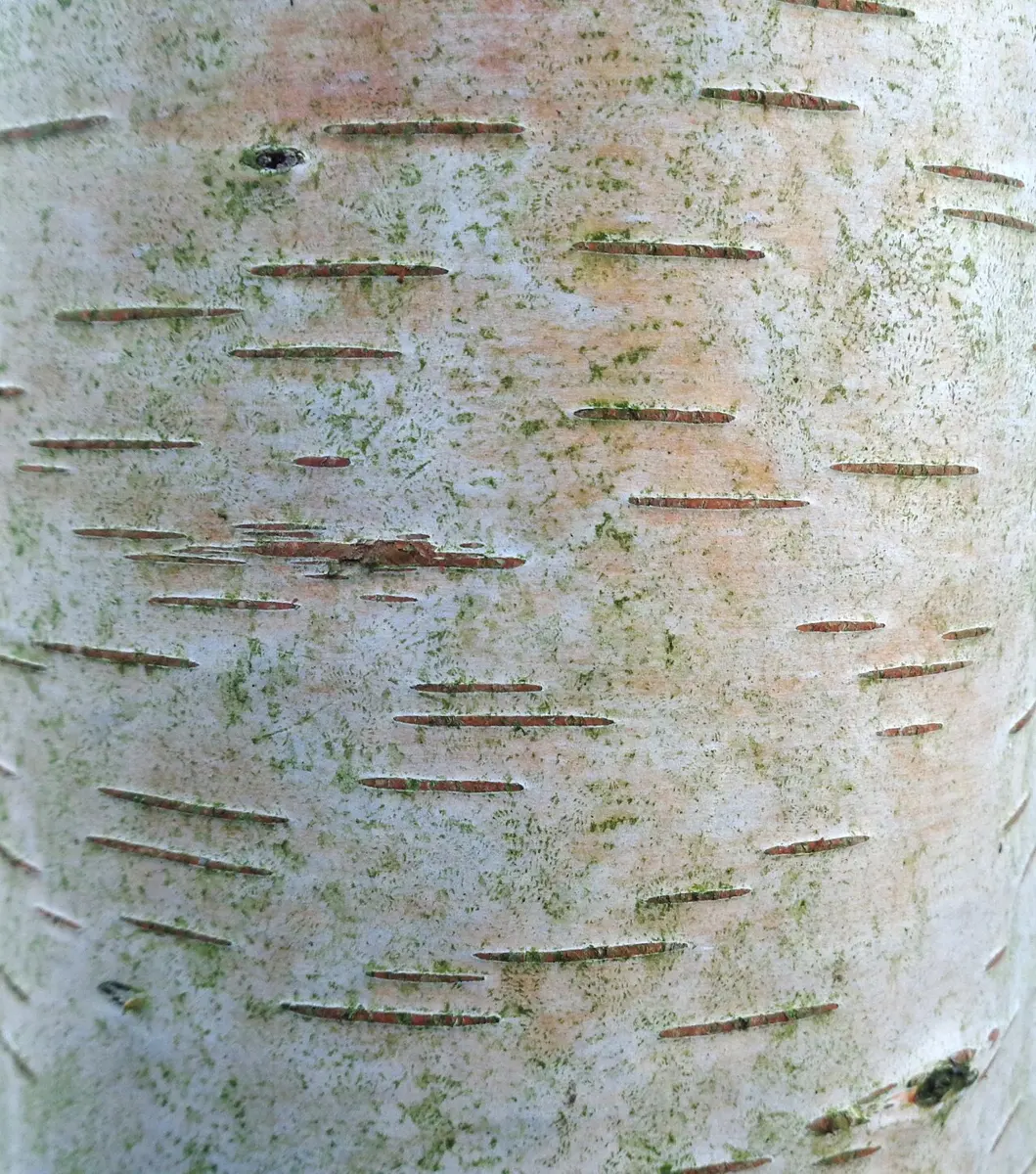
Plants take in oxygen and give out carbon dioxide mostly through the stomata of their leaves and through lenticels, small openings in the bark of woody stems. Roots respire too: they take oxygen from the air between the soil particles. That is why a plant in waterlogged soil, or a pot that is always too wet, can die: its roots drown for want of air.
In the lime water activity, why are germinating seeds used, not dry ones?
Pick an answer to see why.
5.3.2 Respiration in animals
Different animals use different organs to get oxygen for respiration. Which organs do unicellular animals, sponges and Hydra use? They have none: they take oxygen straight from the water through their cell membrane or body surface.
| Animal | Organ for respiration | How it works |
|---|---|---|
| Amoeba | cell membrane | oxygen diffuses in from the water, carbon dioxide out |
| sponge, Hydra | body surface (pores) | every cell takes oxygen from the water around it |
| earthworm | moist skin | oxygen dissolves in the wet skin and passes into the blood |
| insects (grasshopper, cockroach) | spiracles and tracheae | air enters holes along the sides of the body and goes through branching air tubes right to the cells |
| fish | gills | water taken in at the mouth flows over the gills, where blood takes the dissolved oxygen |
| frog | lungs, moist skin, lining of the mouth | it breathes through its skin even under water |
| birds, mammals (humans) | lungs | air is breathed in and out through the nose |
Through what does a grasshopper take in air?
Pick an answer to see why.
Respiration in humans
We breathe with our lungs. The human respiratory system is made of the nose, the trachea (windpipe) and the lungs. The nose is joined to the trachea, and the trachea to the lungs.
- Nose: air enters through the nostrils. Hairs and sticky mucus inside trap dust and germs, and the air is warmed and moistened.
- Trachea: the windpipe, a tube held open by rings of cartilage (you can feel them at the front of your neck). At its lower end it divides into two bronchi (one is a bronchus), one to each lung, and these branch again and again into thinner and thinner tubes, the bronchioles.
- Lungs: two soft, spongy, bag-like organs in the chest (the thoracic cavity), protected by the ribs. At the end of every bronchiole is a bunch of tiny air sacs, the alveoli (one is an alveolus). Each lung has millions of them.
- Diaphragm: a dome-shaped sheet of muscle under the lungs. As it moves down and up, air is drawn into the lungs and pushed out again (the bottle model in Unit 1 shows how).
The air breathed in through the nose passes down the trachea and the bronchi to the alveoli. Each alveolus is wrapped in a net of very thin blood vessels, the capillaries. Its wall and theirs are only one cell thick. The blood arriving in the capillaries has little oxygen and much carbon dioxide (it is called impure or deoxygenated blood). Oxygen from the air in the alveolus diffuses into the blood, and carbon dioxide diffuses out of the blood into the alveolus, to be breathed out. The blood leaving is pure (oxygenated). The heart pumps this pure blood to every cell, and in the cells the food is broken down (oxidized) using that oxygen, releasing energy for all the body’s work.
What happens to blood as it passes the alveoli?
Pick an answer to see why.
Exercise
1. Choose the correct option
a. In which process do the body’s waste products reach the excretory organs?
Pick an answer to see why.
b. In which part of the human body are oxygen and carbon dioxide exchanged with the blood?
Pick an answer to see why.
c. Which of these is the respiratory organ of insects?
Pick an answer to see why.
d. Which statement is true about the excretion of extra water by plants?
Pick an answer to see why.
e. Which life process does this word equation describe?
glucose + oxygen → water + carbon dioxide + energy
Pick an answer to see why.
f. How does transportation take place in many-celled animals like Sycon and other sponges?
Pick an answer to see why.
2. Fill in the blanks
Use these words: life process, carbon dioxide, respiration, excretion, oxygen, cell membrane. (Two words are not needed.)
The production of energy by breaking down food takes place in ……… .
Answer
respiration
Plants take in ……… during respiration.
Answer
oxygen
Transportation in unicellular animals takes place through the ……… .
Answer
cell membrane
A process that takes place only in living beings is called a ……… .
Answer
life process. (The words carbon dioxide and excretion are not used.)
3. Answer the following questions
Describe excretion in the human body in short.
Answer
The human body removes wastes through three main organs:
- Skin: sweat glands give out sweat: extra water, salt and a little urea.
- Lungs: carbon dioxide made by respiration is breathed out, with some water vapor.
- Kidneys: the urinary system removes most other wastes. The two kidneys filter the blood and take out urea, uric acid, extra salt and water, and harmful chemicals, as urine. The two ureters carry the urine to the urinary bladder, which stores it, and it is passed out of the body through the urethra.
How does transportation take place in plants?
Answer
- Plants absorb water and minerals from the soil through their roots. These are carried up to the stem, leaves, flowers and fruits by the xylem, a tissue of long hollow tubes.
- The food made in the leaves by photosynthesis is carried to all parts of the plant, up and down, by the phloem.
- Gases (oxygen and carbon dioxide) enter and leave the leaves through the stomata, and spread to the cells through the air spaces inside.
- Water evaporating from the leaves (transpiration) pulls more water up the xylem.
Explain the importance of respiration.
Answer
- Respiration releases the energy stored in food. Every living thing needs this energy.
- The energy is used for moving, working, thinking, growing, repairing the body, and keeping the body warm.
- It runs all the other life processes: transportation (the heartbeat), excretion, digestion, reproduction.
- Without respiration, cells can’t live: if the brain gets no oxygen for a few minutes, it is damaged.
How do unicellular animals excrete?
Answer
Unicellular animals such as Amoeba have no excretory organs. Their wastes, such as carbon dioxide and ammonia, diffuse out of the cell through the cell membrane into the water around them. Extra water collects in a contractile vacuole, which bursts it out of the cell from time to time.
Describe excretion in plants in short.
Answer
Plants have no special excretory organs.
- They give out the oxygen made in photosynthesis that they don’t use, and the carbon dioxide made in respiration, through the stomata of the leaves (and lenticels in the bark).
- Extra water leaves as vapor through the stomata (transpiration) and as liquid drops through hydathodes at the leaf edges (guttation).
- Other wastes are stored in old leaves and bark, which fall off, or come out as resin, latex, gum and oils.
Explain the respiration process in the human body in short.
Answer
Air is breathed in through the nose, where it is cleaned, warmed and moistened. It passes down the trachea and the two bronchi into the lungs, and along the bronchioles to millions of tiny air sacs, the alveoli. Each alveolus is surrounded by capillaries. Oxygen diffuses from the air in the alveoli into the blood, and carbon dioxide diffuses from the blood into the alveoli; it is breathed out. The oxygenated (pure) blood is pumped by the heart to every cell. In the cells, glucose is broken down using this oxygen to release energy:
glucose + oxygen → carbon dioxide + water + energy.
The diaphragm and the rib muscles move air in and out of the lungs.
Write the differences between respiration in insects and in fish.
Answer
| Respiration in insects | Respiration in fish |
|---|---|
| Organs: spiracles and tracheae (air tubes). | Organs: gills. |
| They take oxygen from air. | They take oxygen dissolved in water. |
| Air enters through spiracles along the sides of the body. | Water enters through the mouth and leaves over the gills. |
| The air tubes carry oxygen straight to the cells; the blood carries little oxygen. | The blood in the gills takes up the oxygen and carries it to the cells. |
What are the differences between excretion in animals and in plants?
Answer
| Excretion in animals | Excretion in plants |
|---|---|
| They have special excretory organs: kidneys, skin, lungs (Malpighian tubules in insects). | They have no special excretory organs; wastes leave through stomata, hydathodes and bark. |
| Wastes: carbon dioxide, urea, uric acid, ammonia, extra water and salt. | Wastes: oxygen, carbon dioxide, water, resin, latex, gum. |
| Excreted wastes are not used again by the body. | Some are used again: carbon dioxide in photosynthesis, oxygen in respiration. |
| Excretion is fast, as animals are active. | Excretion is slow. |
Why do both breathing and the heartbeat speed up while running? Explain.
Answer
When we run, our muscles do much more work and need much more energy. They get it by respiration, so they respire faster: they use oxygen faster and make more carbon dioxide. To supply the extra oxygen and remove the extra carbon dioxide, we breathe faster and more deeply. And the heart beats faster to pump the blood more quickly, carrying oxygen and glucose from the lungs and gut to the muscles, and carbon dioxide from the muscles to the lungs.
Answer these questions about the diagram.
- i.What is the function of this system?
- ii.Name the part marked P.
- iii.In which organ of the body are the alveoli found?
- iv.What is the function of the part marked Q?
- v.In which part does the exchange of oxygen and carbon dioxide take place?
Answer
- i.It is the respiratory system. It takes in oxygen from the air for respiration and gives out carbon dioxide.
- ii.P is the lung.
- iii.The alveoli are in the lungs.
- iv.Q is a bronchus. It carries air from the trachea into the lung, where it branches into the bronchioles that lead to the alveoli, and carries the used air back out.
- v.In the alveoli, through the walls of the alveoli and the capillaries around them.
Draw a neat diagram of the human excretory (urinary) system, and label any four of its parts.
Answer
Draw it as in Figure 5.11: two bean-shaped kidneys high in the back of the belly, a ureter running down from each to the urinary bladder, and the urethra leading out from the bottom of the bladder. Any four of these labels: kidney, ureter, urinary bladder, urethra, renal artery, renal vein.
Practice every question in the book, and keep track of the ones you miss →