
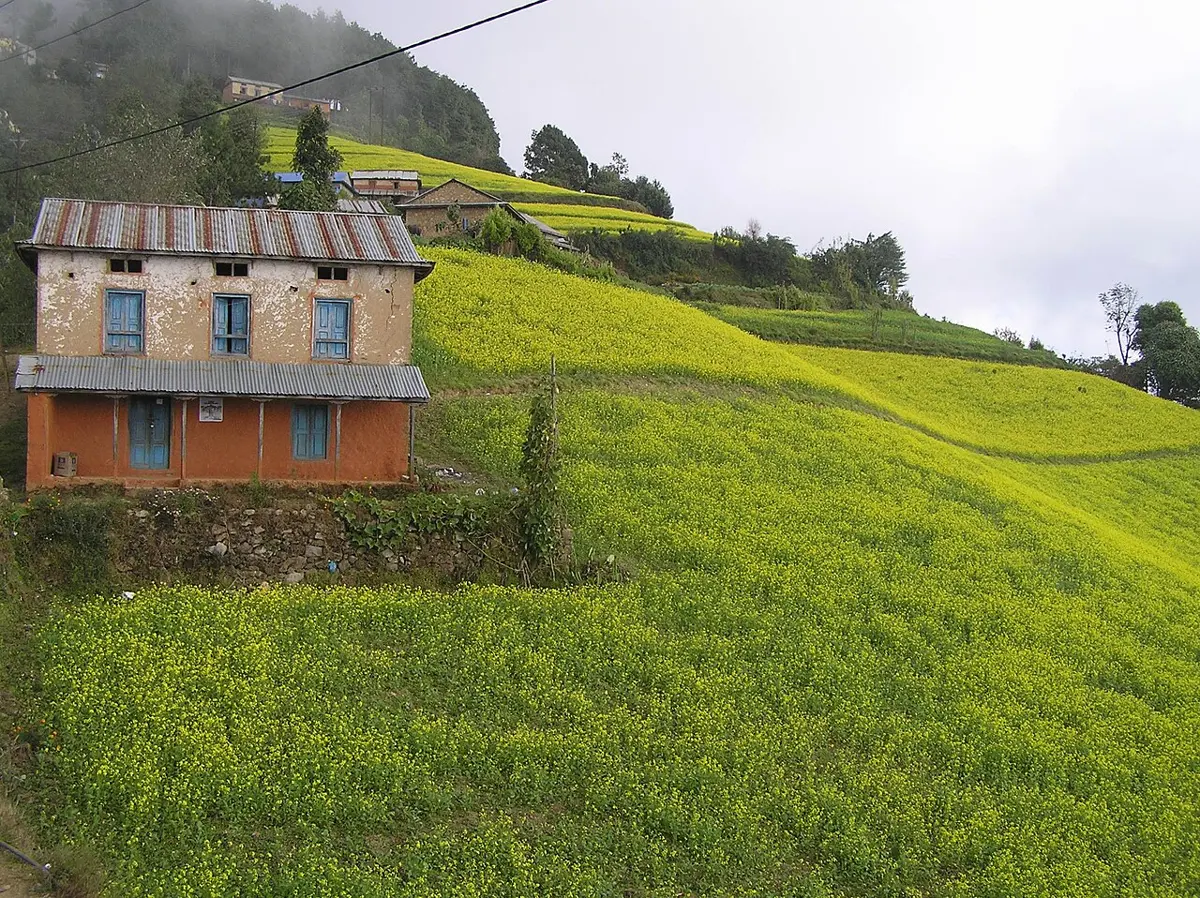
Look around a vegetable market in Nepal. Potatoes, carrots, cauliflower, saag, tomatoes, ginger, lentils. Every one of them comes from a plant, but each comes from a different part of a plant. Which part is the potato? You may be surprised: it is not a root.
Now look closer at the living things around you. A peepal tree is as tall as a house. A banyan can cover a whole field. A blue whale is longer than two buses parked end to end. And some living things are so small that you need a microscope to see them at all. Some animals have a backbone, like a cow or a dog. Many more do not: an earthworm, a snail, a butterfly, a leech.
Living things differ in their size, the shape and build of their bodies, and the way they carry out their life processes. In this unit you will look at how plants and animals are built: the parts of a plant and the job each part does, the animals without a backbone and how scientists sort them into groups, and the tiny cells from which every living thing is made.
3.1 Parts of a plant
A flowering plant has two main parts:
- the root system: the part below the ground, the roots;
- the shoot system: the part above the ground: the stem with its branches and leaves, and, in a flowering plant, the flowers and fruits. Inside each fruit are the seeds.
Different kinds of plants have different kinds of roots, and each part of a plant has its own job to do.
3.1.1 Root and its functions
Most roots grow under the soil. The roots come out from the base of the stem and spread through the soil. In many plants they branch again and again.
- The first root to grow from a seed, the one attached to the base of the stem, is the primary root.
- Its branches are the secondary roots.
- Near the tip of each root are thousands of fine, hair-like root hairs. They take in (absorb) water and dissolved mineral salts from the soil. Being so thin and so many, they touch a great deal of soil.
- The very tip of the root is covered by a root cap. It protects the tip as the root pushes forward through the soil, like the cap on a pen.
The two main jobs of the root are to fix the plant firmly in the soil and to absorb water, mineral salts and other nutrients from the soil.
Flowering plants are of two kinds, named after the number of seed leaves (cotyledons) in their seeds, as you will see in section 3.1.5. Monocots (monocotyledons) have one cotyledon in each seed: maize, rice, wheat, onion, banana, bamboo and grasses. Dicots (dicotyledons) have two: gram, beans, mustard, mango, potato and most trees.
- Dicot plants usually have one main root with secondary roots branching from it. This is a taproot system.
- Monocot plants have a bunch of thin, similar roots growing from the base of the stem, and no main root. These are fibrous roots.
Rice, maize and onion all have fibrous roots. What else do they have in common?
Pick an answer to see why.
Modified roots
Some roots look very different from ordinary roots, because they do a special job. A root whose shape has changed to do a special job is a modified root.
Because the jobs are different, the roots look different. Here are the jobs that roots do:
- a.Roots absorb water, minerals and nutrients from the soil and send them up to every part of the shoot through the stem.
- b.The stilt roots of maize and sugarcane grow from the lowest nodes of the stalk and hold it up, like the ropes of a tent.
- c.The prop roots of banyan and peepal grow down from the big branches and hold them up, so they don’t bend down to the ground.
- d.The storage roots of carrot, radish and sweet potato store food and water.
- e.New plants can grow from the roots of some plants, such as sweet potato. Growing a new plant from a part of a plant other than a seed is called vegetative propagation; this is vegetative propagation by roots.
Some plants even take their food from other plants through their roots. Dodder (akashbeli), the leafless yellow thread you see covering hedges, has no green leaves of its own. It winds round another plant and pushes tiny sucking roots into its stem, taking water and food from it. A living thing that lives on or in another living thing and takes its food from it is a parasite; the plant it lives on is its host.
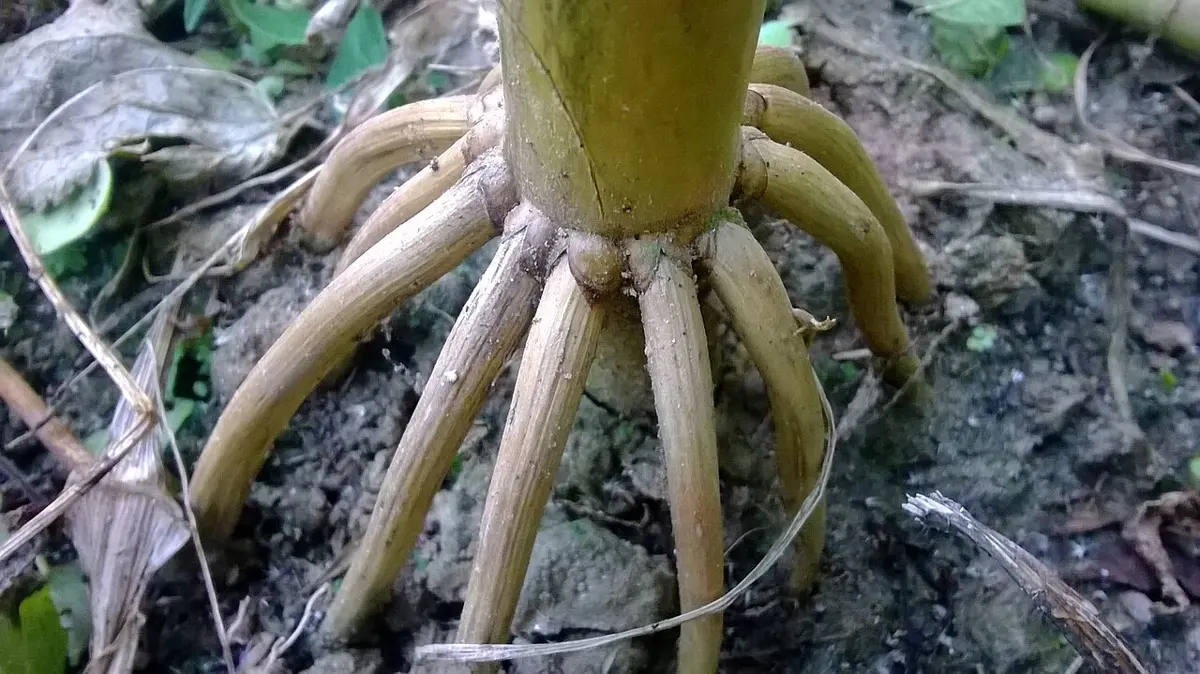
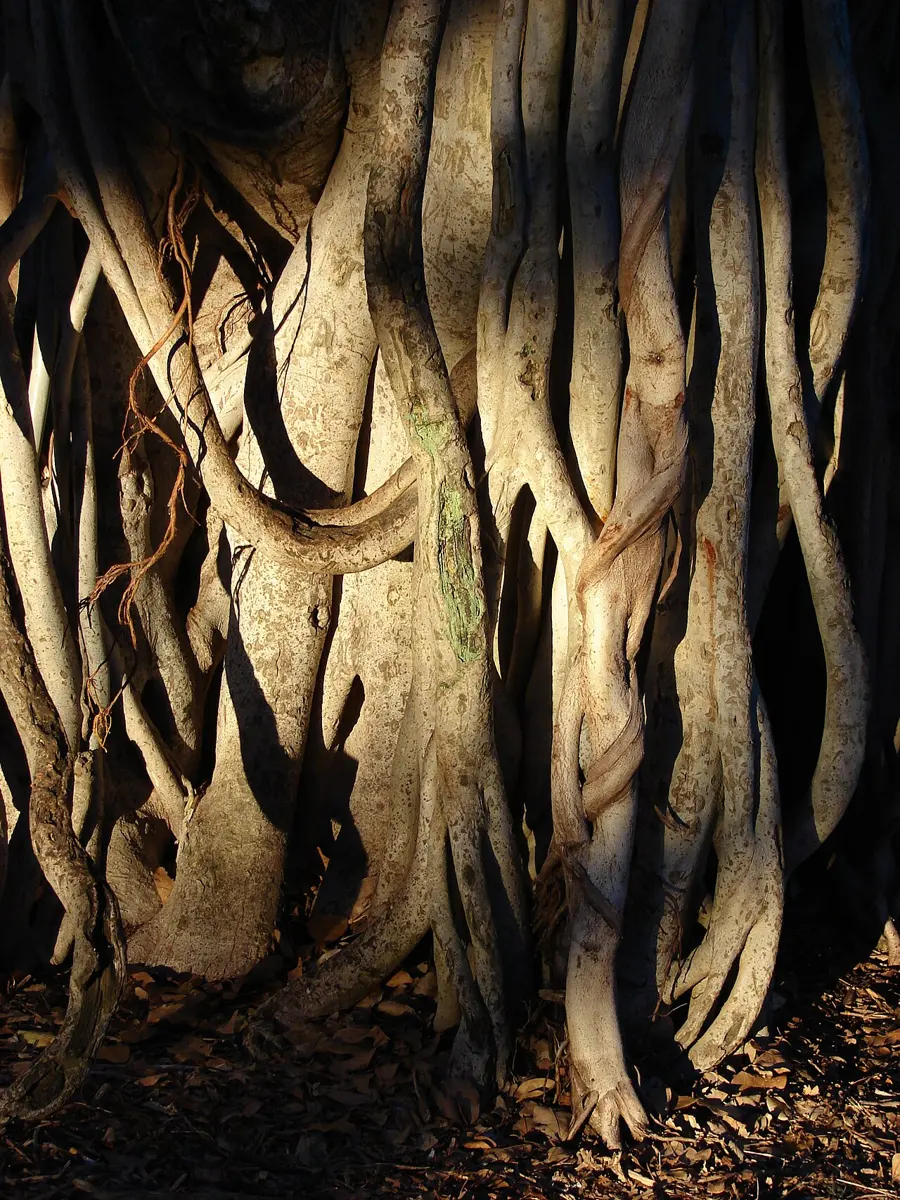
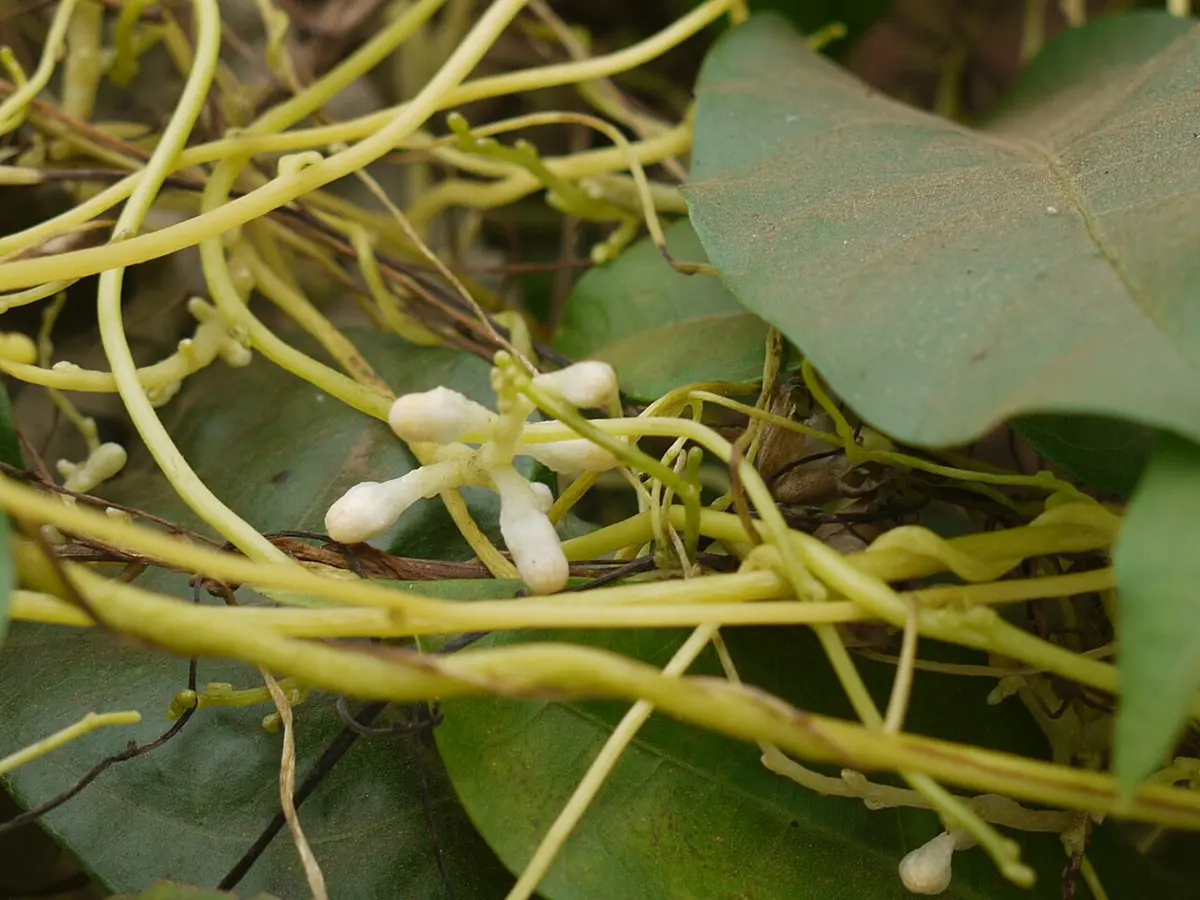
Which of these is a storage root?
Pick an answer to see why.
Why does a root have so many fine root hairs?
Pick an answer to see why.
3.1.2 Stem and its functions
Look at sugarcane, a potato plant, a mango tree and a water hyacinth (jalkumbhi) floating on a pond. Their stems look nothing alike. A potato even grows under the ground. Yet all of them are stems.
The stem is the main part of the plant above the ground. It holds up the leaves, flowers and fruits.
On a stem there are joints from which leaves and branches grow. Each joint is a node. The part of the stem between two nodes is an internode. At each node there is a bud, a tiny undeveloped shoot. A bud can grow into a new branch, a leaf or a flower.
Nodes and internodes are how you recognize a stem. That is why sugarcane and potato are both stems: both have nodes with buds on them. A root never has nodes or buds.
The buds on the nodes of many plants can grow into new plants. If you cut a piece of stem of potato, ginger, sugarcane, rose or taro (pindalu), with a node on it, and plant it in the soil, a bud on the node sprouts and grows into a new plant. This is vegetative propagation by stem. Farmers in Nepal plant sugarcane from pieces of cane, and potatoes from pieces of potato with an eye in each.
Stems come in many forms:
- The stems of mango, banyan and peepal are thick and woody, with many branches.
- A coconut palm’s stem is strong and tall, but it has no branches at all.
- Monocots have no clear pith (the soft tissue in the middle of a stem), and many of them, such as bamboo and wheat, have stems that are hollow between the nodes. Dicot stems have a solid pith in the middle.
- A cactus has a thick, green, juicy stem that does the work of leaves.
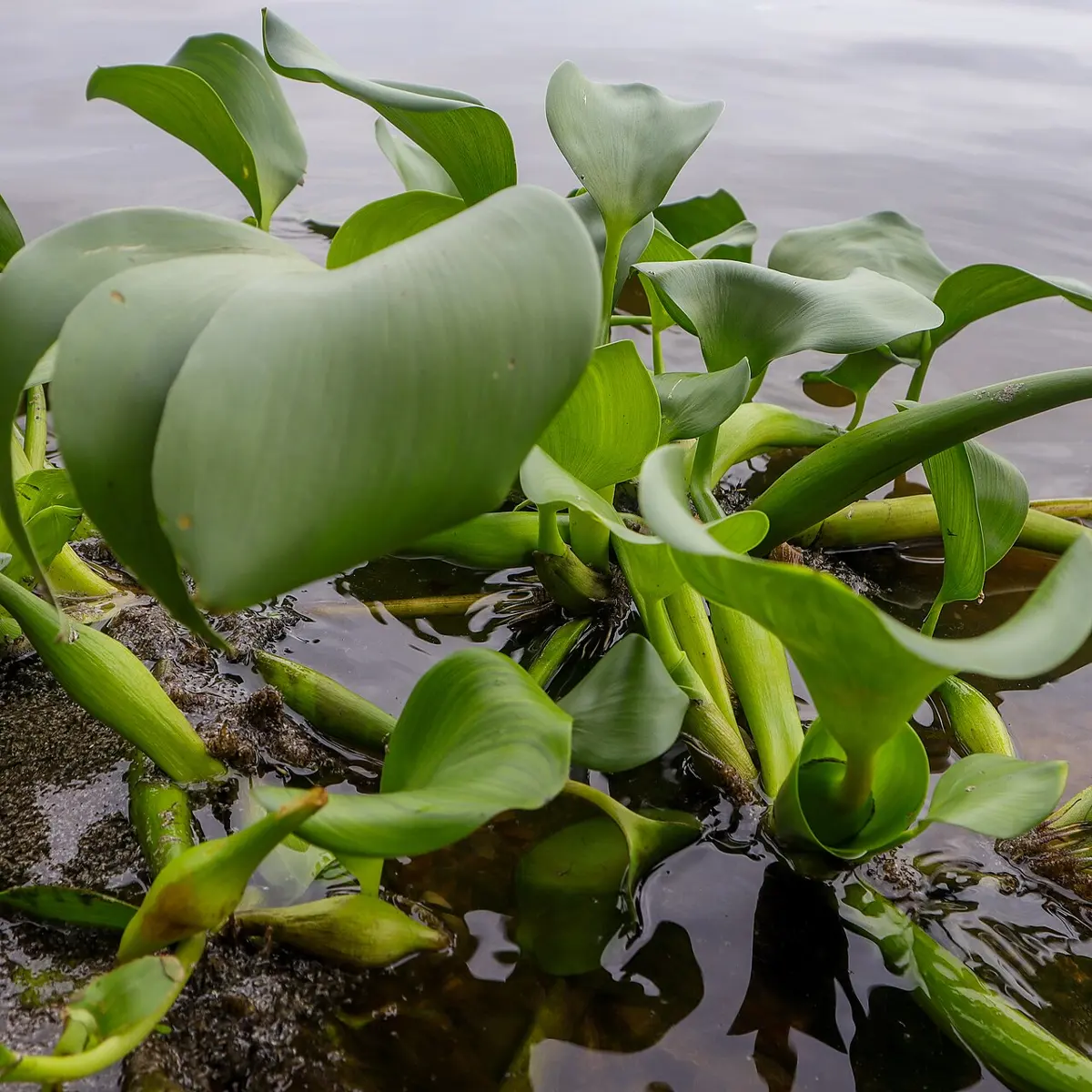
Some stems are changed in shape to do a special job. Such a stem is a modified stem, and the change in the build of a stem for a special job is a modification of the stem.
Above the ground, a grapevine’s stem forms tendrils, thin coils that wind round a support so the vine can climb towards the light.
Here are the main jobs of a stem:
- a.It holds up the leaves, flowers and fruits, and spreads the leaves out to the light.
- b.It carries the water and salts absorbed by the roots up to the leaves.
- c.It carries the food made in the leaves to every part of the plant.
- d.The underground stems of potato, ginger and taro store food for the plant.
- e.In plants with no proper leaves, such as cactus, the green stem makes food by photosynthesis. The thick green stems of siudi, a common hedge plant in Nepal, do the same.
- f.New plants grow from the stems of some plants, such as sugarcane and rose: vegetative propagation.
Which of these is a stem, even though it grows under the ground?
Pick an answer to see why.
A farmer plants pieces of sugarcane cane to grow new sugarcane. Which part of each piece must it have?
Pick an answer to see why.
3.1.3 Leaf and its functions
A leaf is usually flat and green. Its parts are:
- the blade or lamina: the broad, flat part. You can see veins in it.
- the midrib: in dicots, the main vein down the middle of the blade, with smaller veins branching from it into a net.
- the petiole: the small stalk that joins the leaf to the stem or branch.
The leaves of monocots are different. Most have no petiole: the base of the leaf wraps round the stem as a sheath. And their veins don’t branch into a net: they run side by side along the leaf, parallel to each other. Look at a blade of grass or a maize leaf.
On the surface of a leaf, too small to see, there are tiny pores called stomata (one is a stoma). Each stoma lies between two bean-shaped guard cells, which open and close it. Gases go in and out of the leaf through the stomata when it makes food (photosynthesis) and when it breathes (respiration). Water vapor also escapes from the leaf through the stomata. This loss of water as vapor from the leaves is transpiration.
Leaves are green because they contain chlorophyll. Chlorophyll traps the energy of sunlight, and the leaf uses it to make food (sugar) from water and carbon dioxide. That is photosynthesis. Because the leaf makes the plant’s food, it is called the food factory of the plant.
Some leaves are not like ordinary leaves. Some are thick and juicy, and in some plants the leaves have become spines.
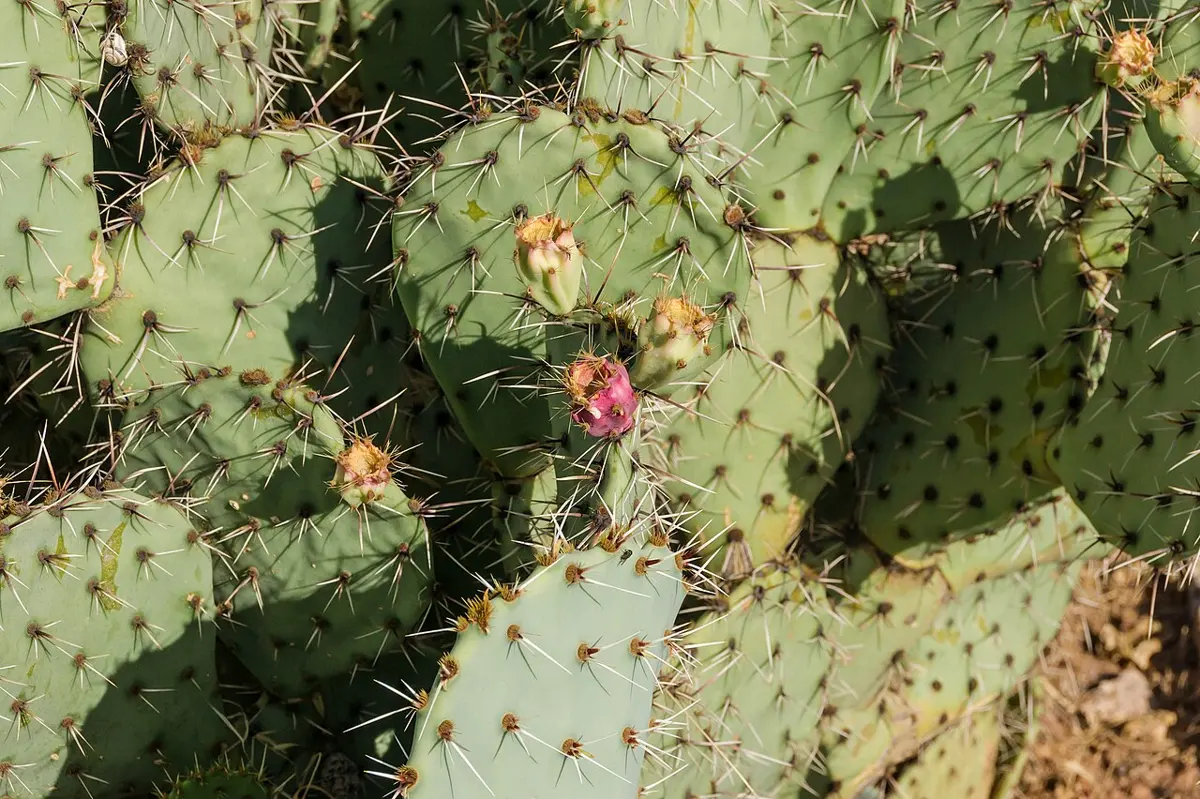
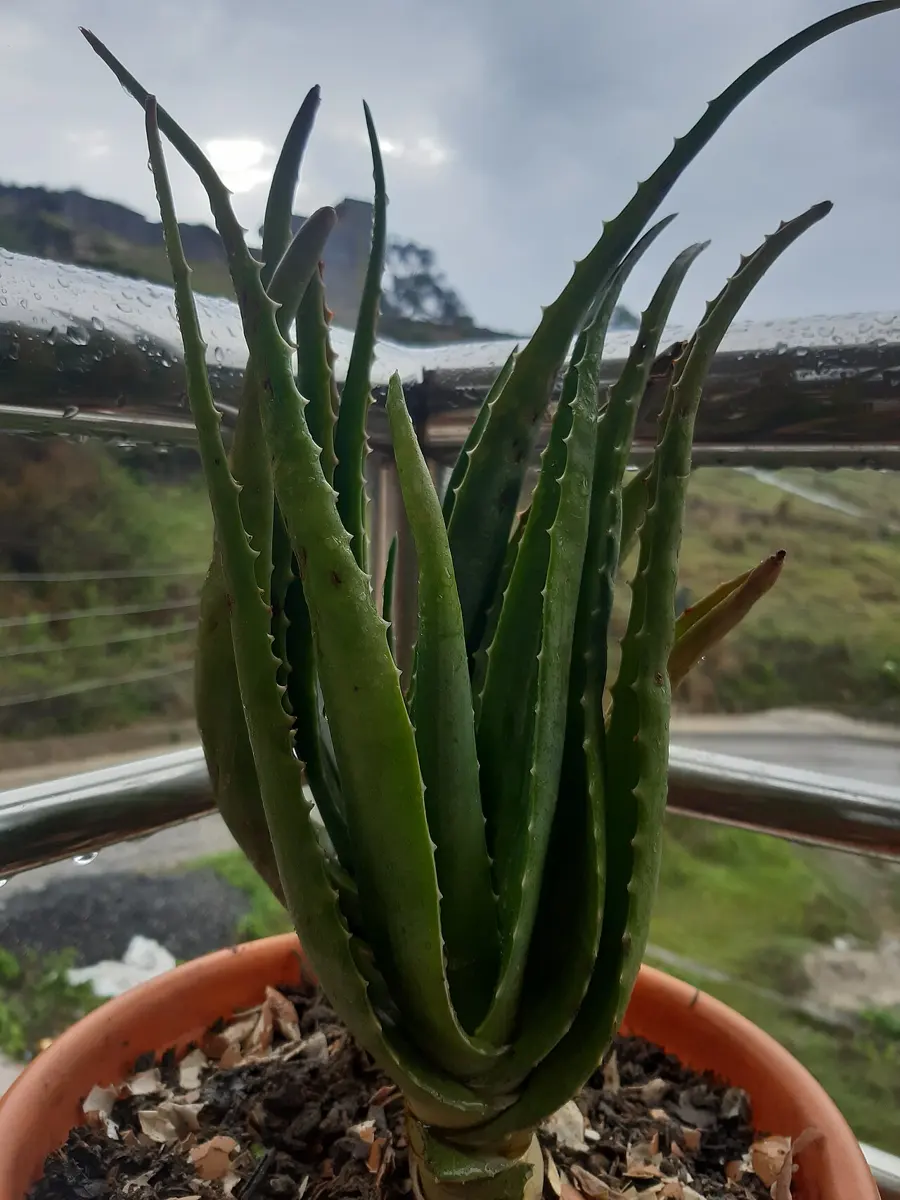
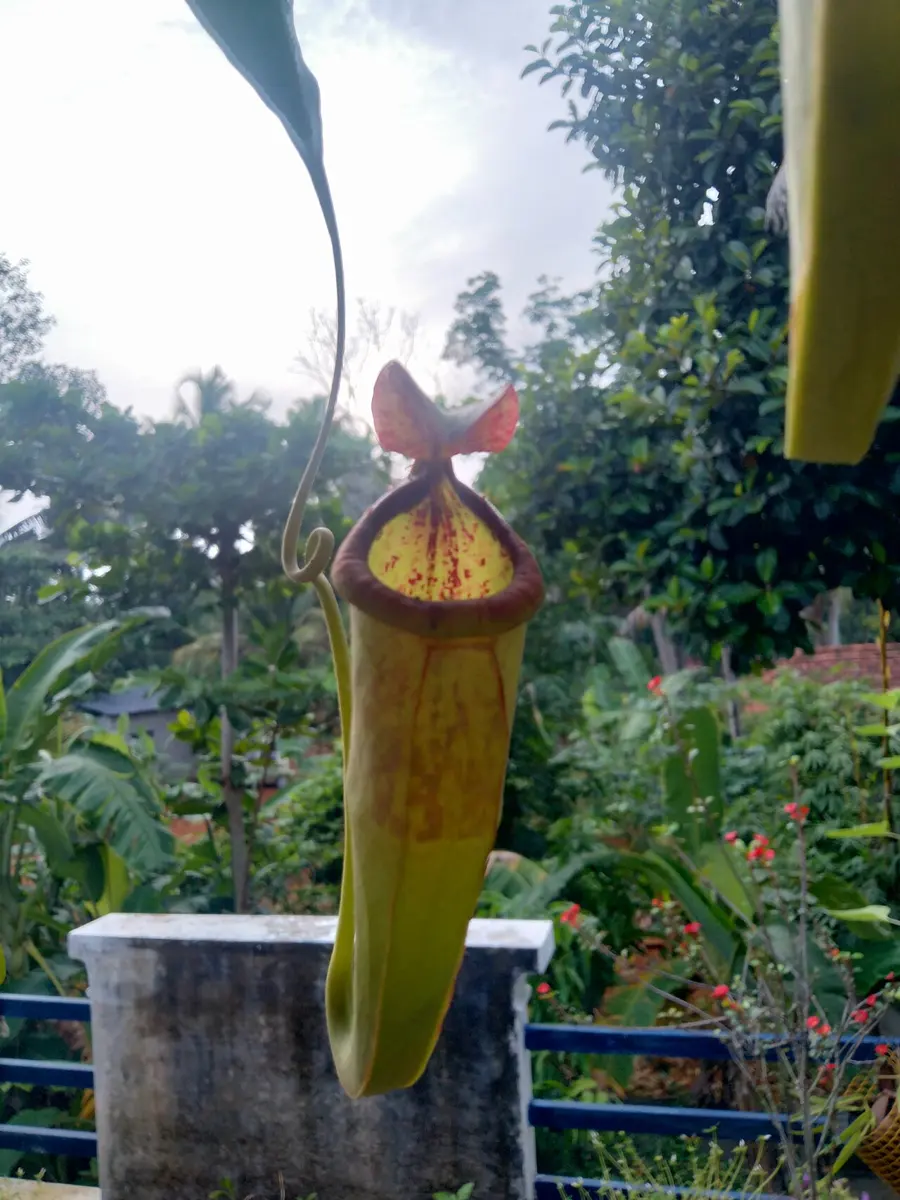
Here are the jobs of leaves:
- a.Leaves make food for the plant by photosynthesis.
- b.Gases (carbon dioxide and oxygen) and water vapor pass in and out of the leaf through the stomata.
- c.In cactus, the leaves have become spines, which keep animals away. With spines instead of broad leaves, the plant loses very little water by transpiration, so it can live in dry places. The thick leaves of plants such as aloe store water and food.
- d.New plants can grow from the leaves of some plants, such as Bryophyllum (patharchatta): vegetative propagation by leaves.
- e.In insect-eating (insectivorous) plants, such as the pitcher plant, the leaves catch insects, which give the plant extra nutrients.
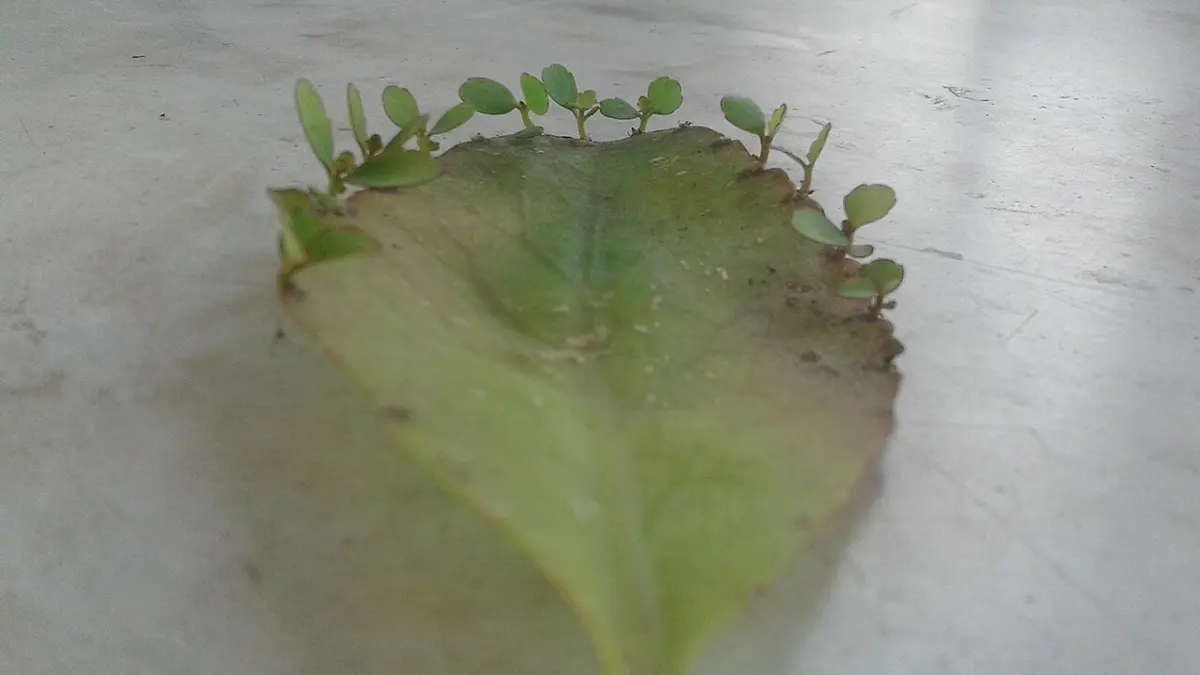
Why is the leaf called the food factory of a plant?
Pick an answer to see why.
A maize leaf has no petiole and its veins run side by side. What kind of plant is maize?
Pick an answer to see why.
3.1.4 Flower and its functions
Flowers differ in their color, smell and shape, but most flowers have four main parts, in rings (whorls), from the outside in:
- a.Calyx, made of sepals
- b.Corolla, made of petals
- c.Androecium, made of stamens (the male part)
- d.Gynoecium, made of pistils (the female part)
- The calyx is the outermost ring of small green leaf-like parts, the sepals. They cover and protect the flower while it is a bud.
- The corolla is the ring of colored petals inside the calyx. Their bright colors and smell attract insects and birds, which help in pollination.
- The androecium is the ring of stamens inside the petals. Each stamen has a thin stalk, the filament, and a swollen top, the anther (pollen sac). Pollen grains form in the anther, and the male gametes (male sex cells) form from the pollen grains.
- The gynoecium is in the very middle of the flower. It is made of one or more pistils; a pistil is also called a carpel. Each pistil has a sticky tip, the stigma, a stalk, the style, and a swollen base, the ovary. Inside the ovary are the ovules, and the female gamete (the egg) forms in each ovule.
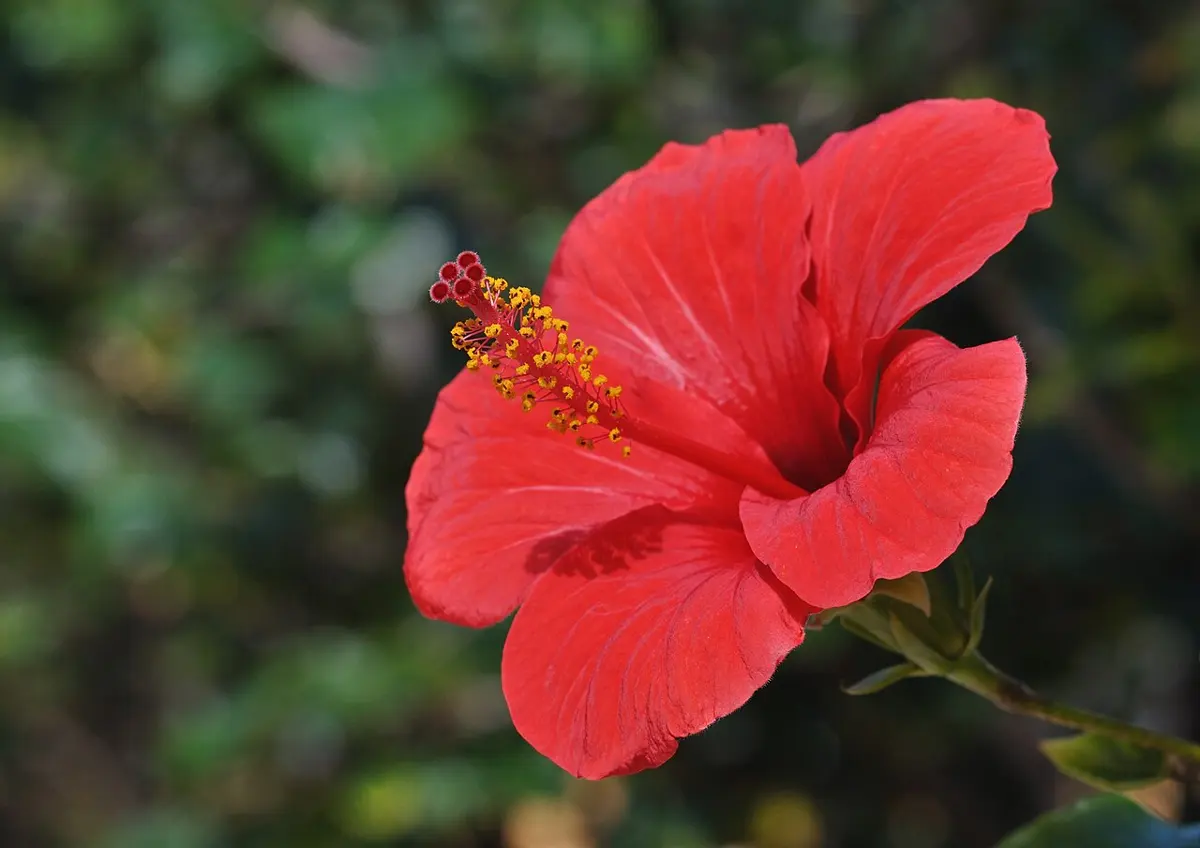
The stamens and pistils make the seeds, through two steps:
- Pollination: pollen grains are carried from the anther of a stamen to the stigma of a pistil. Insects, birds and the wind carry pollen.
- Fertilization: a male gamete from the pollen grain joins with the female gamete (egg) inside the ovule. Fertilization happens inside the ovule.
After fertilization, the ovule grows into a seed and the ovary grows into a fruit.
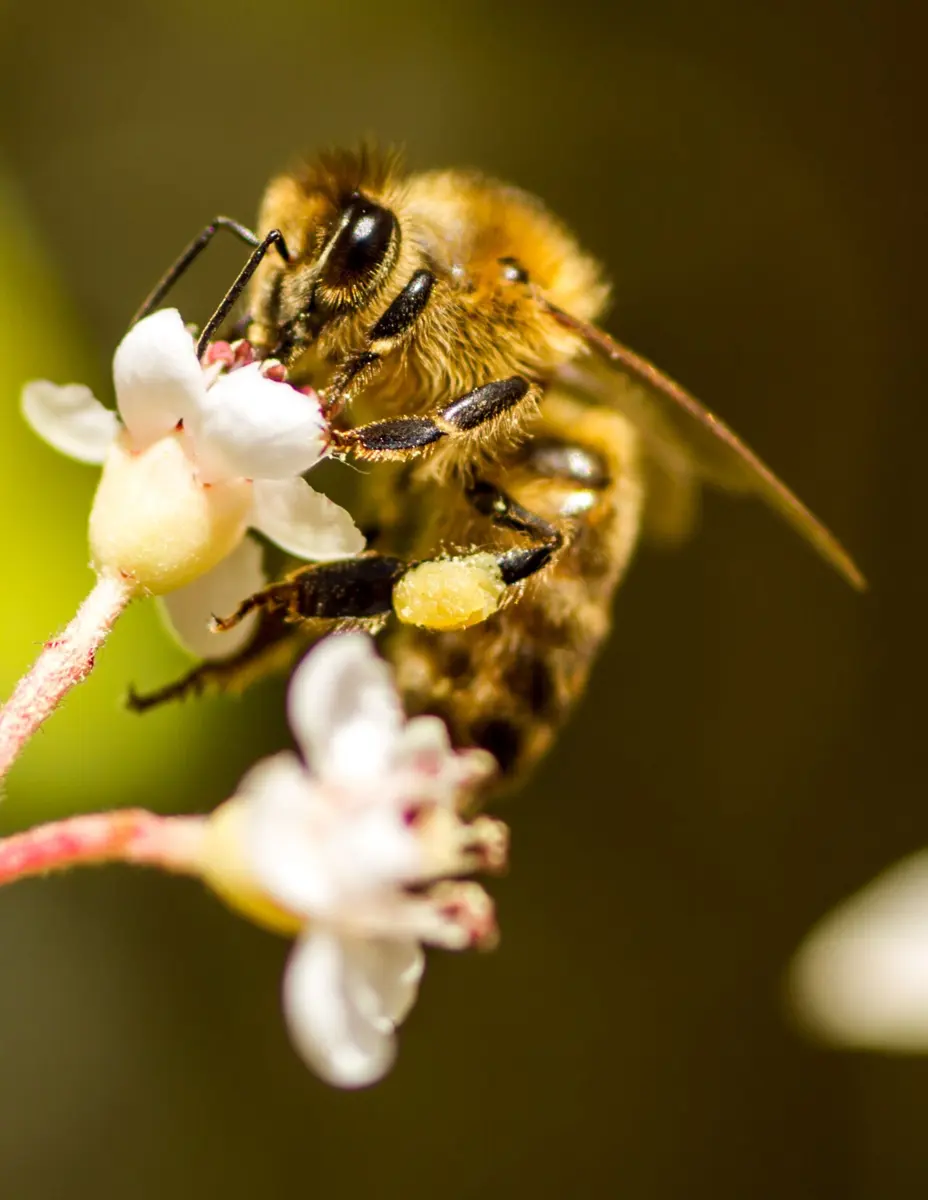
Which part of a flower grows into the fruit?
Pick an answer to see why.
Which of these are the male parts of a flower?
Pick an answer to see why.
3.1.5 Fruit and its functions
A fruit has a wall, the pericarp, round its seeds. In a juicy fruit the wall has three layers:
- the exocarp: the outermost layer, the skin;
- the mesocarp: the thick layer under it, often the juicy part we eat;
- the endocarp: the innermost layer, round the seeds. In a mango or a plum it is the hard stone.
The three layers together are the pericarp. The pericarp protects the seeds.
Most flowering plants grow new plants from seeds. A seed has three main parts:
- the seed coat: its tough outer covering, which protects the inside;
- the embryo: the baby plant. It has a tiny root, the radicle, and a tiny shoot, the plumule;
- the food store for the baby plant: the cotyledons (seed leaves) and the endosperm.
The seed of a monocot has one cotyledon and a large endosperm. The seed of a dicot has two cotyledons and little endosperm.
A ripe seed sprouts (germinates) when it gets water, air and a suitable temperature. The embryo takes food from the cotyledons (or the endosperm). The radicle comes out first and grows into the root; the plumule grows into the shoot. After germination, the embryo grows into a new plant.
So a fruit does more than look and taste good. Its main jobs are to protect the seeds while they ripen and to help spread them (when animals eat a juicy fruit and drop its seeds far away, for example), so that new plants grow in new places.
Exercise (3.1 Parts of a plant)
1. Choose the correct answer
a. What is the main job of a root?
Pick an answer to see why.
b. Which part of a plant usually carries out photosynthesis?
Pick an answer to see why.
c. Which of these is a modified stem?
Pick an answer to see why.
d. What happens in pollination?
Pick an answer to see why.
e. The table gives some parts of a flower. Which are the male parts?
| 1. stamen | 4.anther | 7.sepal |
|---|---|---|
| 2.ovary | 5.stigma | 8.pistil |
| 3.petal | 6.pollen grain | 9.ovule |
Pick an answer to see why.
f. The pitcher plant is an insect-eating plant. Part of its leaf is shaped like a jug. When an insect comes near, it slips in, the lid above the jug covers it, and the plant kills it in its digestive juices and absorbs the nutrients. For what purpose has the jug-shaped leaf been modified?
Pick an answer to see why.
g. What is the main job of a fruit?
Pick an answer to see why.
h. When a plant reproduces, which of these happens first?
Pick an answer to see why.
2. Fill in the blanks with the right word
stem, root, leaf, fruit, flower, seed
The food factory of a plant is the ______.
Answer
The food factory of a plant is the leaf.
The water absorbed by the roots is carried to the leaves by the ______.
Answer
The water absorbed by the roots is carried to the leaves by the stem.
Salts are absorbed from the soil by the ______.
Answer
Salts are absorbed from the soil by the root.
The corolla is a part of the ______.
Answer
The corolla is a part of the flower.
3. Answer these questions
Write any two jobs of a leaf.
Answer
- i.A leaf makes food for the plant by photosynthesis.
- ii.Gases and water vapor pass in and out of the plant through the stomata of the leaf.
(Others: storing water and food, as in aloe; protecting the plant, as spines in cactus; growing new plants, as in Bryophyllum.)
Name some modified stems of plants.
Answer
Potato (tuber), ginger (rhizome), taro or pindalu (corm), onion and garlic (bulbs), the tendrils of a grapevine, and the green stem of a cactus.
Write any three jobs of roots.
Answer
- i.Roots hold the plant firmly in the soil.
- ii.They absorb water and mineral salts from the soil.
- iii.Some roots store food, as in carrot and radish; some hold the plant up, as the stilt roots of maize and the prop roots of banyan; and new plants grow from some, as from sweet potato.
What are the main jobs of a stem?
Answer
- i.It holds up the leaves, flowers and fruits.
- ii.It carries water and salts from the roots up to the leaves.
- iii.It carries the food made in the leaves to every part of the plant.
- iv.Some stems store food (potato, ginger, taro).
- v.Green stems make food where there are no proper leaves (cactus).
- vi.New plants grow from the stems of some plants (sugarcane, rose).
Plants that grow in dry places often have leaves changed into spines. How does this help them?
Answer
- i.A spine has a very small surface and few or no stomata, so the plant loses very little water by transpiration. This helps it survive where water is scarce.
- ii.The sharp spines keep animals from eating the plant.
(The plant’s thick green stem makes its food and stores water instead.)
At the local market, Reshma bought sweet potatoes and Naresh bought potatoes.
- i.Which part of a plant did Reshma buy: root, stem, leaf, fruit or seed?
- ii.Which part of a plant did Naresh buy?
Answer
- i.Reshma bought roots. A sweet potato is a root swollen with stored food; it has no nodes or buds.
- ii.Naresh bought stems. A potato is an underground stem (a tuber): its eyes are nodes with buds.
The figure shows the inside of a bean seed, with six parts marked A to F.
- i.Which parts grow into the new plant?
- ii.Which part comes out first when the seed germinates?
- iii.What are the jobs of parts B and C?
- iv.How is this seed different from a wheat grain?
Answer
- i.A, the plumule, grows into the shoot, and B, the radicle, grows into the root. Together they are the embryo.
- ii.B, the radicle. It comes out first and grows down into the soil.
- iii.B (radicle) grows into the root of the new plant. C (the seed coat) covers and protects the inside of the seed.
- iv.A bean is a dicot: it has two cotyledons (F), and its food is stored in them, with little or no endosperm. A wheat grain is a monocot: it has one cotyledon and a large endosperm that holds its food.
3.2 Invertebrates
Look at a frog, a lizard, a cat, a snake, a butterfly, a snail and an earthworm.
- a.How are their bodies built differently?
- b.Do all of them have a backbone?
Some animals have a backbone, a row of small bones down the middle of the back. You can feel your own. Animals with a backbone are vertebrates: cow, buffalo, dog, cat, birds, frogs, snakes and fish. Animals without a backbone are invertebrates: earthworm, leech, cockroach, slug, snail, butterfly, housefly.
Some animals around us are too small to be seen with the naked eye. We need a microscope to see them. They are microorganisms. Most of them are made of a single cell, and are called unicellular. Animals made of many cells are multicellular.
From such features, scientists have found that invertebrates are of many kinds. By their similarities and differences they are sorted into nine groups, each called a phylum (plural phyla).
| Phylum | In plain words | Examples |
|---|---|---|
| 1.Protozoa | unicellular animals | Amoeba, Paramecium, Euglena, Plasmodium |
| 2.Porifera | porous animals | sponges: Spongilla, Sycon |
| 3.Coelenterata | hollow-bodied animals | Hydra, coral, jellyfish |
| 4.Platyhelminthes | flat animals (flatworms) | tapeworm, liver fluke, planaria |
| 5.Nemathelminthes | round, unsegmented animals (roundworms) | Ascaris, hookworm, pinworm |
| 6.Annelida | round, segmented animals | earthworm, leech |
| 7.Arthropoda | animals with jointed legs | mosquito, butterfly, crab, prawn, cockroach |
| 8.Mollusca | soft-bodied animals | snail, mussel, octopus |
| 9.Echinodermata | spiny-skinned animals | starfish, sea urchin, sea cucumber |
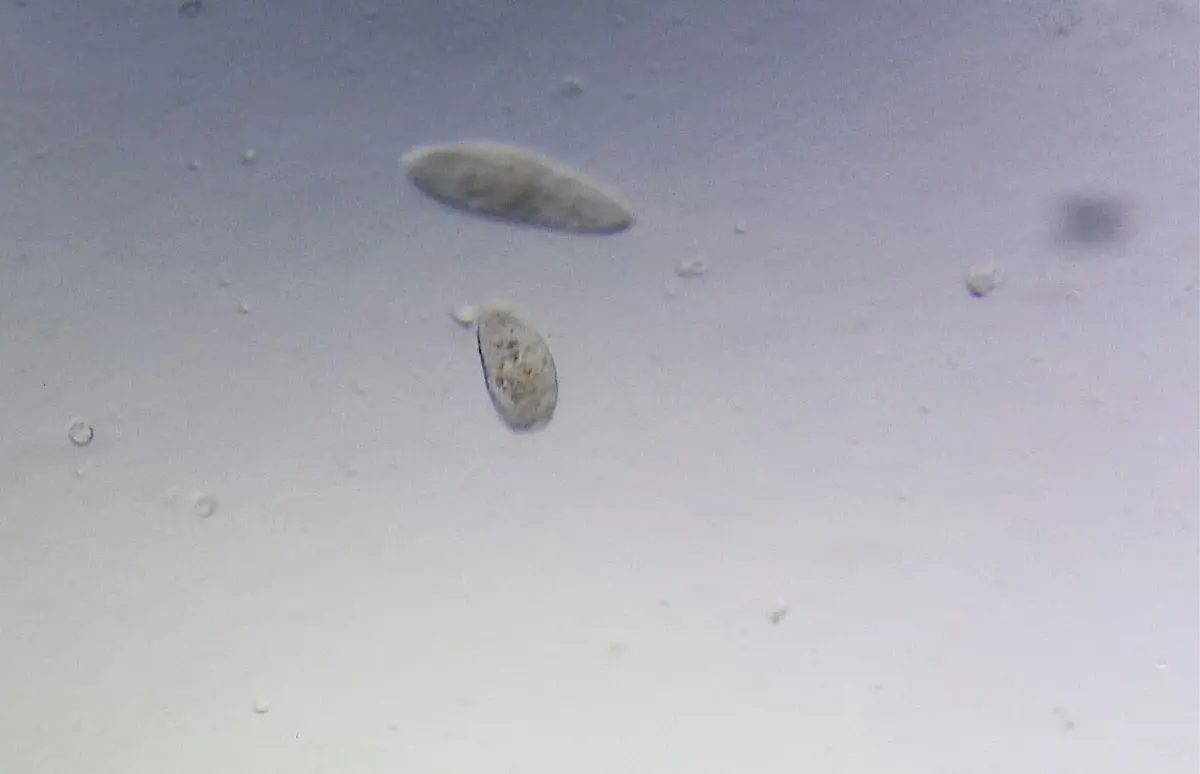
1. Unicellular animals
Features of unicellular animals:
- a.The whole body is one cell.
- b.Most live in water; some live inside the bodies of other animals as parasites.
- c.They move about (locomotion) with pseudopodia (“false feet”, as Amoeba does), a flagellum (a long whip, as Euglena) or cilia (tiny hairs, as Paramecium).
- d.Every life process, such as digestion and reproduction, happens in that single cell. They reproduce asexually, without a partner: one cell usually splits into two.
The group of unicellular animals is the phylum Protozoa. Examples: Amoeba, Paramecium, Euglena and Plasmodium.
2. Porous animals
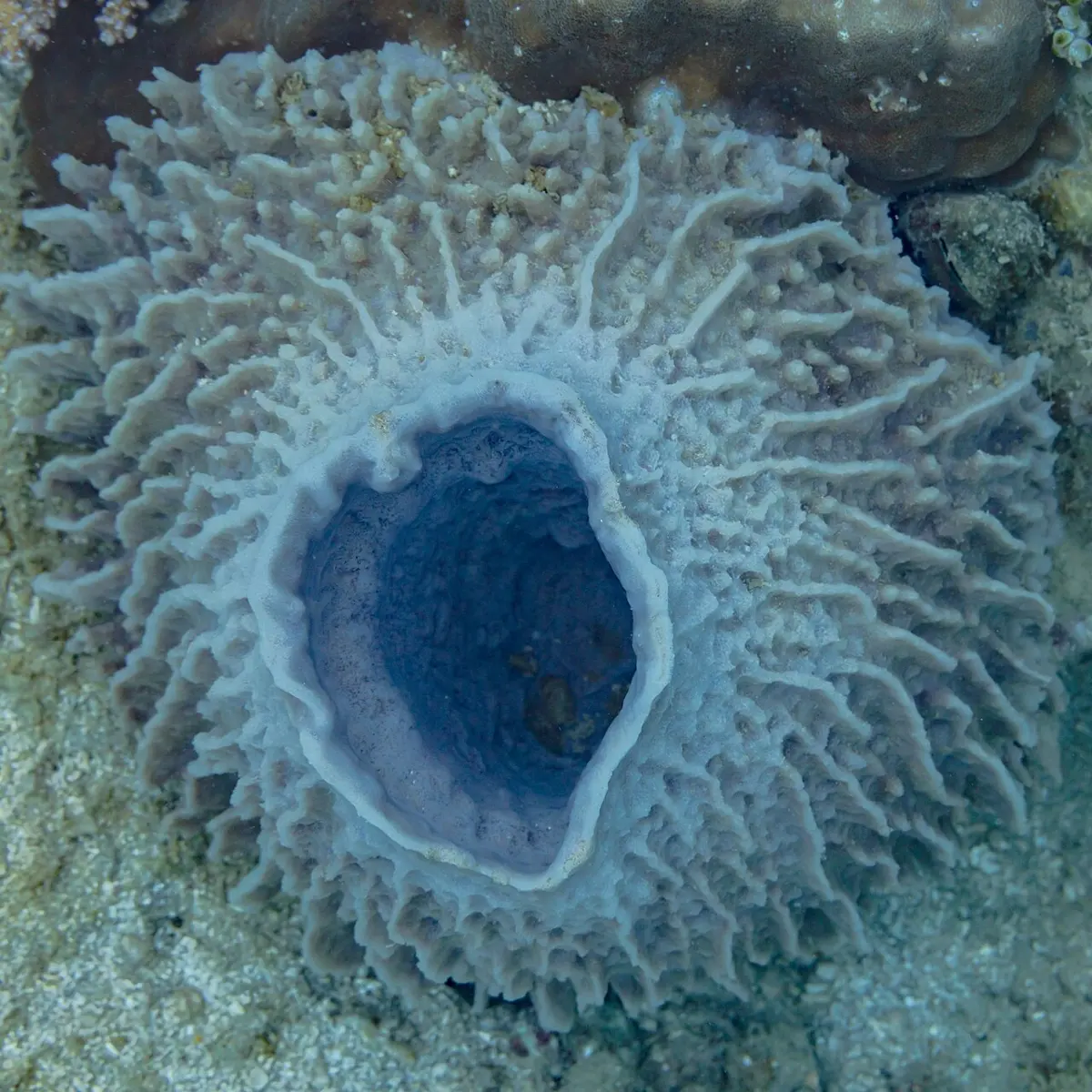
Features of porous animals:
- a.Their body wall is made of two layers of cells (diploblastic).
- b.Tiny pores, the ostia (one is an ostium), cover the body. A large hole at the top of the body is the osculum.
- c.They live in water, fixed to a rock or another surface. They can’t move from place to place.
- d.Water carrying food enters the body through the ostia. Waste leaves through the osculum.
- e.They can grow a whole new sponge from a broken piece of the body. Making a new organism from a broken part of the body is regeneration. (Sponges also reproduce by budding, and by eggs and sperm.)
The group of porous animals is the phylum Porifera (“pore bearers”). Examples: Spongilla, Sycon, Euspongia (the bath sponge).
3. Hollow-bodied animals
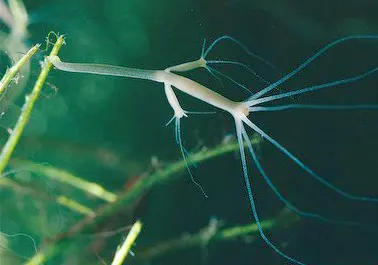
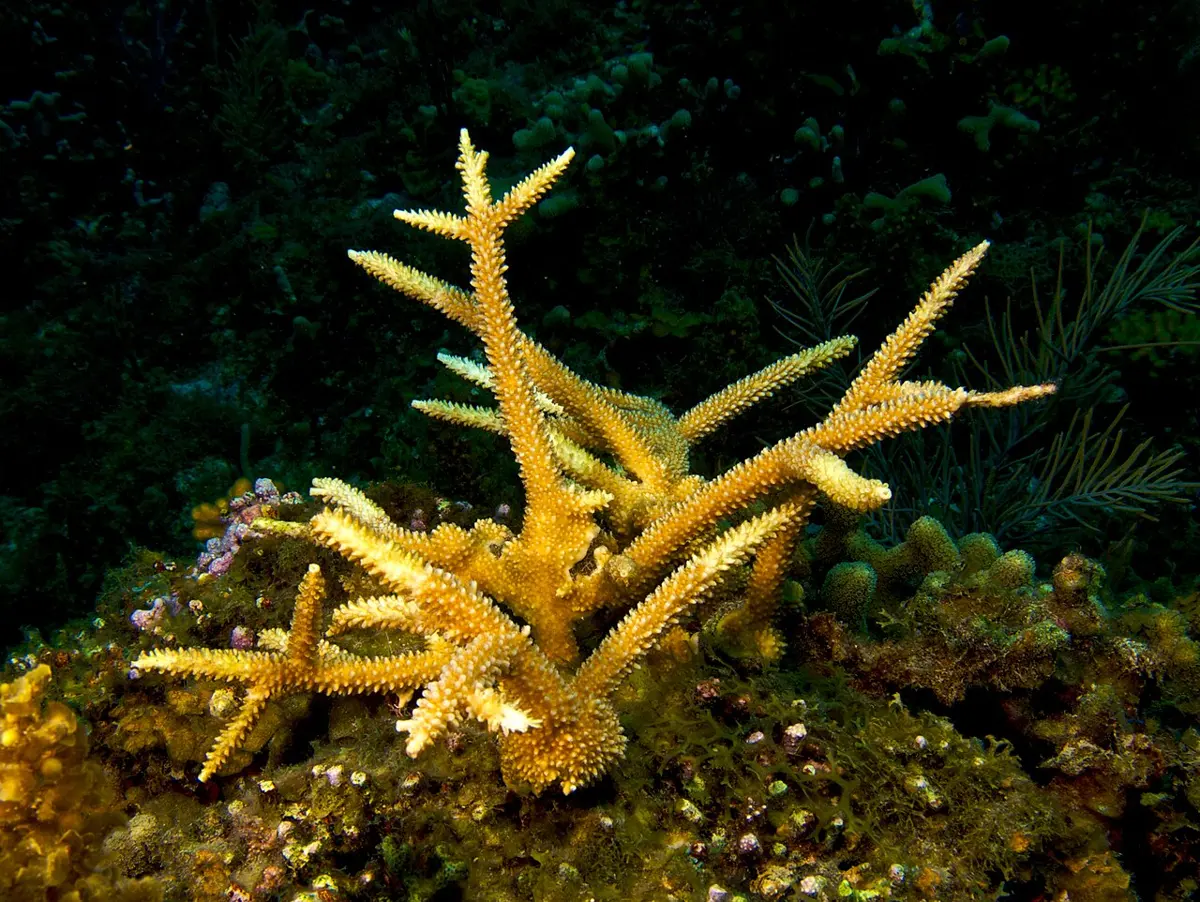
Features of hollow-bodied animals:
- a.Their body is hollow, like a pipe.
- b.They have thread-like tentacles round the mouth. The tentacles have stinging cells that shoot tiny poisoned threads into prey.
- c.Food goes in and waste goes out through the same opening, the mouth: taking in food (ingestion) and throwing out the undigested waste (egestion) both happen through it.
- d.They use their tentacles to catch food and push it into the mouth, and to move about.
- e.They reproduce by budding (a new animal grows from the side of the body and breaks off) and by fragmentation (a broken piece grows into a new animal).
The group of hollow-bodied animals is the phylum Coelenterata (“hollow gut”). Examples: Hydra, coral, jellyfish, sea anemone, Obelia.
4. Flat animals
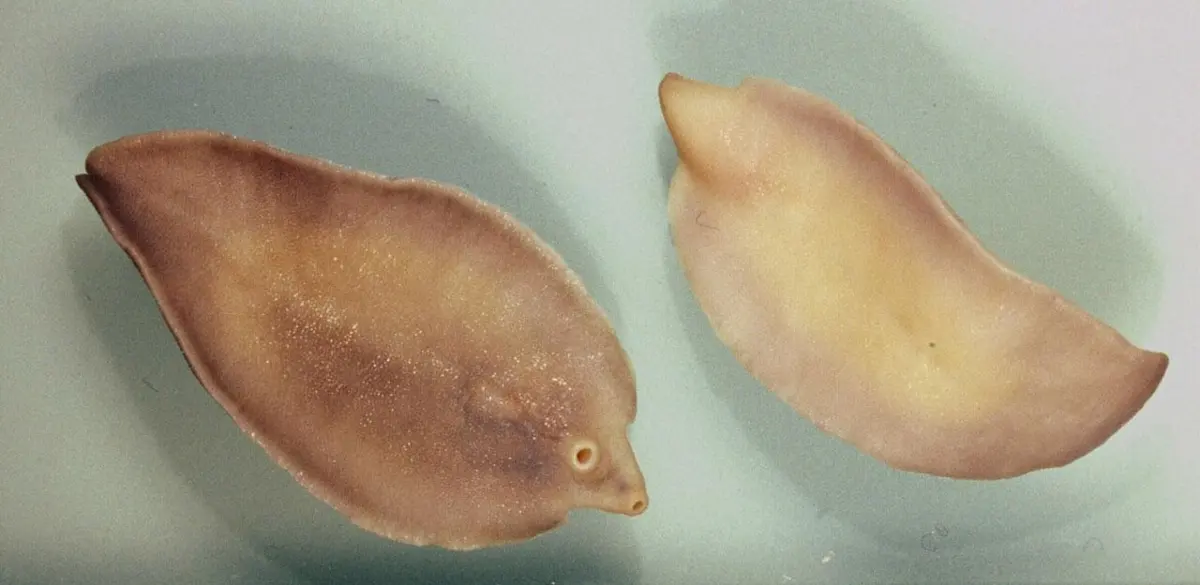
Features of flat animals:
- a.Their body is flat: broad like a leaf, or long like a ribbon.
- b.Most of them are parasites, living in or on another animal.
- c.They have suckers with which they hold on to their host, and many suck in their food through the sucker round the mouth.
- d.Their gut has a mouth but no anus. (A tapeworm has no gut at all: it soaks up food already digested by its host through its body surface.)
- e.They are hermaphrodite (bisexual): both male and female sex organs are in the same animal.
The group of flat animals is the phylum Platyhelminthes (“flat worms”). Examples: liver fluke, tapeworm, Planaria (which lives free in streams, not as a parasite).
5. Unsegmented, cylindrical animals
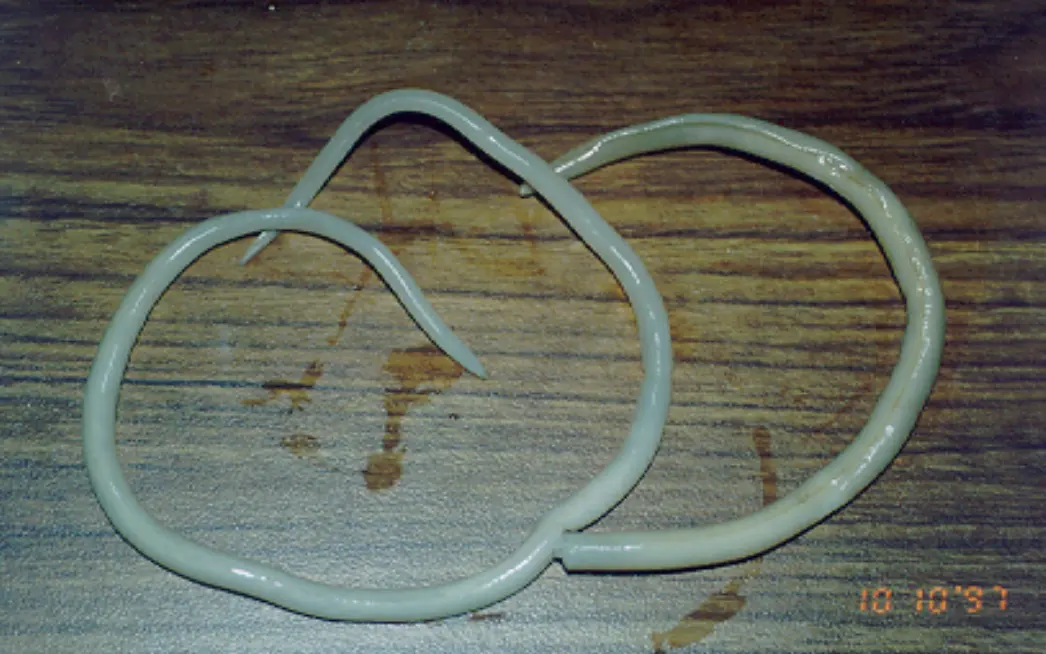
Features of unsegmented, cylindrical animals:
- a.Their body is cylindrical (round, like a thread or a pencil) and not divided into segments.
- b.The body is covered with a tough, smooth skin, the cuticle.
- c.Most of them are parasites. Some live free in water and soil.
- d.They are unisexual: the male and the female are separate animals.
- e.They have a complete gut, with a mouth at one end and an anus at the other.
The group of round, unsegmented animals is the phylum Nemathelminthes (roundworms). Examples: Ascaris, hookworm, pinworm (churna), and the filarial worm that causes elephantiasis (hattipaile).
6. Segmented, cylindrical animals
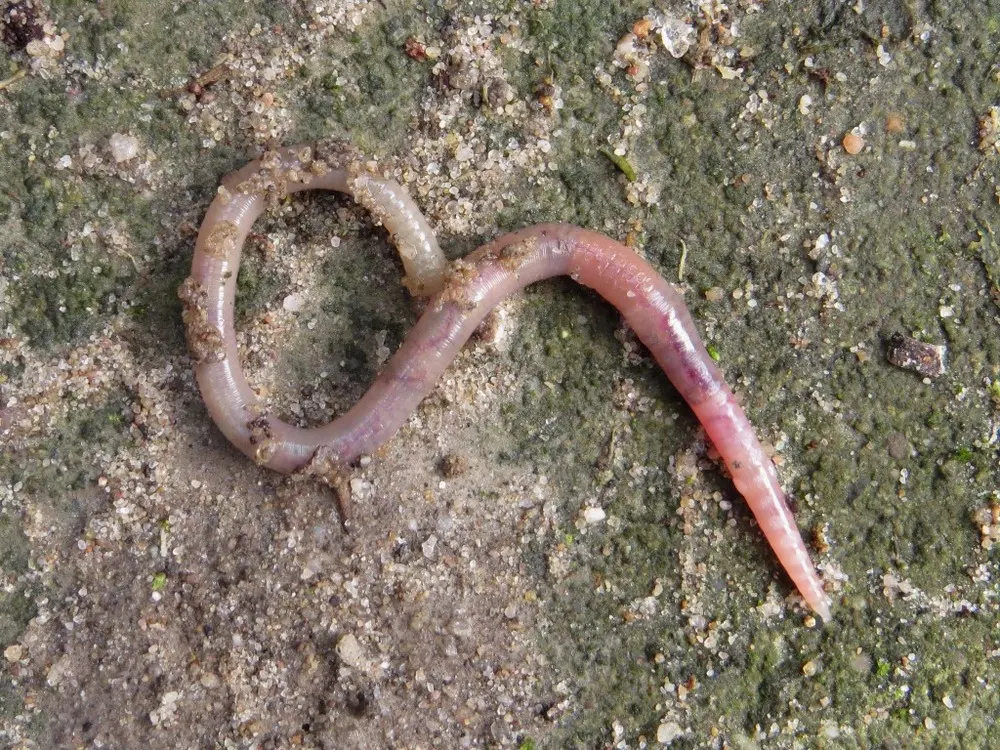
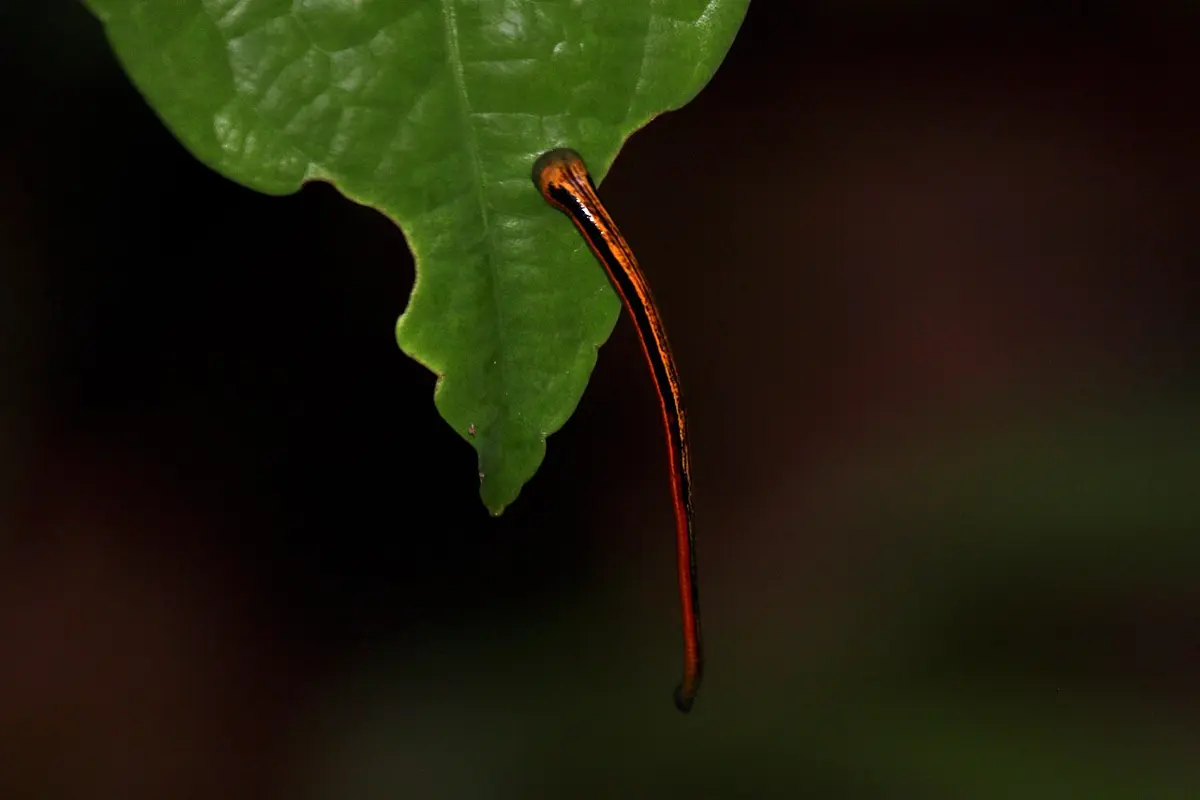
Features of segmented, cylindrical animals:
- a.Their body is cylindrical and divided into segments, ring by ring.
- b.Their skin is soft and moist, and they breathe through their skin. That is why an earthworm dies if its skin dries out in the sun.
- c.Most live in water or in moist soil.
- d.Earthworms and leeches are hermaphrodite (bisexual): both male and female sex organs are in the same animal. (Some sea worms, such as Nereis, have separate sexes.)
- e.They move with the help of tiny bristles, the setae (earthworm and sandworm), or suckers (leech).
The group of round, segmented animals is the phylum Annelida (“ringed”). Examples: earthworm, leech (juka), Nereis (the sandworm), Tubifex.
Ascaris and the earthworm are both long and round. Why are they in different phyla?
Pick an answer to see why.
7. Animals with jointed legs
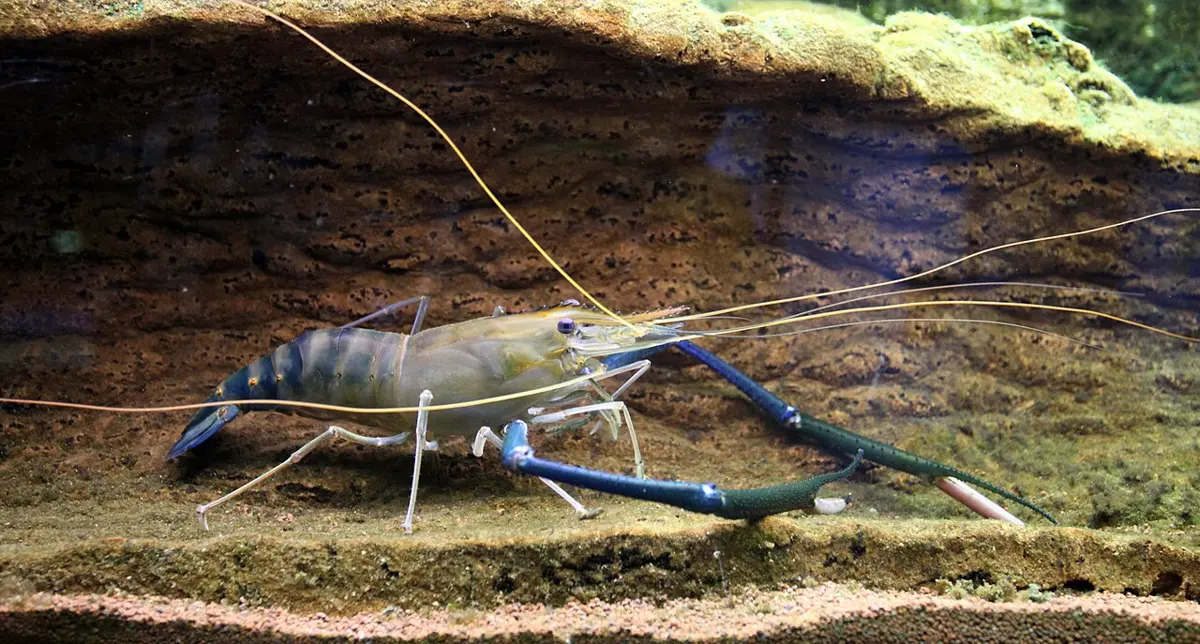
Features of animals with jointed legs:
- a.Their legs are made of segments joined together, so they bend at joints. They have three pairs or more of legs. Many of them, such as most insects, have wings.
- b.The outside of the body is a hard covering, the exoskeleton (outer skeleton).
- c.The sexes are separate: male and female are different animals.
- d.Most have compound eyes, made of many tiny eyes, which let them see all round without turning their head.
The group of animals with jointed legs is the phylum Arthropoda (“jointed feet”). Examples: mosquito, butterfly, crab, prawn, cockroach, spider, centipede.
8. Soft-bodied animals
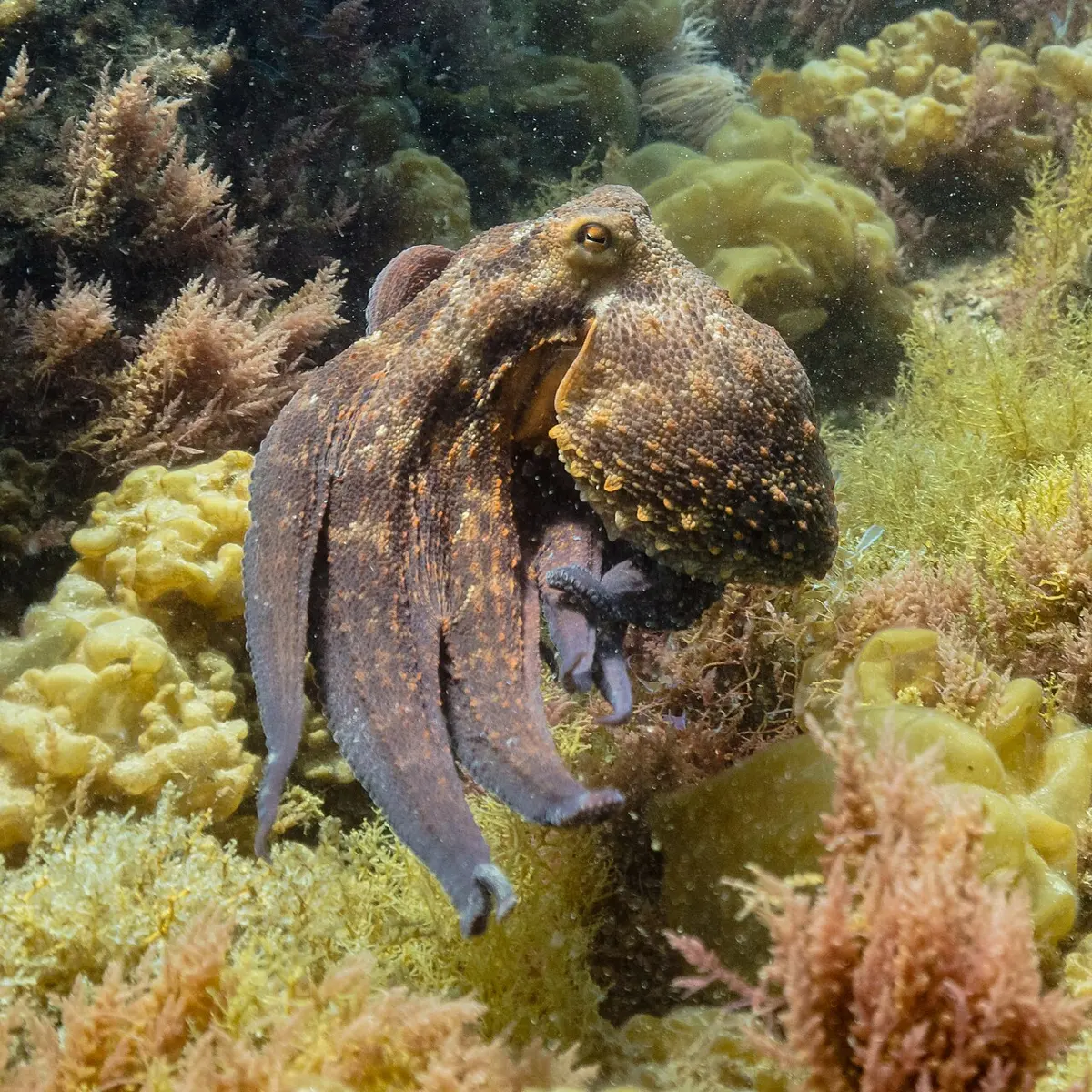
Features of soft-bodied animals:
- a.They have a soft, moist body and a single muscular foot, with which they move.
- b.They live both in water and on land.
- c.Many have tentacles on the head.
- d.Most have a hard shell covering the body.
- e.In many of them the male and female are separate animals.
The group of soft-bodied animals is the phylum Mollusca (“soft”). Examples: snail, mussel (sipi), octopus, slug.
9. Spiny animals
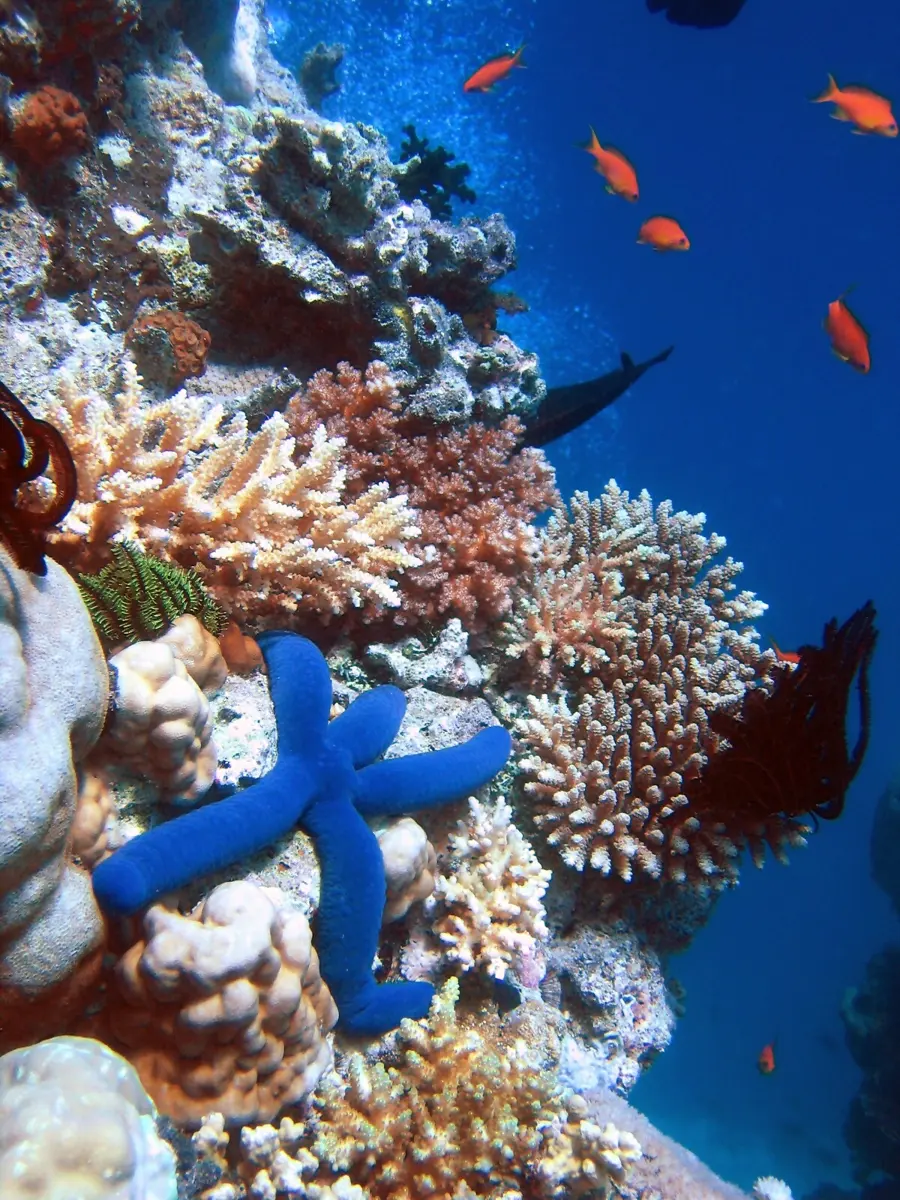
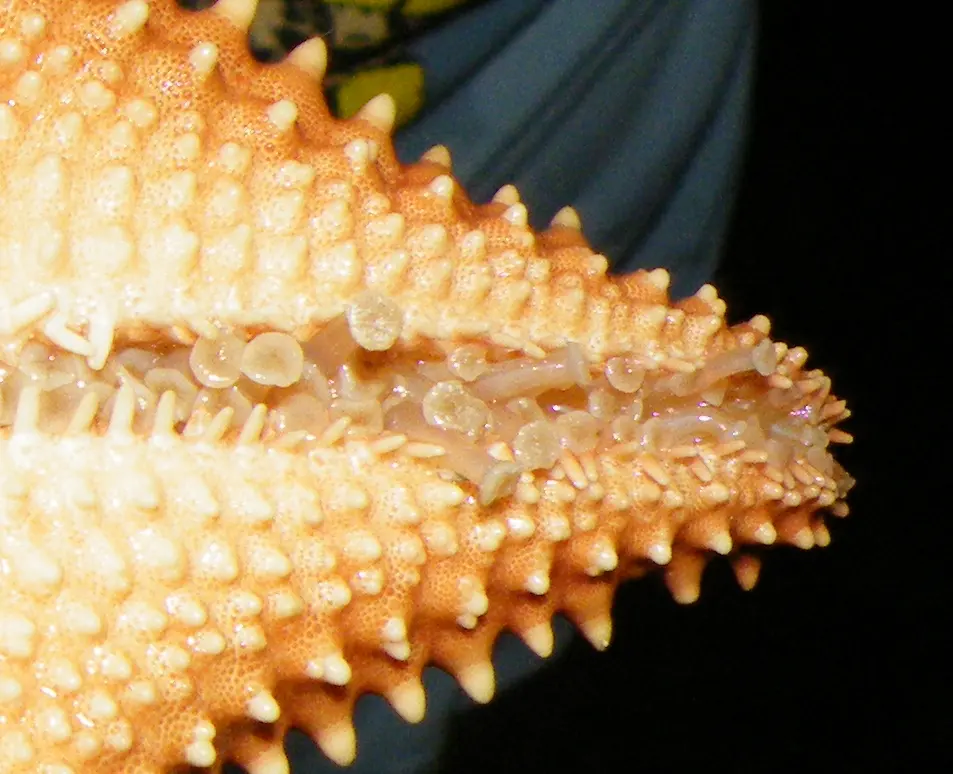
Features of spiny animals:
- a.Their body is covered with spiny skin. The spines are made of calcium carbonate (the substance of limestone and chalk).
- b.They live only in the sea.
- c.They have no clear head.
- d.They move with many small tube feet, with which they crawl along the sea floor and hold on to rocks and prey.
- e.Most of them can regenerate: a starfish that loses an arm grows a new one.
The group of spiny animals is the phylum Echinodermata (“spiny skin”). Examples: starfish, sea urchin, sea cucumber.
Exercise (3.2 Invertebrates)
1. Choose the correct answer
a. In which phylum is the snail?
Pick an answer to see why.
b. The animals of which phylum are found only in the sea?
Pick an answer to see why.
c. Which one is a unicellular animal?
Pick an answer to see why.
d. Which of these is a feature of animals with a cylindrical, unsegmented body?
Pick an answer to see why.
e. Which of these is a unisexual parasite with a cylindrical, unsegmented body?
Pick an answer to see why.
f. What is the main feature of the phylum the prawn belongs to?
Pick an answer to see why.
g. The animals of which phylum are hermaphrodite (bisexual)?
Pick an answer to see why.
2. Fill in the blanks with the right word
tentacles, bisexual, Annelida, Porifera, Protozoa
Animals with a cylindrical, segmented body are put in the phylum ______.
Answer
Animals with a cylindrical, segmented body are put in the phylum Annelida.
Flat animals are ______.
Answer
Flat animals are bisexual (hermaphrodite).
Sponges are put in the phylum ______.
Answer
Sponges are put in the phylum Porifera.
All single-celled animals are grouped in the phylum ______.
Answer
All single-celled animals are grouped in the phylum Protozoa.
3. Answer these questions
Write the phylum of each of these animals: leech, prawn, starfish, earthworm, Euglena, tapeworm, snail, Hydra, sponge.
Answer
| Animal | Phylum |
|---|---|
| leech | Annelida |
| prawn | Arthropoda |
| starfish | Echinodermata |
| earthworm | Annelida |
| Euglena | Protozoa |
| tapeworm | Platyhelminthes |
| snail | Mollusca |
| Hydra | Coelenterata |
| sponge | Porifera |
Why is a butterfly put in the phylum Arthropoda?
Answer
Because it has the features of arthropods: jointed legs (three pairs), a hard exoskeleton covering its body, and compound eyes. Its body is in segments, and the sexes are separate.
Write any three features of the phylum Protozoa.
Answer
- i.The body is made of a single cell.
- ii.They move with pseudopodia, a flagellum or cilia.
- iii.All life processes, such as digestion and reproduction, happen in the one cell; they reproduce asexually.
(Also: most live in water, and some are parasites, such as Plasmodium.)
What kind of animals are put in the phylum Porifera?
Answer
Animals whose body is full of tiny pores (ostia), with a large opening (osculum) at the top; whose body wall has two layers of cells; that live in water fixed to one place; that take in water and food through the ostia and send waste out through the osculum; and that can regenerate from broken pieces. These are the sponges, such as Spongilla and Sycon.
Name any two phyla that have bisexual (hermaphrodite) animals.
Answer
Platyhelminthes (tapeworm, liver fluke) and Annelida (earthworm, leech).
Write one similarity and one difference between flatworms and roundworms.
Answer
Similarity: most of both are parasites (and neither has a body in segments).
Difference: a flatworm’s body is flat, and its gut has no anus; a roundworm’s body is round (cylindrical), and its gut has both a mouth and an anus. (Also: flatworms are hermaphrodite; roundworms have separate sexes.)
Write any three features of animals in the phylum Mollusca.
Answer
- i.They have a soft, moist body.
- ii.They have one muscular foot for moving.
- iii.Most have a hard shell covering the body.
(Also: many have tentacles on the head; they live in water and on land.)
Write the differences between:
- i.Protozoa and Porifera
- ii.Arthropoda and Mollusca
- iii.earthworm and pinworm
- iv.Ascaris and leech
Answer
i.
| Protozoa | Porifera |
|---|---|
| the body is a single cell | the body is made of many cells, in two layers |
| they move with pseudopodia, a flagellum or cilia | they are fixed in one place |
| some are parasites | none are parasites |
| e.g. Amoeba, Paramecium | e.g. Spongilla, Sycon |
ii.
| Arthropoda | Mollusca |
|---|---|
| jointed legs | no jointed legs; one muscular foot |
| a hard exoskeleton | a soft body, usually inside a shell |
| body in segments | body not in segments |
| e.g. butterfly, prawn | e.g. snail, octopus |
iii.
| Earthworm | Pinworm |
|---|---|
| body in segments | body not in segments |
| lives free in moist soil | a parasite in the human intestine |
| hermaphrodite | separate sexes |
| phylum Annelida | phylum Nemathelminthes |
iv.
| Ascaris | Leech |
|---|---|
| round body, not in segments | body in segments |
| lives inside the intestine | lives outside its host, sucking blood through the skin |
| separate sexes | hermaphrodite |
| no suckers | a sucker at each end |
| phylum Nemathelminthes | phylum Annelida |
Draw neat diagrams of Amoeba, an earthworm, a snail and Hydra.
Answer
Draw each with a pencil and label it:
- Amoeba (Figure 3.23): an irregular blob with blunt pseudopodia; label the nucleus, cytoplasm, pseudopodia and a vacuole.
- Earthworm: a long, round body made of many rings; label the head (front) end, the segments, the clitellum (the pale band near the front) and the tail end.
- Snail (Figure 3.37): label the shell, muscular foot, head and the two pairs of tentacles (eyes on the long pair).
- Hydra (Figure 3.27): a tube with a ring of tentacles round the mouth at the top and a base at the bottom; label the tentacles, mouth, body, a bud and the base.
Ascaris and the earthworm look alike, but they are put in two different phyla. Explain why.
Answer
Both are long and round, but their bodies are built differently. The earthworm’s body is divided into segments (rings), it has setae, a moist skin through which it breathes, and both sexes in one animal: it belongs to Annelida. Ascaris’s body is not segmented; it is smooth and covered with a cuticle, it is a parasite, and males and females are separate: it belongs to Nemathelminthes. Animals are sorted by how their bodies are built, not just by how they look from far away.
Where do the animals of the phylum Echinodermata live? Write two features of this phylum.
Answer
They live only in the sea.
- i.Their body is covered with a spiny skin; the spines are made of calcium carbonate.
- ii.They have no clear head, and they move with tube feet.
(Also: most can regenerate lost arms.)
4. Answer these questions from the drawings
Which of these animals has tentacles?
Answer
A, the snail. It has two pairs of tentacles on its head, with eyes on the tips of the longer pair.
Which animal has no clear head?
Answer
C, the starfish. Its five arms grow from a central disc, and it has no head.
Which animal carries out all its life processes in a single cell?
Answer
B, Paramecium. Its whole body is one cell.
Which of them is a parasite found in the human intestine?
Answer
D, the tapeworm. It lives in the intestine and soaks up the food its host has already digested.
3.3 The cell
Look at a brick wall, and at the cells of an onion peel under a microscope. What is alike and what is different?
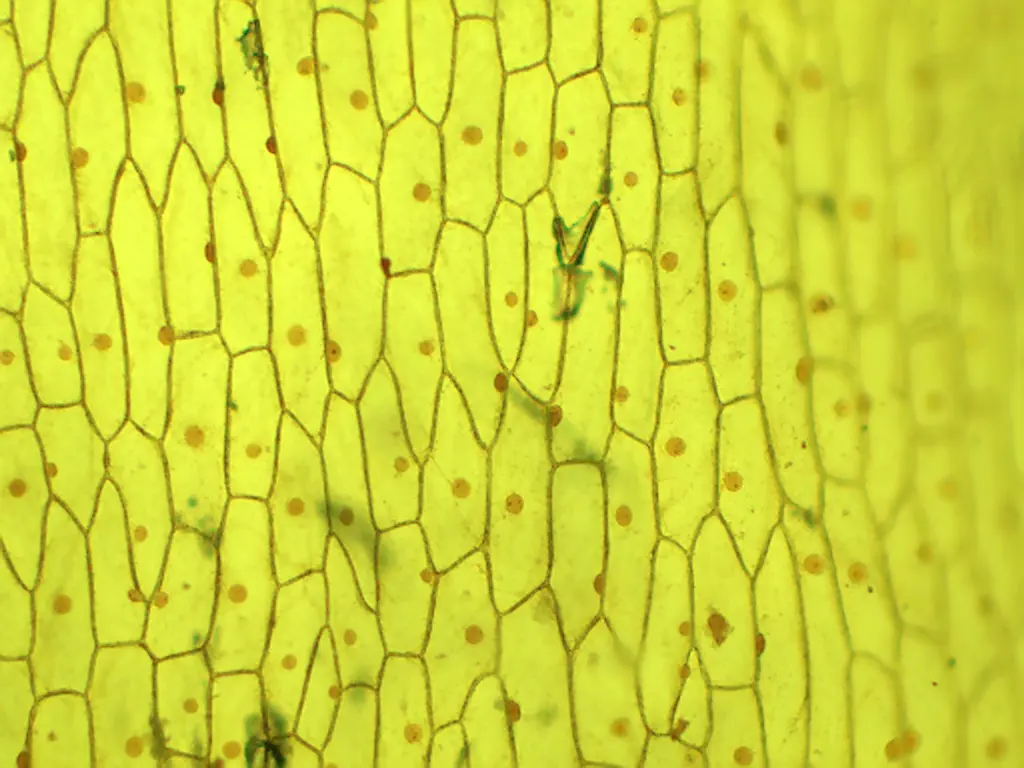
A wall is built of bricks or stones. In the same way, the body of every living thing is built of cells. There is one big difference: bricks are non-living, but cells are living. Add more bricks, and the wall grows bigger. In the same way, our body grows as the number of cells in it increases.
Cells are the basis of life. A cell is the structural unit of life (the body is built of cells) and the functional unit of life (the work of life, such as breathing, digesting and growing, is done in cells). So the cell is called the structural and functional unit of life.
Cells come in many shapes and sizes, because each kind of cell has its own job, and its shape suits that job. A nerve cell is long and thin, to carry messages; a muscle cell is long and pointed at both ends, to pull; a red blood cell is a small round disc, to carry oxygen.
The body of some living things, such as Amoeba, is a single cell: they are unicellular organisms. Living things whose bodies have many cells are multicellular organisms. In a multicellular organism, cells of the same kind join to form tissues; tissues join to form organs (such as the heart); organs work together as an organ system; and all the systems together make the body of an organism.
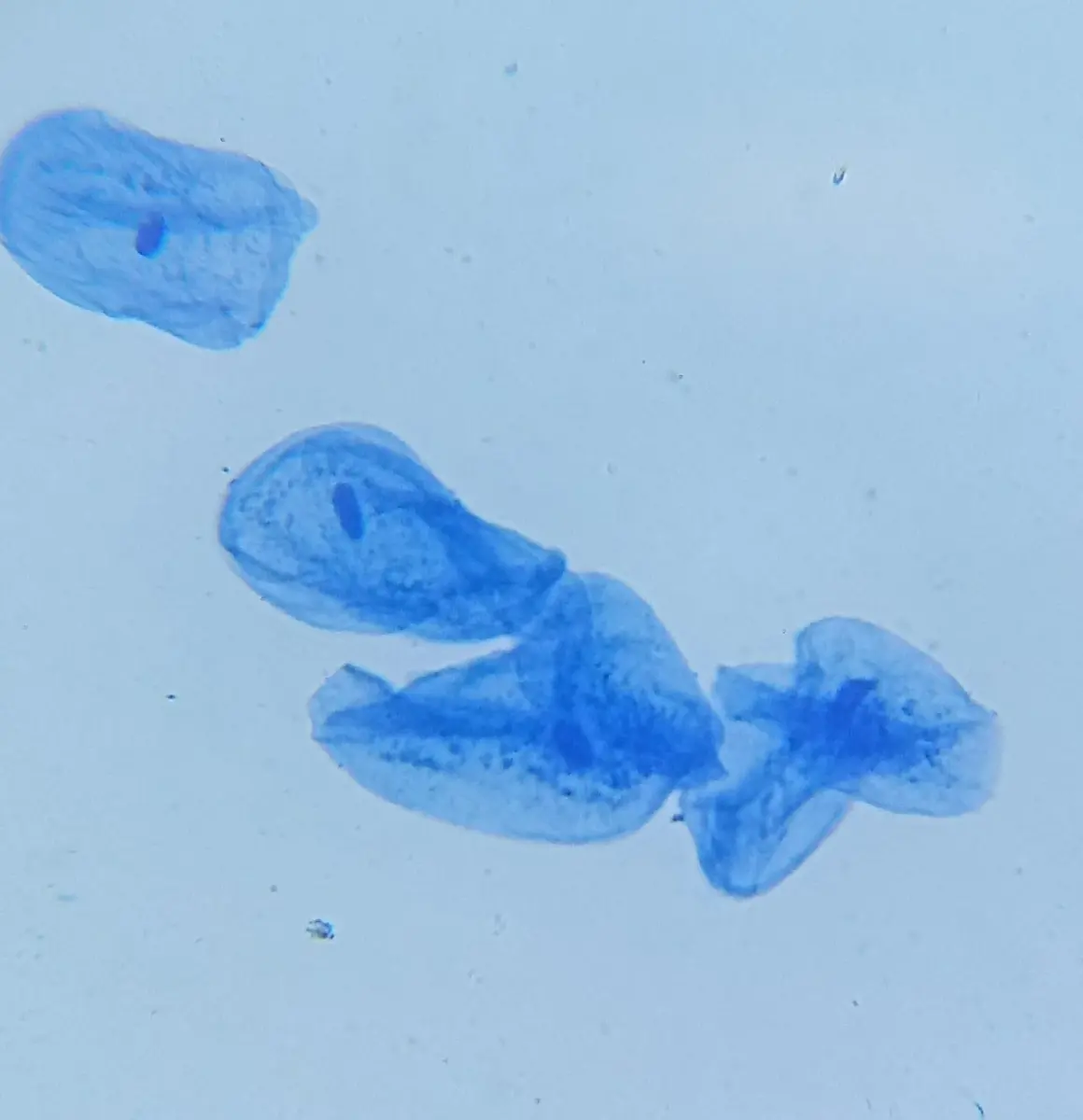
Plants are made of plant cells, and animals of animal cells. So the body of every living thing is made of cells. But are plant cells and animal cells alike? You can find out with a microscope.
Structure of plant and animal cells
Look at the drawings of a plant cell and an animal cell in Figure 3.47, and discuss:
- a.Which parts are in the animal cell but not in the plant cell?
- b.Which parts are in the plant cell but not in the animal cell?
- c.Are the outer layers of the two cells equally thick? How does that affect the shape of each cell?
The cell membrane, the cytoplasm and the nucleus are the main parts of every cell. The parts of a cell are called its components. The outermost layer of a cell is the cell membrane, which surrounds the cytoplasm and the nucleus. A plant cell also has a thick cell wall outside its membrane. In the cytoplasm there are many other components: mitochondria, vacuoles, plastids, the Golgi body, the centrosome and more. Here they are one by one.
A. Cell wall
The cell wall is a thick, stiff (rigid), non-living layer. It is made of cellulose, and only plant cells have one. It protects the cell from injury and gives it a fixed shape. It lets water and dissolved substances pass through it freely: it is permeable.
B. Cell membrane
The cell membrane is found in both plant and animal cells. It is thin, flexible and living, made mainly of lipid (fat) and protein. It controls what goes in and out of the cell: it lets the materials the cell needs come in and sends unwanted materials out, and keeps other things out. Because it lets some substances through but not others, it is called a semi-permeable membrane.
C. Cytoplasm
The jelly-like, half-liquid substance between the cell membrane and the nucleus is the cytoplasm. It contains water, salts, minerals, vitamins, proteins and other substances, and all the cell’s other components float in it. Some components are living: they are the organelles (“little organs”). Others are non-living, such as stored food grains, fat droplets and crystals: they are the inclusions.
The main organelles in the cytoplasm are:
- a.Mitochondria (one is a mitochondrion): small, long, sausage-shaped bodies found in both plant and animal cells. They carry out respiration: they break down food (glucose) using oxygen and release the energy stored in it, for the cell to use. So a mitochondrion is called the powerhouse of the cell.
- b.Plastids: found only in plant cells. They help to make and store food, and they give flowers and fruits their colors. They come in different shapes: ribbons, cups, plates and rods. There are three kinds: chloroplasts, green because they contain chlorophyll, found in leaves and green stems, which make food by photosynthesis; chromoplasts, red, orange or yellow, found in flowers and fruits such as a ripe tomato or a marigold; and leucoplasts, colorless, found in roots and underground stems, where they store food such as starch.
- c.Vacuoles: sac-like bags filled with a clear liquid. They keep the right amount of water in the cell and store substances. A plant cell has one very large vacuole; an animal cell has a few small ones, or none.
- d.Centrosome: found only in animal cells (and some simple plants), near the nucleus. It is made of two tiny cylinders. It plays an important part in cell division: the way one cell divides into two new cells.
- e.Endoplasmic reticulum (ER): a network of fine canals that starts from the nuclear membrane and spreads through the cytoplasm towards the cell membrane. Materials move through its canals, and it helps to support the cell, a little as bones support our body.
- f.Lysosomes: small bags of digestive enzymes (juices that break down food). They digest food particles, germs and worn-out parts inside the cell. If a lysosome bursts, it can digest its own cell, so it is called the suicide bag of the cell.
- g.Ribosomes: tiny grains stuck on the surface of the endoplasmic reticulum, and also loose in the cytoplasm. They make proteins for the cell, so they are called the protein factories of the cell.
- h.Golgi body: a stack of flat, curved bags, found in both plant and animal cells. It changes, packs, stores and sends out proteins and lipids made in the cell, like a post office.
D. Nucleus
The nucleus is the round or oval body in the cell. It has four parts: the nuclear membrane round it, the jelly-like nucleoplasm inside, a small dense body called the nucleolus, and fine threads called chromatin. The nucleus controls all the activities of the cell, so it is the cell’s control center.
Which part of a cell controls what enters and leaves it?
Pick an answer to see why.
A cell has a cell wall, chloroplasts and one large vacuole. What kind of cell is it?
Pick an answer to see why.
Exercise (3.3 The cell)
1. Choose the correct answer
a. Which component is found only in animal cells?
Pick an answer to see why.
b. Which of these describes a plant cell?
Pick an answer to see why.
c. Which component of a cell is semi-permeable?
Pick an answer to see why.
d. Which component is found in both plant and animal cells?
Pick an answer to see why.
e. What is the other name of the ribosome?
Pick an answer to see why.
f. What is the nature of the inclusions in the cytoplasm?
Pick an answer to see why.
2. Fill in the blanks with the right word
plastid, mitochondria, nucleus, vacuole, cytoplasm
The organelle that controls all the activities of a cell is the ______.
Answer
The organelle that controls all the activities of a cell is the nucleus.
The powerhouse of the cell is the ______.
Answer
The powerhouse of the cell is the mitochondria (one is a mitochondrion).
The organelle that helps in making food is the ______.
Answer
The organelle that helps in making food is the plastid (the chloroplast).
The half-liquid substance between the nucleus and the cell membrane is the ______.
Answer
The half-liquid substance between the nucleus and the cell membrane is the cytoplasm.
3. Write the differences between
Cell membrane and cell wall
Answer
| Cell membrane | Cell wall |
|---|---|
| found in both plant and animal cells | found only in plant cells |
| thin and flexible | thick and stiff (rigid) |
| living | non-living |
| made of lipid and protein | made of cellulose |
| semi-permeable: controls what goes in and out | permeable: lets most substances through |
Animal cell and plant cell
Answer
| Animal cell | Plant cell |
|---|---|
| no cell wall; only a cell membrane | a cell wall outside the cell membrane |
| irregular shape, which can change | fixed, regular shape |
| no plastids | plastids (chloroplasts and others) |
| small vacuoles, or none | one large vacuole |
| has a centrosome and lysosomes | no centrosome (in flowering plants) |
| nucleus usually near the center | nucleus pushed to one side by the vacuole |
Plastid and mitochondria
Answer
| Plastid | Mitochondria |
|---|---|
| found only in plant cells | found in both plant and animal cells |
| chloroplasts make food by photosynthesis; others store food or give color | carry out respiration and release energy from food |
| many are colored (green, red, yellow) | colorless |
| shapes: ribbon, cup, plate, rod | small, long, sausage-shaped |
4. Answer these questions
What is a cell?
Answer
A cell is the smallest living unit of which the body of every living thing is made. It is the structural and functional unit of life: the body is built of cells, and the work of life is done in them.
Why is the cell called the basic unit of life?
Answer
Because every living thing is made of one or more cells (the cell is the building block of the body), and every life process, such as respiration, digestion, growth and reproduction, takes place in cells. Nothing smaller than a cell can live on its own. New cells come only from cells that already exist.
Which part of a cell is called the powerhouse of the cell, and why?
Answer
The mitochondrion. It carries out respiration: it breaks down food using oxygen and releases the energy stored in it, which the cell uses for all its work. Like a power station supplying a town with energy, it supplies the cell with energy.
Draw neat diagrams of an animal cell and a plant cell and label their parts.
Answer
Draw them as in Figure 3.47.
Plant cell: draw a box-like cell with a thick double outline. Label the cell wall (outer line), cell membrane (inner line), cytoplasm, one large vacuole in the middle, the nucleus pushed to one side with its nucleolus, chloroplasts (green ovals), mitochondria, endoplasmic reticulum, ribosomes and the Golgi body.
Animal cell: draw a rounded, irregular cell with a single thin outline. Label the cell membrane, cytoplasm, the nucleus near the middle with its nucleolus, mitochondria, endoplasmic reticulum with ribosomes, the Golgi body, small vacuoles, lysosomes and the centrosome near the nucleus.
Name the components found in an animal cell. Which of them are found only in animal cells?
Answer
An animal cell has a cell membrane, cytoplasm, a nucleus (with nuclear membrane, nucleoplasm, nucleolus and chromatin), mitochondria, endoplasmic reticulum, ribosomes, a Golgi body, lysosomes, a centrosome, and small vacuoles (in some).
Of these, the centrosome and the lysosomes are found only in animal cells.
Write any four components found in the cytoplasm.
Answer
Any four of: mitochondria, plastids (in plant cells), vacuoles, endoplasmic reticulum, ribosomes, Golgi body, lysosomes, centrosome (in animal cells).
Why are plant cells usually chosen to study the structure of a cell? Explain in short.
Answer
- i.Plant cells are fairly large, with a regular shape, and their thick cell wall shows each cell’s outline clearly.
- ii.They are easy to get: an onion peel is only one cell thick, so it can be put straight on a slide without cutting.
- iii.They take up stains well, so the nucleus and the wall show up clearly under an ordinary school microscope.
Answer these questions about the plant cell in the figure.
- i.Name P, Q and R.
- ii.What is the job of P?
- iii.Which part is known as the powerhouse of the cell?
- iv.Why does this cell have a fixed shape?
- v.Because of which part of their cells can plants help to keep the environment in balance? Explain.
Answer
- i.P: mitochondrion; Q: nucleus; R: chloroplast (a plastid).
- ii.P, the mitochondrion, carries out respiration: it breaks down food and releases energy for the cell.
- iii.P, the mitochondrion.
- iv.Because it has a thick, stiff cell wall made of cellulose round it, which doesn’t change shape. (The full vacuole pressing outwards from inside also keeps the cell firm.)
- v.Because of the chloroplasts (R). Their chlorophyll traps sunlight, and the plant uses it to make food from carbon dioxide and water, giving out oxygen. So plants take carbon dioxide out of the air and put oxygen back, which animals and people breathe. This keeps the amounts of oxygen and carbon dioxide in the air in balance, and the food plants make feeds every other living thing.
Worksheet: Organisms and their Structure: parts of a plant (PDF, 4 pages)
Worksheet: Organisms and their Structure: invertebrates and the cell (PDF, 4 pages)
Practice every question in the book, and keep track of the ones you miss →