
Put your hand on your chest and keep still. Can you feel it rise and fall? You are breathing, even when you don’t think about it. Your heart is beating. The food you ate this morning is being turned into energy. Even when you sleep, your body never stops working.
A tree is busy too, though it looks still. Its roots are pulling up water. Its leaves are making food in the sunlight. Every living thing, from an ant to a peepal tree, does these jobs all its life. They are the life processes. In this unit you will find out what they are, and how plants and animals do each one.
Life processes
Living things need food to stay alive. They take in oxygen when they breathe. With the help of oxygen, their bodies break down food to get energy.
The body also makes waste, things it doesn’t need. Living things throw these out.
- Animals, including humans, get rid of carbon dioxide, sweat, urine and feces.
- Plants give out carbon dioxide and water vapor as gases. Some also ooze resin or latex from their bark, stems and leaves.
Living things also make young ones like themselves. This is reproduction.
All these jobs, done again and again all through life, are the life processes. In Grade 5 you will study five of them:
- Nutrition: getting food.
- Respiration: getting energy from food, with oxygen.
- Transportation: carrying things around inside the body.
- Excretion: getting rid of waste.
- Reproduction: making young ones.
Apple: H. A. Köhler, Medizinal-Pflanzen (1887), public domain
Heart and lungs: Patrick J. Lynch, medical illustrator, CC BY 2.5, via Wikimedia Commons
Kidneys and bladder: BodyParts3D, © The Database Center for Life Science, CC BY 4.0
Bean: É. Deyrolle, wall chart "Graine. Germination" (c. 1900), public domain
Amoeba: unknown, CC0, via PhyloPic
Which of these is not a life process?
Pick an answer to see why.
Nutrition in plants and animals
Here is what they found out.
Green plants make their own food. They use water, carbon dioxide and sunlight, with the help of their green chlorophyll.
- The roots take in water from the soil. The stem carries it up to the leaves.
- Carbon dioxide from the air enters the leaves through tiny holes called stomata.
- Chlorophyll catches the sunlight. The leaf uses the light’s energy to make food.
This way of making food is called photosynthesis. Living things that make their own food are autotrophs. Green plants are autotrophs.
Animals, mushrooms and plants without chlorophyll can’t make their own food. They take food from others. They are heterotrophs.
- A mushroom gets its food from rotting things.
- Herbivores (goats, rabbits, deer) eat plants.
- Carnivores (leopards, tigers, lions, jackals) eat other animals.
- Omnivores (people, crows, bears) eat both plants and animals.
Living things get energy from food. With that energy, the body carries out all its life processes. Without them, there is no life.
- Herbivores get energy by eating green plants.
- Carnivores get it by eating herbivores.
So every animal depends on green plants for its food, directly or through other animals.
What is a plant’s way of making food called?
Pick an answer to see why.
Which of these is an autotroph?
Pick an answer to see why.
Respiration in plants and animals
All living things need oxygen. Plants and animals on land take oxygen from the air. Fish and water plants use the oxygen dissolved in water.
Breathing takes oxygen into the body. The oxygen reaches every part of it. There, oxygen breaks down food. This gives energy, and makes carbon dioxide and water.
That energy keeps all the life processes going, every moment: nutrition, transportation, excretion, breathing and reproduction.
Breathing organs of animals
Different animals breathe with different body parts.
- Fish and tadpoles breathe with gills.
- Humans and most land animals (mammals, birds and reptiles) breathe with lungs.
- Insects breathe through tiny holes along their sides, called spiracles.
- Frogs breathe through their skin when they are in water. On land, they use their lungs as well.
Grasshopper: Pearson Scott Foresman (public domain)
Carp: DBCLS (CC BY 4.0)
Two words sound alike, but they mean different things.
- Breathing is taking in oxygen and giving out carbon dioxide. It happens in the breathing organs, such as the lungs.
- Respiration is breaking down food inside the body, to get energy. It makes carbon dioxide and water. It happens in every part of the body.
Body: BodyParts3D (CC BY 4.0)
Lungs: Patrick J. Lynch (CC BY 2.5), recolored
Animals don’t need carbon dioxide. But green plants do: they use it for photosynthesis. So the carbon dioxide that living things give out is used again by green plants. And plants give oxygen back to the air.
In this way, the oxygen and carbon dioxide in the air stay balanced. Plants and animals can go on living.
What do insects breathe through?
Pick an answer to see why.
Where in the body does respiration happen?
Pick an answer to see why.
Internal transport in plants and animals
To stay alive, a living thing must move things around inside its body.
- Food, water, oxygen and other useful things must reach every part of the body.
- Wastes made in different parts must be taken to the organs that throw them out.
In plants
- The roots take in water and minerals from the soil. They go up through the stem to the leaves.
- The food made in the green leaves goes through fine tubes in the stem to every part of the plant: the branches, the leaves, the flowers, the fruits and the roots.
In animals
- In most animals, blood does this job. The heart pumps the blood all round the body.
Carrying food, water, oxygen, minerals and wastes around inside the body is called internal transport (or internal transportation).
Carnation: traced from a photo by Darren Coleshill (CC0)
In a plant, what carries water from the roots to the leaves?
Pick an answer to see why.
Excretion in plants and animals
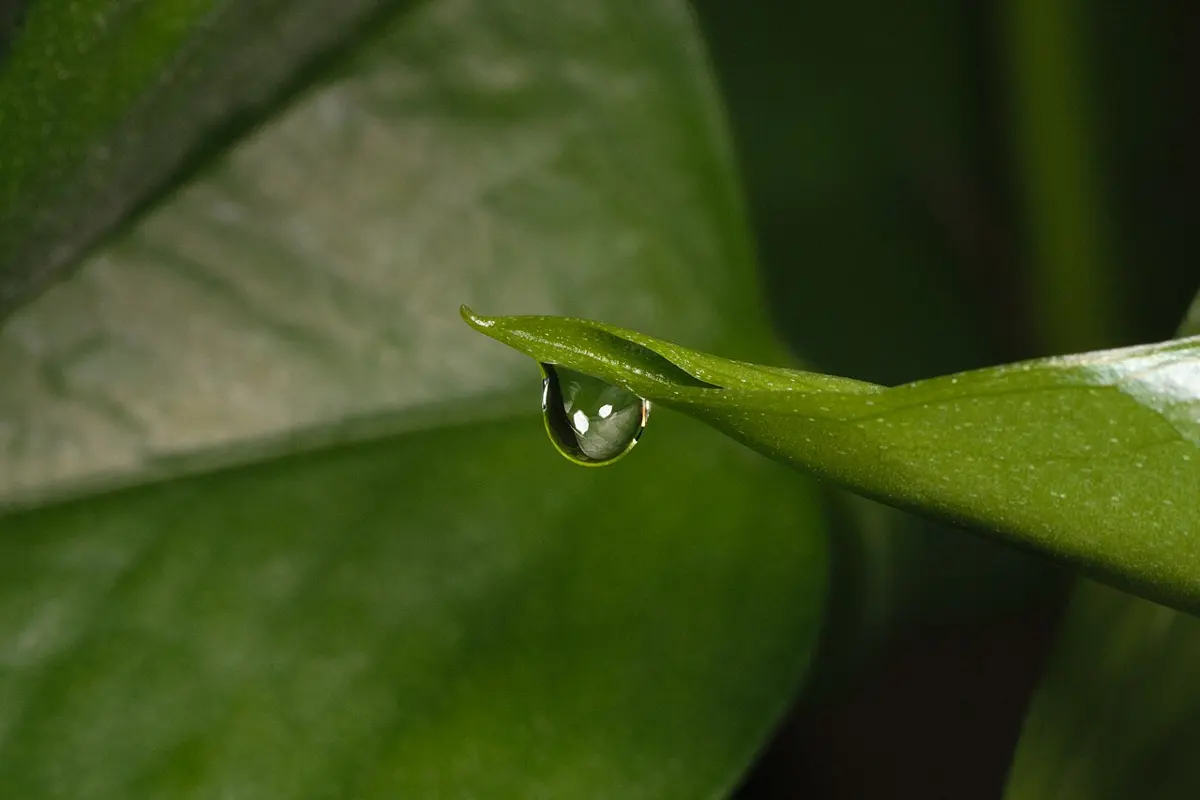
When a living thing carries out its life processes, its body also makes unwanted, harmful things. Getting rid of these wastes is called excretion.
Animals get rid of:
- feces (dung or stool);
- urine;
- sweat;
- carbon dioxide, when they breathe out.
Plants get rid of:
- carbon dioxide, given out in respiration;
- oxygen, given out while making food;
- extra water, given off from the leaves as water vapor;
- resin and latex, which ooze from the stem.
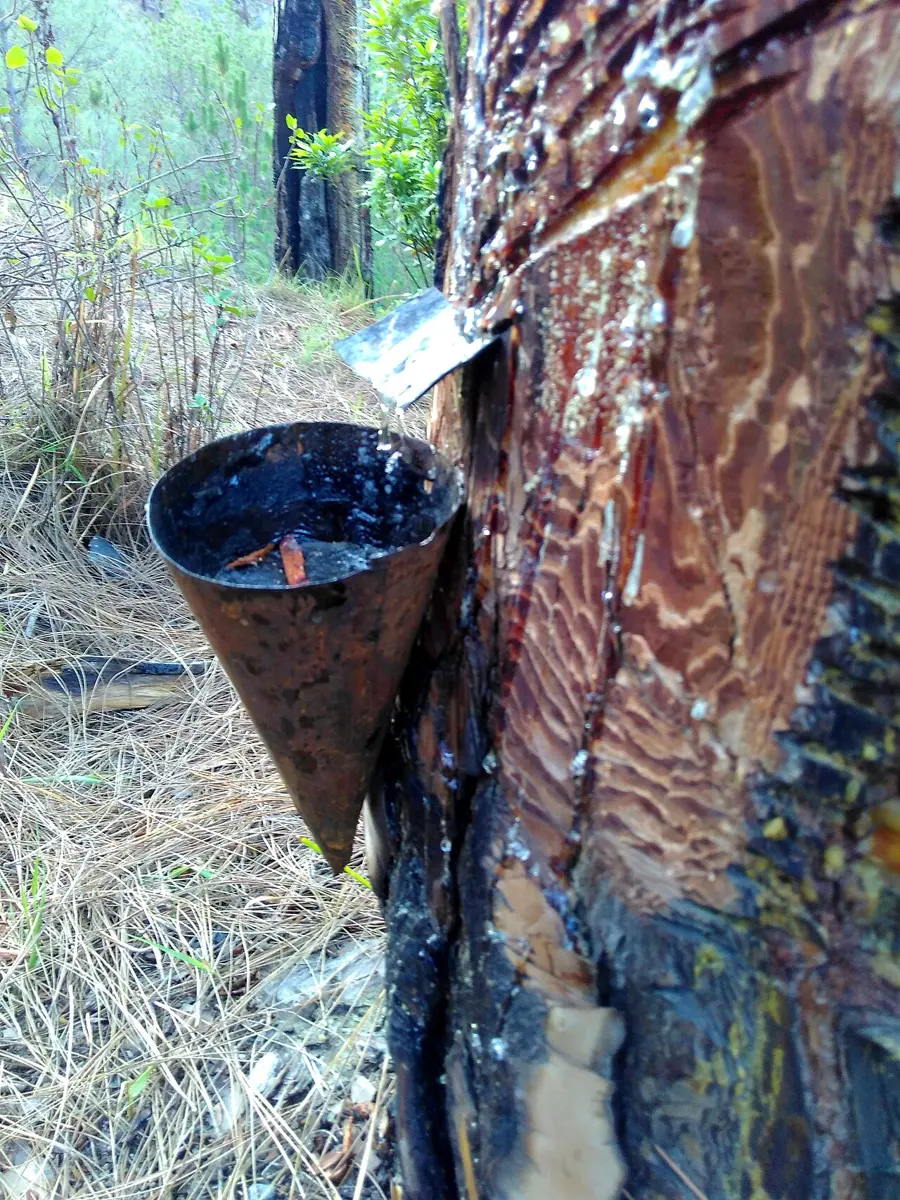
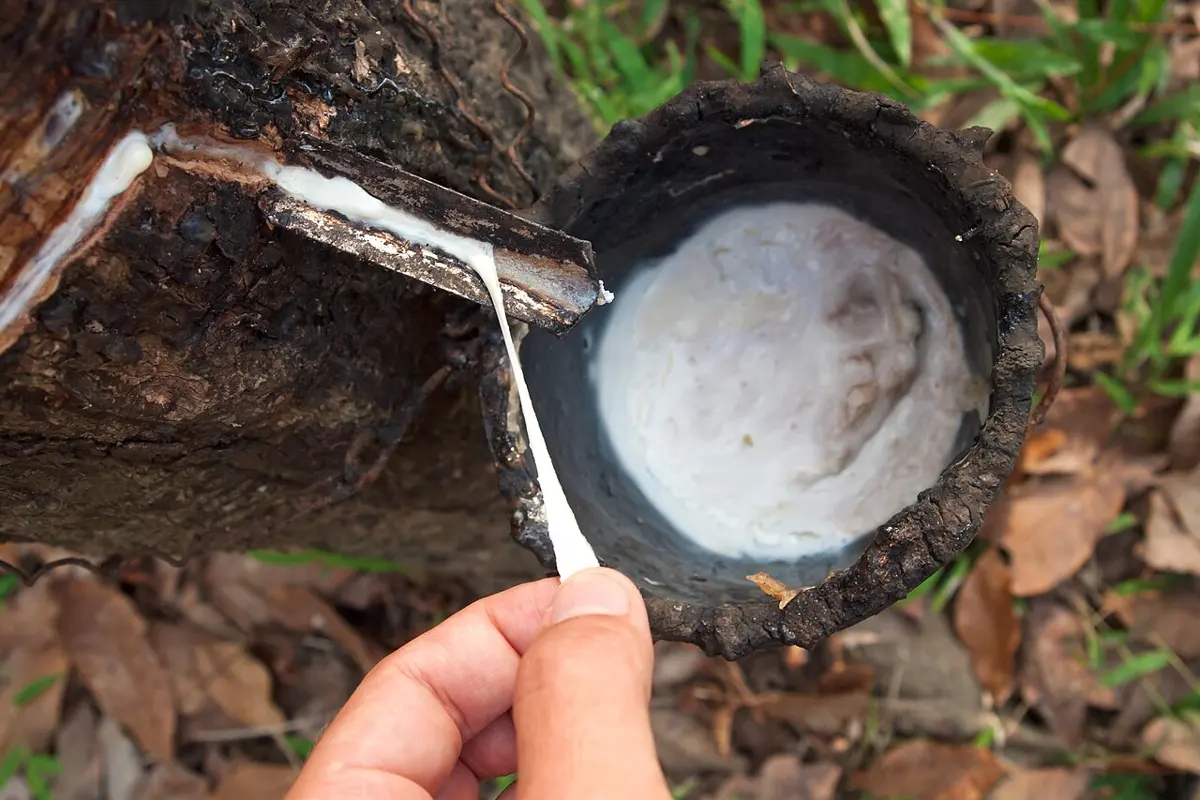
Basil: F. M. Blanco, Flora de Filipinas (1880s), public domain
Plants take in water through their roots. It flows up the stem to the leaves. The extra water leaves the plant as water vapor, through tiny holes in the leaves called stomata. Giving off extra water as vapor through the stomata is called transpiration.
What is giving off extra water as vapor from the leaves called?
Pick an answer to see why.
Reproduction in plants and animals
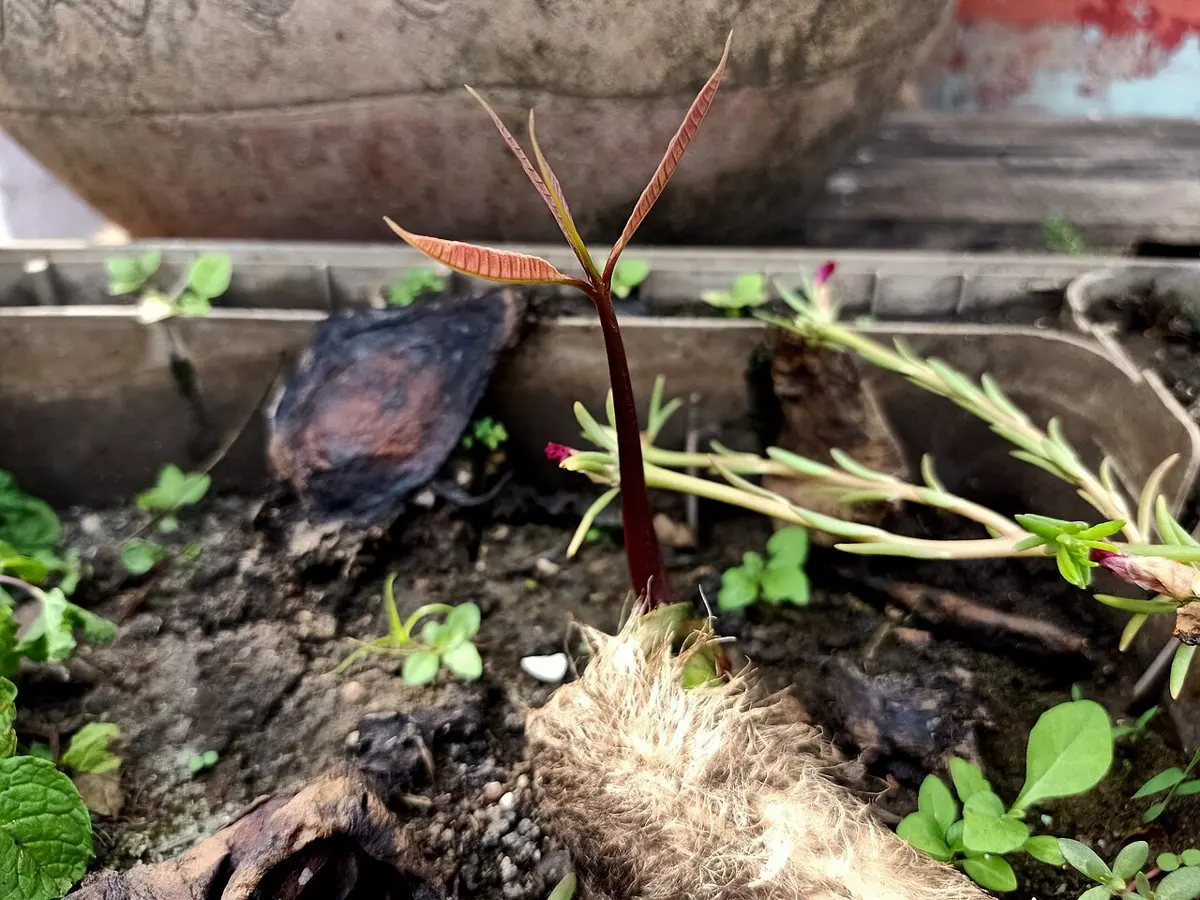
A mustard plant makes mustard seeds. A new mustard plant grows from each seed. An orange tree grows oranges, with seeds that can grow into new orange trees.
- Birds, crocodiles, snakes, frogs, fish and insects lay eggs. The young ones hatch out of them.
- Humans, dogs, cats, rats and most other mammals give birth to young ones like themselves.
Making young ones like themselves, so that their kind goes on, is called reproduction.
Which animal gives birth to young ones (doesn’t lay eggs)?
Pick an answer to see why.
Exercise
1. True or false?
a. Without oxygen, living things can’t get energy from food.
Pick an answer to see why.
b. In respiration, plants take in carbon dioxide and give out oxygen.
Pick an answer to see why.
c. Living things making young ones like themselves is called reproduction.
Pick an answer to see why.
d. Fish take in the oxygen dissolved in water.
Pick an answer to see why.
e. Plants give out resin and latex mostly from their leaves.
Pick an answer to see why.
2. Fill in the blanks
blood, carbon dioxide, transpiration, oxygen, eggs
Living things take in ______ and give out ______ in respiration.
Answer
Animals like fish and frogs reproduce by laying ______ in water.
Answer
Giving off extra water from a plant’s leaves is called ______.
Answer
In photosynthesis, plants take in ______ and give out ______.
Answer
In an animal’s body, things are usually carried around by the ______.
Answer
3. Choose the correct answer
a. What do insects breathe through?
Pick an answer to see why.
b. What is getting rid of unwanted things from the body called?
Pick an answer to see why.
c. Which of these gives birth to young ones?
Pick an answer to see why.
d. From which part of a plant does transpiration mostly happen?
Pick an answer to see why.
e. Why do living things need oxygen?
Pick an answer to see why.
4. Answer these questions
What is a life process?
Answer
What are the life processes of living things?
Answer
What does a plant excrete?
Answer
Can all plants make their own food? Give a reason.
Answer
Write any two differences between autotrophs and heterotrophs.
Answer
Breathing and respiration are different. Do you agree? Explain.
Answer
When we have a headache or a stomach ache, we swallow a medicine. Which life process carries the medicine from the stomach to the part that hurts? Explain.
Answer
Quiz yourself: Life Processes and the Human Body, Grades 5–10 →
Practice every question in the book, and keep track of the ones you miss →
A companion to your textbook, not a replacement for it: study from the book your school uses, and where the two differ, follow your teacher. Found a mistake? Please tell us.