
Squeeze a lemon onto your tongue: sour. Get soap in your mouth while bathing: bitter and slippery. Lick a grain of salt: salty. Your kitchen is a chemistry laboratory, full of acids, bases and salts, and your house is full of metals and non-metals, from the copper in its wires to the iodine in its salt.
In this unit you will learn to tell acids, bases and salts apart without tasting them, make your own color-changing indicator from a red flower, and find out why copper makes wires, aluminium makes airplanes, gold makes jewelry and sulphur makes matches.
Materials around us
We use many substances every day, and they have very different properties. Foods taste sour, sweet, bitter or salty. We use sugar to make tea, salt in curry, chuk amilo in pickle, soap to wash clothes and baking powder to bake bread. Scientists sort substances into groups by their properties, and that makes them easier to understand and use.
10.1 Acid, base and salt
As a rough guide, substances with a sour taste are acids, substances with a bitter taste and a slippery feel are often bases, and salts have many different tastes: common salt is salty. But taste is not a safe or sure test, as you will see.
Indicator
Many substances can’t be identified by taste: some are poisonous, and some burn the mouth. So chemists use an indicator.
An indicator is a substance that shows, by changing its color, whether another substance is an acid, a base or a salt (neutral). Litmus paper, methyl orange and phenolphthalein are common indicators in the laboratory.
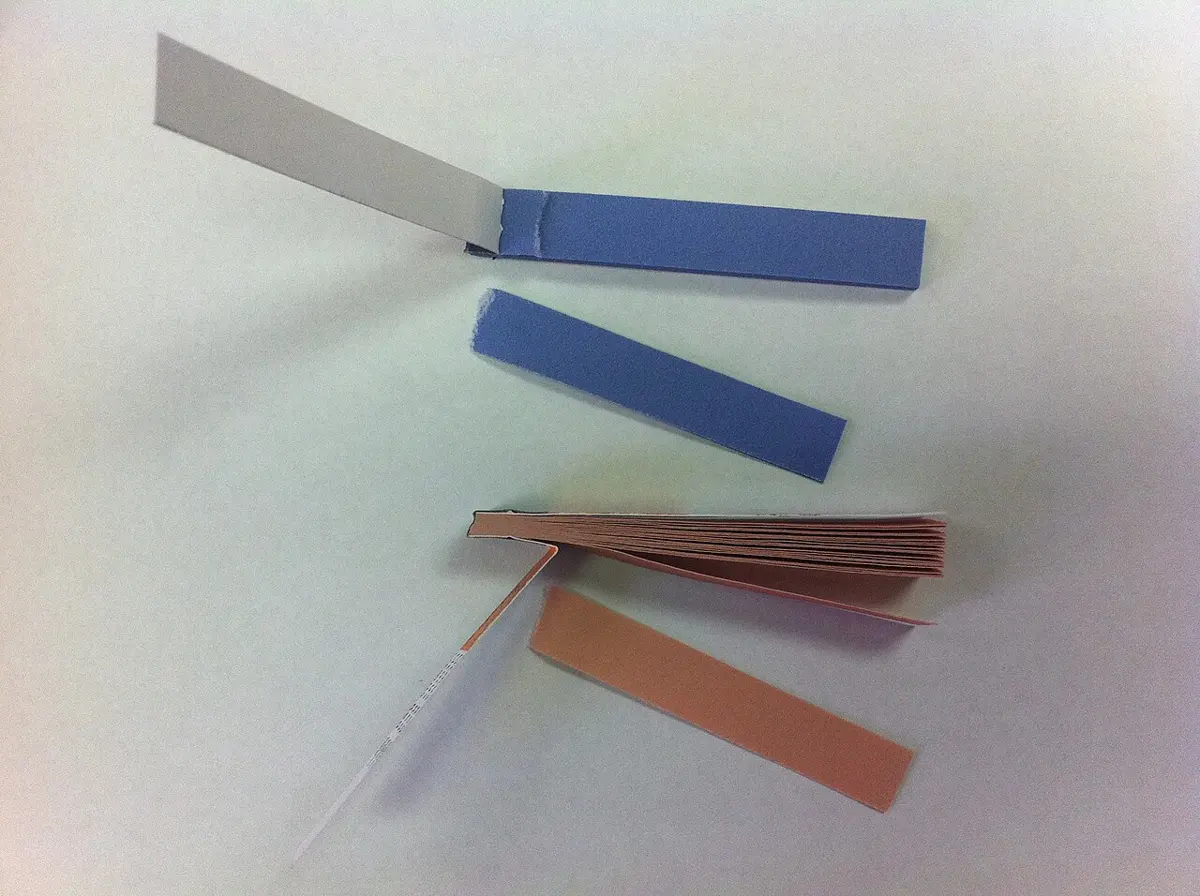
| Indicator | In an acid | In a base | In a neutral salt solution |
|---|---|---|---|
| red litmus | stays red | turns blue | no change |
| blue litmus | turns red | stays blue | no change |
| methyl orange | turns red | turns yellow | no change |
| phenolphthalein | stays colorless | turns pink | no change (colorless) |
An easy way to remember litmus: an acid turns litmus red, like a ripe tomato; a base turns it blue (b for both).
Making indicators from local materials
Many colored plant parts change color in acids and bases, so they are natural indicators: red rose and other red flowers, red cabbage leaves, red onion skins, beetroot and turmeric powder.
Now sort the substances you use every day into acids, bases and salts in the same way.
Acid
Pickles, lemons, bhogate (pomelo) and titri (tamarind) all taste sour. Things that taste sour contain acids. Fruits such as apples, oranges and lemons, and many kinds of pickle, are acidic, and that is why they are sour.
Acids are of two kinds, by where they come from:
- Organic acids come from plants and animals. They are weak and many are safe to eat: the acids in fruit, curd and vinegar.
- Inorganic acids (also called mineral acids) are made from minerals. Hydrochloric acid, sulphuric acid and nitric acid are inorganic acids. They are strong and dangerous, and are used in laboratories and factories.
| S.N. | Acid | Found in |
|---|---|---|
| 1. | citric acid | orange, lemon, tomato |
| 2. | ascorbic acid (vitamin C) | amala and other sour fruits |
| 3. | tartaric acid | titri (tamarind), grapes |
| 4. | malic acid | apple |
| 5. | lactic acid | sour milk, curd |
| 6. | acetic acid | vinegar, sour pickle |
| 7. | carbonic acid | soda water, cold drinks |
| 8. | oxalic acid | chari amilo (wood sorrel), tomato, spinach |
| 9. | formic acid | ant stings, nettle (sisnu) hairs |
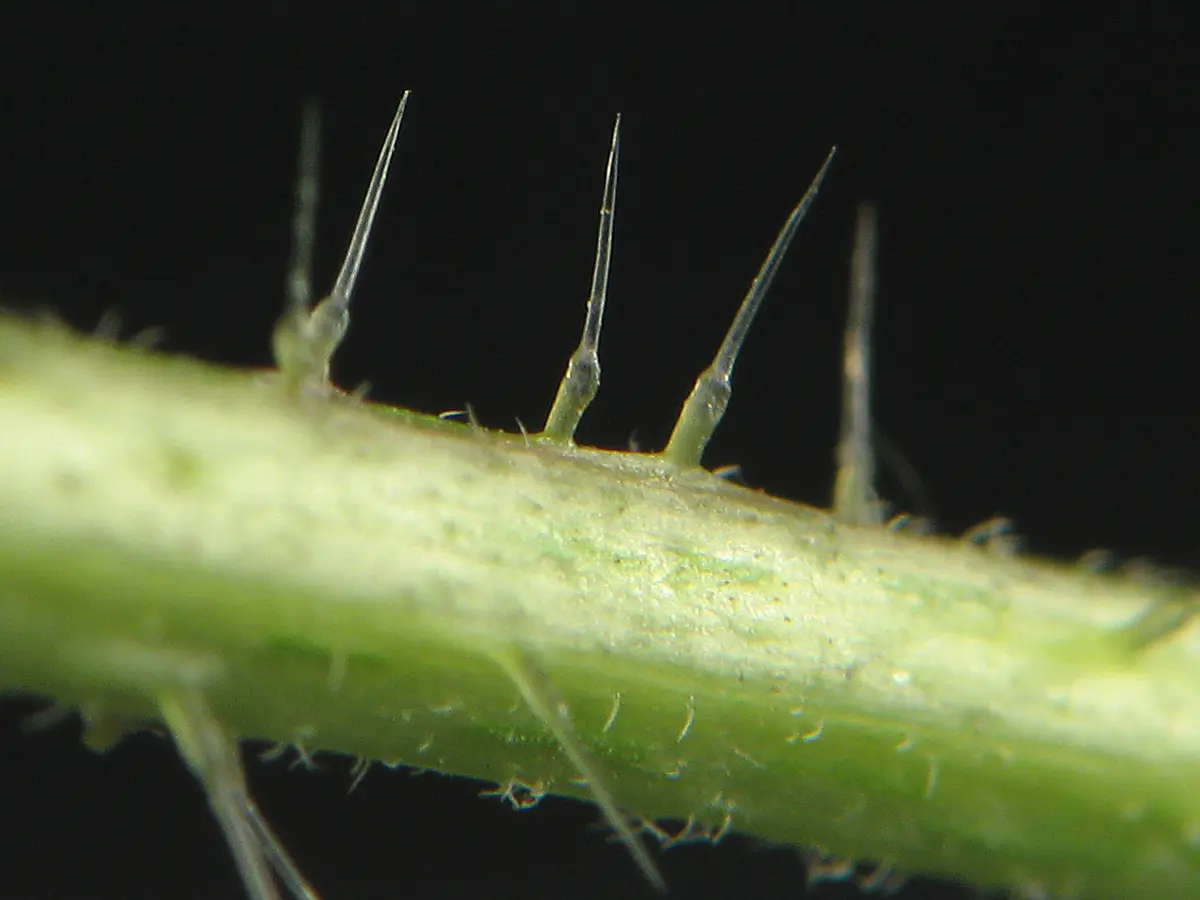
Physical properties of acids
- a.Acids taste sour.
- b.They turn blue litmus red.
- c.Strong acids are corrosive: they burn skin, eat into cloth and damage metals.
- d.They turn methyl orange red.
- e.Phenolphthalein stays colorless in an acid.
Base
Substances with a bitter taste and a slippery, soapy feel are often bases. A base that dissolves in water is called an alkali. Sodium hydroxide (caustic soda, used to make soap), potassium hydroxide and calcium hydroxide (slaked lime, chuna) are bases. A mixture of aluminium hydroxide and magnesium hydroxide is used as an antacid: it cancels the extra acid in the stomach when someone has hyperacidity (heartburn).
Physical properties of bases
- a.Bases turn red litmus blue.
- b.Most bases taste bitter.
- c.Bases feel soapy or slippery.
- d.Bases turn methyl orange yellow.
- e.Bases turn phenolphthalein pink.
Strong and weak
Acids and bases are strong or weak.
- Strong acids (hydrochloric, sulphuric and nitric acid) and strong bases (sodium hydroxide, potassium hydroxide) act very powerfully: they burn skin and eat into things. They are handled only in laboratories and factories, with great care.
- Weak acids (citric, acetic, lactic acid) and weak bases (ammonium hydroxide, magnesium hydroxide, soap in water) act gently. We eat weak acids every day, and use weak bases to clean and as medicine.
Salt
When an acid and a base are mixed in the right amounts, they cancel each other out and form a salt and water:
acid + base → salt + water
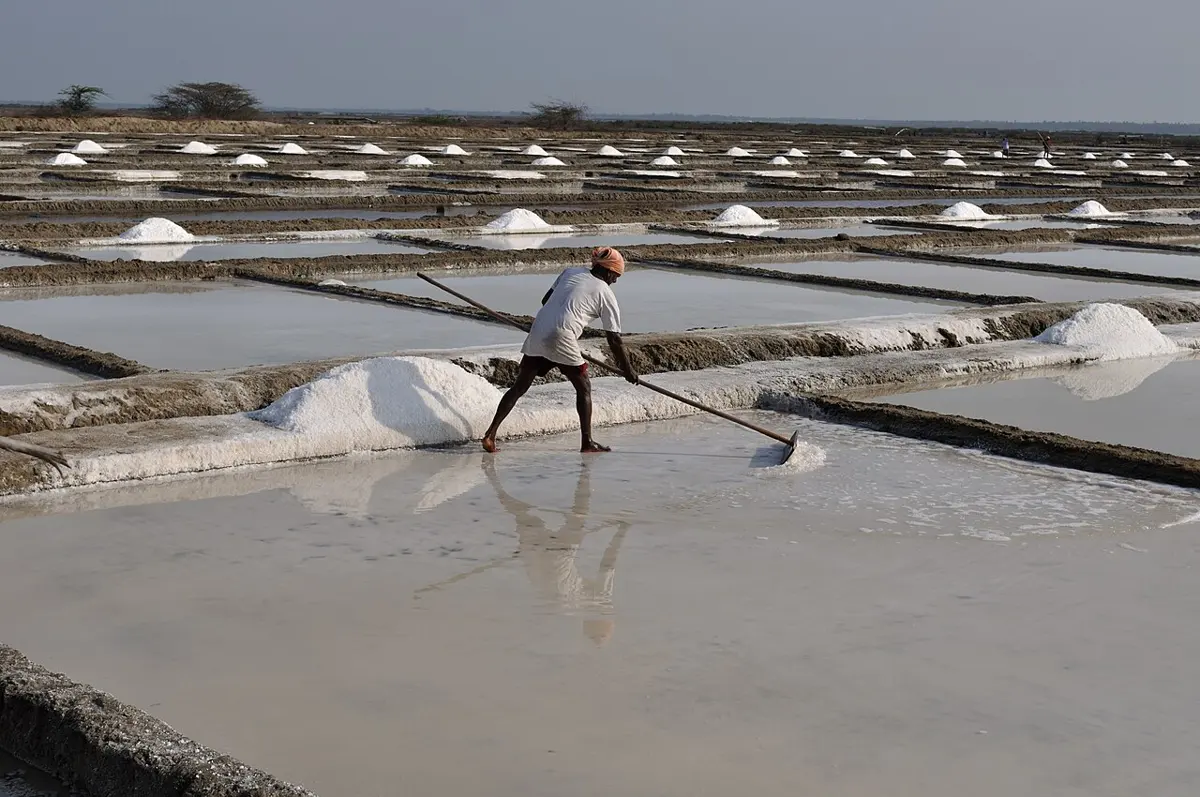
For example, hydrochloric acid + sodium hydroxide → sodium chloride (common salt) + water. Sodium chloride (common salt), sodium carbonate (washing soda), copper sulphate and alum are salts.
Common salt is neutral, but not every salt is. Salts are of three types:
- neutral salts, such as common salt (sodium chloride): no change in any indicator;
- acidic salts, such as alum and ammonium chloride: their solutions are a little acidic;
- basic salts, such as washing soda (sodium carbonate) and baking soda (sodium hydrogen carbonate): their solutions are a little basic, and turn red litmus blue.
Physical properties of salts
- a.Salts have different tastes: common salt is salty, and some salts are bitter. (Never taste a laboratory salt.)
- b.Most salts dissolve in water (but not all: chalk is a salt that doesn’t).
- c.Salts may be white, colorless or colored: copper sulphate is bright blue.
- d.Salts have high melting and boiling points: common salt melts only at 801 °C.
- e.The solution of a neutral salt doesn’t change the color of any indicator.
A liquid turns red litmus blue and phenolphthalein pink. What is it?
Pick an answer to see why.
Which pair would cancel each other out to make a salt?
Pick an answer to see why.
Exercise (acid, base and salt)
1. Fill in the blanks with suitable words from the box
salt · citric acid · acid · base · formic acid · methyl orange
The itching and swelling of the skin after an ant or bee sting is due to __________.
Answer
Ash is an example of a __________.
Answer
Sodium chloride is a __________.
Answer
We can find __________ in tomato.
Answer
Substances with a sour taste generally contain an __________.
Answer
2. Choose the correct option
a. To which group does edible soda (baking soda) belong?
Pick an answer to see why.
b. Which change does apple juice show?
Pick an answer to see why.
c. Which of these has the properties of a base?
Pick an answer to see why.
d. Which indicator is made from lichens?
Pick an answer to see why.
e. What is the feature of a base?
Pick an answer to see why.
f. Which of these shows an indicator correctly?
Pick an answer to see why.
Match each acid with its source.
| Acid | Source |
|---|---|
| carbonic acid | lemon |
| tartaric acid | curd |
| citric acid | amala |
| malic acid | vinegar |
| lactic acid | soda water |
| acetic acid | apple |
| ascorbic acid | titri |
Answer
3. Give reasons
Nettles make the skin burn.
Answer
Litmus paper doesn’t change color in a solution of common salt.
Answer
A lemon tastes sour.
Answer
Acids should be handled with care.
Answer
Ash water is slippery.
Answer
4. Differentiate between
Acid and base
Answer
Strong base and weak base
Answer
Lemon water and soap water
Answer
5. Answer the following questions
What is an acid? Give two examples of acids found in your locality.
Answer
Name three acids used in the laboratory.
Answer
What is a base? List some bases used in daily life.
Answer
What is an organic acid? Give some examples.
Answer
Complete the table to show the color of each indicator in an acid, a base and a salt.
| Indicator | Acid | Base | Salt |
|---|---|---|---|
| methyl orange | red | ________ | no change |
| litmus paper | ________ | blue | ________ |
| phenolphthalein | colorless | ________ | no change |
Answer
Three test tubes, A, B and C, hold an acid, a base and a salt solution, one in each. How can you find which is which with the help of methyl orange?
Answer
Write the physical properties of acids.
Answer
Write the physical properties of bases.
Answer
What is a salt? Name its main types.
Answer
How can you make litmus-like indicator paper from a red flower? Describe briefly.
Answer
On what basis do indicators show whether a substance is an acid, a base or a salt?
Answer
Three bottles hold orange juice, washing soda solution and salt solution. How can you sort them into acid, base and salt with red and blue litmus paper? Explain.
Answer
List three local things used to make natural indicators.
Answer
10.2 Metals and non-metals
Every substance is used for the jobs its properties suit. Aluminium and steel conduct heat well, so cooking pots are made of them. Copper conducts electricity very well, so electric wires are made of it, and plastic, which doesn’t conduct (an insulator), covers the wire to keep us safe. Elements are sorted into metals and non-metals by properties like these. Aluminium, zinc, iron, gold, copper and silver are metals; sulphur, iodine and carbon are non-metals. What other metals and non-metals do you know? Discuss in class.
Metals are elements that are usually hard and shiny, conduct heat and electricity, can be beaten into sheets (malleable) and drawn into wires (ductile), and make a ringing clink when struck.
Non-metals are elements that are usually dull, brittle when solid (they break or crumble when hammered), and don’t conduct heat or electricity; they don’t ring. Many non-metals, such as oxygen and nitrogen, are gases. Sulphur, iodine and carbon are solid non-metals.
Minerals and ores
Most metals are found in the Earth’s crust not as pure metal but joined with other elements in minerals. A mineral is a substance found naturally in the Earth’s crust, often a compound of a metal. A mineral from which a metal can be extracted easily and cheaply enough to be worth it is called an ore. So every ore is a mineral, but not every mineral is an ore. A few unreactive metals, such as gold, are found as pure metal: this is called the free (or native) state.
Aluminium
Symbol: Al. Atomic number: 13.
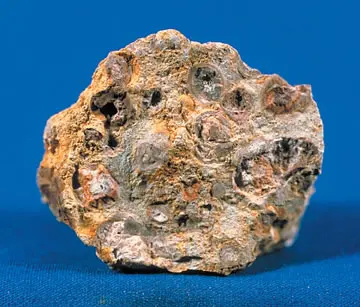
Aluminium is not found free in nature, only joined with other elements in compounds, mixed with other substances. It is the most abundant metal in the Earth’s crust. Its main ore is bauxite, from which it is extracted.
Physical properties and uses
- a.Aluminium is a light, silvery-white metal. So it is used to make the bodies of vehicles and airplanes (often mixed with a little of other metals to make it stronger).
- b.It is a good conductor of electricity, and light. So the thick power lines that carry electricity across Nepal are made of aluminium wires (round a steel core for strength).
- c.It is a good conductor of heat. So pots, pans and other utensils are made of it.
- d.It is easily beaten into thin sheets and drawn into wires. So it is made into foil, plates and wire.
- e.Air and water hardly affect it: a thin, tough layer of oxide forms on it at once and protects it. So aluminium foil is used to wrap food.
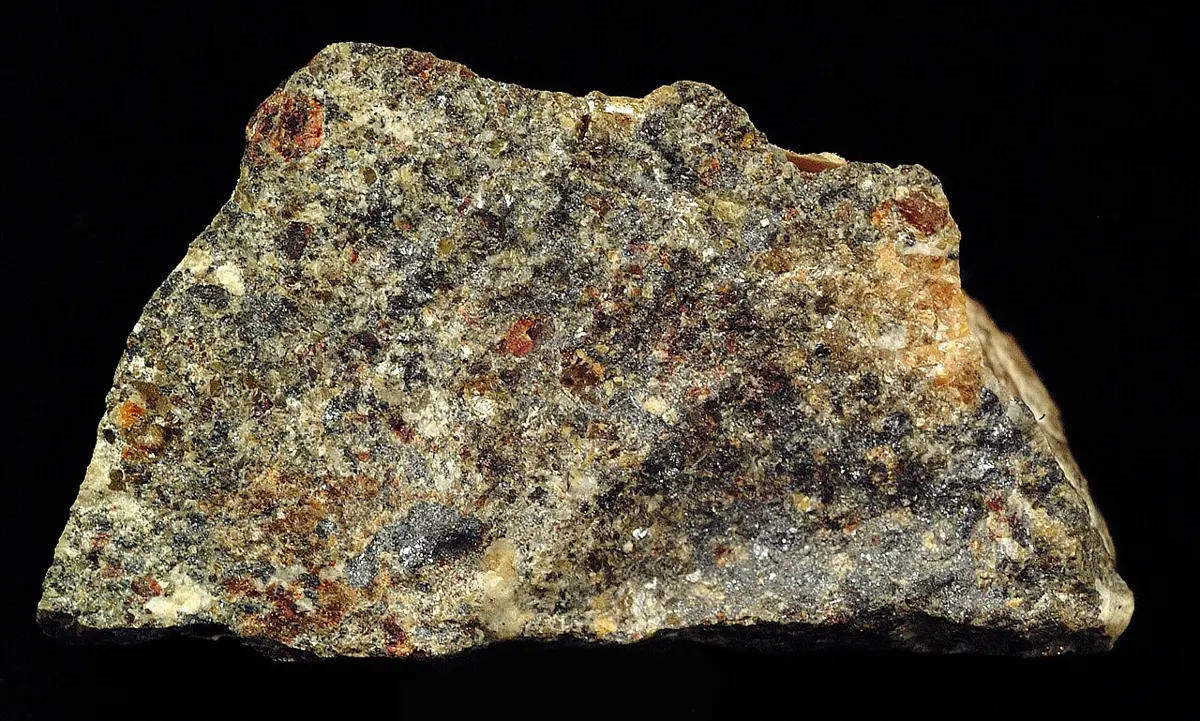
Zinc
Symbol: Zn. Atomic number: 30.
Zinc is found in nature as ores and compounds. Its main ore is zinc blende, from which zinc is extracted.
Physical properties
- a.Zinc is a bluish-white metal. In the laboratory it is used as small grains (granulated zinc).
- b.It is a good conductor of heat and electricity.
- c.Air and water hardly affect it (a thin coat protects it).
- d.It melts at a fairly low temperature for a metal (420 °C).
Uses
- a.It is used in the laboratory to make hydrogen gas (with dilute acid).
- b.It is used to make alloys such as brass (copper and zinc).
- c.It makes the outer case of a dry cell (a torch battery).
- d.It is used to make printing blocks.
- e.It coats iron sheets and pipes (galvanizing) to stop them rusting: the shiny “zinc sheets” on roofs are galvanized iron.
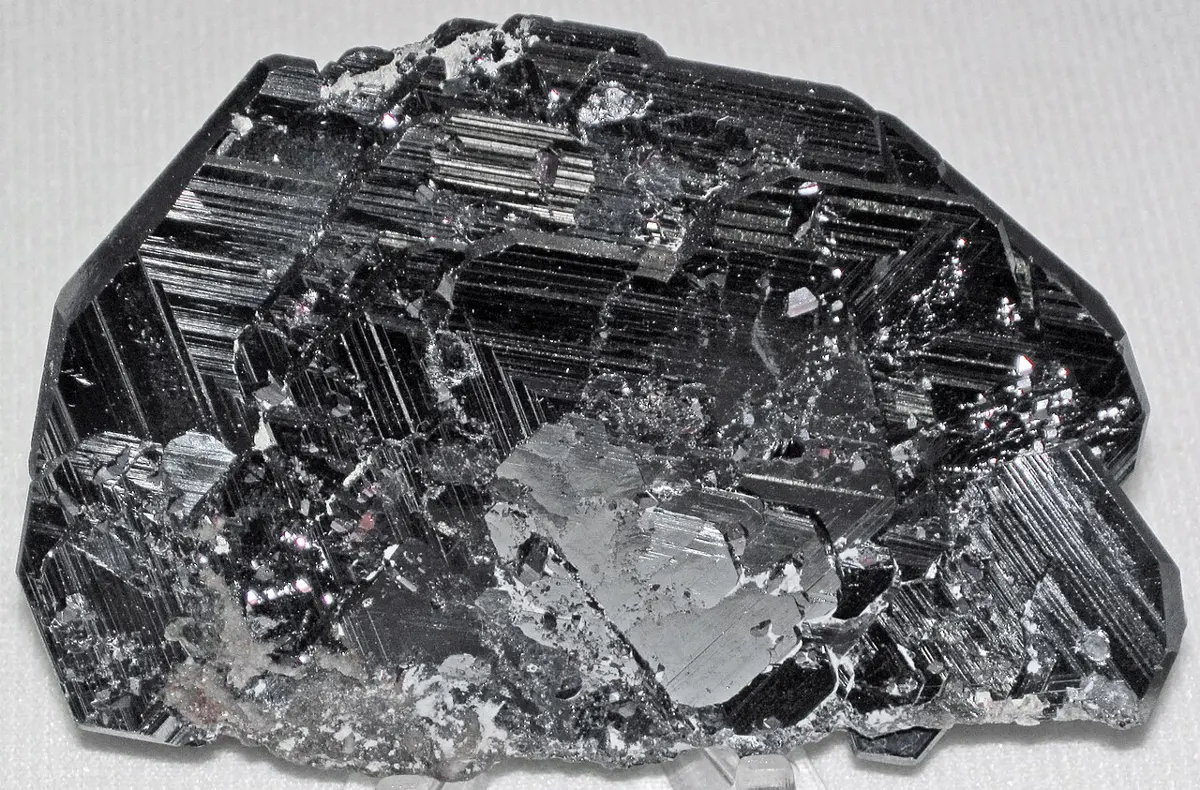
Iron
Symbol: Fe (from its Latin name, ferrum). Atomic number: 26.
Iron is found in nature as ores. It is extracted mainly from hematite ore.
Physical properties
- a.Iron is gray; its surface often looks dark or black.
- b.It shines when rubbed clean.
- c.It rusts in moist air.
- d.It is magnetic: a magnet attracts it.
- e.Air and water easily affect it.
Uses
- a.To make tools of all kinds.
- b.To make household utensils, such as the karahi and tawa.
- c.To build houses and bridges and make the bodies of vehicles.
- d.To make steel (iron with a little carbon), which is stronger and is used for most of these jobs.
- e.To make rods, pipes and wires.
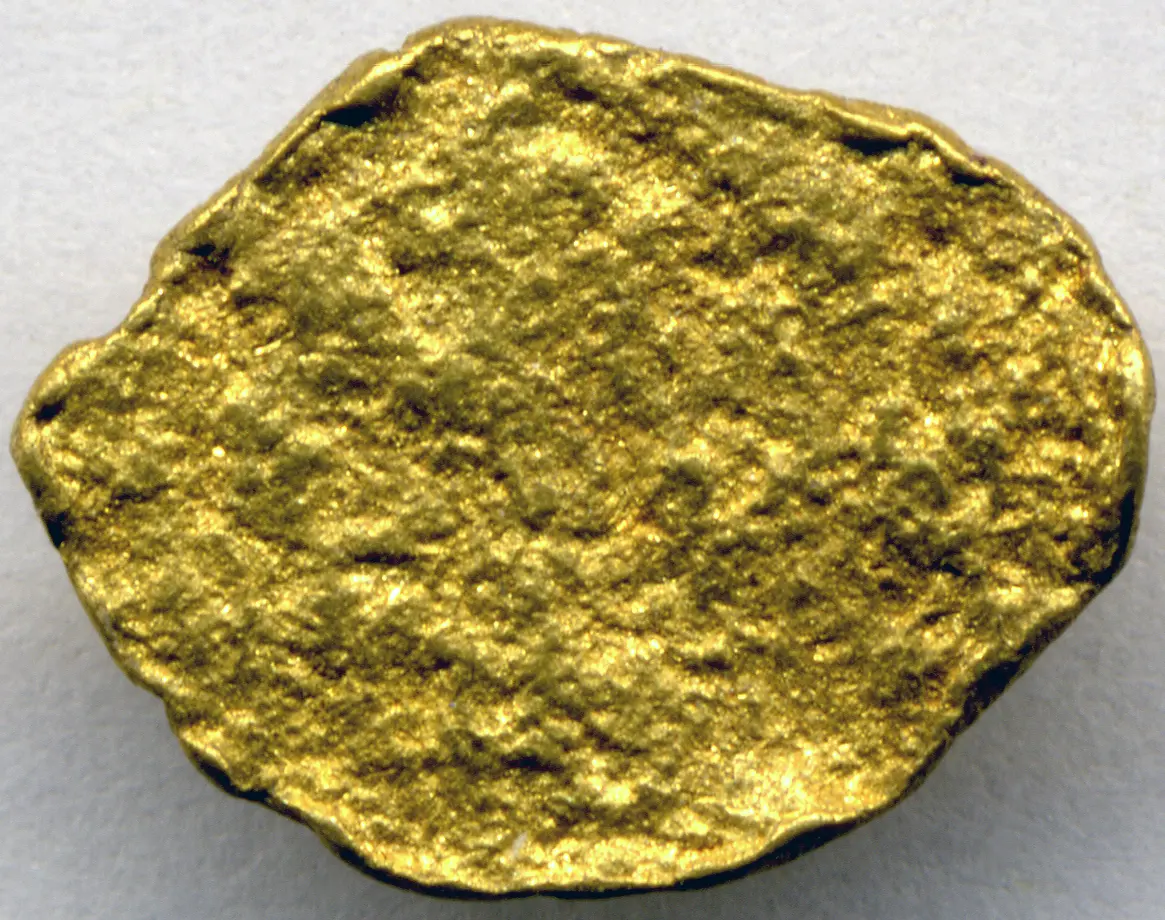
Gold
Symbol: Au (from its Latin name, aurum). Atomic number: 79.
Gold is found in the free state (as pure metal), in rocks and as flakes and grains in the sand of rivers.
Physical properties
- a.Gold is a shiny yellow metal.
- b.It is a good conductor of heat and electricity.
- c.It is very unreactive: air and water don’t affect it, so it never rusts or tarnishes.
- d.It is the most malleable metal: one gram can be beaten into a sheet of about one square meter.
Uses
- a.To make jewelry.
- b.To make statues, coins and medals.
- c.To plate (coat) cheaper metals.
- d.In some medicines.
- e.In dentistry, to cap and fill teeth.
- f.In electronics: the contacts in your phone are plated with a thin film of gold, which never tarnishes.
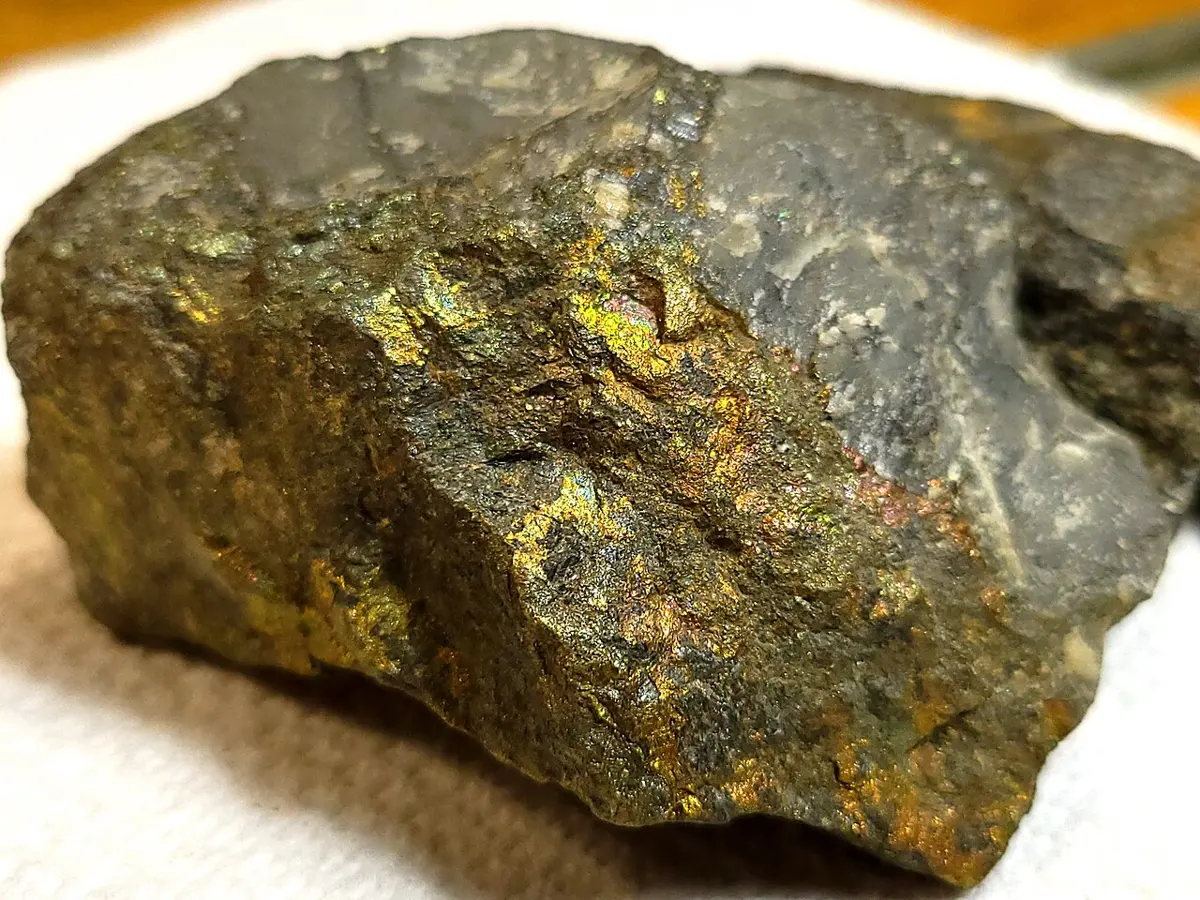
Copper
Symbol: Cu (from its Latin name, cuprum). Atomic number: 29.
Copper is one of the first metals people ever used: it has been worked for at least 9000 years. It is extracted from its ore chalcopyrite.
Physical properties
- a.Copper is a reddish-brown metal.
- b.It is a very good conductor of heat and electricity (only silver is better).
- c.In moist air it slowly goes dull, and in time it gets a green coat.
- d.It reacts with some substances, but less readily than iron.
Uses
- a.To make utensils, such as the gagri, the karuwa and water jugs.
- b.As electric wire.
- c.To make alloys such as brass (copper and zinc) and bronze (copper and tin).
- d.To make coins, statues and medals.
- e.To make various chemicals and medicines.
Silver
Symbol: Ag (from its Latin name, argentum). Atomic number: 47.
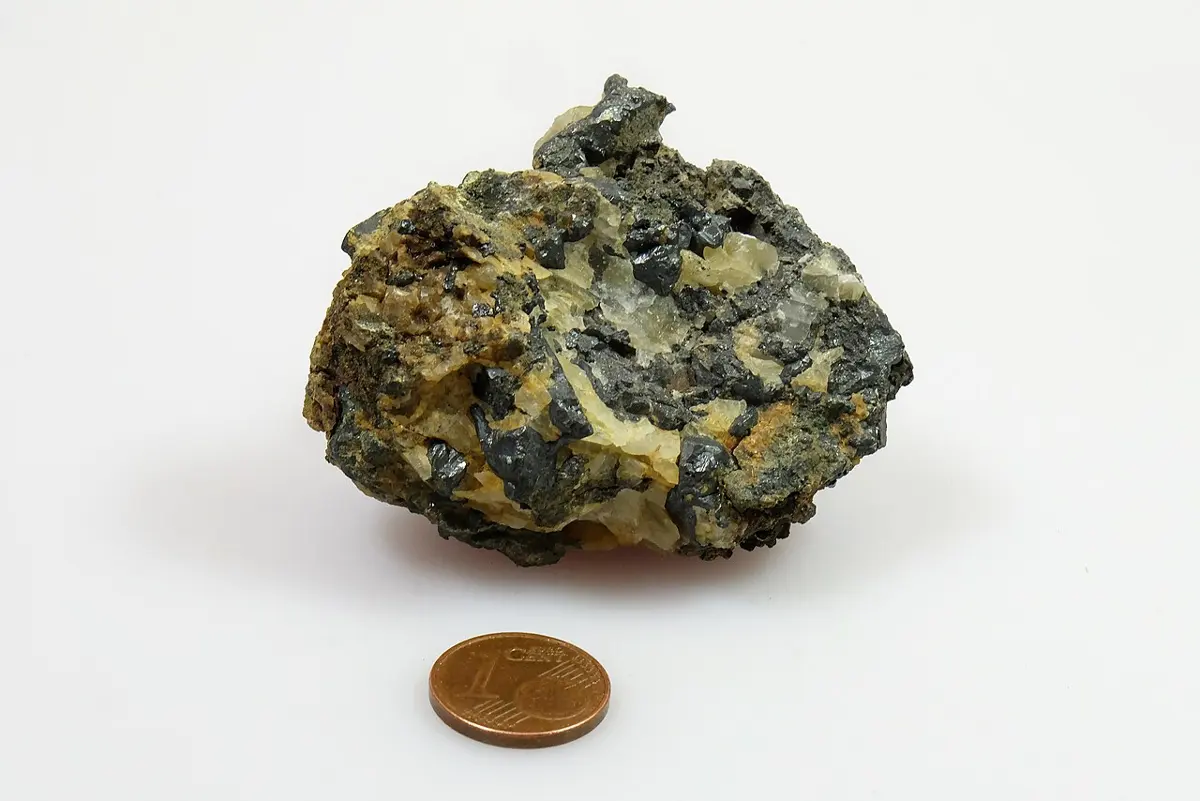
Silver is found as ores and compounds (and sometimes free). Its main ore is argentite, from which silver is extracted.
Physical properties
- a.Silver is a shiny white metal.
- b.It is the best conductor of heat and electricity of all.
- c.Air and water hardly affect it (only over time does it tarnish black, from traces of sulphur in the air).
- d.It is not very reactive.
Uses
- a.To make valuable utensils, coins and medals.
- b.To make jewelry.
- c.To coat (plate) other metals.
- d.In dentistry: “silver” fillings are mercury mixed with silver, tin and copper.
- e.In some medicines, such as creams for burns.
Sulphur
Symbol: S. Atomic number: 16.
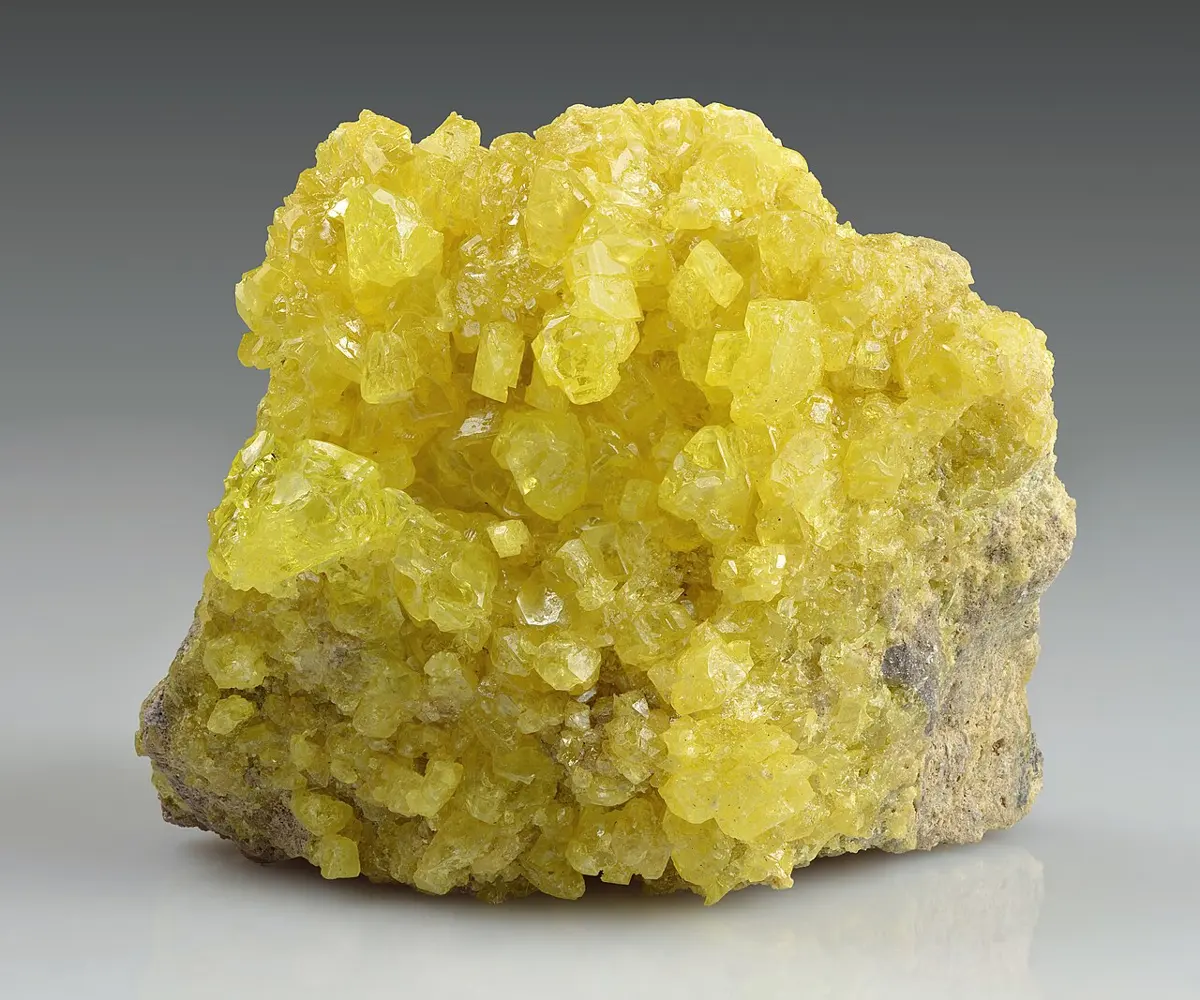
Sulphur is a non-metal found free in nature, mostly near volcanoes. It is also found joined with metals in many compounds (sulphides). Compounds of sulphur give onion, garlic and mustard oil their strong smell and taste.
Physical properties
- a.Sulphur is a pale yellow, brittle solid (its crystals are glassy).
- b.It doesn’t dissolve in water.
- c.It is a bad conductor of heat and electricity.
- d.It doesn’t react with dilute acids.
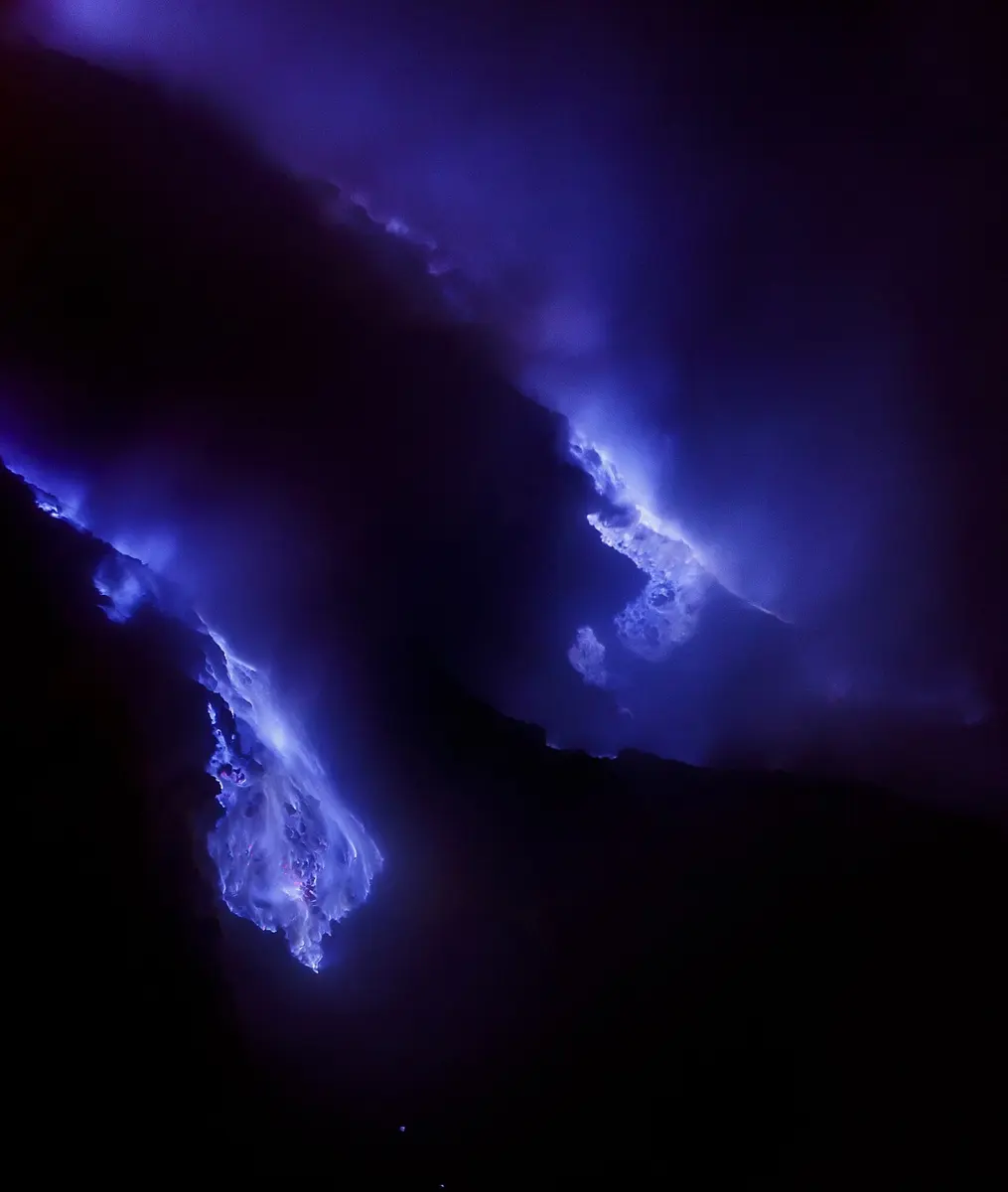
- e.It burns in air with a blue flame, forming sulphur dioxide, a choking gas.
Uses
- a.To make sulphuric acid, the most used chemical in industry.
- b.To make gunpowder.
- c.In the heads of matchsticks.
- d.To make firecrackers and fireworks.
- e.In ointments for skin diseases, such as scabies.
Iodine
Symbol: I. Atomic number: 53.
Iodine is a useful non-metal. It is found, in compounds, in sea water, seaweed and many foods. Our bodies need a little of it every day: without enough, the thyroid gland in the neck swells, a disease called goiter.
Physical properties
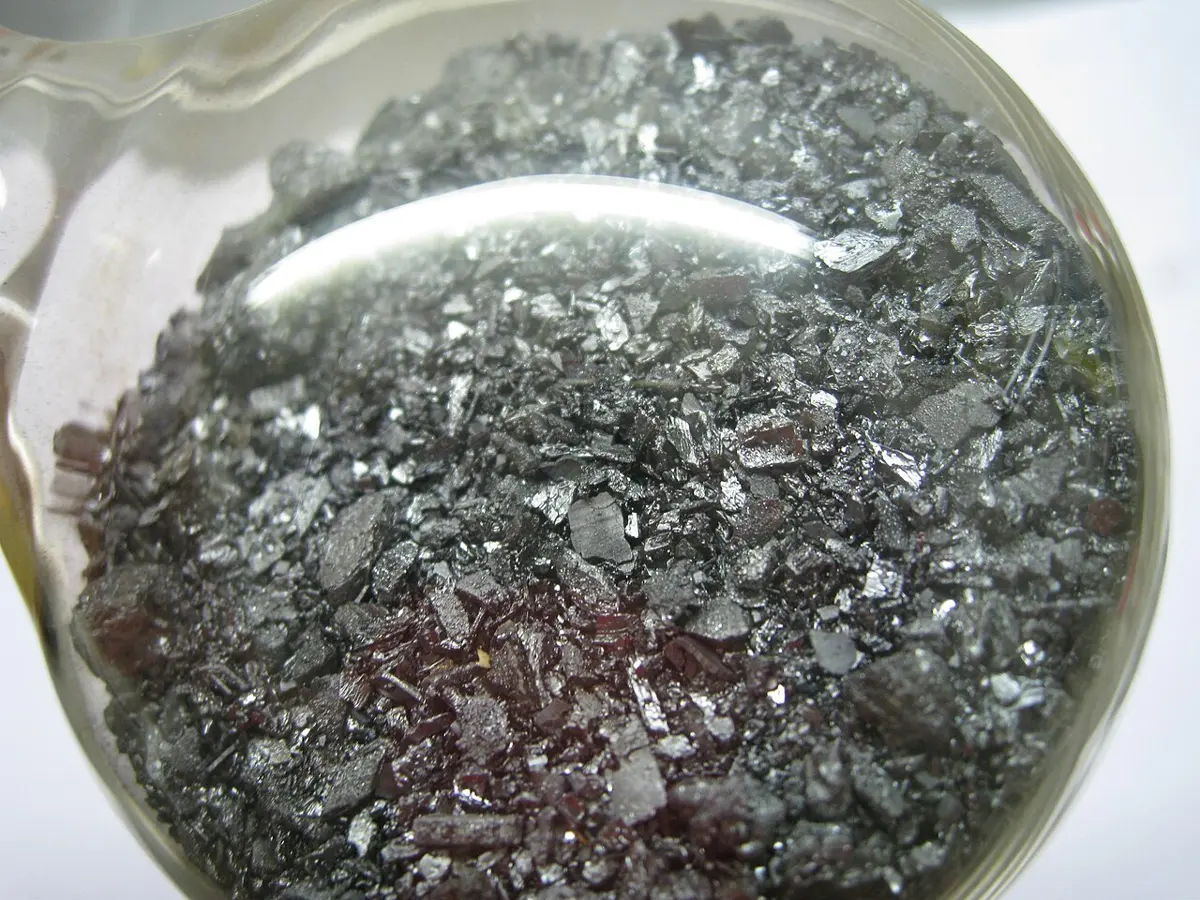
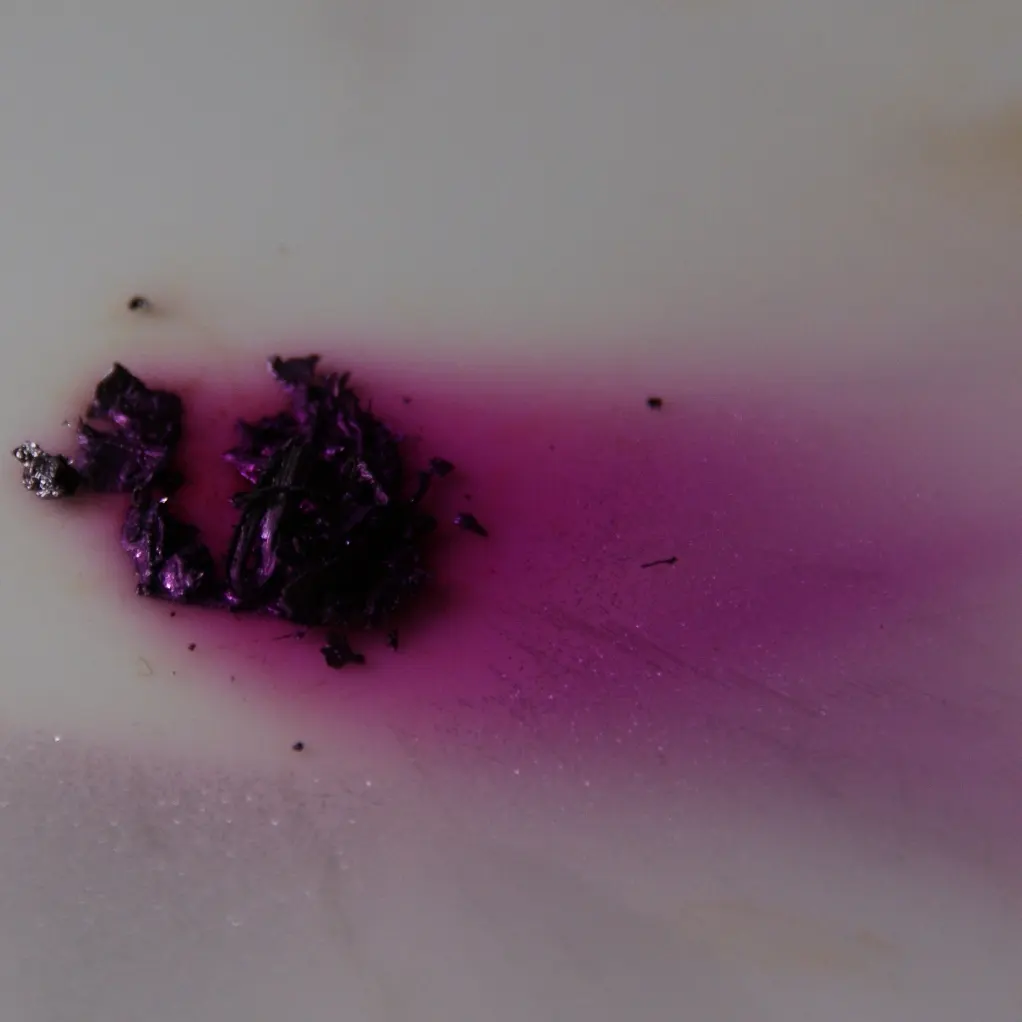
- a.Iodine is a dark gray-violet solid with a shine, though it is a non-metal.
- b.It dissolves only a little in water, but well in alcohol (giving a brown solution) and in chloroform (giving a violet one).
- c.It is a bad conductor of heat and electricity.
- d.When heated, it turns straight from a solid into a violet vapor, without melting first. This is called sublimation.
Uses
- a.To prevent goiter: a little iodine is added to common salt (iodized salt).
- b.Iodine in a mother’s food protects her baby’s growing brain: lack of iodine before birth can cause lifelong mental disability.
- c.To make tincture of iodine (iodine dissolved in alcohol), an antiseptic that kills germs on cuts and wounds.
A shiny, gray solid element breaks into pieces when hammered and doesn’t conduct electricity. What is it most likely to be?
Pick an answer to see why.
Exercise
1. Fill in the blanks with suitable words from the box
iodine · bad conductors · chalcopyrite · hematite · zinc · potassium chlorate
Non-metals are __________ of electricity.
Answer
A lack of __________ causes swelling of the thyroid gland.
Answer
A chemical used in matchsticks is __________.
Answer
__________ is used to make printing blocks.
Answer
__________ is an ore of copper.
Answer
2. Choose the correct answer
a. Which of these is a property of non-metals?
Pick an answer to see why.
b. Which metal is used in galvanizing?
Pick an answer to see why.
c. Which of these is an ore of aluminium?
Pick an answer to see why.
d. Which of these metals rusts?
Pick an answer to see why.
e. Which element is added to common salt in Nepal?
Pick an answer to see why.
f. Flames are sometimes seen at night on certain hills, and some people say they are a “night ghost”. What is the best explanation?
Pick an answer to see why.
3. Give reasons
Iodine is mixed with common salt.
Answer
Gold is found in the free state in nature.
Answer
Aluminium is used to make the bodies of vehicles and airplanes.
Answer
The handle of a pressure cooker is covered with hard plastic.
Answer
Flames are seen at night where there is sulphur.
Answer
4. Differentiate between
Metal and non-metal
Answer
Mineral and ore
Answer
Copper and sulphur
Answer
5. Name the metal or non-metal
A yellow metal found free in nature.
Answer
A metal whose surface is black or gray but shines white when rubbed, and which rusts.
Answer
A yellow non-metal that burns in air.
Answer
A non-metal that dissolves only a little in water, but dissolves in chloroform to give a violet solution.
Answer
6. Answer the following questions
Complete the table.
| Metal | Main ore | Uses |
|---|---|---|
| iron | ||
| silver | ||
| copper | ||
| aluminium |
Answer
Write the physical properties of metals.
Answer
Metals are good conductors of heat and electricity. Explain why.
Answer
Name the metal each object is made of, with its main feature and a main use: a. a hammered reddish-brown water jug; b. a golden-yellow oil lamp (panas) used in worship; c. a heavy black karahi.
Answer
Name two non-metals used in medicine, and give some other uses of non-metals.
Answer
Write the physical properties of each metal.
| Metal | Physical properties |
|---|---|
| iron | |
| silver | |
| copper | |
| aluminium | |
| gold |
Answer
Worksheet: Materials Used in Daily Life: acid, base and salt (PDF, 4 pages)
Worksheet: Materials Used in Daily Life: metals and non-metals (PDF, 4 pages)
Quiz yourself: Materials and Chemicals We Use, Grades 5–10 →
Practice every question in the book, and keep track of the ones you miss →
A companion to your textbook, not a replacement for it: study from the book your school uses, and where the two differ, follow your teacher. Found a mistake? Please tell us.