
Step outside on a cold winter morning. The grass is white with frost. Your breath makes little clouds. Then the Sun climbs over the hill. The frost melts. Birds begin to sing. A lizard creeps out of a crack in the wall and sits in the sunshine.
Everything wakes up with the Sun. In this unit you will find out why. You will see how plants and animals use the Sun’s heat and light. Then you will look at the energy we use every day. Where does it come from? How can we use it without harming the world around us?
Living things and their environment
Look at the picture. Talk about it with your friends.
The world around us has two kinds of things.
- Living things: plants and animals (and mushrooms too). They grow, take in food, breathe and have young ones.
- Non-living things: soil, water, air, heat and light. They don’t grow or eat.
All the living and non-living things of a place, together, make its environment.
Living things can’t live alone. A rabbit needs grass to eat. The grass needs soil, water, air and sunlight. Plants and animals get their heat and light from the environment too. So living and non-living things are linked. Each one depends on the others.
Which of these is a non-living part of the environment?
Pick an answer to see why.
Heat and light for living beings
Look at the pictures. What is the Sun doing in each one?
Leaf: DBCLS (CC BY 4.0)
Baby: traced from an 1818 etching, Wellcome Collection (CC BY 4.0)
The Sun is our main source of light and heat. Here is what its light and heat do.
For plants
- Plants make their food in sunlight.
- Plants need warmth to grow, to flower, to make fruit and to ripen their seeds.
- Warmth helps leaves give out the extra water a plant has taken in.
For animals
- Animals need heat to keep their bodies warm.
- They need warmth to have young ones.
For people
- The Sun dries our wet clothes and our grain.
- It can cook food, in a solar cooker.
- Sunlight on our skin helps the body make vitamin D. This keeps our bones strong.
- Solar panels make electricity from sunlight.
For the whole Earth
- Sunlight takes away darkness and makes the day bright.
- The Sun’s heat warms the land, so living things can live on it.
- The Sun’s heat turns water from seas, rivers and ponds into vapor. This is called evaporation. The vapor forms clouds, and rain falls again. This is the water cycle.
What is our main source of heat and light?
Pick an answer to see why.
Plants need sunlight
What happens to a plant that gets no sunlight? Try it and see.
Why does a plant turn yellow in the dark? Green leaves have a green coloring in them called chlorophyll. Chlorophyll catches sunlight. The plant uses that light to make its food from water and a gas in the air called carbon dioxide. The water comes up from the roots. The carbon dioxide comes in through the leaves.
The food the leaves make helps the whole plant grow. Without sunlight, the plant can’t make food. It also stops making chlorophyll, so its leaves turn yellow.
Tori: C. A. M. Lindman, Billeder af Nordens Flora (1901), public domain
Mustard root: C. A. M. Lindman, Billeder af Nordens Flora (1901), public domain
What is the green coloring in leaves called?
Pick an answer to see why.
Animals need heat and light
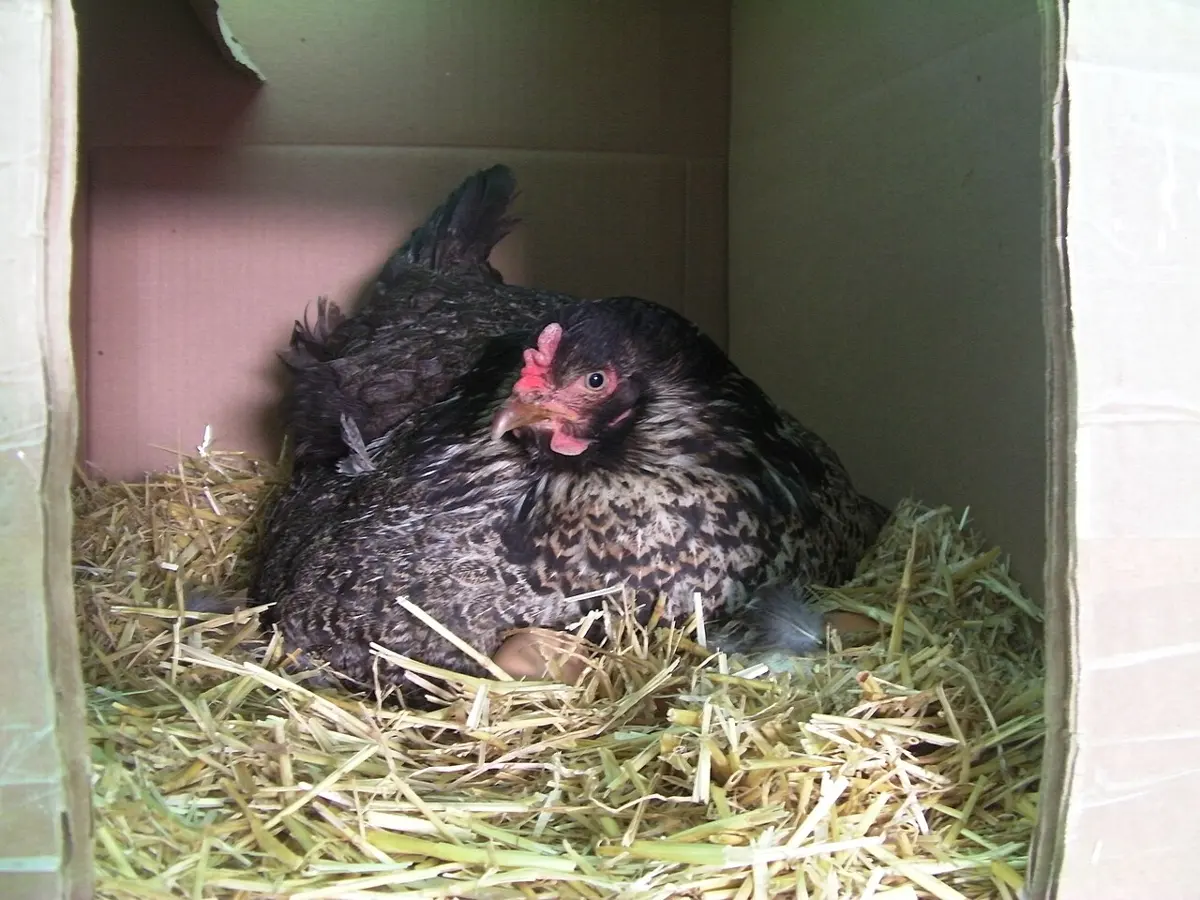
Animals need heat to:
- grow and develop their bodies;
- keep their bodies warm;
- hatch their young ones from eggs.
Animals need light to:
- see things around them;
- find food and a safe place to stay;
- escape from their enemies.
On a cold day, a dog lies in the sun. A cat curls up in a warm corner. People sit around a fire. An eagle needs daylight to spot a fish in the water.
Why does a hen sit on her eggs?
Pick an answer to see why.
Different places, different plants
Why do different places have different plants? It depends on three things: how much rain falls, how many hours of sunshine there are, and how warm or cold it is.
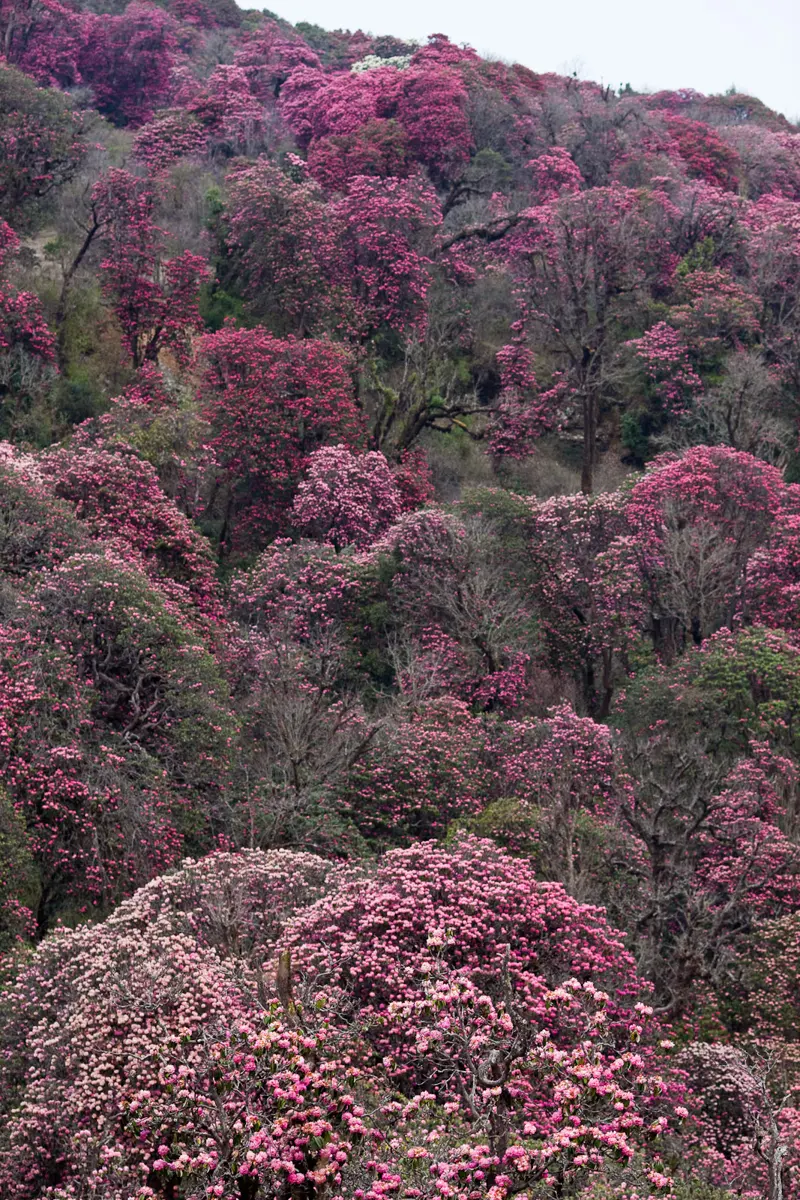
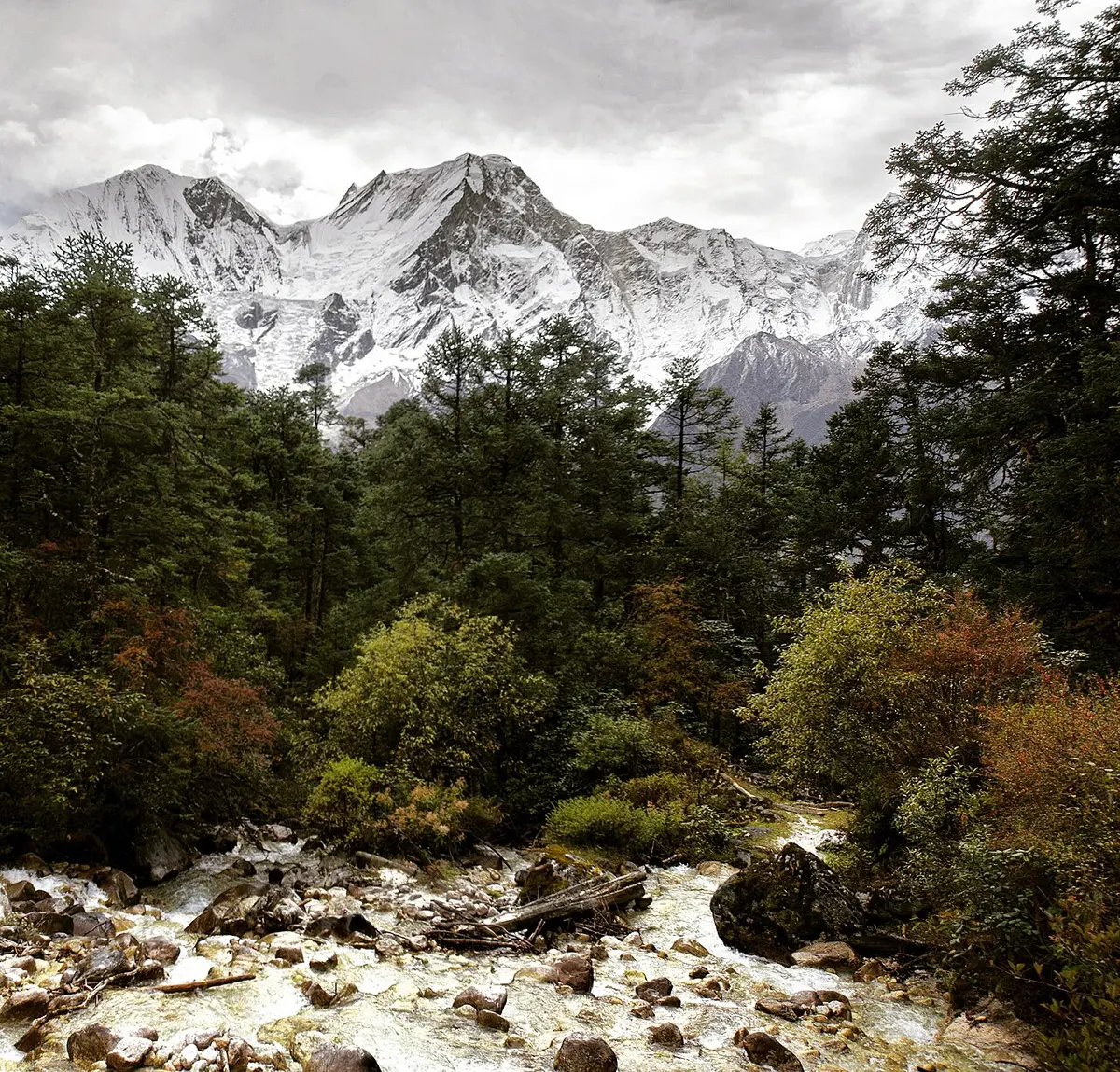
Nepal has three kinds of land: the Himalaya (mountains), the hills and the Terai (plains). As you go north, the land gets higher. The higher the land, the colder the air. The usual weather of a place, year after year, is called its climate. So each region has its own climate, and its own plants.
- Terai: hot. Sal, sissoo, mango and bamboo grow here.
- Hills: milder. Pine, walnut, chestnut and rhododendron grow here, and fir higher up.
- Himalaya: cold. Spruce, fir and juniper (dhupi) grow here. Their leaves are thin and shaped like needles.
- High Himalaya: too cold for trees. Snow covers the ground in winter. Grasslands appear only in summer, when the snow melts.
Sal: traced from a photo by the Wikimedia Commons user Iñ Matal (written in Ol Chiki), CC BY-SA 4.0 (this drawing CC BY-SA 4.0)
Mango: Philipola, CC0, via Wikimedia Commons
Bamboo: F. M. Blanco, Flora de Filipinas (1880), Public domain, via Wikimedia Commons
Pine: unknown, CC0, via PhyloPic
Rhododendron: Abhijit Kar Gupta from Kolkata, India, CC BY 2.0, via Wikimedia Commons
Spruce: unknown, CC0, via PhyloPic
Juniper: Andy Wilson, CC0, via PhyloPic
Grass: O. W. Thomé, Flora von Deutschland (1885), public domain
Which plant has thin, needle-shaped leaves?
Pick an answer to see why.
Tomatoes in winter: the plastic tunnel
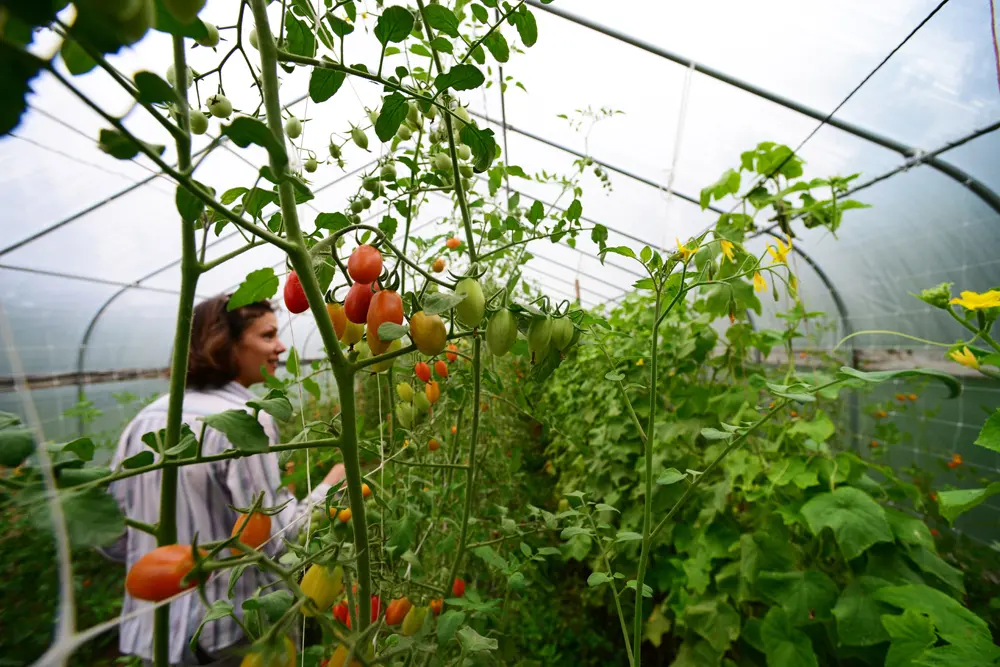
Long days and short days
In summer, the days are long. In winter, they are short. So in summer, plants get sunlight for many hours. Summer is also warm. Plants grow fast, and many flowers bloom.
In winter, the days are short and cold. Plants get less heat and light. So most plants grow slowly in winter.
Not all flowers open in the daytime. Parijat (night jasmine), jasmine and queen of the night (brahmakamal, ब्रह्मकमल) open in the evening or at night. So do the small flowers of raat ki rani (रातकी रानी).
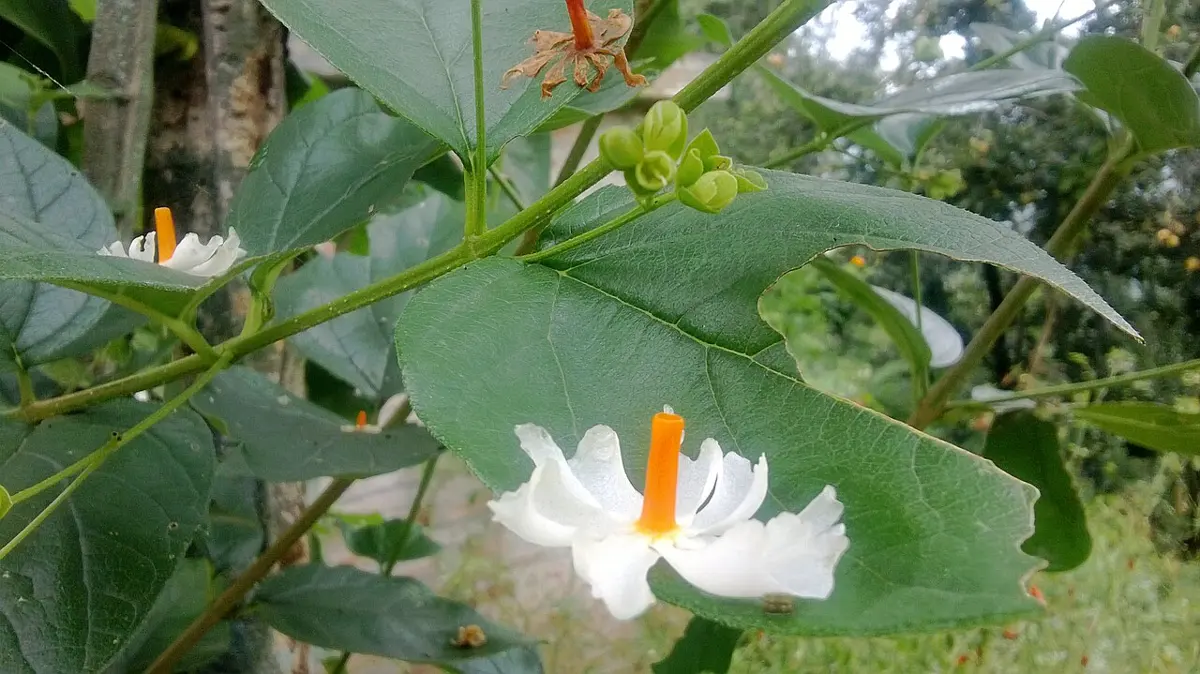
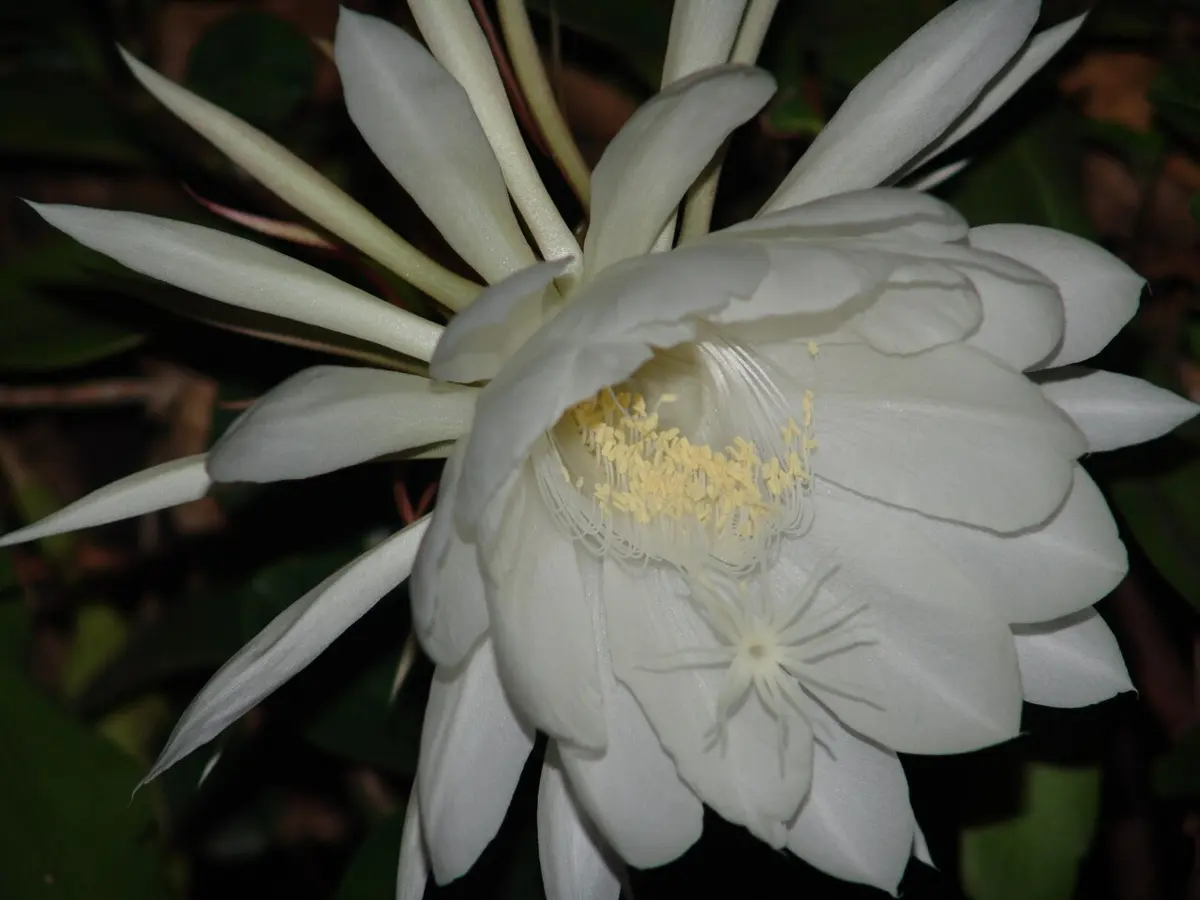
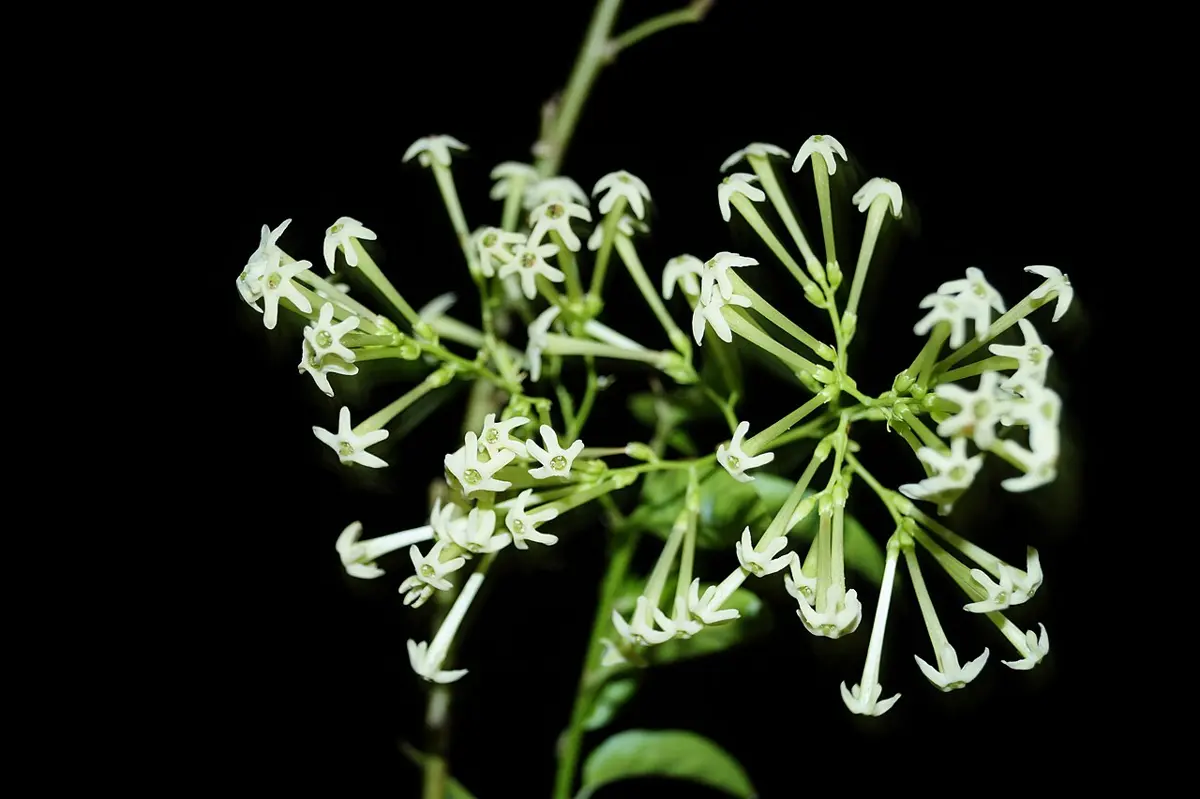
Some plants like the cold. Pine, juniper, chestnut and walnut grow well in cold places. Apple trees in Jumla and Mustang need a cold winter to flower well in spring.
Why do most plants grow slowly in winter?
Pick an answer to see why.
A box in the sun
Exercise (Heat and light for living beings)
1. Choose the best answer
a. Which of these is the main source of heat?
Pick an answer to see why.
b. What is the main reason plants don’t grow well in winter?
Pick an answer to see why.
c. What is the main job of a tunnel for growing vegetables?
Pick an answer to see why.
d. To make food, a plant needs water from its roots. What else does it need?
Pick an answer to see why.
2. True or false?
a. A hen needs light to hatch chicks from her eggs.
Pick an answer to see why.
b. Plants grow faster in places that get sunlight for longer.
Pick an answer to see why.
c. Plants found in the Himalaya have needle-shaped leaves.
Pick an answer to see why.
d. Heat, light, soil and air are non-living parts of the environment.
Pick an answer to see why.
e. A tunnel helps the plants inside by not letting sunlight in through the plastic.
Pick an answer to see why.
3. Fill in the blanks
chlorophyll, environment, favorable, cold, yellow, suitable, green
Energy is obtained from the ______.
Answer
______ weather is needed for farming.
Answer
In bad weather, animals move from their homes to ______ places.
Answer
Plants turn ______ when they get no sunlight.
Answer
______ is found only in green plants.
Answer
4. Answer these questions
List any three sources of heat and three sources of light.
Answer
Why don’t plants grow well in places with no sunlight?
Answer
Why are plastic tunnels used to grow vegetables in winter?
Answer
For what jobs do living things need heat?
Answer
Sources of energy in the environment
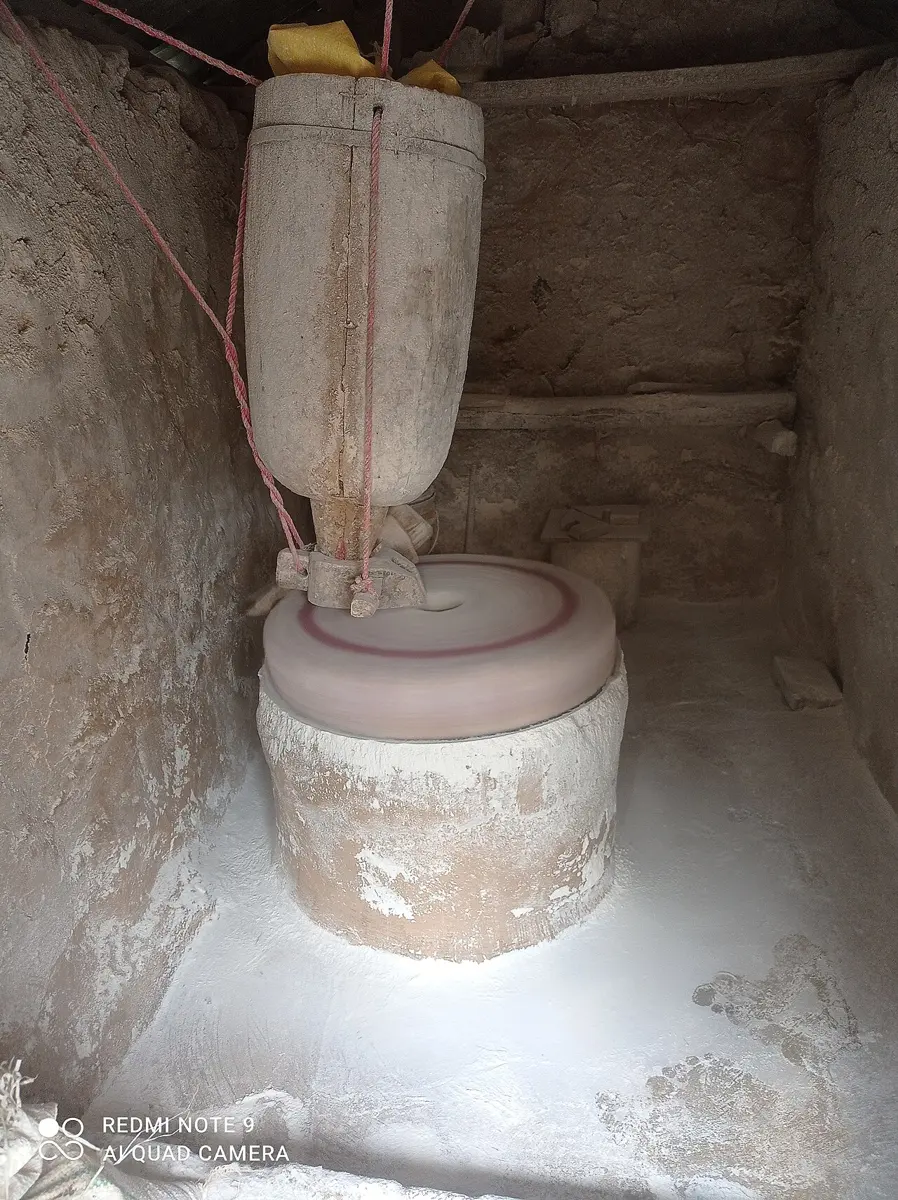
Where does energy come from?
We need energy to do every job: to cook, to give light, and to move things from one place to another.
Energy from the Sun is called solar energy. It reaches the Earth as heat and light. All living things need it.
- Plants use sunlight to make food.
- Animals eat plants, or eat other animals that ate plants.
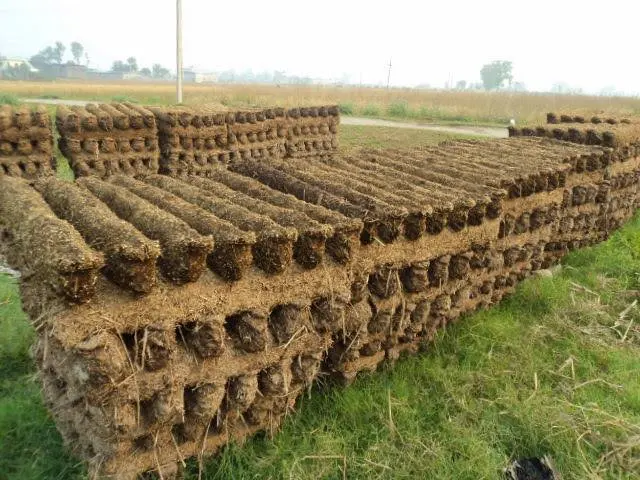
- Wood, firewood and charcoal come from plants.
- Cow dung is made into dung cakes (guitha) and biogas.
So the energy in firewood, dung and our food all came from the Sun first.
The Sun also gives us hydroelectricity. Follow the picture.
Electricity is used in homes, schools, offices and factories. But making it takes a lot of work and money. So we should never waste energy.
Where did the energy in firewood first come from?
Pick an answer to see why.
Harke Dai and the firewood
Here is what Pawan and Geeta taught Harke Dai. Using energy carefully, without wasting it, is called energy conservation.
- Cutting too many trees destroys the forest. Animals lose their homes and may die out.
- Without trees, rain washes the soil away, and bare hills slide down as landslides.
- Use firewood wisely: take only dry and fallen wood, with permission. Plant new trees.
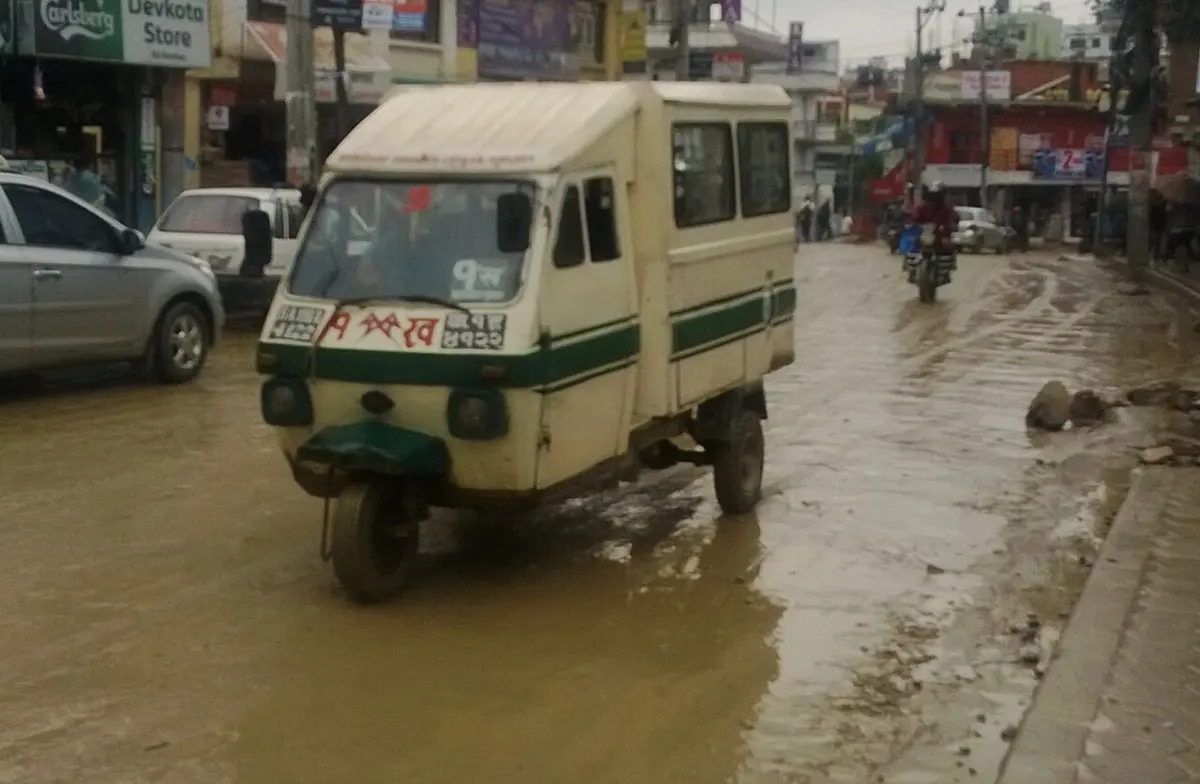
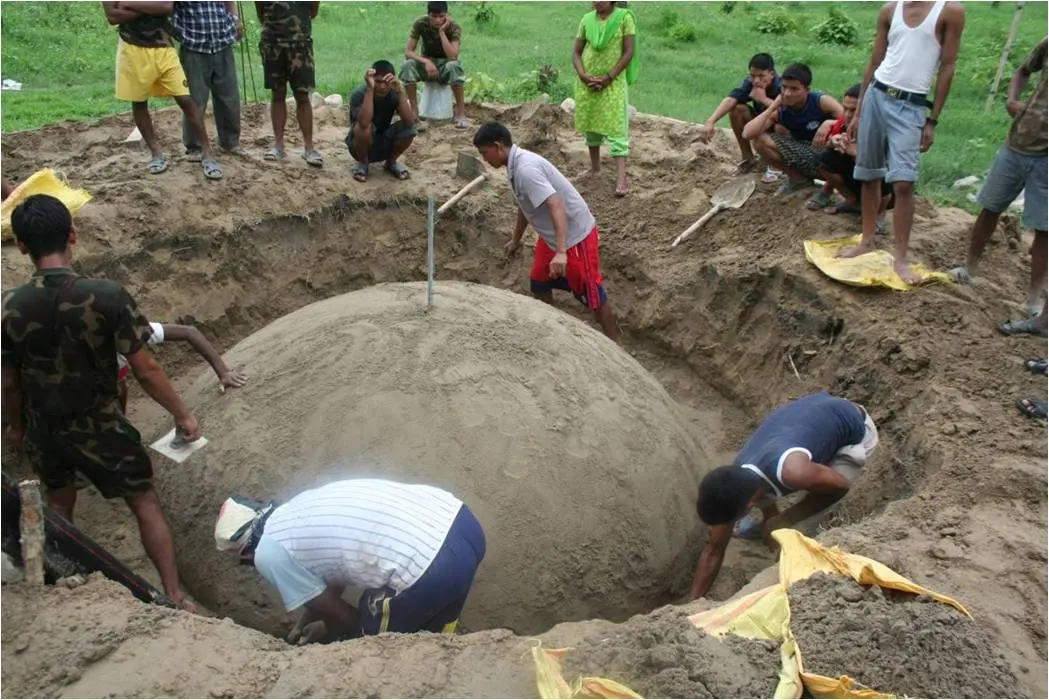
- Cook with cleaner energy: biogas, or electricity with an induction stove. They give no smoke.
- Coal, kerosene, diesel and petrol make smoke that dirties the air and harms our health. They are called fossil fuels. They formed under the ground over hundreds of millions of years. Once used up, they are gone.
Using energy without harming the environment
Energy that runs out, energy that comes back
Some sources of energy will finish if we keep using them. Coal, kerosene, petrol, diesel and cooking gas formed under the ground over hundreds of millions of years. Once they are burnt, they are gone. These are non-renewable sources of energy.
Other sources come back again and again. The Sun shines every day. Rain keeps refilling the rivers, so hydroelectricity never runs out. Wind keeps blowing. Forests grow again if we plant new trees. Cows make fresh dung every day for biogas. These are renewable sources of energy.
So, in our homes, schools, offices and factories, we should:
- use less of what runs out, like kerosene, petrol, diesel and other mineral oil;
- use more of what comes back, like biogas, wind power, hydropower and solar power.
Which of these is a renewable source of energy?
Pick an answer to see why.
Exercise (Sources of energy)
1. Choose the best answer
a. Which of these is a renewable source of energy?
Pick an answer to see why.
b. Which of these sources of energy makes the air most polluted?
Pick an answer to see why.
c. Which of these sources of energy doesn’t pollute the air?
Pick an answer to see why.
d. Which of these is a good way to stop wasting energy?
Pick an answer to see why.
2. True or false?
a. Electric vehicles cause pollution.
Pick an answer to see why.
b. Using too much energy, and wasting it, harms the environment.
Pick an answer to see why.
c. There is plenty of coal in nature.
Pick an answer to see why.
d. Leaving the lights on in a room with nobody in it wastes energy.
Pick an answer to see why.
3. Fill in the blanks
excessive, electricity, Sun, pollution, less, coal
______ is a source of energy that will finish if we keep using it.
Answer
______ use of energy makes the natural sources of energy run out.
Answer
Using solar energy doesn’t cause ______ in the environment.
Answer
The ______ is the main source of energy.
Answer
4. Answer these questions
Make a list of things we use as sources of energy in daily life.
Answer
Write any two ways to save energy that you have used or seen at home or in your community.
Answer
“Biogas is better than firewood as a source of heat.” Give any two reasons.
Answer
Which is better to use, a diesel vehicle or an electric vehicle? Give a reason.
Answer
Choosing the right source of energy helps keep the environment clean. Explain with an example.
Answer
Write the ways to conserve energy.
Answer
Quiz yourself: Environment and Biodiversity, Grades 5–10 →
Practice every question in the book, and keep track of the ones you miss →
A companion to your textbook, not a replacement for it: study from the book your school uses, and where the two differ, follow your teacher. Found a mistake? Please tell us.