
Imagine a shop with no shelves. Rice, soap, pens and biscuits lie mixed up in one big heap. How long would it take to find a pencil?
The living world is like that heap, only much bigger. Scientists have named about two million kinds of living things so far. Nepal alone has almost 900 kinds of birds. To make sense of them, we put them into groups. Things that are alike go together. This sorting is called classification.
In this unit you will sort animals by their backbone, and then into five big families. Then you will take a plant apart: its roots, stem, leaves, flowers, fruits and seeds. At the end, you will learn to tell the two big families of flowering plants apart, just by looking.
Living things around us
Plants and animals come in every shape and size. An ant is tiny. An elephant is huge. Moss is small. A peepal tree is very large.
To sort animals, start with one simple question: does it have a backbone? The backbone is the long row of bones down the middle of the back. It runs from the neck to the tail.
- Animals without a backbone: earthworm, crab, centipede, spider, fly, ant, snail and starfish.
- Animals with a backbone: fish, frog, lizard, snake, chicken, pigeon, dog, cat, cow and human.
Plants can be sorted with one question too: does it make flowers? So plants fall into two big groups: flowering plants and non-flowering plants.
Which of these animals has a backbone?
Pick an answer to see why.
Into which two groups are plants mainly sorted?
Pick an answer to see why.
Vertebrates
All these animals have a backbone. Animals with a backbone are called vertebrates.
But vertebrates are not all alike.
- A fish lives in water. Its bones are thin and sharp, like thorns.
- A frog or a toad lives both in water and on land.
- Snakes, crocodiles and turtles crawl.
- A danphe or a pigeon is covered with feathers. It flies with its wings.
- Cows, goats and humans live on land. Their babies are born looking like them.
Their bodies are built differently. They breathe in different ways. Some lay eggs. Others give birth to babies.
These riddles name the five groups of vertebrates. Each group has its own clues:
- Pisces (fish): live only in water.
- Amphibians: live both in water and on land.
- Reptiles: crawl, with a rough, scaly skin.
- Aves (birds): covered with feathers, and fly.
- Mammals: give birth to babies, and feed them milk.
1. Pisces (fish)
Rohu, seahorses and every other fish belong to this group, small or large. Fish can live only in water.
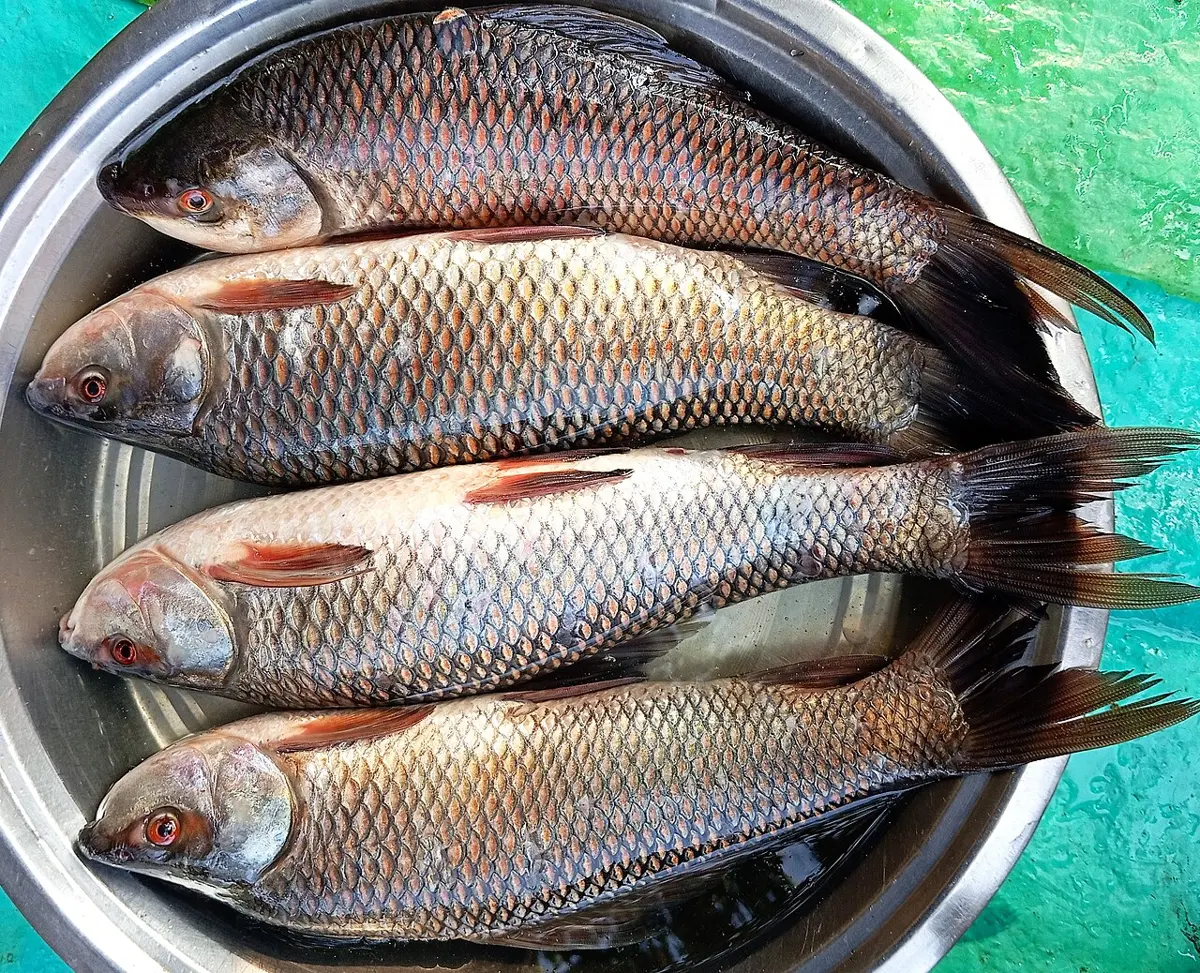
Carp: DBCLS (CC BY 4.0)
What all fish have
- Most fish have a body covered with scales.
- Their body is streamlined: smooth and pointed at the front, so it slips through water easily.
- They swim with fins.
- They breathe with gills, on the two sides of the head.
- They lay eggs in water.
2. Amphibians
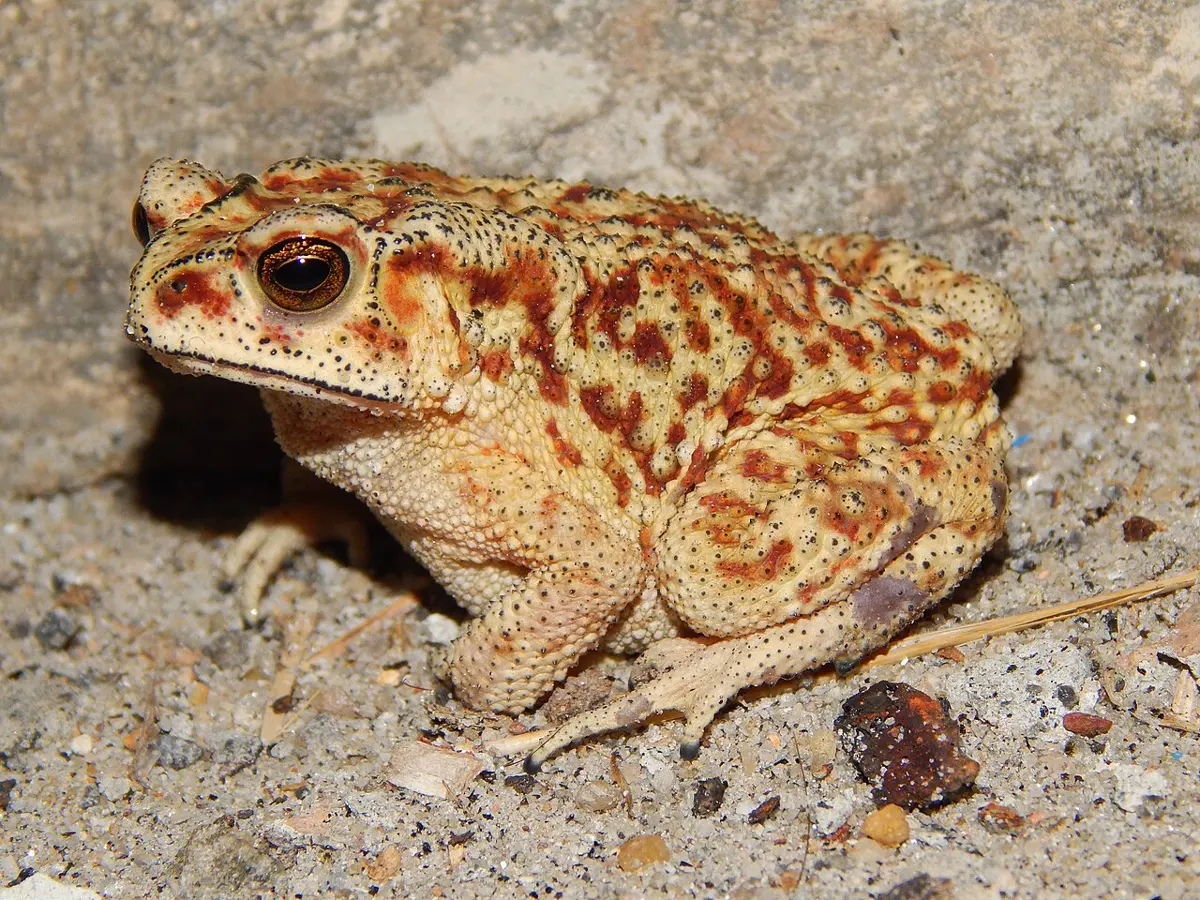
Frogs and toads belong to the group called amphibians. They can live both in water and on land. (Amphibian means “living two lives”.)
What all amphibians have
- Their skin is moist and smooth, without scales.
- The body has a head and a trunk, with no neck between them. There are two pairs of legs.
- They walk, jump and crawl with their legs.
- They lay eggs in water. A tadpole hatches from each egg. It grows up in the water.
- They breathe in different ways at different times:
- A tadpole breathes with gills.
- A grown frog in water breathes through its moist skin.
- On land, it breathes mainly with its lungs. Its skin helps too.
Frog stages: LadyofHats (CC0)
How does a tadpole breathe?
Pick an answer to see why.
3. Reptiles
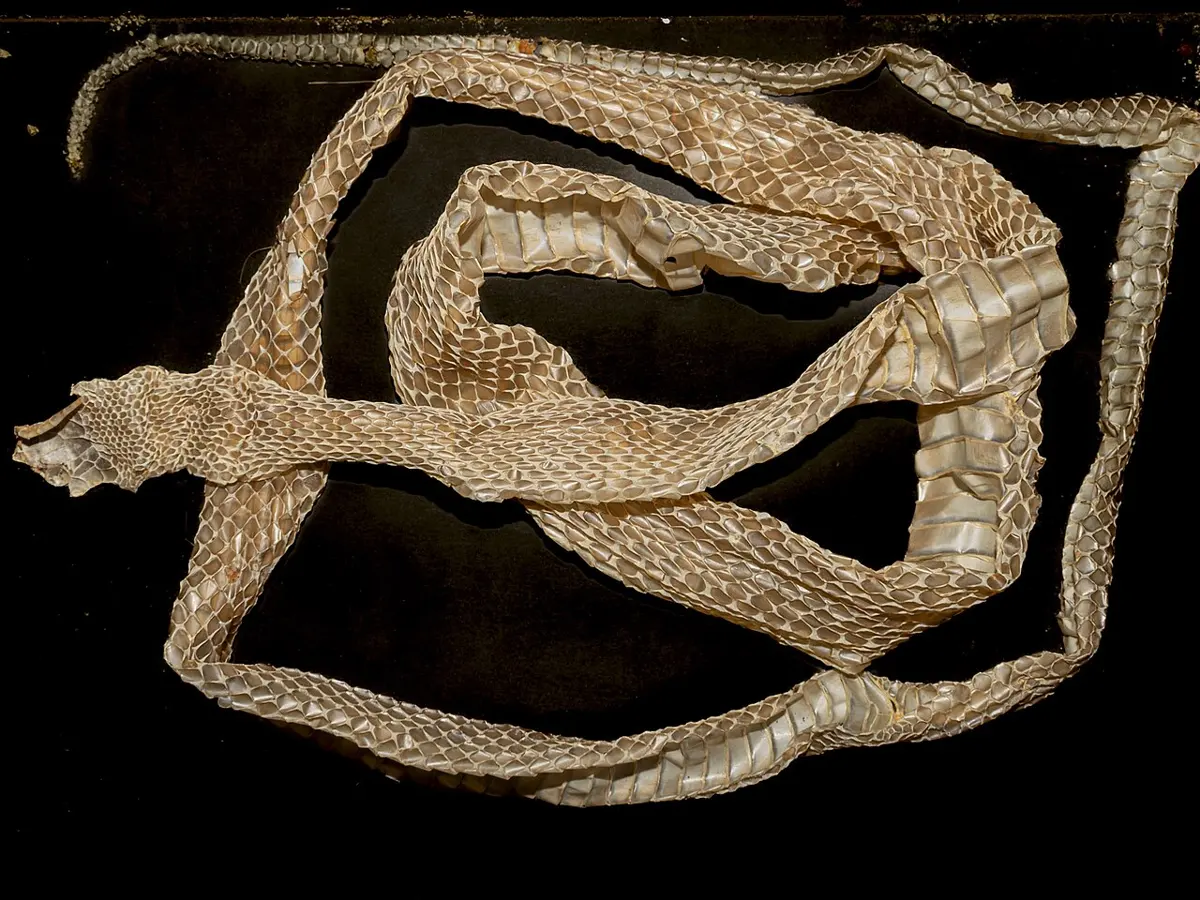
Snakes, lizards, crocodiles and turtles are in the group called reptiles. Most reptiles live on land. Some, like crocodiles and many turtles, live in water too.
What all reptiles have
- The body is covered with dry, hard scales.
- The body has a head, a neck, a trunk and a tail.
- Most have two pairs of legs. Snakes have no legs.
- They breathe with lungs.
- They lay eggs on land. The eggs have a tough shell.
What covers a reptile’s body?
Pick an answer to see why.
4. Aves (birds)
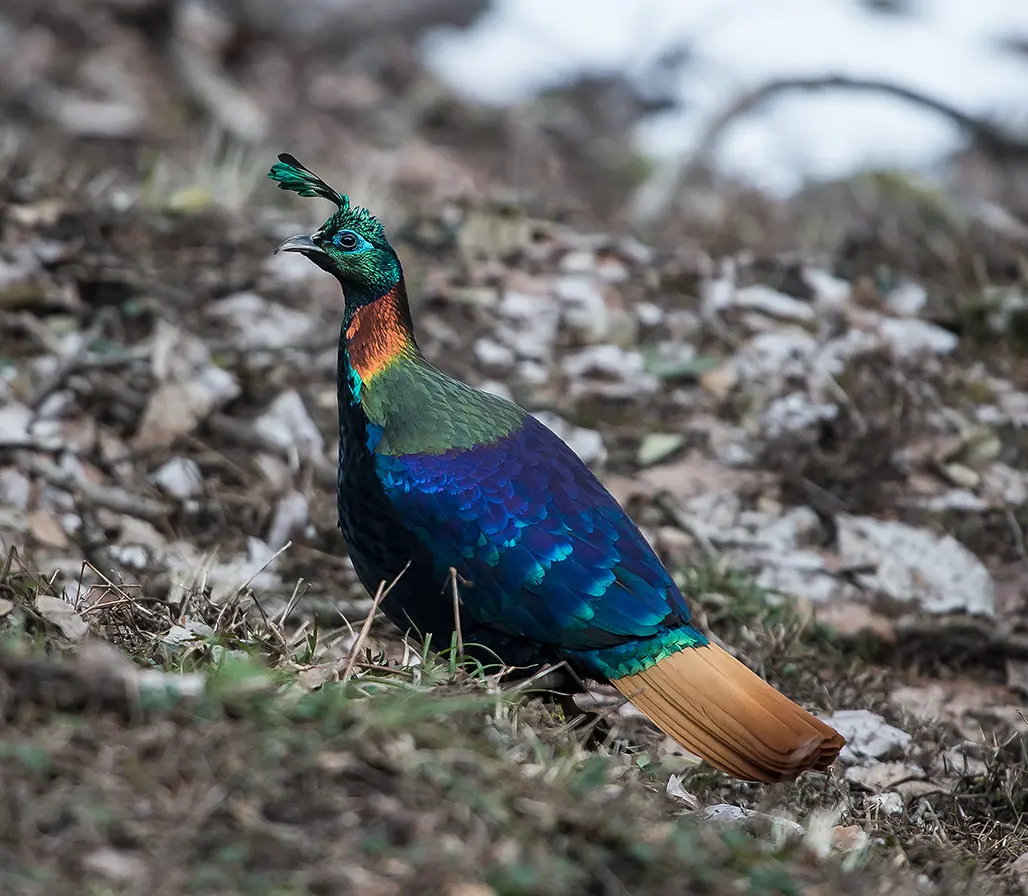
Chickens, pigeons, sparrows, crows, cuckoos, ducks, hawks and ostriches are birds. Most birds live on land and can fly. Some, like ducks, live on water too. The bird group is called Aves.
What all birds have
- The body is covered with feathers.
- The body is streamlined, shaped like a boat. Air flows past it easily.
- The body has a head with a beak, a neck, a trunk and a tail.
- Birds have a beak, but no teeth.
- Their bones are light. Many are hollow, with air spaces inside, like a honeycomb.
- They have one pair of legs and one pair of wings. The feet are for walking, running, perching, swimming and catching prey. The wings are for flying.
- They breathe with lungs.
- They have air sacs: thin bags of air inside the body, joined to the lungs.
- They lay eggs with a hard shell. They sit on the eggs to keep them warm until they hatch.
Pigeon: Wakana Sasaki / DBCLS (CC BY 4.0)
Why are a bird’s bones light?
Pick an answer to see why.
5. Mammals
Humans, dogs, cows, tigers, elephants, rats, cats, deer, rhinoceroses, dolphins, whales and bats are mammals. Mammal mothers give birth to babies and feed them milk. Most mammals live on land. Bats can fly. Whales and dolphins live in water.
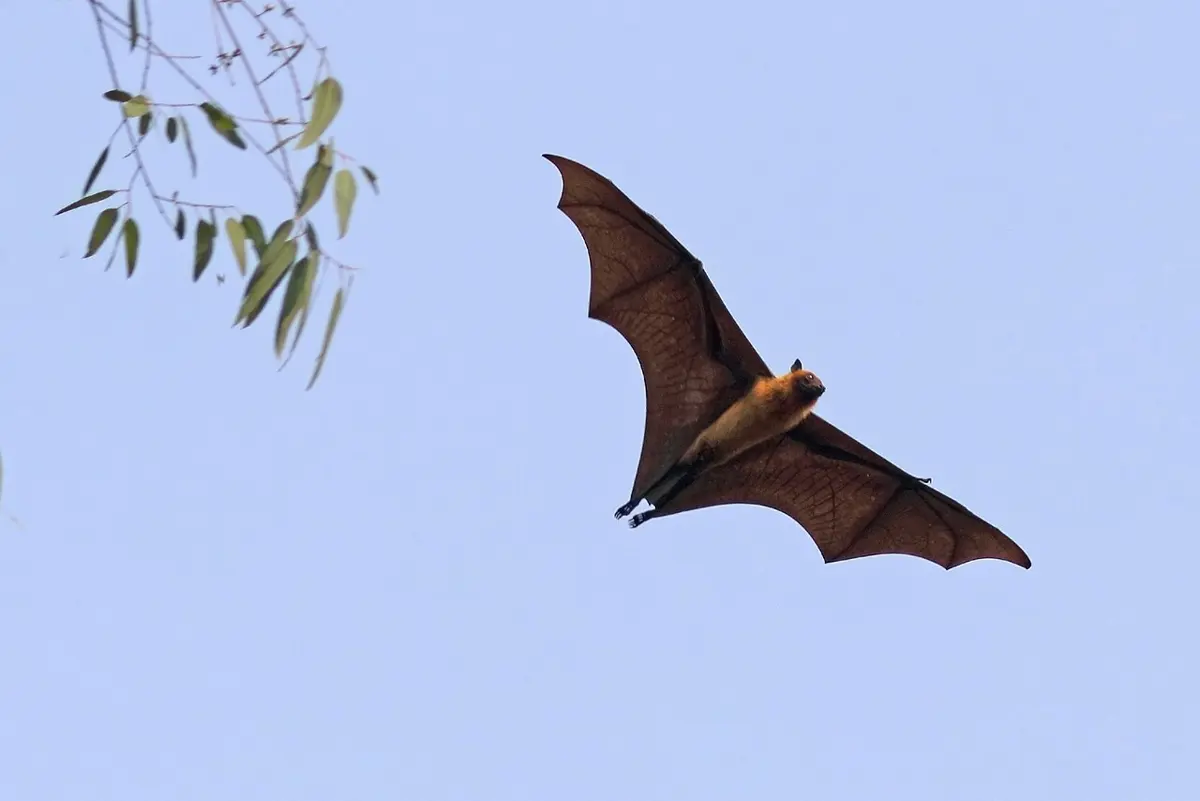
What all mammals have
- The body is covered with fur or hair.
- The body has a head, a neck, a trunk and two pairs of legs. Most have a tail too.
- They breathe with lungs.
- Most mammals give birth to babies. This is called being viviparous. The mothers feed the babies milk (breastfeed them).
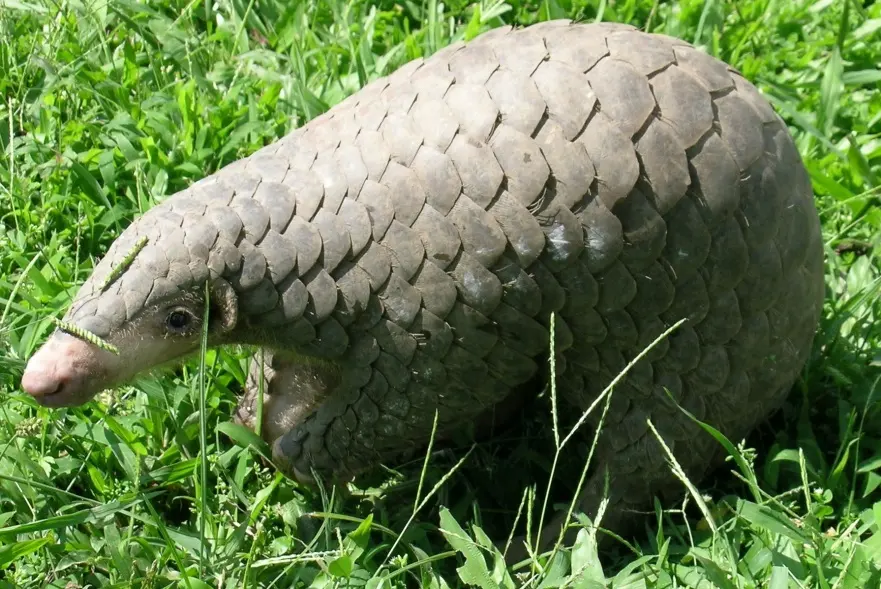
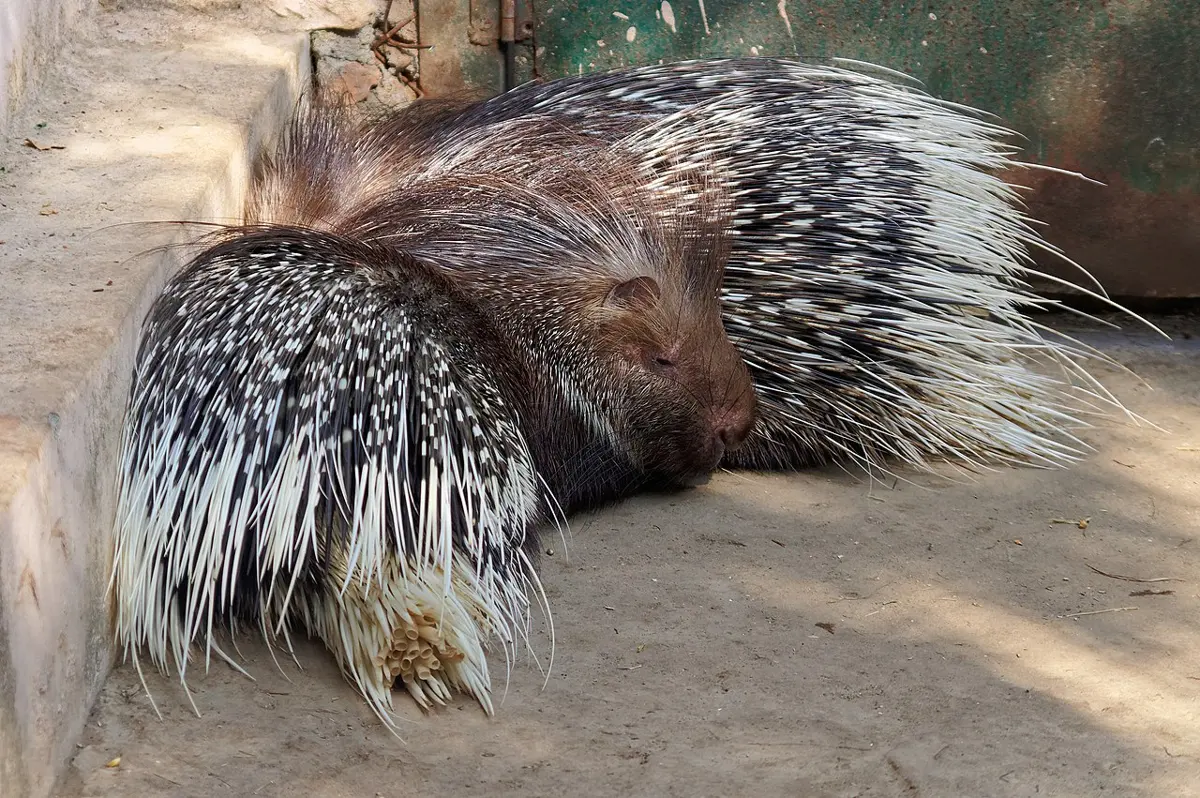
Which animal is a mammal?
Pick an answer to see why.
Draw it: A fish, A bird (pigeon)
Exercise (Vertebrates)
1. True or false?
a. Fish breathe through gills.
Pick an answer to see why.
b. Animals that live both in water and on land are called reptiles.
Pick an answer to see why.
c. A gecko (wall lizard) breathes through lungs.
Pick an answer to see why.
d. A bird’s body is covered with hair.
Pick an answer to see why.
e. Mammals give birth to their babies.
Pick an answer to see why.
2. Fill in the blanks
breastfeeds, fins, gills, vertebrates, crawls, swim
Animals with a backbone are called ______.
Answer
A fish swims in water with the help of its ______.
Answer
A frog’s webbed feet help it to ______.
Answer
A snake ______ on the ground.
Answer
A monkey ______ its baby.
Answer
3. Match the body covering with the animal
| Body covering | Animal |
|---|---|
| A. soft, moist skin | a.crab |
| B. scales | b.frog |
| C. hair | c.tortoise |
| D. dry, hard scales | d.danphe |
| E. feathers | e.rohu fish |
| f.cat |
Answer
4. Choose the correct answer
a. Which animal gives birth to babies?
Pick an answer to see why.
b. Which animal’s body is covered with dry, hard scales?
Pick an answer to see why.
c. Which animal has no neck?
Pick an answer to see why.
d. Which animal has no teeth?
Pick an answer to see why.
e. A frog is swimming in water. Which body part helps it swim?
Pick an answer to see why.
5. Answer these questions
What do birds use their feet for?
Answer
When does a frog breathe with gills, with its skin and with its lungs?
Answer
How do the different parts of a bird’s body help it fly?
Answer
Draw a fish and a bird, showing their main features. Name the parts.
Answer
Most reptiles have two pairs of legs, but a snake has none. Why is a snake put in the reptile group?
Answer
Name the group of animals with these features.
- i.They lay eggs on land, breathe with lungs, and are covered with dry, hard scales.
- ii.Their body is covered with hair; they give birth to babies and breastfeed them.
- iii.Their body has scales and fins; they breathe with gills.
- iv.They have two pairs of legs and soft, moist skin; they breathe with lungs and skin.
- v.They have a boat-shaped body and light bones, and breathe with lungs.
Answer
Words to know
- Adult: a fully grown living thing.
- Backbone: a long row of bones down the middle of the back, from the neck to the tail.
Parts of a plant and their functions
Some parts of a plant are under the soil. The rest are above it.
- The part under the soil is the root system.
- The part above the soil is the shoot system.
Tori: C. A. M. Lindman, Billeder af Nordens Flora (1901), public domain
Mustard root: C. A. M. Lindman, Billeder af Nordens Flora (1901), public domain
Root tip: New Student's Reference Work (1914), public domain
Root system
The root is the part of a plant that usually stays under the soil. Roots are mostly white, cream or gray. There are two main kinds of root system.
1. Tap root system
A mustard plant has a tap root.
- One thick main root grows straight down into the soil. It is also called the primary root.
- The deeper it goes, the thinner it gets.
- Many smaller roots grow out from its sides. These are the secondary roots.
- Even finer roots grow out of the secondary roots.
Dicot plants, like mustard, gram and mango, have a tap root.
2. Fibrous root system
An onion has fibrous roots.
- Many thin roots grow from one place, at the bottom of the stem.
- They are all about the same thickness.
- Smaller roots grow out of them.
Monocot plants, like onion, maize and rice, have fibrous roots. (You will meet dicots and monocots later in this unit.)
Mustard root: C. A. M. Lindman, Billeder af Nordens Flora (1901), public domain
Onion: O. W. Thomé, Flora von Deutschland (1885), public domain
What roots do
- Roots grip the soil. They hold the plant firmly in the ground, so wind and rain can’t knock it over.
- Roots take in water and minerals (nutrients) from the soil for the plant.
- Some roots store food. Radish, carrot, turnip and sweet potato are roots full of stored food.
Which plant has a tap root?
Pick an answer to see why.
Which of these is not a job of roots?
Pick an answer to see why.
Shoot system
The parts of a plant above the soil are the stem, branches, leaves, buds, flowers and fruits. Together they are the shoot system: every part of the plant except the root.
The stem is the part of the plant joined to the root, above the ground. It is thick near the root and gets thinner towards the top.
- The stems of many monocots, like wheat, rice and bamboo, are hollow.
- The stems of dicots, like mustard and mango, are solid.
Branches grow out of the stem. Leaves, buds, flowers and fruits grow on the branches. Some plants, like maize and banana, have no branches.
The place on a stem where a leaf or a branch grows out is called a node. The part of the stem between two nodes is an internode. In monocots, like bamboo and sugarcane, the nodes are easy to see, as rings round the stem. In dicots, they are not so clear.
Sugar cane: P. J. F. Turpin (c. 1820), public domain
Potato: ZooFari, Wikimedia Commons, public domain
What the stem does
- The stem holds up the branches, leaves, buds, flowers and fruits, so the leaves get sunlight.
- Water and minerals taken in by the roots go up through the stem to the leaves.
- Food made in the leaves goes through the stem to every part of the plant.
The part of a stem between two nodes is called:
Pick an answer to see why.
Leaf
Parts of a leaf
Leaves come in many shapes. But a leaf usually has three parts:
- the leaf base: the part where the leaf is joined to the stem or twig;
- the petiole: the stalk, between the leaf base and the lamina;
- the lamina: the broad, flat part of the leaf.
A thick vein runs from the petiole to the tip of the lamina. It is the midrib.
Peepal leaf: traced from a nature print of 1858 (public domain)
Bamboo leaf: traced from W. H. Fitch's plate of Dendrocalamus strictus (public domain)
- In the leaves of peepal, radish and pumpkin, many small veins branch out from the midrib and join up like a net. These are net veins (also called reticulate veins).
- In the leaves of maize, banana and bamboo, the veins run side by side, from the base to the tip. These are parallel veins.
Leaves are green because they have chlorophyll. Leaves also let gases in and out:
- To breathe (respiration), a plant takes in oxygen and gives out carbon dioxide, just as we do. It does this all the time, by day and by night.
- To make food, a plant takes in carbon dioxide and gives out oxygen. It does this only in light.
Tori: C. A. M. Lindman, Billeder af Nordens Flora (1901), public domain
Mustard root: C. A. M. Lindman, Billeder af Nordens Flora (1901), public domain
What leaves do
- Green leaves make food for the plant.
- Leaves take in oxygen for respiration, and give out carbon dioxide.
- When they make food, leaves take in carbon dioxide and give out oxygen.
- Leaves give out the plant’s extra water, as water vapor. This is called transpiration.
What are the three parts of a leaf?
Pick an answer to see why.
Which leaf has parallel veins?
Pick an answer to see why.
Flower
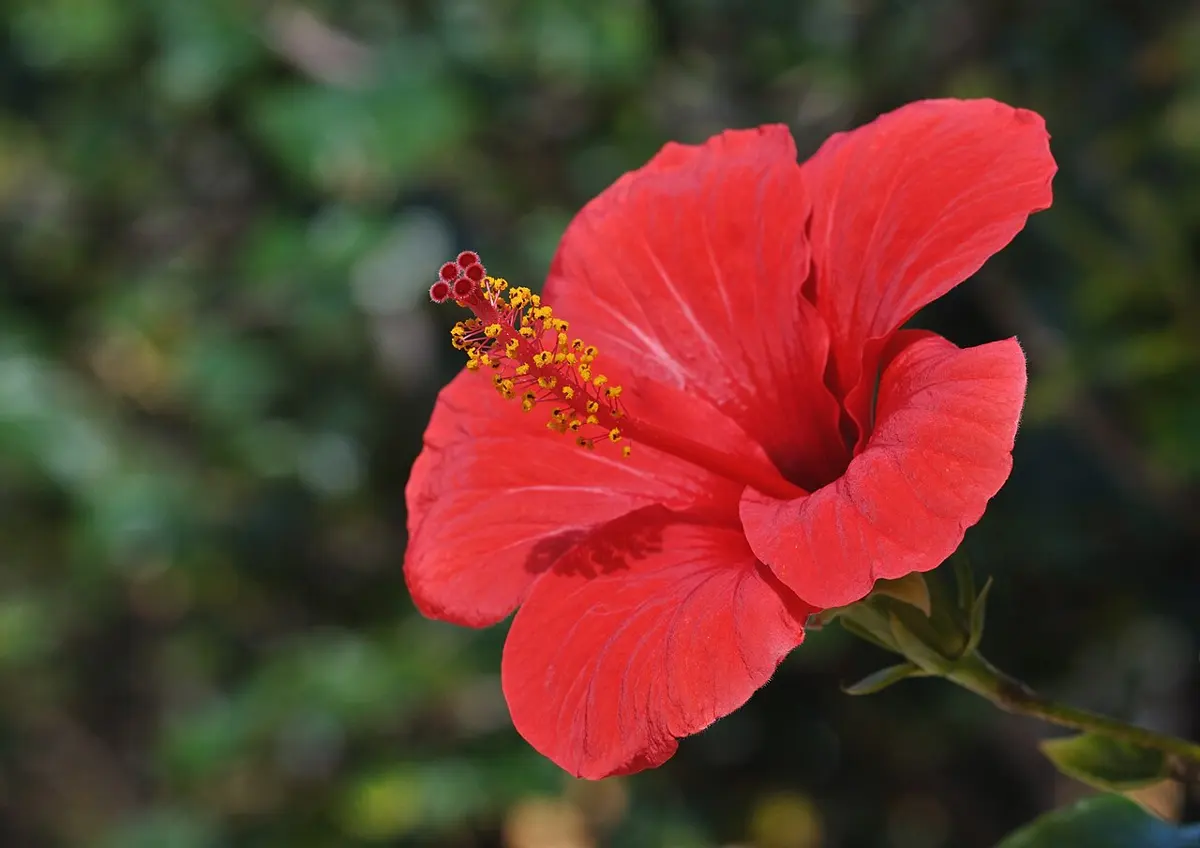
Flowers come in many kinds. But a flower usually has four parts, in rings, one inside the other: the calyx, the corolla, the androecium and the gynoecium.
1. Calyx
The calyx is the outermost part of the flower. It is made of small, green, leaf-like parts called sepals. When the flower is still a bud, the sepals cover it and keep it safe.
2. Corolla
The corolla is the second part, inside the calyx. It is made of petals. Different flowers have petals of different shapes, numbers and colors. Bright colors and a sweet smell attract bees, butterflies and birds. People love them too.
3. Androecium
The androecium is the third part, inside the corolla. It is the male part of the flower. It is made of stamens. Each stamen is a thin stalk with a little bag on top. The bags are full of a fine yellow dust called pollen. Pollen is needed to make seeds. Carrying pollen to the gynoecium is called pollination.
4. Gynoecium
The gynoecium is in the very middle of the flower, inside the androecium. It is the female part. It is made of one or more carpels. A gynoecium has three parts: a swollen part at the bottom, a thin tube in the middle, and a round, sticky tip on top that catches pollen. The seeds form in the swollen part, which grows into the fruit.
All four parts sit on the swollen top of the flower’s stalk, called the thalamus. The stalk under it is the pedicel.
Flower: after Mariana Ruiz (LadyofHats), Mature flower diagram (public domain)
Which part of a flower holds the pollen?
Pick an answer to see why.
Where in the flower do the seeds form?
Pick an answer to see why.
Fruit and seed
After flowering, a plant makes fruits. Fruits come in all shapes and sizes. Inside a fruit are one or more seeds. Most new plants grow from seeds.
Inside a seed there is food for the baby plant. It is stored in cotyledons, the seed leaves. By the number of cotyledons in their seeds, flowering plants are sorted into two groups: monocotyledons and dicotyledons.
Draw it: The parts of a plant (mustard), A taproot and fibrous roots, A leaf with a net of veins (peepal), A leaf with parallel veins (bamboo), The parts of a flower (cut in half)
Monocotyledons and dicotyledons
Moss, ferns and mushrooms make no flowers. Onions, maize and bananas are flowering plants.
Flowering plants are not all alike either. Their roots, stems, leaves, flowers, fruits and seeds differ. That is why they look so different. Flowering plants make fruits from their flowers, with seeds inside.
Flowering plants are sorted into two groups, monocotyledons (monocots) and dicotyledons (dicots), by four clues:
- the number of cotyledons in the seed;
- the kind of leaf veins;
- the kind of stem;
- the kind of roots.
Maize grain: traced from Sarah Greenwood, CC BY-SA 4.0 (this drawing CC BY-SA 4.0 too)
Chickpea seed: after P. Taubert (1894) and Pearson Scott Foresman, public domain
Bamboo leaf: traced from W. H. Fitch's plate of Dendrocalamus strictus (public domain)
Peepal leaf: traced from a nature print of 1858 (public domain)
Onion: O. W. Thomé, Flora von Deutschland (1885), public domain
Mustard root: C. A. M. Lindman, Billeder af Nordens Flora (1901), public domain
Trillium: traced from a photo by Cbaile19 (CC0)
Wild rose: petal and sepal traced from O. W. Thomé, Flora von Deutschland, 1885 (public domain)
Seed
Look at some maize grains, and at some gram that has been soaked and has sprouted. How are they different?
Chickpea seed: after P. Taubert (1894) and Pearson Scott Foresman, public domain
Maize grain: traced from Sarah Greenwood, CC BY-SA 4.0 (this drawing CC BY-SA 4.0 too)
- Seeds with one cotyledon: rice, wheat, maize, barley, coconut, banana and pineapple. These plants are monocotyledons.
- Seeds with two cotyledons: gram, pea, beans and mustard. These plants are dicotyledons.
How many cotyledons does a maize seed have?
Pick an answer to see why.
A plant has a tap root and leaves with a net of veins. What is it?
Pick an answer to see why.
Exercise (Plants)
1. True or false?
a. Roots are usually white or gray.
Pick an answer to see why.
b. The part of a leaf between the leaf base and the lamina is called the petiole.
Pick an answer to see why.
c. Barley is a monocot.
Pick an answer to see why.
d. The stem of wheat is solid.
Pick an answer to see why.
e. The outermost part of a flower is the calyx.
Pick an answer to see why.
2. Fill in the table
hollow, dicotyledonous, fibrous roots, solid stem, reticulate veins, parallel veins, monocotyledonous, tap root
| Part of the plant | Monocot plant | Dicot plant |
|---|---|---|
| Root | ||
| Stem | ||
| Leaf | ||
| Seed |
Answer
3. Match the parts of a flower with their names
| Part | Name |
|---|---|
| a.the colorful, attractive part | A. gynoecium |
| b.the place where the four parts of the flower are joined | B. calyx |
| c.the male part | C. petiole |
| d.the green part of the flower | D. thalamus |
| e.the female part | E. androecium |
| F. corolla |
Answer
4. Name the parts of the leaf
Look at the leaf, and name each part from its description.
- the broad part of the leaf
- the part of the leaf joined to the stem
- the part of the leaf between the leaf base and the lamina
- the thick vein from the base to the tip of the leaf
Peepal leaf: traced from a nature print of 1858 (public domain)
Answer
5. Choose the correct answer
a. Which parts make up the colorful part of a flower?
Pick an answer to see why.
b. In which part of the flower is pollen found?
Pick an answer to see why.
c. How many parts does a flower usually have?
Pick an answer to see why.
d. Which plants have parallel leaf veins?
Pick an answer to see why.
6. Read the table and answer
| Plant | Root | Stem | Leaf veins | Cotyledons |
|---|---|---|---|---|
| P | tap | solid | parallel | one |
| Q | fibrous | hollow | parallel | one |
| R | tap | solid | net | two |
| S | fibrous | hollow | net | two |
Which plant is a dicot?
Pick an answer to see why.
7. Answer these questions
Draw a fibrous root and a tap root. Write any two differences between them.
Answer
Why is a gram plant called a dicot? Give any two reasons.
Answer
Write the differences between a maize plant and a soybean plant, by their roots, leaves, stems and seeds.
Answer
Look at the sugarcane stems in the photo.
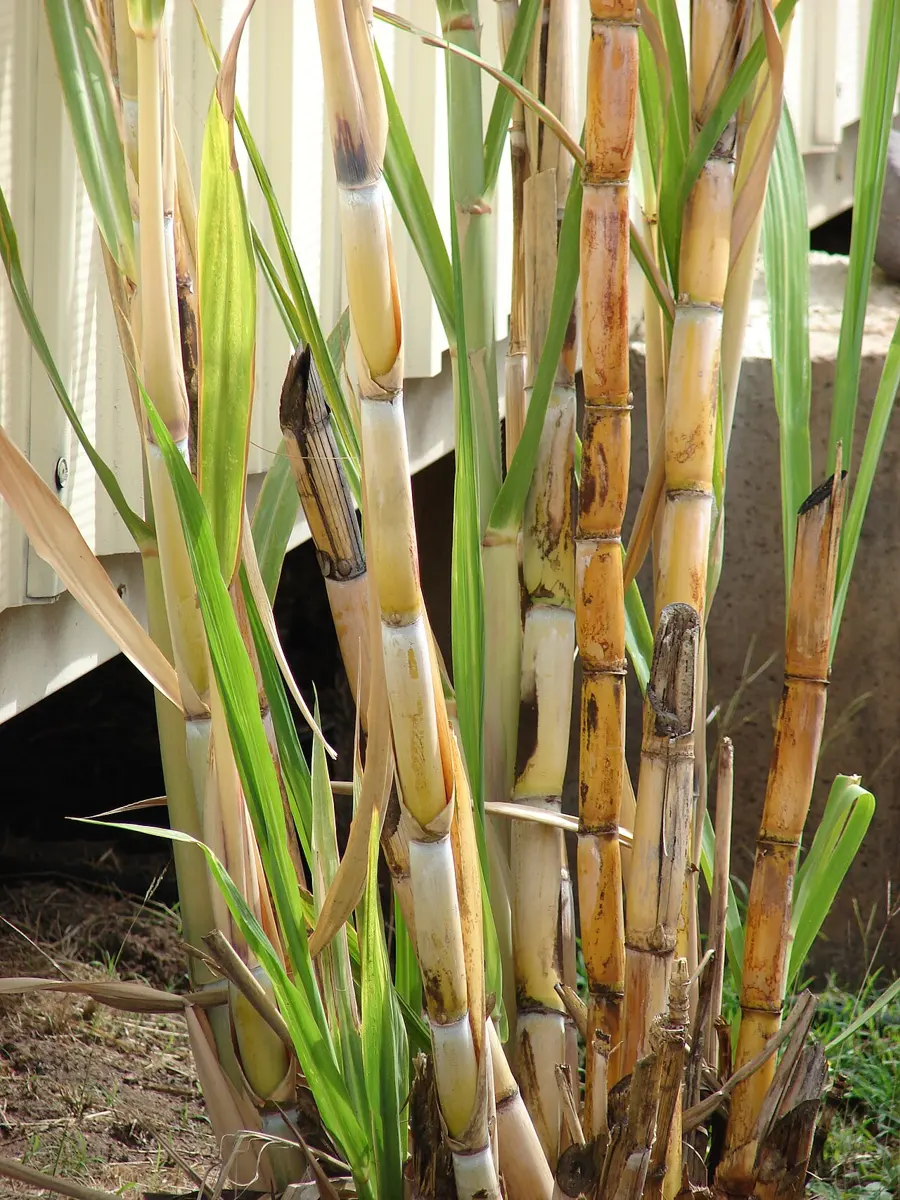
- i.Which part of the sugarcane is this?
- ii.From the photo, how can you tell a monocot from a dicot?
- iii.Draw the veins of a sugarcane leaf. What kind of veins are they?
Answer
Why is a leaf called a plant’s kitchen?
Answer
What makes flowers attract insects?
Answer
Can petals make food? Give a reason.
Answer
Look at the flower and answer the questions.
- i.Name the parts A and E.
- ii.In which process does the yellow powder in part B take part?
- iii.Why is it useful for part C to be colorful?
- iv.What happens if part B of the flower is damaged?
- v.When does part D protect the flower?
Flower: after Mariana Ruiz (LadyofHats), Mature flower diagram (public domain)
Answer
Worksheet: Classification of Living Beings: animals (PDF, 4 pages)
Worksheet: Classification of Living Beings: plants (PDF, 3 pages)
Quiz yourself: Classification of Living Beings, Grades 5–10 →
Practice every question in the book, and keep track of the ones you miss →
A companion to your textbook, not a replacement for it: study from the book your school uses, and where the two differ, follow your teacher. Found a mistake? Please tell us.