
About 2,350 years ago, on the island of Lesbos, a Greek teacher cut open fish, octopuses and squids, watched a chick grow inside its egg day by day, and wrote down what he saw. His name was Aristotle (384–322 BC). In his History of Animals and the books that followed it, he described more than 500 kinds of animals and sorted them into groups, “blooded” and “bloodless” animals, those that give birth to live young and those that lay eggs. Some of his observations were not confirmed for two thousand years: he wrote that a kind of dogfish nourishes its young through something like a placenta, and in the 1840s the zoologist Johannes Müller found that he was right. Aristotle didn’t give living things two-part scientific names (that was Linnaeus, 2,000 years later), but he was among the first to study life by looking carefully and asking why. That is what biology still does.
This unit asks what biology is, how it is divided into branches, how it leans on the other sciences, and what it is good for: in medicine, farming, industry and the forests.
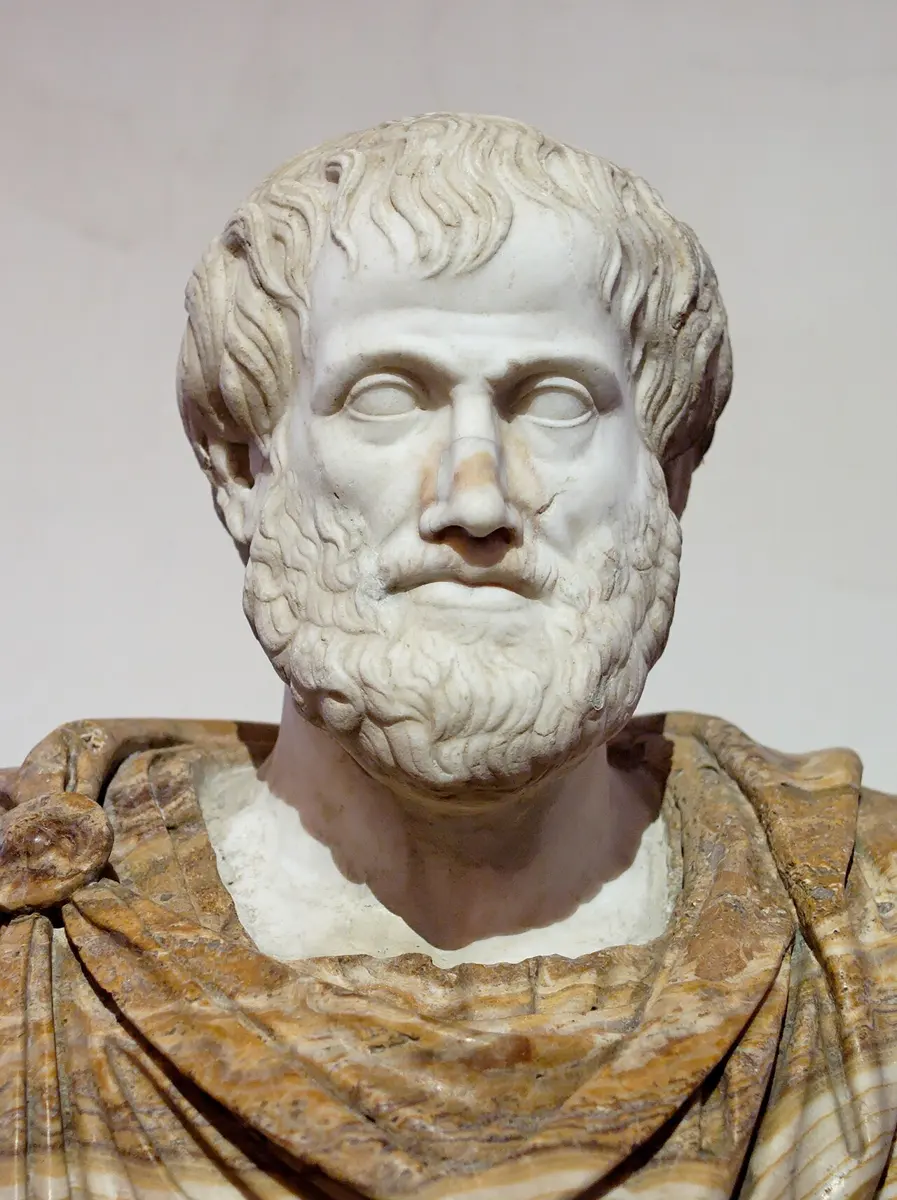
6.1.1 General introduction
We share the Earth with an enormous number of living things. Many are harmless or useful to us, and some are harmful. The science that studies every form of life is biology (Greek bios, life, and logos, knowledge or study), so it is also called life science. It studies living things at every level: the molecules inside a cell, the cell, the organism, and populations and ecosystems.
The word “biology” turns up once in the 1700s, in a book title of 1766, but it became the name of the science of living things around 1800, taken up by several writers independently. Jean-Baptiste Lamarck in France and Gottfried Reinhold Treviranus in Germany both used it so in books of 1802, and made it widely known.
Among the people who did most to build biology:
| Who | When | What they are remembered for |
|---|---|---|
| Hippocrates | c.460 – c. 370 BC | medicine based on observing patients, not on magic |
| Aristotle | 384 – 322 BC | describing and grouping animals |
| Theophrastus | c.371 – c. 287 BC | describing and grouping plants |
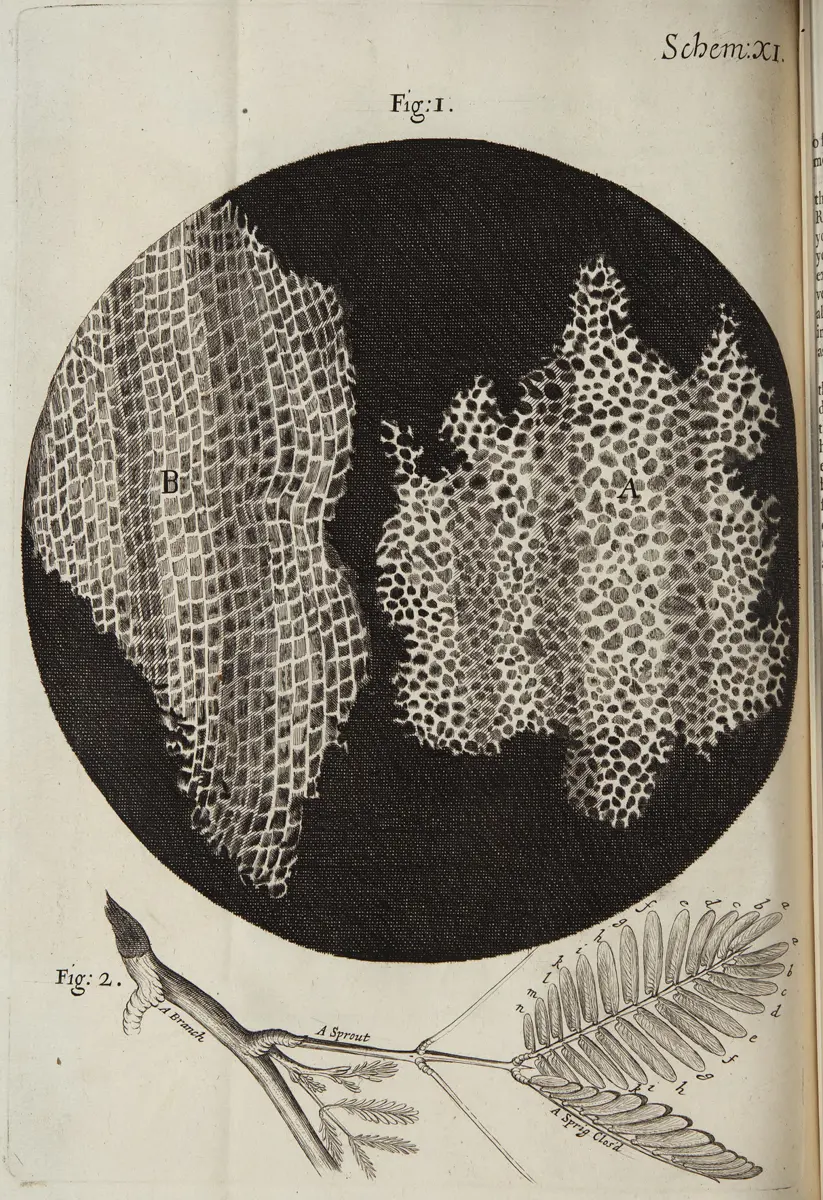
| Robert Hooke | 1635 – 1703 | seeing and naming cells in cork with his microscope (1665) |
| Carl Linnaeus | 1707 – 1778 | binomial nomenclature (two-part scientific names) and classification |
| Charles Darwin | 1809 – 1882 | evolution by natural selection (1859) |
| Gregor Johann Mendel | 1822 – 1884 | the laws of inheritance, from pea plants (1866) |
The three main branches of biology:
- Botany (Greek botanē, plant or herb): the study of plants.
- Zoology (Greek zōion, animal): the study of animals.
- Microbiology (Greek mikros, small): the study of microorganisms, living things too small to see with our eyes alone, such as bacteria, many fungi and protists, and viruses.
Which branch of biology studies bacteria, which can be seen only through a microscope?
Pick an answer to see why.
6.1.2 Branches of biology
Biology is far too big for one person, so it is divided into branches. Some study one kind of living thing (insects, birds, fungi); others study one aspect of every kind (their structure, their cells, their inheritance) (Figure 17.3).
Most branch names are built from a Greek or Latin word and -logy, “the study of”. Learn the roots and you can work out a name you haven’t met: ornis is a bird, so ornithology is the study of birds; kardia is the heart, so cardiology is the study of the heart.
General branches of biology
| Branch | Deals with the study of |
|---|---|
| Anatomy | the internal structure of organisms |
| Physiology | the functions and processes that go on inside living organisms |
| Morphology | the external form (shape, size, structure) of organisms |
| Paleontology | fossils and the life of the past |
| Ethnobiology | how people of different cultures use and understand plants and animals (biology together with anthropology) |
| Cytology | the structure and functions of cells and their organelles |
| Histology | the structure and functions of tissues |
| Embryology | how an embryo forms and develops |
| Genetics | heredity: how characters are passed on, and how they vary |
| Evolution | how organisms have changed over generations |
| Ecology | the relationships of organisms with each other and with their environment |
| Taxonomy | identifying, naming and classifying organisms |
| Biochemistry | the chemistry of living organisms |
| Biotechnology | using organisms, or their parts and products, to make things useful to people |
| Genetic engineering | changing an organism’s genes directly, for example putting in a gene from another organism, to give it a useful trait |
| Limnology | fresh water (lakes, rivers, ponds, wetlands) and what lives in it |
| Karyology | the nucleus, especially its chromosomes |
| Biogeography | the distribution of organisms, and the geographical factors and history that explain it |
Branches of zoology
| Branch | Deals with the study of |
|---|---|
| Entomology | insects |
| Ichthyology | fishes |
| Ornithology | birds |
| Herpetology | reptiles and amphibians |
| Protozoology | protozoans (single-celled, animal-like organisms) |
| Parazoology | sponges (Porifera) |
| Cnidology | cnidarians (coelenterates: Hydra, jellyfish, corals) |
| Helminthology | helminths (parasitic worms) |
| Araneology | spiders |
| Aphidology | aphids |
| Malacology | mollusks |
| Batrachology | frogs and toads |
| Ophiology | snakes |
| Saurology | lizards |
| Mammalogy | mammals |
| Anthropology | humans: their origin and evolution, their bodies, societies and cultures |
| Euthenics | improving human health and well-being through better living conditions (food, housing, sanitation, education) |
| Ethology | animal behavior |
Branches of botany
| Branch | Deals with the study of |
|---|---|
| Bacteriology | bacteria |
| Virology | viruses |
| Phycology | algae |
| Mycology | fungi |
| Bryology | bryophytes (mosses and liverworts) |
| Pteridology | pteridophytes (ferns and their relatives) |
| Pomology | fruits and fruit-growing |
| Anthology | flowers (an old word; today the study of flowers is called floral biology, and of their pollination anthecology) |
| Floriculture | growing plants for their flowers |
| Horticulture | the art of growing fruits, vegetables and ornamental plants |
| Agronomy | growing field crops and managing the soil |
Bacteriology and virology are listed under botany in many books because bacteria were once thought to be plants. Today bacteria and viruses are studied in microbiology, apart from both plants and animals.
Branches of biology related to medical science
| Branch | Deals with the study of |
|---|---|
| Epidemiology | how diseases spread through populations, and how to control them |
| Immunology | the body’s defense against diseases (immunity) |
| Helminthology | helminthic (worm) parasites |
| Parasitology | parasites |
| Enzymology | enzymes |
| Cardiology | the heart |
| Hematology | the blood |
| Osteology | bones |
| Endocrinology | endocrine glands and their hormones |
| Nephrology | the kidneys and their functions |
| Neurology | the brain and nerves |
| Pathology | diseases: their causes, how they develop, and the changes they make in the body |
A scientist in Chitwan counts the birds that visit Bishazari Tal each winter. Which branch is she working in?
Pick an answer to see why.
Which pair is matched wrongly?
Pick an answer to see why.
6.1.3 Relation of biology with other sciences
Living things are made of the same atoms as everything else and obey the same laws, so biology leans on the other sciences all the time. Where two meet, a new field often grows between them (Figure 17.4).
Relation with chemistry
Everything a plant or animal does depends on chemical reactions. Biochemistry, where biology and chemistry meet, studies them. Biology is related to chemistry because:
- a.Living things are made of chemical compounds, organic (carbohydrates, proteins, fats, nucleic acids) and inorganic (water, minerals), and these compounds shape every life process.
- b.Energy is carried and passed on in the body by organic chemicals such as glucose and ATP.
- c.Life’s processes, such as photosynthesis, respiration and the rest of metabolism, are chains of chemical reactions (Figure 17.5).
- d.The genetic material, DNA and RNA, is made of chemicals.
- e.Enzymes (proteins) and hormones (proteins, steroids and other compounds) are chemicals.
In respiration, a cell breaks down glucose with oxygen. What does it give out?
Pick an answer to see why.
Relation with physics
Biology is related to physics (where they meet is biophysics) because:
- a.Many life processes depend on physical processes: diffusion and osmosis, the movement of water and sap up a tree, the flow of blood, the electric signals in nerves.
- b.Many of biology’s tools work by physics: microscopes (optics), chromatography (separating mixtures), X-ray diffraction (the shapes of molecules: it showed the structure of DNA), ultrasound, MRI.
- c.A plant’s activities depend on physical factors such as the intensity of light, temperature and energy.
- d.The eye works by the physics of lenses (optics), and the ear by sound.
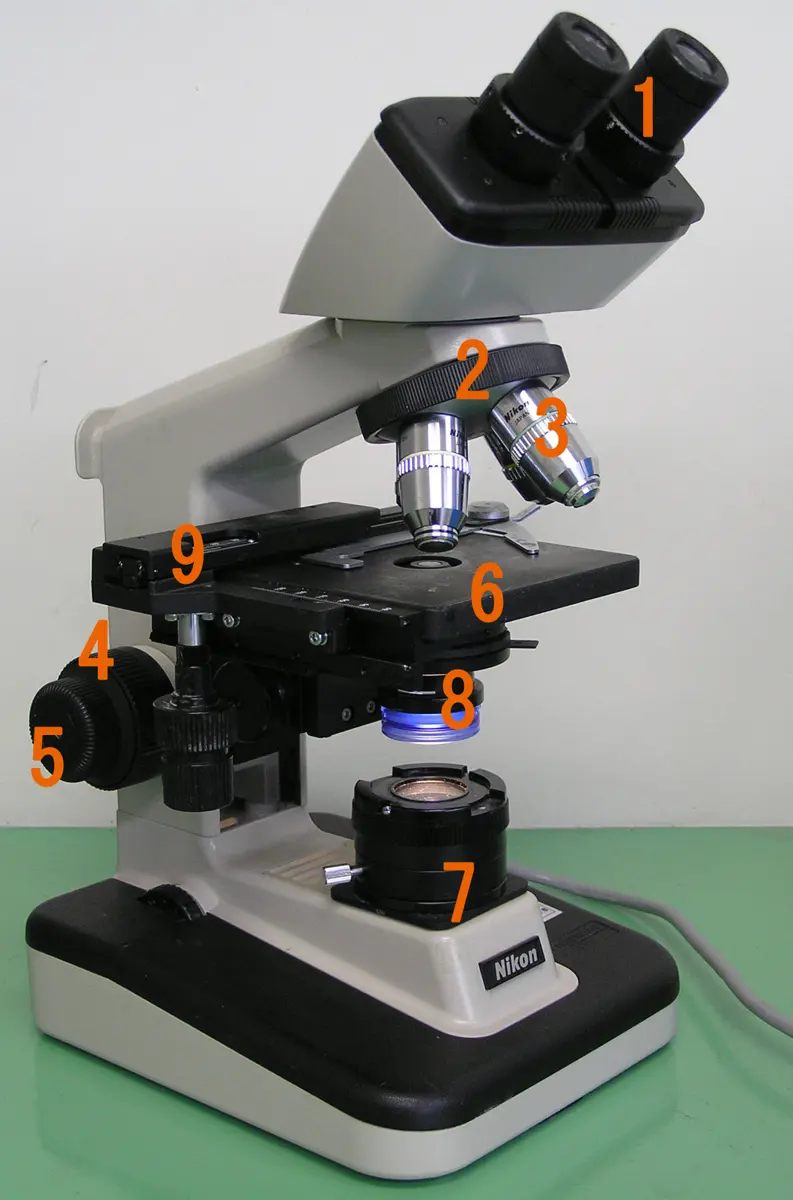
How does a compound microscope make a tiny thing look big? The objective lens, near the specimen, makes an enlarged, upside-down real image inside the tube; the eyepiece magnifies that image again, like a magnifying glass. The total magnification is the two multiplied: a 40× objective with a 10× eyepiece gives 400×.
Relation with geography
Where a plant or animal lives depends on geography: altitude, temperature, rainfall, climate, landscape, the barriers in its way, and the history of the land. Biogeography studies why species are found where they are, and how they spread and evolved there. Nepal is a fine example: in a few hundred kilometers it climbs from the tropical Terai, home of the rhino and sal, to the alpine zone of the snow leopard and juniper (Unit 16). And the high Himalaya was once a barrier between two great regions of life, so Nepal has species from both the Oriental region to its south and the Palearctic region to its north.
Relation with mathematics
Biology and mathematics meet whenever scientists measure and count. Applying statistics to biology is called biostatistics, and measuring and analyzing living things with numbers biometrics (or biometry). Biology is related to mathematics because:
- a.Mathematics is used to analyze data and to model living systems.
- b.Statistics is needed to interpret experiments and draw fair conclusions, in genetics, ecology, medicine and every other field: is this fertilizer’s effect real, or chance?
- c.Mathematical models describe the growth of populations, how often genes appear in a population, and how species interact.
Relation with sociology
Sociology is the study of society: how people live together, their relationships, their customs and how societies change. Biology is related to sociology because many animals, including people, live in social groups:
- a.The behavior of many animals depends on how they interact with others of their kind.
- b.Many animals live by social patterns: honeybees divide their work between queen, workers and drones; elephants follow the oldest female; langurs and monkeys live in troops with a pecking order.
- c.Biological and medical research uses the insights of sociology to make sure it is ethical: consent, fairness, privacy.
- d.Studying human behavior and societies needs biology too: how hunger, disease or hormones affect what people do.
- e.Sociobiology uses biology, especially evolution, to explain social behavior, such as why worker bees work for their sisters rather than breed.
6.1.4 Scopes of biology
The scope of a subject is what it covers and what it can be used for. Biology helps us understand nature and the living things around us, and live well with them. Its uses go far beyond the laboratory, into health and medicine, nursing, genetics, agriculture, the environment and conservation, and into the new technologies these bring. Some important scopes:
1. Health, disease and medicine
Biology explains how the human body works, what goes wrong in disease, and how to treat and prevent it. It helps keep people healthy and control epidemics, including the diseases carried by vectors, animals that pass a germ from one person to another without falling ill themselves: the Anopheles mosquito carries the malaria parasite; the sandfly, kala-azar; the tsetse fly, sleeping sickness; and the housefly carries the germs of typhoid, cholera and dysentery on its legs and mouth onto food. Knowing how a vector lives (where the mosquito breeds, when it bites) is how we fight it: bed nets, draining standing water. Vaccines and antibiotics come from biology too. New medicines and vaccines are tested for safety in the laboratory and in animals before they are tried, with consent, on people.
2. Agriculture
Agriculture is applied biology. Plant breeders have produced improved and hybrid varieties that give far higher yields and resist diseases and drought. Biology also explains the economic importance of the organisms of a crop field:
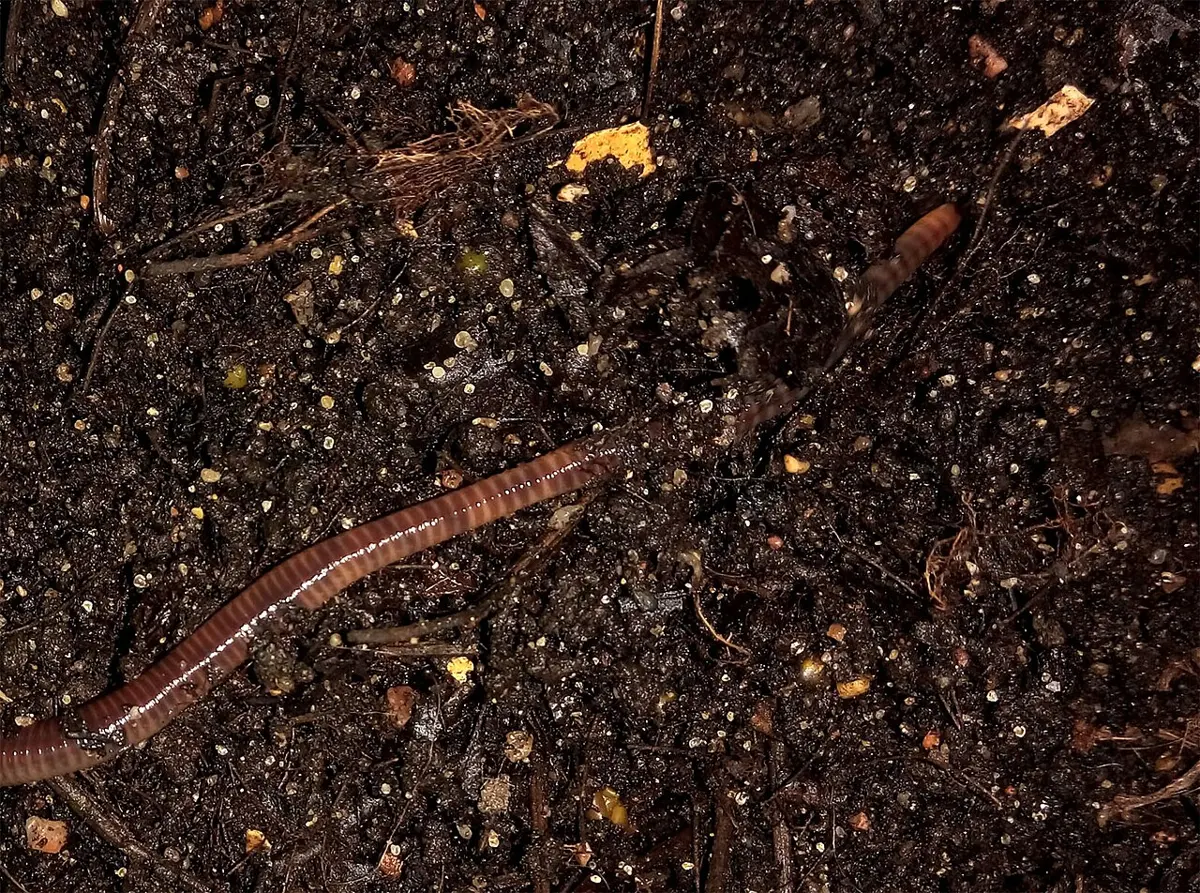
- earthworms improve the soil’s fertility and its porosity (air spaces), which roots need; raising them to make compost is vermiculture, and the compost vermicompost;
- bees and other insects pollinate the flowers of fruit trees, mustard, buckwheat and many vegetables;
- bacteria and fungi break down dead plants and animals, returning nutrients to the soil, and nitrogen-fixing bacteria in the roots of beans and peas feed them nitrogen from the air;
- pests (insects, rats, fungi, weeds) damage crops; knowing their life cycles lets farmers fight them with integrated pest management, combining natural enemies, crop rotation, resistant varieties and pesticides only where needed.
Biology also gives us soil microbiology, soil ecology and sustainable agriculture: good farming practices that keep the land productive for the next generation.
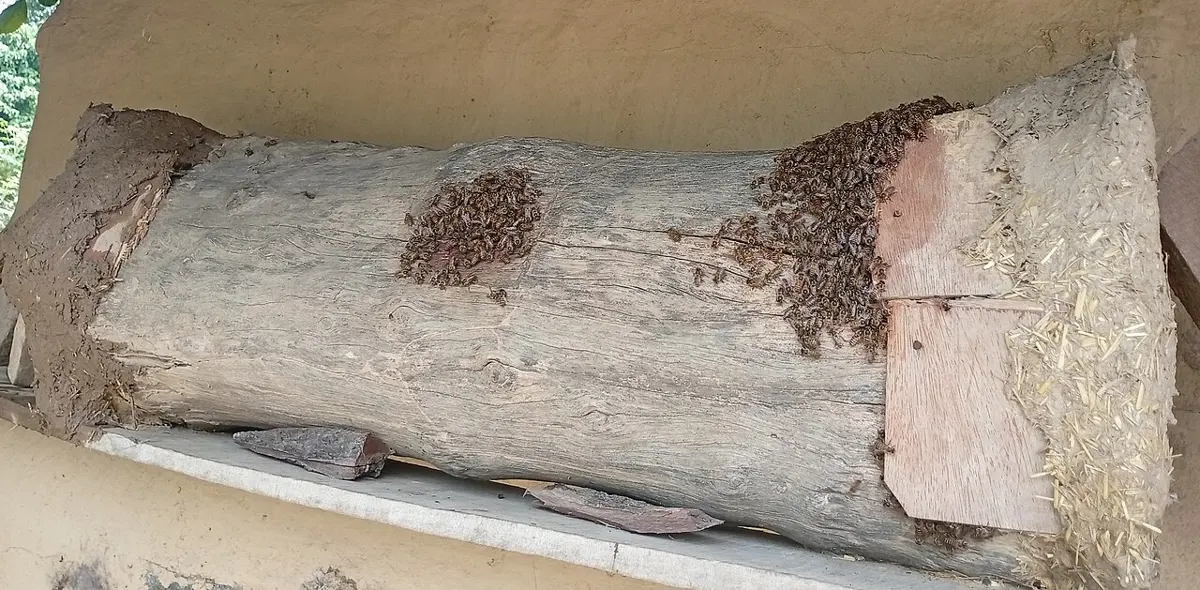
3. Industry
Many products from living things are in high demand: food, antibiotics (penicillin from a mold), medicinal herbs, honey and beeswax (apiculture, beekeeping), silk (sericulture, from silkworms fed on mulberry leaves), lac (from the lac insect), pearls (from oysters; pearl culture), leather, wool, and biofuels and enzymes made by microbes. Biology shows how to produce these better and more sustainably. Some animal products, however, come only from killing wild animals: ivory, rhino horn, tiger skin and bones, turtle shells, the fur of protected animals, and many corals. Their trade is banned in Nepal under the National Parks and Wildlife Conservation Act of 1973 and worldwide under CITES, the international agreement on trade in endangered species, which Nepal joined in 1975.
4. Forestry
Biology is central to understanding and managing forests and their wildlife. Forest ecology studies how the organisms of a forest interact with each other and their surroundings, which is what wildlife habitats are made of. Knowing the plant diversity of a forest (its flora) is the first step to keeping the plants that wildlife needs. Microbiology shows how fungi and bacteria keep forest soil healthy; many trees cannot grow well without the fungi joined to their roots (mycorrhiza). Conservation biology works out how to use forests without destroying them. Together these help foresters and community forest user groups protect forests and wildlife, to the benefit of ecosystems and people alike (Unit 16).
Exercise
A. Choose the correct option
- Which of the following broadly describes biology?
Pick an answer to see why.
- Why is biochemistry considered to be at the meeting point of biology and chemistry?
Pick an answer to see why.
- What is the study of plants called in biology?
Pick an answer to see why.
- What does ichthyology deal with?
Pick an answer to see why.
- Why do biologists work on problems such as the dangers of radiation and hunger?
Pick an answer to see why.
- Which branch of zoology focuses on the study of insects?
Pick an answer to see why.
- If a scientist is studying the internal structures of plants, which branch of biology is she likely specializing in?
Pick an answer to see why.
- Which branch of biology studies the geographical factors that influence the distribution of organisms?
Pick an answer to see why.
- Which field of biology is associated with the study of health and the control of disease in populations?
Pick an answer to see why.
- Which of these tools used in biology relies on physical principles?
Pick an answer to see why.
- Which area of agriculture involves the role of earthworms in improving the soil?
Pick an answer to see why.
B. Answer the following questions
Define biology and describe its scopes.
Answer
Describe how biology is related to chemistry.
Answer
Explain one way in which biology is connected to physics.
Answer
How does geography influence the distribution of plants and animals?
Answer
What role does mathematics play in biology?
Answer
Discuss one important scope of biology related to agriculture.
Answer
Biology is an interdisciplinary subject that cannot be studied alone. Justify the statement with relevant examples.
Answer
List and briefly explain the three major branches of biology, outlining what each one focuses on.
Answer
Explain the difference between anatomy and physiology.
Answer
What does the branch of ecology study, and why is it important?
Answer
How does biology help protect forests and wildlife?
Answer
Write a brief overview of the scope of biology, highlighting its diverse areas of study and applications.
Answer
Match the branches of biology in Column A with what they study in Column B.
| A | B |
|---|---|
| Ecology | study of plant life |
| Genetics | heredity and variation in organisms |
| Microbiology | the functions and mechanisms of living organisms |
| Physiology | the interactions between organisms and their environment |
| Botany | microorganisms such as bacteria, viruses and fungi |
| study of parasites |
Answer
Printable PDFs
- Study notes 2 pages
- Worksheet 4 pages Answer key
Quiz yourself: Living Things and Their Structure, Grades 5–12 →
Practice every question in the book, and keep track of the ones you miss →
A companion to your textbook, not a replacement for it: study from the book your school uses, and where the two differ, follow your teacher. Found a mistake? Please tell us.