
In 1944, on a ridge above Kohima, a small hill town in the far north-east of India, two armies fought for weeks around a bungalow and its tennis court. At times only the width of the court separated them: on one side British and Indian soldiers, on the other the Japanese. In the end the British dragged a tank up a track bulldozed to the top of the ridge, and it crashed down onto the court and over the Japanese trenches.
What was a Japanese army doing at India’s door, about 600 kilometers east of Nepal? It had come a very long way. Japan’s war began in China in 1937, years before Europe’s. In 1941 Japan struck at the United States and at the European colonies of Southeast Asia, and within six months its armies held a vast empire from Burma to the islands of the Pacific. Then the tide turned. Japan was pushed back step by step, its cities were burned from the air, and in August 1945, after two atomic bombs and a Soviet invasion, it surrendered. For the peoples of Asia, the war killed many millions, most of them not soldiers, and it broke the empires that had ruled them.
China’s long war
Japan had taken Manchuria, in China’s north-east, in 1931, and in the summer of 1937 a clash near Beijing became a full war. China didn’t give in. Its Nationalist government fought for Shanghai for more than three months and then fell back, and in December 1937 Japanese troops took the capital, Nanjing.
What they did there has a name of its own, the Nanjing Massacre. For about six weeks soldiers killed prisoners and civilians in and around the city and raped many thousands of women. A handful of foreigners who had stayed, missionaries, teachers and businessmen, marked out a safety zone and sheltered as many people as they could. Their leader, John Rabe, was a German businessman and a member of Hitler’s Nazi Party, and when Japanese soldiers climbed over his garden wall, showing them his party badge was enough to send them back. An American teacher sheltered thousands of women in her college.
How many died is argued, and the argument still matters between the two countries. The tribunal the Allies held in Tokyo after the war said more than 200,000. China’s official figure is 300,000 or more. Japanese historians who have studied the records mostly give figures from about 100,000 to more than 200,000, while Japanese nationalists, some of them senior politicians, have played the massacre down or denied it. Japan’s government says that it cannot be denied that, after its army entered Nanjing, people who were not fighting were killed, but that there are many counts and it is hard to say which is right.
China moved its government far up the Yangtze River to Chongqing, behind the mountains, and Japanese planes bombed the city again and again for years. To slow the Japanese advance, the Nationalist army broke the levees of the Yellow River in 1938, and the flood that followed killed hundreds of thousands of China’s own people. In the north, Chinese Communist guerrillas fought behind the Japanese lines, and the Japanese army answered with a policy its victims called “kill all, burn all, loot all”. A secret Japanese army unit, Unit 731, tested germ weapons on prisoners and dropped fleas carrying plague on Chinese towns. Famine came too: in Henan province in 1942 and 1943, at least 700,000 people starved.
China kept fighting for eight years, and that tied down more than a million Japanese soldiers until the very end. Its losses were enormous. Historians’ estimates of China’s dead run from 10 to 20 million, most of them civilians.
Japan goes south
To fight on in China, Japan needed oil, rubber and metals, and it had almost none of its own. They lay to the south, in the colonies of the Dutch, British, French and Americans: oil in the Dutch East Indies (today’s Indonesia), rubber and tin in British Malaya. When Japan moved its troops into French Indochina in 1941, the United States stopped selling it oil. Japan’s leaders decided to take what they needed by force and to strike first at the one power that could stop them.
On a Sunday morning in December 1941, Japanese planes from aircraft carriers attacked the American fleet at Pearl Harbor in Hawaii, killing more than 2,400 Americans. Within hours Japan attacked the Philippines, Hong Kong, Malaya, Guam and Wake Island too. The United States and Britain declared war, and the wars in Europe and Asia became one world war.
For a few months Japan seemed unstoppable. Its soldiers came down the Malay Peninsula, and in February 1942 the great British naval base at Singapore surrendered. About 130,000 British, Indian, Australian and local soldiers in Malaya and Singapore became prisoners; Winston Churchill, Britain’s prime minister, later called it the worst disaster in British military history. In Singapore, Japanese soldiers then rounded up and killed thousands of Chinese men. By May Japan had taken Burma too, and a great many of the Indians who lived there fled to India, afraid both of the Japanese and of hostile Burmese, whose land was often mortgaged to Indian moneylenders.
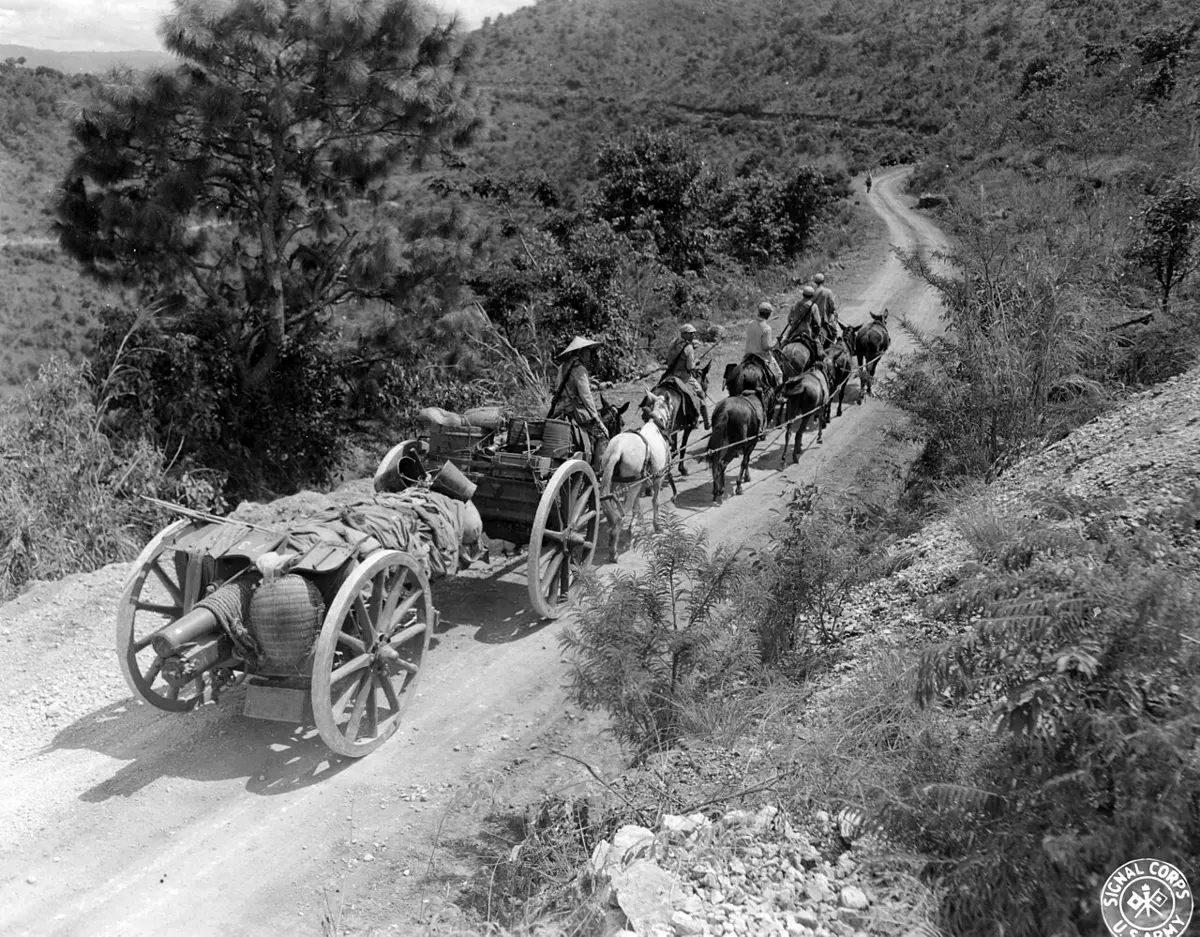
In the lands it took, Japan needed workers, and it took them. To build a railway 415 kilometers long through the jungle from Thailand into Burma, it forced about 60,000 Allied prisoners and at least 250,000 Asian laborers to work. About 12,000 of the prisoners died, and more than 90,000 of the Asians, whose suffering is much less remembered. From Java alone, hundreds of thousands of men were shipped off to work and only a fraction came home. From Korea, which Japan had ruled since 1910, millions were made to work in mines and factories, many of them in Japan itself, and young Korean men were drafted into its army.
Women suffered a crime of their own. The Japanese army set up brothels for its soldiers, called “comfort stations”, and filled them with women and girls from Korea, China, the Philippines, Indonesia and other occupied lands, in many cases taken against their will, by force or by trickery. Historians’ estimates of how many run from about 20,000 to 200,000, and Chinese historians give more. For decades the subject was ignored, and the women were treated as outcasts. Then, in 1991, a Korean woman named Kim Hak-sun spoke publicly about what had been done to her, and others followed. In 1993 Japan’s government admitted that many of the women had been taken against their will and apologized, but how far its army was to blame is still argued in Japan, and Japanese politicians have asked for the women’s statues, in Seoul and elsewhere, to be taken down.
India’s war
India was a British colony, and Britain declared war for it in 1939 without asking Indians. Even so, India raised the largest volunteer army the world had seen. Fewer than 200,000 men in 1939, it grew to about two and a half million by 1945, fighting in North Africa, Italy and, above all, Burma. The leaders of the Indian National Congress, who were demanding independence, refused to support a war fought for an empire that ruled them. In 1942 they launched the Quit India movement, telling the British to leave, and the government jailed them and more than 100,000 others. That story, and what came of it in 1947, is the next chapter’s.
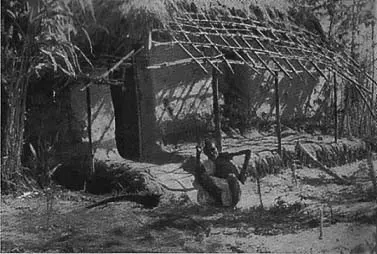
Then came the famine. In 1943 and 1944 Bengal, the province that is now Bangladesh and the Indian state of West Bengal, suffered one of the worst famines of the twentieth century. The government’s own inquiry counted about one and a half million dead. Later estimates run from under a million to nearly four million, and about two million is the figure most scholars now accept. Starvation killed first. Then disease took over, malaria above all, in bodies too weak to resist it, and more than half the deaths came in 1944, after the worst shortage had passed.
Many things went wrong at once. Burma’s rice, which Bengal had relied on, was lost to the Japanese. Fearing an invasion, the British took away or destroyed tens of thousands of boats along the coast so that an enemy couldn’t use them, and with them the livelihoods of fishermen and boatmen. In 1942 a cyclone and a fungus disease ruined much of the rice harvest. Prices soared, as the government printed money to pay for the war and traders hoarded. The authorities made sure Calcutta’s war workers were fed, other provinces stopped rice from leaving for Bengal, and London refused or delayed offers of grain from abroad. For months the newspapers were kept from reporting it. Only when a Calcutta newspaper, The Statesman, printed photographs of the dying in August 1943 did the world take notice, and the army took over relief that autumn.
Who was to blame is argued fiercely. Amartya Sen, who watched the famine as a boy in Bengal and later won a Nobel Prize in economics, saw that nobody he knew went hungry: the dying were landless laborers and the very poor. There was food in Bengal, he argued, but prices rose so far that the poorest could no longer buy it. Others hold that the crop failure was real and larger than officials knew. A third view puts the weight on Churchill’s government in London, which kept its ships for the war and was slow and grudging with grain for India. A fourth blames Bengal’s own government and officials in India for hoarding, confusion and delay. One thing it was not was a drought: a study of India’s weather records since 1870 found it the one great famine of those years that came without one.
Some Indians thought the way to freedom lay with Britain’s enemies. Subhas Chandra Bose, a former president of the Congress, escaped from house arrest in 1941 and made his way to Germany, and then, by submarine, to Japan. In Singapore in 1943 he took command of the Indian National Army, made up of Indian soldiers captured in Malaya and Indian civilians living in Southeast Asia, about 40,000 people in all. It had a regiment of women, named after the Rani of Jhansi. “Give me blood, and I will give you freedom!” Bose told his followers. Many Indian prisoners refused to join him and suffered for it in Japanese camps. Bose died after a plane crash in Taiwan in August 1945; some in India refused to believe it. He is still remembered in India as a hero by many and doubted by others, because his allies were Hitler and Japan’s generals.
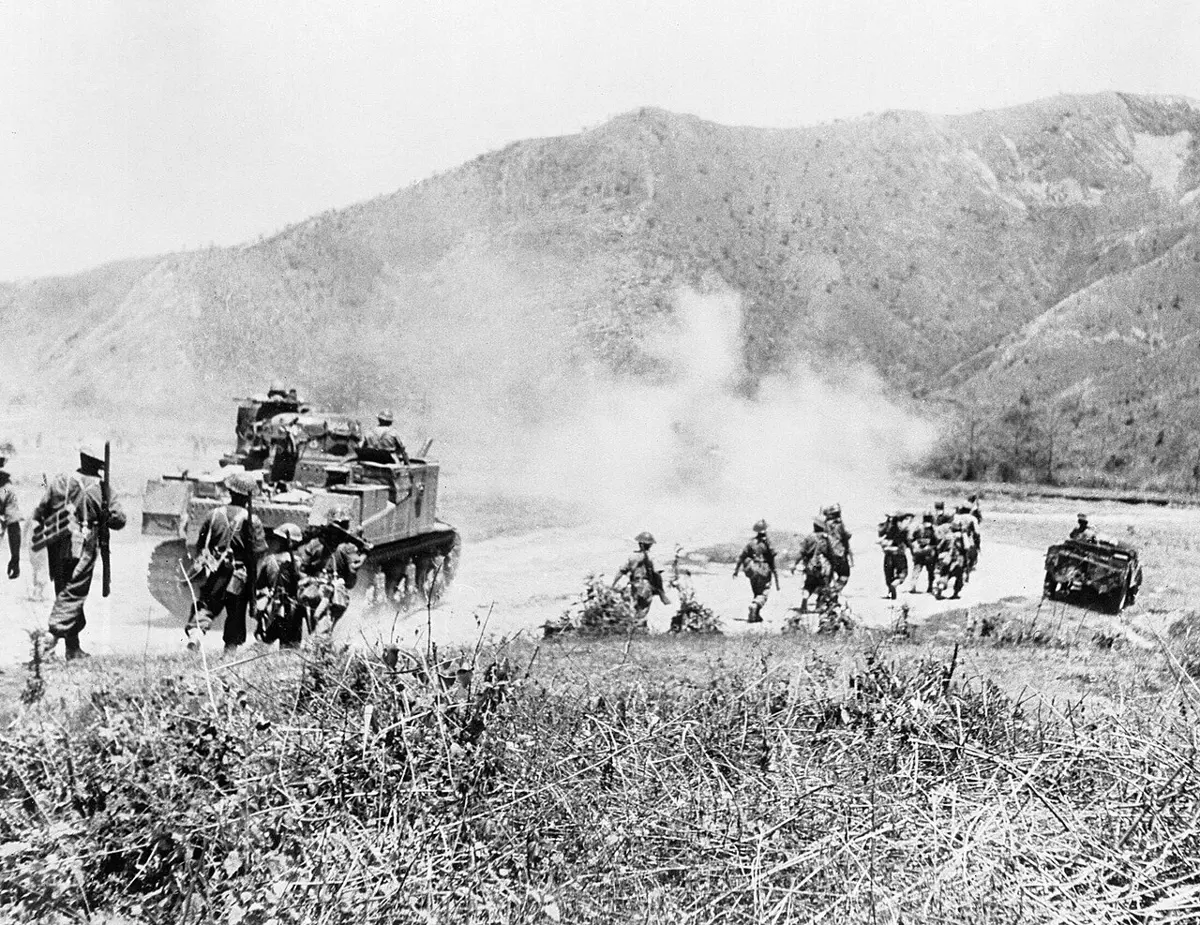
In 1944 Japan tried to invade India. Its plan was to seize Imphal, the capital of Manipur, and Kohima, on the road to it, where the British were gathering their army to win back Burma. Some of Bose’s soldiers marched with it. Its army of about 85,000 men set out over the mountains. Its commander expected to win within three weeks and to feed his men after that from captured British supplies. He didn’t capture them. At Imphal, the British, Indian and Gurkha soldiers were surrounded for months but were kept going by aircraft, which flew in food, ammunition and more soldiers and flew out the wounded. At Kohima the small garrison held on until help came. By July 1944 the Japanese were starving and in retreat, and the monsoon rains were falling on their way home. About 53,000 of them were dead or missing, many from hunger, disease and exhaustion on the retreat. It was Japan’s worst defeat up to then. In 1945 the British and Indian army went on to retake Burma.
The bombs and the surrender
In the Pacific, American forces fought their way from island to island towards Japan. By 1945 their bombers could reach Japanese cities, and they dropped fire bombs on cities of wooden houses. In a single night in March, the fire killed about 100,000 people in Tokyo. On Okinawa, in Japan’s southern islands, the battle that spring killed tens of thousands of civilians, perhaps more than a hundred thousand. Japan’s leaders still would not surrender. Its army planned a last battle on the home islands.
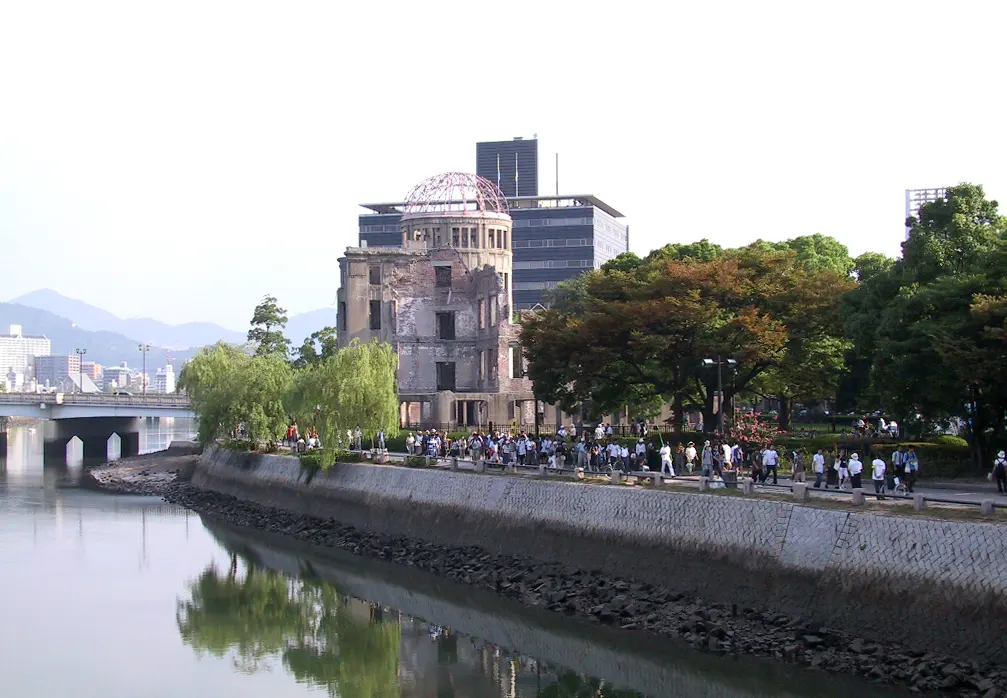
At 8:15 in the morning of 6 August 1945, an American bomber dropped an atomic bomb, a single bomb with the power of thousands of tons of explosive, on the city of Hiroshima. Setsuko Thurlow was a schoolgirl of thirteen, in a building in the city. She remembered “a blinding bluish-white flash” at the window, then being trapped in the dark under the fallen building. A man’s voice told her not to give up and to crawl towards the light, and she did. Most of her classmates in that building died. By the end of the year about 140,000 people in Hiroshima had died, by the city’s own estimate, among them thousands of Koreans who had been brought to Japan to work. Three days later a second bomb fell on Nagasaki, and by the end of the year about 74,000 of its people were dead. Nobody knows either number exactly, and other estimates run from 90,000 to 166,000 for Hiroshima and 60,000 to 80,000 for Nagasaki. Many survivors fell ill and died from the radiation in the years that followed.
Between the two bombs, the Soviet Union declared war on Japan and swept into Manchuria. On 15 August Japan’s people heard their emperor, Hirohito, on the radio, announcing the surrender and speaking of “a new and most cruel bomb”. On 2 September Japan’s foreign minister signed the surrender on board an American battleship in Tokyo Bay.
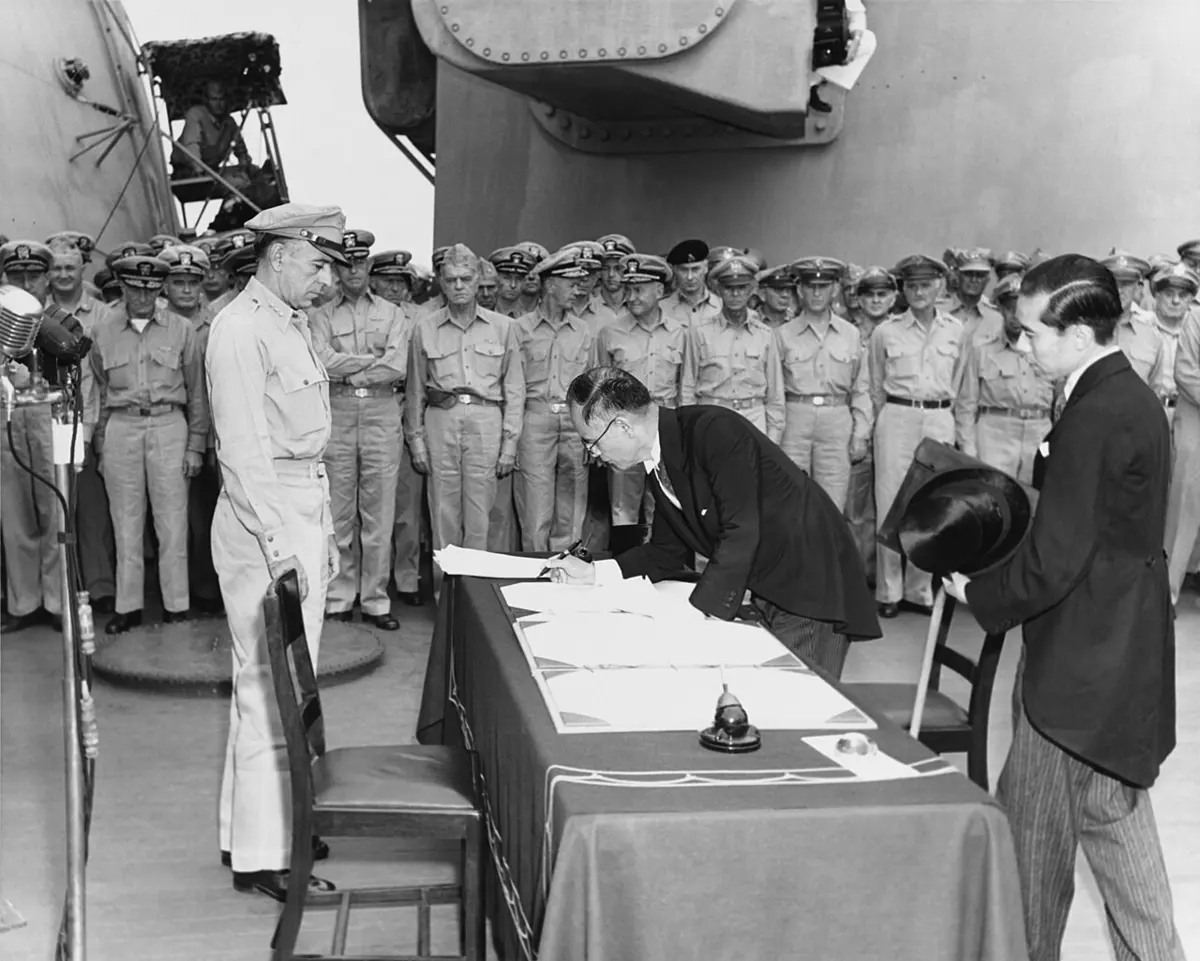
Whether the bombs had to be dropped is one of the most argued questions in history. The American government’s case, made by its own leaders after the war, was that an invasion of Japan would have cost a million American casualties or more, and that the shock of the bombs ended the war and saved many more lives, American and Japanese, than they took. Critics answer that Japan was already beaten and looking for a way out. Some historians argue that the bombs were aimed as much at the Soviet Union, to show it America’s new power, as at Japan. Others argue that what made Japan’s leaders give up was not the bombs but the Soviet attack, which ended their hope that Moscow would help them win better terms. Still others answer that Japan’s generals were preparing a last battle at home and were ready to risk everything rather than give in. Each side can point to evidence, and the question will not be settled. In Japan, survivors of the bombs, the hibakusha as they are called, have spent their lives asking the world never to use such weapons again. Setsuko Thurlow accepted the Nobel Peace Prize on behalf of the campaign to ban them in 2017.
What the war left behind
The war ended Japan’s empire overnight, and it shook the European empires that came back after it. Two days after the emperor’s broadcast, Indonesian leaders led by Sukarno declared their country independent. The Allies split Korea in two along a line of latitude, the 38th parallel, drawn hurriedly by two American officers looking at a map: the Soviet army took the north and the Americans the south, and Korea is still divided in two, along much the same line. In China, the war with Japan gave way to a civil war, the story of a later chapter.
In India the war ended in a way the British had not expected. They put officers of Bose’s army on trial in the Red Fort in Delhi, and chose for the first trial a Hindu, a Muslim and a Sikh. Instead of shaming them, the trials made them heroes. Protests spread across India, Congress and the Muslim League flying their flags side by side, and Jawaharlal Nehru, a leader of Congress, joined the team of lawyers who defended them. The sentences were cut, and in early 1946 sailors of the Royal Indian Navy mutinied in Bombay and other ports. The British began to doubt that India’s own soldiers would keep India for them. In 1947 they left, and how they left is the next chapter.
The soldiers who had defeated Japan in Burma had another, less glorious task. In 1945 and 1946, Indian troops were sent to Indonesia and Vietnam to hold them until the Dutch and French could return, against the people who wanted their own independence.
So the war in Asia was not one war but several. It was China’s war for survival against Japan from 1937, Japan’s war against the United States and the European empires from 1941, and the war suffered by the colonies’ peoples, drafted into armies, forced to labor and, in Bengal, starved. Japan’s soldiers committed crimes against civilians and prisoners on a vast scale, from Nanjing to the railway in the jungle, and many of those crimes are still argued over between Japan and its neighbors. In India, the army fought and won, while Bengal starved under a government at war. The war ended with the only atomic bombs ever used in war. And by the time it was over, the old empires were too weak to hold Asia much longer.
Meanwhile, in Nepal: Juddha Shumsher, the Rana prime minister, sent about 8,000 men of Nepal’s army to India and let the British recruit Gurkhas on a much larger scale, and more than 9,000 Gurkhas died. At Imphal, Gurkha battalions fought in most of the brigades that stopped Japan’s invasion. How Nepal’s rulers came to send their men to Britain’s wars is in Lahures and the First World War, in Nepal’s History, for the Curious.
Found a mistake? Please tell us.