
Graphite: the carbon in a pencil
ग्राफाइट · Soft carbon, the same element as diamond
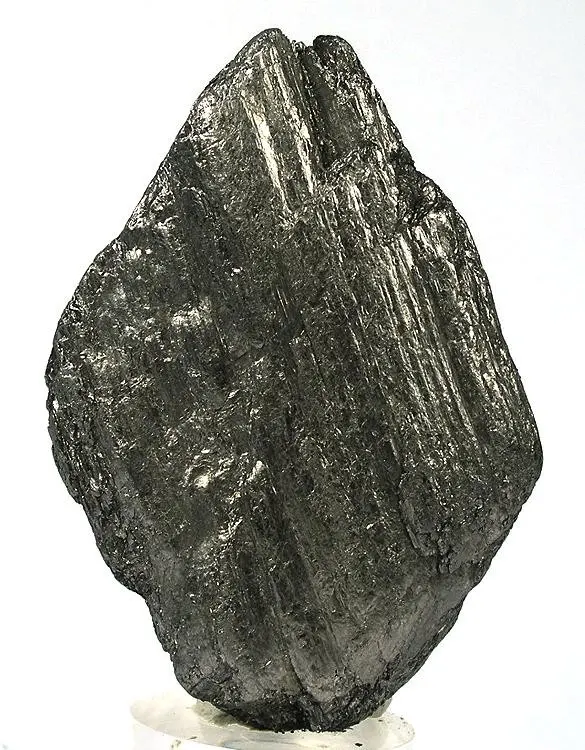
The “lead” in your pencil has no lead in it. It is graphite, a mineral made of pure carbon. Rub a lump of it on paper and it leaves a gray-black line. Rub it between your fingers and it feels greasy and leaves them gray.
What graphite is
Graphite is carbon, C: one element, nothing else. Diamond is carbon too. The two share the same chemistry but are built very differently.
In graphite, carbon atoms join in flat hexagons, like chicken wire, making sheets just one atom thick. The sheets are only loosely held to one another, so they slide apart easily. That is why graphite is soft, slippery and leaves a trail of flakes on paper.
| Property | Graphite |
|---|---|
| Formula | C |
| Hardness (Mohs) | 1 to 2 |
| Density | 2.09 to 2.23 times as heavy as water |
| Streak | black |
| Luster | metallic, sometimes dull |
| Cleavage | perfect in one direction |
| Feel | greasy; it marks your fingers |
How graphite forms
Graphite forms when carbon is heated and squeezed in Earth’s crust. Most of the graphite at Earth’s surface formed where two plates collide: shale and limestone rich in the remains of living things were buried and heated, the other elements were driven off, and the carbon left behind crystallized as graphite. Some forms when coal seams are heated in the same way, and a little is carried by hot water into veins.
Graphite in Nepal
Graphite is one of the significant minerals of the Lesser Himalaya’s metamorphic rocks: crystalline limestone, schist and gneiss. It has been reported from Ilam, Dhankuta, Sankhuwasabha, Nuwakot, Sindhupalchok, Dhading, Baglung and Dadeldhura, among other places. As of 2020 there was no proper graphite mine in Nepal.
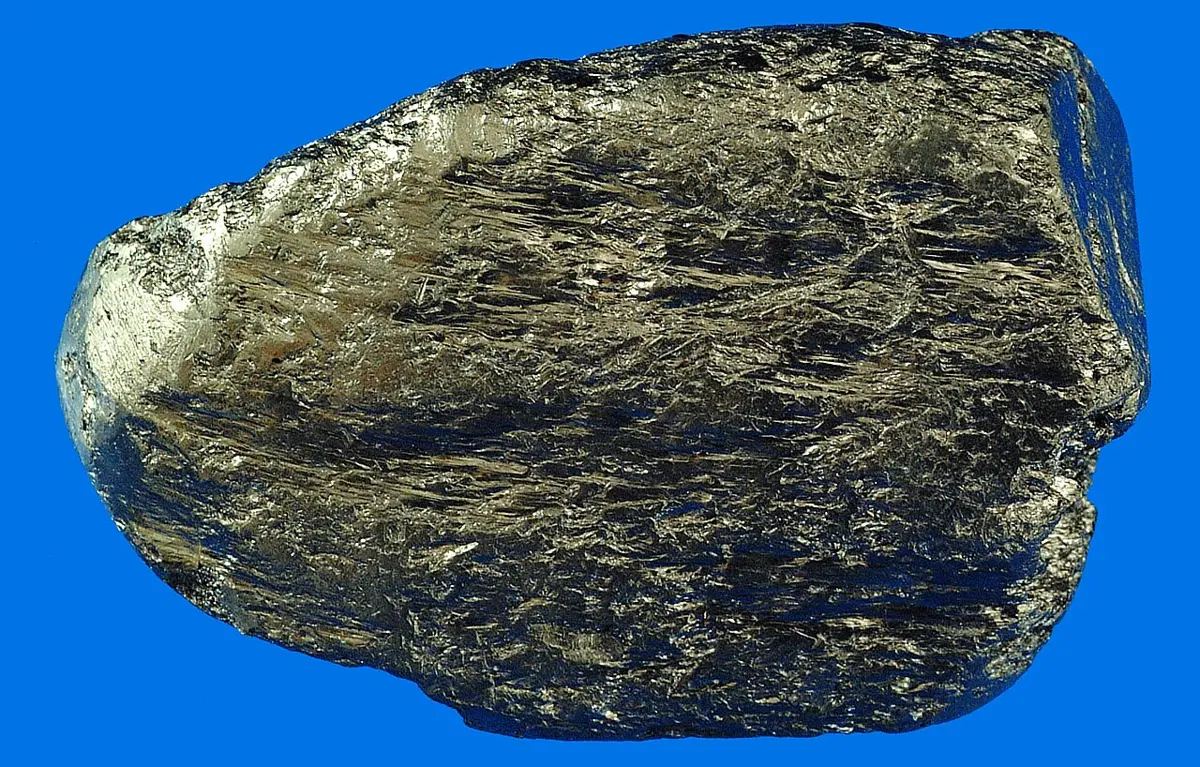
What graphite is used for
- Crucibles: graphite stands great heat, so it is made into crucibles and linings that hold molten steel, brass and bronze.
- Batteries: graphite is the anode, the negative side, of many batteries.
- Lubricant: as a dry powder, or mixed with oil.
- Pencils: the “lead”.
- Electrical parts: well-crystallized graphite is a preferred material for many electrical uses.
A dark gray mineral leaves a black line on paper, feels greasy and can be scratched with a fingernail. What is it most likely to be?
Pick an answer to see why.
In short
Where these facts come from
- Kaphle K.P., Mineral resources of Nepal and their present status, Nepal Geological Society, 2020.
- Anthony J.W. et al., Graphite, Handbook of Mineralogy, Mineralogical Society of America.
- King H.M., Graphite, Geology.com.