
Squeeze a lemon into warm milk and stir. In a minute the smooth white milk breaks into soft white lumps floating in a thin, yellowish liquid, and it tastes sour. Leave an iron gate out in the monsoon and it grows brown, crumbly rust. Light firewood and it turns into flame, smoke and a little gray ash. In every one of these, new substances with new properties are made. That is a chemical reaction.
In this unit you will learn to write a reaction as a short, exact sentence of symbols, a chemical equation, and to balance it so that not a single atom is lost or invented. You will also find out why some reactions make a test tube too hot to hold, while others make it cold.
Chemical reaction
In a chemical change, the atoms of the substances combine, break apart or exchange partners. This process is called a chemical reaction. For example:
- Hydrogen gas + oxygen gas → water
(The atoms of hydrogen and oxygen combine.)
2. Calcium carbonate → calcium oxide + carbon dioxide
(Calcium carbonate decomposes, breaks apart, when heated.)
3. Magnesium + hydrochloric acid → magnesium chloride + hydrogen gas
(Magnesium and hydrogen exchange places: magnesium takes hydrogen’s place beside chlorine.)
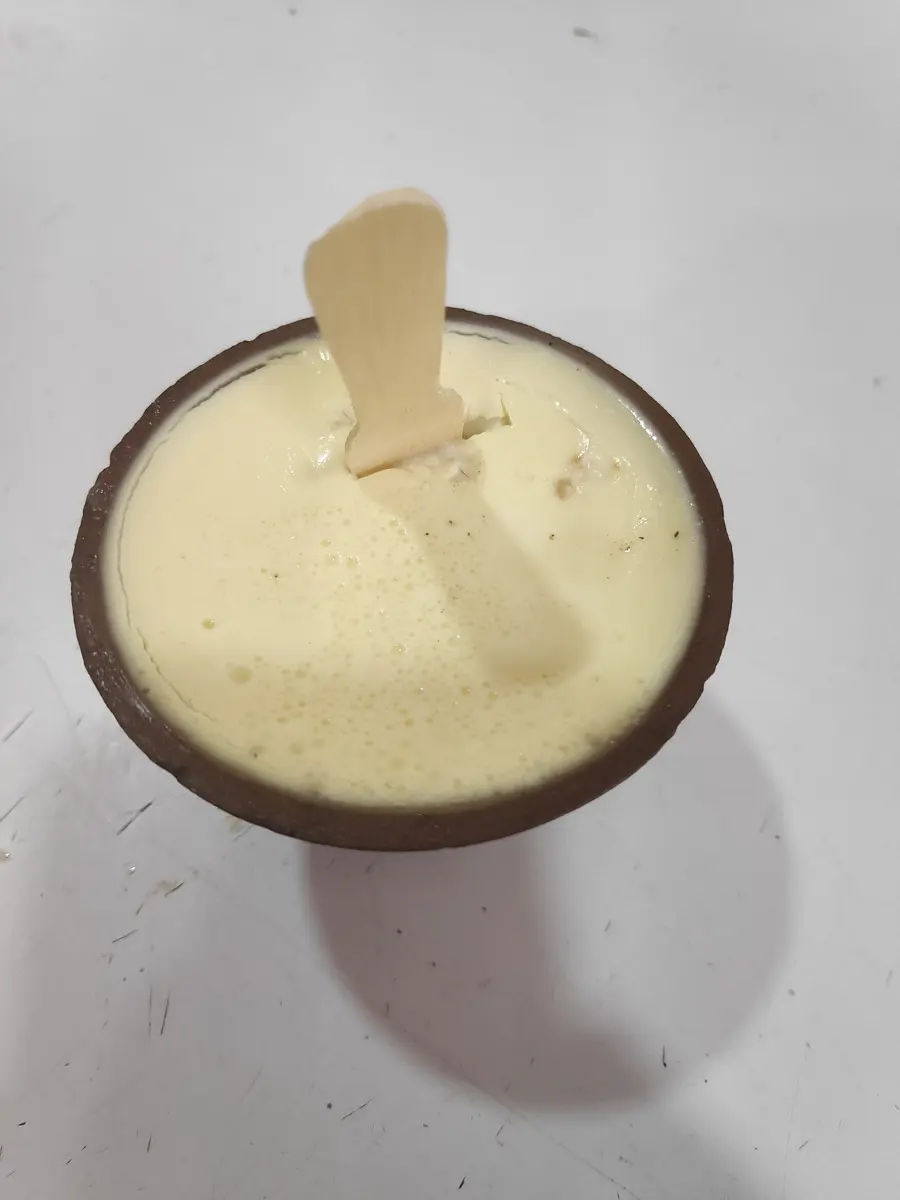
Which of these is not a chemical reaction?
Pick an answer to see why.
Reactants and products
When carbon burns, it combines with oxygen from the air and forms carbon dioxide:
carbon + oxygen → carbon dioxide
- The substances that take part in a reaction, and are used up, are the reactants: here carbon and oxygen.
- The new substances formed by the reaction are the products: here carbon dioxide.
| sodium + chlorine | → | sodium chloride |
|---|---|---|
| reactants | product |
Chemical equation
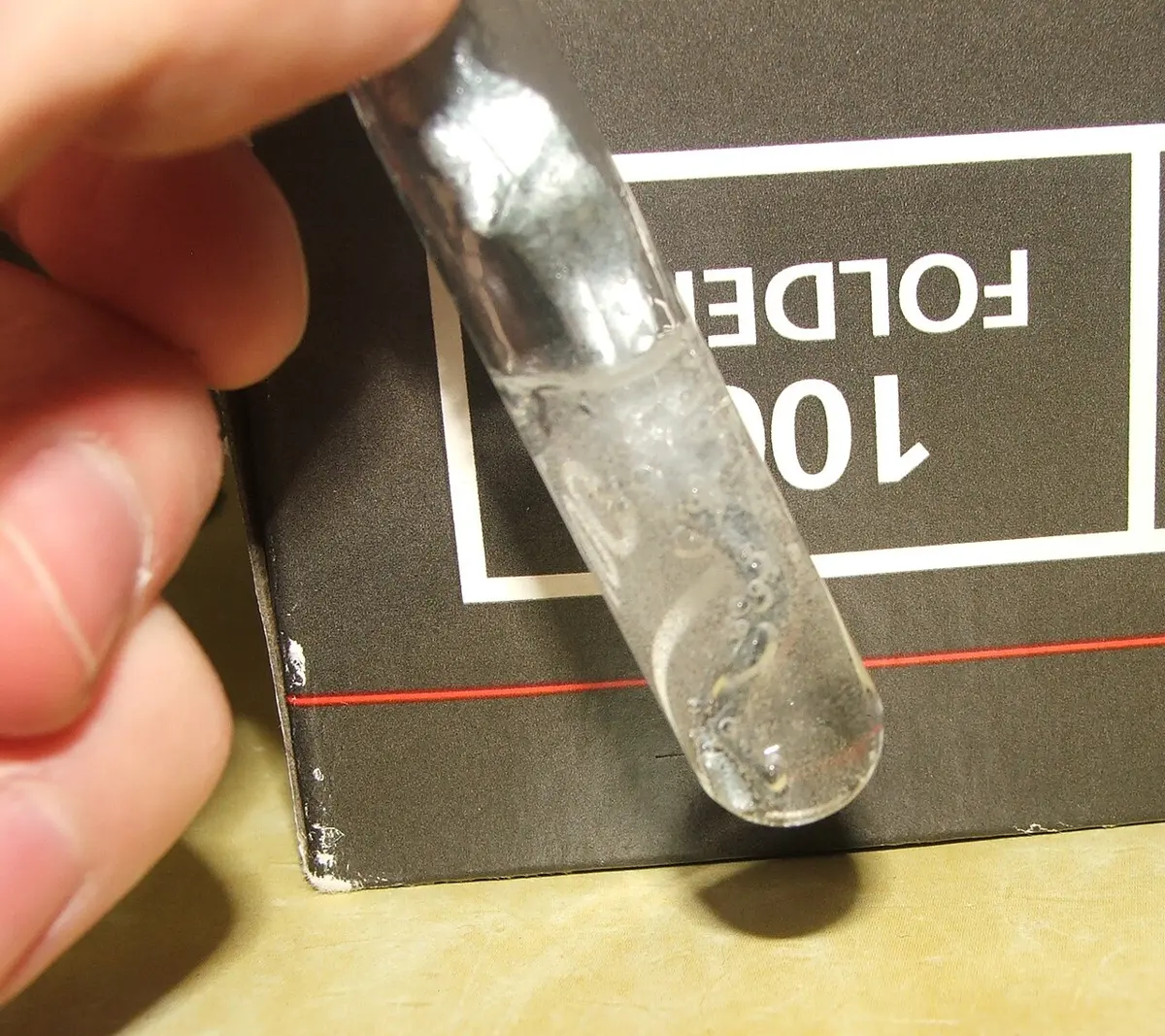
We can write this reaction in words or in formulae:
Zinc + hydrochloric acid → zinc chloride + hydrogen gas
Writing a chemical reaction in words or in formulae is called a chemical equation. The reactants are written on the left of an arrow and the products on the right. The arrow is read as “gives” or “forms”.
Word equation
When calcium carbonate is heated, it gives calcium oxide and carbon dioxide:
Calcium carbonate → calcium oxide + carbon dioxide
A chemical equation written with the names of the reactants and products is a word equation.
Formula equation
The same reaction written with symbols and formulae is a formula equation:
A condition needed for the reaction (heat, light, a catalyst, high pressure) is written over the arrow. Heat is often shown by the sign Δ.
Which of these is a formula equation?
Pick an answer to see why.
Unbalanced chemical equation
Count the atoms of each element on both sides of these equations.
- Zn + HCl → ZnCl₂ + H₂
| Element | Atoms in the reactants | Atoms in the products |
|---|---|---|
| zinc | 1 | 1 |
| hydrogen | 1 | 2 |
| chlorine | 1 | 2 |
Zinc is the same on both sides, but hydrogen and chlorine are not.
- Mg + O₂ → MgO
| Element | Atoms in the reactants | Atoms in the products |
|---|---|---|
| magnesium | 1 | 1 |
| oxygen | 2 | 1 |
Magnesium is the same on both sides, but oxygen is not.
- KClO₃ → KCl + O₂
| Element | Atoms in the reactants | Atoms in the products |
|---|---|---|
| potassium | 1 | 1 |
| chlorine | 1 | 1 |
| oxygen | 3 | 2 |
Potassium and chlorine are the same on both sides, but oxygen is not.
A chemical equation in which the number of atoms of some element is not the same on both sides is an unbalanced chemical equation (also called a skeleton equation). It is not yet a true picture of the reaction, because atoms can’t vanish or appear from nowhere. It needs to be balanced.
Balanced chemical equation
Now look at the same reactions, with numbers written in front of some formulae:
- Zn + 2HCl → ZnCl₂ + H₂
| Element | Atoms in the reactants | Atoms in the products |
|---|---|---|
| zinc | 1 | 1 |
| hydrogen | 2 | 2 |
| chlorine | 2 | 2 |
- 2Mg + O₂ → 2MgO
| Element | Atoms in the reactants | Atoms in the products |
|---|---|---|
| magnesium | 2 | 2 |
| oxygen | 2 | 2 |
- 2KClO₃ → 2KCl + 3O₂
| Element | Atoms in the reactants | Atoms in the products |
|---|---|---|
| potassium | 2 | 2 |
| chlorine | 2 | 2 |
| oxygen | 6 | 6 |
A chemical equation with the same number of atoms of each element on both sides is a balanced chemical equation.
The number written in front of a formula is its coefficient. It multiplies every atom in the formula: 3O₂ means three oxygen molecules, 3 × 2 = 6 oxygen atoms; 2KClO₃ has 2 K, 2 Cl and 2 × 3 = 6 O.
A balanced equation should also show the physical state of each substance, in brackets after its formula: (s) for a solid, (l) for a liquid, (g) for a gas, and (aq) for a substance dissolved in water (aqueous):
How to balance a chemical equation
In a chemical reaction, matter is neither created nor destroyed: the total mass of the products equals the total mass of the reactants. This is the law of conservation of mass, and it is why an equation must balance. The usual way to balance it is by hit and trial (trial and error):
- a.Write the reaction as a word equation.
- b.Write the correct formula of each reactant and product.
- c.Never change the small numbers (subscripts) inside a formula: that would change the substance itself. H₂O is water; H₂O₂ is hydrogen peroxide, a bleach.
- d.Put suitable coefficients in front of the formulae until every element has the same number of atoms on both sides. Use the smallest whole numbers that work.
Some more balanced equations:
- Calcium carbonate → calcium oxide + carbon dioxide
2. Hydrogen peroxide → water + oxygen
3. Sodium hydroxide + hydrochloric acid → sodium chloride + water
4. Aluminium + nitrogen → aluminium nitride
5. Sodium + oxygen → sodium oxide
Information from a balanced chemical equation
A balanced chemical equation tells us:
- a.the names and formulae of the reactants and products;
- b.the number of molecules and atoms of each reactant and product;
- c.the ratio of the masses of the reactants and products;
- d.the type of chemical reaction.
Importance of chemical reaction in our daily life
How is the food we eat digested? How does a medicine cure us? How does milk become curd? All of these happen through chemical reactions. Without chemical reactions, life itself would be impossible:
- Digestion: enzymes in your stomach and intestines break down starch, proteins and fats into small molecules your body can absorb.
- Respiration: in every cell, glucose reacts with oxygen to release the energy you live on.
- Photosynthesis: green plants make glucose from carbon dioxide and water, using sunlight; every bite of food you eat starts here.
- Medicines: they react with chemicals in the body or in germs; an antacid neutralizes extra stomach acid.
- Fuel: burning wood, kerosene, LPG or biogas releases heat to cook and keep us warm.
- Food: milk turning into curd, dough rising, rice cooking, pickles (achar) souring.
- Industry and farming: making cement, steel, soap, fertilizers, plastics and medicines.
Exothermic reaction
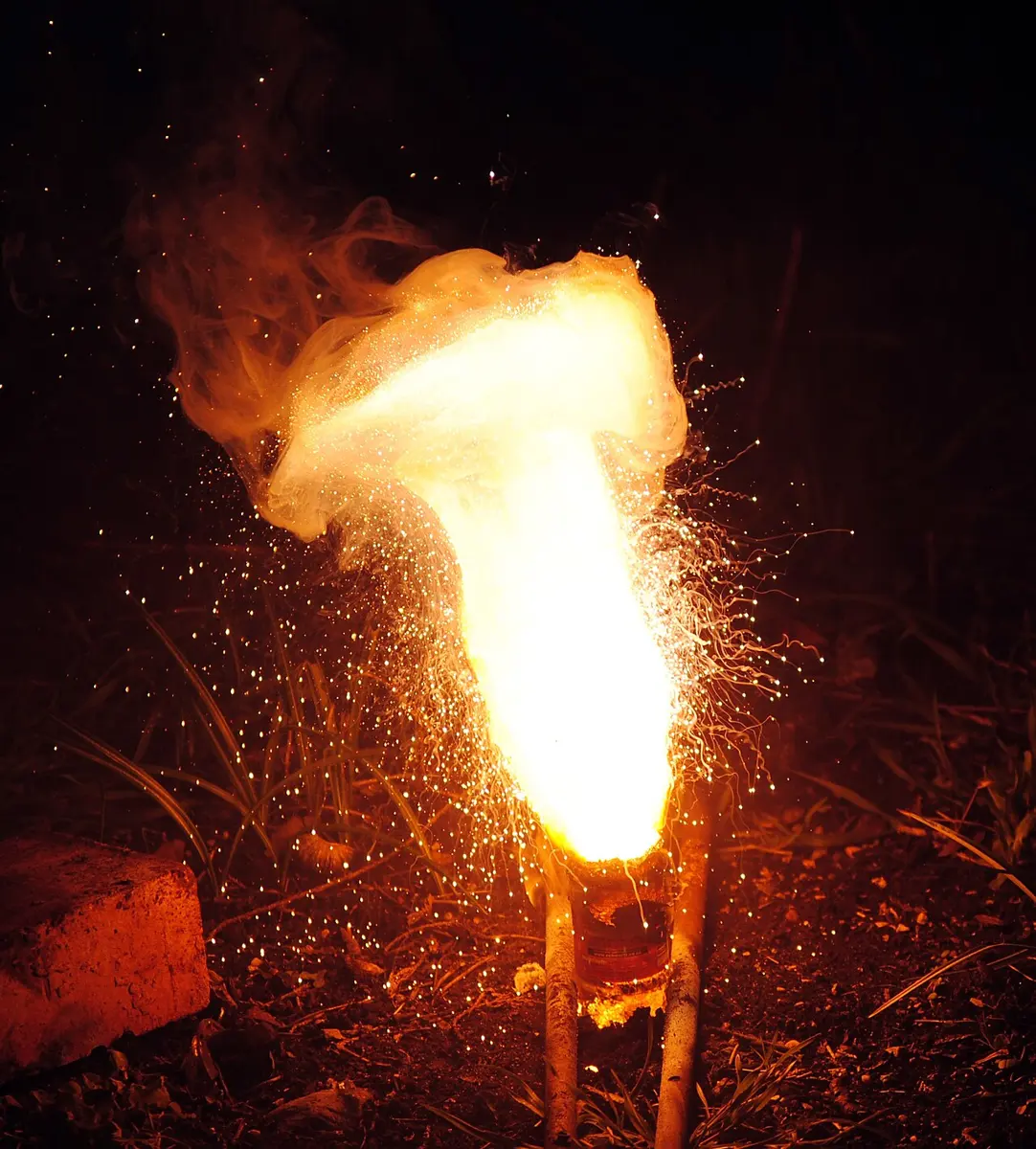
Chemical reactions can be divided into two groups by whether they give out or take in heat. In Activity 15.4, heat is given out. A chemical reaction that releases heat is called an exothermic reaction (exo = out, thermic = heat).
More exothermic reactions:
- Respiration:
- Slaking of lime:
- Burning of carbon (charcoal):
- Neutralization of an acid by a base:
All burning (combustion) is exothermic: a gas stove, a candle, a forest fire.
Endothermic reaction
To cook food, you must keep on supplying heat. On a gas stove, the burning of the gas is an exothermic reaction: it gives out heat. But the cooking of the food takes that heat in: as long as the flame is on, the rice softens; turn it off, and the cooking stops. A chemical reaction that absorbs heat is called an endothermic reaction (endo = in).
More endothermic reactions:
- Steam passed over red-hot coke (carbon) gives a mixture of gases called water gas:
- Nitrogen and oxygen combine only at very high temperatures (in a lightning flash, or an engine) to form nitric oxide:
- Limestone breaks down into lime in a kiln:
- Photosynthesis takes in energy too, as light rather than heat:
Which of these is an endothermic reaction?
Pick an answer to see why.
Exercise
1. Choose the correct answer
(i) Which group gives examples of chemical changes only?
Pick an answer to see why.
(ii) Which of these happen during a chemical reaction? A. exchange of atoms; B. combination of atoms; C. breaking apart of molecules; D. friction between atoms.
Pick an answer to see why.
(iii) What are the reactants in this incomplete equation? Zn + …… → ZnCl₂ + H₂
Pick an answer to see why.
(iv) Substances A and B can each be held easily in their own test tubes, but when they are mixed in one test tube, it gets too hot to hold. Why?
Pick an answer to see why.
2. Write the differences between
Balanced and unbalanced chemical equations
Answer
| Balanced chemical equation | Unbalanced chemical equation |
|---|---|
| has the same number of atoms of each element on both sides | the number of atoms of at least one element differs between the two sides |
| obeys the law of conservation of mass | doesn’t show that mass is conserved |
| gives the ratio of molecules and of masses that react | can’t be used to find how much reacts |
| e.g. 2H₂ + O₂ → 2H₂O | e.g. H₂ + O₂ → H₂O |
Endothermic and exothermic reactions
Answer
| Endothermic reaction | Exothermic reaction |
|---|---|
| absorbs (takes in) heat | releases (gives out) heat |
| heat must usually be supplied to keep it going | once started, it often keeps itself going |
| the surroundings may get colder | the surroundings get hotter |
| e.g. CaCO₃ → CaO + CO₂ (heated in a kiln) | e.g. C + O₂ → CO₂ + heat |
3. Answer the following questions
How is a chemical change different from a physical change?
Answer
| Chemical change | Physical change |
|---|---|
| new substances with new properties are formed | no new substance is formed; only the state, shape or size changes |
| the composition of the substance changes | the composition stays the same |
| usually can’t be reversed easily | usually can be reversed easily |
| heat or light is usually given out or taken in | little energy change, except in changes of state |
| e.g. burning wood, rusting, curd from milk | e.g. melting ice, dissolving sugar, breaking glass |
What is a chemical equation? Explain with an example.
Answer
A chemical equation is a way of writing a chemical reaction in words or in symbols and formulae, with the reactants on the left of an arrow and the products on the right. For example, when zinc is put in dilute hydrochloric acid, zinc chloride and hydrogen gas are formed:
Word equation: zinc + hydrochloric acid → zinc chloride + hydrogen
Formula equation (balanced): Zn + 2HCl → ZnCl₂ + H₂
Here zinc and hydrochloric acid are the reactants, and zinc chloride and hydrogen are the products.
“Our daily life would be nearly impossible without chemical reactions.” Explain this statement, with the importance of chemical reactions.
Answer
Chemical reactions keep us alive and run almost everything we do:
- Respiration in our cells releases energy from food (glucose + oxygen → carbon dioxide + water + energy).
- Digestion breaks food into small molecules that the body can absorb.
- Photosynthesis in plants makes all our food, and the oxygen we breathe.
- Medicines cure diseases by reacting in the body; an antacid neutralizes extra stomach acid.
- Burning fuels (wood, LPG, kerosene, biogas) gives heat for cooking and warmth, and runs vehicles.
- Food: cooking, curd from milk, bread rising.
- Industry: cement, steel, soap, fertilizers and plastics are all made by chemical reactions.
Without these reactions we would have no energy, no food, no medicines and none of the materials we use, so daily life would be nearly impossible.
Someone is cooking food in an oven fueled by firewood. Which reactions are exothermic and which are endothermic?
Answer
The burning of the firewood is exothermic: the wood reacts with oxygen in the air and gives out heat and light (for its carbon, C + O₂ → CO₂ + heat).
The cooking of the food is endothermic: the reactions that soften rice and vegetables and cook meat take in the heat from the fire, and they stop when the fire goes out.
4. Change these word equations into balanced formula equations
Nitrogen + hydrogen → ammonia
Answer
N₂ + 3H₂ → 2NH₃
Sodium + oxygen → sodium oxide
Answer
4Na + O₂ → 2Na₂O
Magnesium + nitrogen → magnesium nitride
Answer
3Mg + N₂ → Mg₃N₂ (Mg has valency 2 and N valency 3, so magnesium nitride is Mg₃N₂.)
Calcium carbonate → carbon dioxide + calcium oxide
Answer
CaCO₃ → CO₂ + CaO (already balanced; it needs heat)
Zinc + hydrochloric acid → zinc chloride + hydrogen
Answer
Zn + 2HCl → ZnCl₂ + H₂
Aluminium + nitrogen → aluminium nitride
Answer
2Al + N₂ → 2AlN
Potassium + chlorine → potassium chloride
Answer
2K + Cl₂ → 2KCl
Hydrogen + chlorine → hydrogen chloride
Answer
H₂ + Cl₂ → 2HCl
5. Balance these equations
Na + O₂ → Na₂O
Answer
4Na + O₂ → 2Na₂O (Na 4 = 4; O 2 = 2)
Hg + O₂ → HgO
Answer
2Hg + O₂ → 2HgO
Ca + N₂ → Ca₃N₂
Answer
3Ca + N₂ → Ca₃N₂
Fe + O₂ → Fe₂O₃
Answer
4Fe + 3O₂ → 2Fe₂O₃ (Fe 4 = 4; O 6 = 6)
Fe + CuSO₄ → FeSO₄ + Cu
Answer
Fe + CuSO₄ → FeSO₄ + Cu. It is already balanced: Fe 1 = 1, Cu 1 = 1, S 1 = 1, O 4 = 4.
HCl + NaOH → NaCl + H₂O
Answer
HCl + NaOH → NaCl + H₂O. Already balanced: H 2 = 2, Cl 1 = 1, Na 1 = 1, O 1 = 1.
HCl + KOH → KCl + H₂O
Answer
HCl + KOH → KCl + H₂O. Already balanced: H 2 = 2, Cl 1 = 1, K 1 = 1, O 1 = 1.
HNO₃ + Ca(OH)₂ → Ca(NO₃)₂ + H₂O
Answer
2HNO₃ + Ca(OH)₂ → Ca(NO₃)₂ + 2H₂O
Check, counting NO₃ as one unit: NO₃ 2 = 2; Ca 1 = 1; H 2 + 2 = 4 on the left, 2 × 2 = 4 on the right; O (outside NO₃) 2 = 2.
6. Complete these equations and balance them
Fe + HCl → …… + H₂
Answer
Fe + 2HCl → FeCl₂ + H₂ (iron forms ferrous chloride with dilute hydrochloric acid)
HCl + …… → NaCl + H₂O
Answer
HCl + NaOH → NaCl + H₂O
H₂SO₄ + NaOH → …… + H₂O
Answer
H₂SO₄ + 2NaOH → Na₂SO₄ + 2H₂O
Na + …… → Na₂O
Answer
4Na + O₂ → 2Na₂O
Ca + O₂ → ……
Answer
2Ca + O₂ → 2CaO
…… + O₂ → HgO
Answer
2Hg + O₂ → 2HgO
Fe + …… → Fe₂O₃
Answer
4Fe + 3O₂ → 2Fe₂O₃
…… + Ca(OH)₂ → Ca(NO₃)₂ + H₂O
Answer
2HNO₃ + Ca(OH)₂ → Ca(NO₃)₂ + 2H₂O
Al + N₂ → ……
Answer
2Al + N₂ → 2AlN
Practice every question in the book, and keep track of the ones you miss →