
Once upon a time a king grew so fat and so lazy that he could not lift his own foot. The best doctors in the land tried, and failed. Then a holy man cured him without giving him a single medicine. How? You will find out in this unit’s story, and the answer is the same one a doctor would give you today.
This unit is about keeping well: what health really means, how doctors can now treat patients from far away over a video call, and the small daily habits of hygiene (keeping clean) that stop germs from spreading. Along the way you will learn to give advice in English, gently or firmly (you should…, you ought to…, you’d better…), and to talk about things that are imagined or that didn’t happen: If the king had walked every day, he wouldn’t have become ill.
Getting started: what health means
The unit opens with a word cloud: the word HEALTH in huge letters, surrounded by dozens of smaller words such as fitness, diet, mind, relaxation, happiness, hygiene, lifestyle, mental, wellness, nature, science, sport, care. The bigger a word, the more important the designer thought it was. The question is: what does health mean?
Look at the words again and you will see they fall into groups:
| Part of health | Words from the cloud |
|---|---|
| the body | fit, fitness, athlete, gym, training, exercise, running, muscle, diet, nutrition, physical, body |
| the mind | mind, mental, relaxation, happiness, cheerful, positive, spirit |
| daily habits | hygiene, lifestyle, self-care, maintenance, activity, living |
| help from others | medical, medicine, care, healthcare, science, information |
So health is not only “not being ill”. The World Health Organization (WHO) wrote the definition that is still used today into its constitution, signed in 1946 and in force from 1948: health is “a state of complete physical, mental and social well-being and not merely the absence of disease or infirmity”. In plain words: a healthy person is well in body, well in mind, and gets on well with other people. Not having a disease is only part of it.
Reading I: The Acceleration behind Telehealth Services
Before you read
How do you get advice from a doctor?
A model answer
What do you know about telehealth services?
A model answer
What kind of text it is
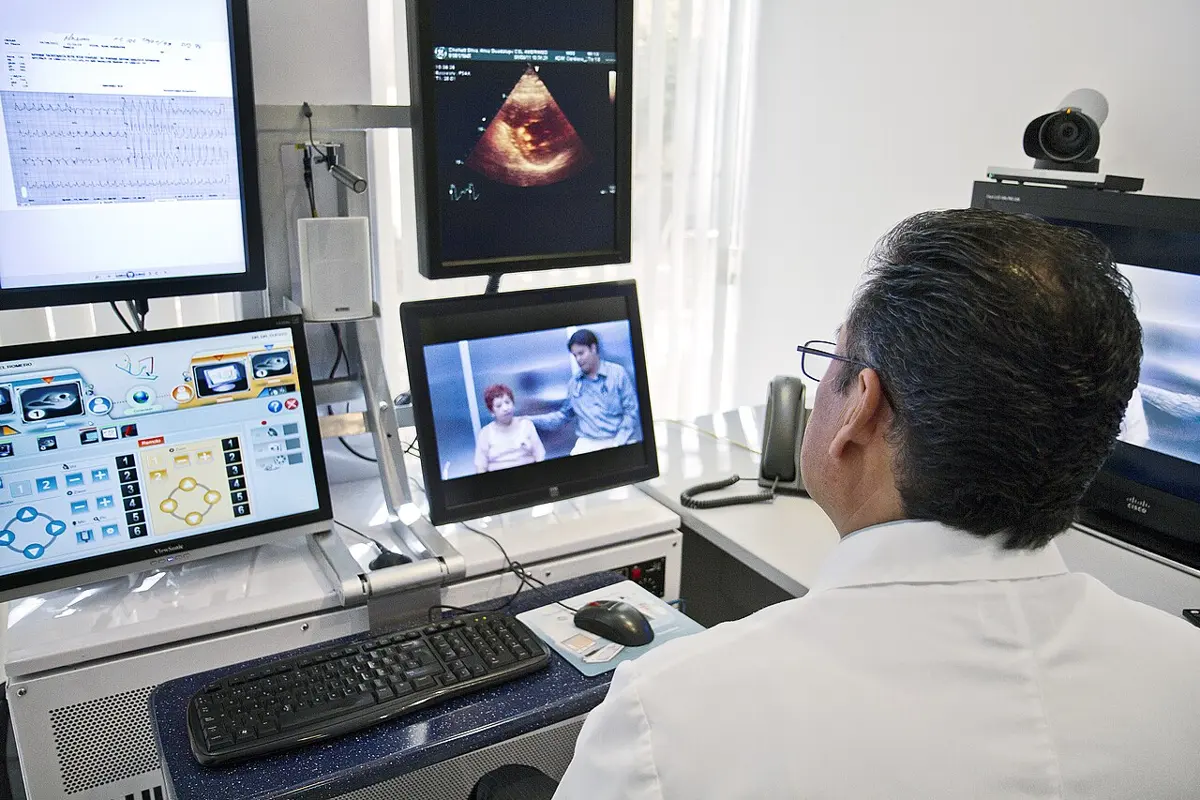
The text is an interview: a reporter from News-Medical (a website of medical news) asks questions, and an expert answers them. The expert is Chun-Kai Chang, who runs the telehealth business of Advantech, a Taiwanese company that makes computers for factories, hospitals and other businesses. Notice that he sells telehealth equipment: he knows the subject well, and he also has a reason to speak well of it.
An interview is easy to follow because of its shape: each question sets the topic, and the answer that follows stays on it. So to find something in the text, look first at the questions. The title’s acceleration means “getting faster”, and the reporter also speaks of its momentum (the force that keeps something moving once it has started): the interview is about why telehealth is growing so fast, and what comes next.
The interview, part by part
1. What telehealth is
Telehealth is a way of giving medical care remotely (from a distance), usually by video chat. It connects patients and clinicians (doctors and nurses who treat patients) wherever they are. It can be used for many kinds of care: primary care (the first, everyday care from a family doctor), psychotherapy (treating mental and emotional problems by talking), physical therapy (exercises to recover from an injury), and even emergencies. A specialist can reach patients anywhere there is an internet connection.
Its benefits for healthcare providers (the hospitals, clinics and doctors who give care) and for patients: care can be faster, safer, more effective and, in the long run, cheaper. During the COVID-19 pandemic, it let patients get care without going to a hospital, which protected both the patients and the hospital staff from the infection.
2. Why it is growing so fast
Chang names two drivers (causes that push something forward):
- The COVID-19 pandemic. As precautions (steps taken to stop something bad), people had to keep apart (social distancing) and avoid touching. Hospitals ran short of beds. So they had to incorporate (include) telehealth to keep caring for patients at home, without a break (care continuity).
- Too few doctors. Every year more people need care, because the population is aging (more old people) and more people have chronic (long-lasting) and non-communicable (not spread from person to person) diseases, such as diabetes and heart disease. People in rural areas are underserved: they get too little care, because there are not enough resources near them and the cities are far away. Telehealth lets the few specialists reach many more patients.
3. What comes next
Telehealth will not replace meeting a doctor face to face; it will be added to what hospitals already do. Chang predicts that:
- patients will choose hospitals and doctors by how easily they can reach them online;
- because it is convenient, more people will use preventive care (check-ups that stop problems before they start) and follow-up care (checks after a treatment);
- this will mean fewer readmissions (patients having to come back into hospital) and fewer complications;
- triage (sorting patients by how urgently they need care) will start in the field, in the ambulance or the village, before the patient reaches the hospital.
4. Watching patients from far away
Remote patient monitoring means collecting a patient’s health data all the time through wearable devices (small machines worn on the body, like a smartwatch or a sugar sensor stuck on the arm). They measure vital signs (pulse, blood pressure, breathing, temperature) and blood sugar, and send the readings in real time (as they happen) to the doctors, who watch and review them. With the whole picture of a patient’s health, a doctor can make a more precise diagnosis (a more exact finding of what is wrong).
5. Doctors working together
Telehealth also connects clinicians with each other. A doctor can call in a specialist in another city to treat a patient together. This ranges from surgical mentoring (an expert guiding a surgeon through an operation over a video link) to the Tele-ICU and Tele-ER, where the staff in an intensive care unit or an emergency room work with a distant specialist team, for example when a patient has a stroke (a blocked or burst blood vessel in the brain, where every minute counts). This helps hospitals that are short of staff in their busiest departments.
6. The challenges
The biggest problems, Chang says, are:
- infrastructure: many hospitals lack the basic systems telehealth needs: enough hardware (machines), the right technology for each kind of doctor, and a reliable network (broadband, 4G or Wi-Fi). A weak network makes it hard to reach rural areas and mobile clinics (clinics in a van that travels from place to place);
- a learning curve: it takes time to learn a new way of working. Users must learn new tools, booking virtual visits online, new triage steps and new billing (how patients are charged).
His answer: make telehealth a regular service and include it in health insurance. Then hospitals would have a reason (a motive) to invest in the equipment and systems, and to deploy it (put it into use).
What are the two drivers of telehealth’s fast growth, according to Chang?
Pick an answer to see why.
Which of these is an example of remote patient monitoring?
Pick an answer to see why.
Words from the interview
Words linked here open in English Vocabulary, where you can see an example and practice them in the word game. The meanings below are the ones the words have in this text.
| Word | Meaning here |
|---|---|
| telehealth | health care given from a distance, by phone, video or the internet |
| remotely | from far away |
| clinician | a doctor or nurse who treats patients |
| psychotherapy | the treatment of mental and emotional problems by talking |
| pandemic | a disease that spreads over a very wide area, often the whole world |
| incorporate | to include something as a part of something else |
| continuity | going on without a break (care continuity: a patient’s care is never interrupted) |
| chronic | (of a disease) lasting a long time or coming back again and again |
| non-communicable | (of a disease) not passed from one person to another, like diabetes |
| underserved | not getting enough service |
| tackle | to deal with a difficult problem |
| triage | sorting patients by how urgently they need care |
| diagnosis | finding out what disease a person has, and its cause |
| collaborate | to work together |
| ICU | the intensive care unit, the part of a hospital for the most seriously ill patients |
| infrastructure | the basic systems and equipment something needs to work (networks, machines, buildings) |
| learning curve | the time and effort it takes to learn something new |
| deploy | to put something into use, ready for action |
A. Crossword
The crossword’s answers, if you are working on paper with the book’s grid.
Across: 1. psychological treatment of people using dialogue 2. process of sorting patients 3. to prepare and arrange 4. special department of a hospital for intensive care of patients
Down: 5. to include as a part 6. identification of the nature and cause of a disease 7. not having sufficient service 8. epidemic over a wide geographical area
Answer
B. True or false?
Internet service is necessary to use telehealth services.
Pick an answer to see why.
While providing telehealth services, health professionals are at high risk of being infected due to the exposure to patients.
Pick an answer to see why.
Telehealth service can be the best alternative to a face-to-face service.
Pick an answer to see why.
The problem with the lack of medical staff will be solved to a great extent with telehealth technology.
Pick an answer to see why.
The success of telehealth programmes depends on the infrastructure and the best use of IT tools.
Pick an answer to see why.
C. Answer the questions
What is telehealth service?
Answer
What are the advantages of using telehealth programmes?
Answer
Why, according to Chang, is the telehealth service growing rapidly?
Answer
How is the telehealth programme important during a pandemic?
Answer
Why are the patients in remote areas not getting adequate health services?
Answer
Mention the top three challenges of telehealth services.
Answer
D. Talk about it
How might rural communities feel about telehealth services? How could this be improved? Talk to your friends.
A model answer
Pronunciation: consonant clusters
Most of these words begin or end with a consonant cluster: two or three consonant sounds said together with no vowel between them, like the str in strength or the ksθ at the end of sixth. Here they are as dictionaries write them.
| Word | British | American | Listen for |
|---|---|---|---|
| infrastructure | /ˈɪnfrəstrʌktʃə/ | /ˈɪnfrəstrʌktʃər/ | fr and str in one word; stress on IN |
| staff | /stɑːf/ | /stæf/ | st at the start |
| chronic | /ˈkrɒnɪk/ | /ˈkrɑːnɪk/ | ch says k: kr |
| strength | /streŋθ/ | /streŋθ/ | str at the start, ŋθ at the end |
| milk | /mɪlk/ | /mɪlk/ | lk at the end |
| school | /skuːl/ | /skuːl/ | sch says sk |
| shield | /ʃiːld/ | /ʃiːld/ | sh is one sound, /ʃ/; ld at the end |
| curious | /ˈkjʊəriəs/ | /ˈkjʊriəs/ | kj (a y sound after the k) |
| stethoscope | /ˈsteθəskəʊp/ | /ˈsteθəskoʊp/ | st and sk; th as in thin |
| blend | /blend/ | /blend/ | bl at the start, nd at the end |
| strand | /strænd/ | /strænd/ | str at the start, nd at the end |
| sixth | /sɪksθ/ | /sɪksθ/ | ksθ: three consonants at the end |
| scream | /skriːm/ | /skriːm/ | skr at the start |
In which word is the first sound /k/?
Pick an answer to see why.
Speaking: suggestions and advice
When someone tells you about a problem, English gives you many ways to suggest something or to advise them. They go from gentle (an idea for them to think about) to strong (a warning):
| To | Say | Example |
|---|---|---|
| offer an idea | How about / What about + -ing? | How about talking to her parents? |
| suggest kindly | Why don’t you + base form? | Why don’t you go to a dentist? |
| say what you would do | If I were you, I’d + base form | If I were you, I’d ask her not to beg. |
| advise | You should / ought to + base form | You should try talking to Sneha. |
| suggest gently | Perhaps / Maybe you should + base form | Perhaps you should try talking to her. |
| advise firmly, with a warning | You’d better + base form | You’d better see a doctor, or it will get worse. |
And to answer a suggestion: That’s a good idea. / I’ll try that. / I’m not sure that’s a good idea. / I’ve tried that, but… / It might work, I suppose.
A. The conversation
Shanti and Selina are talking about a friend. Here is what they say, in our words:
- Shanti is fed up: her friend Sneha keeps asking her for money, and she asks Selina what to do.
- Selina first says what she would do: if I were you, I’d ask Sneha not to beg.
- Shanti doubts that is a good idea, so Selina suggests more gently: perhaps you should try talking to Sneha about it.
- Shanti has tried that already, but Sneha wasn’t interested. So Selina has a third idea: how about talking to her parents?
- Shanti isn’t sure, but in the end agrees: it might work, I suppose.
Notice how Selina keeps trying: when one suggestion is turned down, she offers another, a little differently.
B. Giving advice
How does the woman advise the girl? (The girl says: “I have a severe toothache. I can’t eat anything.”)
Answer
Now work in pairs and take turns to explain your situation and give suggestions.
- a.A: tired / not sleep. B: have a hot drink
- b.A: cold / no heating. B: put a sweater on
- c.A: friend’s birthday / no money. B: pick a bunch of flowers
- d.A: hurt my leg. B: go to see a doctor
- e.A: not feeling well. B: take a rest for a while
Model answers
C. Suggestions for a friend
Give suggestions in the following situations. Use the given expressions: You’d better…, If I were you…, Why don’t you…?, You should / ought to…
- a.She struggles in English although she works very hard.
- b.She has lost her maths book in school.
- c.She has put on weight, but she wants to be slim.
Model answers
Grammar I: should, ought to, had better
Should, ought to and had better are all used to give advice: to say what is a good idea, or the right thing to do. They follow the rules of modal verbs: no -s for he, she, it, and the base form of the verb after them.
| Positive | Negative | Question | Use it for | |
|---|---|---|---|---|
| should | You should study more. | You shouldn’t (should not) eat so much. | Should I go? What should I do? | advice; what is right or sensible |
| ought to | You ought to study more. | You ought not to eat so much. | (rare; use should) | the same as should, a little more formal |
| had better | You’d better* (had better) leave now.* | You’d better not* be late.* | (rare) | strong advice about now or soon, with a warning: or something bad will happen |
A picture of a teacher and a boy shows it. The boy says, I failed my test. His teacher asks, What do you think you should do in future? And he answers, I should study a little more.
Which sentence is a warning, not just advice?
Pick an answer to see why.
Your friend has a fever. Which is correct?
Pick an answer to see why.
A. Study the sentences
Study what the people in the picture are saying. Why is should used?
A boy: I failed my test.
A teacher: Really? What do you think you should do in future?
The boy: I should study a little more.
Answer
B. Choose the correct answer
I need help, doctor. My baby doesn’t sleep well. What ……… ?
Pick an answer to see why.
The aeroplane only allows two pieces of luggage. You ……… pack too much or you will have to take it out at the airport!
Pick an answer to see why.
A: I think that the grade my teacher gave me on my test is wrong. B: Really? You ……… to her after class today.
Pick an answer to see why.
It’s raining and I don’t want to get my dress wet. I ……… an umbrella.
Pick an answer to see why.
Dinesh loves chocolate, but he ……… too much or he will put on weight.
Pick an answer to see why.
My mother isn’t feeling well, so I told her that she ……… to the doctor.
Pick an answer to see why.
A: It’s so hot. B: You ……… your jacket!
Pick an answer to see why.
I’m going to visit your country. Where ……… if I want to go shopping?
Pick an answer to see why.
Writing I: Advice for Aayush
This is Aayush, 14 years old, from Biratnagar. He likes to sit on the sofa for hours every day, watching TV and eating a lot of snacks. Write a couple of paragraphs about him. You may use these guiding questions:
- a.What is the problem with Aayush?
- b.What should he stop doing to be healthy?
- c.What should he start doing?
- d.What advice would you give him to maintain a healthy life?
Hint
A model answer
How to write paragraphs of advice
- Open with the problem, clearly and kindly: describe what the person does, not who they are. (He sits on the sofa for hours, not He is lazy.)
- Give the advice in a sensible order: what to stop, then what to start, each with a reason (…, because…, …, or…).
- Vary the expressions: should, ought to, had better (not), If I were him, it would be a good idea to…. The same word five times sounds dull.
- End with the result: what will be better if the advice is followed.
In your final exam, a paragraph like this can be asked in Free writing I (about 150 words, 6 marks, giving your views or advice) or, from given clues, in Guided writing I (about 100 words, 5 marks).
Reading II: Health is Wealth
Before you read
Who do you think the person in the picture is: a king or a wrestler? Why?
A model answer
How has he put on so much weight?
A model answer
Do you think he is healthy?
A model answer
What kind of text it is
Health is Wealth is a folk tale: a short, simple story, told and retold for a long time, that begins Once upon a time, has characters with no names (the king, the minister, the holy man) and ends with a lesson (a moral). The lesson is in the title: being healthy is worth more than being rich.
The story, part by part
1. A kind but lazy king
There was once a benevolent (kind and generous) king. Even so, his people weren’t happy with him, because he was lazy: he did nothing but eat and sleep, for days, weeks and months, in his bed. He became a couch potato, someone who sits or lies about all day and takes no exercise, and his people began to worry.
2. Too big to move
One day the king found he couldn’t move his body, not even a foot. He had grown so large that his obesity (being far too fat) became a joke: people called him the “bulky king”.
3. The doctors fail
The king called expert doctors from all over his country and offered them generous rewards to make him fit. None of them could. He spent an enormous (huge) amount of money, but it all went in vain (came to nothing).
4. The holy man’s offer
One morning a holy man came to the country. Hearing about the king, he told the minister at the palace that he could easily cure him. The minister was delighted, and asked the king to meet him. But the holy man lived far away, and when the king, who couldn’t move, asked for him to be brought to the palace, he refused: the king had to come to him.
5. The first visit
With strenuous efforts (great, tiring effort), the king reached the holy man’s home. The holy man complimented him (said good things about him): he was a good ruler, and he would soon be healthy again. He told the king to come back the next day for his treatment, and added a condition: he would be treated only if he came on foot.
6. Two weeks of walking
The next day the king could hardly walk a few steps, but with his followers holding him up, he got there. The holy man wasn’t there; a devotee (a follower) asked the king to come again the next day. The same thing happened every day for two weeks: the king never met the holy man, and never got any treatment.
7. The cure
Slowly the king noticed that he felt much lighter, had lost a lot of weight, and was more active than before. Then he understood why the holy man had made him walk: the walking was the treatment. Very soon he was healthy again, and his people were happy.
What it means. The doctors failed because the king expected someone else to cure him, and money can’t buy a habit. The holy man was wise: he knew the king would refuse to “just walk”, so he gave him a reason to walk every day, and let him find out the truth himself. The lessons: health is wealth (all the king’s money couldn’t do what two weeks of walking did), and a lazy life makes us ill; an active one makes us well.
Why did the holy man refuse to come to the palace?
Pick an answer to see why.
Words from the story
| Word | Meaning here |
|---|---|
| benevolent | kind, generous and wanting to do good |
| couch potato | a person who sits or lies about for hours (watching TV) and takes no exercise |
| obesity | being very fat, in a way that is bad for health; obese is the adjective |
| enormous | very big |
| in vain | without success; everything went in vain: all of it came to nothing |
| reside | to live in a place; a residence is a home |
| strenuous | needing great effort or energy |
| compliment | to say something nice about someone |
| devotee | a person who follows and admires a religious leader or a god |
| considerable | large, a lot of |
| regain | to get something back that was lost |
A. Complete the sentences
Learn these words and complete the sentences with them: benevolent, couch potato, obesity, devotee, strenuous.
- a.……… can increase the risk of heart disease because obese people are likely to suffer from heart problems.
- b.My father is kind, helpful and generous. He has a ……… attitude.
- c.Take rest for a week. Avoid tasks which require ……… physical activity.
- d.I like God Shiva. I’m actually a ……… of him.
- e.My younger sister is a great ……… . She can watch TV 24 hours a day.
Answer
B. Answer the questions
Why did people not like the king though he was kind?
Answer
Why were the specialists called to the palace and offered huge prizes?
Answer
Why did the minister become so happy?
Answer
Why did the holy man tell the king to come to his place on foot for treatment?
Answer
Why did the holy man disappear after the first meeting with the king?
Answer
How did the king recover his health?
Answer
What lesson did you learn from the story?
A model answer
C. The queen’s story
Retell the story to your friends, making the queen the main character.
A model retelling
How to retell a story
Listening: personal hygiene
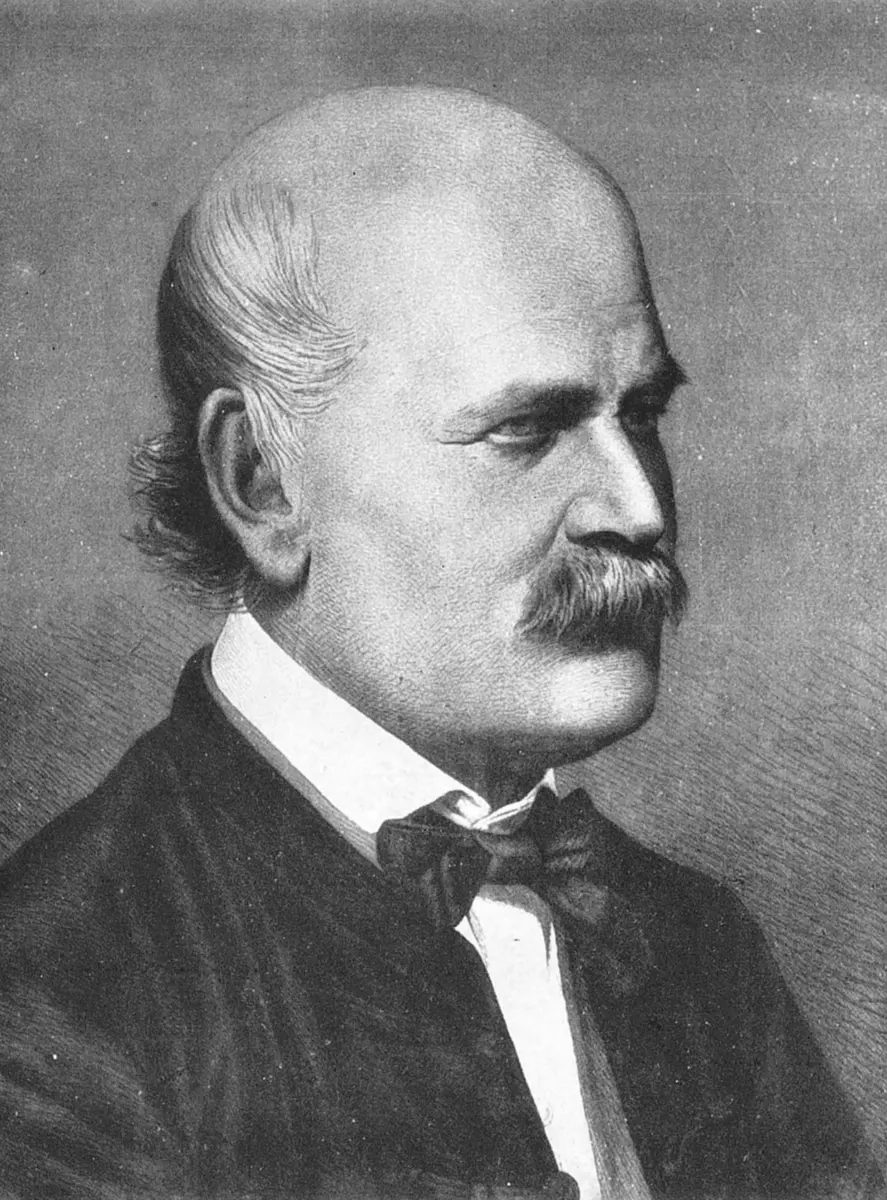
Personal hygiene means keeping your own body clean: washing, brushing your teeth, trimming your nails, wearing clean clothes. The listening has two parts: a short talk with hygiene tips, and then a conversation in which Kris helps his friend Sam at work. CDC’s own recording is below: read the questions in B first, then listen, as many times as you need.
A. Before you listen
Look at the pictures and answer these questions. (The three pictures show someone cutting their fingernails, hands being washed with soap under a tap, and a woman and a girl brushing their teeth in front of a mirror.)
- a.What do you see in the pictures?
- b.Do you regularly do these activities? Why?
Model answers
B. The textbook’s audio: answers
Personal hygiene means taking care of our bodily health and well-being through ……… .
Pick an answer to see why.
Dirty clothes and ……… lead to the breeding of germs.
Pick an answer to see why.
We had better change the toothbrush every ……… .
Pick an answer to see why.
Long and dirty nails can cause ……… .
Pick an answer to see why.
Sam works in the ……… department.
Pick an answer to see why.
Sam hasn’t ……… for many days.
Pick an answer to see why.
Kris suggests that Sam should use ………, but not too much, to deal with his sweating problem.
Pick an answer to see why.
What the talk and the conversation say
The talk’s tips, in short: bathe with soap every day and wash your hair regularly (look out for lice and dandruff); wear clean underclothes, clean, ironed clothes and fresh socks every day; clean your shoes; brush your teeth twice a day and floss once; change your toothbrush every three months; keep your nails short and clean; and wash your hands with soap before and after eating, after using the toilet, and after coughing or sneezing, using a hand sanitizer when there is no soap and water.
In the conversation, Sam is worried: customers come to his counter, look uncomfortable and go to the next one, so he sells nothing. His friend Kris tells him kindly what is wrong: he hasn’t shaved or showered, and his body odor (the bad smell of sweat) is turning customers away. Sam admits he has been too busy to bathe. Kris advises him to shower, wear clean clothes, and use a little deodorant after showering, and Sam promises to take care of himself.
C. Hygiene tips
Search for some tips of personal hygiene and share them with your classmates.
Some tips to share
Grammar II: Conditionals, type 2 and type 3
You already know the first conditional, for something that may really happen: If it rains, we will stay at home. This unit adds two more, for things that are not real:
| Type | Form | About | Example |
|---|---|---|---|
| second | if + past simple, would + base form | an imagined or unlikely situation, now or in the future | If Sarita had an Android phone, she would join the virtual class. (She hasn’t got one.) |
| third | if + past perfect, would have + past participle | a past that did not happen, and its imagined result | If the king had lived an active life, his health would not have worsened. (He didn’t, and it did.) |
Instead of would, the result can have could (was able to) or might (perhaps): If you asked them, they might help. If he had driven carefully, he might not have had the accident.
“If I ……… a bird, I would fly round the world.” Which is correct?
Pick an answer to see why.
Which sentence talks about the past?
Pick an answer to see why.
A. Study these sentences
Study these sentences. Which type of conditional is each, and what does it tell us really happened?
- a.The king would be treated only if he came on foot to the holy man’s residence.
- b.If Sarita had an Android mobile phone, she would join the virtual classroom.
- c.If the king had lived an active life, his health would not have worsened.
- d.Had she studied hard, she would have secured the best result.
- e.If we had listened to the radio, we would have heard the news.
- f.It would not surprise me if he knew the answer.
Answer
B. Complete with the correct form
Complete the following sentences with the correct form of the verbs given in the brackets.
- a.I saw Tshering a few minutes ago. If you had come round earlier, you ……… (see) him too.
- b.I wish I were a bird. If I were a bird, I ……… (fly) round the world.
- c.Provided that you ……… (be) twenty, you could play the match.
- d.George was happy that he came to Nepal. If he hadn’t, he ……… (not see) Mt. Everest.
- e.What would you do if you ……… (win) a lottery of Rs. 1,00,000?
- f.Seema missed the bus home. If she ……… (come) in time, she would have caught the bus.
- g.She would lose weight if she ……… (not eat) a lot of sweets.
- h.They might have helped you if you ……… (ask) them.
- i.If he ……… (drive) more carefully, he might not have had that accident.
- j.If everyone ……… (turn) off unwanted lights, we could save a lot of electricity.
Answer
C. Complete the conditional sentences
Complete each sentence with a suitable conditional clause.
- a.If you had studied well, ………
- b.If you asked me, ………
- c.If we had gone to the cinema, ………
- d.If you spoke English, ………
- e.If they listened to me, ………
- f.……… if I had your address.
- g.……… I would have taken part in the contest.
- h.……… we would walk to the museum.
- i.……… if there were not many sharks there.
- j.……… if she had taken the right bus.
Model answers
Writing II: A recipe for kwati
Kwati is a thick soup of several kinds of sprouted beans, often nine, cooked by the Newar community and now by families all over Nepal. It is eaten especially on Janai Purnima, the full moon of Shrawan, which is also called Kwati Purnima (Newars call the day Gunhu Punhi). The beans are soaked for three or four days until they sprout, which is why the soup is said to give strength in the wet, tiring monsoon.
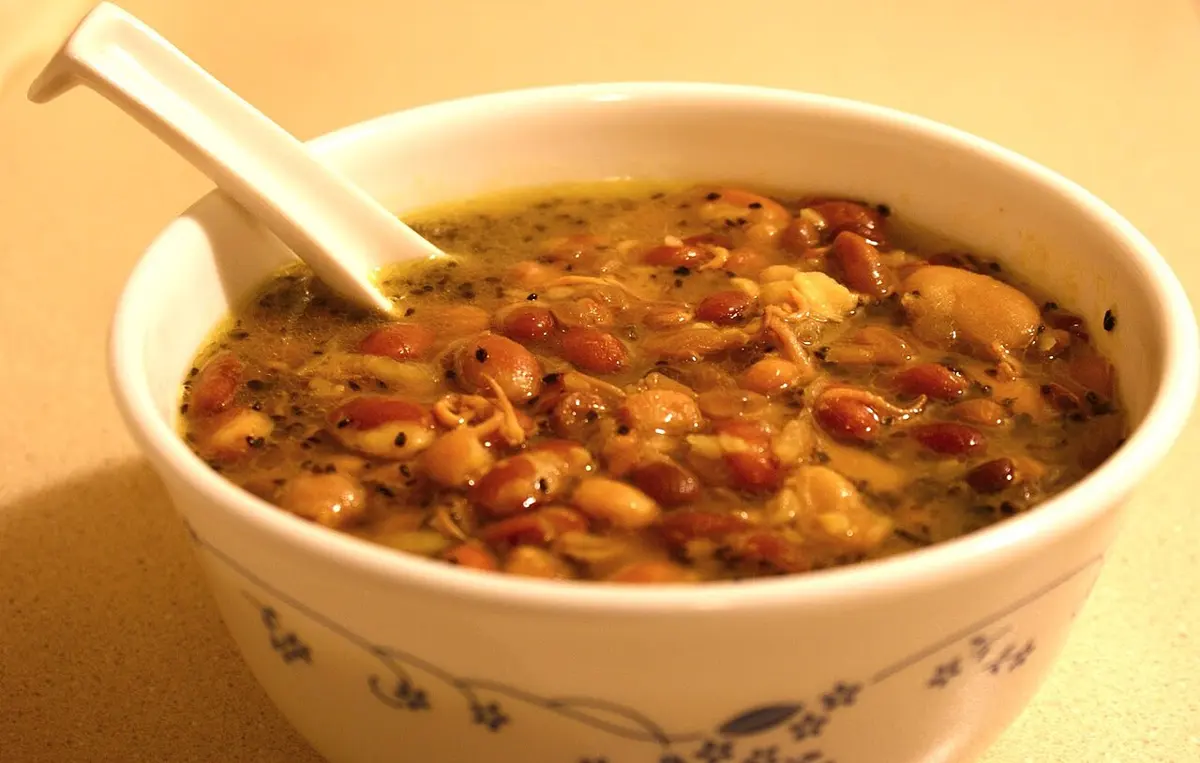
The task gives the ingredients and the steps of a kwati recipe, but the steps are jumbled. Put them in order first.
Kwati is a popular Newari food item. Arrange the steps in the correct order and write the recipe for making it.
Ingredients: sprouted mixed beans, ghee, onion, cumin seeds, carom seeds, coriander powder, ginger-garlic paste, tomatoes, bay leaves, chilli powder, turmeric powder, salt, garam masala.
- a.Put cumin seeds and carom seeds in a pan and fry them.
- b.Add tomatoes, turmeric powder and coriander powder.
- c.Fry until the tomatoes are soft.
- d.Melt ghee in a pressure cooker.
- e.Add onion, then bay leaves and ginger-garlic paste.
- f.Now add the sprouted mixed beans (kwati), and then red chilli powder.
- g.Fry for 5–6 minutes.
- h.Cook for about 4–5 whistles.
- i.Add hot water, then salt and garam masala.
- j.The kwati is ready to be served.
A model recipe
How to write a recipe
A recipe is a set of instructions for cooking a dish. It has:
- A title: the name of the dish, and often how many people it serves and how long it takes.
- The ingredients: a list of everything needed, with amounts, in the order they are used.
- The method: numbered steps, in order, one action per step.
The steps are imperatives: they begin with the verb and have no subject (Melt the ghee. Add the onion. Fry for five minutes.). Sequence words help in a paragraph recipe: first, then, next, after that, once…, finally. In your final exam, a recipe can be asked in Guided writing I (about 100 words, 5 marks, from given clues).
Project work
Words ending in -logy
The ending -logy comes from the Greek logos, “word, reason”: a word ending in -logy usually names the study of something. The first part says what is studied.
| Word | The first part means | It is the study of |
|---|---|---|
| pathology | pathos: suffering, disease | diseases (a pathology lab tests blood and samples) |
| epidemiology | epidemic | how diseases spread, and how to control them |
| archaeology | archaios: ancient | the cultures of the past, from what people left behind |
| geology | gē: the earth | the rocks and the physical structure of the earth |
| metrology | metron: measure | measurement |
| sociology | socius: companion | human society |
| anthropology | anthrōpos: human being | the origins of human beings, their cultures and relationships |
| meteorology | meteōron: a thing high in the air | the atmosphere and the weather |
| astrology | astron: star | the belief that the positions of the stars and planets affect people’s lives |
The person who studies it ends in -logist: a pathologist, a geologist, a meteorologist. The adjective ends in -logical: pathological, geological.
A scientist studies how dengue spreads from district to district and how to stop it. What is she?
Pick an answer to see why.
Which -logy word is it?
- a.the study of living things (bios: life)
- b.the study of the mind and how people behave (psychē: mind, soul)
- c.the study of animals (zōion: animal)
- d.the study of ancient buildings, pots and tools dug from the ground
Answer
Exercise
Practice on this unit in the style of the final exam (Grade 9’s exam follows the SEE’s kind of chart). Try each one as in the exam, then open the answer.
Write True or False after each statement about Reading II.
- a.The people did not like the king because he was cruel.
- b.The expert doctors could not make the king fit.
- c.The holy man came to the palace to treat the king.
- d.The king walked to the holy man’s home for two weeks.
- e.The holy man gave the king a medicine that made him lose weight.
Answer
Change these sentences as instructed in brackets.
- a.You should eat junk food every day. (Change into the negative.)
- b.Pemba ought to see a doctor. (Use should.)
- c.You had better take an umbrella. (Change into the negative.)
- d.I should wash my hands before eating. (Make a yes/no question.)
- e.If you exercise every day, you will feel better. (Change into the second conditional.)
- f.If Kamala had slept early, she would not have been tired. (Begin with Had.)
Answer
Choose the correct answer for each numbered blank.
Dear Muna, Our school held a health camp last week. The doctor said that we (a) ……… (should, should to, ought, had better to) wash our hands with soap before every meal. She also said, “You (b) ……… (had not better, had better not, better not to, hadn’t better) bite your nails, or germs will get into your mouth.” If I (c) ……… (know, knew, had known, would know) this last year, I (d) ……… (wouldn’t fall, didn’t fall, wouldn’t have fallen, won’t fall) ill so often. Now I wash my hands and cut my nails every week. If everyone in our class (e) ……… (follows, followed, had followed, will follow) these tips, fewer of us would miss school. Love, Rojina
Answer
Read the notice and answer the questions.
Notice: free health camp. A free health camp will be held at Shree Janajyoti Secondary School on Saturday, the 12th of Poush, from 9 a.m. to 3 p.m. Doctors from the district hospital will check blood pressure, blood sugar, eyes and teeth. A doctor in Kathmandu will also see patients by video call. Patients should bring their old reports and a list of the medicines they take. Children under 5 must come with a parent. Contact: Ms. Sharmila Rai, school nurse.
- a.Where will the health camp be held?
- b.How long will it last?
- c.Name two things the doctors will check.
- d.How will the doctor in Kathmandu see patients?
- e.What should patients bring?
Answer
Write a set of instructions of about 100 words on “How to wash your hands properly”, using these clues: wet hands, soap, rub palms, between fingers, backs of hands, thumbs, under nails, 20 seconds, rinse, dry with a clean towel.
A model answer
Practice every question in the book, and keep track of the ones you miss →
A companion to your textbook, not a replacement for it: study from the book your school uses, and where the two differ, follow your teacher. Found a mistake? Please tell us.