
About one adult in four in Nepal has high blood pressure, and most of them don’t know it, because it causes no pain for years. Diseases like this, of the heart, the lungs and the kidneys, now kill far more Nepalis than infections do. Many of them grow quietly out of everyday habits: salty food, too little exercise, smoke in the air, and the three substances this unit ends with: drugs, alcohol and tobacco.
This unit is about what doctors mean by a disease, a syndrome and a disorder; the commonest disorders of the heart and blood vessels, the lungs and the kidneys, how they start and how they can be prevented; and how drugs, alcohol and tobacco take hold of the brain, what they do to the body, and how people are helped to stop.
Health, disease, syndrome and disorder
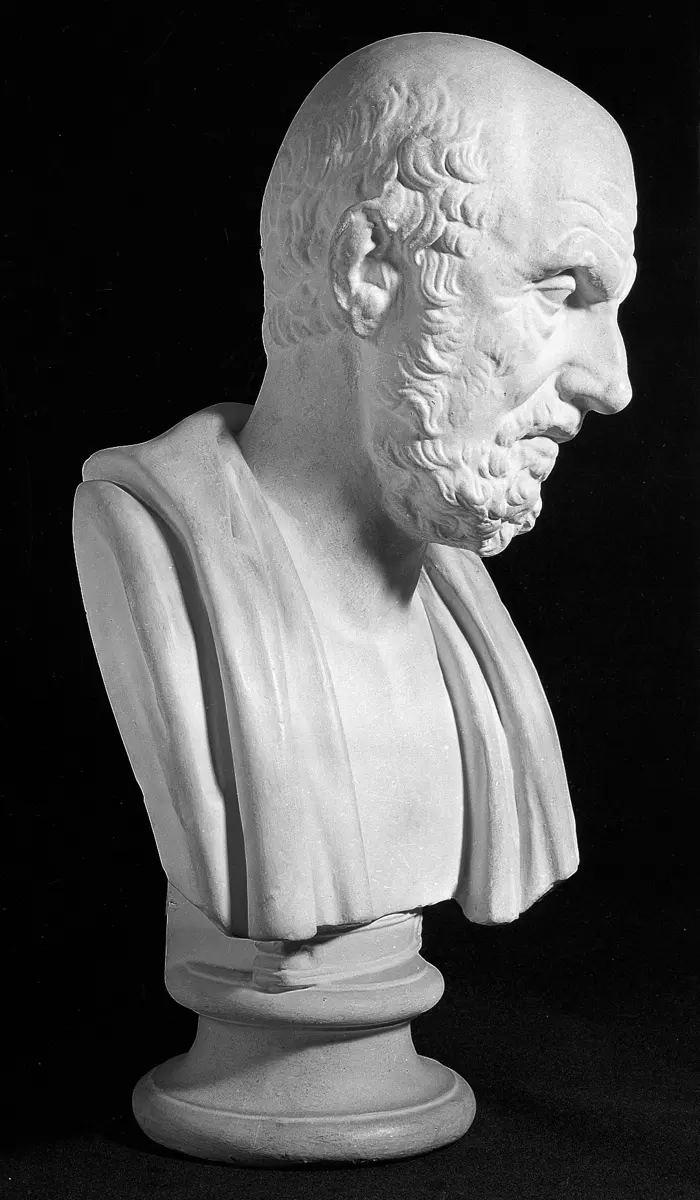
In medicine, a condition is simply a person’s state of health. It can be normal or abnormal: a doctor may say a patient is in “good condition” or “serious condition”, and a particular illness, whether a disease, a syndrome or a disorder, is also called a medical condition. The word has been used this way since Hippocrates and his students.
What is “good health”? The World Health Organization (WHO) defines health as “a state of complete physical, mental and social well-being and not merely the absence of disease or infirmity”. So a person with no illness who is lonely, frightened or unable to cope with life is not fully healthy either.
When a person’s health is poor, doctors try to name what is wrong. Three words are used, and they mean different things.
1. Disease. A disease is an illness with a known or identifiable cause that changes how the body works and usually changes its structure as well. Because its cause is known, a disease usually has recognizable signs and symptoms, a typical course (how it begins, develops and ends) and an established treatment. Tuberculosis (caused by Mycobacterium tuberculosis) and pneumonia are diseases.
2. Syndrome. A syndrome is a group of signs and symptoms that tend to occur together, recognized as a pattern before (or without) its cause being understood. Many syndromes have no single clear cause, course or treatment. Some keep the name even after their cause is found: Down syndrome was described as a pattern by the British physician John Langdon Down in 1866, and its cause, an extra copy of chromosome 21 (trisomy 21), was found only in 1959.
3. Disorder. A disorder is a disturbance of the body’s normal structure or function: something that is not working as it should, causing distress or disability. A disorder may be the result of a disease: an arrhythmia (an irregular heartbeat) is a disorder that often follows heart disease. It may also be caused by the misuse of harmful substances, such as illegal drugs, alcohol or tobacco, which harms the body, the mind and a person’s life with others: this is a substance use disorder (SUD).
| Disease | Syndrome | Disorder | |
|---|---|---|---|
| What it is | an illness with a known cause | a set of signs and symptoms that occur together | a disturbance of normal structure or function |
| Cause | known or identifiable | often unclear | may be a disease, a substance, genes, or unknown |
| Course and treatment | usually typical and established | often not | varies |
| Example | tuberculosis | Down syndrome | arrhythmia; substance use disorder |
A set of signs and symptoms that occur together, recognized as a pattern though its cause may be unclear, is a:
Pick an answer to see why.
Health disorders
Health disorders are abnormal conditions that disturb the body’s normal structure or function, causing distress or disability. They may or may not have clear signs and symptoms, and their cause may or may not be known.
I. Characteristics of health disorders
- Functional impairment: they disturb the body’s normal structure and function.
- Signs and symptoms: they may or may not show clear, specific signs and symptoms.
- Distress: they may cause real distress, harm or suffering in a person’s daily life.
- Disability: they may limit what a person can do, or change their behavior.
II. Types of health disorders
- Physical disorders affect the body’s structure and working: cardiovascular, respiratory and renal disorders, for example.
- Mental disorders affect thinking, emotions and behavior: anxiety disorders, mood disorders such as depression, and schizophrenia.
- Genetic disorders are caused by changes in genes or chromosomes, passed on from parents or arising new: sickle-cell anemia, thalassemia, hemophilia, cystic fibrosis and Down syndrome.
- Substance use disorders come from the harmful use of drugs, alcohol or tobacco. They change the brain, and harm a person’s physical, mental and social well-being.
III. Symptoms of health disorders
Symptoms may be physical (pain, breathlessness), perceptual (seeing or hearing things that aren’t there), sexual or interpersonal (difficulty getting on with others), and anything else abnormal that causes distress or disability. They may be temporary or long-lasting.
IV. Diagnosis of health disorders
A disorder’s symptoms may suggest that a particular disease is present, but they are often not enough on their own to make a diagnosis: the doctor needs an examination and tests (blood and urine tests, an ECG, an X-ray, a lung-function test) to find the cause.
The rest of this unit takes up two groups: the cardiovascular, respiratory and renal disorders, and the disorders that come from substance abuse.
9.2.1 Cardiovascular, respiratory and renal disorders
Disorders of the heart, the lungs and the kidneys have become much commoner with modern ways of living (less physical work, more processed and salty food, smoking, alcohol), with crowded and polluted towns, with people living longer, and with problems of structure and working that some people are born with.
1. Cardiovascular disorders
Cardiovascular disorders (CVDs) are disorders of the heart and blood vessels, affecting their structure and working. They are the leading cause of death in the world: an estimated 19.8 million deaths in 2022, about a third of all deaths (WHO), and 85% of these were from heart attacks and strokes.
I. Causes
- Lifestyle: an unhealthy diet (too much salt, sugar and fat, too few fruits and vegetables), physical inactivity, smoking, too much alcohol, and long-term stress.
- Medical conditions: diabetes, hyperlipidemia (too much fat and cholesterol in the blood), hypertension, and hardened, narrowed arteries (arteriosclerosis and atherosclerosis), which in turn lead to heart attacks and strokes.
- Environment: air pollution, which harms the heart and vessels as well as the lungs.
- Others: age (risk rises with age), sex (men are at risk younger), obesity and family history.
II. Symptoms
- Angina: chest pain or tightness, often spreading to the left arm, neck or jaw, when the heart muscle gets too little blood.
- Dyspnea: shortness of breath.
- Fatigue: tiredness and weakness.
- Dizziness, and sometimes fainting (syncope, a short loss of consciousness when too little blood reaches the brain).
- Palpitations (feeling the heart race or skip) and swollen ankles.
III. Complications
Heart failure, heart attack, stroke, aneurysm, peripheral artery disease and sudden cardiac arrest (the heart suddenly stops pumping, usually from a dangerous arrhythmia).
IV. Risk factors
Diabetes, high blood lipids, high blood pressure, obesity, smoking, drug use and drinking too much alcohol. The four behaviors behind most of these, WHO says, are unhealthy diet, physical inactivity, tobacco use and harmful use of alcohol.
V. Prevention
A healthy diet with less salt, regular exercise, no tobacco and little or no alcohol, keeping a healthy weight, managing stress, checking blood pressure, sugar and cholesterol regularly, and public awareness campaigns.
VI. Treatment
Treating the conditions that drive CVDs (diabetes, high blood lipids, high blood pressure) together with changes in lifestyle; for a blocked artery, opening it with a balloon and a stent (angioplasty) or bypassing it with another vessel (bypass surgery).
VII. Medication
- Aspirin and other blood thinners (anticoagulants), which stop clots forming;
- beta blockers, which slow the heart and lower blood pressure;
- statins, which lower cholesterol, and other medicines for blood pressure.
Which of these is a risk factor for cardiovascular disorders rather than a symptom of one?
Pick an answer to see why.
VIII. Important cardiovascular disorders
i. Disorders affecting the heart
A. Arrhythmia. An abnormal heart rate or rhythm, too fast, too slow or irregular, because the electrical impulses that start each beat are made or conducted wrongly. It is caused by coronary heart disease, scarring of the heart muscle (after a heart attack), certain medicines and stimulants, and genes.
B. Congenital heart disease. A heart defect present at birth, such as a hole between the chambers or a narrowed valve.
C. Heart failure. The heart cannot pump enough blood for the body’s needs (or can’t fill properly between beats). Fluid backs up into the lungs and legs, causing breathlessness and swollen ankles. It doesn’t mean the heart has stopped.
D. Myocardial infarction (MI), a heart attack: the blood flow to part of the heart muscle is reduced or stopped, usually by a clot in a narrowed coronary artery, and that part of the muscle is damaged or dies. Coronary artery disease is its main cause.
E. Pericardial disease. Disease of the pericardium, the sac round the heart: inflammation of it (pericarditis), or fluid collecting inside it (pericardial effusion).
F. Rheumatic heart disease. Damage to the heart muscle and especially the valves after rheumatic fever, an immune reaction that can follow an untreated sore throat caused by Streptococcus bacteria. It still affects children and young adults in Nepal, and is prevented by treating strep throat with antibiotics.
G. Valvular disease. Valves that leak (regurgitation) or have become narrow and stiff (stenosis), so the heart must work harder.
ii. Disorders affecting the blood vessels
A. Aortic aneurysm. A weak spot in the wall of the aorta, the main artery carrying blood from the heart to the body, that bulges out like a balloon. If it bursts, it causes severe internal bleeding.
B. Arteriosclerosis. The thickening, hardening and loss of elasticity of the walls of arteries, which happens with age and high blood pressure.
C. Atherosclerosis. The commonest kind of arteriosclerosis: fatty deposits called plaques (cholesterol, fats, calcium and cells) build up in the inner lining of arteries, narrowing the lumen and stiffening the wall. A plaque may crack, and a clot forms on it.
D. Cerebrovascular disease. Narrowing or blockage of the blood vessels that supply the brain. A stroke is its most serious result.
E. Coronary artery disease (CAD), also called coronary heart disease (CHD) or ischemic heart disease (IHD): the coronary arteries, which supply the heart muscle itself, are narrowed by atherosclerosis, so the muscle gets too little blood (causing angina) and a clot can block one completely (a heart attack).
F. Deep vein thrombosis (DVT). A blood clot in a deep vein, usually of the leg, after long sitting or lying still. A piece can break off and travel to the lungs (pulmonary embolism, below).
G. Peripheral artery disease. Narrowing or blockage of the arteries of the legs, arms or abdominal organs by atherosclerosis, causing pain in the legs on walking.
iii. Disorders of the blood flow
A. Hypertension, high blood pressure that stays at or above 140/90 mmHg. It is called the “silent killer”, because it usually causes no symptoms for years while it strains the heart and damages the arteries, leading to heart attack, stroke and kidney failure. A reading of 180/120 mmHg or more is a hypertensive crisis, which needs a doctor at once.
B. Hypotension, low blood pressure that stays below about 90/60 mmHg, from loss of blood or fluid, anemia, heart problems, or widened blood vessels. It makes a person dizzy and faint. A sudden, dangerous fall in blood pressure, so that the organs don’t get enough blood, is shock.
C. Stroke, also called a cerebrovascular accident (CVA) or brain attack: part of the brain is suddenly cut off from its blood supply, and its cells start to die within minutes. Most strokes are ischemic, caused by a clot blocking an artery of the brain; the rest are hemorrhagic, caused by a blood vessel in the brain bursting (a brain hemorrhage). The signs come suddenly: a drooping face, a weak arm, slurred speech. Treatment within the first few hours saves brain.
A blood pressure that stays at 150/95 mmHg is:
Pick an answer to see why.
2. Respiratory disorders
Respiratory disorders, also called lung or pulmonary disorders, are conditions that affect the respiratory system: the airways, the lungs, their blood vessels and the pleura. They make breathing difficult, and can be life-threatening if left untreated. Chronic obstructive pulmonary disease alone caused about 3.5 million deaths in 2021 (WHO), and lung infections, tuberculosis and lung cancer many more.
I. Causes
Infections (viral, bacterial and fungal), smoking, and the environment: polluted outdoor air, smoke from cooking fires indoors, and dusts at work.

II. Symptoms
Shortness of breath, cough (with or without phlegm), wheezing, chest pain or tightness, and tiredness.
III. Complications
Chest and lung infections, pneumonia, lung abscess (a pocket of pus in the lung), acute respiratory failure and lung failure (the lungs can no longer take in enough oxygen or remove enough carbon dioxide).
IV. Risk factors
The environment (air pollution, smoke from cooking fires, dust at work), genes (family history), lifestyle (smoking), and others: age (the very young and the old), asthma and diabetes.
V. Prevention
Reducing air pollution (cleaner stoves and fuels, ventilation in kitchens, masks on polluted days), regular exercise, no tobacco, vaccination (against influenza, pneumonia, whooping cough and, at birth, BCG against tuberculosis), and public awareness campaigns.
VI. Treatment
Treating the underlying problem (antibiotics for bacterial infections, controlling asthma and diabetes), oxygen therapy, breathing exercises and pulmonary rehabilitation.
VII. Medication
Bronchodilators (which relax the airway muscles, as in the blue inhaler used for asthma), inhaled steroids (which calm inflammation in the airways) and oral corticosteroids for severe attacks.
VIII. Important respiratory disorders
i. Disorders of the airways
A. Asthma (bronchial asthma): the airways are inflamed and oversensitive. When something triggers them (dust, pollen, smoke, cold air, exercise, an infection), the smooth muscle round the bronchi and bronchioles tightens, their lining swells and makes thick mucus, and the air passages narrow. The person wheezes (a whistling sound on breathing out), coughs and feels breathless. The attacks come and go, and are controlled with inhalers.
Servier Medical Art (smart.servier.com), CC BY 4.0
B. Bronchiectasis. The bronchi are permanently widened and damaged, usually after repeated or severe infections, so they can’t clear their mucus. Mucus collects, becomes infected again, and the person coughs up large amounts of phlegm every day.
C. Bronchitis. Inflammation and swelling of the bronchi, so that they make too much mucus and the person coughs it up. Acute bronchitis, usually after a cold or flu, lasts up to about three weeks. Chronic bronchitis is a cough with phlegm on most days for at least three months a year, two years in a row; it is usually caused by smoking or smoke and is a form of COPD.
D. Chronic obstructive pulmonary disease (COPD). A long-term disease in which the flow of air out of the lungs is blocked, so breathing out is slow and hard. It includes chronic bronchitis and emphysema, and is caused mainly by tobacco smoke and by smoke from cooking fires. It can’t be cured, and slowly gets worse if the smoke goes on.
E. Laryngitis. Inflammation of the larynx (voice box), usually from a viral infection or overusing the voice, making the voice hoarse or lost.
F. Pharyngitis. Inflammation of the pharynx, the throat: a sore throat, usually from a virus, sometimes from Streptococcus bacteria.
ii. Disorders of the alveoli
A. Lung cancer (bronchogenic carcinoma): the uncontrolled growth of cells in the lung, which form a tumor and can spread to other organs. Most lung cancers start in the cells lining the bronchi and bronchioles; some begin farther out, near the alveoli. About eight or nine in ten are caused by smoking.
B. Pneumonia. An infection that inflames the alveoli, which fill with fluid and pus, so oxygen can’t pass into the blood and the person becomes short of breath. It is caused by bacteria (often Streptococcus pneumoniae), viruses (including the COVID-19 virus) or fungi. In severe cases the lung tissue becomes thick and solid, and the alveoli are damaged. It is a leading cause of death in children under five and is dangerous for the old.
C. Pulmonary edema. Fluid (the watery part of the blood) leaks out of the lung capillaries into the alveoli, usually because a failing left side of the heart lets blood back up into the lungs, or after lung injury. The person can’t breathe lying flat, and may cough up frothy fluid.
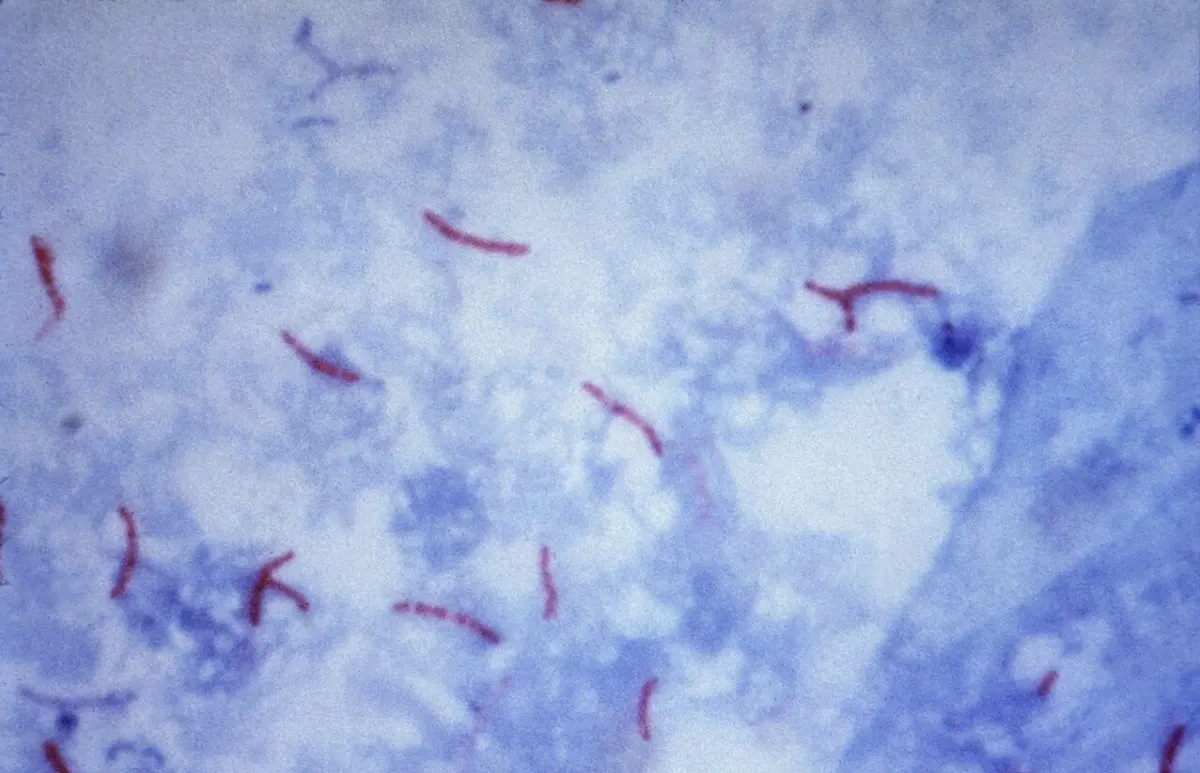
D. Tuberculosis (TB), caused by the bacterium Mycobacterium tuberculosis, spread through the air when an infected person coughs. The body walls the bacteria off in small lumps called tubercles; their centers may die and turn cheesy, and break down to leave cavities in the lung. It causes a cough lasting more than two weeks (sometimes with blood), fever, night sweats and weight loss. TB can be cured by taking several medicines every day for six months, which Nepal provides free.
iii. Disorders of the lungs as a whole
A. Acute respiratory distress syndrome (ARDS). A sudden, severe injury of both lungs, in which fluid floods the alveoli, after a serious illness such as severe pneumonia, COVID-19, sepsis or major injury. Patients usually need a ventilator.
B. Emphysema. The walls between the alveoli are destroyed, mostly by smoking, so many small alveoli merge into a few large air spaces. The lungs lose their surface for gas exchange and their elastic recoil, so air is trapped and breathing out becomes hard.
Servier Medical Art (smart.servier.com), CC BY 4.0
iv. Disorders of the interstitium
A. Interstitial lung disease (ILD). A group of disorders of the interstitium, the thin tissue between and around the alveoli. It becomes inflamed and then scarred (fibrosis), stiffening the lungs. Dusts, some medicines and immune diseases cause it.
v. Disorders of the lungs’ blood vessels
A. Pulmonary embolism (PE). A blood clot, usually from a deep vein of the leg (DVT), breaks loose, travels through the right side of the heart and blocks a pulmonary artery. It causes sudden breathlessness and chest pain, and can kill.
B. Pulmonary hypertension. High blood pressure in the pulmonary arteries, which carry blood from the heart to the lungs. The right side of the heart must push harder and slowly fails; the person becomes short of breath and may have chest pain.
vi. Disorders of the pleura
A. Pleural effusion. Fluid collects between the two layers of the pleura, between the lung and the chest wall, pressing on the lung and making breathing hard. It is caused by pneumonia, tuberculosis, heart failure or cancer, and a large effusion is drained with a needle or a tube.
B. Pleurisy. Inflammation of the pleura, so its two layers rub against each other, causing a sharp chest pain on breathing in.
C. Pneumothorax. Air gets into the pleural space between the lung and the chest wall, through a wound or a leak from the lung, and the lung collapses. It can happen suddenly to tall, thin young men, or to smokers.
Servier Medical Art (smart.servier.com), CC BY 4.0
D. Mesothelioma. A rare cancer of the pleura, caused mainly by breathing in asbestos fibers, often decades earlier.
vii. Other disorders of the lungs
A. Cystic fibrosis. An inherited disorder: a faulty gene (CFTR) makes the mucus in the airways thick and sticky, so it can’t be cleared. It traps bacteria, causing repeated lung infections, which in turn can lead to bronchiectasis.
B. Pulmonary fibrosis. Scarring of the lung tissue, which becomes thick and stiff, so the lungs can’t expand fully and oxygen passes through less easily.
C. Occupational lung diseases. Lung diseases caused by dust breathed in at work: silicosis from silica dust (stone crushing, quarrying, brick kilns, mining) and asbestosis from asbestos fibers. Masks, water sprays to keep dust down, and good ventilation prevent them.
In which disorder are the walls between the alveoli destroyed, leaving a few large air spaces?
Pick an answer to see why.
Air in the space between a lung and the chest wall, making the lung collapse, is:
Pick an answer to see why.
3. Renal disorders
Renal disorders, also called kidney disorders, are conditions that damage the kidneys or stop them filtering the blood properly. Chronic kidney disease alone caused about 1.5 million deaths in the world in 2021, according to the Global Burden of Disease study, and its numbers are rising with diabetes and high blood pressure.
I. Causes
- Lifestyle: unhealthy diet (too much salt), too much alcohol, and physical inactivity;
- medical conditions: above all diabetes and high blood pressure, which damage the tiny vessels of the glomeruli; also kidney infections, stones and some medicines (painkillers taken often for years);
- others: age, sex and family history.
II. Symptoms
Changes in passing urine (more often, less, foamy, or with blood), swelling of the feet, ankles and face, high blood pressure, headache, loss of appetite, nausea and vomiting, tiredness and itching. Early kidney disease often has no symptoms at all, so it is found by testing the blood and urine.
III. Complications
- Fluid retention: swelling of the hands, feet and ankles, high blood pressure, and pulmonary edema;
- heart disease: pericarditis, disturbed blood salts (high potassium, which upsets the heartbeat), heart attack and stroke;
- kidney failure, treated at its end stage by dialysis or a kidney transplant.
IV. Risk factors
Diabetes, high blood pressure, heart disease, obesity, smoking and family history.
V. Prevention
Controlling diabetes, blood pressure and weight, eating less salt, drinking enough water, not smoking, drinking little or no alcohol, not taking painkillers for long without a doctor’s advice, and public awareness campaigns.
VI. Treatment
Medicines in the early stages; dialysis and kidney transplant at the end stage.
VII. Medication
Diuretics (which remove extra water and salt), medicines for blood pressure (such as beta blockers and ACE inhibitors), insulin and metformin for diabetes, and medicines that correct the blood’s salts and anemia.
VIII. Important renal disorders
Servier Medical Art (smart.servier.com), CC BY 4.0
i. Disorders of the kidneys
A. End-stage renal disease (ESRD). The last stage of chronic kidney disease, when the kidneys work at less than about 15% of normal. Without dialysis or a transplant it is fatal.
B. Nephritis. Inflammation of the kidney, caused by infections, immune diseases, genetic disorders or certain drugs.
C. Nephroptosis (“floating kidney”): a kidney that drops down more than usual, towards the pelvis, when the person stands up, because the fat and tissue that hold it have loosened, after much weight loss, pregnancy, childbirth or injury.
D. Polycystic kidney disease (PKD). An inherited disorder in which many fluid-filled cysts grow in both kidneys, enlarging them and slowly destroying their working tissue.
E. Renal failure (kidney failure): the kidneys stop working well enough to keep the blood clean. It may be acute (sudden, after severe dehydration, infection or poisoning, and often reversible) or chronic (slow, over years).
F. Uremia. The illness of kidney failure, in which urea and other wastes build up in the blood: tiredness, nausea, itching, confusion.
ii. Disorders of the nephrons and glomeruli
A. Glomerulonephritis (also called Bright’s disease): inflammation of the glomeruli, so that they leak blood and protein into the urine and filter less. It is usually caused by the body’s immune system, sometimes a few weeks after a throat or skin infection by Streptococcus bacteria, whose antibodies damage the glomeruli.
B. Nephrosis (nephrotic syndrome): damage to the glomeruli’s filters that lets large amounts of protein escape into the urine, so the blood’s protein falls and the body swells with fluid. Infections, genetic disorders and certain drugs cause it.
iii. Disorders of the urinary tract
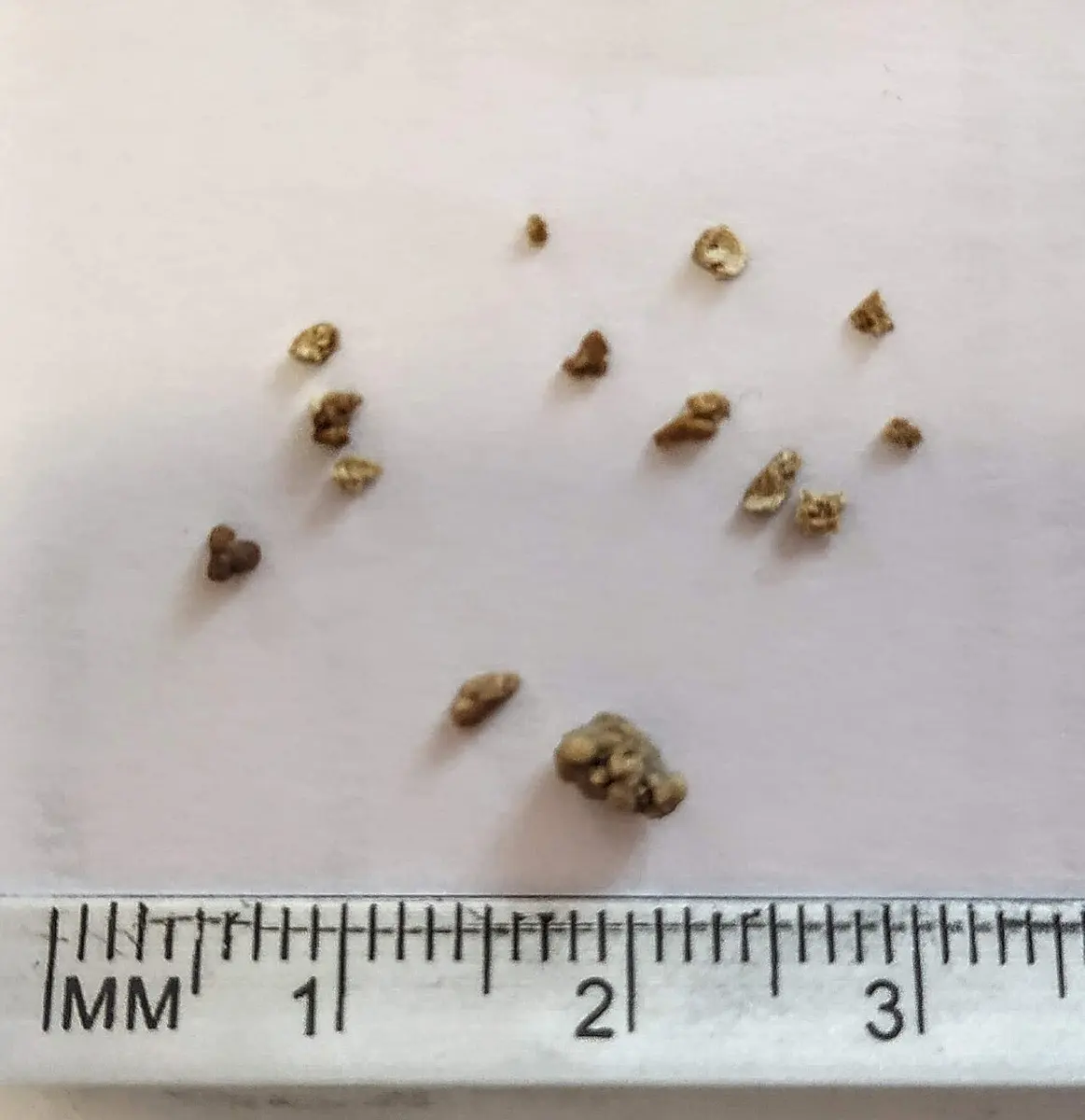
A. Calculi, also called renal calculi, kidney stones or nephrolithiasis: hard stones that form in the kidney when salts in the urine crystallize. Most are made of calcium oxalate; others of uric acid, calcium phosphate or struvite. A stone that moves into the ureter causes terrible pain in the side and back (renal colic). Drinking plenty of water helps prevent them.
B. Cystitis. Inflammation of the lining of the urinary bladder, usually from bacteria that have climbed up the urethra. It causes a burning pain on passing urine and the need to pass it often.
C. Pyelonephritis. An infection of the kidney and its pelvis, usually spreading up from the bladder through a ureter. It causes fever, pain in the back and vomiting, and needs prompt antibiotics.
D. Urinary tract infection (UTI). An infection anywhere in the urinary tract, most often the urethra and bladder, caused by bacteria, mostly Escherichia coli from the gut. Women get UTIs far more often than men because their urethra is much shorter (about 4 cm, against about 20 cm), so bacteria reach the bladder more easily.
iv. Disorders of the renal pelvis
A. Pyelitis. Inflammation of the renal pelvis, usually from bacteria, often E. coli. It is a kind of UTI, and often spreads into the kidney tissue (pyelonephritis).
Why do women get urinary tract infections more often than men?
Pick an answer to see why.
9.2.2 Substance abuse
In its widest sense, a disease is any departure from the normal state of health, physical, mental or social, or of two or all three together. A socially significant disease is one that causes distress and harm not only to the person who has it but to the people around them: the family, the neighbors, the workplace, society. Substance use disorder is the clearest example: it is a disorder of the brain, and it harms the body and the mind, but it also damages families, work and communities.
Substance abuse is the use of psychoactive substances, those that act on the brain and change mood and behavior, such as illegal drugs, alcohol and tobacco, in amounts or ways that are harmful or dangerous to the person, to others, or to both.
The Diagnostic and Statistical Manual of Mental Disorders, DSM-5 (5th edition, 2013), the American Psychiatric Association’s handbook used by doctors worldwide, recognizes ten classes of substances that can cause a substance use disorder:
- alcohol
- caffeine
- cannabis
- hallucinogens
- inhalants
- opioids
- sedatives, hypnotics and anxiolytics
- stimulants (such as cocaine and amphetamines)
- tobacco
- other (or unknown) substances
Dependence
Repeated use of a substance changes the brain and body, so the person comes to depend on it:
- Physical dependence: the body has adapted to the substance and works “normally” only with it. When it is stopped, the body reacts with withdrawal: shaking, sweating, pain, vomiting, sleeplessness, fits. Physical dependence usually comes with tolerance, needing more and more of the substance to get the same effect.
- Psychological (mental) dependence: an intense craving for the substance, a feeling of being unable to cope or feel good without it, even where there is little physical withdrawal.
Substance abuse therefore causes physical, physiological and mental disorders, and brings physical and mental dependence.
1. Drug abuse
I. Introduction to drug abuse
According to WHO, a drug is any substance or product used, or intended to be used, to change or explore the body’s working or a disease state, for the benefit of the person who receives it. A drug taken under the advice and supervision of a qualified doctor, to treat or cure a diagnosed disorder or disease, is drug use. When a drug is taken for any other purpose, it is drug abuse.
Drug abuse is taking a drug without a medical reason, in amounts and as often as may harm a person’s ability to function, causing physical, mental, emotional or social harm. A person abusing a drug still has some control over his or her life.
Drug addiction is the regular, compulsive use of a drug for its effect on the mind, which has become a disorder of the brain, and a person who has it is a drug addict. Drug dependence is the need to take a drug continuously or again and again, to feel its effect on the mind and to avoid the discomfort of being without it (above). As a result of addiction and dependence, a person comes to have a long-lasting, relapsing brain disorder: drug use disorder, a kind of substance use disorder. If such a person can’t get the drug, physical and mental withdrawal effects follow, and the signs a doctor sees are called withdrawal symptoms.
II. Types of abused drugs
By their nature and effects, abused drugs are of two main kinds: psychotropic and psychedelic.
| Type | Group | What it does | Examples |
|---|---|---|---|
| Psychotropic | Narcotics (opioids) | dull the senses, relieve pain, bring deep sleep | opium, morphine, codeine, heroin, oxycodone |
| Tranquilizers (anxiolytics) | calm anxiety without making a person unconscious | diazepam, chlordiazepoxide, alprazolam | |
| Sedatives | calm, then dull the mind, and at high doses bring unconsciousness | barbiturates, benzodiazepines such as lorazepam, GHB | |
| Hypnotics | bring on sleep | phenobarbital, secobarbital, zolpidem | |
| Stimulants | make a person alert and energetic | caffeine, cocaine, amphetamines, nicotine | |
| Psychedelic | Hallucinogens | change perception: hallucinations and illusions | cannabis (in large doses), LSD |
i. Psychotropic drugs
Psychotropic drugs, also called psychoactive, mind-altering or mood-altering drugs, change how the brain works, and so change mood, consciousness, perception, thinking, feelings or behavior. They include the narcotics, tranquilizers, sedatives, hypnotics and stimulants.
A. Narcotics. Narcotics (also called opiates or opioids, and used as strong painkillers) in moderate doses dull the senses, relieve pain and bring on deep sleep; in excessive doses they cause stupor, coma and death by stopping breathing. They are opium and the drugs made from it or like it.
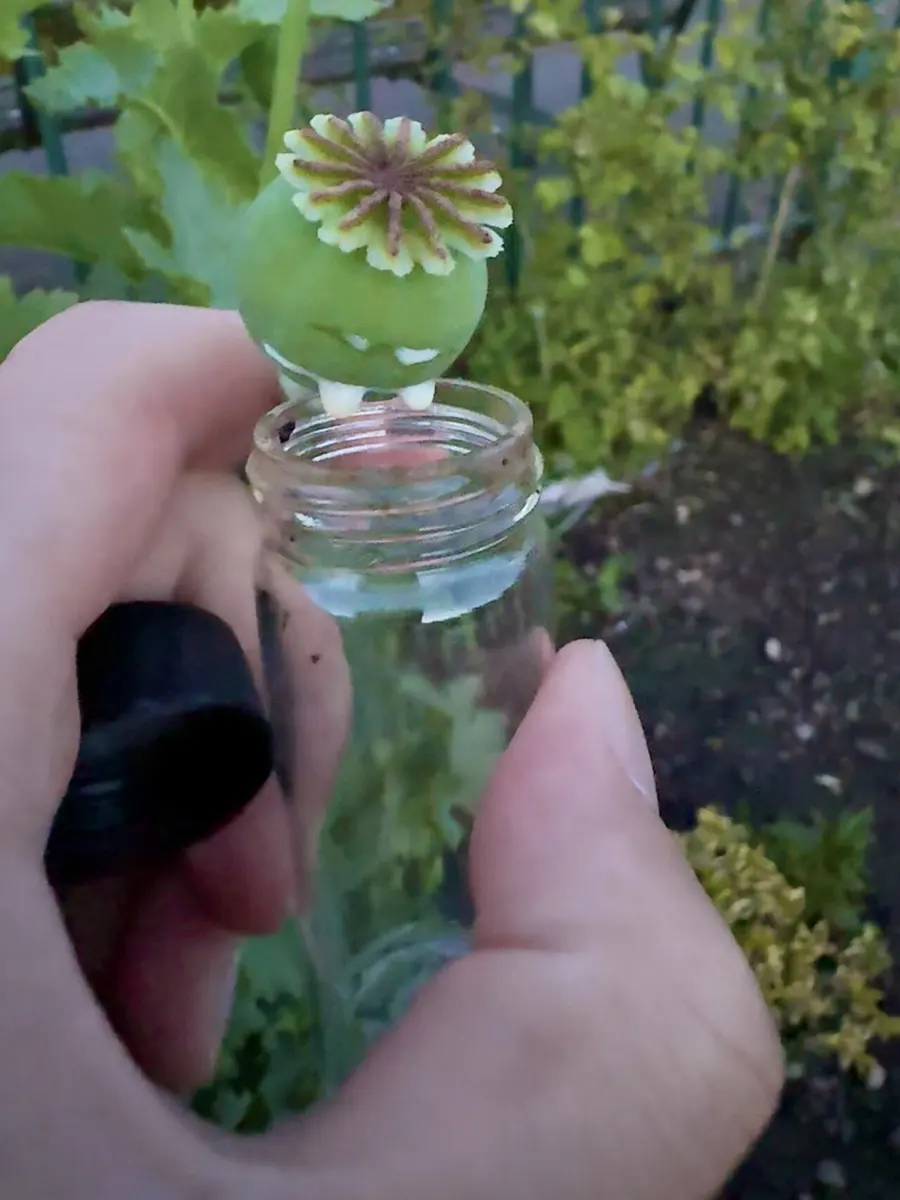
a. Opium. Opium (aphim) is the dried latex (milky juice) of the unripe seed capsule of the opium poppy, Papaver somniferum, which has white, pink, red or purple flowers. Shallow cuts are made in the green capsule (lancing); the white latex oozes out and, in the air, dries to a brown-black, gummy, resinous mass: raw opium.
b. Opioids from opium. Opium contains natural alkaloids, the most important being morphine (about a tenth of raw opium) and codeine, which are purified from it. Heroin (diacetylmorphine, “brown sugar” in South Asia) is made from morphine by a simple chemical change, so it is semi-synthetic; it reaches the brain faster than morphine and is even more addictive.
c. Semi-synthetic and synthetic opioids. Oxycodone is semi-synthetic, made from thebaine, another alkaloid of opium. Fully synthetic opioids, made in factories without opium, include pethidine, methadone, tramadol and the extremely strong fentanyl, a few milligrams of which can kill.
B. Tranquilizers. Tranquilizers, also called anxiolytics, bring mental calm by relieving anxiety and tension without making a person unconscious. They remove both the feelings and the bodily signs of anxiety and fear. Most are benzodiazepines: diazepam (Valium®), chlordiazepoxide (Librium®) and alprazolam (Xanax®). Prescribed for short periods they are useful medicines; taken for long, they cause dependence.
C. Sedatives. Sedatives calm a person and bring physical and mental ease, reducing mental activity and, in larger doses, leading to sleep and finally unconsciousness. They are central nervous system (CNS) depressants and vary widely in strength. Barbiturates, benzodiazepines (such as lorazepam) and gamma-hydroxybutyrate (GHB) are sedatives, as are the sleep-inducing drugs zolpidem (Ambien®) and eszopiclone (Lunesta®).
D. Hypnotics. Hypnotics, also called soporifics and commonly sleeping pills, are drugs whose main action is to bring on sleep, used to treat insomnia (sleeplessness). Phenobarbital (Luminal®) and secobarbital (Seconal®) are hypnotics. The same drug often acts as a sedative in a small dose and a hypnotic in a larger one.
E. Stimulants. Stimulants (“uppers”) increase alertness and improve mood, attention, motivation, thinking and physical performance for a while. They increase the activity of the sympathetic nervous system, directly or indirectly: the heart beats faster, blood pressure rises, the pupils widen. Some occur naturally and some are made synthetically; some are mild and some strong.
Naturally occurring stimulants:
a. Caffeine. The leaves of the tea plant (Camellia sinensis, once named Thea sinensis) are processed to make tea; the roasted seeds (“beans”) of the coffee plant (Coffea arabica) to make coffee; and the fermented, roasted seeds of the cacao tree (Theobroma cacao) to make cocoa and chocolate. Tea and coffee contain caffeine; cocoa contains a little caffeine and more of the milder theobromine. Nepal grows tea in Ilam and the eastern hills, and coffee in the mid-hills.
b. Cocaine. Coca leaves come from the coca shrub, Erythroxylum coca, of the Andes in South America. Cocaine is an alkaloid extracted from the leaves and purified as a white powder. It is a strong stimulant that also numbs (it was the first local anesthetic), and it is highly addictive.
A synthetic stimulant:
a. Amphetamines. Amphetamines are synthetic CNS stimulants. Doctors prescribe some of them to treat attention-deficit hyperactivity disorder (ADHD) and narcolepsy (sudden sleep attacks); in the 1930s–1950s they were also given for depression. Because they keep a person awake, they are misused to work or study without sleep (“anti-sleep” pills), and by athletes to feel stronger, more confident and less tired; they are banned in sport as doping. Methamphetamine (“ice”, “meth”) is a stronger relative.
Mild stimulants are tea, coffee and chocolate; strong stimulants are cocaine and amphetamines.
ii. Psychedelic drugs
Psychedelic drugs act on the CNS to change perception, feelings and thought, causing a person to hear or see things that aren’t there (hallucinations) or to see real things wrongly (illusions). The psychedelic drugs are the hallucinogens.
A. Hallucinogens. Hallucinogens change the way people see, hear, feel or smell, and change mood and thinking. They include cannabis and its products, and LSD.
a. Cannabis and its products. Cannabis (hemp, Indian hemp, ganja), Cannabis sativa, grows wild over much of Nepal’s hills and Tarai. Growers distinguish kinds often called sativa (said to be more energizing) and indica (more relaxing), though their effects depend mostly on how much of the plant’s chemicals each contains. Its main mind-altering chemical is THC (tetrahydrocannabinol), made in the sticky resin of the glandular hairs (trichomes) on the female flowers. Its products are:
| Product | What it is |
|---|---|
| bhang | leaves and young shoots, ground into a paste and eaten or drunk with milk or sweets |
| ganja | dried flowering tops of the unfertilized female plant |
| marijuana | the dried flowering tops and leaves (the word used in the Americas) |
| hashish | the resin from the flowers, collected and pressed into cakes |
| charas | the concentrated resin, rubbed by hand from the living plant’s flowers |
Ganja, marijuana, hashish and charas are smoked in a pipe (chilam), a hookah, or rolled in a cigarette. Cannabis was sold openly in Nepal until the early 1970s; the Narcotic Drugs (Control) Act, 2033 (1976) made it illegal.
b. LSD. Lysergic acid diethylamide (LSD) is made in the laboratory from lysergic acid, which comes from alkaloids of the ergot fungus, Claviceps purpurea, a parasite of rye and other cereals. It is one of the most powerful hallucinogens known: a dose of a few hundred-thousandths of a gram (micrograms) is enough.
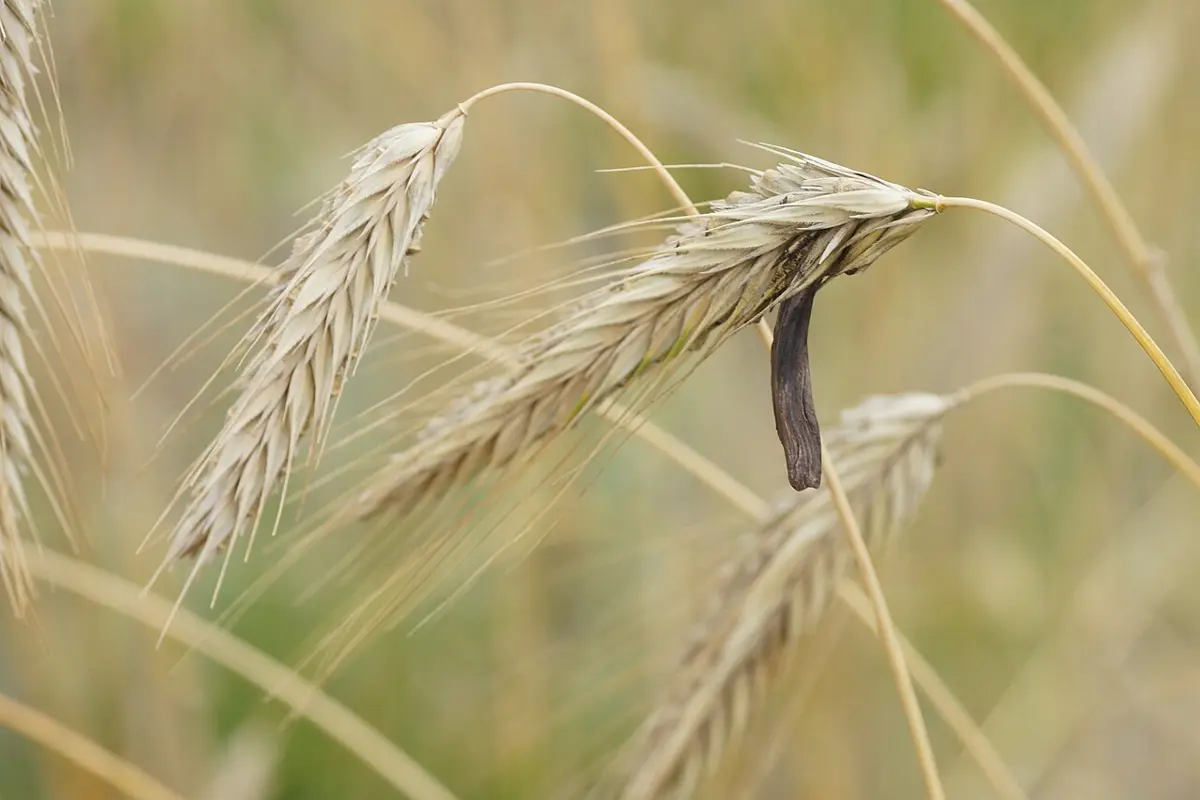
III. Ways of drug abuse
Drugs are taken by swallowing (by mouth), smoking (inhaling the smoke), snorting (sniffing powder into the nose), injecting (into a vein, the most dangerous way, since shared needles spread HIV and hepatitis), and as suppositories (into the rectum).
Which of these is a stimulant?
Pick an answer to see why.
IV. Reasons for drug abuse
Drug use is not new: people have used mind-altering plants since prehistoric times, and some scientists think that the evolution of the human brain and these plants may be linked by that long use. In every generation some young people have been drawn to drugs by the promise of an exciting or pleasant effect. The reasons are many:
- Curiosity and experimentation: the wish for new experiences, and the way drugs are shown in films and on social media, lead some to try them.
- Availability and environment: where drugs are easy to get, and drug use is seen around, trying and continuing are more likely.
- Peer pressure and social influence: the pressure to conform, fit in or be accepted by friends, above all where drug use is treated as normal. In Nepal’s survey it was the reason most users gave.
- Escaping pain and trauma: people struggling with emotional pain or past trauma may use drugs to get a short relief.
- Seeking pleasure: the strong pleasure and “high” some drugs give are a powerful pull.
- Mental health problems: people with depression, anxiety or other mood disorders may use drugs as a way of treating themselves.
- Stress and pressure: in a fast, demanding life, some use drugs to escape the pressures of studies, work or family for a while.
- Genes and biology: some people are more at risk because of their genes or differences in their brain chemistry, which change how a drug affects them.
- Big changes in life: moving away from home, losing a job or a family member, and other upheavals can push a person towards drugs as a way of coping.
- Family and society: the lack of a caring family, poor relationships at home, too little guidance from the family, and an unsupportive community increase the risk.
- Lack of education and awareness: not knowing the risks, and false beliefs about drugs and addiction, keep people from seeing the danger.
The reasons are many and mixed, combining the person, the family, genes, the environment, society and the mind. Understanding them is the key to preventing drug abuse and helping people early.
V. Signs and symptoms of drug abuse
i. Physical changes
- changes in appearance and less care for cleanliness;
- sudden loss or gain of weight, and change in skin color;
- eating much more or much less than usual;
- changes in sleep;
- drowsiness, a running nose, slurred speech;
- bloodshot eyes, with pupils larger or smaller than usual;
- involuntary movements of the eyes;
- poor coordination, and behaving without the usual restraint.
ii. Changes in mood
- more agitation, depression, anxiety and irritability;
- short temper and paranoia (feeling, without reason, that others mean harm);
- bursts of anger and energy, and nervousness;
- difficulty concentrating, thinking clearly and remembering.
iii. Withdrawal and a new social circle
- moving away from family, old friends and the community;
- dropping the usual daily routine and activities, and keeping new, secretive company.
iv. Drug-seeking behavior
- getting prescriptions for the drug from several doctors;
- trying to get the drug by any means available.
v. Money and legal problems
- spending a great deal of money on drugs, borrowing, or taking money and things;
- legal trouble while getting drugs, which may end in jail;
- the cost of rehabilitation, when needed.
VI. Effects and consequences of drug abuse
On the user’s health:
- nausea and stomach pain, loss of appetite and weight loss;
- strain on the liver, risking serious liver damage or failure;
- seizures, stroke, confusion and brain damage;
- lung diseases; and from shared needles, hepatitis B and C and HIV;
- mental health problems: depression, behavior problems, personality disorders, thoughts of suicide and suicide, a sense of insecurity, neurosis and psychosis;
- overdose, which can stop breathing and kill.
On the user’s life, family and society:
- a broken daily routine, dropping out of school, losing a job, an unhappy life, hospital stays, and legal problems that may end in jail;
- weaker bonds and trust within the family;
- more crime and violence in society, and loss of the person’s good name.
VII. Control measures
Control of drug abuse has two parts: prevention and treatment.
i. Prevention. Preventing drug abuse is easier than treating addiction. It includes:
- seeking help from a counselor or doctor early;
- learning to say no to pressure from friends;
- not trying drugs at all, and building self-confidence and strong values;
- living a healthy, balanced life: sleep, exercise, food, hobbies;
- strong bonds within the family, where problems can be talked about;
- taking time to care for yourself;
- learning healthy ways to cope with stress;
- taking only medicines a doctor has prescribed, as prescribed;
- creative and mindful activities: sports, music, art, meditation, volunteering;
- learning about the dangers of drugs;
- awareness at the family, school, social and government levels.
ii. Treatment. When prevention has failed and a person has become dependent, treatment is needed:
- Counseling: talking therapies that help a person understand and change the drug-using behavior.
- Medicines chosen for the drug abused: for dependence on heroin or morphine, opioid substitution therapy gives a long-acting opioid such as methadone or buprenorphine by mouth, under supervision, which stops withdrawal and craving without the high, and keeps the person away from injecting.
- Counseling and medicines together, which works best.
- Care in a rehabilitation center, with a medically supervised detoxification (removing the drug from the body while treating withdrawal) followed by months of counseling and support.
2. Alcohol abuse
I. Introduction to alcohol
In chemistry, an alcohol is an organic compound with one or more hydroxyl (–OH) groups attached to a carbon atom of an alkyl group (R–): methanol (methyl alcohol, CH₃OH), ethanol (ethyl alcohol, C₂H₅OH), propanol (propyl alcohol, CH₃CH₂CH₂OH) and isopropanol (isopropyl alcohol, (CH₃)₂CHOH), for example.
The alcohol in drinks is ethanol, made by the fermentation of sugars by yeast. It is found in alcoholic drinks (beer, wine and spirits), in some medicines (cough syrups, mouthwashes, homeopathic tinctures), in household products and in essential oils. Of all alcohols, only ethanol is drunk, and people have made it for at least 9,000 years (traces of a fermented drink of rice, honey and fruit are found on pottery from about 7000 BCE at Jiahu, China).
- 1 g of ethanol (about 1.27 mL, since its density is 0.789 g/mL) gives about 7 kcal of energy: nearly twice as much as a gram of sugar. These are “empty” calories, with no vitamins or protein, and the body burns them first, storing the food eaten with them as fat.
- Ethanol is absorbed quickly: about a fifth through the stomach and most of the rest through the small intestine. It spreads through all the body’s water within an hour.
- About 90% or more is broken down in the liver; the rest leaves unchanged in the breath, sweat and urine (which is why a breath test works).
II. Alcohol abuse
Alcohol abuse (alcohol misuse) is drinking more alcohol than the body can safely handle, or in a harmful way. Ethanol is psychoactive, toxic and dependence-producing, and it is the most commonly abused substance in the world. A person with an alcohol problem can’t stop drinking, even when drinking harms their health, puts their safety at risk and damages their relationships. Alcohol carries real health risks even in small amounts: WHO says that no level of drinking is safe for health.
A person drinking too much may still have some control over drinking. Alcohol addiction is drinking regularly and compulsively for its effect on the mind, a disorder of the brain; such a person is an alcohol addict (alcoholic). Alcohol dependence is the need to drink continuously or again and again, for its effect and to avoid the misery of being without it; it is physical and psychological. Addiction and dependence lead to a long-lasting, relapsing brain disorder, alcohol use disorder (AUD), also called alcoholism. When a person with AUD can’t drink, withdrawal follows: shaking, sweating, anxiety, sleeplessness, and in severe cases fits and delirium tremens (confusion and hallucinations), which can kill.
III. Types of alcoholic drinks
Alcoholic drinks are of two kinds, undistilled and distilled. Their strength is given as alcohol by volume (ABV): the percentage of the drink’s volume that is ethanol.
i. Undistilled (fermented) drinks are made by fermenting a sugary or starchy material with yeast, with no distillation afterwards. Yeast stops working when the alcohol reaches about 15%, so these drinks are never stronger than that.
A. Beer: the most popular alcoholic drink in the world, the third most drunk drink after water and tea. It is made by brewing and fermenting the starch of cereal grains, most often malted barley, sometimes wheat, maize, rice or oats. It has 4–6% ABV.
B. Wine: an ancient drink made by fermenting grape juice. It has about 12–14% ABV.
Nepal’s own undistilled drinks are jaand (chhyang), made by fermenting cooked rice or millet with a starter cake of yeasts and molds (marcha), and tongba, fermented millet drunk through a straw with hot water poured over it.
ii. Distilled drinks (spirits) are made by fermenting a sugary or starchy material and then distilling the result: heating it so that the alcohol, which boils at 78 °C, evaporates first and is condensed, giving a much stronger drink.
A. Gin: distilled from fermented grain (such as wheat or barley) and flavored with juniper berries; about 35–55% ABV.
B. Brandy: distilled from wine; about 35–60% ABV.
C. Whiskey: distilled from fermented grain and aged in wooden casks; about 40–50% ABV.
D. Rum: distilled from fermented sugarcane juice or molasses; typically about 40% ABV.
E. Tequila: distilled from the fermented sap of the Mexican blue agave plant; about 40% ABV.
F. Vodka: distilled from fermented grains (barley, maize, rye, wheat) or potatoes; about 40% ABV.
Nepal’s raksi is a spirit distilled at home from fermented millet or rice.
Which of these is an undistilled alcoholic drink?
Pick an answer to see why.
IV. Ways of alcohol abuse
Alcoholic drinks are drunk neat (undiluted) or diluted with water, soda, ice or soft drinks. People with severe alcohol problems usually drink spirits neat. Breathing in heated alcohol vapor has also been reported, and is very dangerous, as the alcohol goes straight into the blood.
V. How severe an alcohol problem is
A doctor diagnoses alcohol use disorder by examining the person and asking about their drinking over the past year, using the eleven criteria of DSM-5: drinking more or for longer than meant; wanting to cut down but failing; spending much time drinking or recovering; craving; failing at work, school or home; going on despite problems with others; giving up activities; drinking in dangerous situations; going on despite health problems; tolerance; and withdrawal. The number of criteria met gives its severity:
| Severity | Criteria met |
|---|---|
| mild | 2–3 |
| moderate | 4–5 |
| severe | 6 or more |
VI. Reasons for alcohol abuse
Alcohol is not new: drinks were being fermented in China by 7000 BCE, and in every age since, people have drunk for its pleasant effects. The reasons for abuse are:
- curiosity and the wish for new experiences, which may lead from occasional drinking to addiction;
- alcohol being easy to get, in surroundings where drinking is encouraged;
- peer pressure and social influence, to fit in or keep up a social position;
- mental health conditions such as depression and post-traumatic stress disorder;
- wanting to feel the pleasure of drinking again and again;
- using it to forget daily stress and pressure for a while;
- family history: children of parents with AUD are at greater risk, through both genes and upbringing;
- lack of education and awareness about its harm.
VII. Signs and symptoms of alcohol abuse
- withdrawal effects and symptoms when not drinking;
- craving for alcoholic drinks;
- physical problems (pains, fever, a cough) that won’t go away;
- changes in mood and behavior;
- high tolerance for alcohol;
- going on drinking although it harms relationships with friends, colleagues, family and society;
- drinking more, or for longer, than intended;
- spending much time getting alcohol, drinking, or recovering from hangovers;
- drinking again to get over a hangover;
- failing in family duties or work because of drinking;
- giving up important leisure, family, social or work activities because of drinking;
- drinking even in dangerous situations, such as before driving;
- going on drinking despite a medical or mental illness that it worsens;
- drinking to stop withdrawal effects.
VIII. Effects and consequences of alcohol abuse
- Alcohol is a depressant: it slows the activity of the central nervous system. It first removes restraint (so people feel bold and talkative), then slows reactions and judgment, and in large amounts causes sleep, coma and death by stopping breathing.
- It acts on the cerebellum, causing unsteady, uncoordinated movement (ataxia) and slurred speech.
- It reduces the secretion of ADH (antidiuretic hormone) from the pituitary, so the kidneys pass more urine and the drinker becomes dehydrated.
- It increases sexual desire but reduces performance: as Shakespeare’s porter in Macbeth says, drink “provokes the desire, but it takes away the performance”.
- Drinking regularly raises blood pressure, increasing the risk of heart disease and stroke, and heavy drinking weakens the heart muscle (alcoholic cardiomyopathy).
- In the liver, heavy drinking first causes fatty liver (fat building up in the liver cells), then alcoholic hepatitis (inflammation), and finally cirrhosis, in which the liver is permanently scarred and hardened and fails.
- It raises the level of the liver enzyme gamma-glutamyl transferase (GGT) in the blood, a test doctors use to detect heavy drinking.
- It interferes with the absorption and use of vitamin B₁ (thiamine), leading to brain disorders: Wernicke’s encephalopathy (confusion, unsteady walking, eye problems) and Korsakoff syndrome (severe loss of memory).
- Hangovers and withdrawal symptoms.
- Alcohol is a carcinogen (a cause of cancer): heavy and long-term drinking increases the risk of cancers of the mouth, throat, esophagus, liver, bowel and breast.
- Other harms: alcohol poisoning (too much at once), inflammation of the pancreas and stomach, degeneration of the cerebellum, accidents, violence, and harm to a baby in the womb (fetal alcohol syndrome).
How does alcohol affect a driver’s reaction time?
Pick an answer to see why.
IX. Control measures
i. Prevention
- Avoid drinking at all while young: drinking that starts in the teens is far more likely to become a problem, and alcohol harms the growing brain.
- Avoid high-risk drinking. WHO advises that less is always better and none is safest; countries that set limits keep them low, around one or two standard drinks a day, with several days a week without alcohol, and lower for women.
- Never drink and drive, and never drink with sleeping pills or other depressants.
- Manage stress in other ways, so that alcohol isn’t used to cope; this also helps prevent relapse in someone who has stopped.
ii. Treatment depends on how severe the problem is:
- In severe cases, care in a hospital or a residential rehabilitation center, starting with medically supervised withdrawal.
- Behavioral treatment: counseling that changes drinking behavior.
- Support groups of people who have been through the same problem, such as Alcoholics Anonymous, which help a person stay sober.
- Medicines: naltrexone and acamprosate reduce drinking and help prevent relapse; disulfiram makes drinking very unpleasant; topiramate and gabapentin reduce craving.
3. Smoking abuse
Smoking abuse here means the misuse of tobacco in any form, smoked or not.
I. Introduction to tobacco
The tobacco plants are species of Nicotiana, in the nightshade family Solanaceae (with potatoes, tomatoes and chilies); some are grown as garden flowers. The dried leaves of Nicotiana tabacum are processed into the tobacco and tobacco products people use: for smoking, as smokeless tobacco (sniffed, sucked or chewed), and heated to make an aerosol to inhale. A second species, N. rustica, stronger, is also used. Both plants came from South America; the Indigenous peoples of the Americas grew and smoked tobacco long before Europeans reached them in 1492.

Tobacco smoke contains more than 7,000 chemicals. Some are poisonous, like carbon monoxide (which takes the place of oxygen on hemoglobin) and hydrogen cyanide; some are toxic, like benzene; and about 70 are known to cause cancer (carcinogens): the polycyclic aromatic hydrocarbons in tar, formaldehyde, acetaldehyde, arsenic, cadmium, nickel, benzene and others. And there is nicotine, the reason people smoke, because it is what makes tobacco addictive. These chemicals cause heart disease and lung disease, and harm a baby growing in a pregnant woman.
II. Tobacco abuse
Tobacco is one of the most widely abused substances in the world. It kills more than 7 million people every year, including about 1.6 million non-smokers who breathe in others’ smoke (WHO), and it is the world’s leading preventable cause of death. It is used by smoking, as smokeless tobacco (sniffing, sucking, chewing), and by inhaling an aerosol (fine droplets) of heated tobacco.
Of the many chemicals in tobacco smoke, carbon monoxide is highly poisonous, tar, formaldehyde, arsenic and cadmium cause cancer, and nicotine is highly addictive. When nicotine reaches the blood it releases adrenaline, which gives a quick lift to mood and alertness, and it increases the release of dopamine, the brain’s chemical of reward and pleasure, in the same regions that other addictive drugs act on.
Tobacco abuse (tobacco misuse) is the habitual use of tobacco and its products. A person may still have some control over smoking. Tobacco or nicotine addiction is the compulsive need to use tobacco again and again for nicotine’s effect on the mind, a disorder of the brain, and such a person is a nicotine addict. Nicotine dependence is the need to use tobacco continuously, for its effect and to avoid the discomfort of being without it; it is physical and psychological. These lead to a long-lasting, relapsing disorder, tobacco use disorder, and without tobacco the person suffers withdrawal.
Nicotine is unusually addictive. Inhaled smoke carries it to the brain within about 10–20 seconds, faster than an injection into a vein, and each puff gives a small rush: a smoker gets hundreds of these a day. Nicotine both stimulates (alertness) and calms (relaxation), so smokers use it for both. When a person stops, the nicotine level in the brain falls, and the brain, used to it, sends out cravings and urges; long-term changes in the brain make stopping cause withdrawal symptoms, which another cigarette relieves at once. This cycle of craving and relief keeps the addiction going, and makes nicotine about as hard to give up as opioids, cocaine or alcohol.
31 May is World No Tobacco Day, observed by WHO since 1988.
III. Tobacco in Nepal
Tobacco is among the most commonly used substances in Nepal. Cigarettes are made in factories in Nepal, including one linked to an international company, and many factories make bidi and khaini. Tobacco is grown in Nepal to supply some of them. Smoking in public places, offices and public transport is banned by the Tobacco Products (Control and Regulation) Act, 2068 (2011), and selling tobacco to anyone under 18 is illegal.
IV. Forms of tobacco and how they are used
i. Smoking (burning tobacco and inhaling the smoke). The standard ways are the cigarette, cigar and pipe. The traditional South Asian ways are:
| Form | What it is |
|---|---|
| bidi | tobacco rolled in a dried tendu leaf and tied with thread |
| churot | tobacco rolled by hand in paper |
| chilam | a clay pipe, held upright, tobacco packed in its top |
| gadgada | a small home-made hookah of wood, tobacco burning at its top, smoke drawn through water |
| hookah | a water pipe: a metal base of water, a wooden top where the tobacco burns, and a long flexible tube to draw the smoke |
ii. Smokeless tobacco, taken directly:
A. Sniffing: inhaling powdered tobacco (snuff) into the nose. Naswar, used in Afghanistan, Pakistan and nearby, is a moist tobacco mixture, usually put in the mouth.
B. Sucking or dipping: keeping tobacco inside the lip or the cheek. Khaini is tobacco rubbed with slaked lime (chuna) in the palm, used across South Asia; snus is a Swedish moist tobacco packed in small pouches.
C. Brushing: rubbing the teeth with powdered tobacco instead of tooth powder. Gul is a powder of roasted tobacco used in this way.
D. Chewing: chewing tobacco (jarda or patti) in paan, or chewing gutkha.
iii. Heated tobacco and e-cigarettes. A modern way is to heat tobacco without burning it and inhale the aerosol (fine droplets and particles) it gives off. Electronic cigarettes (vapes) heat a liquid containing nicotine instead of tobacco leaf. Both deliver addictive nicotine and other harmful chemicals; they are not harmless.
Which is the modern way of using tobacco?
Pick an answer to see why.
V. Reasons for tobacco abuse
People have used tobacco for a very long time: burnt tobacco seeds about 12,300 years old have been found at a hunters’ camp in Utah, USA, and tobacco was being grown in the Americas thousands of years before Columbus. The reasons people start and become dependent on nicotine are:
- Age at starting: the younger a person starts, the greater the chance of becoming addicted. Most adult smokers began before the age of 18.
- Friends and family: young people whose friends smoke are more likely to try it, and children of smokers more likely to smoke.
- Mental health problems: people with depression, anxiety or schizophrenia smoke much more often.
- Other substances: people who use illegal drugs, cannabis or alcohol smoke much more often.
- Heredity and genes: genes affect how the brain’s nicotine receptors respond, and how fast nicotine is broken down, and so how easily a person becomes addicted.
VI. Signs and symptoms
i. Signs in appearance and behavior
- pleasure and alertness on the face while using tobacco;
- being unable to stop despite trying, and needing tobacco to feel normal;
- giving up activities, or staying away from events, where tobacco isn’t allowed;
- going on using tobacco despite health problems;
- stained fingers and teeth, bad breath, and a smoker’s cough.
Withdrawal symptoms are shaky hands, sweating, irritability, a fast heartbeat, restlessness, anxiety, sleeplessness, difficulty concentrating, tiredness, and a strong craving.
ii. Signs in the mind
- Triggers: smoking becomes linked with particular moments, such as after a meal, with tea, with friends, or when anxious, so that the moment itself sets off the urge. These habits are hard to change.
VII. Effects and consequences of tobacco abuse
- Cardiovascular diseases: coronary artery disease (CAD), heart attack, peripheral artery disease, and Buerger’s disease (thromboangiitis obliterans), in which the arteries of the hands and feet become inflamed and blocked, almost only in smokers, sometimes leading to gangrene and amputation.
- Respiratory diseases: chronic obstructive pulmonary disease (COPD), chronic bronchitis, emphysema and lung cancer.
- Diseases of the mouth and gut: cancers of the mouth, throat, esophagus and stomach (smokeless tobacco above all causes mouth cancer), and peptic ulcers.
- Stroke.
- In pregnancy: a smaller baby, early birth and stillbirth; and in children breathing others’ smoke, more pneumonia and asthma.
VIII. Diagnosis
A health worker diagnoses tobacco dependence mainly by asking questions: how much the person uses, how soon after waking (a cigarette within half an hour of waking is a sign of strong dependence), whether they have tried to stop, and what happened when they did.
IX. Control measures
i. Prevention
- Take professional help early (counselors, health posts, a quit line).
- Learn to refuse firmly when friends or others offer tobacco.
- Once you have quit, watch for relapse: avoid the triggers, and don’t try “just one”.
Laws help too: taxes that make tobacco expensive, large picture warnings, smoke-free public places, bans on advertising and on selling to children.
ii. Treatment
- Behavioral counseling with medicines together is the most successful way to quit.
- Behavioral counseling: face-to-face counseling alone or in groups, telephone quit lines and web-based programs.
- Behavioral treatment, above all cognitive behavioral therapy (CBT), which helps a person recognize triggers and change habits. Hypnotherapy and neuro-linguistic programming are also offered, but there is little good evidence that they work.
- Medicines are of two kinds. Nicotine replacement therapy (NRT) gives nicotine without the smoke, by gum, patches, lozenges, sprays or inhalers, sold over the counter, and the dose is lowered over weeks. Prescription medicines without nicotine are varenicline (Chantix®), bupropion (Wellbutrin®) and cytisine, with nortriptyline and clonidine as second choices.
Exercise
A. Tick the correct alternative
- Which one of the following is a collection of symptoms that disrupts the normal bodily functions?
Pick an answer to see why.
- Which of the following refers to the disorders of the heart and blood vessels?
Pick an answer to see why.
- Which one of the following is a cardiovascular disorder affecting the heart itself?
Pick an answer to see why.
- A condition in which the heart cannot pump enough blood to meet the body’s needs is known as:
Pick an answer to see why.
- How can most cardiovascular disease be prevented?
Pick an answer to see why.
- Stroke is a:
Pick an answer to see why.
- Asthma is a …… disorder.
Pick an answer to see why.
- What is the full form of COPD?
Pick an answer to see why.
- A person is suffering from a respiratory disorder. What would be the possible cause of chronic obstructive pulmonary disease (COPD)?
Pick an answer to see why.
- Low oxygen supply to the tissues is scientifically known as:
Pick an answer to see why.
- Renal calculi are:
Pick an answer to see why.
- Which of the following is not involved in the formation of renal calculi?
Pick an answer to see why.
- What is glycosuria?
Pick an answer to see why.
- Hemodialysis is a treatment for renal disorders. It is the process of removing …… from the blood by artificial means.
Pick an answer to see why.
- What is inflammation of the glomeruli of the kidney called?
Pick an answer to see why.
- Substance abuse shows:
Pick an answer to see why.
- Which one of the following is a narcotic?
Pick an answer to see why.
- The dependence of the mind and body on a drug is known as:
Pick an answer to see why.
- The most dangerous hallucinogen of these is:
Pick an answer to see why.
- Performance-enhancing drugs misused by athletes are:
Pick an answer to see why.
- Which one of the following is an undistilled alcoholic drink?
Pick an answer to see why.
- Drinking and driving do not go together. What could happen if a driver drinks?
Pick an answer to see why.
- The organ most severely affected by alcoholism is the:
Pick an answer to see why.
- The modern way of tobacco use is:
Pick an answer to see why.
- The main drug found in tobacco is:
Pick an answer to see why.
- Cigarette smoking causes:
Pick an answer to see why.
- Pneumonia is one of the harmful respiratory diseases, especially in children. All of the following happen to a person with pneumonia. In what order do they happen? I. Alveoli are damaged. II. Alveoli are filled with fluid. III. Lung tissues are thickened. IV. Shortness of breath.
Pick an answer to see why.
- A person suddenly falls down and becomes unconscious. A doctor examined her and said that it was due to an inadequate blood supply to the brain. What is this disorder?
Pick an answer to see why.
- Which one of the following is correct for a drunk person?
Pick an answer to see why.
- Most of the alcohol drunk is absorbed in the:
Pick an answer to see why.
B. Short answer questions
A chart titled “Types of heart diseases” shows a heart surrounded by eight disorders: coronary heart disease, heart attack, heart failure, cardiomyopathy, rheumatic heart disease, arrhythmia, angina pectoris and stroke. Comment on the disorders shown.
Answer
What are the early warning signs of lung disease? Which respiratory diseases are of more concern in older people and in infants? Explain.
Answer
What is drug abuse? Describe drug abuse in short.
Answer
How does alcohol affect the body? Fill in its effects on each part named: brain, head, heart, eyes, liver, stomach and gut, waist, and bones.
Answer
Write a short note on smoking.
Answer
“Smoking is injurious to health.” Justify.
Answer
C. Long answer questions
Write an essay on socially significant diseases.
Answer
Explain the sources and biological effects of the different categories of abused drugs.
Answer
What is addiction? Discuss the symptoms, effects and control measures of alcohol addiction.
Answer
Printable PDFs
- Study notes 7 pages
- Worksheet 4 pages Answer key
Quiz yourself: Life Processes and the Human Body, Grades 5–12 →
Practice every question in the book, and keep track of the ones you miss →
A companion to your textbook, not a replacement for it: study from the book your school uses, and where the two differ, follow your teacher. Found a mistake? Please tell us.