
Spices
Spices come from the parts of a plant that aren’t leaves: seeds, fruits, flower buds, bark, and roots. Each gets its flavor from strong-smelling oils the plant makes to protect itself.
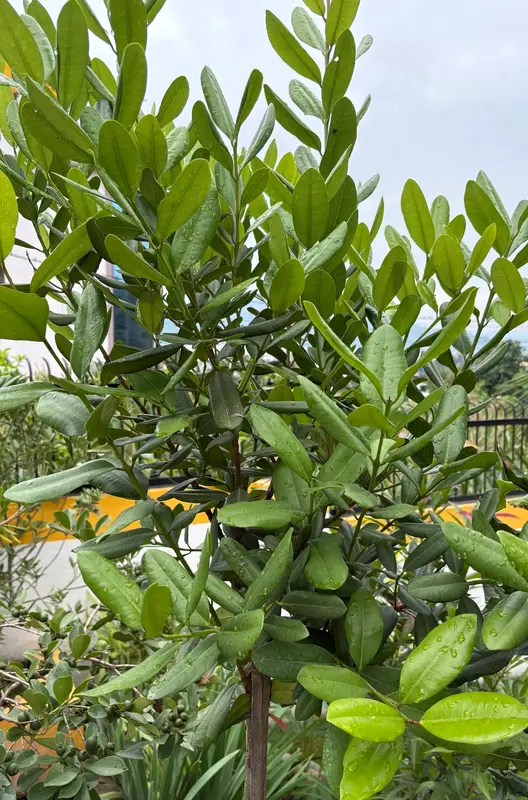
Allspice
बाह्र मसला
Pimenta dioica
Allspice isn’t a blend: it’s the dried, unripe berry of this one Caribbean tree, which tastes like cinnamon, clove, and nutmeg all at once. Crush a leaf and it smells the same.
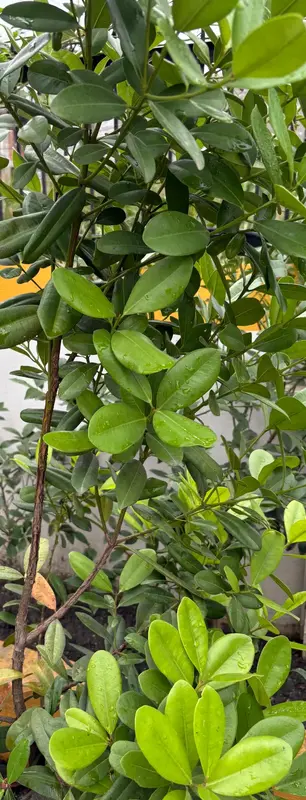
Clove
ल्वाङ्ग
Syzygium aromaticum
The cloves in your kitchen are this tree’s flower buds, picked before they open and dried until brown and hard. Each looks like a tiny nail, and the word clove comes from the French for nail.
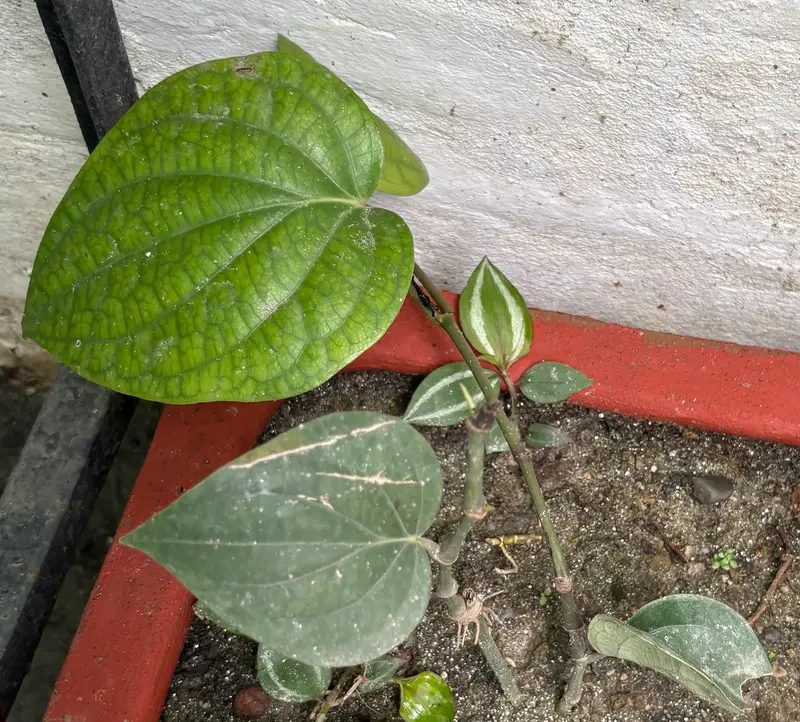
Black Pepper
मरिच
Piper nigrum
Black pepper is a climbing vine that grips its support with small roots along its stem. Its berries hang in long strings, and dried whole they become peppercorns.
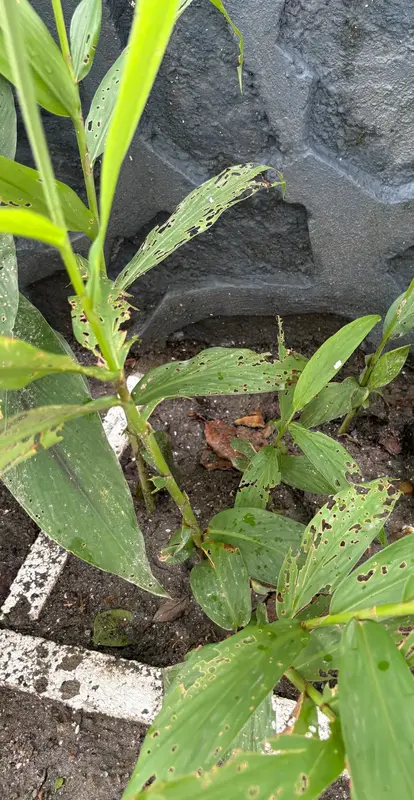
Galangal
Alpinia galanga
A cousin of ginger with a sharper, more peppery bite. The part used in cooking is the rhizome, an underground stem rather than a root, which is why it has rings and buds.
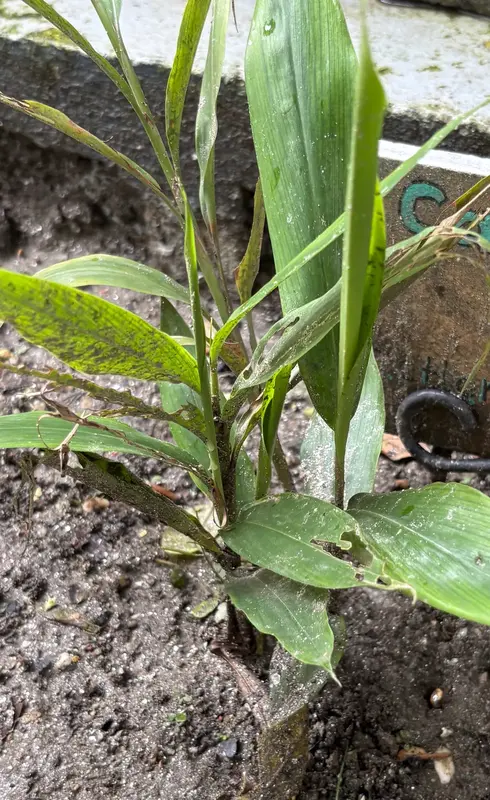
Cardamom
सुकमेल
Elettaria cardamomum
Cardamom is sometimes called the ‘queen of spices’ — its small seed pods, picked and dried by hand, hold intensely aromatic seeds used in everything from tea to desserts.
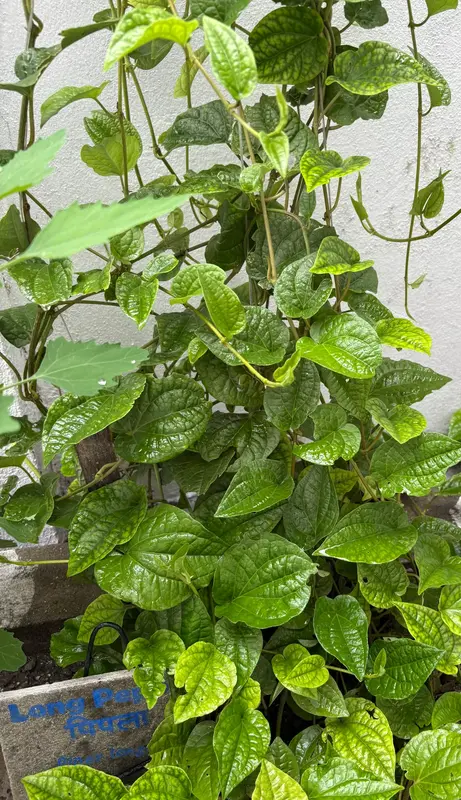
Long Pepper (Pipla)
पिपला
Piper longum
A cousin of black pepper whose tiny fruits grow fused together in a short spike. It was the main hot spice in Europe before black pepper, and is still used in Ayurveda.
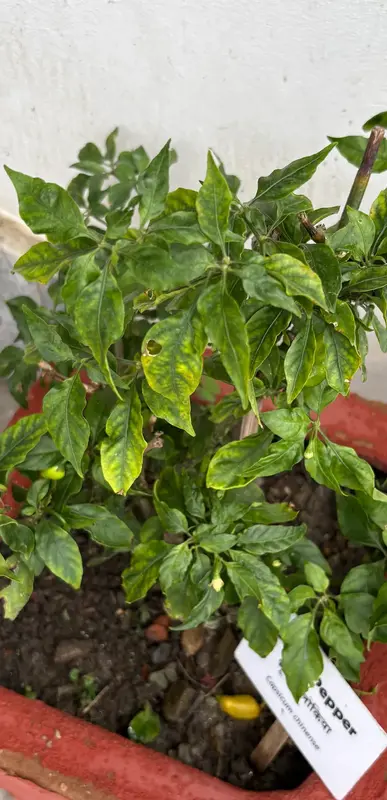
Ghost Pepper
भूत जोलोकिया
Capsicum chinense
One of the hottest chilies in the world. Its heat comes from capsaicin, which burns mammals’ mouths but not birds’, so birds eat the fruit and spread the seeds.
More in Food and Medicine
The garden is alive and changes through the year. Some plants flower, fruit, or rest only in certain seasons, so what you see depends on when you visit.
See them for yourself
Every plant here grows on our campus in Bhaktapur. Walk the garden on your visit.
Book a Visit