
One Family: Citrus
Oranges and their relatives belong to the citrus family. Hold a leaf of any plant here up to the sun and you’ll see tiny dots of light: oil glands, which is why the leaves smell when you crush them.
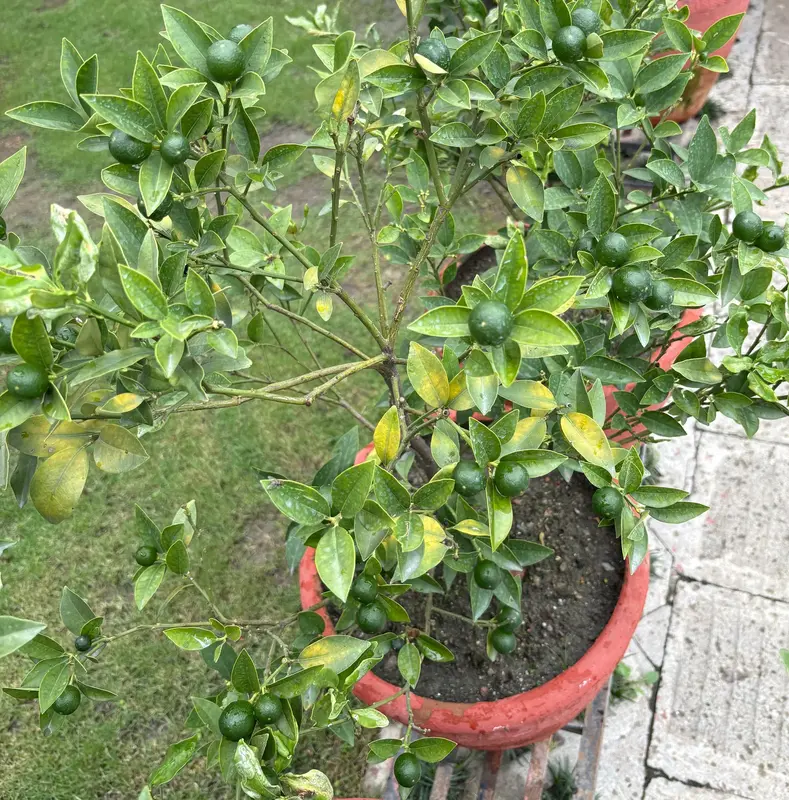
Kumquat
मुन्तला
Citrus japonica
The citrus you eat whole, peel and all: the peel is the sweet part, and the inside is sour.
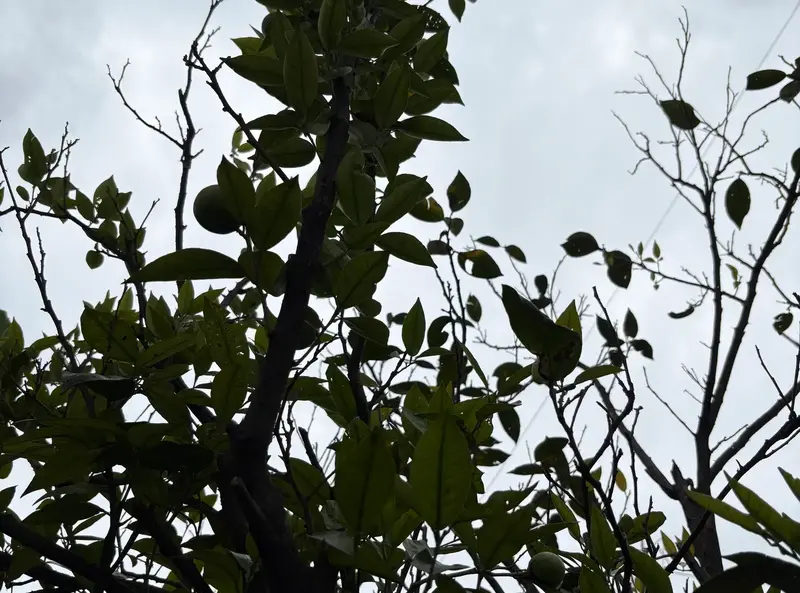
Sweet Orange (Junar)
जुनार
Citrus sinensis
Junar is the sweet orange, an ancient cross between the pomelo and the mandarin, and Sindhuli is famous for it. Each segment inside is a bundle of juice sacs, packed tight like tiny water balloons.
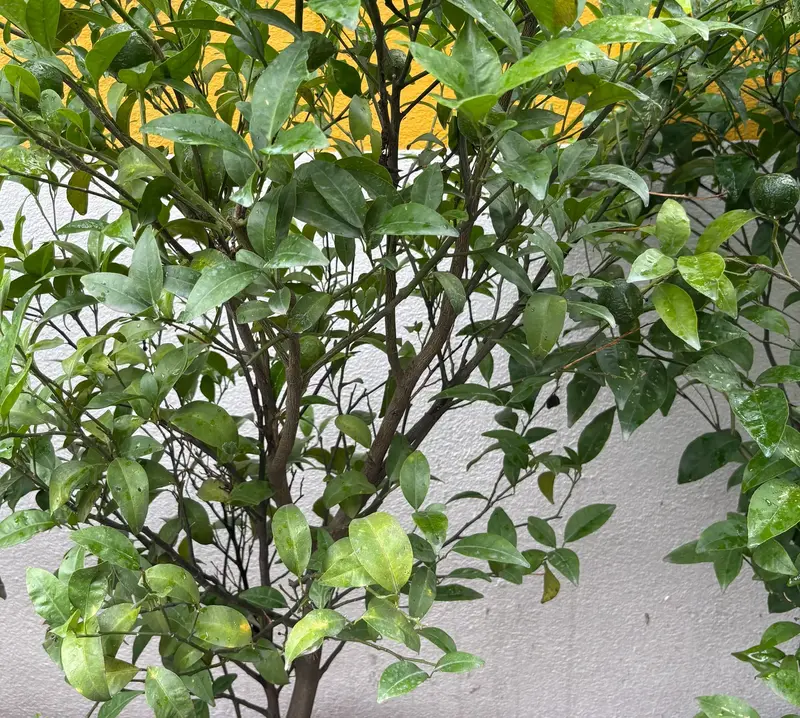
Mandarin (Suntala)
सुन्तला
Citrus reticulata
Nepal’s favorite winter fruit, with a loose peel that comes off easily by hand. The mandarin is one of the original wild citrus species and a parent of the sweet orange.
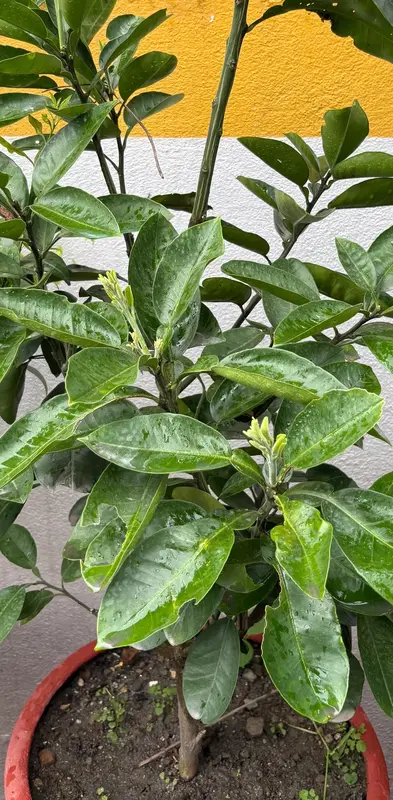
Pomelo
भोगटे
Citrus maxima
The largest citrus fruit, sometimes as big as a head, and one of the original wild citrus species that oranges and grapefruits come from.
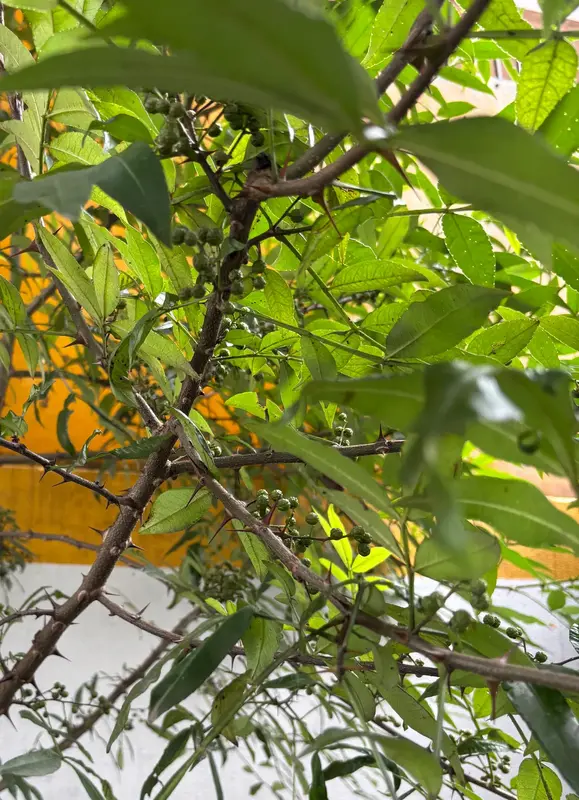
Timur (Sichuan Pepper)
टिमुर
Zanthoxylum sp.
In Nepal this is timur, the tingly spice in tomato achar. It isn’t related to black pepper at all but to citrus, and it makes your lips buzz and go a little numb.
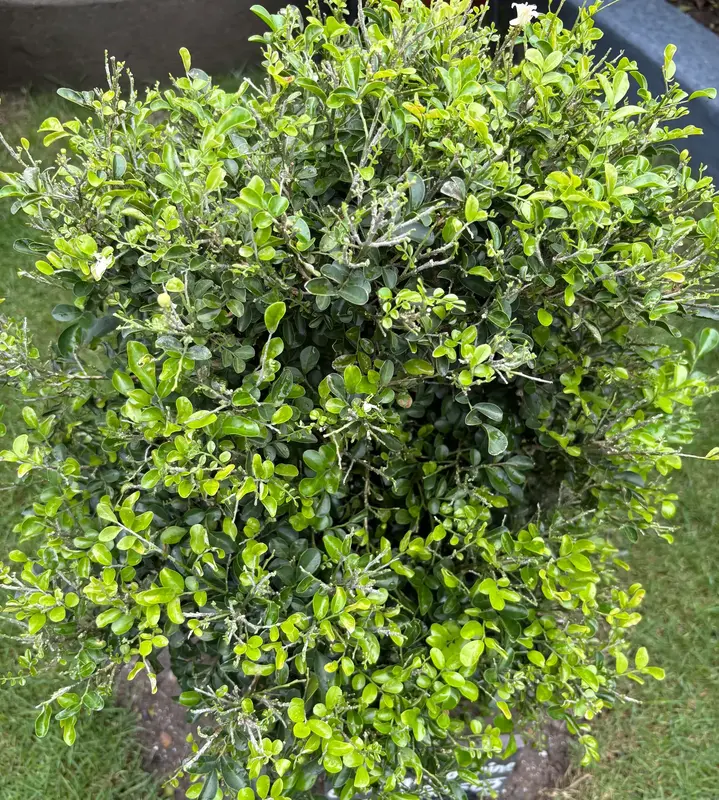
Orange Jasmine
कामिनी फूल
Murraya paniculata
Not a jasmine but a citrus relative, and a close cousin of the curry leaf. Its white flowers smell like orange blossom, and its berries ripen bright red.
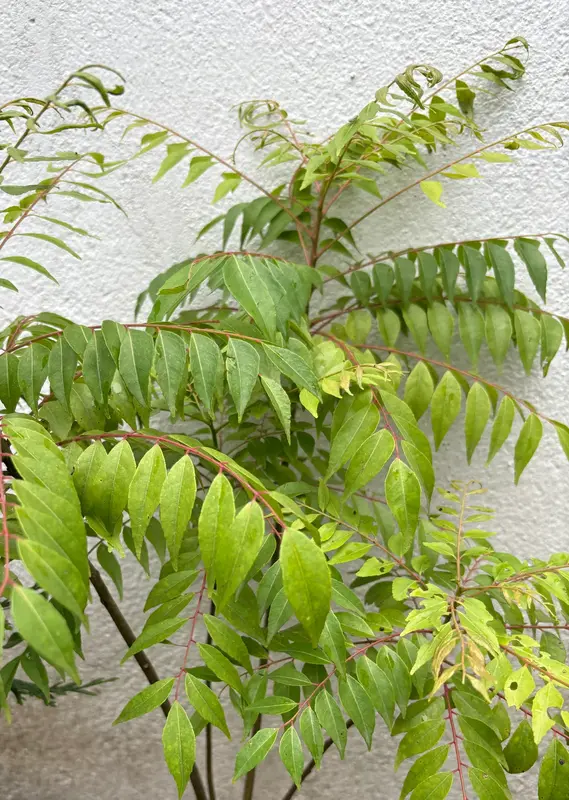
Curry Leaf
कडी पत्ता
Murraya koenigii
Curry leaves have nothing to do with curry powder. Fried in hot oil, these small, aromatic leaflets flavor dal and chutneys across South Asia.
More in Food and Medicine
The garden is alive and changes through the year. Some plants flower, fruit, or rest only in certain seasons, so what you see depends on when you visit.
See them for yourself
Every plant here grows on our campus in Bhaktapur. Walk the garden on your visit.
Book a Visit