
The Lily Family, as the Book Has It
Grade 11's Liliaceae takes in lilies, asparagus, aloe and the onion's relatives. Botanists have since split it into several families; here is the family as the book has it, with what changed.
A family is a group of related genera, one step above the genus. Grade 11’s Liliaceae, the lily family, takes in lilies, asparagus, aloe and the onion’s relatives: monocots with flower parts in threes or multiples of three. Classification changes as scientists learn more. From the 1980s, botanists who studied their flowers, and then their DNA, found that some of these plants are not each other’s closest relatives, so they now split them into several families. The true lilies stay in Liliaceae.
See it in our garden
- Asiatic Lily: a true lily; when it flowers, count six petal-like parts and six stamens.
- Asparagus: its feathery “leaves” are really tiny stems; botanists now put it in the asparagus family.
- Asparagus Fern: not a fern, since it flowers and makes berries, which ferns never do (don’t taste the berries).
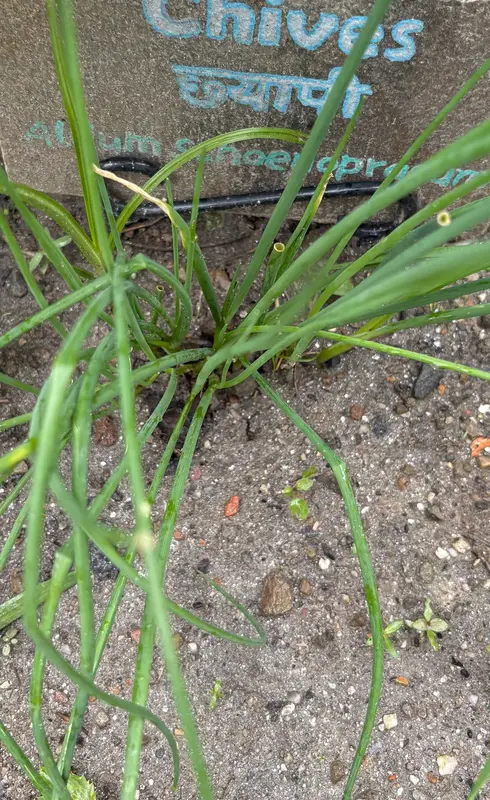
- Chives: hollow leaves that smell of onion; onions and chives are now in the amaryllis family.
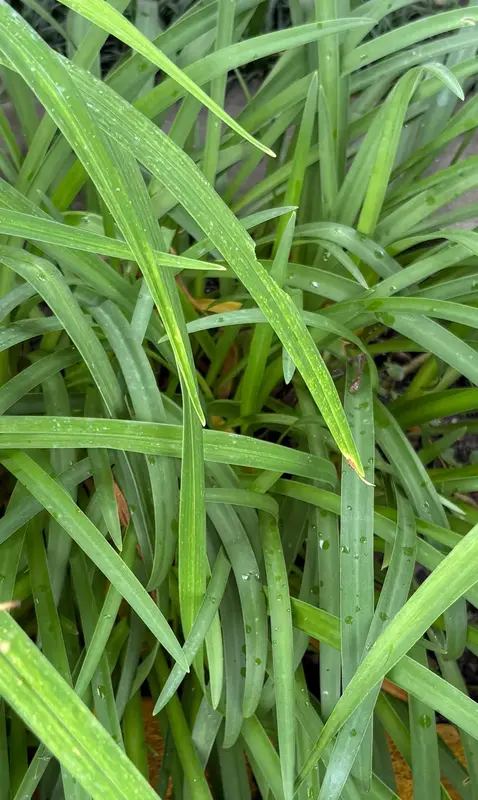
- African Lily: when it flowers, count six flower parts in two sets of three; it is now in the amaryllis family too.
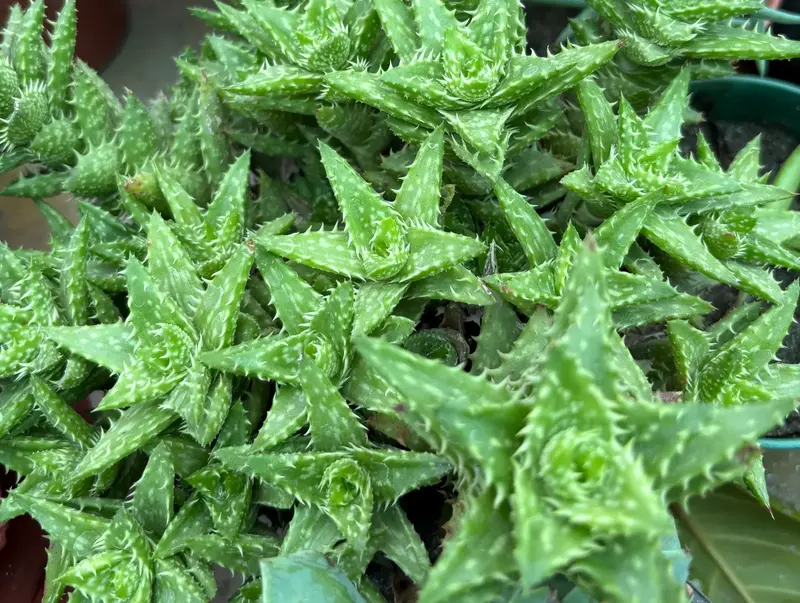
- Tiger Tooth Aloe: soft white teeth along its leaf edges; aloes are now in another family, Asphodelaceae.
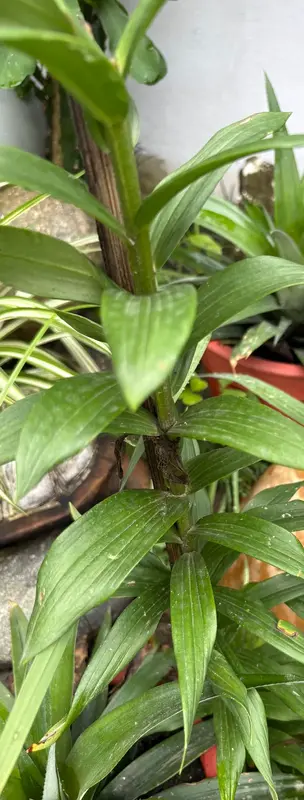
Asiatic Lily
खिरौंला
Lilium sp.
A true lily, in the Liliaceae as botanists still count it: it grows from a bulb of fleshy scales, and its six petals and six stamens show the monocot pattern of threes clearly.
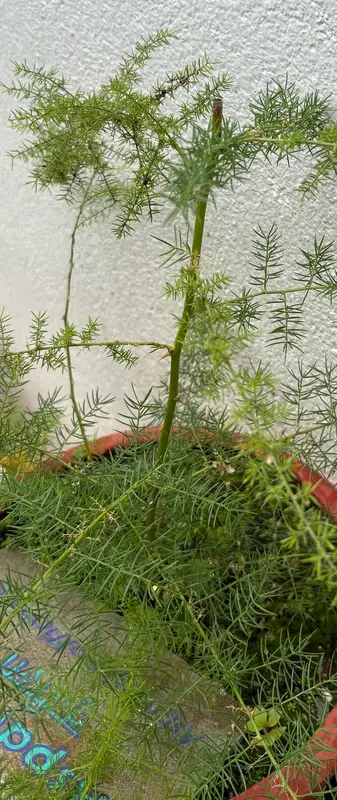
Asparagus
कुरीलो
Asparagus sp.
In Grade 11’s Liliaceae; botanists now put asparagus in a family of its own. Its feathery “leaves” are really tiny stems, its true leaves small scales, and the spears we eat are its young shoots.
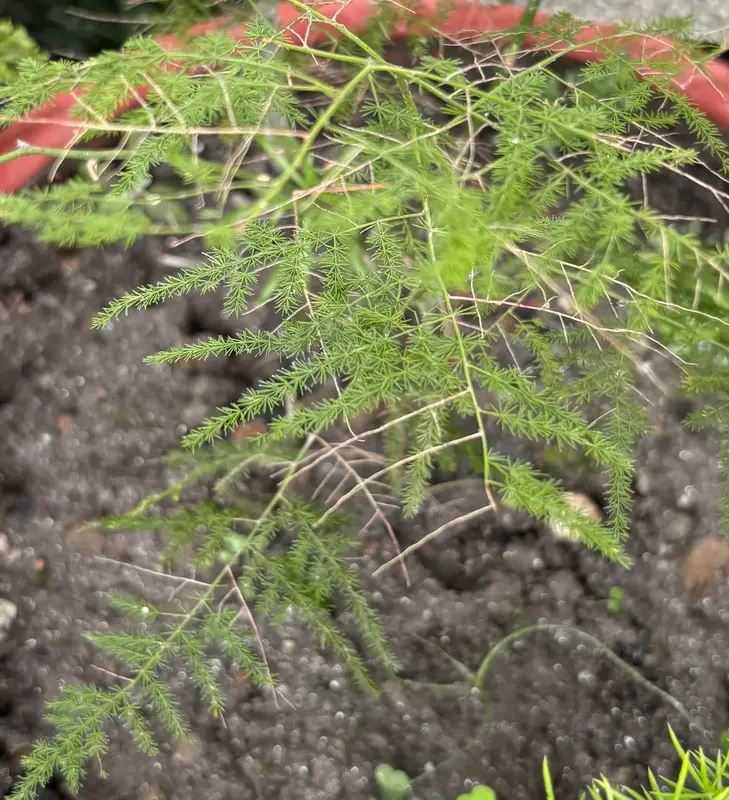
Asparagus Fern
बन कुरिलो
Asparagus sp.
It looks feathery like a fern, but it flowers and makes berries, which ferns never do: it is an asparagus, in the book’s Liliaceae.
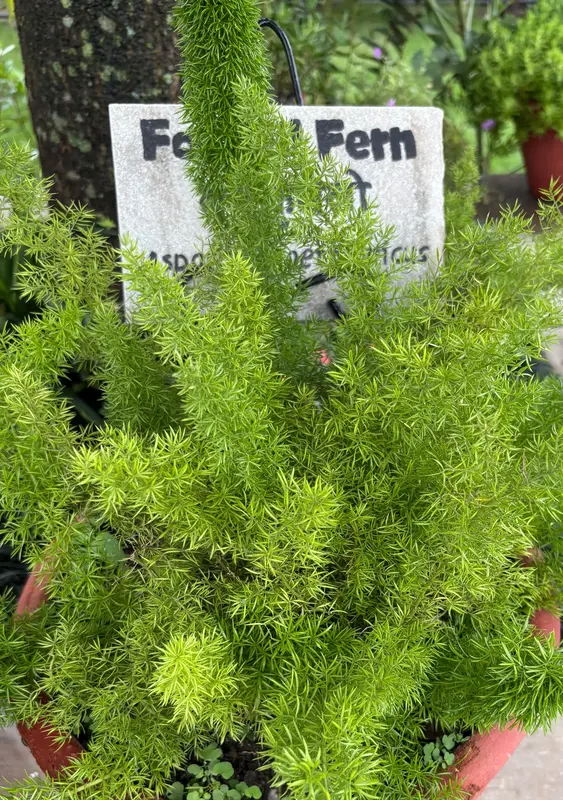
Foxtail Fern
बन कुरिलो
Asparagus densiflorus ‘Myers’
Not a fern but another asparagus, from the book’s Liliaceae. Its fluffy plumes are made of tiny needle-like stems, and it stores water in swollen roots.
Chives
छ्यापी
Allium schoenoprasum
The smallest onion in the kitchen. Grade 11 puts the onion family in Liliaceae; botanists now give onions, garlic and chives a family of their own. Its hollow leaves taste mildly of onion, and its round purple flower heads are edible too.
Tiger Tooth Aloe
Aloe juvenna
Grade 11 names aloe in Liliaceae; botanists now place aloes in another family. A small, clumping aloe from Kenya whose triangular leaves have soft white “teeth” along their edges.
African Lily
निरकमल
Agapanthus africanus
A ball of blue trumpet flowers, each with six petal-like parts in two sets of three. Once counted in Liliaceae, as the book’s family is, it is now put with the onion family.
More in Plant Groups and Names
The garden is alive and changes through the year. Some plants flower, fruit, or rest only in certain seasons, so what you see depends on when you visit.
See them for yourself
Every plant here grows on our campus in Bhaktapur. Walk the garden on your visit.
Book a Visit