
Science, Explained
Nepal’s school science curriculum as interactive books, one for each grade, in the order of CDC’s textbooks: said clearly, with every exercise answered, diagrams to look at and things to play with. For students with any science book.
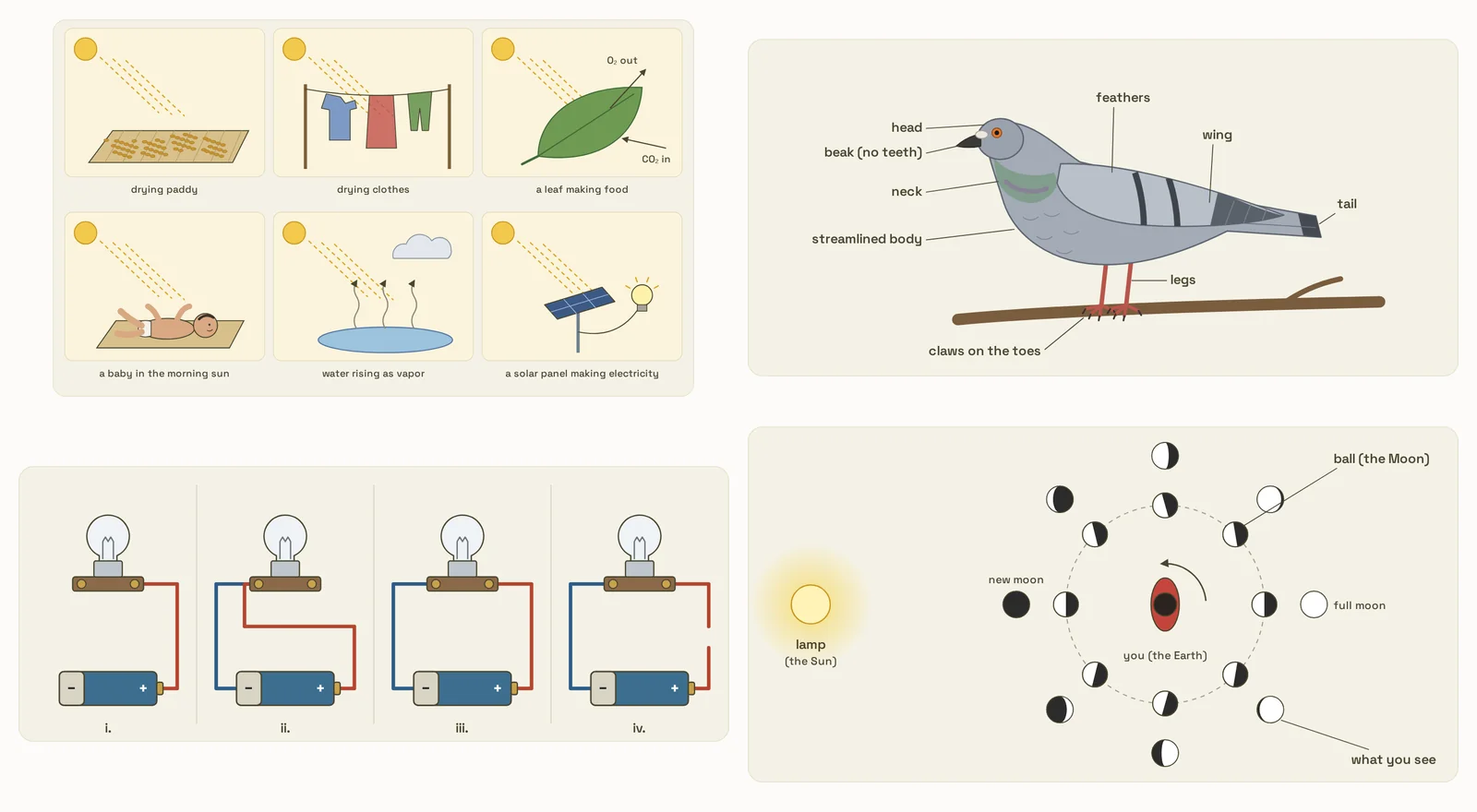
Grade 5 Science, Explained
8 units
Scientific Learning · Information and Communication Technology · Organisms and Environment · Classification of Living Beings · Life Process · Matter · Energy · The Earth and Space
Open Grade 5 Science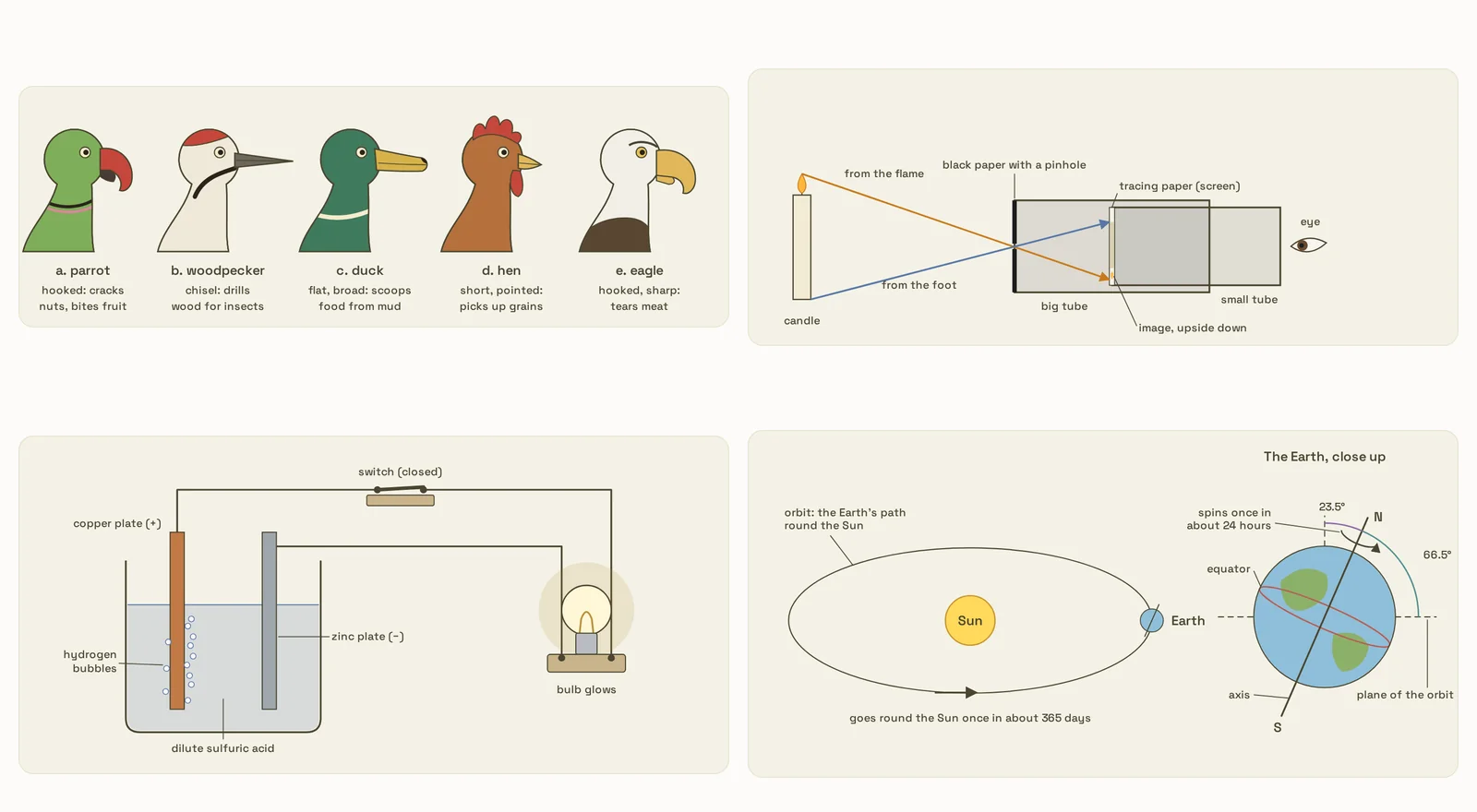
Grade 6 Science, Explained
11 units
Scientific Learning · Information and Communication Technology · Organisms and their Structure · Biodiversity and Environment · Life Process · Force and Motion · Energy in Daily Life · Electricity and Magnetism · Matter · Materials Used in Daily Life · The Earth and Space
Open Grade 6 Science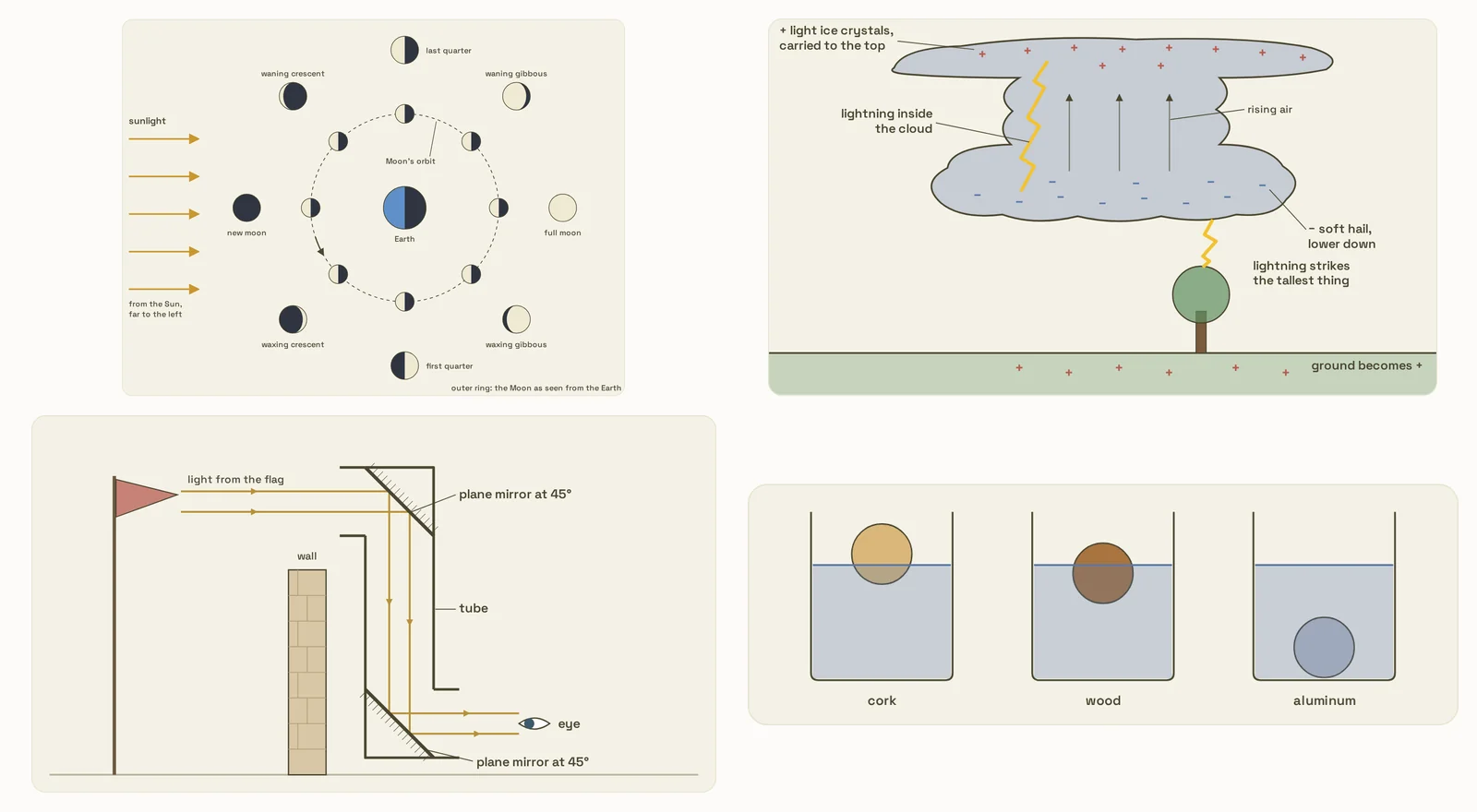
Grade 7 Science, Explained
11 units
Scientific Learning · Information and Communication Technology · Organisms and their Structure · Biodiversity and Environment · Life Process · Force and Motion · Energy in Daily Life · Electricity and Magnetism · Matter · Materials Used in Daily Life · The Earth and Space
Open Grade 7 Science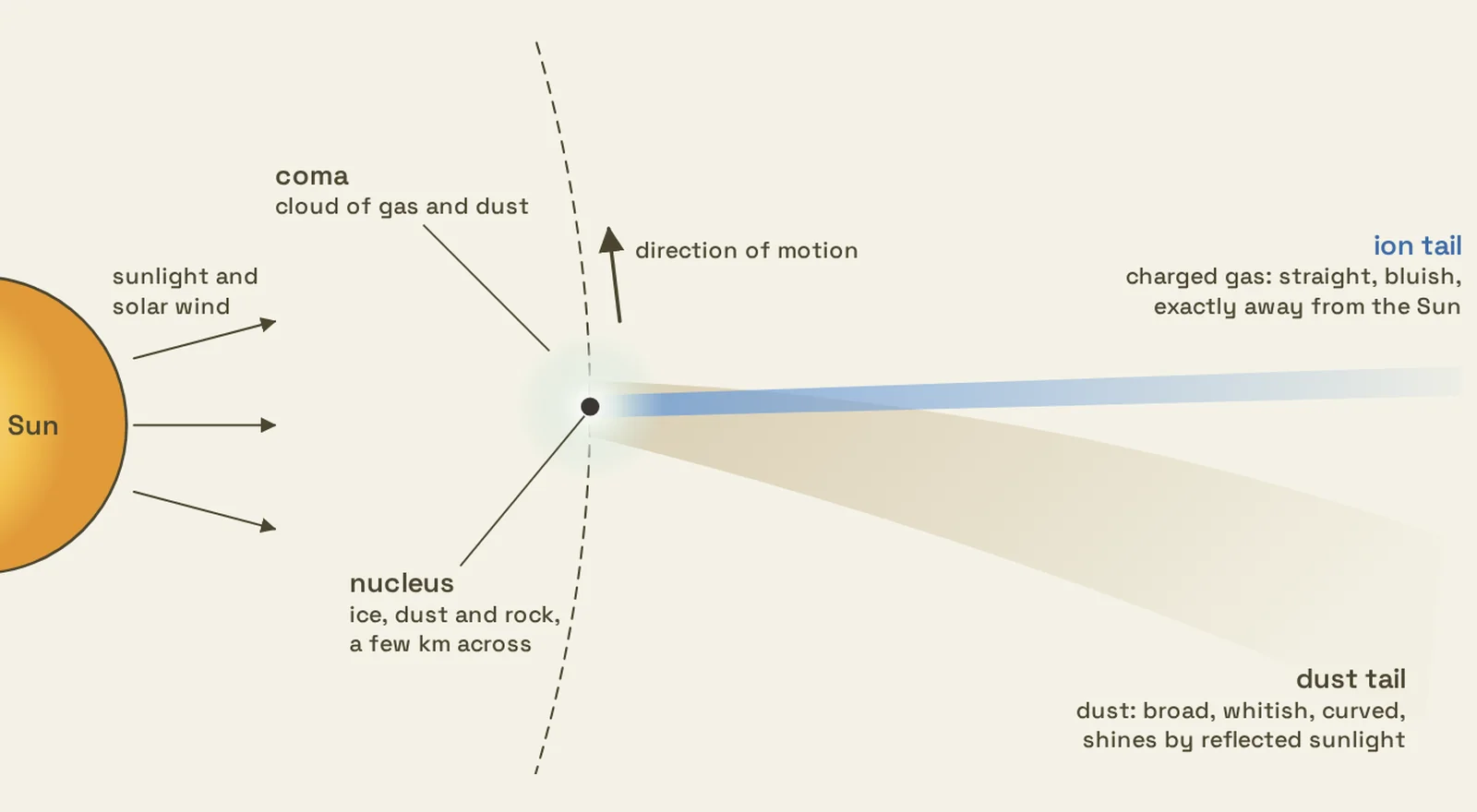
Grade 8 Science, Explained
11 units
Scientific Learning · Information and Communication Technology · Living Beings and Their Structure · Biodiversity and Environment · Life Process · Force and Motion · Energy in Daily Life · Electricity and Magnetism · Matter · Materials Used in Daily Life · The Earth and Universe
Open Grade 8 ScienceBLE model papers
Full 50-mark practice papers set to CDC’s specification grid, with model answers, marking schemes and a 2-hour timer to mark yourself against. 10 papers.
Grade 9 Science, Explained
19 units
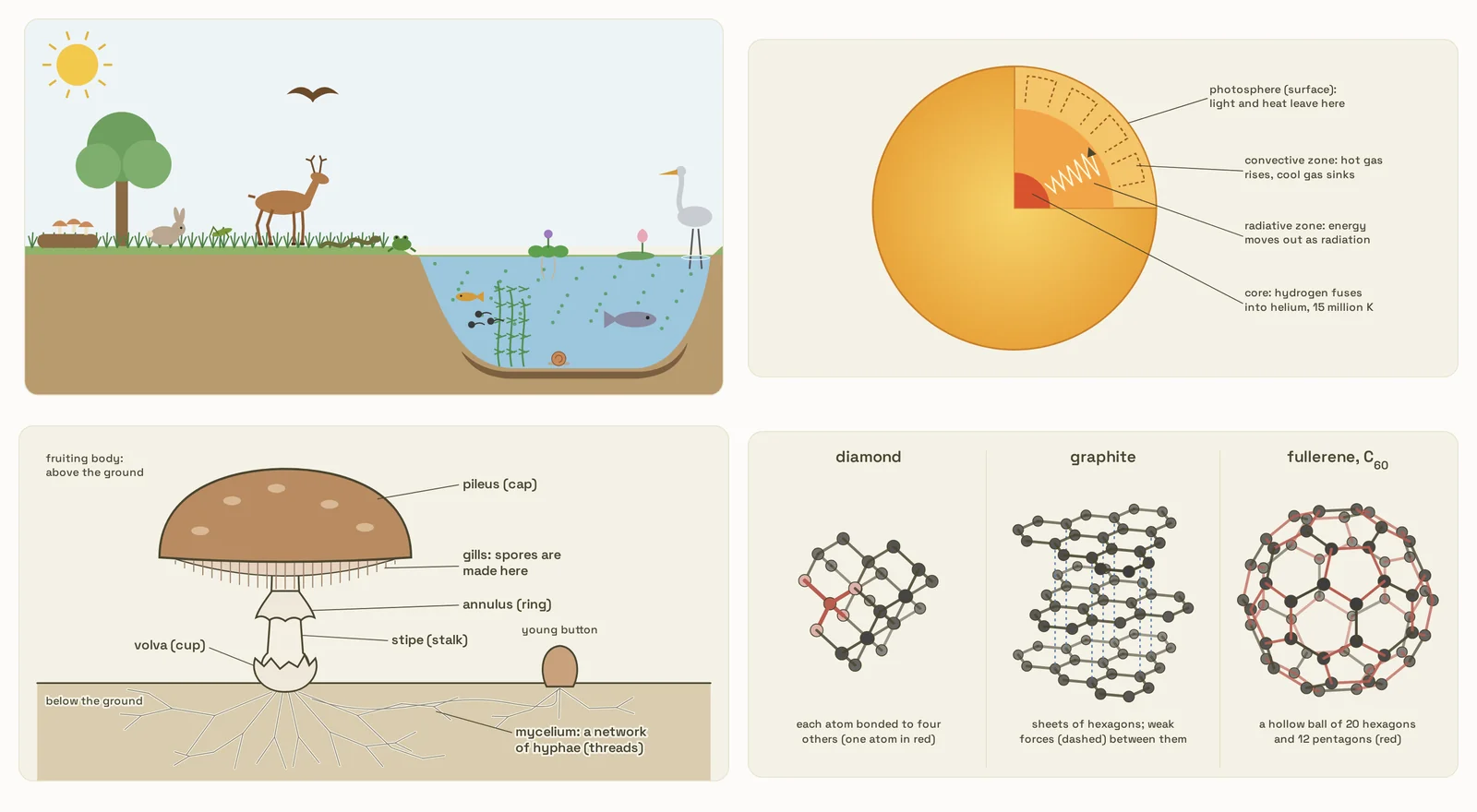
Scientific Study · Classification of Living Beings · Mushroom · Evolution · Body Structure and Life Process · Nature and Environment · Force and Motion · Simple Machine · Energy · Wave · Electricity · The Universe · Information and Communication Technology · Atomic Structure and Chemical Bond · Chemical Reaction · Gases · Metals and Non-metals · Carbon and its Compounds · Materials used in Agriculture
Open Grade 9 Science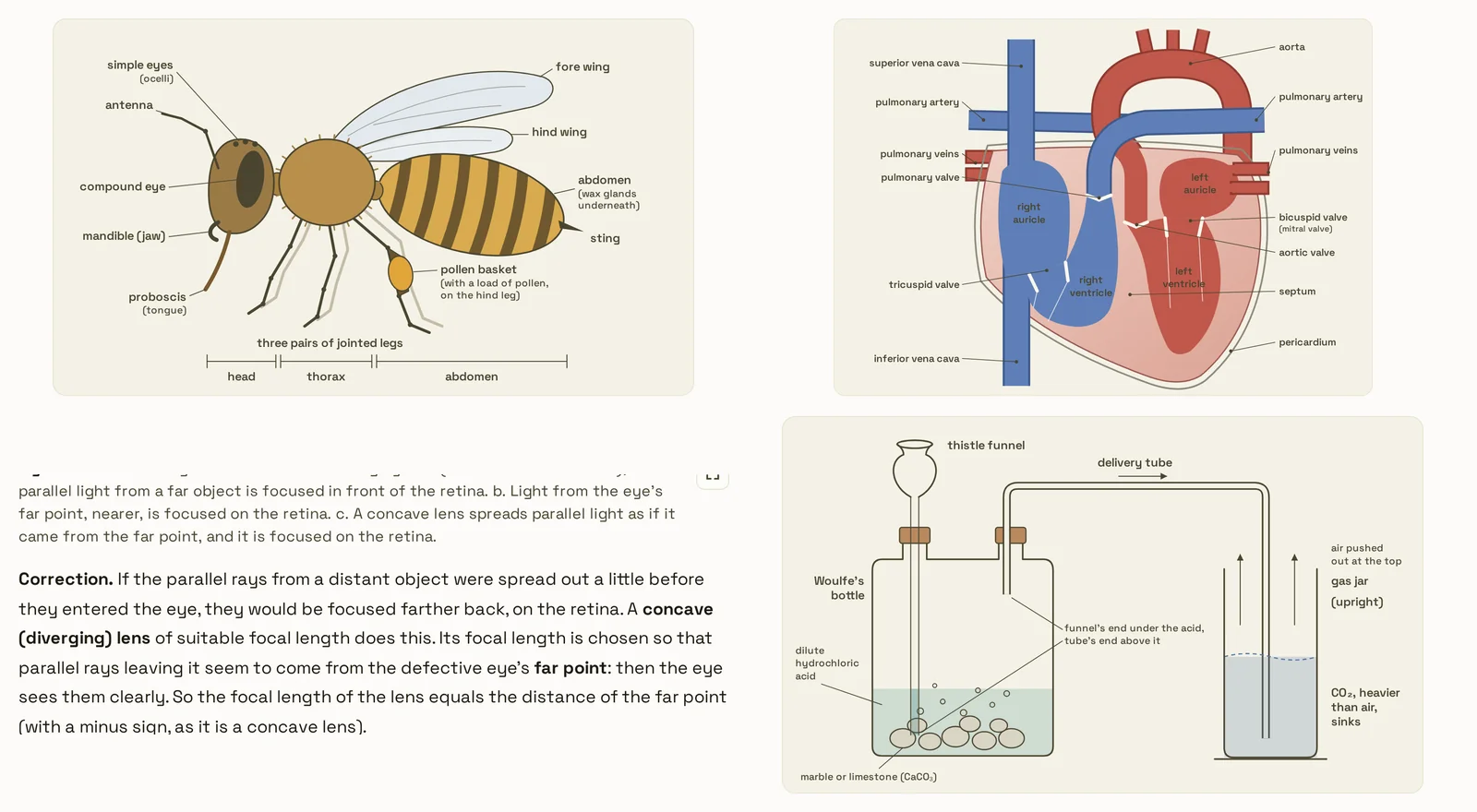
Grade 10 Science, Explained
19 units
Scientific Learning · Classification of Living Beings · Honey Bee · Heredity · Physiological Structure and Life Process · Nature and Environment · Motion and Force · Pressure · Heat · Wave · Electricity and Magnetism · Universe · Information and Communication Technology · Classification of Elements · Chemical Reaction · Gases · Metals and Non-metals · Hydrocarbon and its Compounds · Chemicals used in Daily Life
Open Grade 10 ScienceSEE model papers
Full 75-mark practice papers set to CDC’s specification grid, with model answers, marking schemes and a 3-hour timer to mark yourself against. 10 papers.
Going further
For students who want more than the course: topics that start from what you learned in class and go further, by grade band. Not in any exam.
Going Further, Grades 6–8
32 topics
Science topics past Nepal’s school course for Grades 6–8, each starting from what students learned in class, with explanations, things to play with and questions to try.
Open Going Further 6–8Going Further, Grades 9–12
48 topics
Science topics past Nepal’s school course for Grades 9–12, each starting from what students learned in class, with explanations, things to play with and questions to try.
Open Going Further 9–12