
Computing, Reimagined
Our own computing course for Grades 6 to 12, built from the best school computing curricula in the world, with examples from Nepal. Read it in order, a grade at a time, or follow one topic through the grades.
-
Grade 6 Computing
9 units
What Is a Computer? · Using a Computer Well · Algorithms: Step by Step · Programming with Blocks · Zeros and Ones · Information and Data · Making Things with a Computer · The Internet and Staying Safe · Computers That Learn
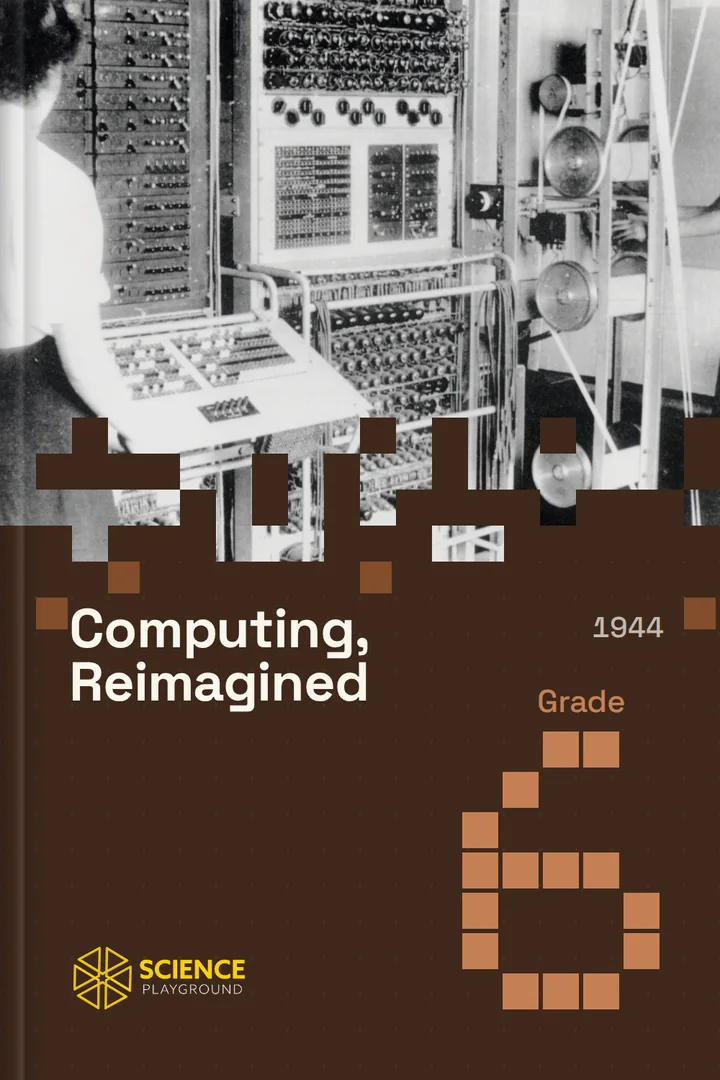
Open Grade 6 Computing1944 · Two women at Colossus, the codebreaking computer at Bletchley Park, with its paper tape running over wheels
Cover photo: Unknown author, Public domain
-
Grade 7 Computing
11 units
Inside the Computer · How Computers Store Everything · Programming: Variables and Choices · True or False: Logic · Spreadsheets and Data · Networks and the Internet · Finding and Checking Information · Keeping Data Safe · You and Your Screen · How Machines Learn · Computers and People
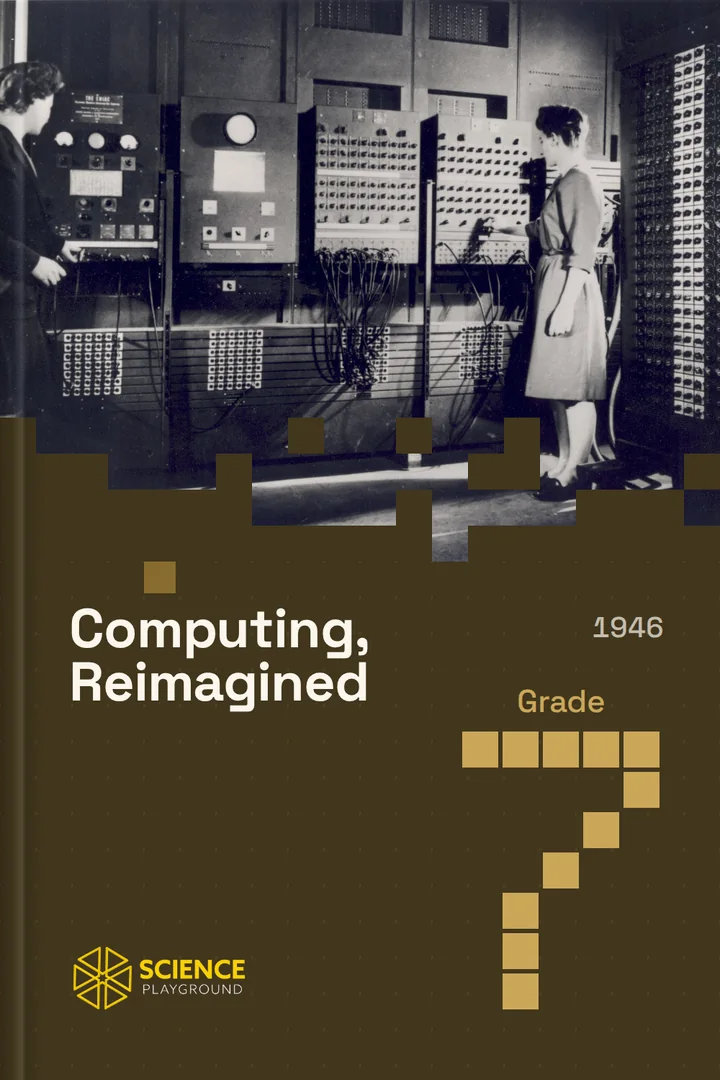
Open Grade 7 Computing1946 · Two women programming ENIAC, one of the first electronic computers, by setting its switches and cables
Cover photo: Unidentified U.S. Army photographer, Public domain
-
Grade 8 Computing
11 units
From Blocks to Python · Decisions and Loops in Python · Algorithms: Searching and Sorting · Functions: Building Blocks of Programs · Making Web Pages · Photos, Sound and Video · Physical Computing · Organizing Your Digital Life · Data, Privacy and You · Generative AI · A Project for Your Community
Open Grade 8 ComputingFinal exam model papers
Full practice papers for the course’s Grade 8 final exam, set to its own specification grid: the 50-mark theory paper, with a 2-hour timer, and the 25-mark practical exam, with model answers and marking schemes to mark yourself against. 10 papers.
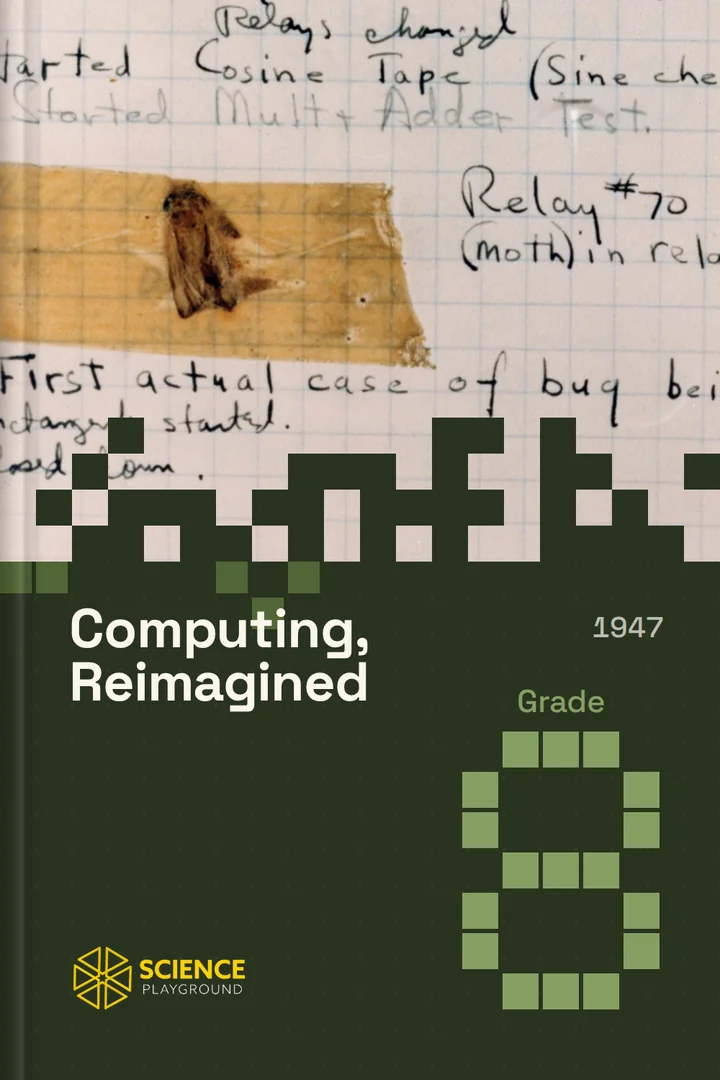
1947 · The moth taped into the Harvard Mark II logbook in 1947 beside the words “First actual case of bug being found”
Cover photo: Naval Surface Warfare Center, Dahlgren, Public domain
-
Grade 9 Computing
10 units
How a Computer Really Works · Data in Depth · Python: Lists, Strings and Dictionaries · Algorithms and Efficiency · How the Internet Works · Secrets and Security · Documents, Email and Online Services · Making Web Apps · Machine Learning · Computing and the Law
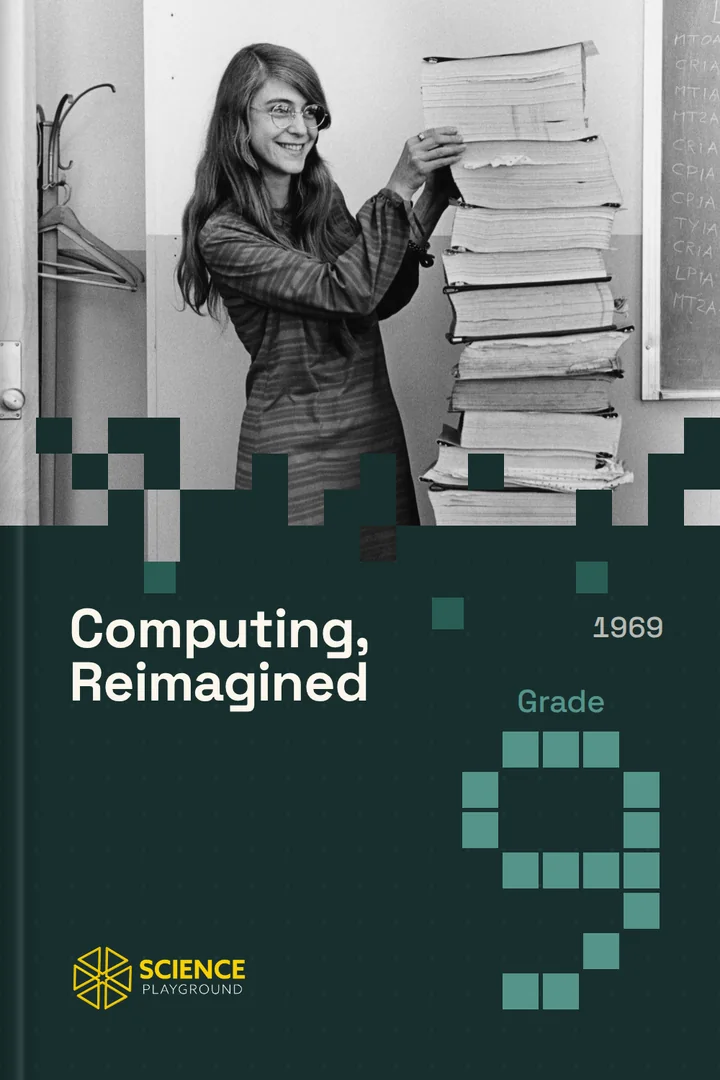
Open Grade 9 Computing1969 · Margaret Hamilton smiling beside a stack of printouts of the Apollo program code as tall as she is
Cover photo: Draper Laboratory; restored by Adam Cuerden, Public domain
-
Grade 10 Computing
9 units
Bigger Programs · Graphs: Maps, Routes and Networks · Databases and SQL · Data Science · Computers in the World · Fixing Problems and Learning Any New Tool · How Large Language Models Work · A Project in a Team · The Future of Computing
Open Grade 10 ComputingFinal exam model papers
Full practice papers for the course’s Grade 10 final exam, set to its own specification grid: the 50-mark theory paper, with a 2-hour timer, and the 25-mark practical exam, with model answers and marking schemes to mark yourself against. 10 papers.
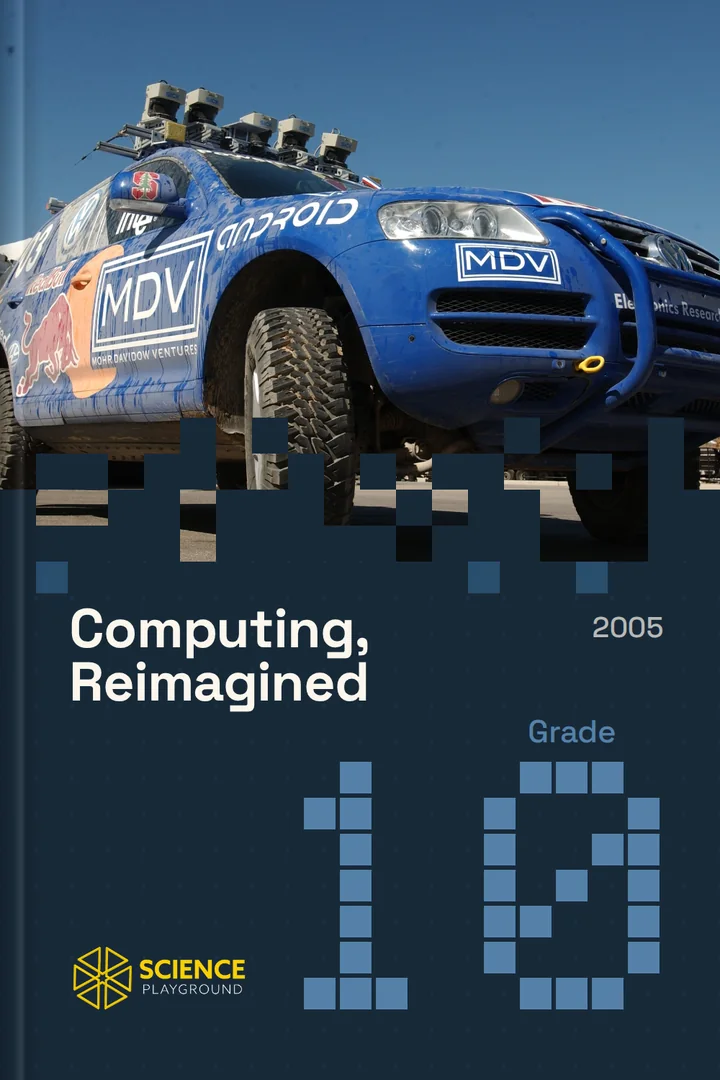
2005 · Stanley, the blue robot car with sensors on its roof that drove itself across the desert to win the 2005 DARPA Grand Challenge
Cover photo: DARPA, Public domain
-
Grade 11 Computing
10 units
Objects and Classes · Recursion · Data Structures · From Code to Circuits · Modeling and Simulation · Clients, Servers and the Web · Cybersecurity in Practice · Neural Networks · Automate Your Work · Building an App People Use
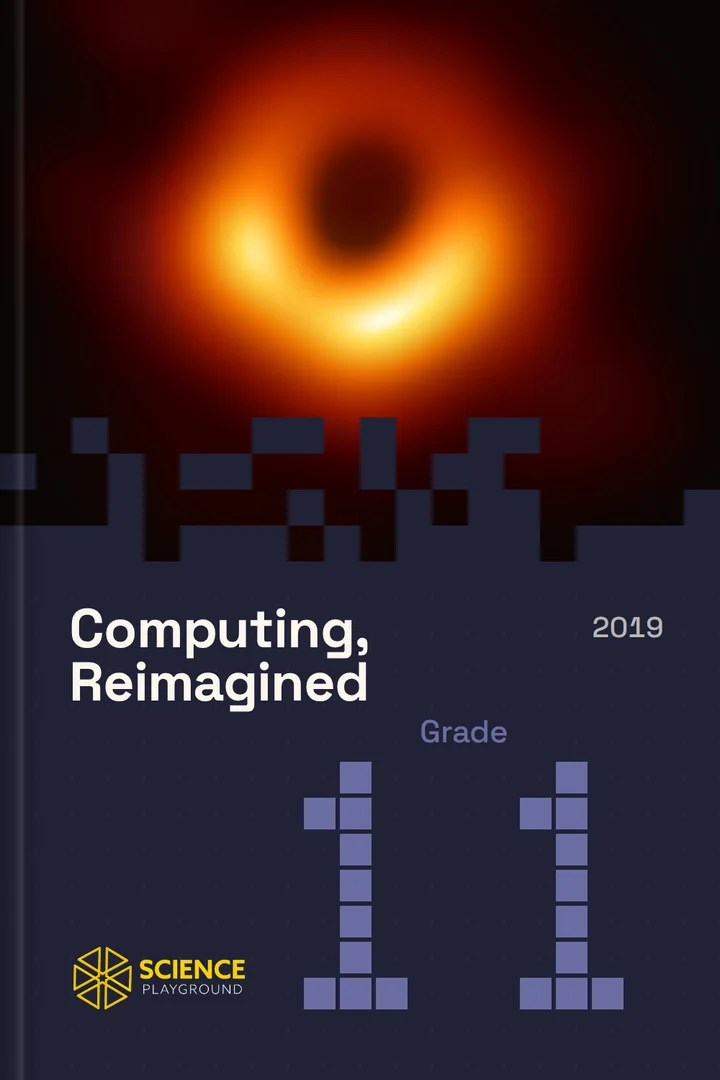
Open Grade 11 Computing2019 · The first picture of a black hole, a glowing orange ring around a dark centre, put together by computers from telescopes across the world
Cover photo: Event Horizon Telescope, CC BY 4.0
-
Grade 12 Computing
9 units
Algorithms for Hard Problems · The Limits of Computing · Software Engineering · Systems at Scale · Data, Evidence and Decisions · Building and Judging AI Systems · Cryptography and Trust · Technology, Policy and You · Capstone Project
Open Grade 12 ComputingFinal exam model papers
Full practice papers for the course’s Grade 12 final exam, set to its own specification grid: the 50-mark theory paper, with a 2-hour timer, and the 20-mark practical exam, with model answers and marking schemes to mark yourself against. 10 papers.
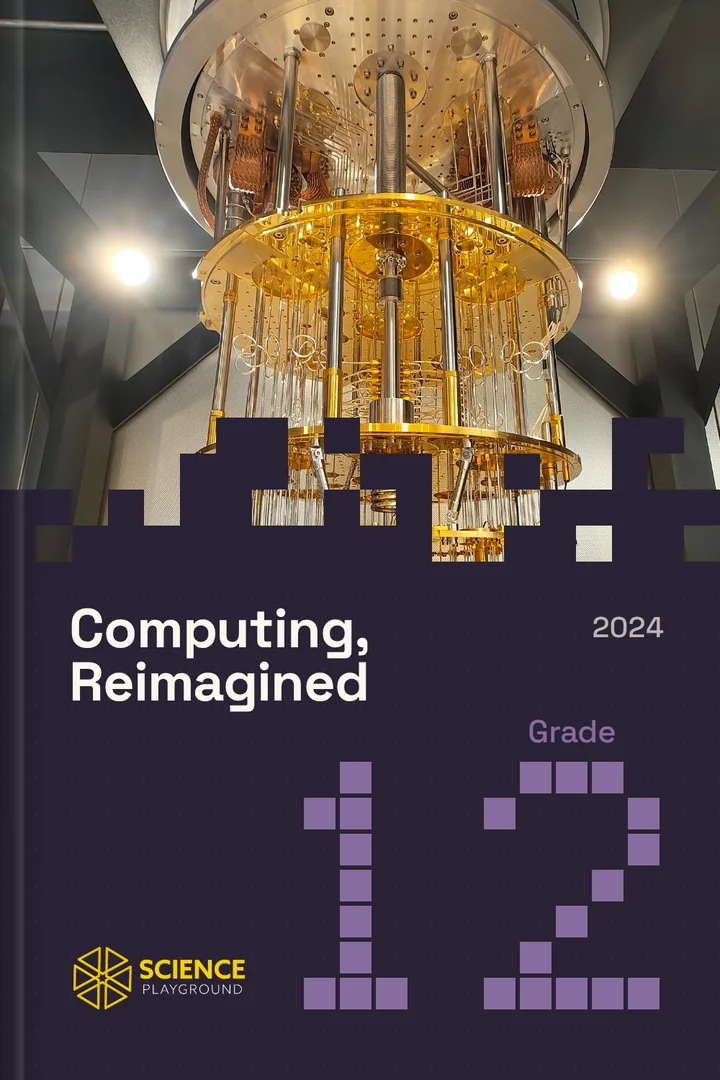
2024 · The inside of an IBM quantum computer, its gold tiers of wires and plates hanging like a chandelier
Cover photo: OJB Quantum, CC BY 4.0
Computing Quiz
Every topic of the course, from programming to AI, with the questions of every grade. Start at your grade: the questions get harder as you get them right and easier when you miss, and the ones you miss come back.
Going further
For students who want more than the course: puzzles, games, simulations and stories, each to play with and then program. Not in any exam.
-
Computing, Going Further, Grades 6–8
23 of 36 topics ready
Computing topics past the course for Grades 6–8, each a question to play with on the page and then program in blocks or Python: games, puzzles, simulations and the stories behind them.
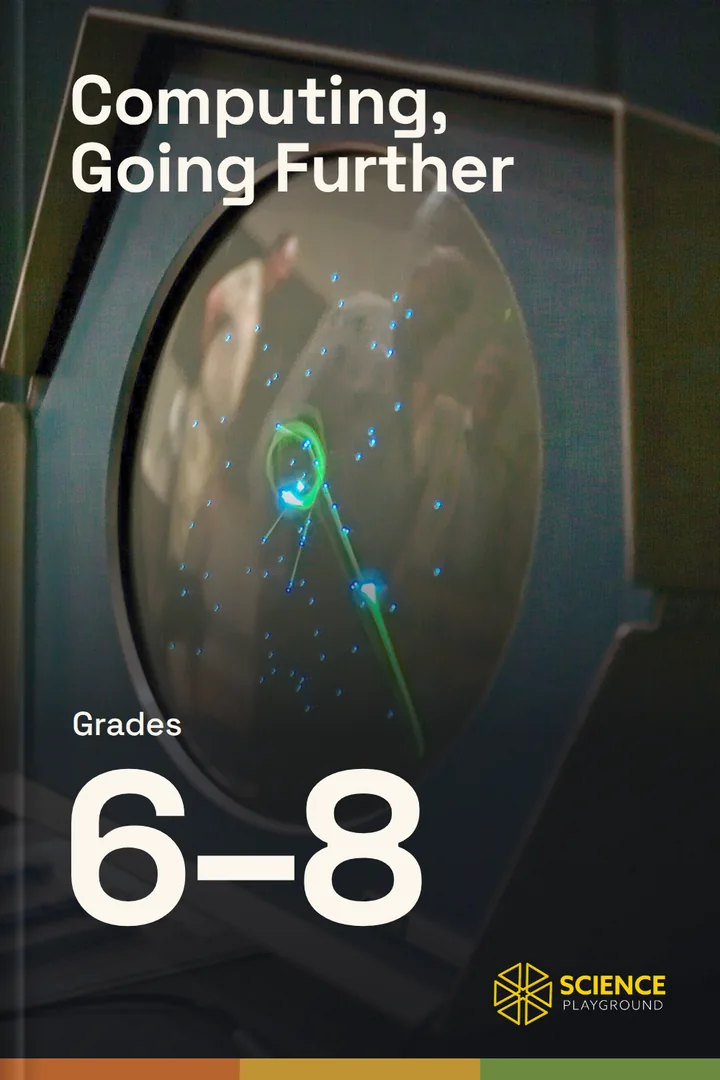
Open Computing Further 6–81962 · Spacewar!, one of the first video games, running on a PDP-1 computer at the Computer History Museum
Cover photo: Joi Ito from Inbamura, Japan, CC BY 2.0
-
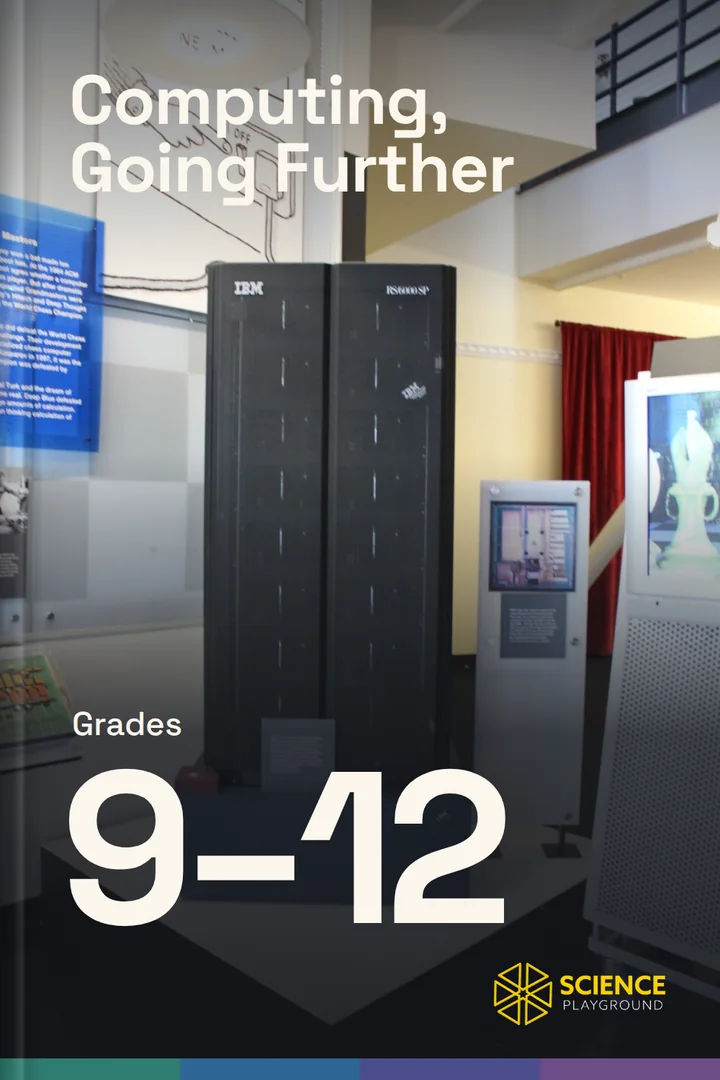
Computing, Going Further, Grades 9–12
19 of 42 topics ready
Computing topics past the course for Grades 9–12, each a question to play with on the page and then program in Python: game-playing programs, classic algorithms, simulations and famous bugs.
Open Computing Further 9–121997 · Deep Blue, the IBM computer that beat the world chess champion Garry Kasparov in 1997, at the Computer History Museum in California
Cover photo: Anton Chiang from Cupertino, CA, USA, CC BY 2.0


Or follow one topic through the grades, such as artificial intelligence or programming: Computing by Topic.
For teachers: the curriculum, with each grade’s learning outcomes and periods.