
Through a Telescope
What the Moon, the planets, the Sun and the stars really look like: with your eyes, through binoculars or a small telescope like a school’s, and through Hubble and Webb. Then find them tonight in the Night Sky.
The Solar System
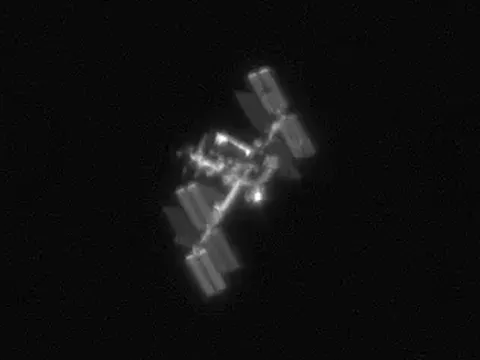 The International Space Station अन्तर्राष्ट्रिय अन्तरिक्ष केन्द्र
A bright light with no blinking lights that crosses the sky in a few minutes, with people on board. Catching it in a telescope is hard, but its solar panels show.
Read more →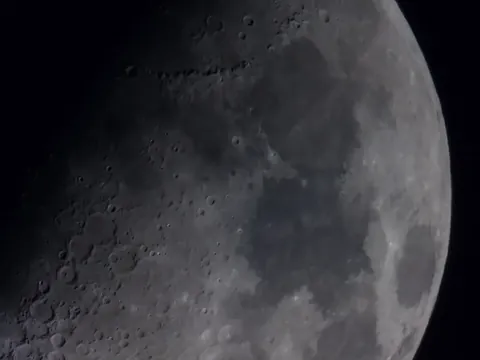 The Moon चन्द्रमा
The easiest thing in the sky to look at, and the most rewarding. Binoculars show craters; a small telescope shows mountains, shadows and rays. Even a phone can photograph it.
Read more →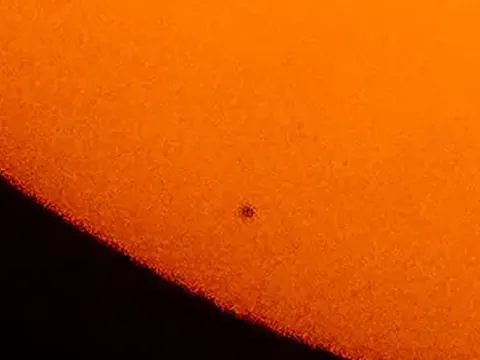 Mercury बुध
The hardest of the bright planets to catch: always close to the Sun, low in twilight. A small telescope shows its phases; even Hubble isn’t allowed to look.
Read more →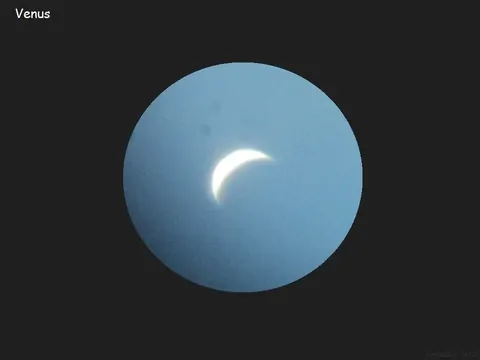 Venus शुक्र
The brightest planet, the “evening star” or “morning star”. A small telescope shows it changing shape like the Moon, the discovery that helped show the planets go round the Sun.
Read more →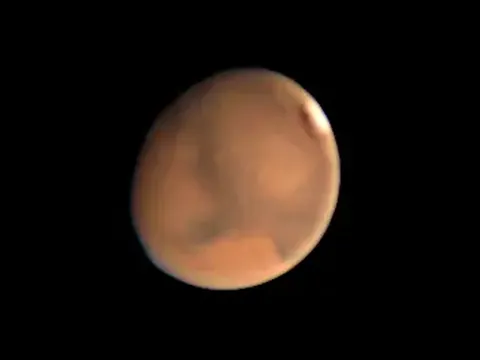 Mars मङ्गल
The red planet is a small, tricky target, best seen for a few weeks every two years. Then a small telescope shows a polar cap and dark markings; Hubble shows its clouds and craters.
Read more → Jupiter बृहस्पति
A bright light that doesn’t twinkle, four moons that change places every night, and cloud belts you can see in a small telescope. Then Jupiter as Hubble and Webb see it.
Read more →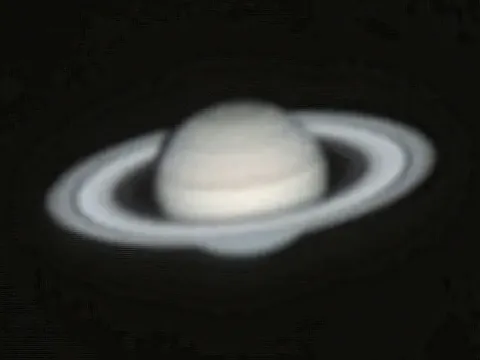 Saturn शनि
A yellowish star that hides the most famous sight in the sky. Even a small telescope shows its rings, and Titan beside it. Then Saturn as Hubble and Webb see it.
Read more → Uranus अरुण
The first planet found with a telescope. To most of us it is a faint “star”; a telescope shows a tiny blue-green disc. The biggest telescopes show its rings, moons and a planet tipped on its side.
Read more →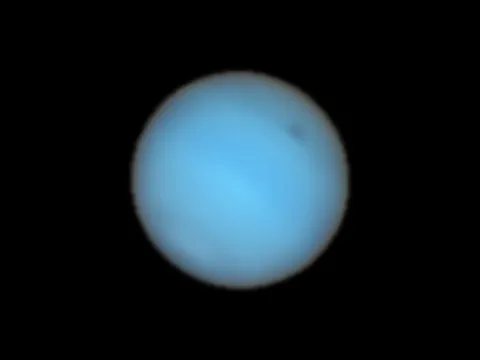 Neptune वरुण
The only planet you can never see with your eyes alone, found by mathematics before anyone knew where to look. A telescope shows a tiny blue dot; the biggest show its clouds, storms and rings.
Read more →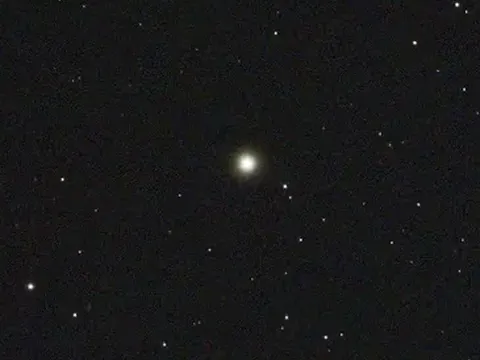 Vesta
The brightest asteroid, at its best just visible to the eye from a dark place. In binoculars it looks like a star, but it moves from night to night. Some meteorites found on Earth are pieces of it.
Read more →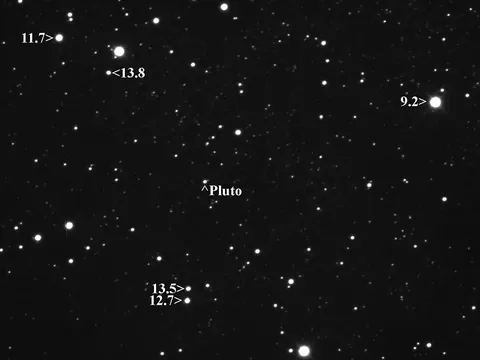 Pluto यम
Too faint for your eyes, binoculars or a school telescope. Found in 1930 by comparing photos, mapped as a blurry ball by Hubble, and called a dwarf planet since 2006.
Read more →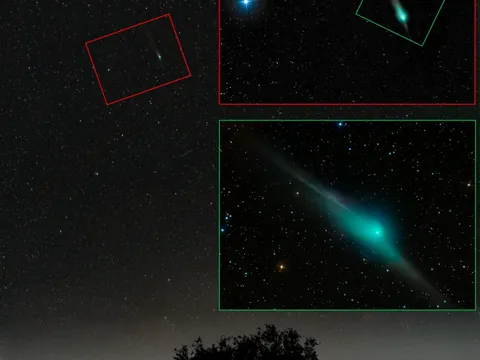 Comets पुच्छ्रे तारा
Balls of ice and dust that grow a glowing head and tails near the Sun. Most are fuzzy patches in binoculars; a few become great sights you remember all your life.
Read more →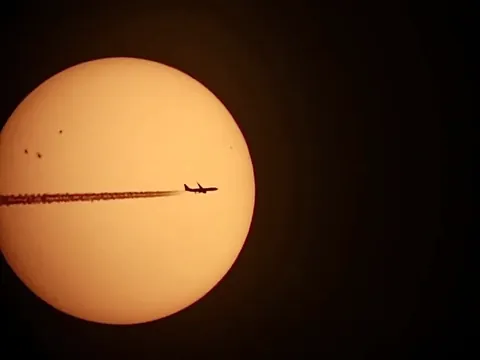 The Sun सूर्य
The one thing in the sky you must never look at directly. With the right filter or by projection, a small telescope shows sunspots that move from day to day; special telescopes show flames of gas at its edge.
Read more →
Stars and galaxies
 Star colors ताराका रङ
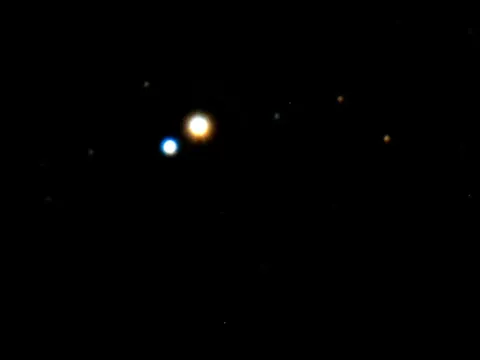
Stars are not all white. Betelgeuse is orange, Rigel blue-white, and in a small telescope Albireo splits into a gold star and a blue one. Their colors tell you how hot they are.
Read more →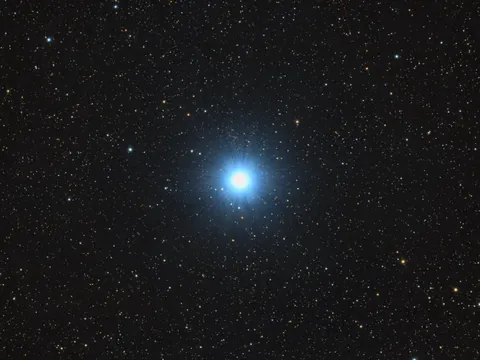 Sirius लुब्धक
The brightest star in the night sky, low in the south on winter evenings. Low down it flashes every color; beside it hides a dead star the size of Earth.
Read more →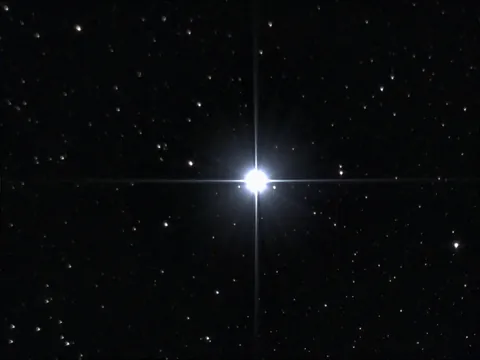 Vega अभिजित्
A brilliant blue-white star at the top of the Summer Triangle. The first star ever photographed, the star the brightness scale starts from, and one day the pole star.
Read more →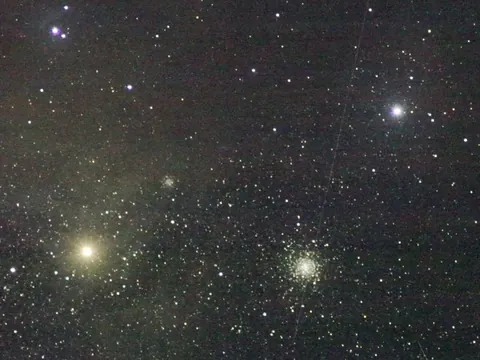 Antares ज्येष्ठा
The red star at the heart of the Scorpion, so big that it would swallow Mars if it took the Sun’s place. Binoculars show a star cluster beside it; a bigger telescope, on a steady night, its small blue companion.
Read more →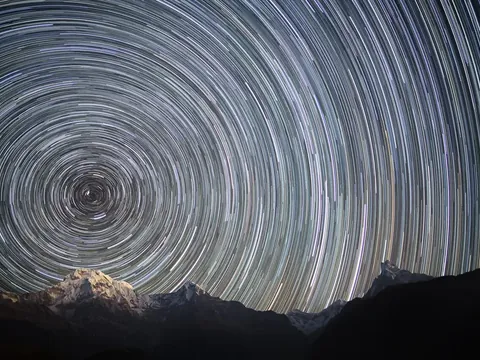 Polaris ध्रुवतारा
The one star that stays put while the whole sky turns. It is not the brightest star, but it shows you north, and its height tells you how far north you are. A small telescope shows its tiny companion.
Read more →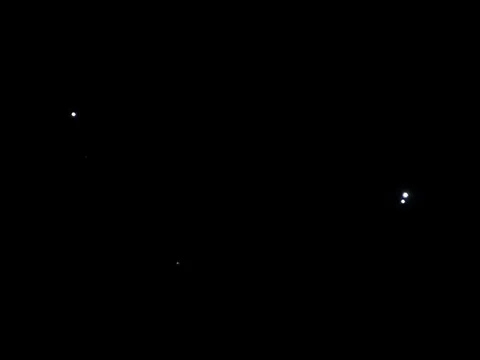 Mizar and Alcor वशिष्ठ र अरुन्धती
In the handle of the Big Dipper, a bright star with a faint one beside it, an old eyesight test. A small telescope splits the bright one in two, and the whole family turns out to be six stars.
Read more →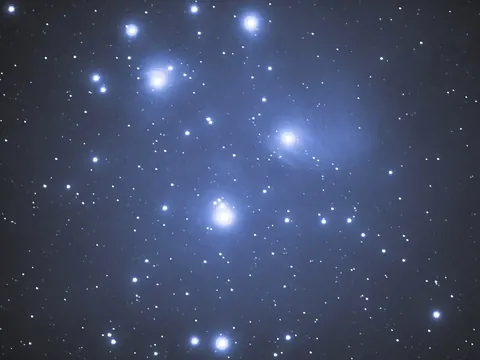 The Pleiades कृत्तिका
A tiny dipper of six stars that most people have seen without knowing its name. Binoculars turn it into dozens of blue-white stars; long photos show a blue haze the eye can’t.
Read more →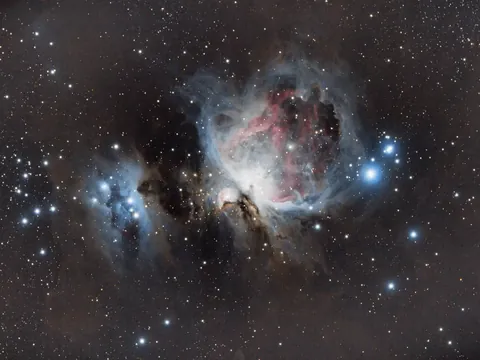 The Orion Nebula ओरियन नेबुला
A misty “star” in Orion’s sword that is really a glowing cloud where new stars are being born. A small telescope shows its gray-green wings and four baby stars at its heart.
Read more →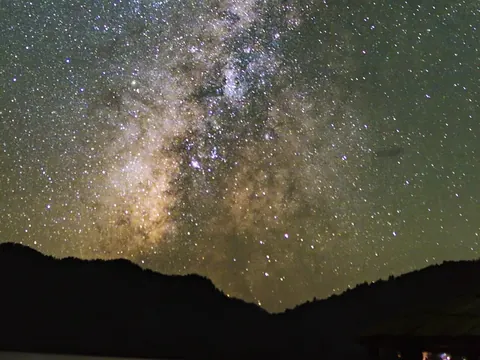 The Milky Way आकाशगङ्गा
A soft, cloudy band across a dark sky, which binoculars break into countless stars. It is our own galaxy, seen from inside.
Read more →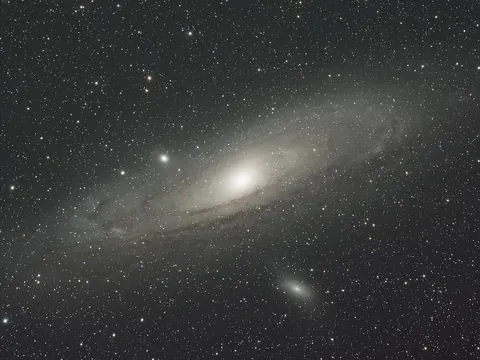 The Andromeda Galaxy एन्ड्रोमेडा
A faint misty patch that is a whole galaxy of stars, 2.5 million light-years away: the farthest thing you can see with your eyes alone.
Read more →